
Canada's food culture is shaped by regional traditions, immigrant communities, and a taste for dishes that feel generous and familiar. For many newcomers, these are the foods that make the first strong impression, because they are easy to find, easy to enjoy, and tied to everyday Canadian life.
Poutine

Few foods explain Quebec's influence on Canadian eating as clearly as poutine. At its simplest, it is made with french fries, cheese curds, and brown gravy. The curds matter because they give the dish its signature bite and mild, fresh dairy flavor.
Most food historians place poutine's origins in rural Quebec in the 1950s, though several towns have claimed the idea. What is not in dispute is how far it spread. Today it appears everywhere from fast-food chains to diners and higher-end restaurants, often with toppings like smoked meat or pulled pork.
Newcomers often warm to poutine quickly because it is familiar and new at the same time. Fries and gravy are recognizable, but the squeaky curds create a texture many people remember after one try. It is comfort food with a clear Canadian identity, especially in Quebec and across central Canada.
Butter tarts
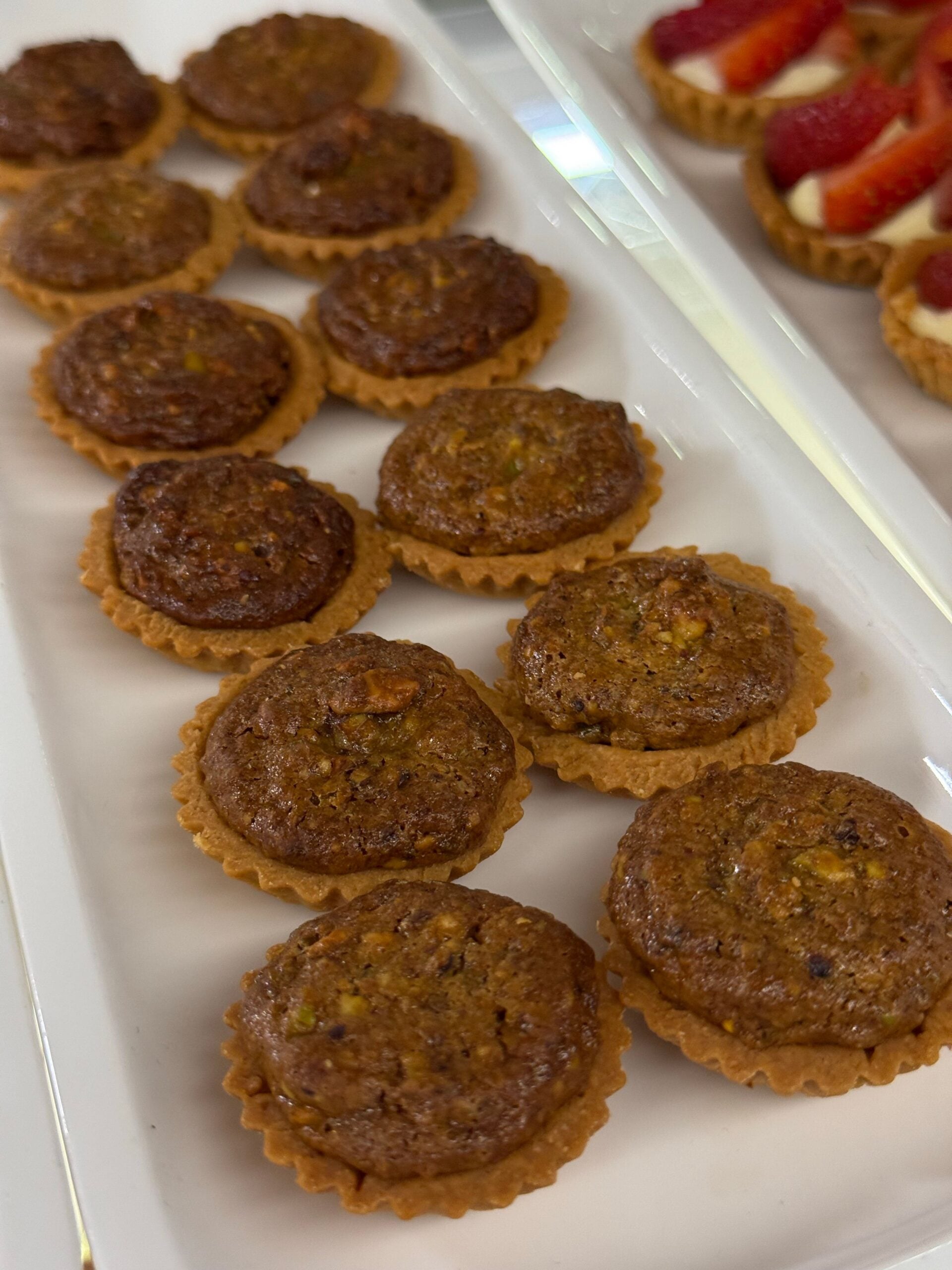
Butter tarts are one of the clearest examples of a Canadian dessert with long roots and strong opinions around it. The filling is usually made from butter, sugar, syrup, and egg, baked in a small pastry shell. In many homes and bakeries, the big debate is simple: raisins or no raisins.
Food historians have traced published butter tart recipes in Canada to the early 1900s, with Ontario strongly associated with the dessert. Over time, they became a fixture at bake sales, family gatherings, and small-town bakeries. Their appeal comes from contrast, a flaky shell around a rich, sweet center.
For newcomers, butter tarts often feel approachable because they look familiar, almost like small pies or custard pastries. Then the flavor lands differently, with a filling that can range from firm to runny depending on the baker. That small surprise is part of why they become a memorable first Canadian sweet.
Nanaimo bars

Nanaimo bars stand out because they do not need baking, yet they still feel like a bakery treat. The classic bar has three layers: a crumb base, a custard-flavored middle, and a chocolate top. The combination is rich, neat to slice, and easy to recognize in a display case.
The dessert is closely tied to Nanaimo, British Columbia, where local promotion helped cement its name and place in Canadian food culture. Recipes spread widely in the mid-20th century and became common in community cookbooks. Today the bar is sold in cafes, supermarkets, and coffee shops across the country.
Newcomers often appreciate Nanaimo bars because each bite is straightforward but distinct. The base brings crunch, the middle softens it, and the chocolate gives a clean finish. It is also a dessert that tells a regional story, which makes it more than just something sweet.
Tourtière
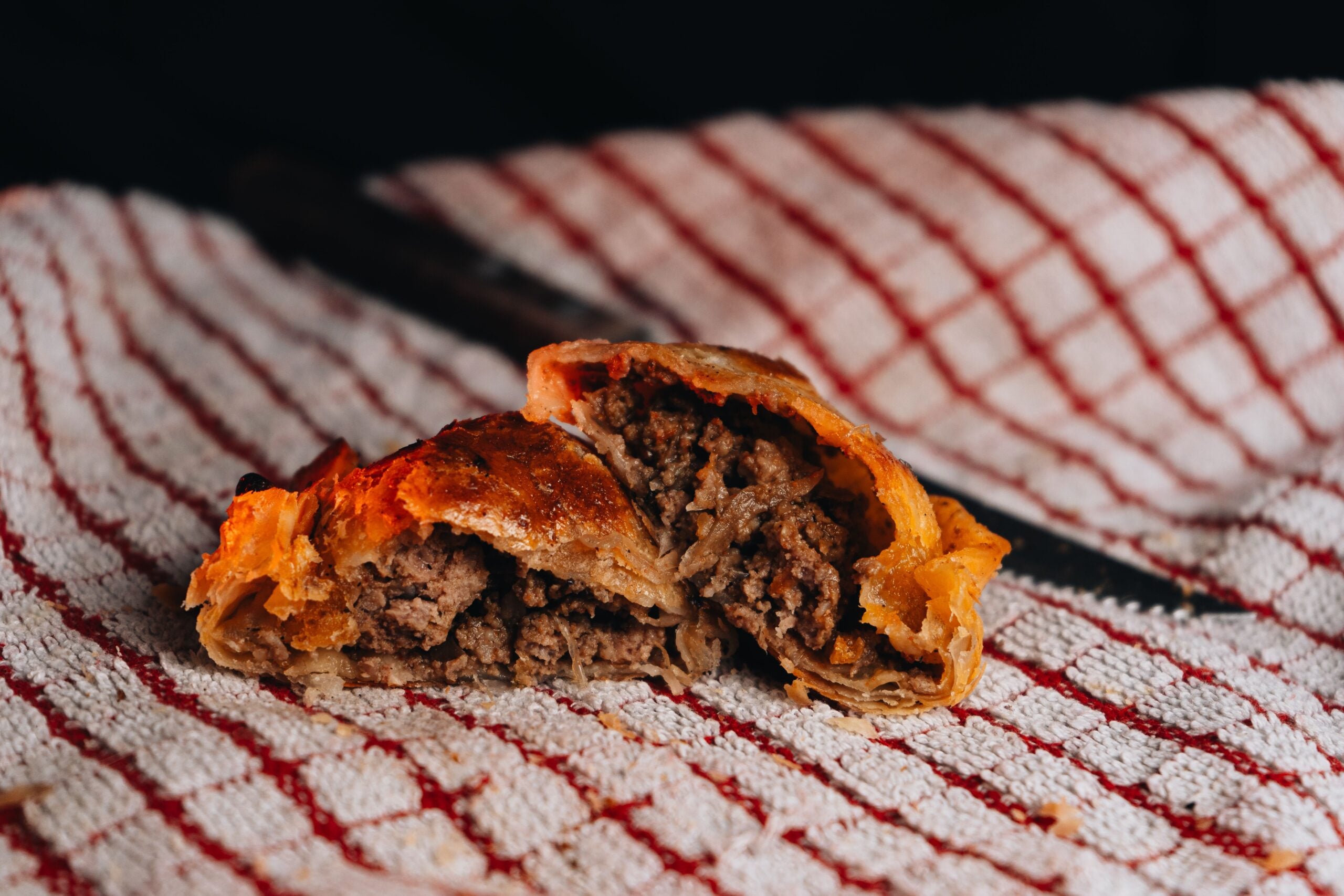
Tourtière is a meat pie that introduces many newcomers to the French Canadian side of home cooking. It is most closely associated with Quebec, especially during the holiday season. Depending on the region and family tradition, the filling can include pork, beef, veal, or game, seasoned with spices that give it warmth rather than heat.
Its history stretches back centuries in Quebec, where meat pies became part of winter and festive meals. Some versions, including tourtière du Lac-Saint-Jean, are deeper and built for sharing. Others are smaller and more common as everyday bakery or dinner-table versions.
People often fall for tourtière because it feels both hearty and familiar. Many cultures have savory pies, so the format is easy to understand. What makes the Canadian version memorable is the seasoning profile and the way it connects comfort, celebration, and regional identity in one dish.
Peameal bacon sandwich

The peameal bacon sandwich is a Toronto classic that often surprises people expecting something closer to streaky breakfast bacon. Peameal bacon is made from wet-cured pork loin rolled in cornmeal. It is leaner than side bacon and usually sliced thick, then served on a bun.
Its roots go back to 19th-century Toronto, where pork processing played a major role in the city's food trade. The coating was originally crushed yellow peas, which is where the name comes from, even though cornmeal is standard now. One of its best-known homes is St. Lawrence Market.
Newcomers tend to like this sandwich because it is direct and satisfying. There is no need for a long explanation once it is in front of you. The texture is tender, the cornmeal edge adds bite, and the whole thing captures a practical, city-food version of Canadian tradition.




Leave a Reply