
Some flavors never really leave you. One bite of a well-made vintage dessert can bring back a whole kitchen, right down to the warm oven door and the flour-dusted counter.
Apple Pie with Lard-Flake Crust

Nothing says old-fashioned baking quite like a deep apple pie cooling by the window. The hallmark of many grandparent-era pies was the crust, often made with lard for exceptional flakiness and a tender bite that shortening and butter alone do not always match.
Traditional bakers relied on firm, tart apples such as Northern Spy, Jonathan, or Winesap because they held their shape under heat. A good filling was never just sweet. It balanced cinnamon, nutmeg, lemon juice, and a little salt so the apples tasted brighter and more complex.
The method mattered as much as the ingredients. Grandmothers often cut the fat into the flour by hand, leaving visible pieces that turned to steam in the oven. That created the layered crust many modern home bakers try hard to recreate.
Served slightly warm, often with a slice of cheddar or a scoop of vanilla ice cream, this pie was practical and celebratory at once. It used pantry staples, stretched seasonal fruit, and turned a simple dessert into the emotional center of a family table.
Pineapple Upside-Down Cake

This cake became a star in American home kitchens in the early 20th century, especially after canned pineapple became widely available. For many grandparents, it was the special-occasion cake that still felt achievable on an ordinary budget.
Its appeal begins at the bottom of the pan, where butter and brown sugar melt into a glossy caramel. Pineapple rings and maraschino cherries are arranged with care, creating the bright patterned top that appears when the cake is turned out.
The batter is usually a simple butter cake, but the contrast is what makes it memorable. The fruit layer stays sticky and rich, while the crumb underneath remains soft, light, and just sturdy enough to hold the syrup.
In church cookbooks and community bake sales, pineapple upside-down cake appeared again and again because it looked impressive without requiring fancy frosting. It still tastes like hospitality, thrift, and the kind of baking meant to be shared in generous squares.
Molasses Spice Cookies

The smell of molasses baking with ginger and cloves is one of the clearest signals of an old family kitchen. These cookies were especially common in colder months, when sturdy pantry ingredients were more useful than fragile fresh produce.
Molasses gave depth, moisture, and color, while spices created warmth that lingered after each bite. Many vintage recipes called for shortening or lard, which produced a softer interior and a gently crisp edge when baked properly.
Some households rolled them in sugar before baking, creating a crackled top that looked rustic and inviting. Others kept them plainer, treating them as everyday cookies to stack in tins for school lunches, visitors, or afternoon coffee.
Their flavor tends to improve after a day, which helps explain their staying power. Like many grandparent-era bakes, they were designed not just for immediate pleasure but for usefulness, keeping well and tasting dependable through the week.
Lemon Meringue Pie

This pie has always been part showpiece, part comfort food. In many grandparents' kitchens, lemon meringue pie represented skill because each layer had to succeed on its own: crisp crust, smooth filling, and a billowy topping that browned without weeping.
The filling in older recipes was often cooked on the stovetop with egg yolks, sugar, lemon juice, zest, and a starch thickener. When done correctly, it set into neat slices while staying silky rather than rubbery or overly firm.
Meringue demanded timing and confidence. Bakers spread it over hot filling so it sealed to the edges, reducing shrinkage and helping prevent beads of moisture from forming on top after cooling.
What keeps this pie timeless is its balance. The sharpness of lemon cuts through the sweetness, while the airy topping softens every bite. It feels bright, elegant, and familiar all at once, exactly the sort of dessert remembered from holiday tables.
Oatmeal Raisin Cookies
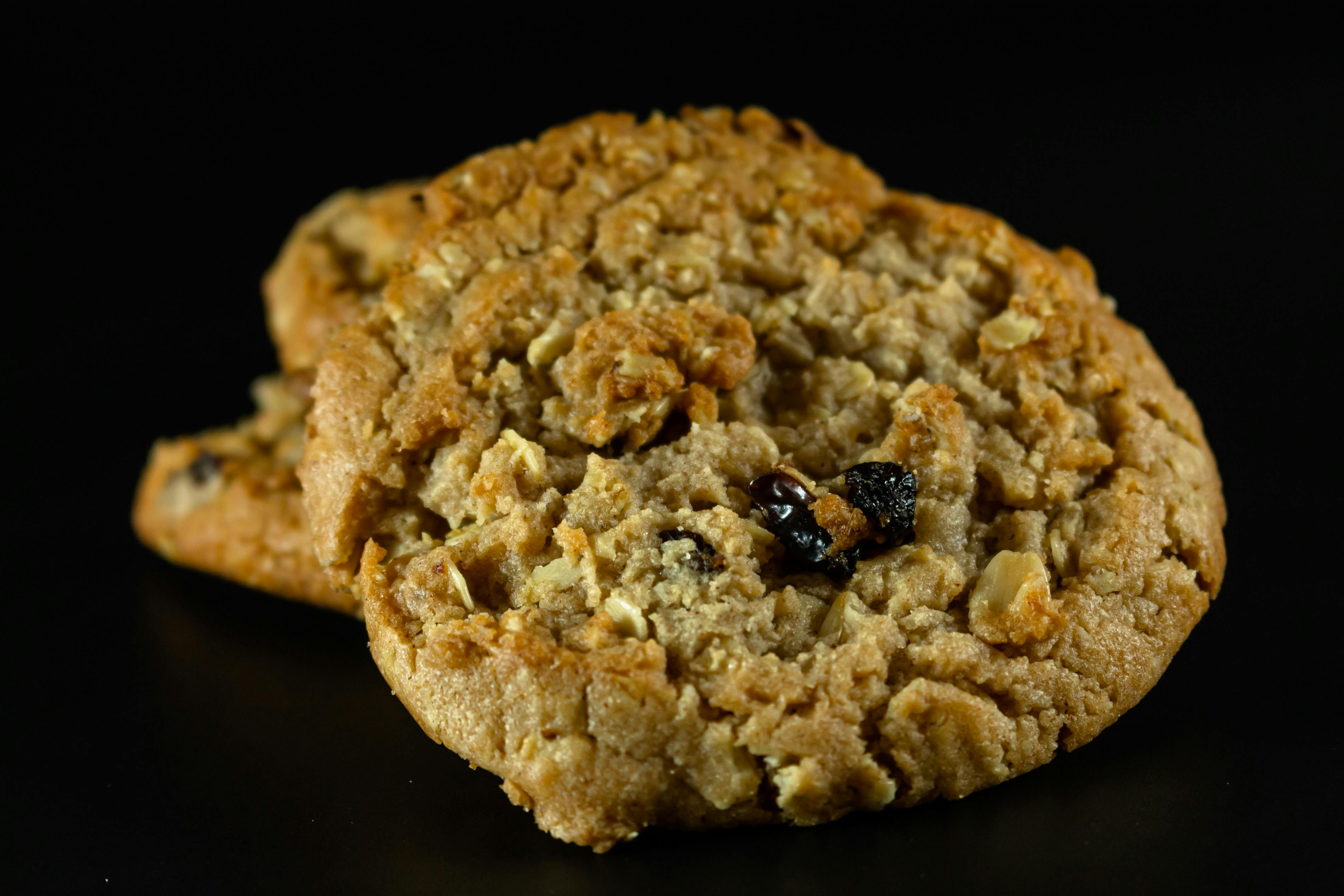
Before chocolate chip cookies dominated every cookie jar, oatmeal raisin cookies were a dependable household standard. They offered chew, spice, and substance, and they often appeared in homes where waste was avoided and filling treats were appreciated.
Rolled oats gave these cookies body and texture, making them more satisfying than thinner sugar-based varieties. Raisins brought natural sweetness and moisture, while cinnamon and sometimes nutmeg gave the dough the warm flavor profile associated with older American baking.
Many bakers soaked the raisins first, a small trick that kept them plump during baking. Others added chopped walnuts for crunch, creating a cookie that felt hearty enough to serve with milk as a real afternoon snack.
The best vintage versions are not dry or overly dense. They are tender in the center, lightly crisp at the edges, and fragrant with brown sugar and butter. That combination is exactly why they still taste so strongly of home.
Sour Cream Coffee Cake

This is the cake that often sat on a countertop under a glass dome, ready for company at a moment's notice. Sour cream coffee cake was prized because it stayed moist for days and bridged the line between breakfast treat and dessert.
Sour cream enriches the batter and softens the crumb without making the cake heavy. In older recipes, that richness was often paired with a ribbon of cinnamon, brown sugar, and chopped nuts running through the center.
The topping mattered too. A proper streusel added texture and a slightly caramelized finish that contrasted with the tender cake beneath. In many homes, pecans or walnuts were chosen not only for flavor but because they stored well and were easy to keep on hand.
Coffee cake reflects a deeply social style of baking. It was meant for neighbors stopping by, card games, weekend breakfasts, and post-church gatherings. Its flavor is gentle and familiar, which may be why it still feels inseparable from grandparent hospitality.
Buttermilk Biscuits

Though often served with savory meals, buttermilk biscuits belong in the baking canon because they showcase old kitchen instincts at their best. Few things evoke a grandparent's table faster than a split biscuit with butter melting into its steaming center.
The formula is simple: flour, fat, leavening, salt, and cultured dairy. Yet execution makes all the difference. Cold fat, light handling, and a hot oven create the lift and layered interior that distinguish a remarkable biscuit from a merely adequate one.
Many earlier cooks used soft wheat flour, which contributed to a finer, more delicate texture. They also cut biscuits close together or with a straight downward motion, preserving the rise and preventing dense, misshapen results.
Their versatility explains their longevity. Biscuits worked with jam at breakfast, gravy at supper, or sliced strawberries for dessert. They were economical, fast, and deeply satisfying, exactly the kind of practical baking that became unforgettable through repetition.
Chocolate Mayonnaise Cake

For anyone unfamiliar with it, mayonnaise cake can sound like a trick recipe. In fact, it reflects the resourcefulness of earlier generations, especially during times when ingredients had to stretch and bakers needed reliable substitutes for eggs and added fat.
Mayonnaise contains oil and eggs, so it contributes moisture and richness to chocolate cake with surprising effectiveness. The result is typically very tender, with a fine crumb and deep cocoa flavor that stays soft even a day or two after baking.
This cake became especially popular through community recipe exchanges and branded test-kitchen promotions. Home bakers kept making it because it worked. It required no special technique, mixed easily, and produced a consistency that rivaled more expensive layer cakes.
Frosted with a simple boiled icing, chocolate buttercream, or even a dusting of powdered sugar, it felt both humble and indulgent. That combination is central to many vintage bakes: practical origins, excellent texture, and flavor strong enough to outlast trends.
Peach Cobbler

A bubbling peach cobbler captures the spirit of summer baking in a way few desserts can. In grandparent-era kitchens, cobbler was less about strict presentation and more about making the most of ripe fruit before the season slipped away.
Some versions used a biscuit topping, while others leaned toward a cake-like batter that rose around the fruit. Both styles depended on peaches that were sweet but still firm enough to hold shape and release flavorful juice while baking.
Sugar, cinnamon, and a touch of lemon were often enough to support the fruit without masking it. In regions across the South, cobbler traditions varied by household, but the goal remained the same: a spoonable dessert with crisp edges and syrupy centers.
Served warm with cream or vanilla ice cream, cobbler offered immediate comfort. It also reflected an older style of dessert making that favored abundance and adaptability. When fruit was good, the baker did not need much else to create something memorable.
Banana Bread
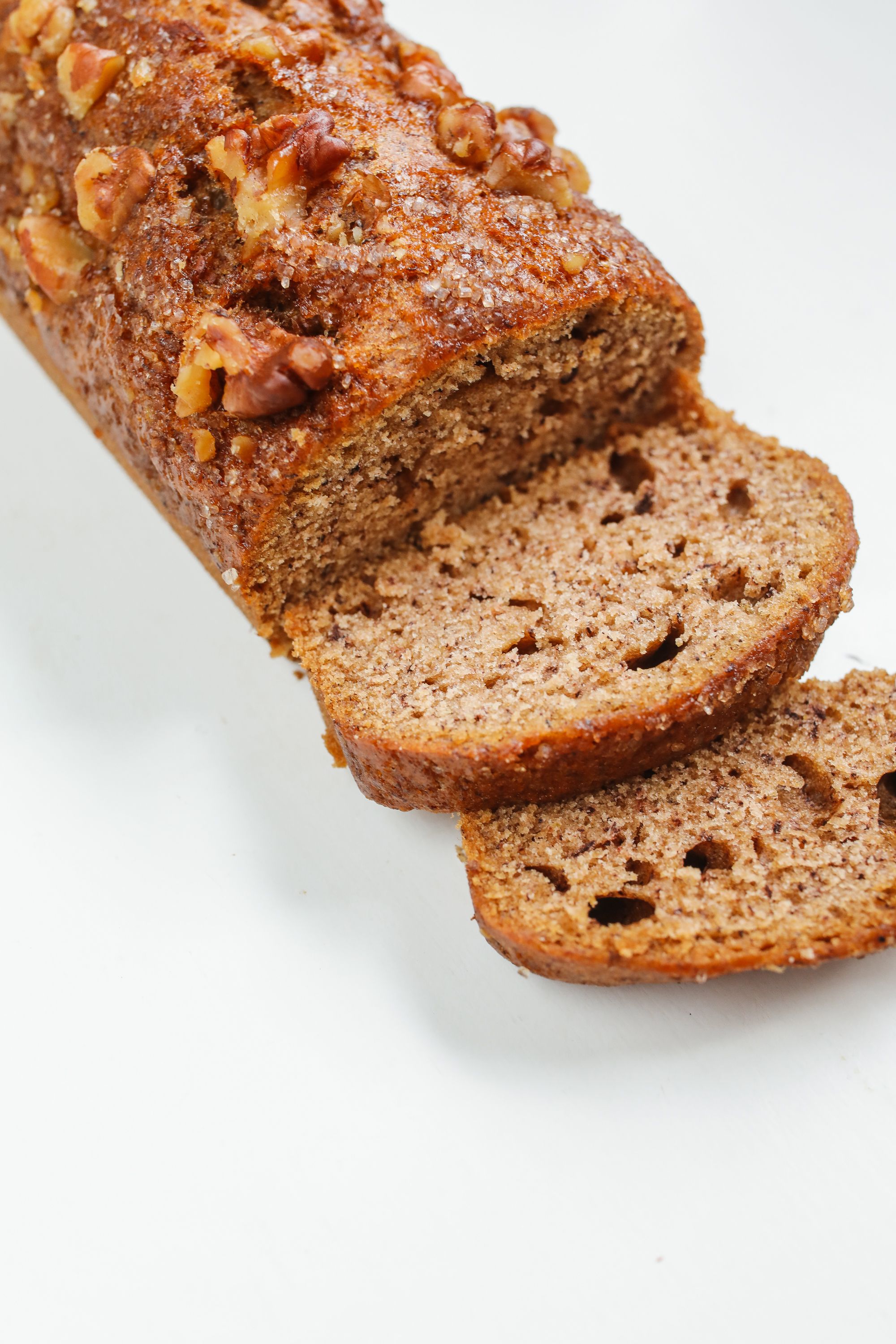
Banana bread became a true home-baking staple during the 20th century, especially as households looked for smart ways to use overripe fruit. It fit perfectly with the no-waste habits many grandparents learned through experience rather than trend.
Very ripe bananas provide sweetness, moisture, and a soft texture that helps the loaf stay tender for several days. Vintage recipes often included buttermilk, nuts, or a little cinnamon, but the heart of the loaf remained its straightforward banana flavor.
The appeal was practical as much as sensory. Banana bread used common ingredients, mixed quickly, and baked in a standard loaf pan. It could be served plain, buttered, or toasted, making it one of the most versatile sweet bakes in any household repertoire.
When done well, it is fragrant, not gummy, with a balanced crumb and a browned crust. That dependable simplicity explains its emotional power. It tastes like someone paid attention to what was on hand and turned it into something generous.
Rice Pudding Custard Pie
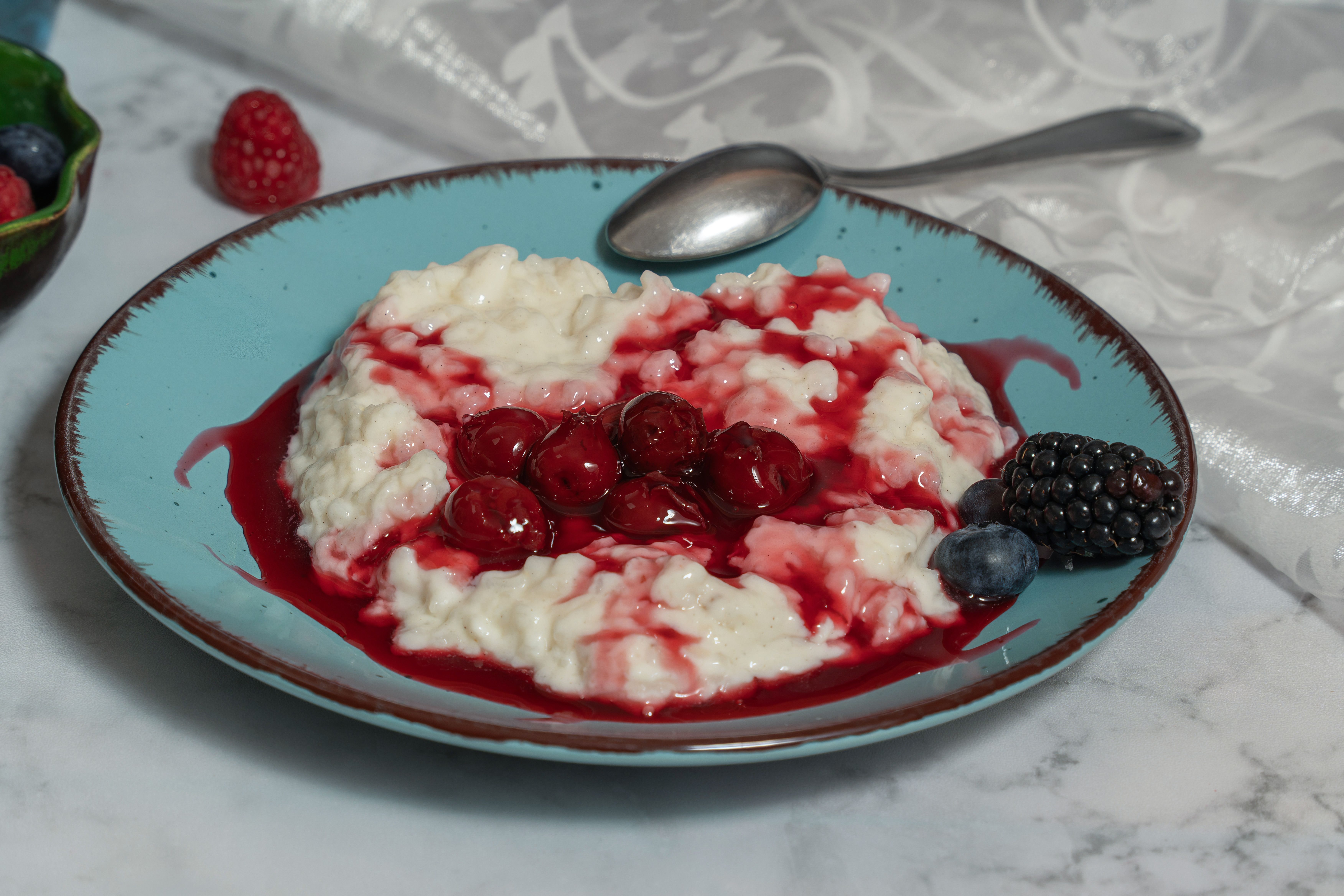
This dessert sits between pie, pudding, and custard, which is part of its old-fashioned charm. It speaks to a time when leftover rice was rarely discarded and thrifty cooks knew how to transform plain staples into something soothing and special.
Cooked rice folded into a lightly sweet custard creates a texture that is gentle, creamy, and pleasantly structured. Nutmeg or cinnamon was often added sparingly, allowing the dairy, eggs, and vanilla to carry most of the flavor.
In many families, desserts like this appeared not at grand events but on ordinary evenings. That everyday role matters. Vintage baking was not only about spectacle but also about feeding people well, economically, and with enough care to make routine meals feel warmer.
A good rice pudding custard pie is delicate rather than flashy. Chilled or room temperature, it offers quiet comfort and remarkable staying power. It remains one of the clearest examples of how grandparents' baking made modest ingredients feel deeply satisfying.
Old-Fashioned Gingerbread Cake

Gingerbread cake has a long history, but its enduring home appeal comes from flavor more than nostalgia alone. Dark, moist, and warmly spiced, it was the kind of cake that could appear in cool weather and instantly make a house feel settled.
Molasses anchors the batter with bitterness, sweetness, and color, while ginger delivers the bright heat that defines the cake. Cinnamon, cloves, and allspice often follow, creating a layered spice profile far deeper than what many modern snack cakes offer.
The texture is usually close and tender rather than fluffy. That density helps it pair beautifully with whipped cream, lemon sauce, or warm applesauce. In some households, it was baked in square pans for easy serving and practical storage.
Its lasting appeal lies in restraint. Gingerbread does not rely on elaborate decoration or excessive sweetness. Instead, it offers depth, aroma, and a sense of season. That makes it one of the most authentic links to the baking many people remember from grandparents' homes.



Leave a Reply