
Great flavor pairings do not have to be traditional to make sense. Some of the most interesting combinations work because they balance salt with sweetness, fat with acidity, or aroma with heat, and that is exactly why these 12 are worth a closer look in 2026.
Strawberry and black pepper
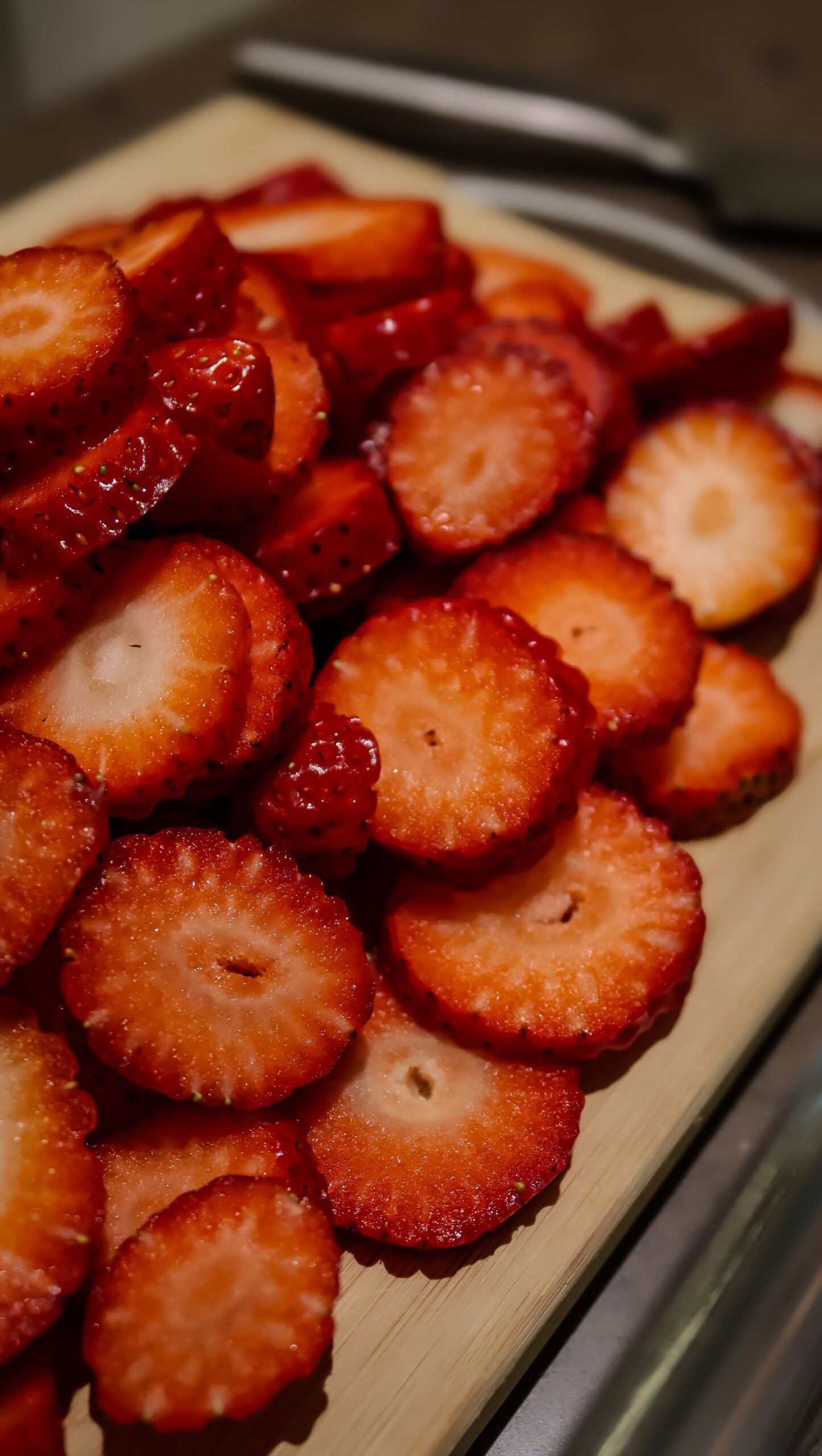
This pairing works because black pepper does more than add heat. Its floral, woody aroma can make ripe strawberries taste even brighter, especially when the fruit is sweet and fully in season.
Chefs have leaned on this combination for years in desserts, salads, and cocktails, but it is now showing up more often in everyday cooking. A few turns of freshly cracked pepper over sliced berries can sharpen their flavor in a way sugar alone cannot.
The easiest version is also the best. Toss strawberries with a little lemon juice, a pinch of salt, and black pepper, then spoon them over yogurt, vanilla ice cream, or ricotta toast for a simple dish that feels new without being complicated.
Watermelon and feta
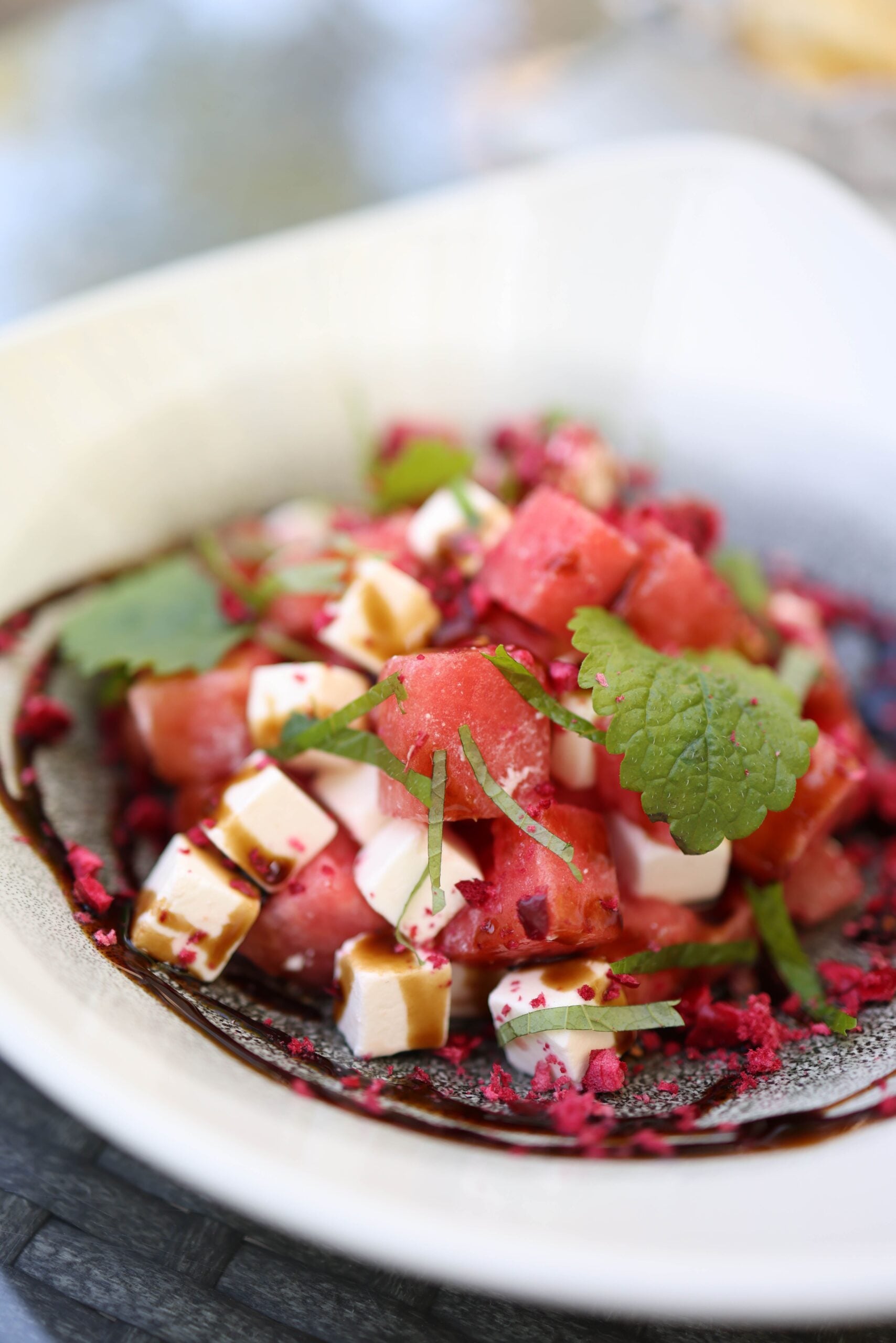
At first glance, juicy watermelon and salty feta seem like opposites. That contrast is the whole point, because the fruit's cool sweetness gives the cheese a clean, briny edge, while feta keeps watermelon from tasting one-note.
This pairing has deep roots in Mediterranean-style cooking, where fresh produce and salty dairy often share the same plate. It works especially well in warm weather, when both ingredients feel refreshing rather than heavy.
A good version needs very little. Cubed watermelon, crumbled feta, olive oil, mint, and a squeeze of lime or lemon are enough. Add cucumber for crunch or thinly sliced red onion for bite, and the salad becomes substantial enough for lunch.
French fries and soft-serve ice cream
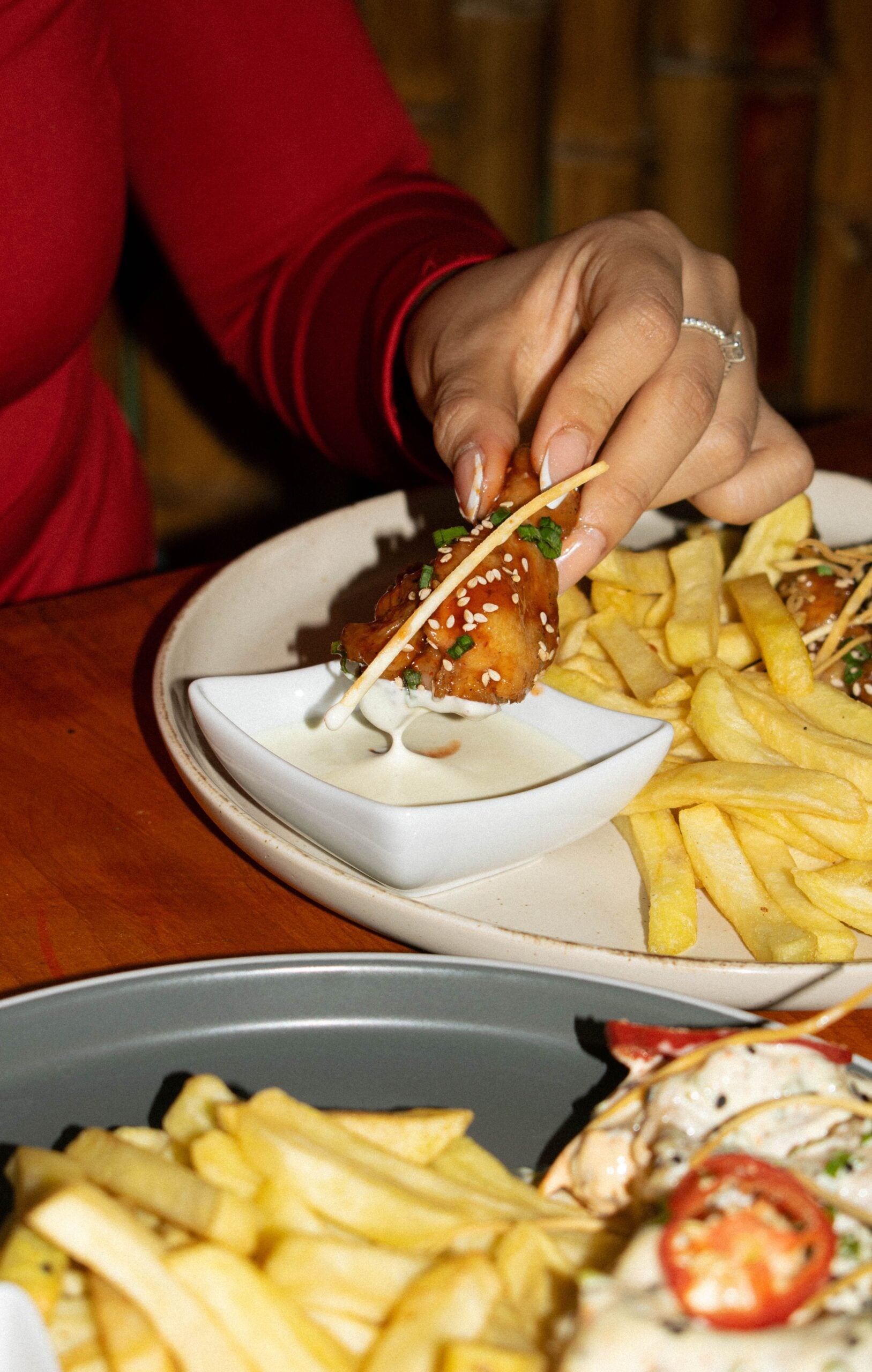
This combination has lasted for a reason. Hot, salty fries and cold, sweet soft-serve create a temperature and texture contrast that people remember immediately, which is why it keeps resurfacing in diners, fast food, and chef-driven comfort food.
The appeal is not just novelty. Potatoes are mild, rich, and starchy, so they can handle dessert-level sweetness better than many people expect, especially when the fries are crisp and the ice cream has a vanilla base.
To try it at home, keep the portions small and the timing tight. Fresh fries dipped into soft-serve give you crunch, heat, salt, and creaminess in one bite, which is exactly what makes the pairing more satisfying than it sounds on paper.
Mango and chili
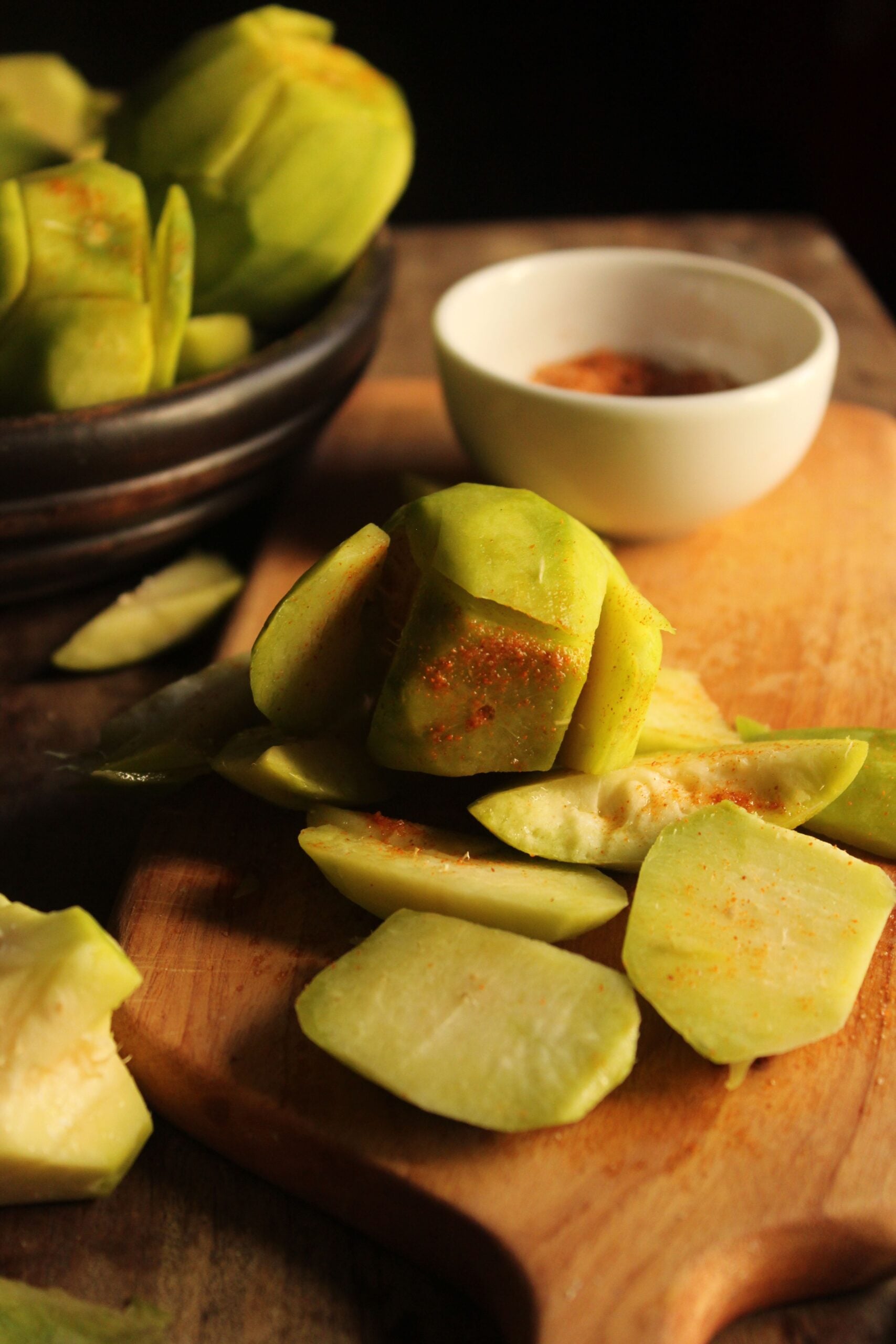
Mango and chili are a classic example of a pairing that feels bold but is grounded in balance. Ripe mango brings lush sweetness and a soft texture, while chili adds heat that wakes up the fruit instead of covering it.
Across many cuisines, fruit and spice are natural partners, and mango is especially good at carrying both fresh and smoky chile flavors. Tajín-style seasoning blends made with chili, lime, and salt have helped introduce this idea to more mainstream home kitchens.
You can start simply with sliced mango dusted with chili powder and lime juice. From there, the pairing opens up into salsas, sticky glazes, shaved ice, grilled skewers, and cocktails where the fruit keeps the heat from feeling harsh.
Parmesan and honey
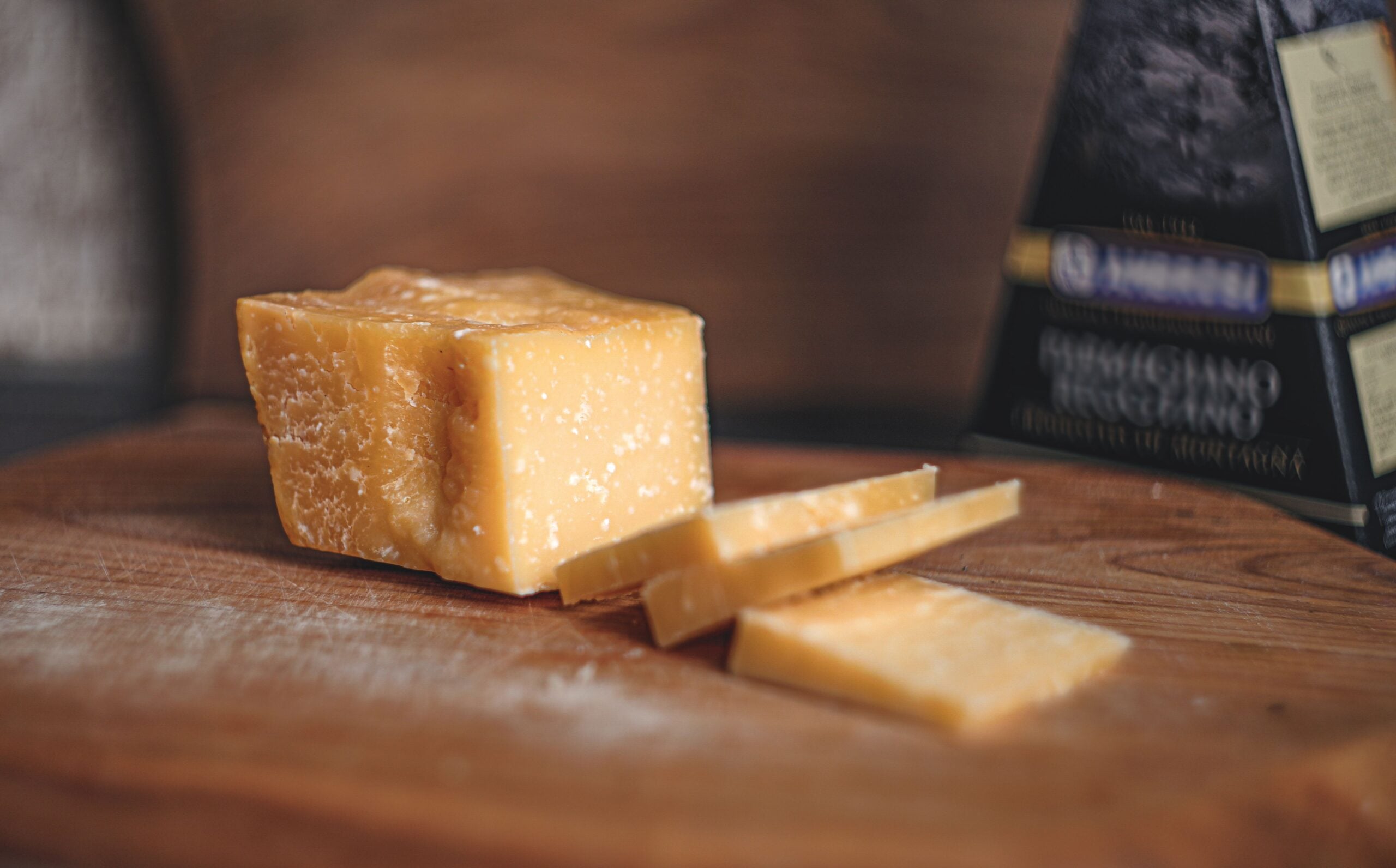
Parmesan and honey make sense once you taste how they meet in the middle. Parmesan is salty, nutty, and savory, while honey contributes floral sweetness that softens the cheese without dulling its aged complexity.
Cheese boards have helped popularize this match, but it deserves more than a supporting role. A drizzle of honey over shards of Parmigiano Reggiano can highlight crunchy crystals in the cheese and create a finish that feels both rich and clean.
This is one of the easiest pairings to serve well. Use a good honey with character, such as wildflower or chestnut, and pair it with large flakes of cheese rather than grated Parmesan, which is better suited for pasta than for direct tasting.
Avocado and chocolate
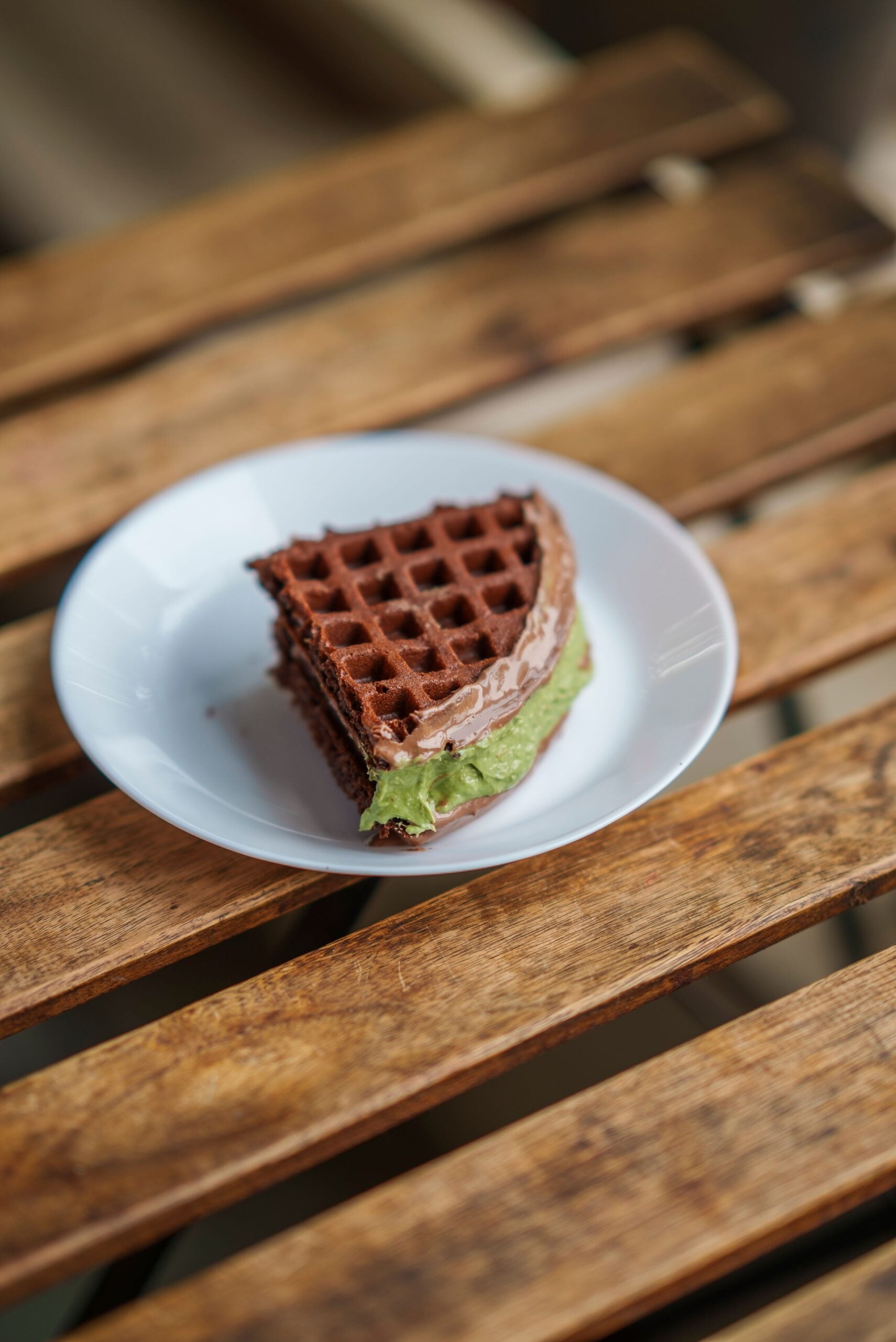
Avocado and chocolate sound like they come from different worlds, but they share one important trait: richness. Avocado adds body and a smooth texture, which is why it works so well in puddings, mousses, and chilled desserts.
The fruit's flavor is mild enough that cocoa can remain the star. Instead of making a dessert taste vegetal, avocado usually disappears into the background, leaving behind creaminess that can reduce the need for heavy cream or butter.
The key is restraint. Use ripe avocado, strong cocoa or melted dark chocolate, and enough sweetener to round things out. Blended well, the result lands somewhere between mousse and pudding, with a texture that feels luxurious rather than virtuous.
Peanut butter and pickles
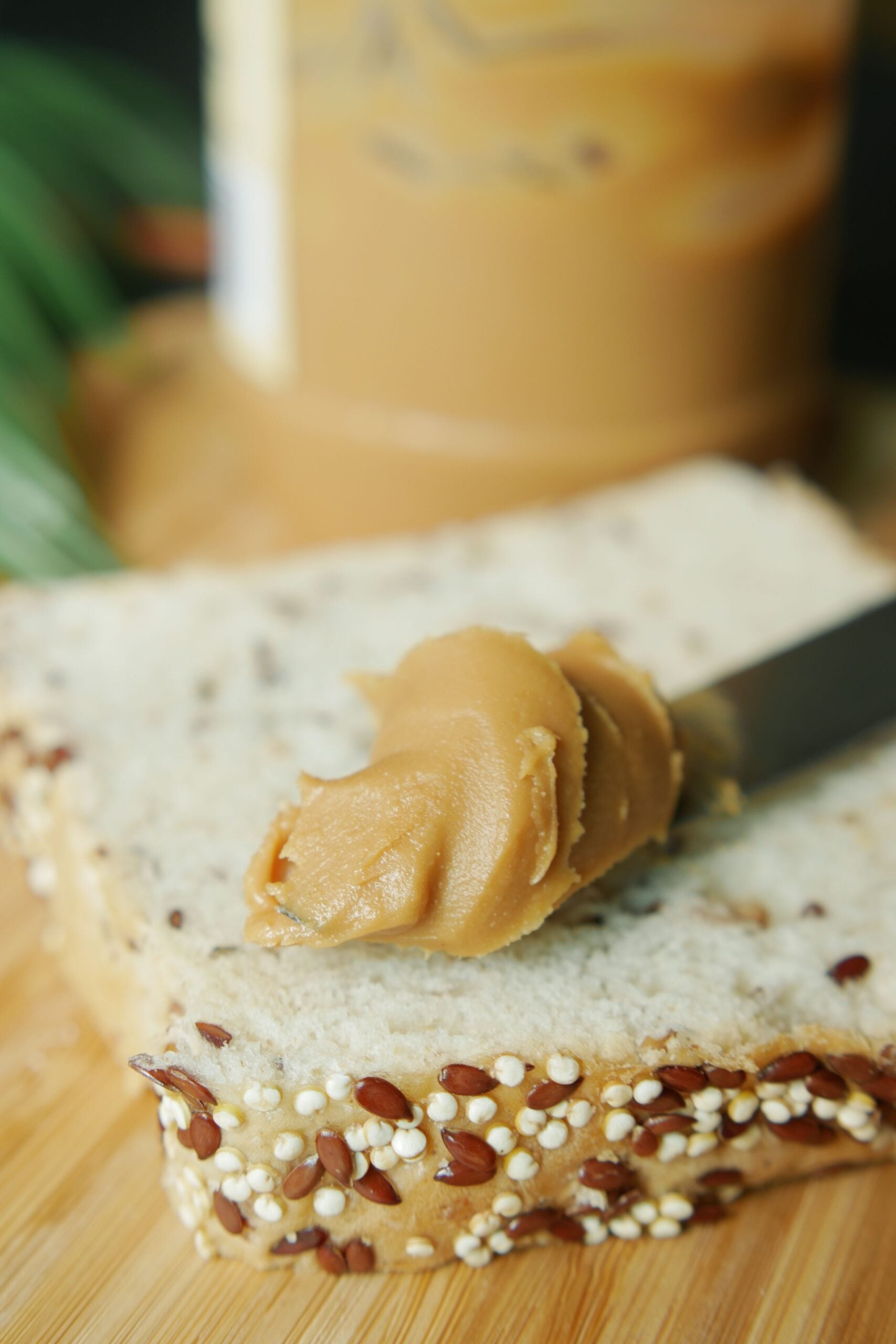
This pairing has a loyal following because it hits several cravings at once. Peanut butter is fatty, salty, and slightly sweet, while pickles bring sharp acidity and crunch that cut through the spread's heaviness.
It works best when the pickle is assertive enough to hold its own. Dill pickles are the usual choice, though bread-and-butter pickles can create a sweeter sandwich that leans closer to the sweet-salty logic behind peanut butter with jam.
For many people, the gateway version is a sandwich on soft white bread. For a more current spin, use toasted sourdough, crunchy peanut butter, and thin pickle slices, then finish with a little chile crisp for heat and extra texture.
Olive oil and vanilla ice cream
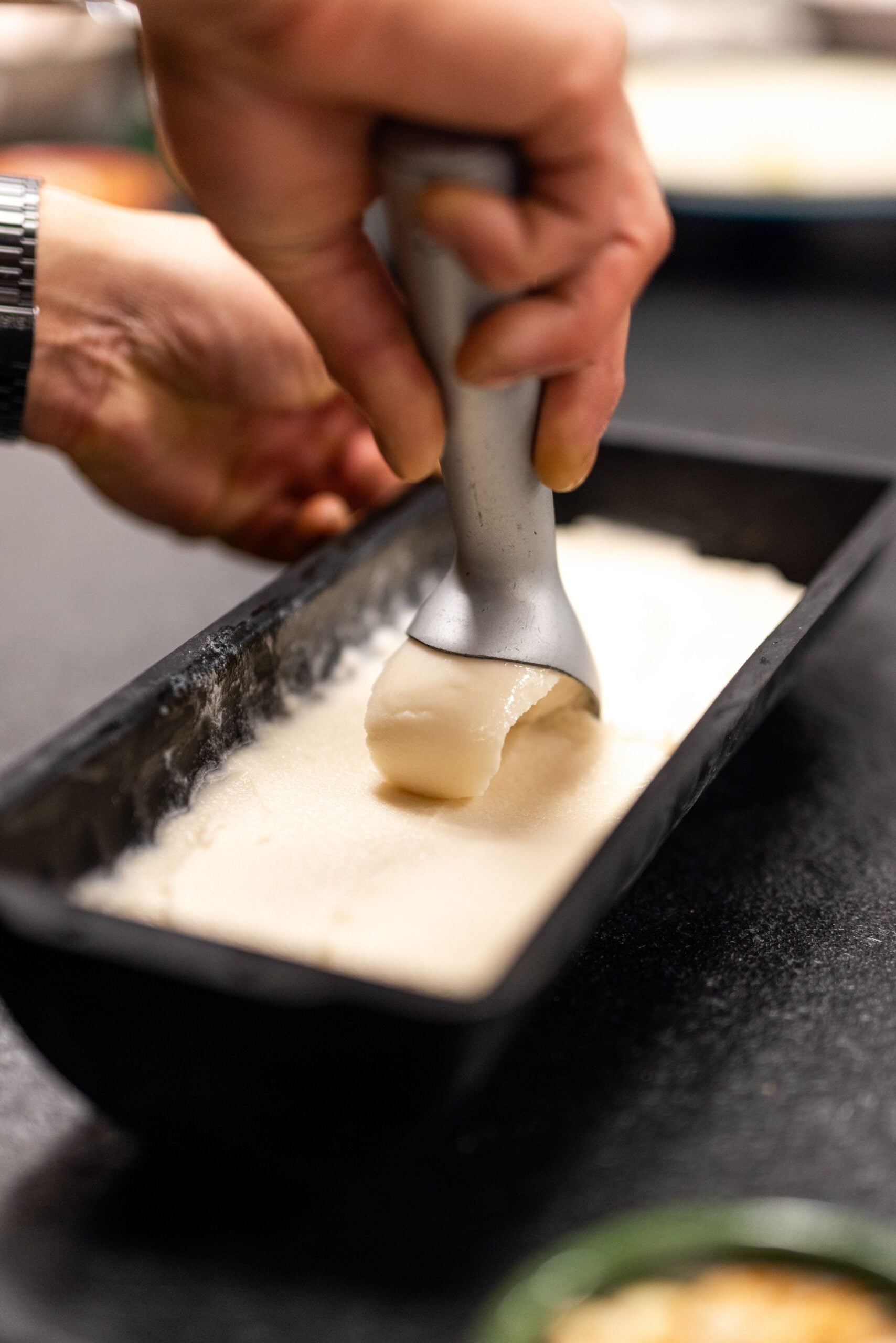
Pouring olive oil over ice cream sounds like restaurant food, but the idea is straightforward. Good olive oil can taste grassy, peppery, fruity, or even slightly bitter, and those notes add depth to vanilla in the same way caramel or nuts might.
Texture matters too. The oil loosens slightly on contact with the cold ice cream, creating a silky layer that spreads flavor across every spoonful rather than sitting in one heavy pocket.
This pairing depends on ingredient quality more than technique. Use a fruity extra virgin olive oil and flaky sea salt over plain vanilla ice cream. The salt sharpens the contrast, and the oil turns a familiar dessert into something more layered and grown-up.
Coffee and orange
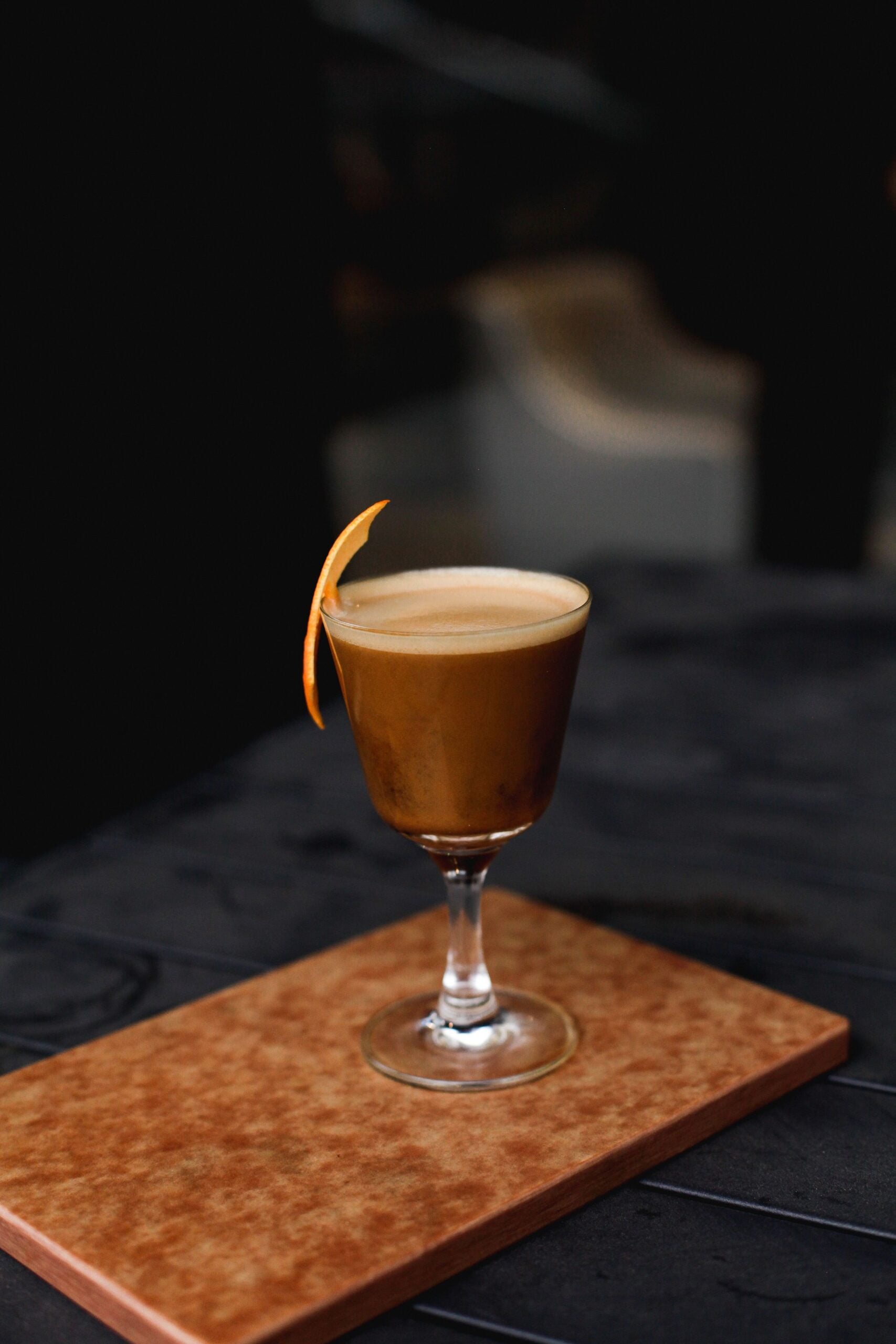
Coffee and orange meet through aroma as much as taste. Citrus can draw out lighter, fruitier notes in coffee, especially in beans that already show natural brightness, while coffee gives orange a bitter backbone that keeps it from becoming too sweet.
This is not a new idea, but it has evolved beyond a simple orange peel on the saucer. Modern versions include espresso with orange zest, cold brew tonic with citrus, and desserts where orange lifts chocolatey roasted flavors.
For a home version, start with zest instead of juice. A strip of orange peel twisted over an espresso or finely grated zest folded into whipped cream for iced coffee adds fragrance first, which is often what makes this pairing click.
Tomato and vanilla
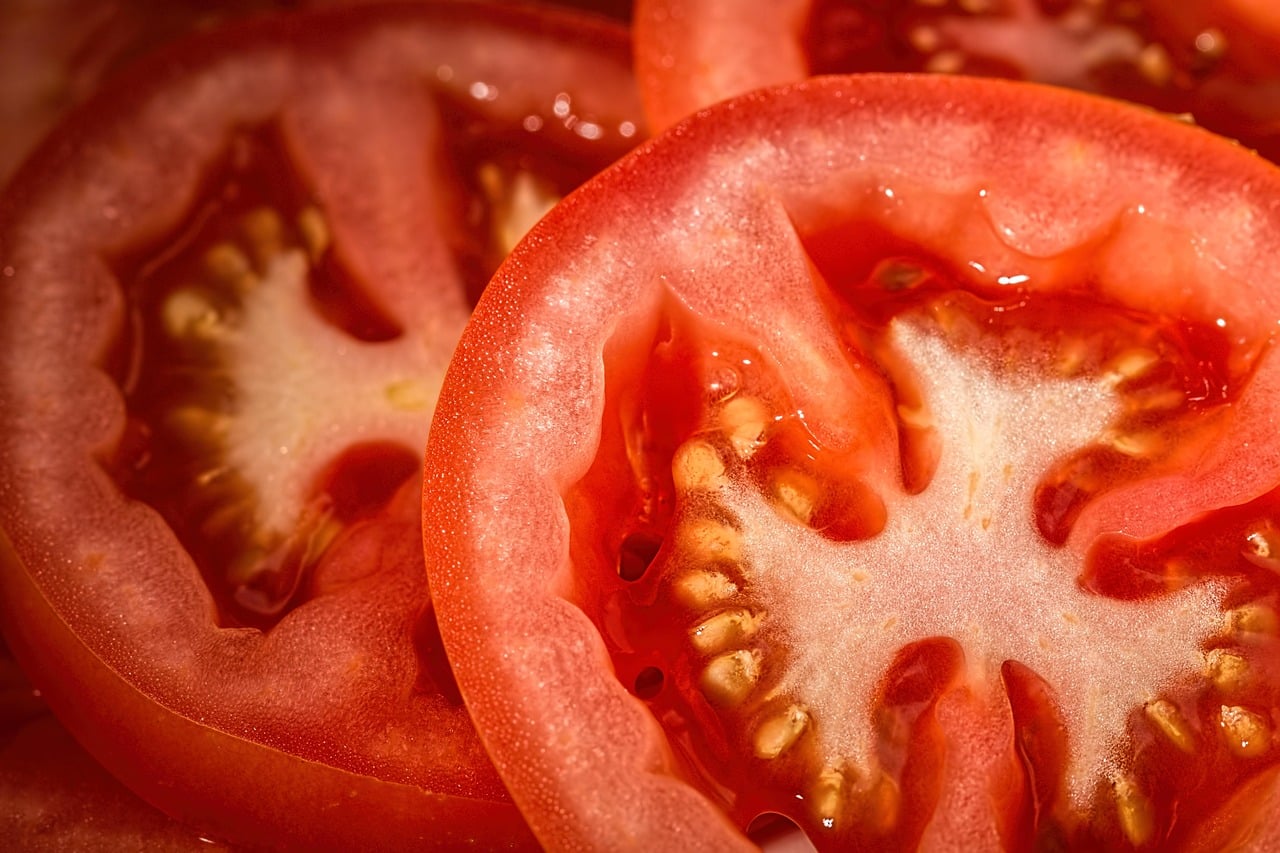
Tomato and vanilla surprise people because vanilla is so closely linked with sweets. In reality, vanilla is a spice with floral warmth, and that character can complement tomatoes, especially the ripe, fragrant kind used at peak season.
Chefs have used the pairing in jams, sauces, and chilled summer dishes where tomato's natural sweetness has room to show. Vanilla can make a tomato preparation taste rounder and more perfumed without turning it into dessert.
The smart way to try it is in small doses. Add a tiny amount of vanilla to slow-roasted tomatoes, tomato jam, or a fresh tomato compote served with burrata. Used carefully, it adds softness and aroma rather than obvious sweetness.
Miso and caramel
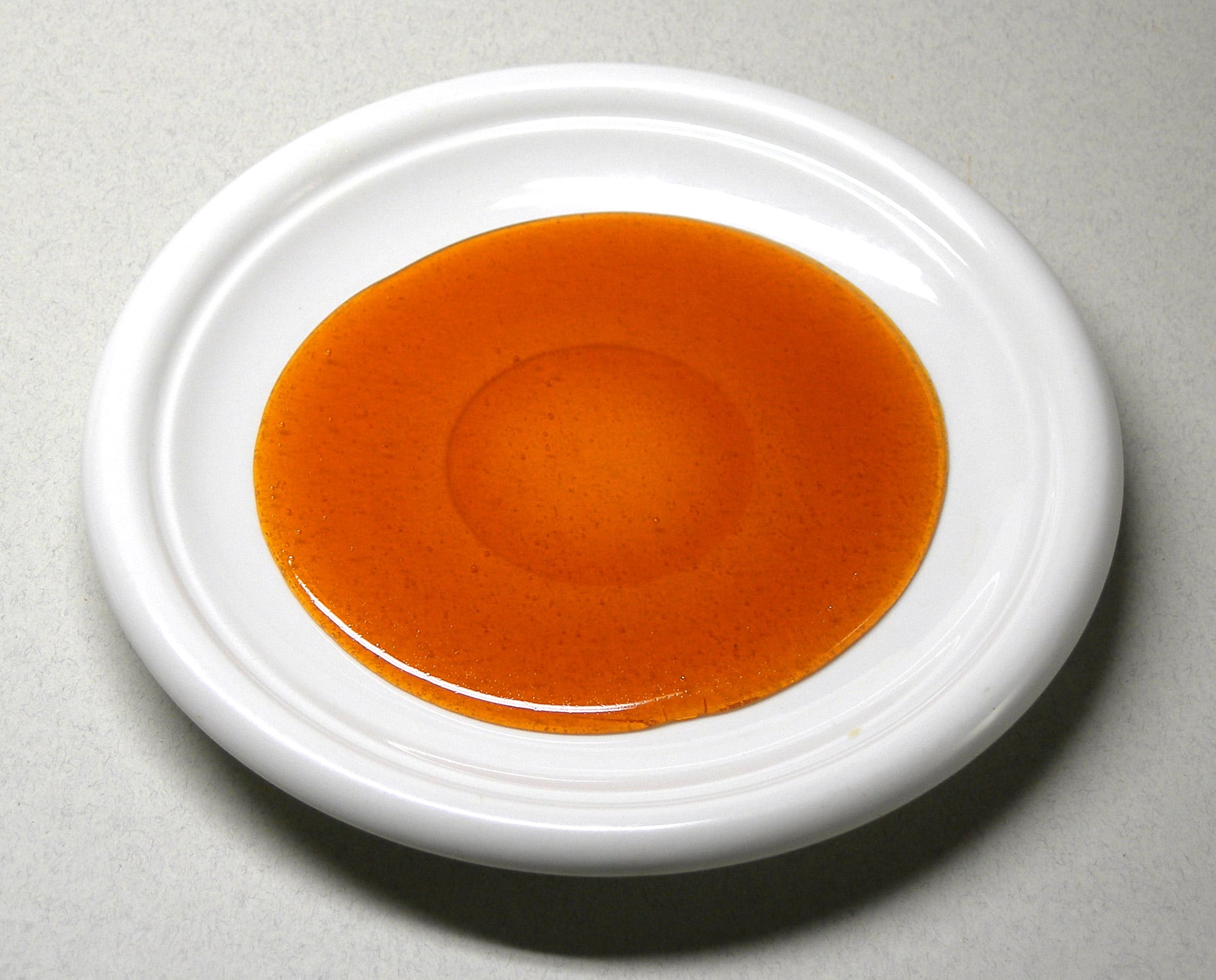
Miso and caramel work for the same reason salted caramel became so popular, but with more depth. Miso brings salt, but it also adds fermented savory notes that make caramel taste darker, toastier, and more complex.
White miso is usually the easiest starting point because it is milder and a little sweeter than darker styles. Folded into caramel sauce, it can add a butterscotch-like richness that feels balanced rather than aggressively savory.
This pairing has become more common in cookies, ice cream, and bakery desserts because it rewards even a small amount. A spoonful of miso caramel over brownies, poached apples, or vanilla ice cream is often enough to show why it keeps spreading.
Pear and blue cheese
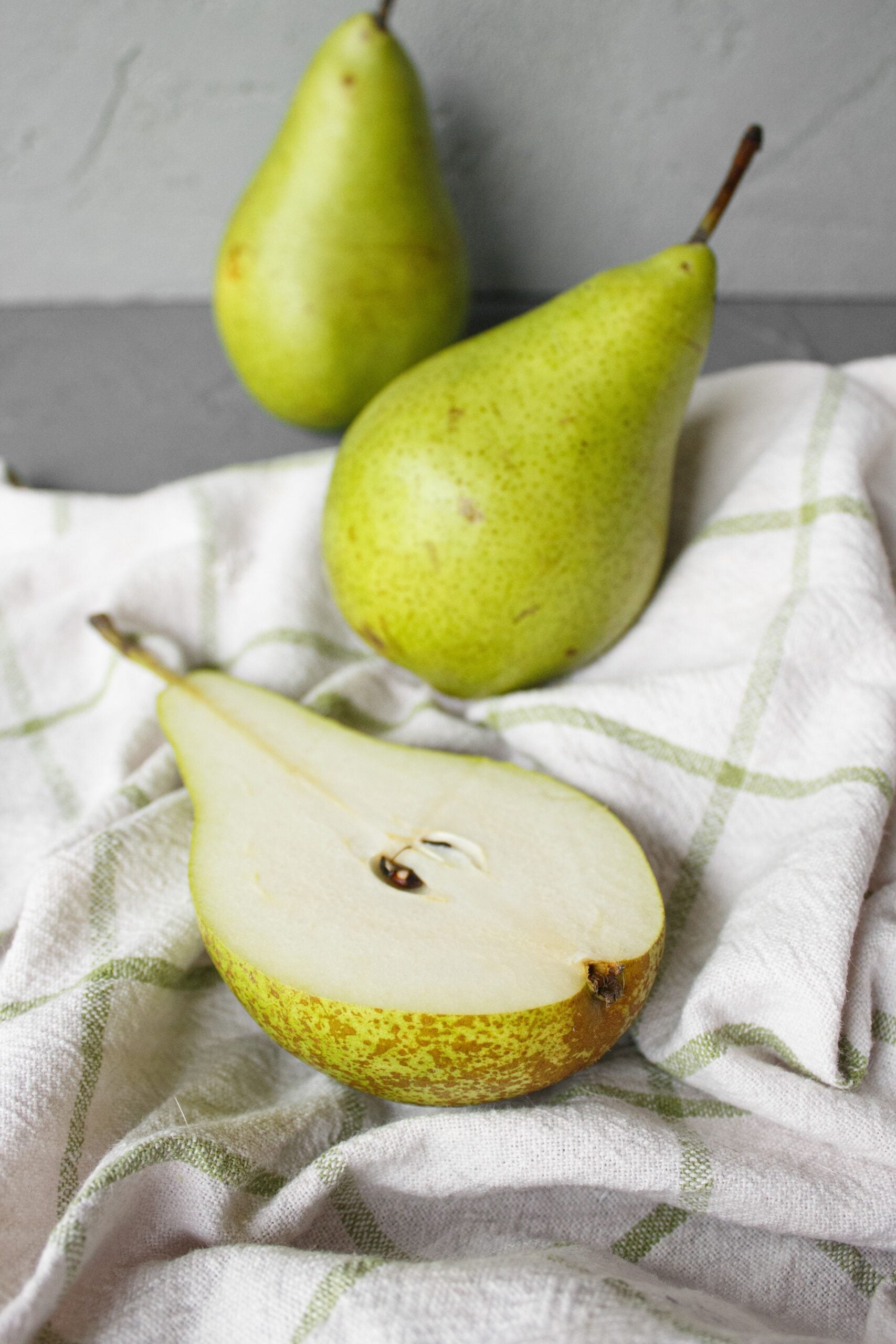
Pear and blue cheese close this list on a classic contrast that still feels fresh. Pears are delicate, juicy, and floral, while blue cheese is salty, creamy, and pungent, so each ingredient pushes the other into clearer focus.
The combination is especially effective because pear does not compete with the cheese. Instead, it cools and softens the sharper edges, which is why the pairing works equally well in salads, tarts, crostini, and simple appetizer plates.
Choose a ripe pear with structure, such as Bosc or Anjou, so it holds its shape when sliced. Add walnuts, honey, or bitter greens if you want more layers, but even on its own, this pairing shows how contrast can feel precise rather than random.


Leave a Reply