
Canada has a rich food culture of its own, but Europeans often notice a few habits that feel wildly out of step with how food is grown, sold, and enjoyed across the Atlantic. From bread that tastes too sweet to oversized portions and supermarket cheese aisles, the differences can be striking. This gallery unpacks 12 common complaints Europeans make about Canadian food culture, with context that explains why these opinions come up so often.
Bread That Tastes Too Sweet

For many Europeans, the first surprise in Canada is not maple syrup. It is ordinary sliced bread. What is sold as standard sandwich bread can taste noticeably sweet compared with everyday loaves in France, Germany, Italy, or Scandinavia, where bread often leans savory and grain-forward.
Part of the issue is formulation. Commercial North American breads often include more sugar, dough conditioners, and softening agents to improve shelf life and texture. Europeans used to bakery bread with stronger crusts and simpler ingredient lists often read that softness as overprocessing.
This does not mean good bread is absent in Canada. It means the default supermarket loaf often prioritizes convenience and consistency over the rustic character many Europeans expect from daily bread.
Cheese Selection That Feels Too Industrial

Europeans tend to judge a country's food culture by its cheese counter almost immediately. In Canada, they often find plenty of cheese, but not always the kind of depth, ripeness, and regional variety they consider normal for everyday shopping.
The complaint is less about quantity than style. Grocery shelves can be dominated by mild cheddar, mozzarella, processed slices, and mass-market blocks, while raw-milk traditions and small regional specialties are less visible than in many parts of Europe. Import rules, geography, and pricing all shape that reality.
Canada does make excellent artisan cheese, especially in Quebec and Ontario. Still, Europeans often feel those standout products are treated like premium discoveries when, back home, more characterful cheese is simply part of ordinary life.
Vegetables With Less Flavor
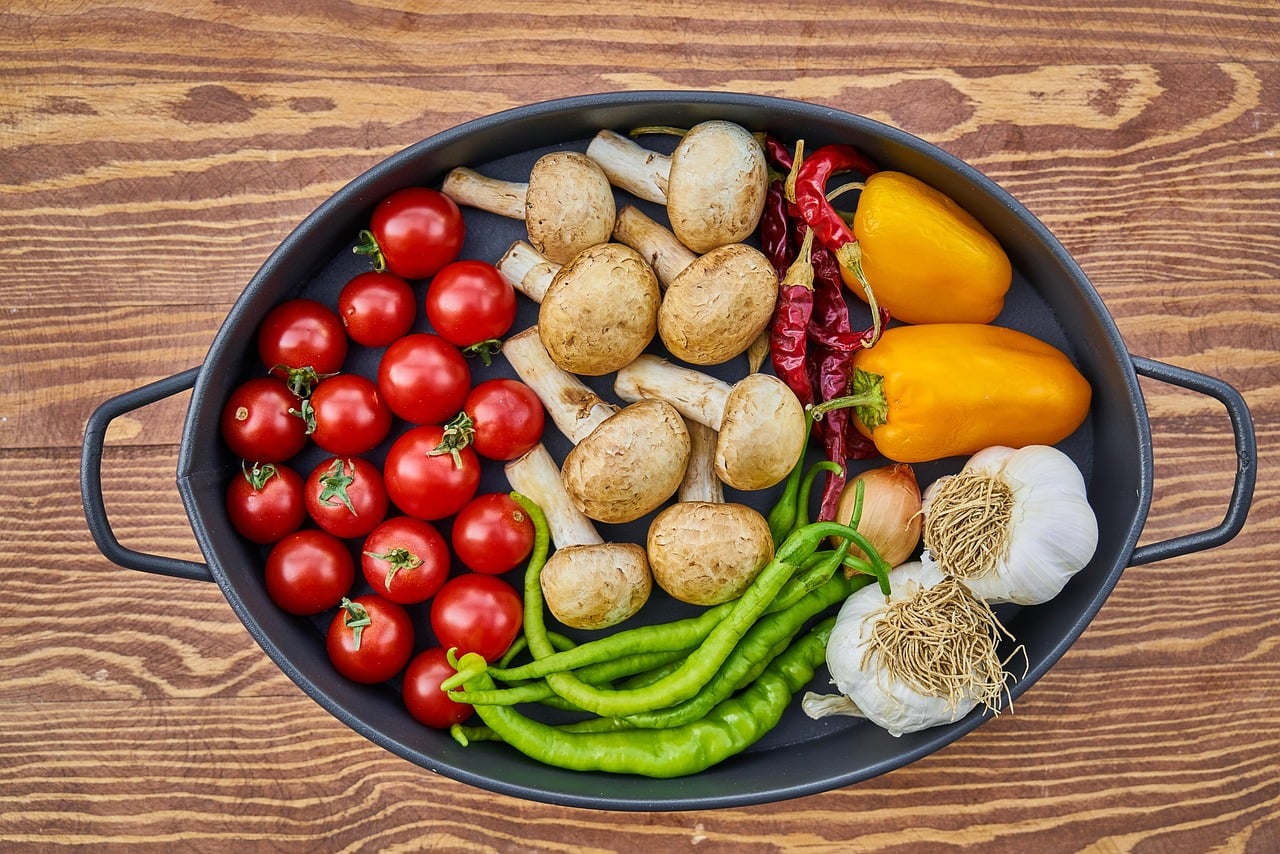
One of the most common European complaints is blunt but familiar: the tomatoes look beautiful, yet taste like almost nothing. The same criticism often extends to cucumbers, lettuce, and winter strawberries sold far from their natural seasons.
Canada's climate and supply chain explain a lot of this. For much of the year, produce travels long distances or is bred to survive transport and storage rather than maximize flavor. Europeans from countries with open-air markets and shorter farm-to-table routes often notice the difference immediately.
Canada has strong local produce in season, especially in summer and early fall. The frustration comes from the fact that supermarkets still offer everything all year, even when the flavor payoff is weak and the shopping experience feels disconnected from the seasons.
Huge Portions That Distort the Meal

Europeans often see Canadian portion sizes as more than generous. They see them as distracting. In many restaurants, a single plate can arrive piled with fries, oversized protein portions, and extras that make the meal feel like a value contest instead of a balanced experience.
The concern is cultural as much as nutritional. In much of Europe, lunch and dinner are often paced differently, with smaller portions, clearer courses, and less emphasis on sheer volume. Canadians may view big plates as hospitality, but Europeans often read them as excess.
This matters because portion size influences how food is designed and priced. When size becomes the selling point, finesse, freshness, and restraint can take a back seat, and that is exactly what many European diners say they notice.
Refrigerating Produce That Should Ripen Naturally
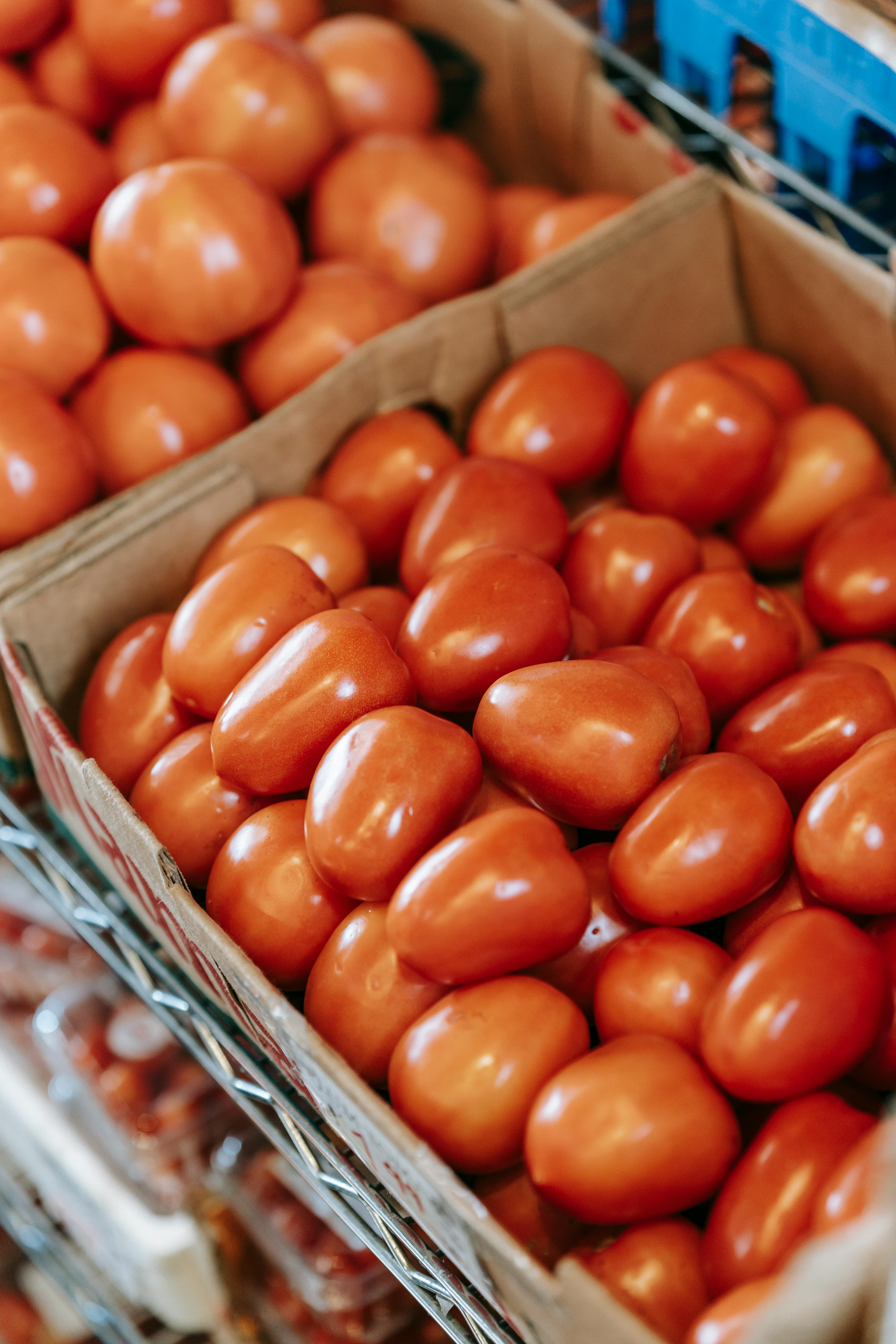
A European kitchen often treats certain fruits and vegetables with patience. Tomatoes stay on the counter. Peaches ripen in a bowl. In Canada, Europeans say too much produce is chilled too early, which can dull texture and mute flavor before the food even reaches the plate.
Tomatoes are the classic example. Cold storage can make them mealy and flatten their aroma compounds, yet supermarket systems and home habits often default to refrigeration for longevity. Europeans raised on market produce frequently see that as preserving shelf life at the expense of taste.
The Canadian habit makes practical sense in busy households trying to reduce waste. Even so, Europeans argue that food handled primarily for durability often loses the sensory qualities that made it worth buying in the first place.
Too Much Reliance on Packaged Food
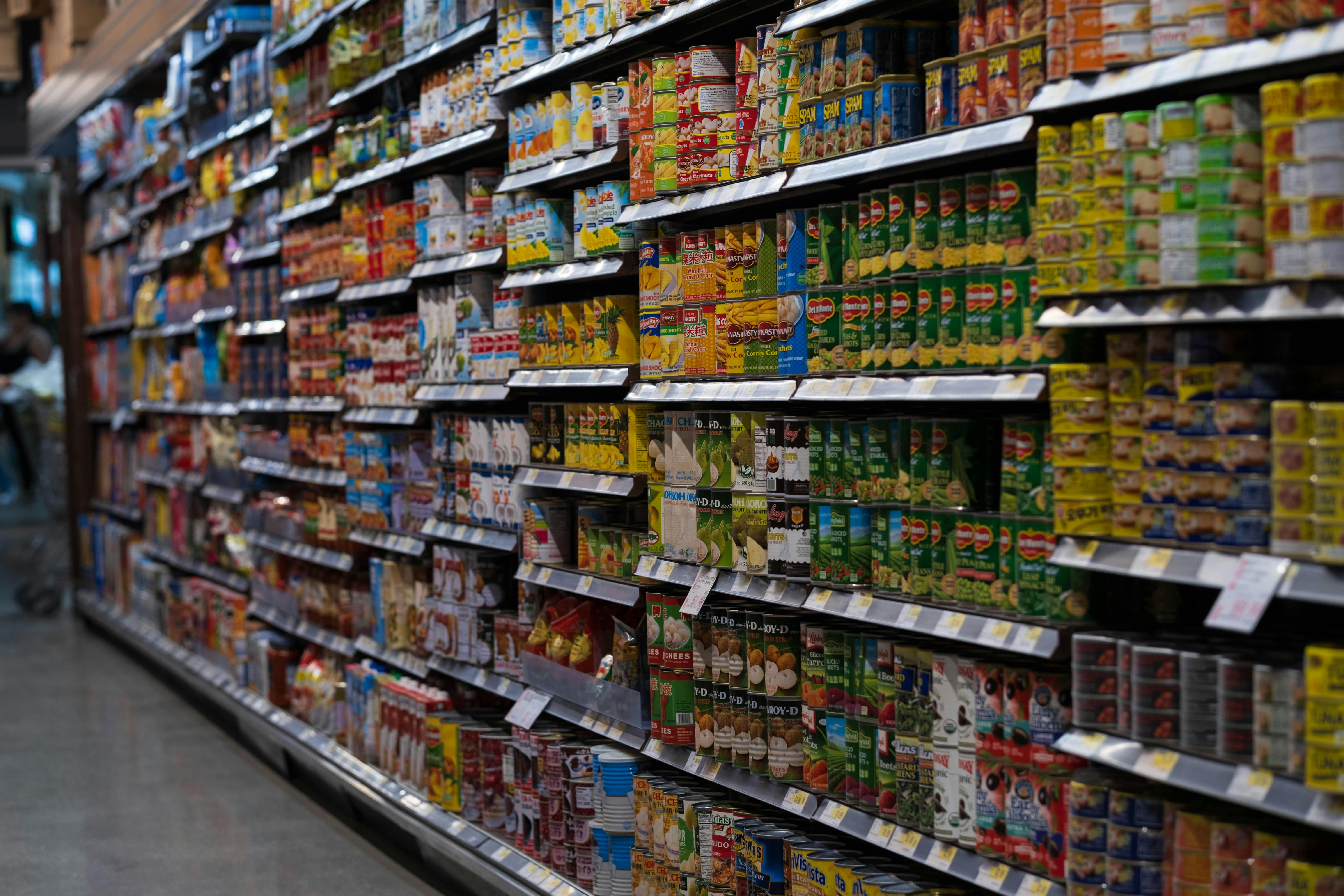
Europeans are often struck by how much aisle space in Canadian stores is devoted to boxed, frozen, and ready-made products. The criticism is not that convenience food exists. It is that it can seem to dominate the weekly shop in a way that feels unusually normalized.
In many European households, convenience has limits. Shoppers may still buy yogurt, pasta, or frozen peas, but there is often stronger cultural pressure to cook from raw ingredients and to keep processed food in a supporting role. In Canada, prepared sauces, meal kits, snack packs, and frozen entrées can feel far more central.
That shift reflects long commutes, larger stores, and different work routines. Still, Europeans often argue that when packaging becomes the default, flavor, cooking confidence, and connection to ingredients all begin to erode.
Coffee Culture That Prioritizes Speed Over Quality

Europeans often measure a place by its coffee rituals, and Canada can puzzle them. The grab-and-go model is efficient and popular, but many visitors feel the everyday standard coffee experience is built more around convenience, size, and sweetness than careful brewing.
In countries such as Italy, Portugal, or Austria, coffee is often shorter, stronger, and treated as a small but serious daily ritual. In Canada, large drip coffees, flavored add-ins, and drive-thru habits can make the drink feel more functional than culinary.
Specialty coffee scenes in Canadian cities are strong and growing. Yet Europeans often say the national default still leans toward speed and customization rather than the simple idea that a basic cup should be excellent before anything extra is added.
Desserts That Go Heavy on Sugar

Many Europeans like sweets, but they often want them to finish a meal, not overpower it. In Canada, they frequently find cakes, cookies, breakfast pastries, and even yogurt-based desserts sweeter than expected, with sugar leading the flavor instead of butter, fruit, or spice.
This difference comes down to product standards and taste conditioning. North American packaged desserts often aim for immediate impact, long shelf life, and visual indulgence, which can push sweetness upward. Europeans used to more restrained pastries often notice it after a single bite.
The criticism is not about denying pleasure. It is about balance. When everything tastes intensely sweet, subtler qualities disappear, and desserts lose the contrast and elegance many Europeans expect, especially after a rich meal.
Restaurant Menus That Treat Salad as an Obligation

Europeans often notice that salads in Canada can feel like a side note rather than a serious dish. Too often, they encounter limp greens, a few pale tomatoes, heavy dressing, and a menu description that suggests salad exists mainly to balance out burgers, steaks, or fried food.
That stands out because, across much of Europe, simple salads can be exceptionally well handled. Good olive oil, proper acidity, seasonal leaves, and careful seasoning matter. The salad may be modest, but it is rarely treated like an afterthought.
Canada has many restaurants that do this well, especially farm-driven spots. Still, Europeans say the average casual dining salad often reveals a broader issue: vegetables are present, but not always given the same respect as the main event.
Year-Round Availability That Ignores Seasonality
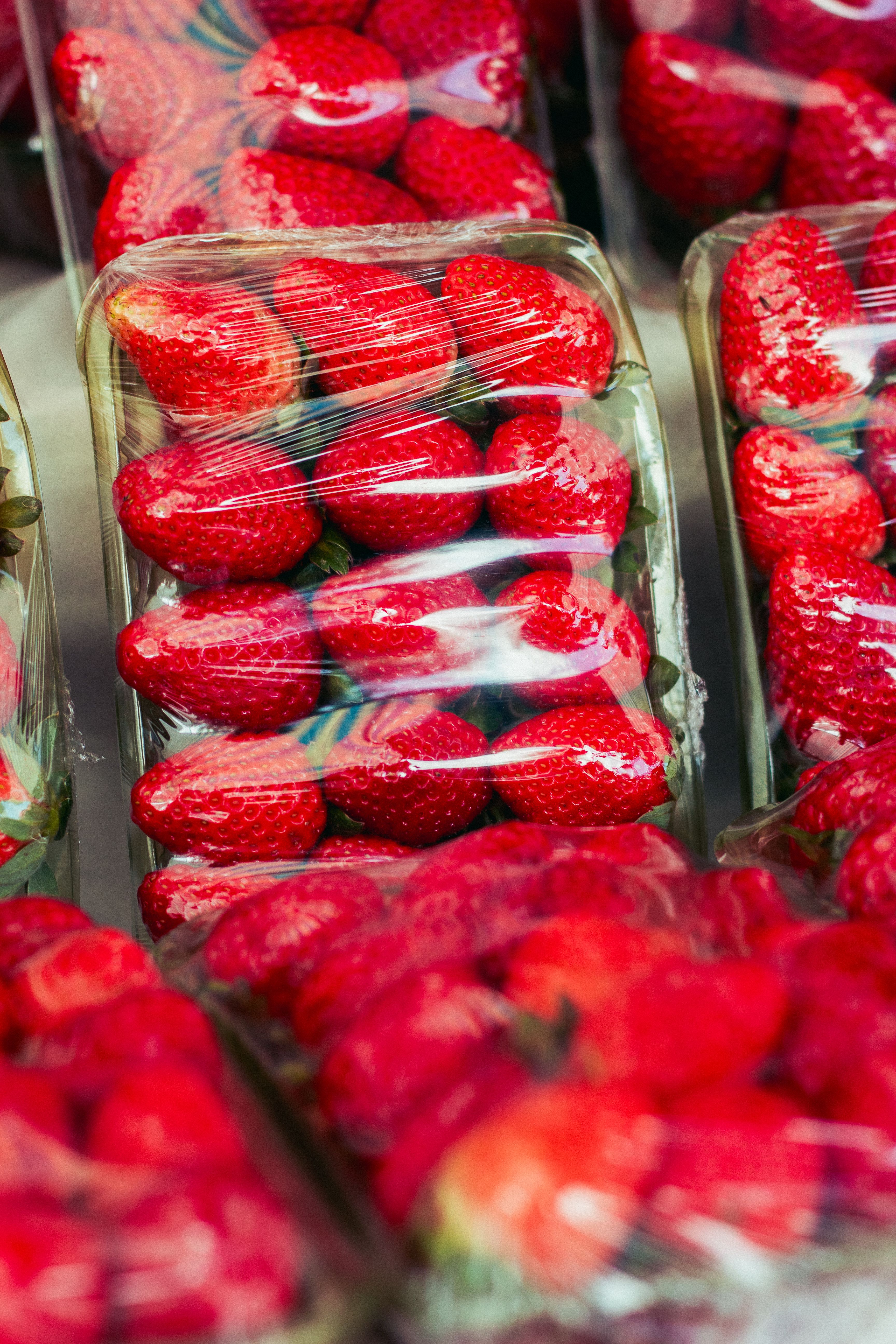
Europeans often find Canadian food shopping oddly detached from the calendar. Strawberries in January, asparagus in late fall, and imported grapes at any moment can make abundance feel normal, but it also weakens the idea that foods have a proper season and a best moment.
In many European countries, seasonality still shapes expectations at markets, restaurants, and home tables. People anticipate white asparagus, cherries, mushrooms, or figs because they are fleeting. In Canada, supermarket logistics make those rhythms less visible, even when the products themselves are mediocre.
The issue is not access. It is awareness. Europeans often argue that when every ingredient is available all the time, shoppers lose some appreciation for freshness, local farming, and the pleasure of waiting for food at its peak.
Fast Dining That Leaves Little Room for Ritual

To many Europeans, food is not only about what is eaten but how the meal unfolds. In Canada, they often sense more rushing, more eating on the move, and less of the unhurried social rhythm that gives meals shape and meaning.
Lunch can be brief, taken at a desk, or grabbed in transit. Dinner may be efficient rather than lingering. That contrasts with cultures where a coffee break, a proper lunch, or a leisurely dinner still acts as a daily anchor, even during the workweek.
This is not nostalgia for a perfect past. It is a practical observation that eating quickly changes what people buy, cook, and value. When meals become compressed, convenience gains power and food culture can become thinner around the edges.
Putting Ice in Everything

This may sound minor, but Europeans bring it up constantly: drinks in Canada often arrive packed with ice. Water, soda, iced tea, and even some juices can be served so cold that flavor is muted and the drink quickly becomes diluted.
Across much of Europe, cold drinks are common, but they are less likely to be overloaded with ice by default. Many people prefer cool rather than near-freezing beverages, especially with meals, because temperature affects aroma, texture, and how quickly a drink can actually be enjoyed.
To Canadians, extra ice can signal refreshment and generosity. Europeans often read it differently. They see a habit that prioritizes volume and chill over taste, and one more example of food service emphasizing effect rather than balance.




Leave a Reply