
As grocery bills surged across Canada, many shoppers blamed inflation in the abstract. But over time, earnings calls, parliamentary testimony, industry reporting, and consumer watchdog findings painted a more detailed picture of how large food corporations navigated the crisis. This gallery breaks down 12 tactics, decisions, and patterns that became harder to ignore once the headlines moved beyond sticker shock.
They raised prices faster than many shoppers expected
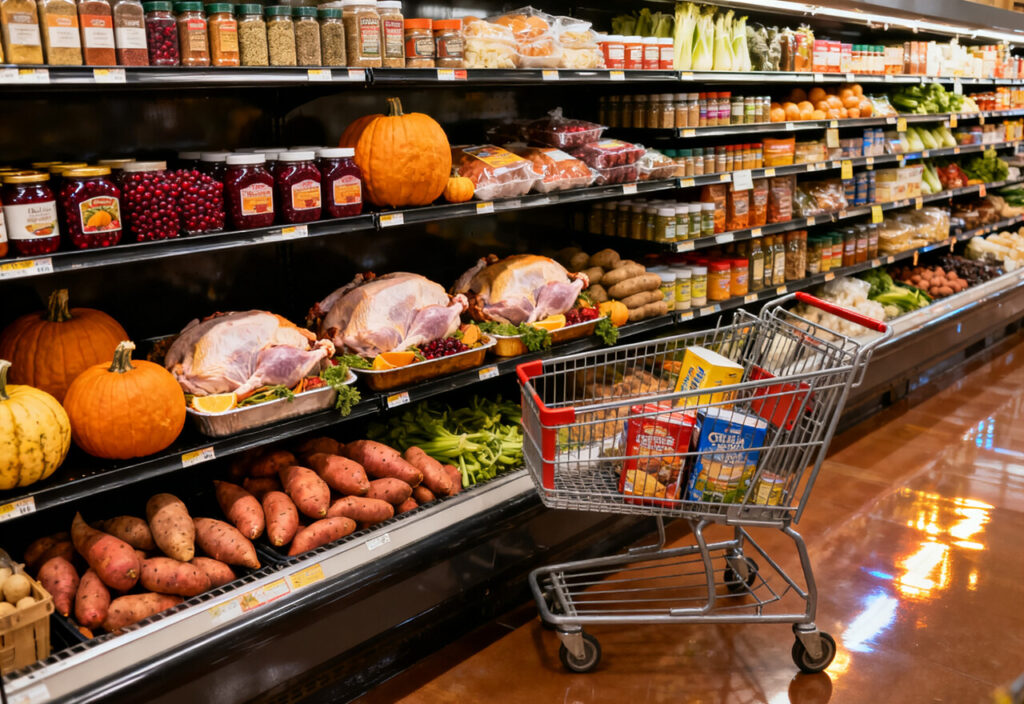
The first surprise was not that prices went up. It was how quickly and how often they seemed to move. During the inflation surge, major food manufacturers and grocers passed through higher costs in wave after wave, sometimes citing freight, packaging, labour, ingredients, and energy all at once.
What became clearer later was that price hikes were not always tied neatly to one specific jump in costs. Company reports and analyst calls showed firms talking openly about pricing power and revenue growth, even as households were trading down. That fed a broader public debate over whether some corporations were simply protecting margins or actively widening them while inflation gave cover for increases that might once have faced more resistance.
They leaned on shrinkflation instead of obvious sticker hikes

Some of the most frustrating inflation-era changes were hard to spot at first glance. Packages stayed roughly the same size, branding stayed familiar, and the shelf price often looked only slightly different. Then consumers noticed the bag felt lighter, the snack box held fewer pieces, or the jar contained just a bit less.
That tactic, widely known as shrinkflation, became one of the quietest ways to raise the effective price per gram or per serving. In Canada, consumer advocates and shoppers documented examples across pantry staples, snacks, frozen foods, and household basics sold by large corporations. Because the package still looked recognizable, many people did not catch the change until they had bought it several times, making the true scale of the increase easier to obscure.
They used product redesigns to mask higher effective prices
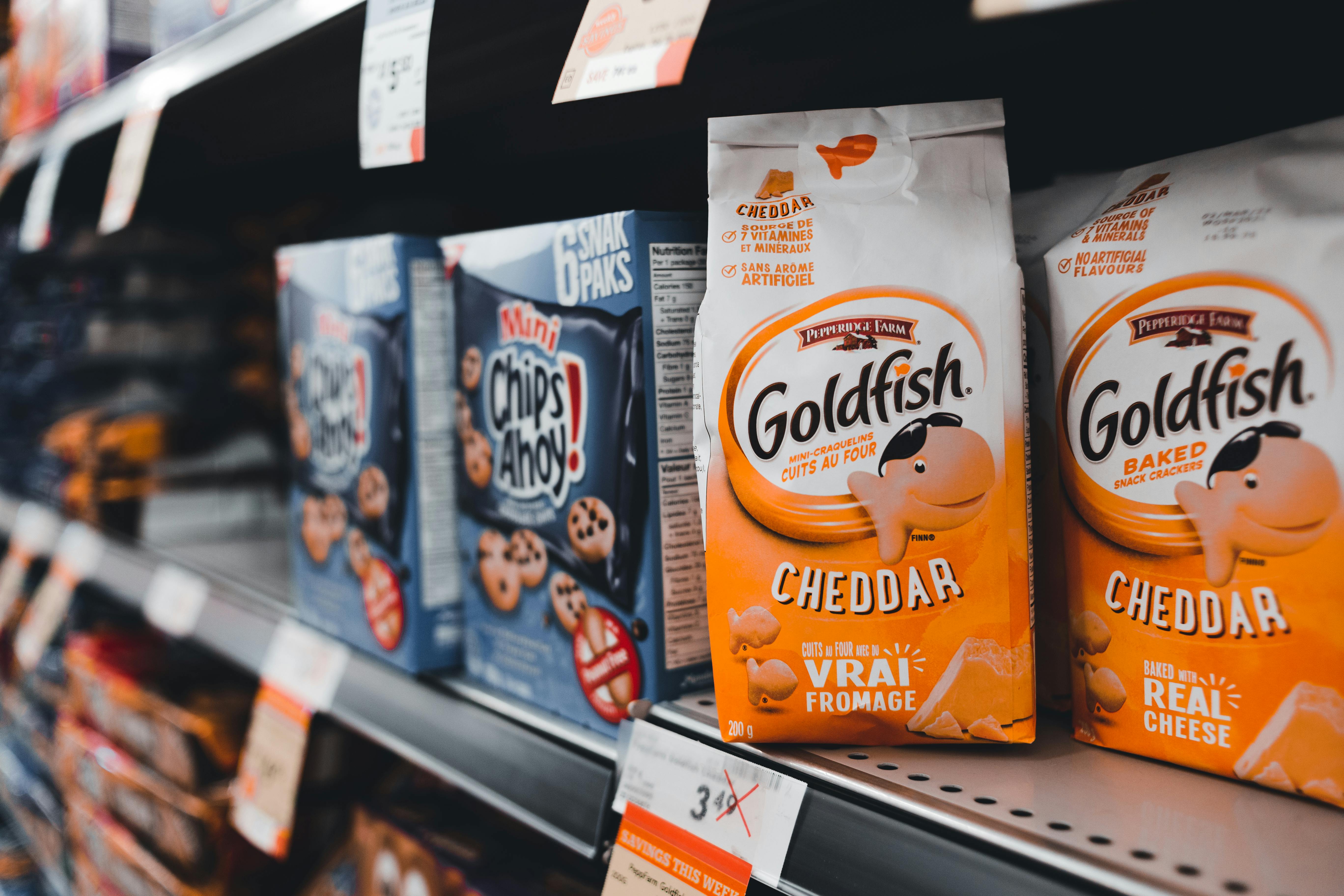
Not every increase arrived as a blunt price jump. In many cases, companies rolled out so-called refreshed packaging, premium line extensions, recipe tweaks, or redesigned formats that changed how products were sold. A familiar item might reappear in a new container, with different sizing tiers and a subtly higher price architecture.
This matters because redesign can blur direct comparisons. When a standard item becomes a premium-looking version or shifts to a new weight, shoppers lose the easy benchmark they once used. During the inflation period, that helped some brands reposition products without making the increase feel as obvious. What looked like innovation on the shelf often functioned as a pricing strategy, especially in categories where consumers buy quickly and rarely inspect unit costs in detail.
They defended margins while publicly emphasizing cost pressure
A recurring tension during the crisis sat in plain sight. Public messaging often focused on unavoidable cost inflation, yet investor-facing conversations sometimes highlighted resilience, improved pricing, and stable or stronger profitability. That gap drew attention as Canadians questioned why food companies seemed to weather the storm so well while shoppers did not.
In parliamentary hearings and financial reporting, large firms insisted the business was more complicated than a simple greed narrative. Still, critics pointed to healthy margins, dividends, and share buybacks as evidence that at least some companies had room to absorb more of the shock. The issue was not whether costs rose, because they clearly did. It was whether corporations used the inflation environment to normalize a level of pricing that proved more lucrative than necessary.
They pushed suppliers for concessions behind the scenes

One of the lesser-seen battles happened far from the checkout line. As grocers tried to manage their own margins, many suppliers faced intense pressure over fees, promotions, logistics charges, and demands tied to shelf placement. Smaller producers in particular said the balance of power left them with few options but to comply.
During the inflation crisis, those behind-the-scenes negotiations mattered because supplier concessions can ripple through the whole food chain. A major retailer may hold prices on a headline item while squeezing a manufacturer elsewhere. Industry groups in Canada repeatedly argued that these practices made the system more fragile, especially for domestic processors. The public mostly saw the final shelf price, but the pressure tactics shaping that price often stayed hidden until trade groups and executives began speaking more openly.
They expanded private label as shoppers traded down
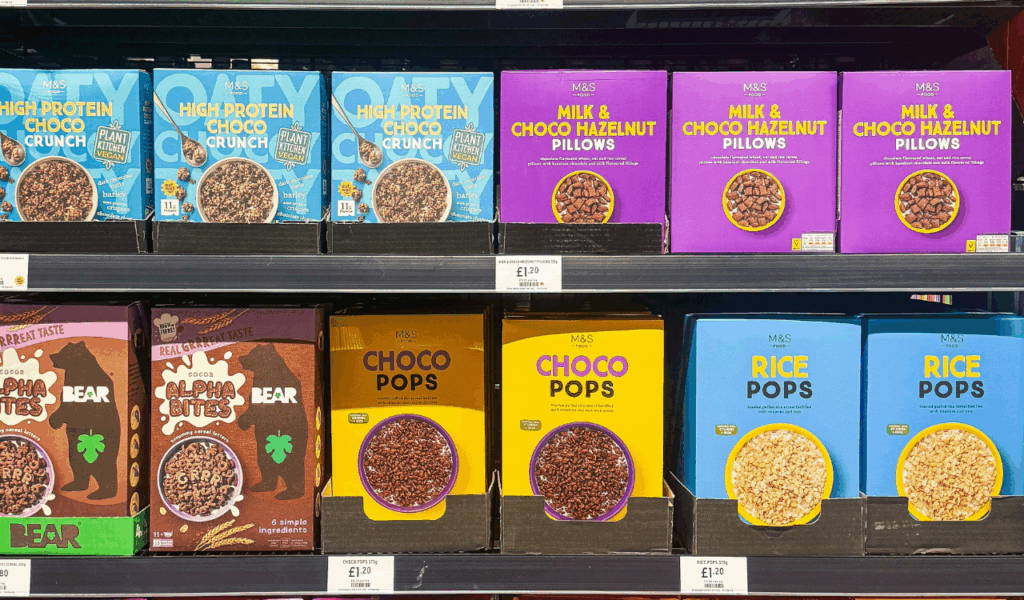
Inflation changed buying habits fast, and large grocery corporations moved to meet the moment. As more Canadians shifted from national brands to cheaper alternatives, retailers leaned harder into private label products, giving store-owned lines more visibility and strategic shelf space.
On paper, that looked consumer-friendly because private label can cost less. But it also gave grocers more control over pricing, sourcing, and profit mix. In some categories, the house brand became the obvious value option while branded competitors looked increasingly expensive. That strengthened retailer leverage on both ends, with shoppers nudged toward in-house products and suppliers facing a stronger gatekeeper. What emerged was not just a bargain strategy, but a deeper shift in market power during a period when consumers had fewer choices they could comfortably afford.
They kept promotional deals tighter and less generous

Many shoppers sensed it before they could prove it. The old pattern of deep discounts, frequent flyers, and easy stock-up deals seemed to fade. Promotions did not disappear, but they often became narrower, more conditional, or tied to loyalty apps and multi-buy mechanics that rewarded only larger purchases.
That shift mattered during an affordability crisis because promotional pricing has long been how households manage budgets. By tightening discounts, corporations preserved headline prices and encouraged higher spend per trip. Analysts have noted that a more disciplined promotional environment can support margins, especially when consumers are already primed to expect high prices. In practical terms, it meant shoppers had to work harder to find savings, and many discovered that even sale prices no longer felt like real relief.
They relied more heavily on loyalty data to shape pricing
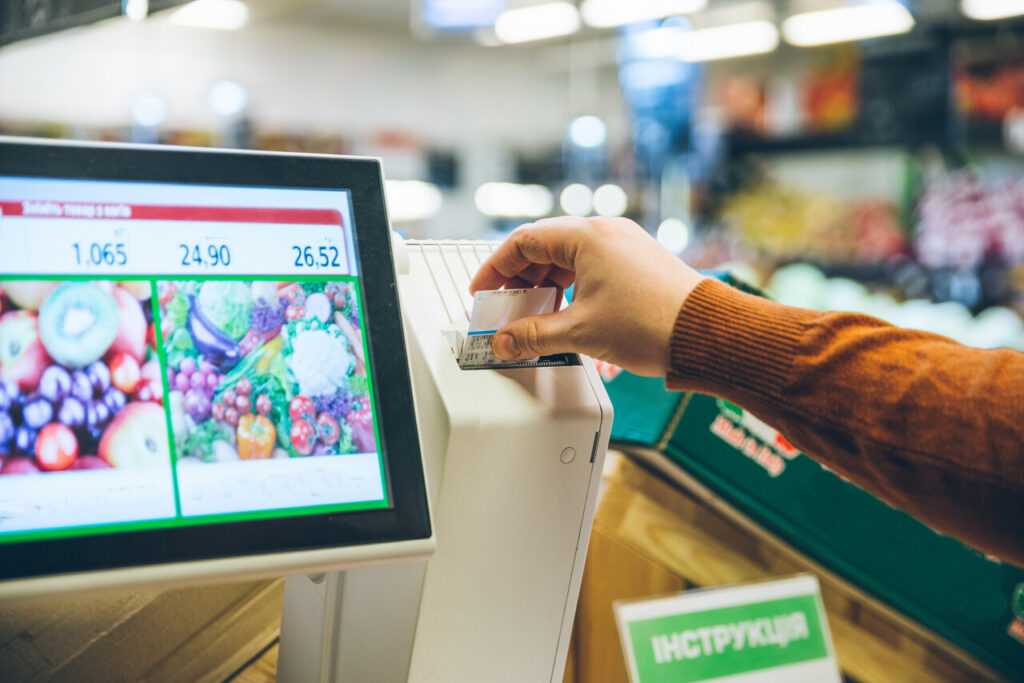
The inflation era also highlighted how much modern food retail runs on data. Loyalty programs, digital coupons, and app-based offers gave large corporations a detailed look at what customers bought, when they switched brands, and where they were willing to tolerate increases.
That information can help tailor useful discounts, but it also gives retailers powerful insight into consumer pain points. During the crisis, personalized pricing and targeted offers became a bigger part of how companies managed demand and protected basket size. Shoppers who used the app might get one price, while others paid more at the shelf. The result was a grocery landscape that felt less transparent. Prices were no longer simply posted and equal for all, which added to the sense that food inflation was becoming harder to track and harder to challenge.
They highlighted supply shocks while benefiting from concentrated markets
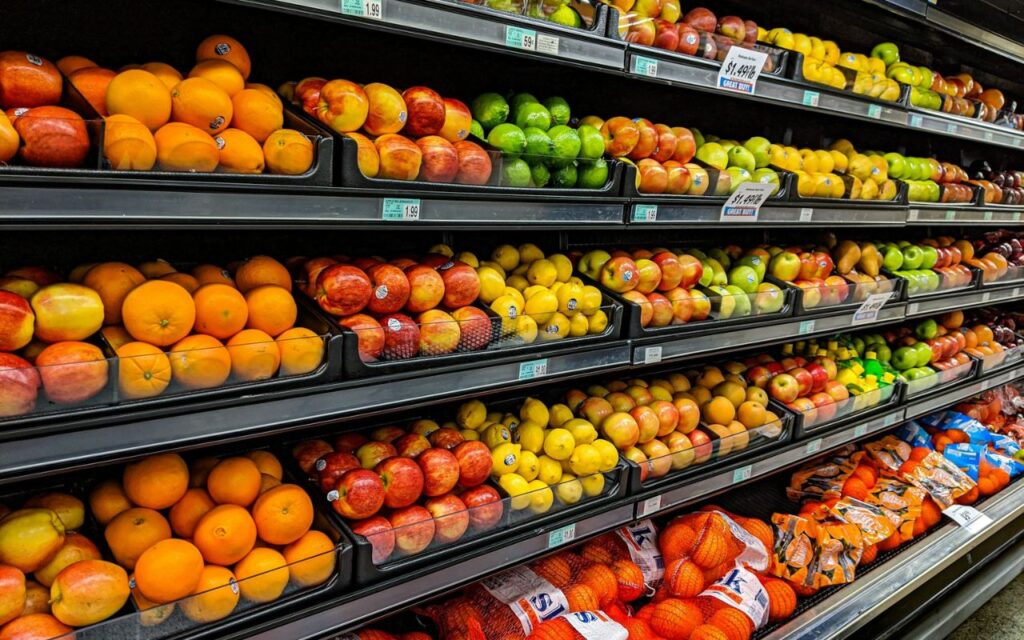
Supply chain disruption was real, and there is no serious debate about that. Weather events, transportation bottlenecks, labour shortages, global commodity swings, and geopolitical instability all pushed food costs upward. But in Canada, those pressures landed in a market already dominated by a relatively small number of powerful grocers and major manufacturers.
That concentration became part of the story. When a sector has limited competition, firms can be better positioned to pass costs along and hold onto pricing once it sticks. Competition experts, consumer advocates, and parliamentary committees all spent more time examining this during and after the inflation spike. The concern was not that companies invented the crisis. It was that a concentrated market made it easier for inflation to travel quickly to consumers and much harder for competitive forces to pull prices back down.
They framed theft and security costs as part of the pricing picture
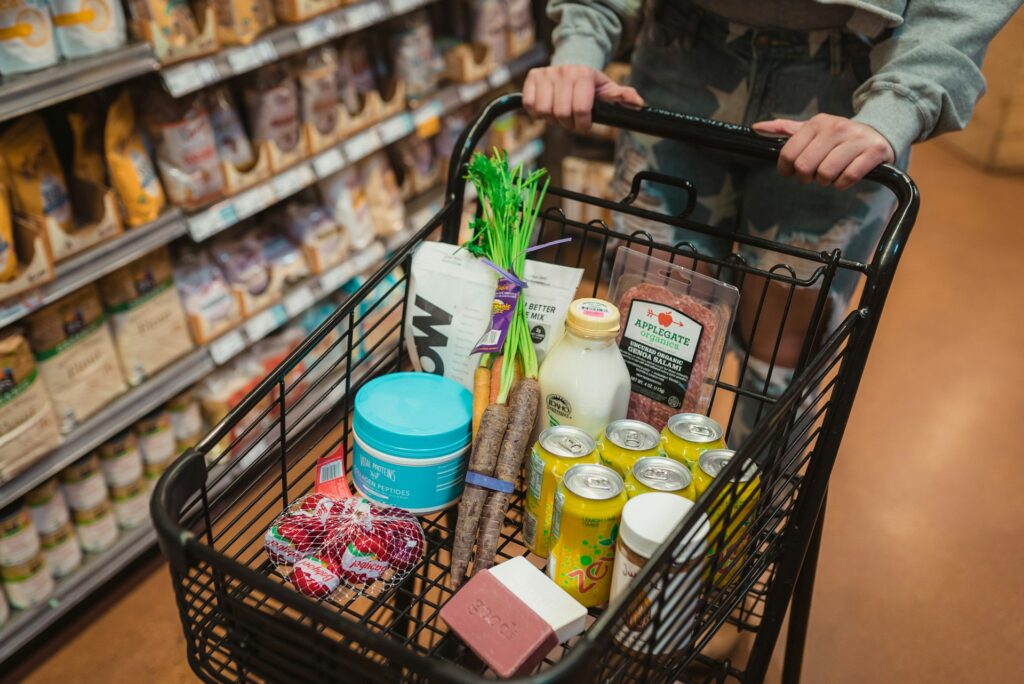
Another thread that gained traction late in the crisis involved retail theft. Grocers and other retailers increasingly spoke about shrink, locked cabinets, security upgrades, and loss prevention costs. Those are genuine expenses, but they also entered public messaging at a moment when companies were under pressure to explain stubbornly high prices.
The reason this stood out is that theft can become part of a broader justification narrative. When consumers hear that theft, labour, fuel, and supplier costs are all rising together, the final price starts to feel inevitable. Critics argued that such messaging risked muddying the bigger issue of market power and margins. In other words, security concerns may be real, yet they can also function as one more layer in a story that makes corporate pricing decisions seem less open to scrutiny.
They resisted deeper transparency on pricing mechanics

For many Canadians, the most revealing part of the inflation period was how difficult it was to get a straight answer about food pricing. Executives regularly said the business was too complex for simple explanations, pointing to fluctuating input costs, category differences, contracts, and global volatility.
That complexity is real, but so is the transparency problem. Consumer groups and some lawmakers pushed for clearer disclosure around margins, supplier fees, and how price increases were being set and retained. The responses were often partial, cautious, or framed in broad terms. As a result, suspicion deepened. When households can see the bill rising every week but cannot clearly see where the money is going, they are more likely to believe corporations are benefiting from opacity as much as from inflation itself.
They normalized higher prices even after some costs cooled
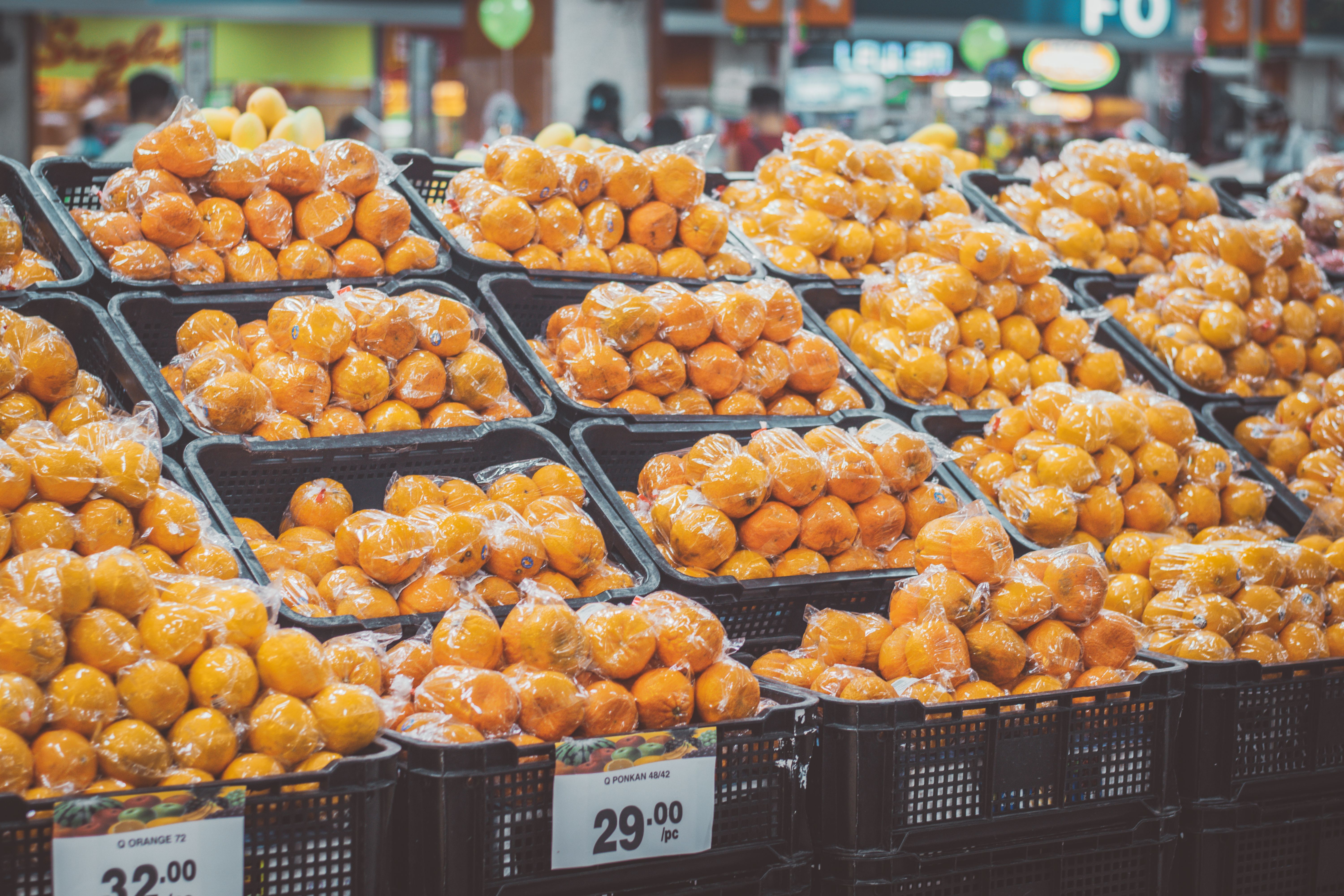
Perhaps the most lasting revelation is that prices do not always retreat when the original shock eases. Some commodity costs softened, shipping pressures improved, and supply chains stabilized compared with the most chaotic phase of the crisis. Yet many food prices stayed elevated, and only selective discounts appeared.
This is where inflation turned into a reset. Once consumers got used to a higher reference price, corporations had little incentive to reverse course broadly unless competition forced it. Economists sometimes call this stickiness, and shoppers feel it every time a product remains expensive long after the emergency explanation fades. In Canada, that has fueled the ongoing belief that the inflation crisis was not only about temporary disruption. It also helped establish a new pricing floor that continues to benefit large food corporations today.



Leave a Reply