
Crossing the border for a meal can feel familiar right up until the little details start piling up. From how menus are priced to how often the server checks in, American restaurant habits can stand out quickly to Canadian diners. These are the dining patterns Canadians tend to notice first, and the reasons they feel so different.
Prices on the menu are not the final total
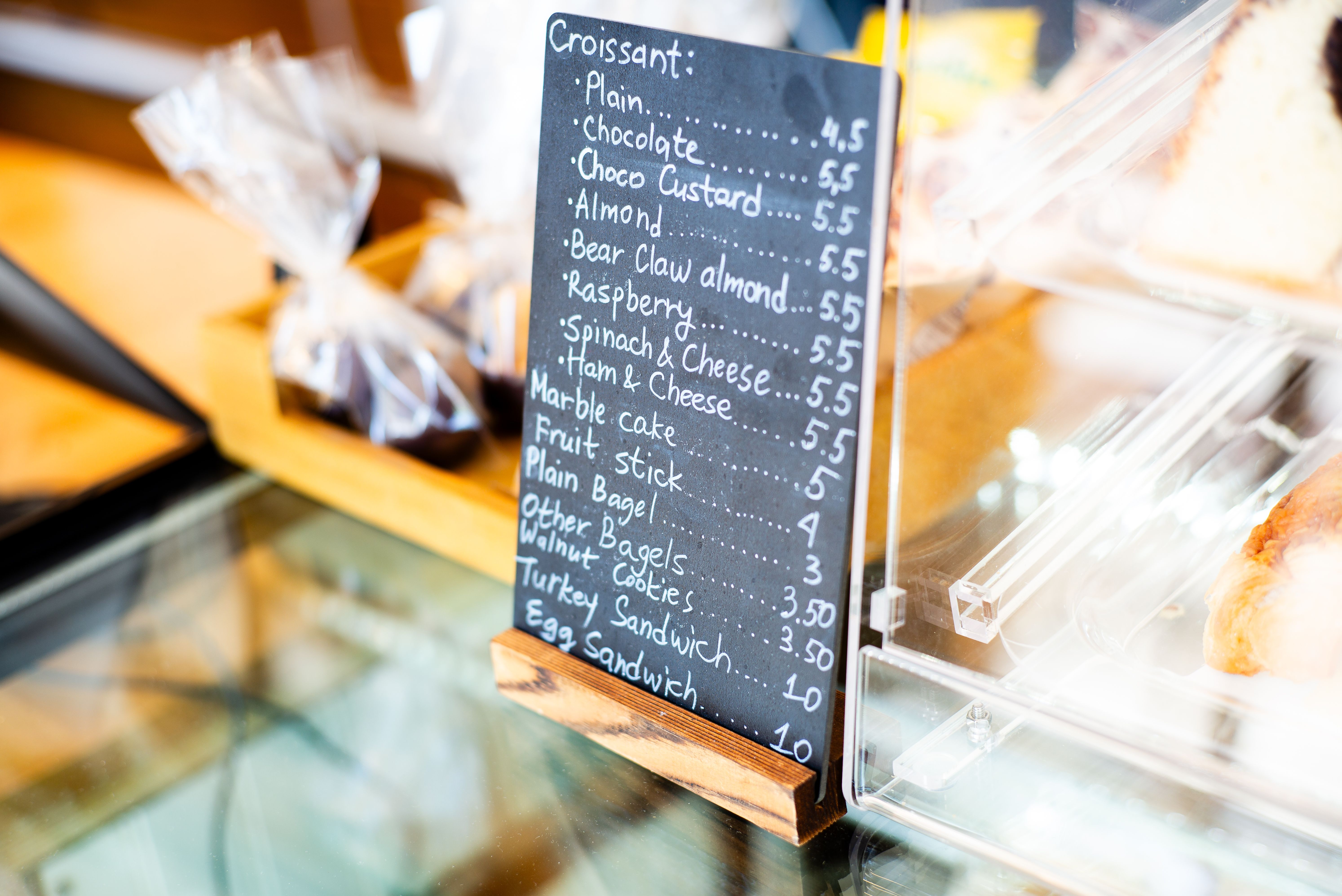
The first surprise often arrives before the food does. In many American restaurants, the number printed beside a burger or pasta dish is only the starting point, because sales tax is added later at the register rather than folded into the listed price.
For Canadians, that can feel oddly unfinished. In Canada, taxes are also often added at checkout, but the combined hit of state and local sales taxes can vary sharply from one U.S. city to the next, making the final bill less predictable. Add a tip on top of that, and a simple meal can climb quickly beyond what the menu seemed to promise.
The server may introduce themselves and check in often
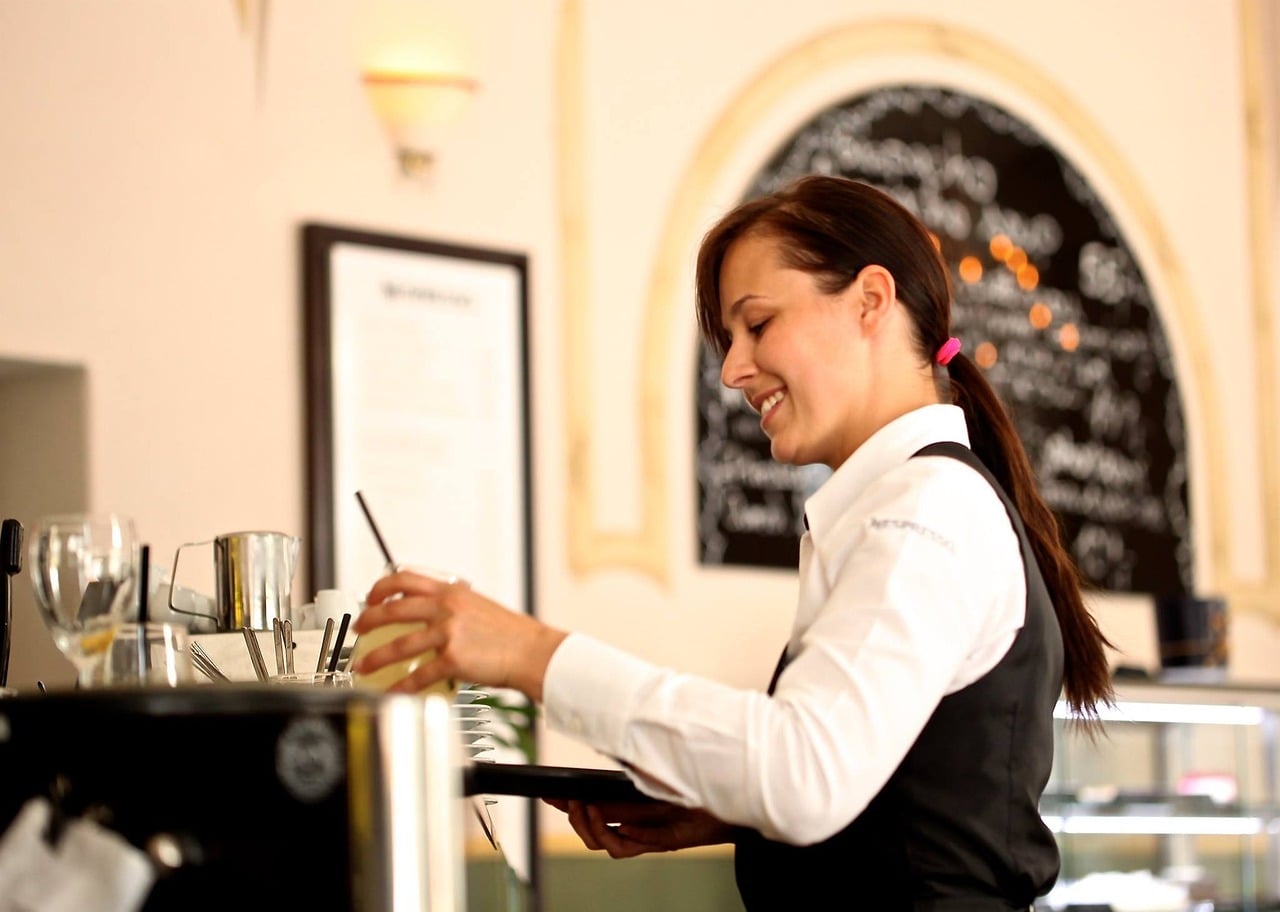
Right away, the service style can feel more hands-on. In the United States, servers often open with their name, offer a quick rundown of specials, and return several times to ask how everything tastes or whether the table needs anything else.
Canadians often read that as friendly, but also a little more frequent than expected. American restaurants tend to build service around attentiveness because tipping is such a large part of staff income. That creates a dining room rhythm where refills, follow-up questions, and regular table visits are not just good manners. They are central to how service is measured and rewarded.
Free refills are treated like a normal part of the meal
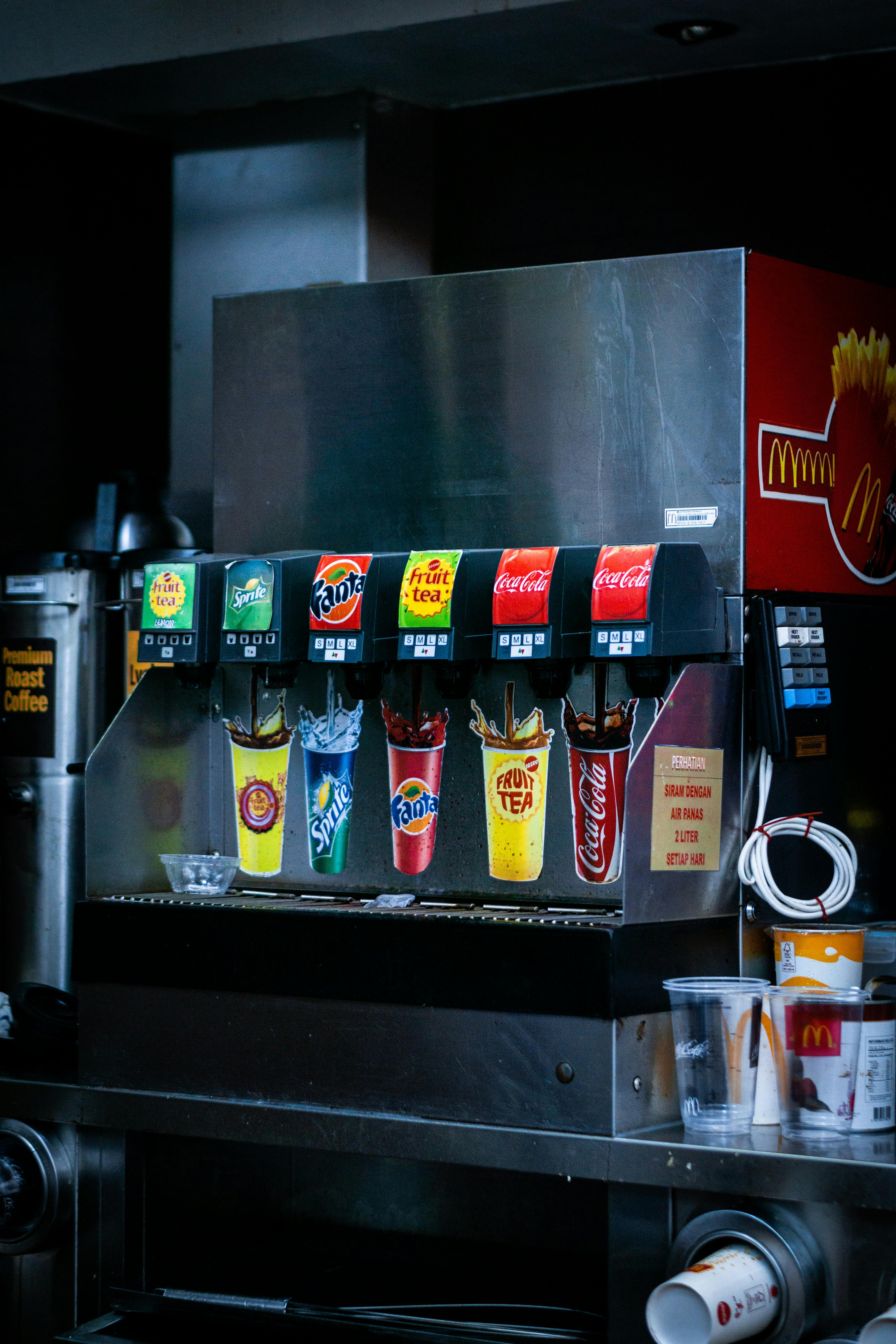
A bottomless soft drink can feel like a very American promise. At many casual restaurants in the U.S., free refills on soda, iced tea, and drip coffee are standard, and the glass may be topped up before a guest even thinks to ask.
That stands out to Canadians because refill policies in Canada can be less automatic and more dependent on the chain or location. In America, large beverage portions and unlimited refills have long been used as a value signal, especially in family dining and fast-casual spots. It creates a generous first impression, even if it also encourages bigger servings and more table-side traffic from staff.
Ice water appears almost instantly
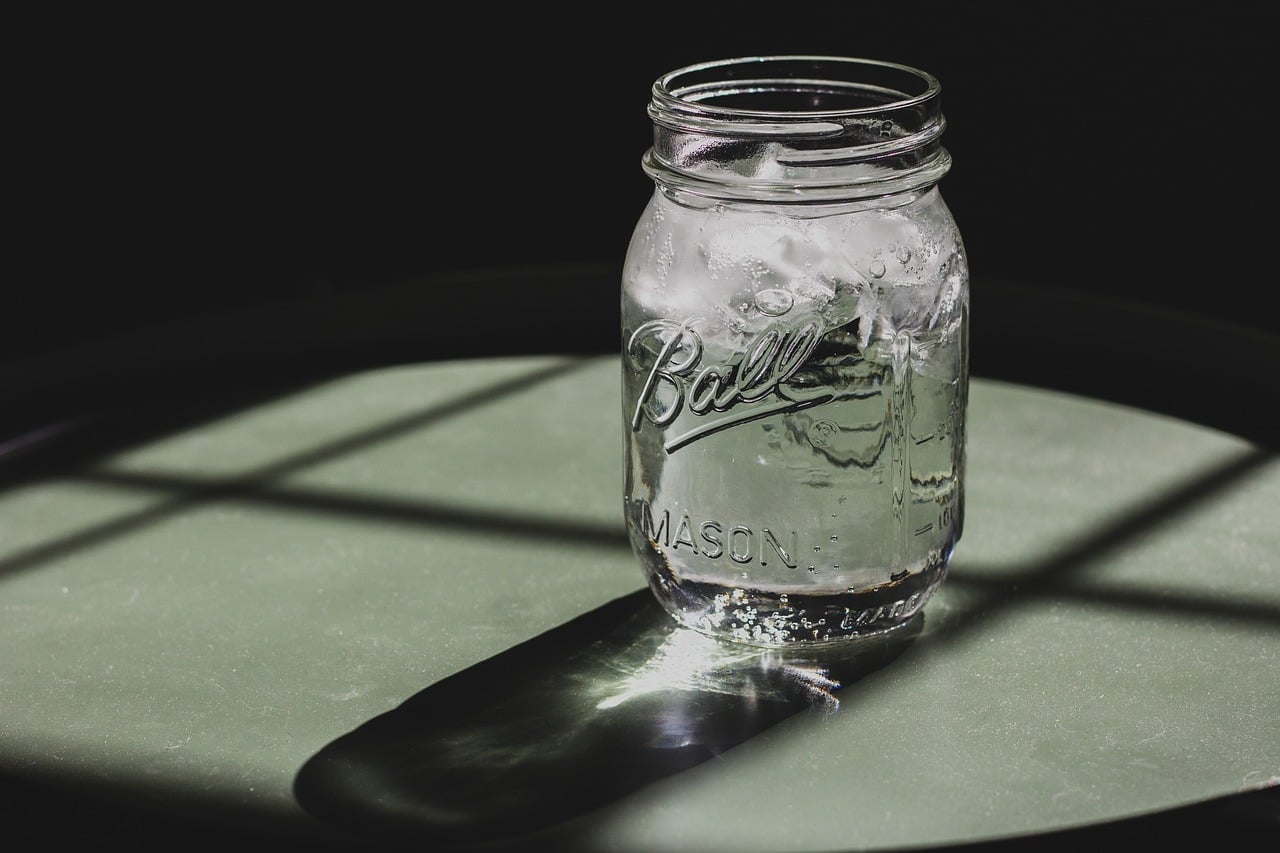
Before the menus are fully opened, the water is often already there. In many American restaurants, glasses of ice water arrive automatically, filled high with ice and refreshed throughout the meal without much discussion.
Canadians notice both the speed and the amount of ice. While water service is common in Canada too, the American version can feel more uniform, especially in chain restaurants where table service follows a fixed pattern. The habit is tied to hospitality, climate, and customer expectation. In much of the U.S., especially warmer regions, a cold water refill is treated as a basic part of feeling looked after from the first minute.
Portion sizes can be dramatically bigger
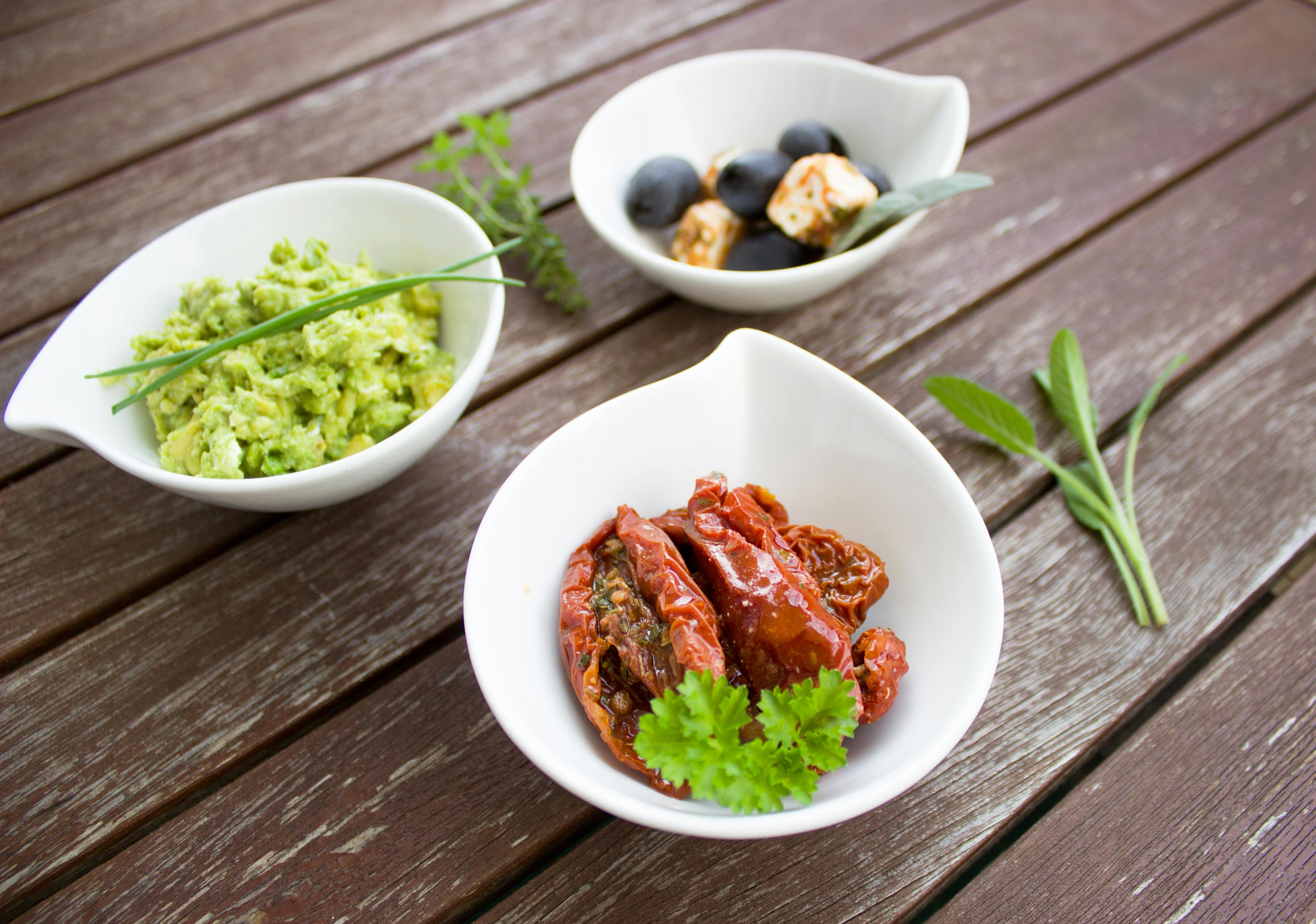
The plate itself often tells the story. In many parts of the United States, restaurant entrées arrive in portions that look built for leftovers, with oversized sandwiches, deep bowls of pasta, and side dishes large enough to share.
Canadians may be used to hearty meals too, but the scale in America can still feel amplified. Decades of competition around value helped normalize bigger servings, particularly at chain restaurants and diners. Larger portions also pair naturally with the strong to-go culture in the U.S., where taking half the meal home is common. The result is a dining experience that often feels less restrained and more abundance-driven from the start.
Taking leftovers home is strongly encouraged
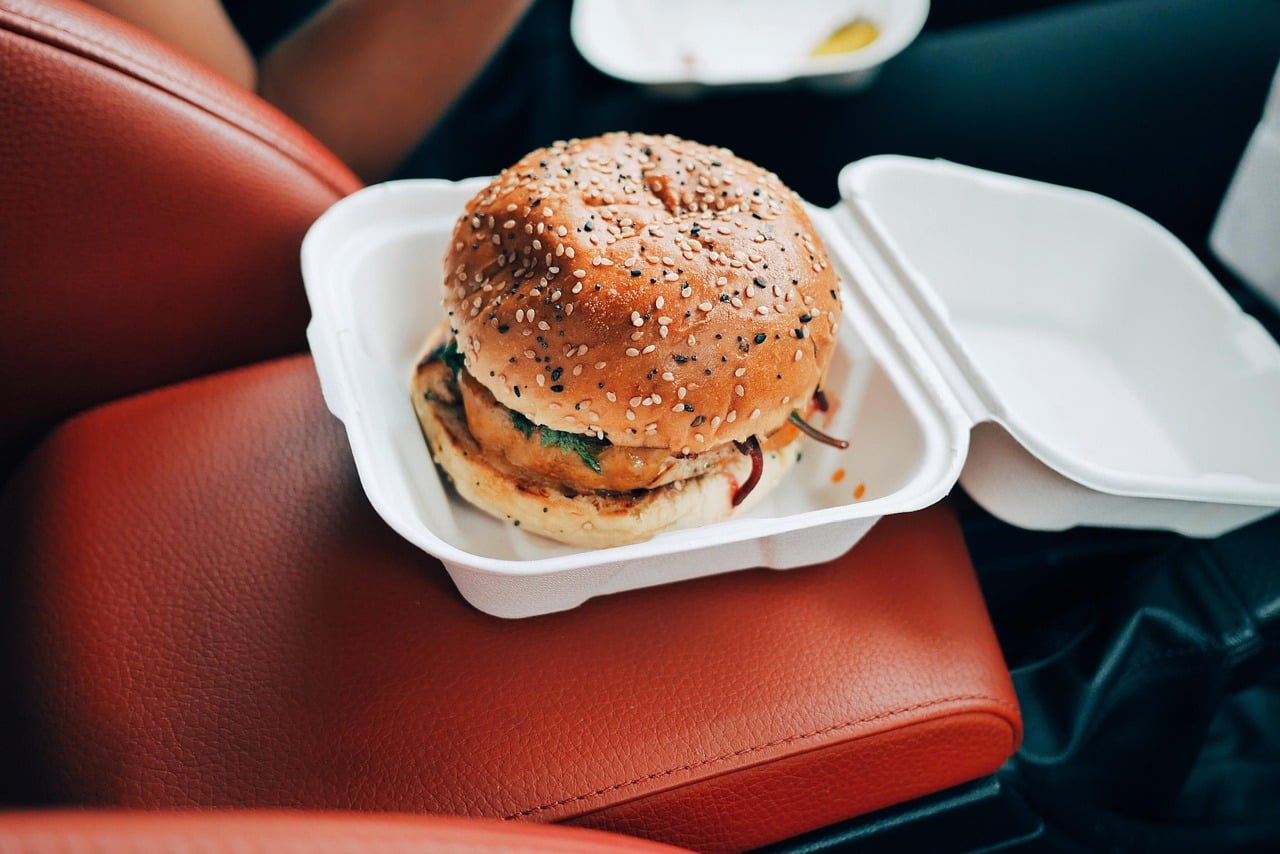
If you do not finish your plate, no one acts surprised. In American restaurants, asking for a box is routine, and many servers offer one before the guest even has to think about how to phrase the request.
Canadians are familiar with leftovers too, but in the U.S. the practice feels especially built into the meal. That is partly because portions are often larger, but it is also because restaurant culture has normalized the idea that tonight's dinner can become tomorrow's lunch. The packaging is usually ready, the expectation is relaxed, and there is very little social hesitation around leaving with a neatly packed container.
The check may arrive fast, sometimes before anyone asks

One subtle difference is the pace at the end of the meal. In many American restaurants, the check appears promptly once entrées are cleared or dessert is declined, even if the table did not explicitly request it.
To Canadians, that can read as efficient or slightly rushed, depending on the setting. In the U.S., table turnover matters, especially in busy casual restaurants where getting the next party seated quickly affects revenue and tips. The move is usually not meant to push guests out the door. It is part of a service system that treats speed, readiness, and clear next steps as signs of professionalism.
Tipping feels less optional and far more central

Nothing defines the experience more clearly than the tip line. In the United States, tipping is deeply woven into restaurant economics, with many full-service servers depending on gratuities as a major share of their earnings.
Canadians tip too, but the American expectation often feels more explicit and higher stakes. Suggested amounts are commonly printed on receipts or payment screens, and social pressure around leaving 18% to 20% or more can be strong. That changes how the whole meal feels. Service, friendliness, check-ins, and pacing are all connected to a system where the customer is helping determine a worker's take-home pay in real time.
Menus lean heavily on customization

Ordering in America can sound a little like building a meal from scratch. Many restaurants invite diners to swap sides, choose proteins, remove ingredients, add toppings, and tailor dishes in ways that are presented as completely normal.
Canadians notice how baked-in that flexibility can be. While customization exists in Canada, American chains in particular have made it a core feature of service, from breakfast plates to salads to burgers. Part of it comes from consumer culture that prizes choice, and part of it comes from standardized kitchen systems designed to handle modifications. The result is a menu that feels less fixed and more negotiable from the first glance.
Condiments are everywhere and often arrive in abundance

The table can feel like its own pantry. In many American restaurants, ketchup, hot sauce, barbecue sauce, creamers, sweeteners, and extra napkins are either already on the table or brought over quickly in generous amounts.
Canadians often notice the abundance first. U.S. dining culture, especially in diners and family chains, tends to treat condiments as part of the experience rather than a tightly rationed extra. Regional food habits also play a role, since sauces and dressings are central to many popular dishes. That creates a setting where personalizing every bite feels expected, and where asking for more rarely feels like a special request.
Breakfast can be an all-day event
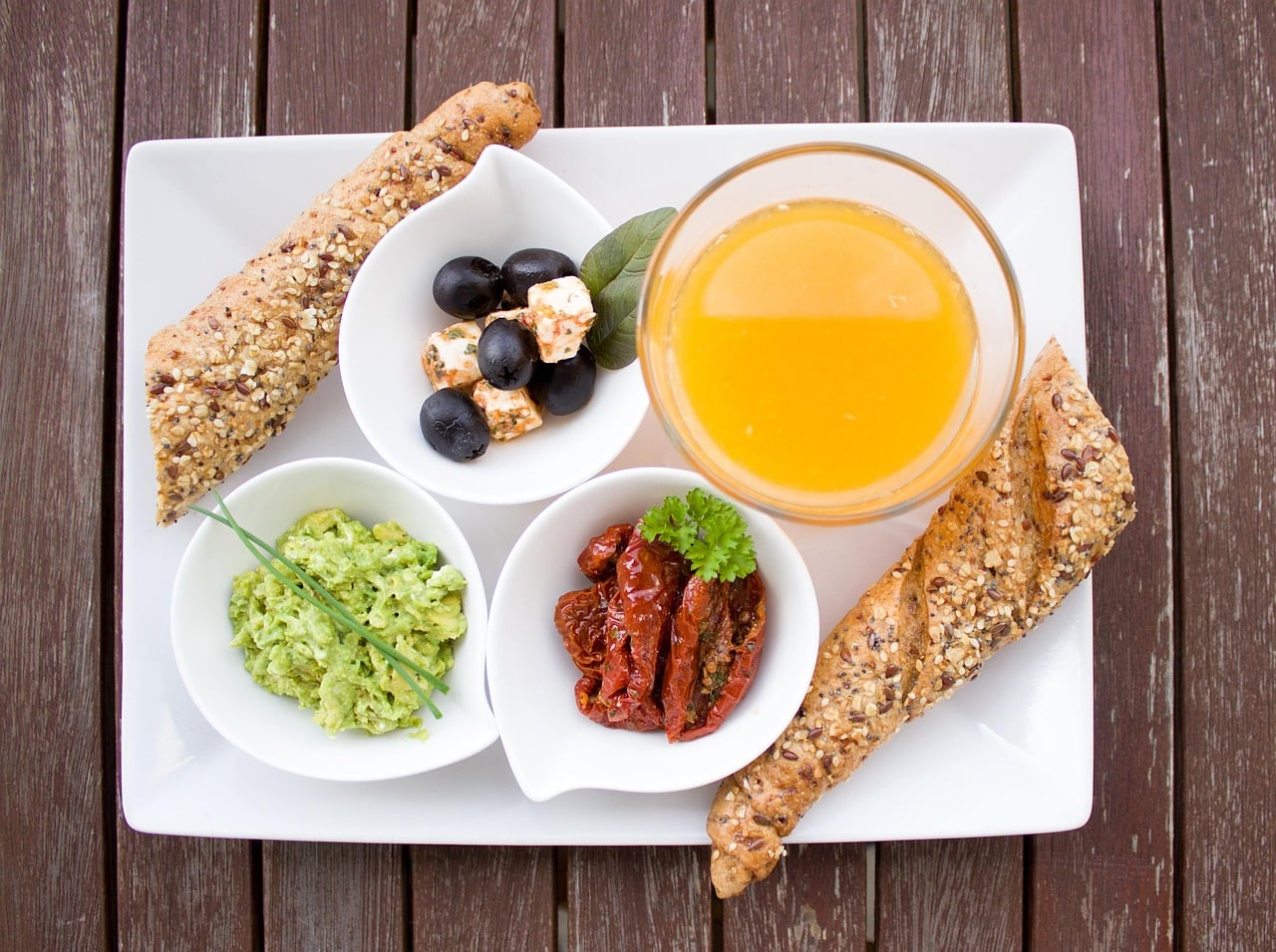
One charming surprise is how often breakfast refuses to stay in the morning. Across the United States, diners, chains, and some independent restaurants serve pancakes, eggs, hash browns, and bacon well past noon, and sometimes all day long.
Canadians have all-day breakfast options too, but in America the culture around it can feel bigger and more deeply rooted. The classic diner model helped turn breakfast into a comfort-food category that works at nearly any hour. That matters to travelers because it expands what feels appropriate to order. A stack of pancakes at 3 p.m. does not seem quirky in many U.S. restaurants. It feels completely normal.
Chain restaurants have an outsized presence
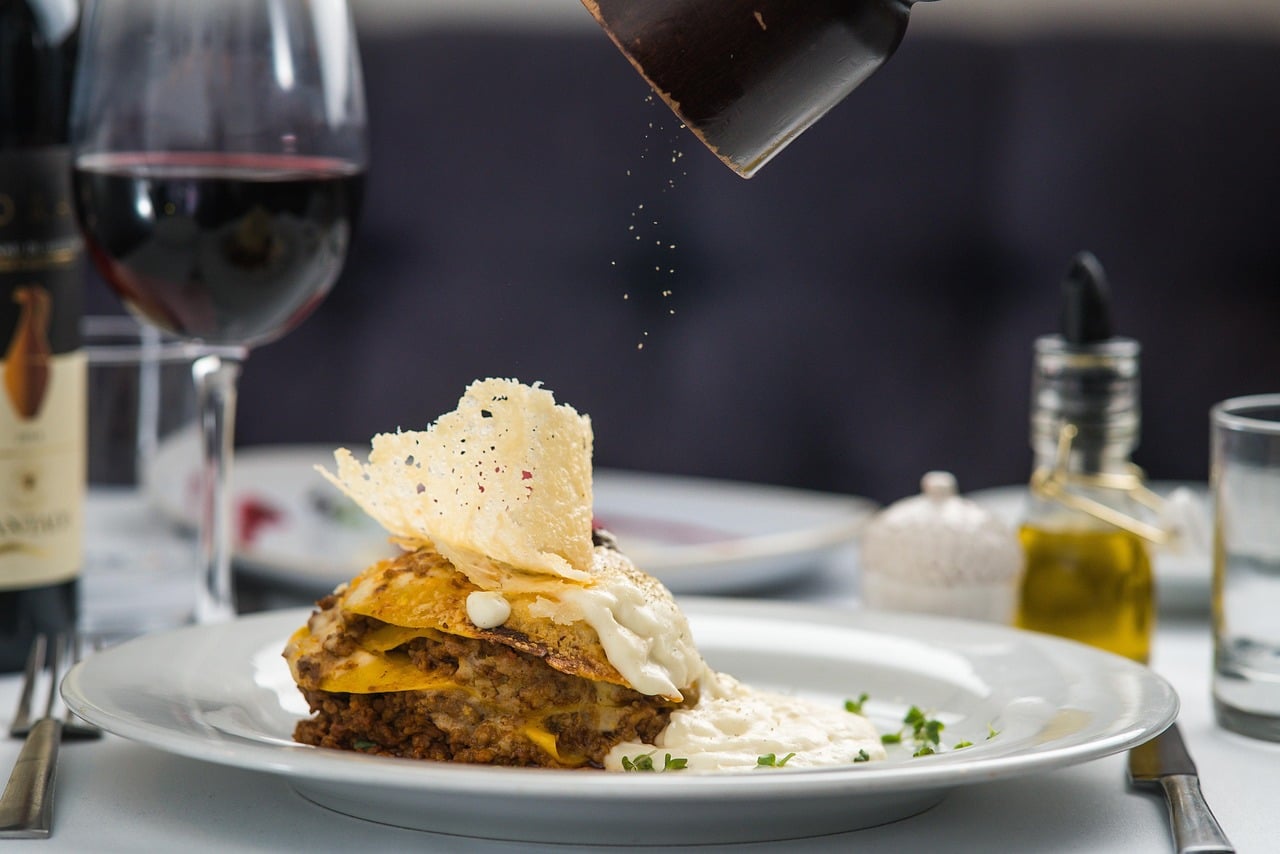
Sometimes the biggest difference is not on the plate but on the roadside. In many American towns, chain restaurants dominate commercial strips, highway exits, malls, and suburban dining districts in a way that can feel more concentrated than what Canadians are used to.
That visibility shapes expectations inside the restaurant too. Chains often train staff to follow consistent service scripts, menu formats, and refill habits, which helps explain why the dining experience can feel familiar from state to state. Canada has major chains as well, of course, but the sheer scale of the U.S. market gives branded dining a stronger footprint. For many Canadians, that standardized style is immediately recognizable.



Leave a Reply