
The internet loves a recipe that looks dramatic in 30 seconds, but views do not guarantee flavor, texture, or common sense. Some viral dishes are fun to watch and disappointing to eat, while others fall apart the minute real home cooks try them. We looked at a dozen of the biggest social-media food sensations and measured them against taste, repeatability, cost, and whether they actually make life easier. Only one comes out looking like a recipe worth keeping.
Baked Feta Pasta

This is the rare viral recipe that survives contact with a real kitchen. Baked feta pasta became huge for a reason: it uses a short list of ingredients, creates its own sauce in the oven, and asks very little from the cook beyond timing and stirring.
The appeal is not just convenience. Roasted tomatoes collapse into sweetness, feta brings salt and tang, and pasta water helps everything turn glossy instead of clumpy. It is flexible, too. You can add spinach, garlic, chili, or chicken without wrecking the formula.
Most important, it delivers the same promise on the plate that it makes on screen. That alone puts it ahead of nearly every trend that follows.
Cloud Bread
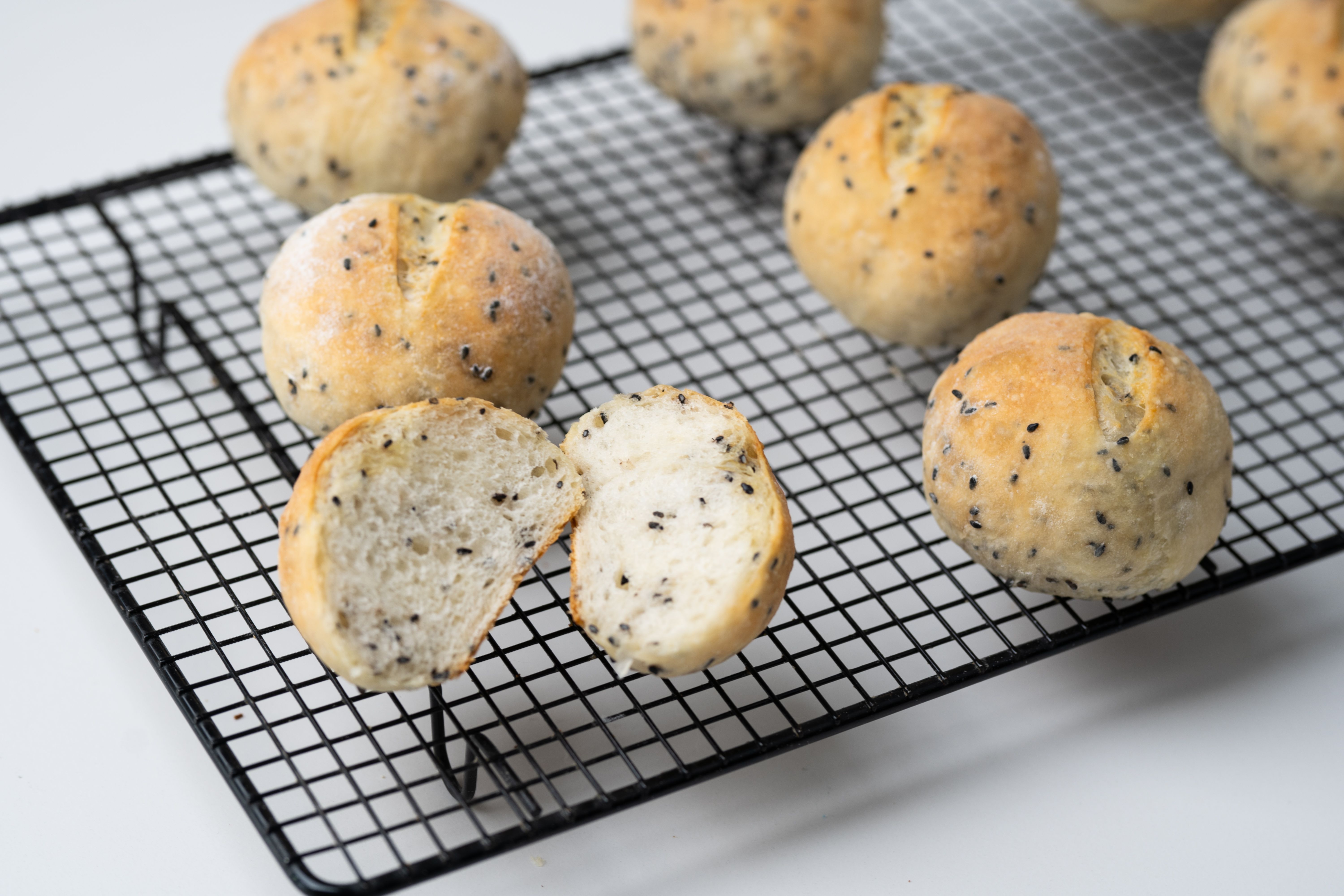
Cloud bread won attention because it looked like edible foam. The pastel colors, pillowy height, and jiggly texture were perfect for short videos, especially when creators pulled it apart to show that marshmallow-like interior.
In practice, it is more novelty than bread. The structure comes mostly from whipped egg whites and sugar or starch, so it lacks the chew, crumb, and staying power people expect from actual bread. It also deflates fast and tastes faint unless heavily flavored.
That does not make it useless. It is a playful baking experiment and a good lesson in meringue chemistry. It just does not solve any bread problem, and it is rarely something people make twice.
Nature's Cereal
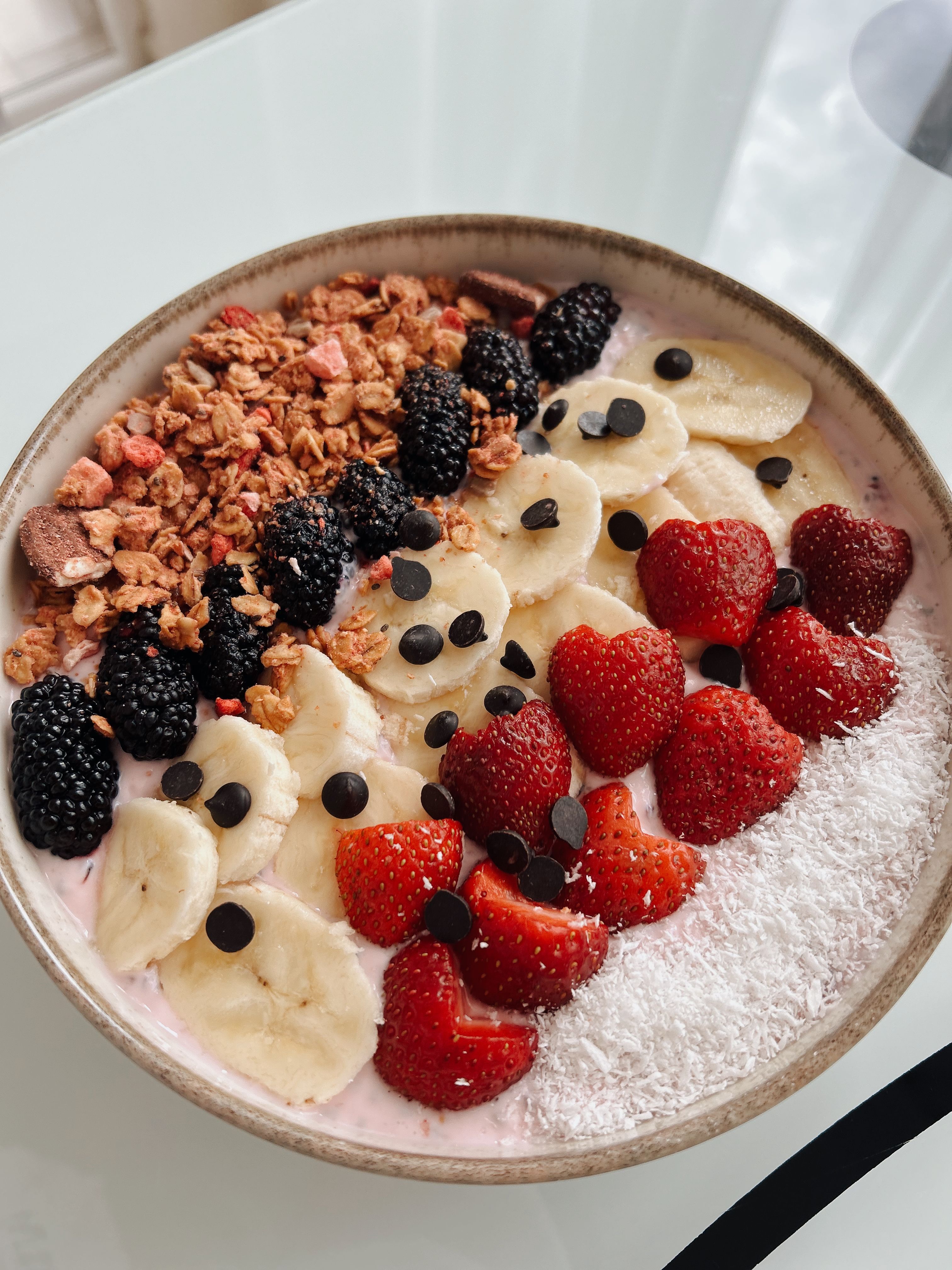
Nature's cereal arrived with a wellness glow and a very simple formula: berries in a bowl, coconut water poured over the top, sometimes with pomegranate seeds and ice. It looked clean, refreshing, and camera-ready, which helped it travel fast.
As a snack, it is perfectly fine. Fruit is hydrating, coconut water adds sweetness, and the whole thing feels light in warm weather. But the phrase cereal did most of the marketing work. It is not especially filling, and for many people it reads more like a fruit bowl with a drink in it.
The issue is not that it tastes bad. It is that the hype promised revelation, while the reality is a chilled produce cup that never needed reinvention in the first place.
Pancake Cereal
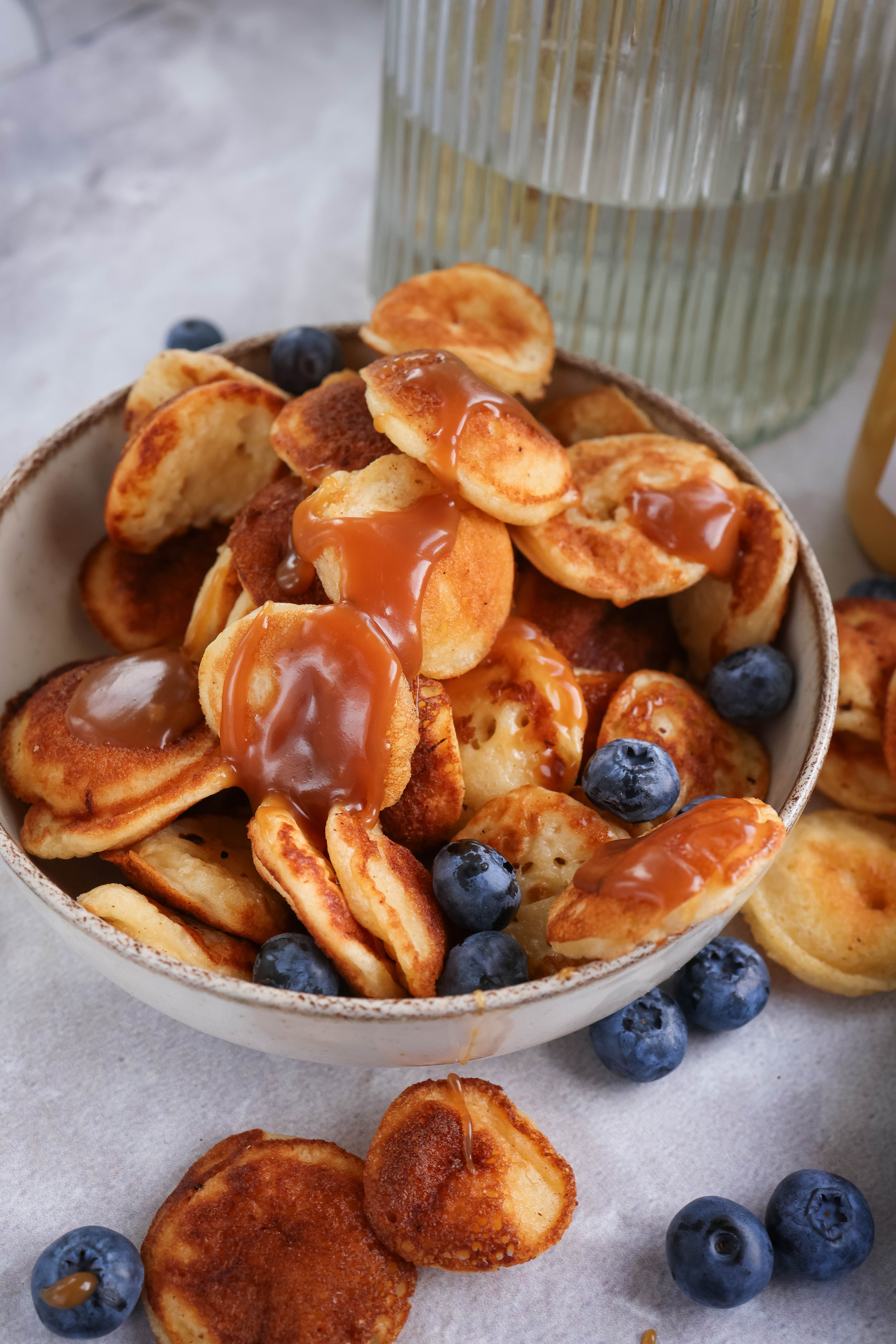
Pancake cereal was born for the algorithm. A bowl full of tiny pancakes looks instantly charming, and the pouring shot of syrup and milk gave creators a cute breakfast moment that felt new even though the ingredients were completely familiar.
The trouble starts at the stove. Making dozens of coin-sized pancakes takes more time than making a normal batch, and each tiny round needs attention. By the time you finish, the first pieces may already be cooling off.
Eating it is also less magical than the videos suggest. The texture can turn rubbery fast, syrup coverage is uneven, and the payoff is basically regular pancakes with extra labor. It is clever content, not smarter cooking.
Salmon Rice Bowl
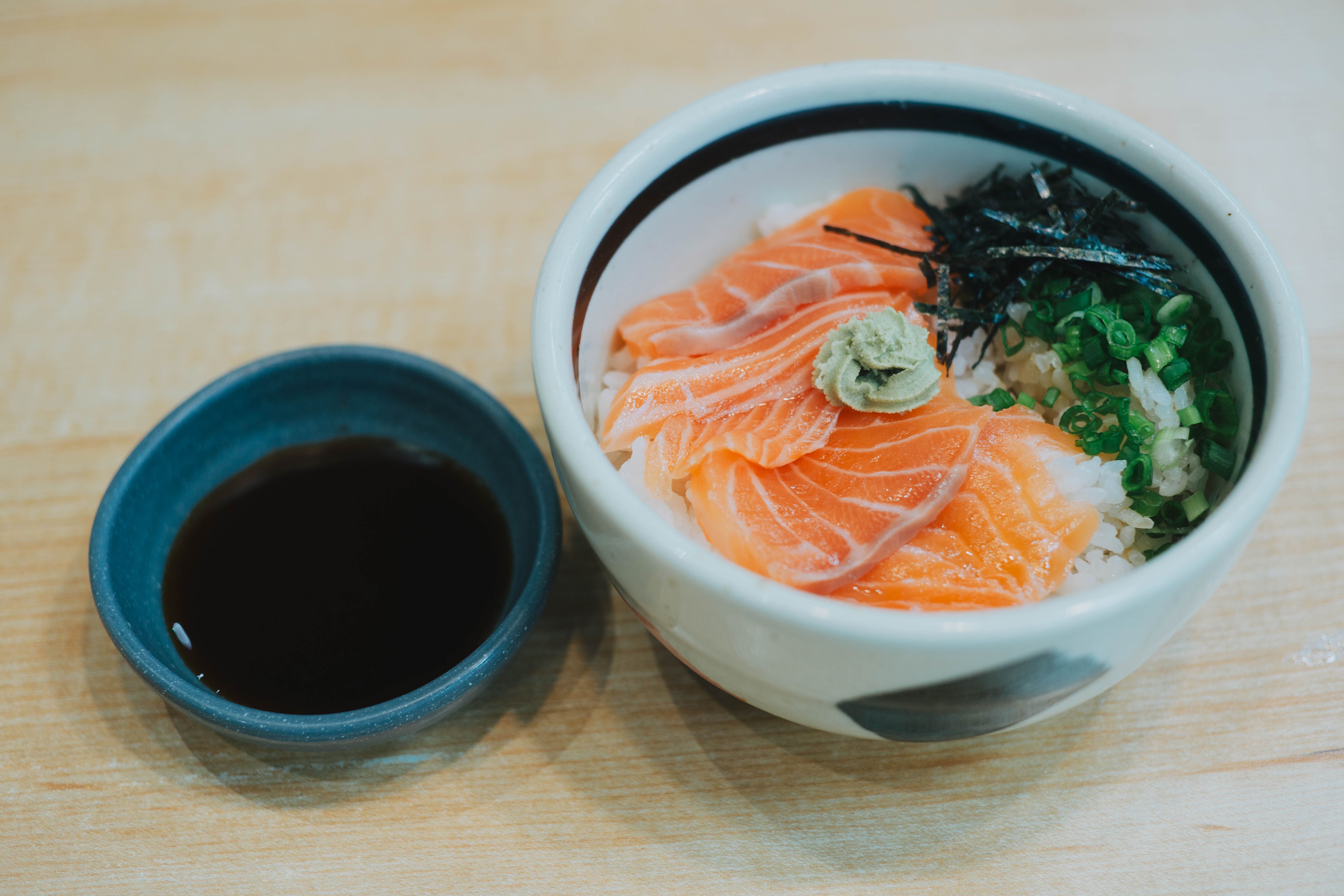
This trend had a stronger foundation than most because it was built on leftovers many people already had. Flaked salmon, rice, soy sauce, mayo, sriracha, and seaweed formed a fast meal that felt casual, comforting, and deeply customizable.
What made it spread was less the recipe itself than the assembly method. Reheating rice with an ice cube under parchment created steam and revived texture, which many home cooks found genuinely useful. That tip had real staying power.
Still, as a viral recipe, it is more of a template than a breakthrough. Its success depends on decent leftover salmon, seasoned rice, and good ratios. When those pieces are weak, the bowl feels ordinary very quickly.
Custard Toast
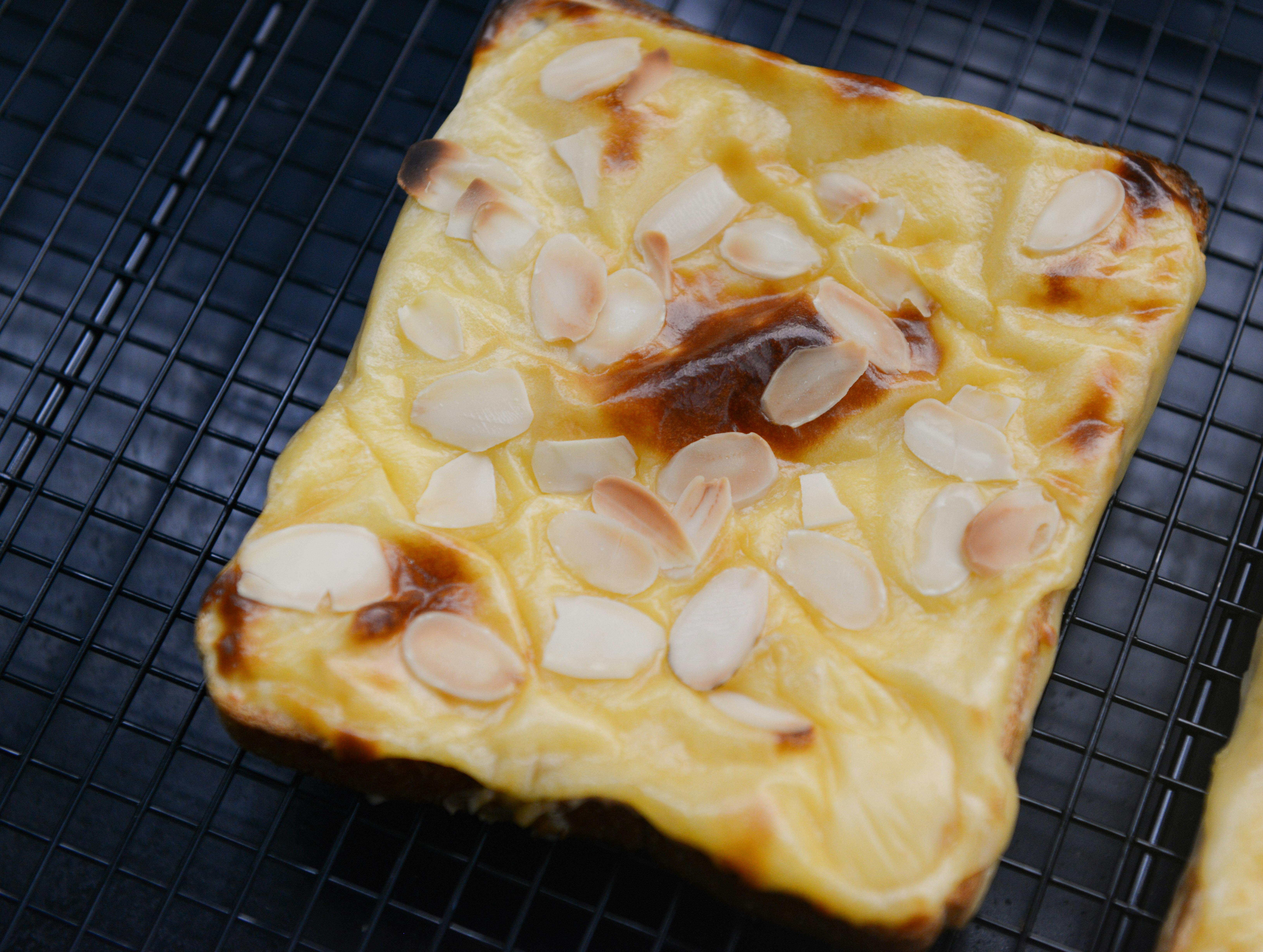
Custard toast promised dessert-for-breakfast simplicity. Bread gets pressed in the center, filled with a yogurt-and-egg custard, topped with fruit, and baked until golden. In a video, it looks polished, colorful, and satisfyingly neat.
The actual result depends heavily on the bread and timing. Too thin, and the center turns soggy before the edges crisp. Too much filling, and it slips into scrambled sweetness. Too little, and the whole point disappears.
When it works, it is pleasant, especially with berries. But it is not especially rich like French toast or creamy like a true baked custard. It lands in an in-between zone that photographs better than it eats.
Fried Pasta Chips
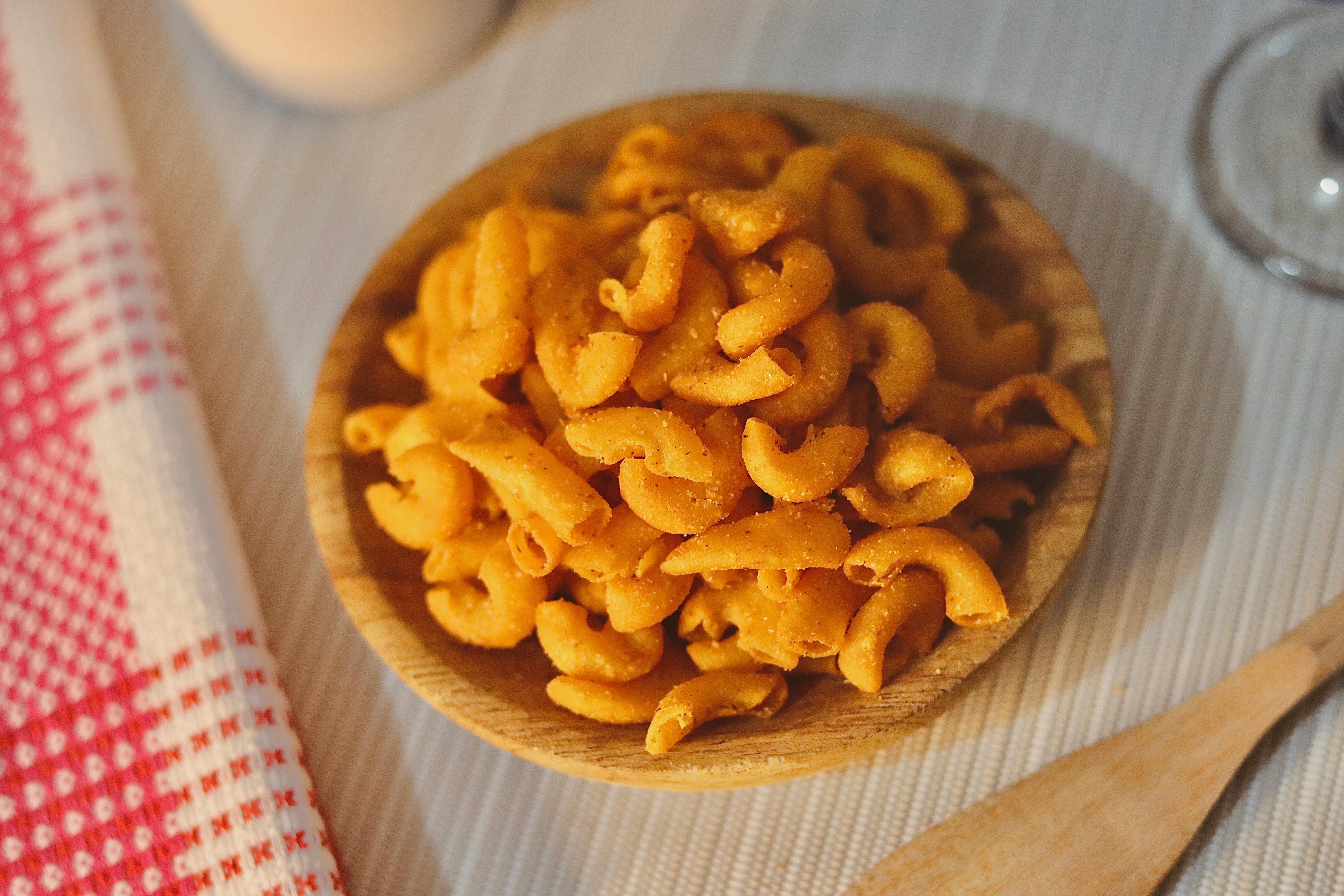
Pasta chips took a pantry staple and forced it into snack territory. Cooked pasta was tossed with oil and seasoning, then air-fried or baked until crisp enough to dip into marinara, whipped feta, or other sauces. It looked crunchy and addictive online.
The biggest problem is consistency. Pasta shapes do not dry and crisp evenly, so one batch can contain brittle edges, chewy centers, and pieces that harden rather than crunch. Shape choice matters, and so does how well the pasta dries before cooking.
There is also a basic question of reward. If you want a crisp snack for dip, there are easier and better vehicles. Pasta chips are not awful, but they rarely justify the effort or the hype.
Mug Cake
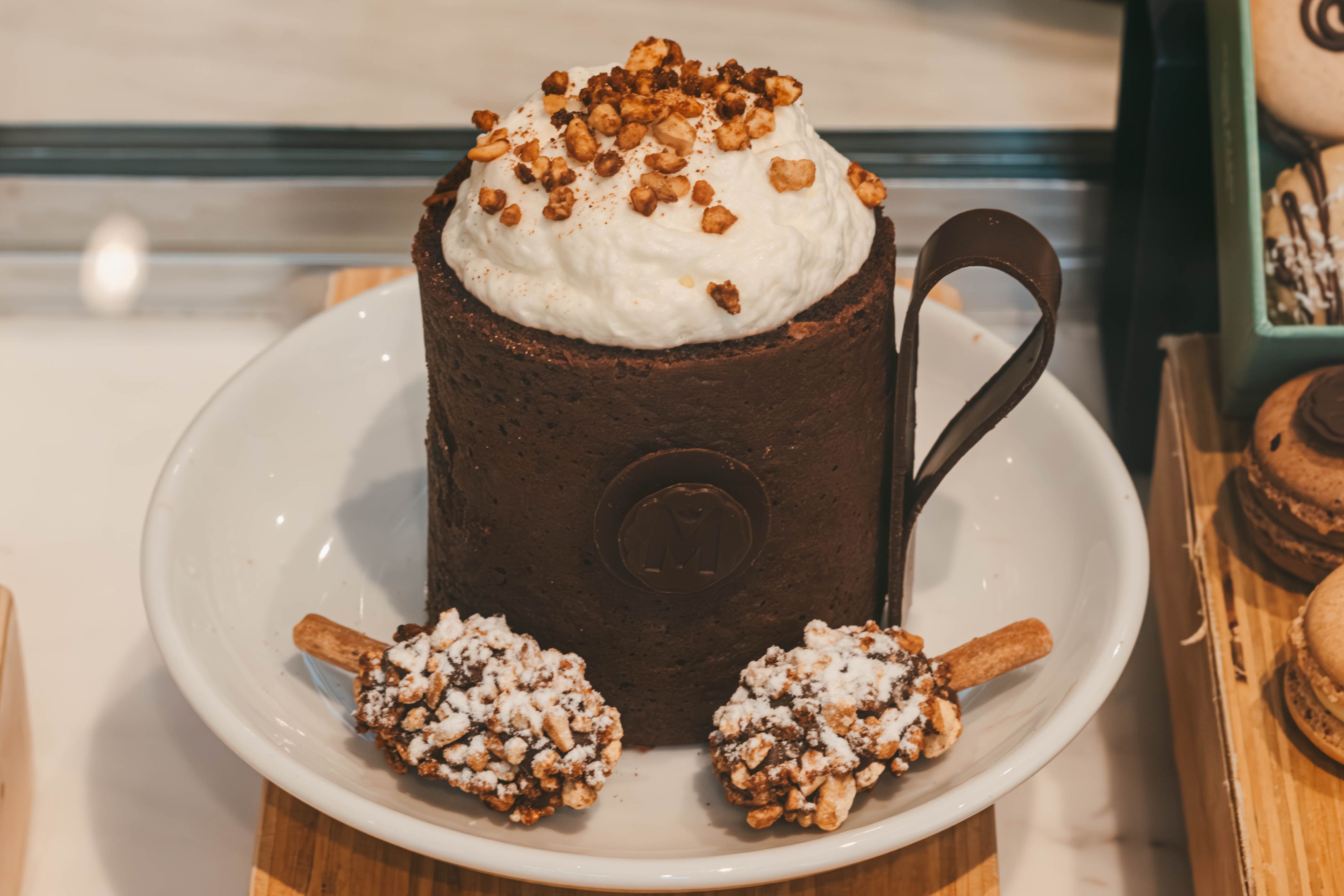
Mug cake has been going viral in waves for years because it sells instant gratification. A few spoonfuls of flour, sugar, cocoa, and milk promise a single-serving cake in minutes, with almost no cleanup and no need to turn on the oven.
The concept is useful, but the execution is notoriously uneven. Microwave power varies, mug size matters, and the window between undercooked batter and dry sponge is very small. Many recipes also overcompensate with oil or sugar, which can create a greasy, dense result.
At its best, mug cake scratches a late-night chocolate itch. At its worst, it tastes like compromise in ceramic form. The speed is real, but the texture rarely matches the fantasy.
Birria Tacos
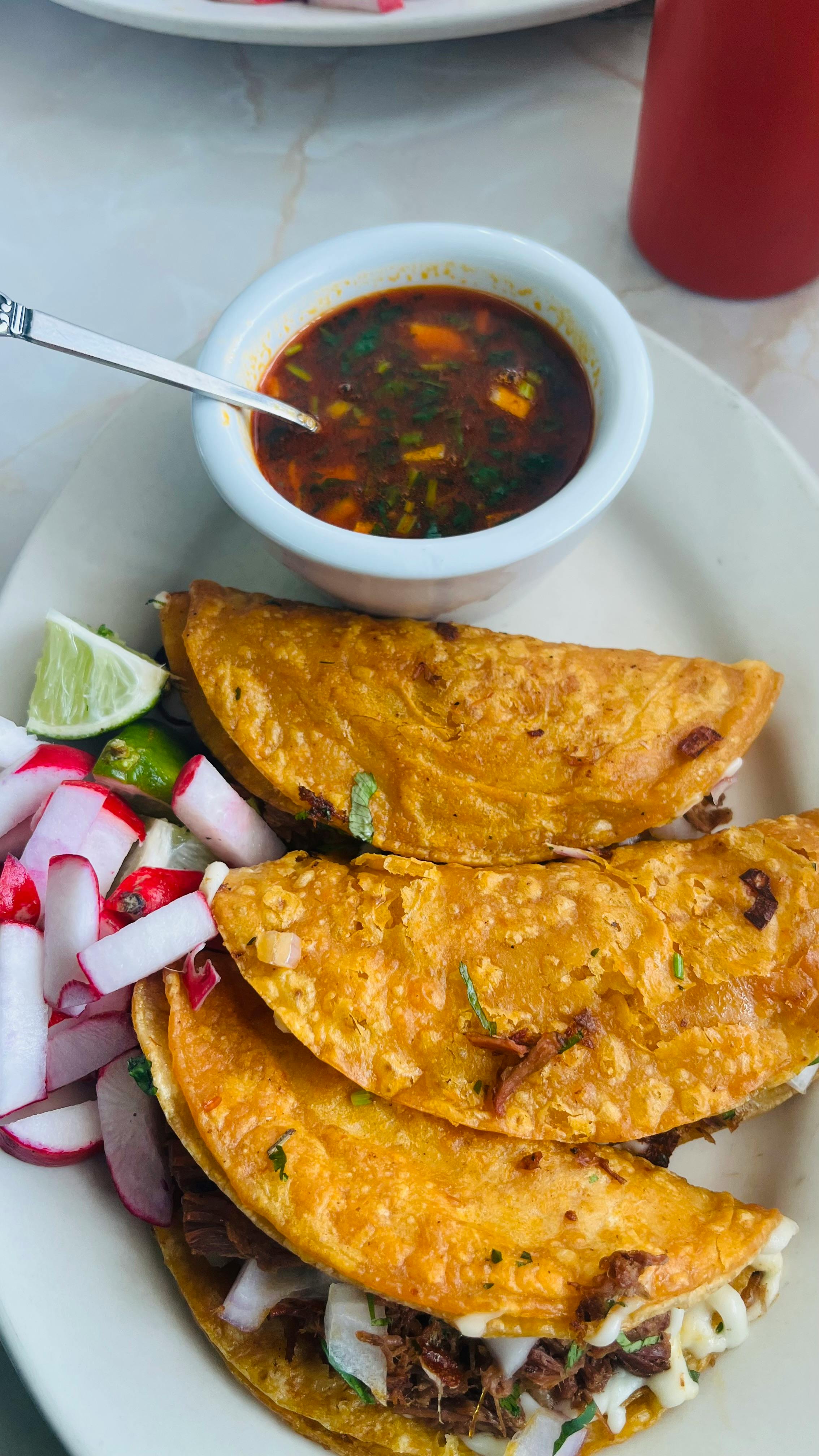
Birria tacos exploded online because they combined drama and appetite in one frame. Dipping tortillas into red consommé, frying them on a hot griddle, and pulling apart melted cheese made for irresistible footage that looked rich, messy, and deeply satisfying.
Unlike many trends, the flavor base is legitimate and rooted in a real culinary tradition. The issue is that viral versions often compress a long, layered cooking process into a shortcut-heavy imitation. Without a well-developed broth and properly cooked meat, the result can feel salty, oily, or one-note.
So the trend itself is not the problem. The problem is the internet treating a labor-intensive dish as a quick hack. Good birria tacos absolutely deliver, but the average rushed version often does not.
Green Goddess Salad
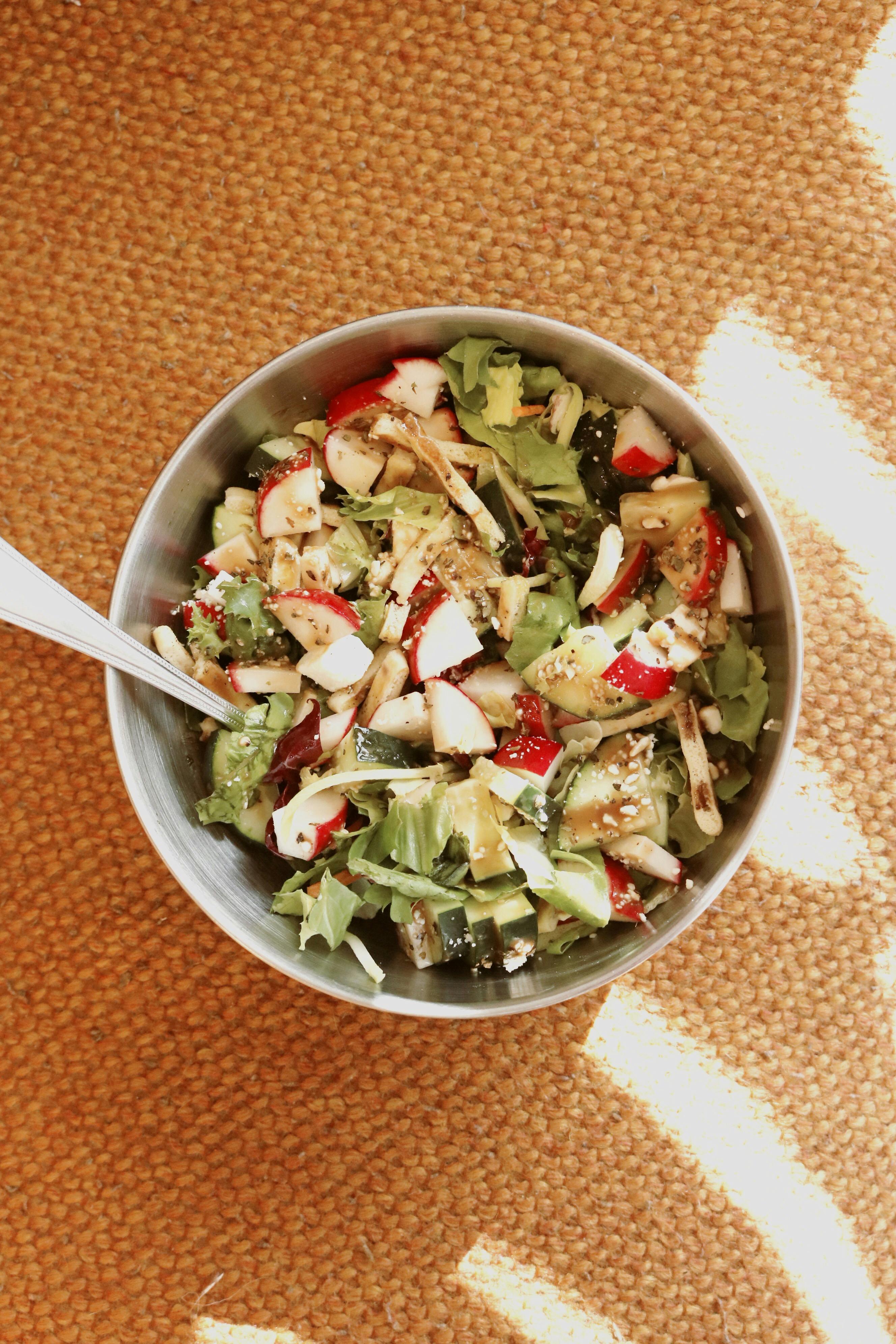
Green goddess salad hit big because it was chopped to scoop like salsa and dressed in a creamy, herb-heavy blend that looked bright and virtuous on camera. Cabbage, cucumber, scallions, and herbs gave it crunch, while nuts and cheese added body.
The strong point here is texture. It keeps better than many leafy salads, and the dressing can wake up a fridge full of plain vegetables. For meal prep, that makes practical sense.
But the flavor profile is narrower than the hype suggested. Raw cabbage and onion need careful balancing, and some versions lean aggressively savory in a way that overwhelms the freshness. It is a solid salad, not a cultural reset, and certainly not something everyone will crave daily.
Butter Boards
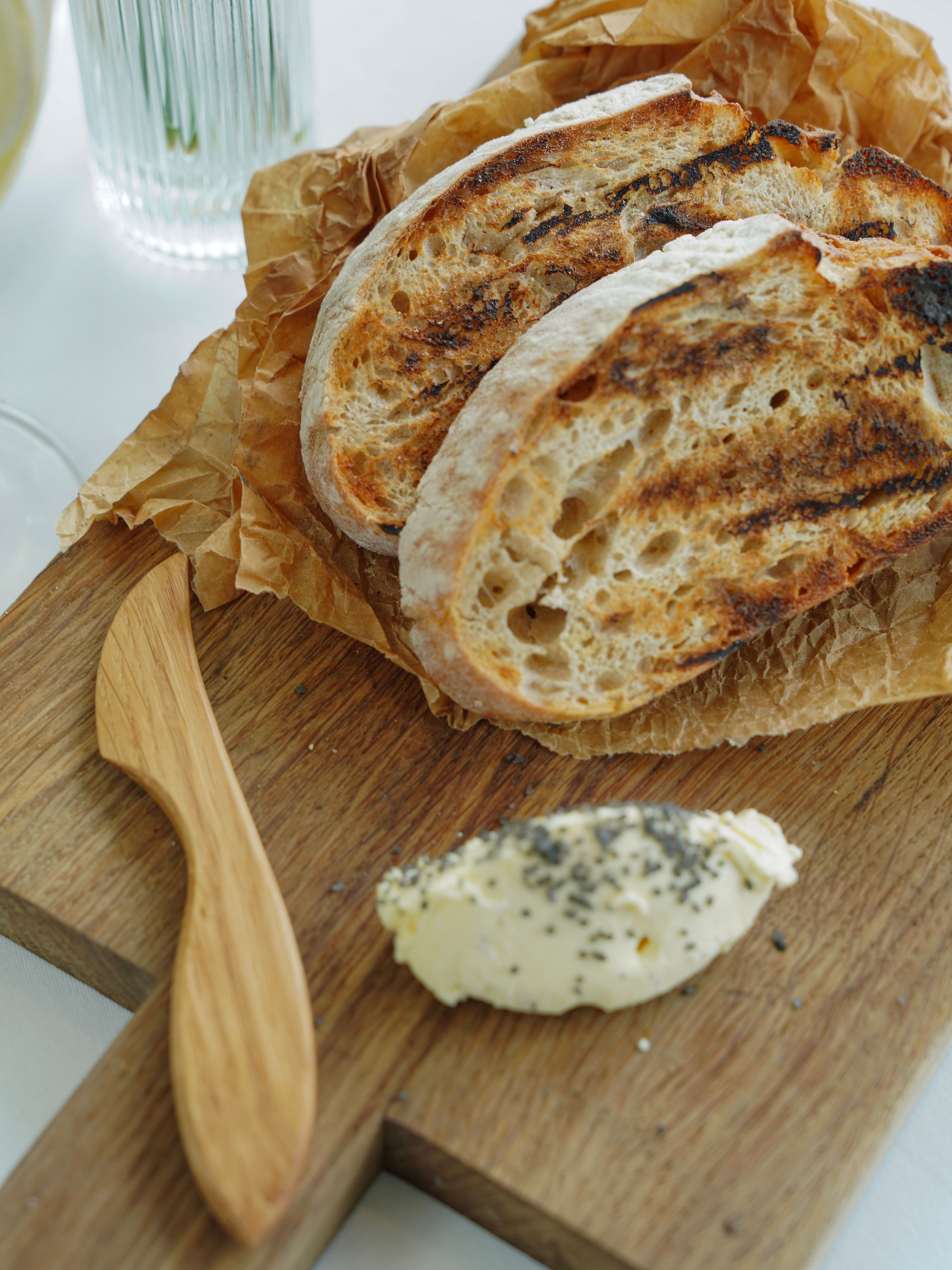
Butter boards were tailor-made for social sharing. A swipe of softened butter across a wooden board, topped with flaky salt, herbs, honey, citrus, or jam, gave the impression of low-effort entertaining with maximum visual payoff.
As food, the idea is less groundbreaking than it seemed. It is essentially compound butter presented as a centerpiece, often with bread dragged directly through the spread. That raises obvious serving concerns at parties and makes portioning awkward.
There is also the matter of balance. Too much butter dulls toppings fast, and after the initial reveal, the board can look messy rather than abundant. It is a styling trick more than a recipe, and one that is easier to admire than to host.
Hot Chocolate Bombs
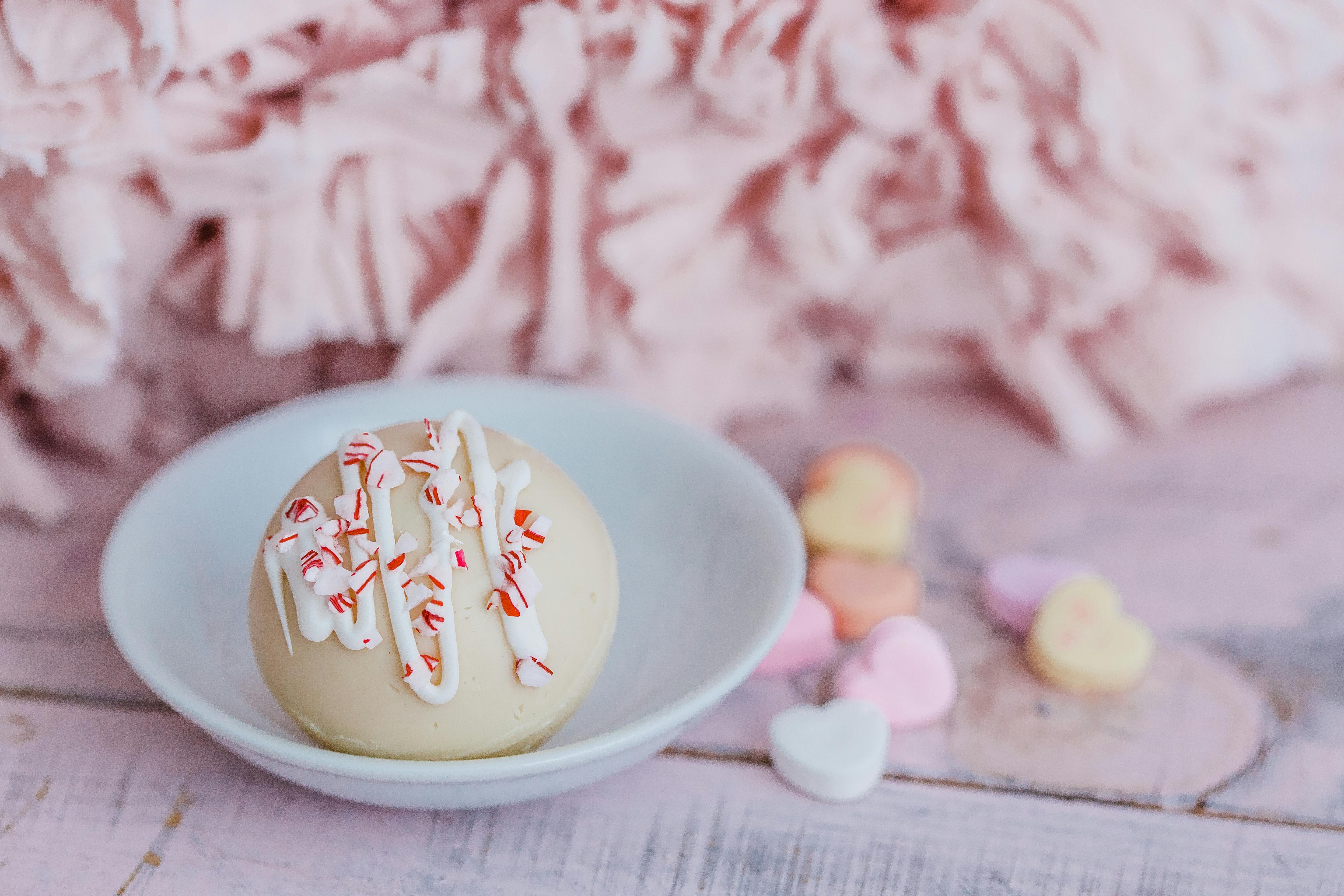
Hot chocolate bombs were holiday virality in perfect form. Glossy chocolate spheres filled with cocoa mix and marshmallows melted dramatically under hot milk, delivering a reveal shot that felt cozy, giftable, and made for repeat viewing.
The main drawback is that they are often better as craft projects than drinking chocolate. Tempering chocolate takes care, shell thickness varies, and many bombs rely on low-quality cocoa powder or overly sweet fillings. The result can be pretty but underwhelming in the mug.
They still have charm, especially as presents or family activities. Yet from a pure recipe standpoint, a well-made stovetop hot chocolate almost always tastes better. The bomb is the spectacle, not the superior beverage.




Leave a Reply