
Canada's best foods are often the hardest to get. Some appear for only a few weeks, and that short season is exactly what makes them memorable.
Fiddleheads

Spring in parts of Canada begins with a foraged green that looks more like a curled fern than a vegetable. Fiddleheads are the tightly coiled shoots of the ostrich fern, and they are especially associated with New Brunswick, Quebec, and parts of Ontario.
Their season is brief, usually running from late April into early June depending on snowmelt and river conditions. Because they are wild-harvested in many areas, supply changes from year to year. Heavy rain, delayed thaw, and local conservation rules can all affect how much reaches markets.
Fiddleheads have a grassy, slightly nutty taste that people often compare to asparagus, spinach, and green beans. They must be cooked properly, which is why experienced cooks blanch or boil them before sautéing. Health authorities have long advised against eating them raw or undercooked.
In Atlantic Canada, fiddleheads are more than a novelty. They are a signal of the first fresh local produce after winter, and restaurants often build entire spring menus around them while the season lasts.
Maple Taffy on Snow
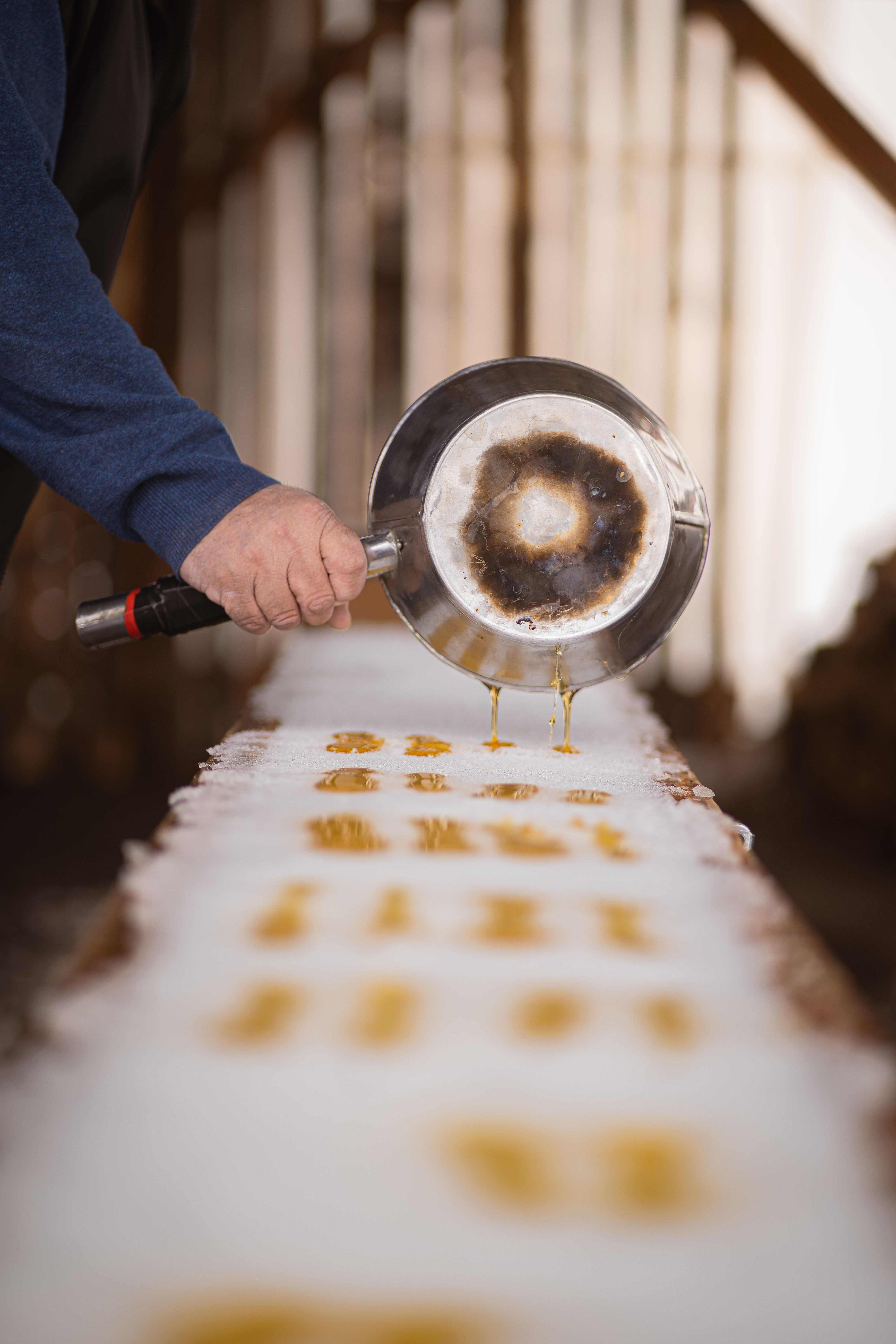
Few foods are tied to a Canadian season as clearly as maple taffy. It appears at the end of winter and start of spring, when sugar shacks in Quebec, Ontario, and New Brunswick boil fresh maple sap into syrup and pour it over packed snow.
The timing matters because maple sap runs only when nights stay below freezing and days rise above 0°C. That freeze-thaw cycle typically happens from late February through April, although weather shifts can shorten or push the season earlier. Producers have become increasingly attentive to climate variability because it directly affects yield and flavor.
Maple taffy itself is simple but theatrical. Hot syrup hits cold snow, thickens instantly, and is rolled onto a wooden stick. The result is chewy, rich, and deeply caramelized, with none of the artificial sweetness of candy made in factories.
For many families, visiting a cabane à sucre is as much a seasonal ritual as eating the taffy. The experience combines food, weather, landscape, and tradition in a way that feels unmistakably Canadian.
Spot Prawns

On the Pacific coast, anticipation builds every spring for one of the country's most prized seafood harvests. British Columbia spot prawns are available for only a short period, generally starting in May and often peaking over just a few weeks.
These prawns are valued for their sweetness, firm texture, and freshness. Unlike frozen shrimp imported year-round, spot prawns are highly seasonal and closely managed. Fisheries regulators set opening dates, trap limits, and conservation measures to protect stocks, and chefs track those dates carefully.
At Vancouver docks and coastal fish markets, customers line up early because the freshest catch sells quickly. Many cooks keep preparation minimal, using only a quick steam or pan sauté to preserve the delicate flavor. Heads are especially prized for their rich, briny juices.
Their short season has helped create a near cult following. In British Columbia, spot prawns are not just seafood. They are an annual event that links local eating to sustainable harvest timing.
Saskatoon Berries
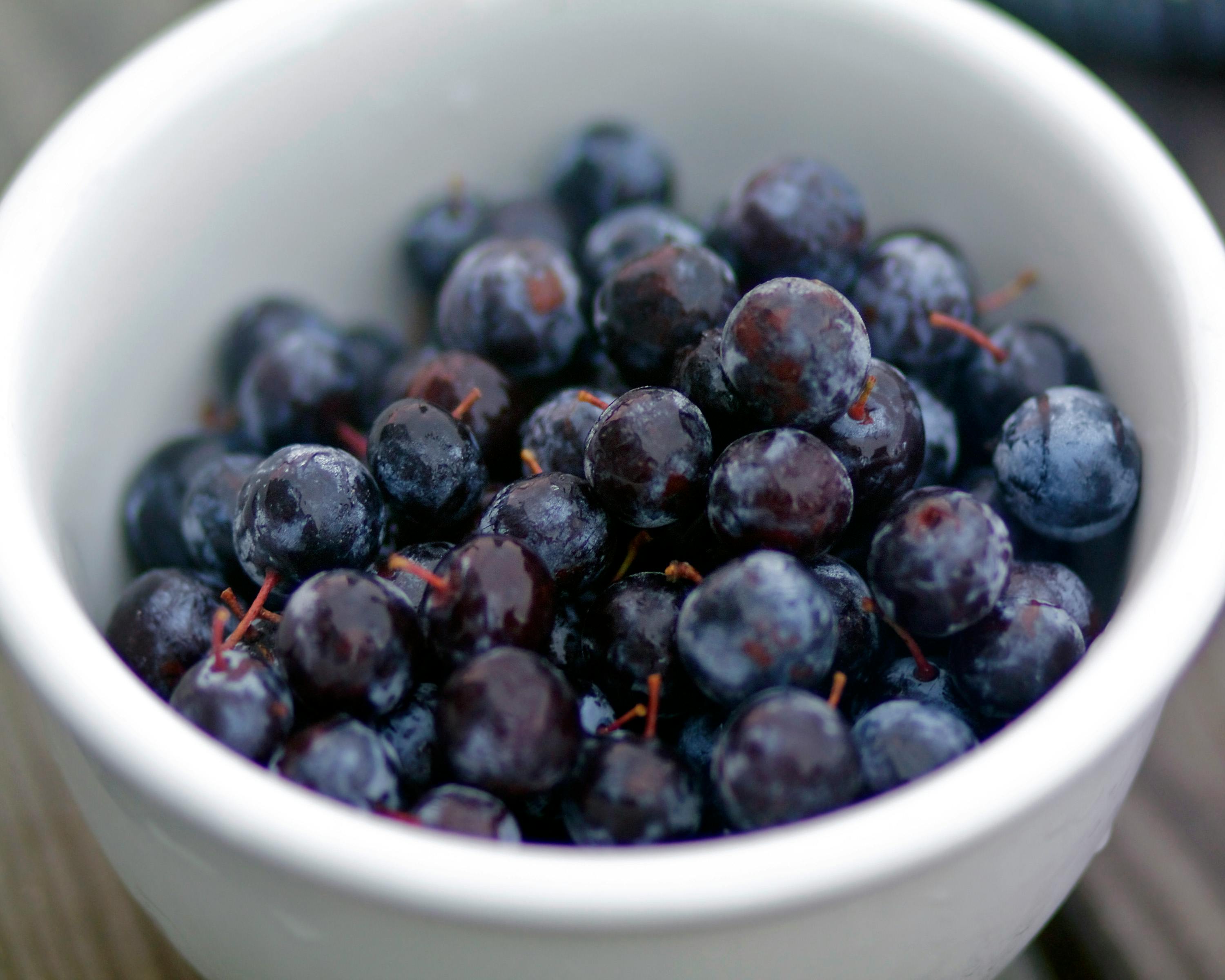
The name alone tells you this fruit belongs on the Prairies. Saskatoon berries, which grow wild and are also cultivated across Saskatchewan, Alberta, and Manitoba, usually ripen in midsummer, with the main season falling between late June and early August.
They look somewhat like blueberries but taste different, with almond-like notes and a deeper, earthier sweetness. Their texture is also distinct because the seeds are more noticeable. That makes them ideal for pies, jams, syrups, and baked goods that benefit from structure as well as flavor.
For Indigenous communities, Saskatoon berries have long held cultural and practical importance, including in preserved foods such as pemmican. That history gives the berry significance beyond the farmers' market trend that has introduced it to more urban shoppers in recent years.
Because fresh Saskatoon berries do not travel as widely as mainstream supermarket fruit, their season feels local and fleeting. In many parts of Canada, if you miss them in summer, you wait another year.
Haskap Berries
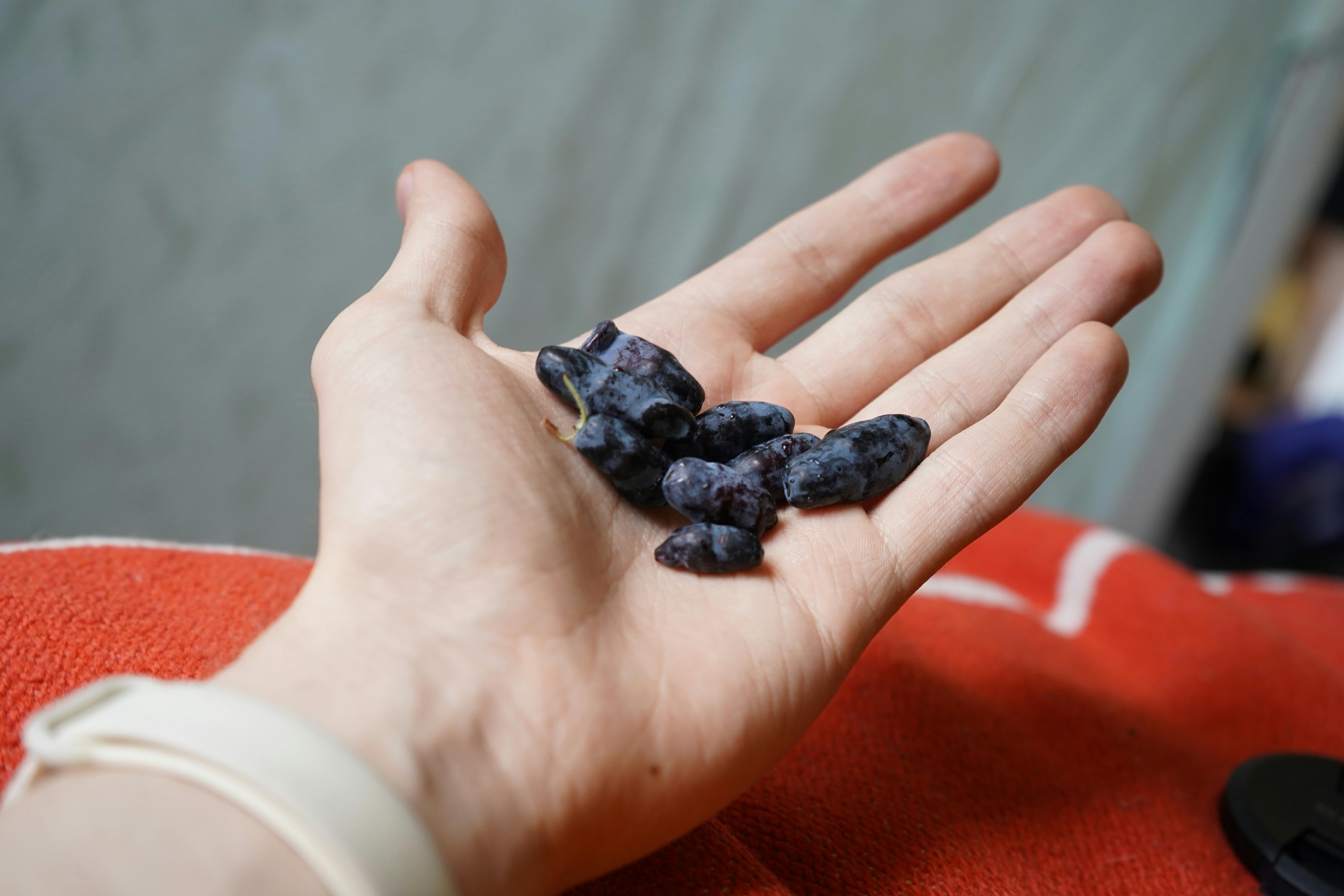
Haskap berries are still unfamiliar to many consumers, but in Canada they have become one of the most interesting early-summer crops. Grown in provinces such as Saskatchewan, Nova Scotia, and Alberta, they usually ripen before blueberries, often in June or early July.
The berries are elongated, dark blue, and naturally tart-sweet, with flavor notes people describe as a mix of blueberry, raspberry, and blackcurrant. Their appeal is not only culinary. Growers and food researchers have highlighted their high anthocyanin content, which has made them popular in juices and functional foods.
Canada has become an important player in haskap cultivation because the plant tolerates cold winters well. That hardiness makes it well suited to northern agriculture, but the fresh fruit remains highly seasonal and relatively delicate once picked.
As a result, Canadians are most likely to encounter fresh haskaps directly from farms, local markets, or seasonal festivals. Outside that window, they are usually found only frozen or processed.
Morel Mushrooms
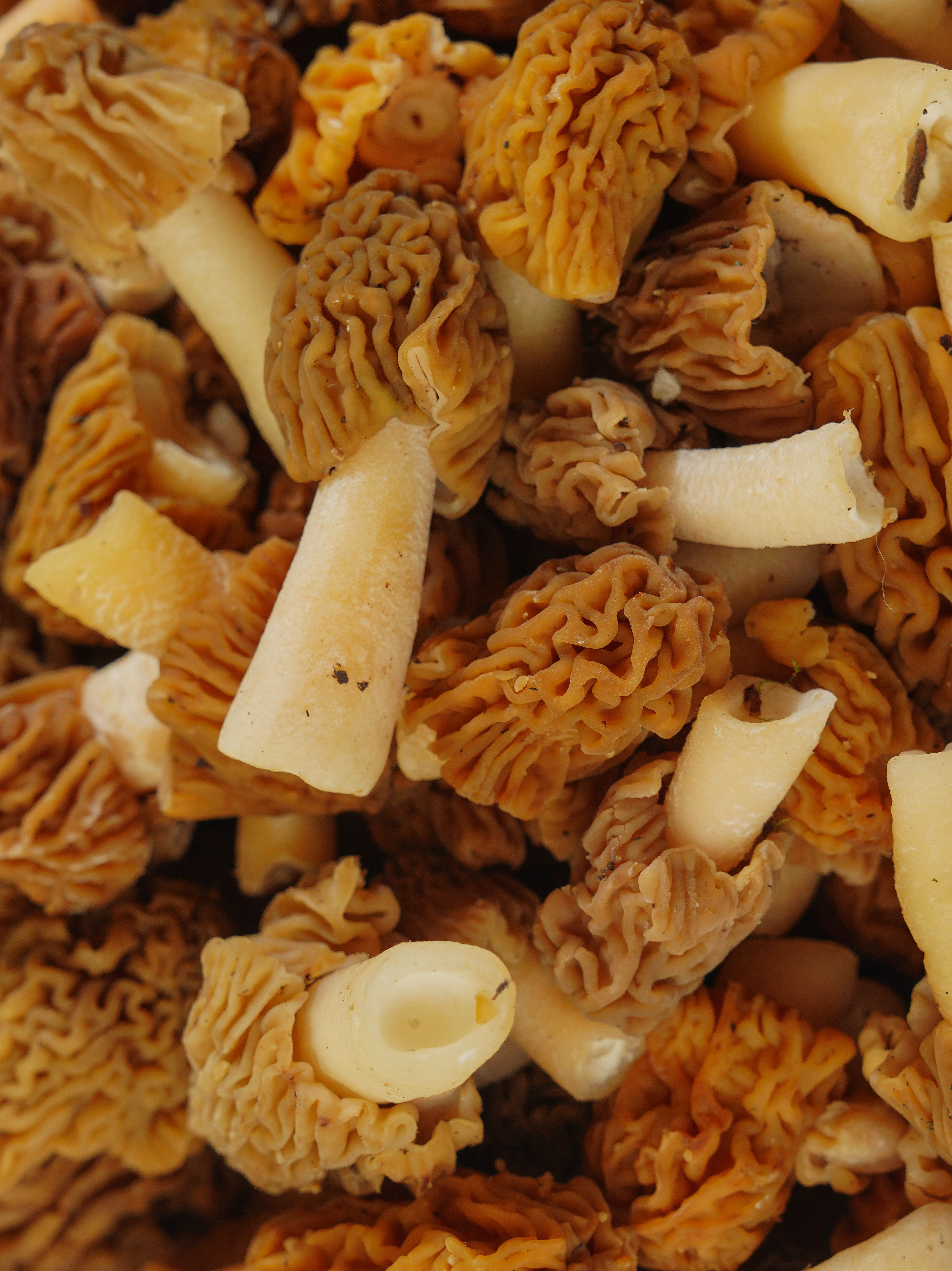
Some of Canada's most coveted seasonal foods are hidden in the woods. Morel mushrooms emerge in spring, often from May into June, in forested areas of British Columbia, Ontario, Quebec, and the Prairie provinces, depending on temperature, moisture, and wildfire patterns.
Their honeycomb caps and intense earthy flavor make them a favorite among chefs, but morels are not a casual ingredient. They are largely foraged, sometimes in burn sites after forest fires, and availability can swing dramatically from one season to the next. That unpredictability is part of their mystique and part of their high price.
Fresh morels have a meaty texture and deep savory quality that works beautifully with butter, cream, and spring herbs. Because they are hollow and delicate, they require careful cleaning and thorough cooking before serving.
In Canadian restaurant kitchens, morel season is a marker of seriousness and place. Menus featuring local fresh morels immediately signal that the kitchen is paying close attention to the land and calendar.
Wild Blueberries
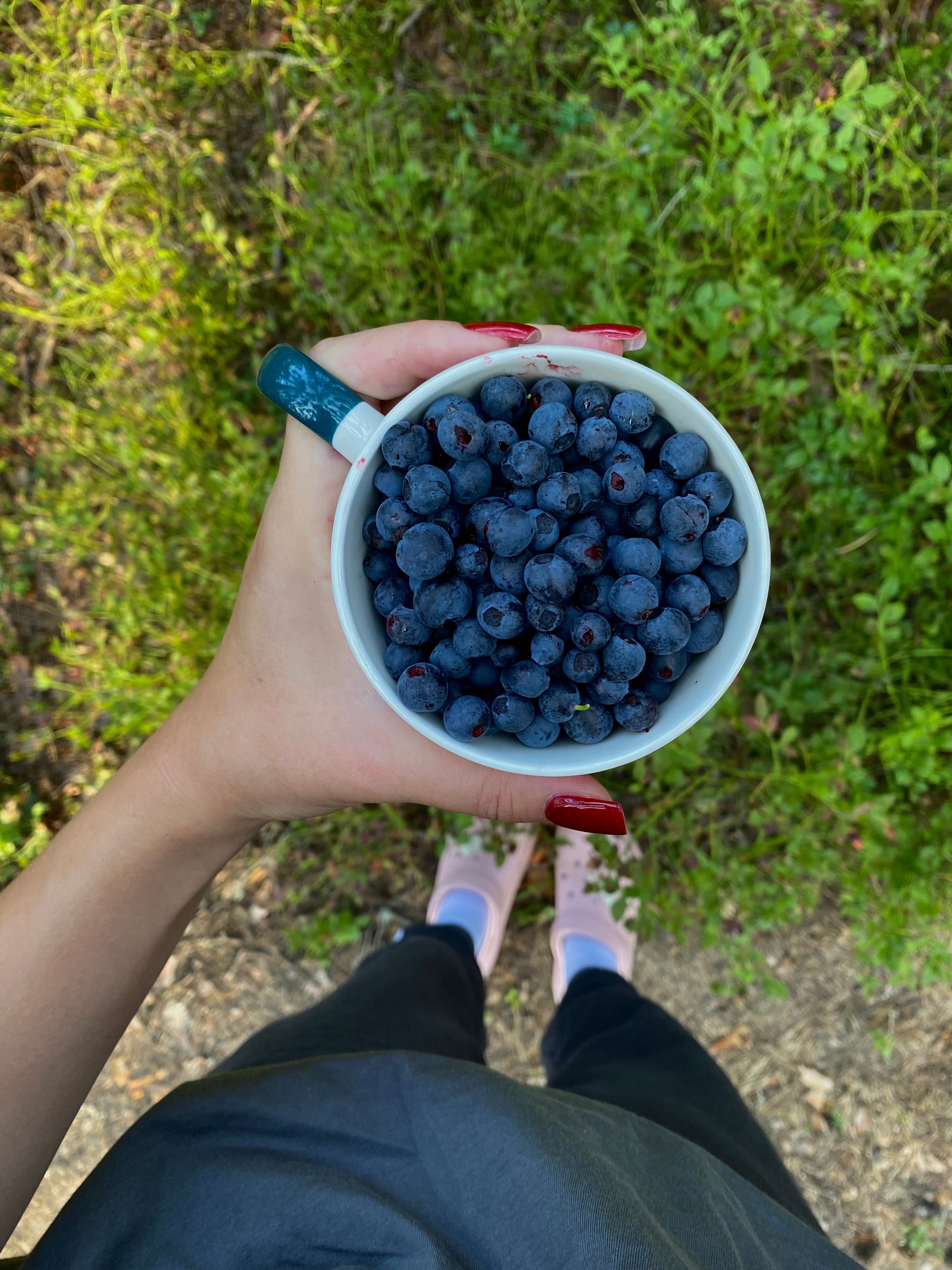
Not all blueberries are the same, and in Canada the wild kind has a season people watch closely. Wild blueberries, especially important in Quebec and Atlantic Canada, are generally harvested in late summer, from July through September.
They are smaller than cultivated highbush blueberries, but they pack more concentrated flavor. Their sweet-tart balance and dark pigment make them ideal for pies, muffins, preserves, and sauces. Processors also value them for freezing because they hold flavor exceptionally well.
In regions such as Saguenay-Lac-Saint-Jean and parts of Nova Scotia and New Brunswick, wild blueberry harvests are both agricultural and cultural events. Local economies depend on them, and roadside stands often become the best place to buy the freshest berries by the basket.
Fresh wild blueberries are a seasonal pleasure because much of the crop is quickly diverted into frozen and processed channels. The summer window for eating them just-picked is brief and worth seeking out.
Okanagan Cherries
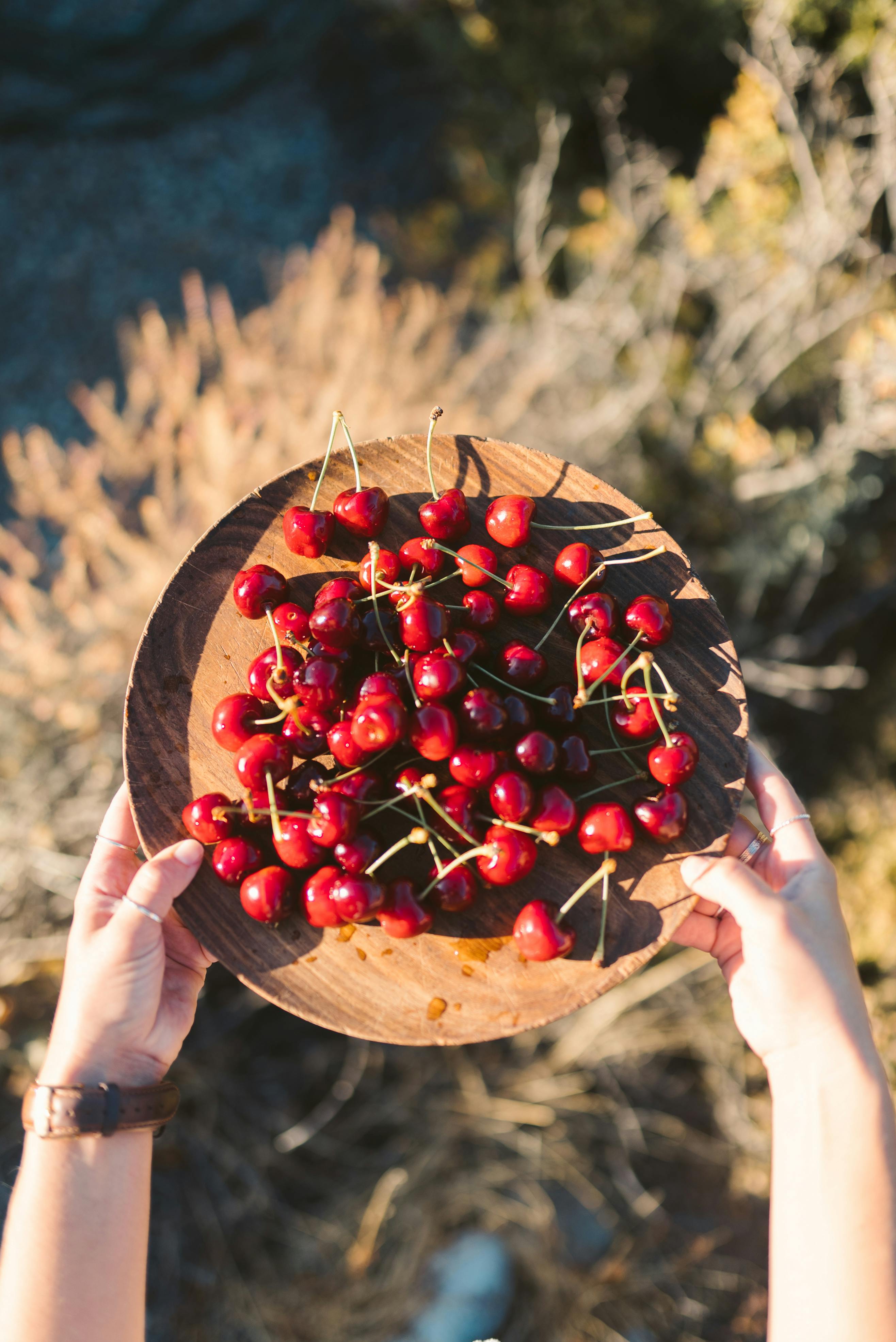
Cherry season in British Columbia has a distinct rhythm, and Canadians who care about fruit know to watch for the Okanagan harvest. Depending on the variety and weather, fresh cherries usually arrive from late June and continue into August.
The Okanagan Valley's hot days, cool nights, and dry climate help produce firm cherries with balanced sweetness and acidity. Varieties such as Bing, Lapins, and Rainier each have their own timing, which stretches the season but does not make it long. Heat waves, rain at the wrong moment, and wildfire smoke can all affect quality.
When the harvest is at its peak, roadside fruit stands become a major attraction. Locals and travelers buy boxes for fresh eating, baking, and preserving, often planning entire summer trips around orchard country.
Imported cherries exist year-round in some stores, but they do not replace the appeal of local Okanagan fruit. The best cherries still feel like a true Canadian summer luxury.
PEI Mussels
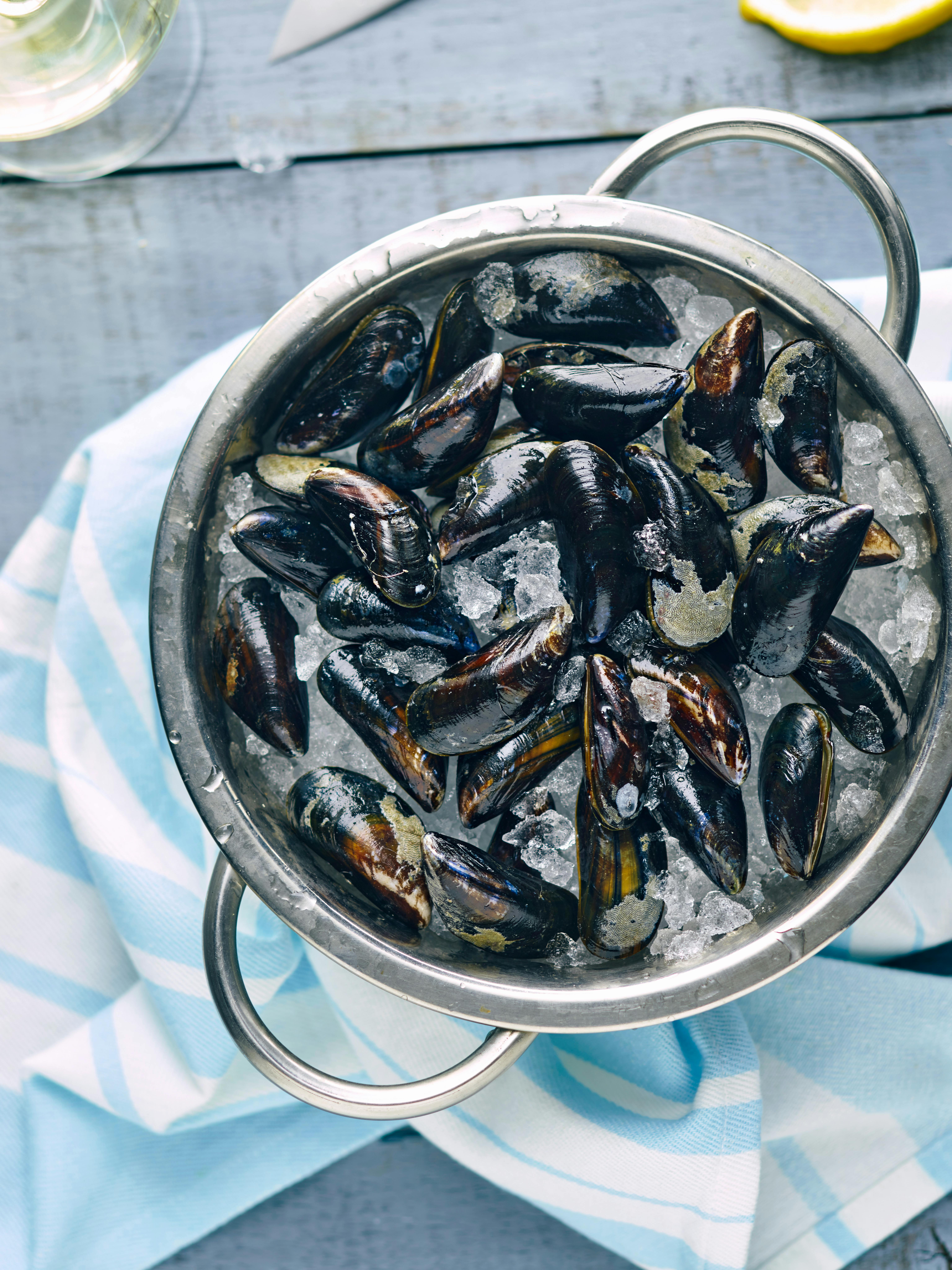
Prince Edward Island mussels are sold far beyond the province, but their finest reputation is still tied to colder months. While mussels can be available in different seasons, many seafood buyers and chefs prize them most from fall through spring, when cold water helps produce plump, clean-tasting shellfish.
PEI's rope-grown mussels are known for consistency, sustainability, and relatively low grit compared with wild-harvested shellfish. The farming method keeps them suspended in the water column, which improves shell quality and reduces sediment. That has helped make them a standard on restaurant menus across Canada.
Seasonality matters because warm water can affect meat condition and handling logistics. Cooler conditions generally support firmer texture and sweeter flavor, and consumers in Atlantic Canada often consider that the best time to buy and steam them.
Served simply with white wine, garlic, or cream, PEI mussels showcase how a food can be commercially available yet still have a clear seasonal high point that insiders recognize.
Quebec Corn

Late summer in Quebec is announced by one of the country's most beloved roadside foods. Sweet corn reaches its peak from roughly late July through September, and for many households the arrival of fresh local ears means repeated meals built around almost nothing else.
Quebec corn is prized for sweetness because sugar begins converting to starch as soon as ears are picked. That is why the best corn is sold quickly at farm stands and market stalls close to where it is grown. Freshness is not a slogan here. It directly shapes taste and texture.
Different supersweet and heritage varieties extend the market season somewhat, but the peak remains short. Weather, especially spring planting conditions and summer heat, determines whether the crop comes early and abundant or late and uneven.
Boiled, grilled, or simply dressed with butter and salt, Quebec corn is one of those foods that proves seasonality can matter more than complexity. Its brief annual run is exactly why people treasure it.
Snow Crab

In Eastern Canada, snow crab season is watched as closely as any harvest on land. Fisheries in Newfoundland and Labrador, Quebec, and the Gulf region typically open in spring, though precise dates vary by zone, ice conditions, stock assessments, and federal management decisions.
The short season exists for ecological and economic reasons. Regulators monitor biomass carefully, and annual quotas can change significantly. That means the amount of fresh snow crab available each year is never guaranteed, which adds urgency for buyers and processors alike.
Freshly cooked snow crab is prized for its sweet, delicate meat and relatively easy-to-handle legs. During the season, seafood counters, wharves, and regional restaurants promote it heavily, often with simple preparations that let the natural salinity stand out.
Although frozen crab extends availability, Canadians in coastal regions know the difference between preserved product and crab eaten in the heart of the harvest. The fresh season remains the benchmark.
Butter Tarts at Fall Fairs
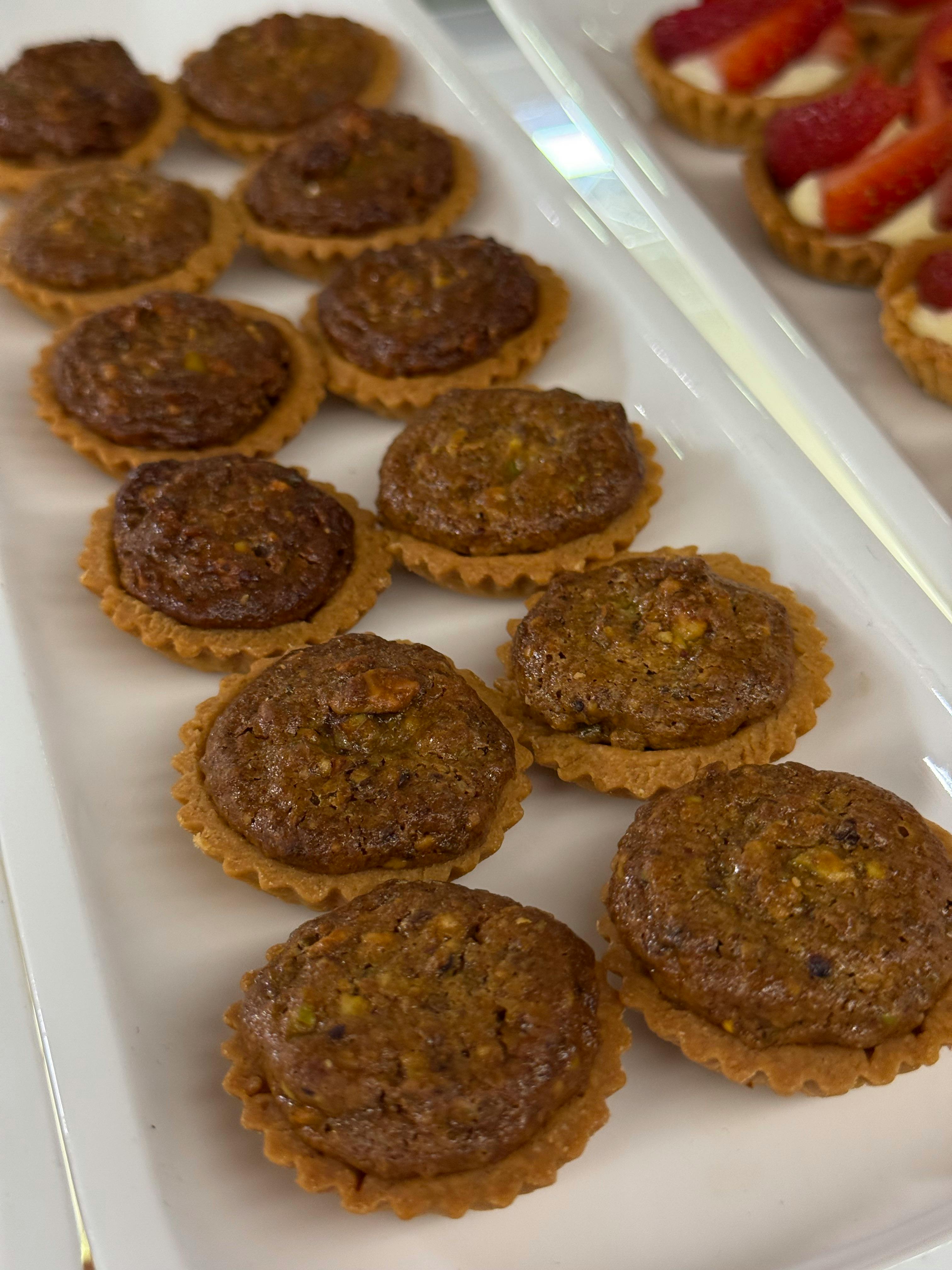
Not every seasonal Canadian food comes from a field or fishery. Butter tarts are available year-round in bakeries, especially in Ontario, but their strongest seasonal identity appears during late summer and fall fair season, when baking competitions and community festivals bring out regional pride.
At agricultural fairs, butter tarts become more than dessert. They become a point of debate over raisins, walnuts, runny filling, and crust texture. Judges and bakers treat those details seriously, and winning recipes can gain lasting local fame.
This seasonal fair context matters because it connects the tart to harvest culture, rural gatherings, and home baking traditions. The dessert may not vanish outside autumn, but its cultural peak is unmistakably tied to that part of the year.
In that sense, butter tarts belong on this list because seasonality is not only about biological harvest. Sometimes it is about when a food becomes most alive in public memory, competition, and celebration.



Leave a Reply