
Most of us have brought home a food item because it seemed healthy, versatile, or too good to pass up, only to forget about it a few days later. In Canadian kitchens, a familiar pattern shows up again and again: fresh ambitions meet busy schedules, changing cravings, and short shelf lives. These are the foods that start with optimism and often end with a quiet trip to the compost bin.
Bagged Salad Greens

Bagged greens are the poster child for healthy grocery optimism. They promise quick lunches, easy sides, and a simple way to eat better, which is exactly why so many Canadians toss them into the cart without a firm plan.
The problem is speed. Once opened, moisture builds, leaves bruise easily, and the crisp texture disappears fast. A workweek gets busy, takeout wins one night, and suddenly that spinach or spring mix is limp, slimy, and heading for the bin before the bag is even half empty.
Fresh Herbs
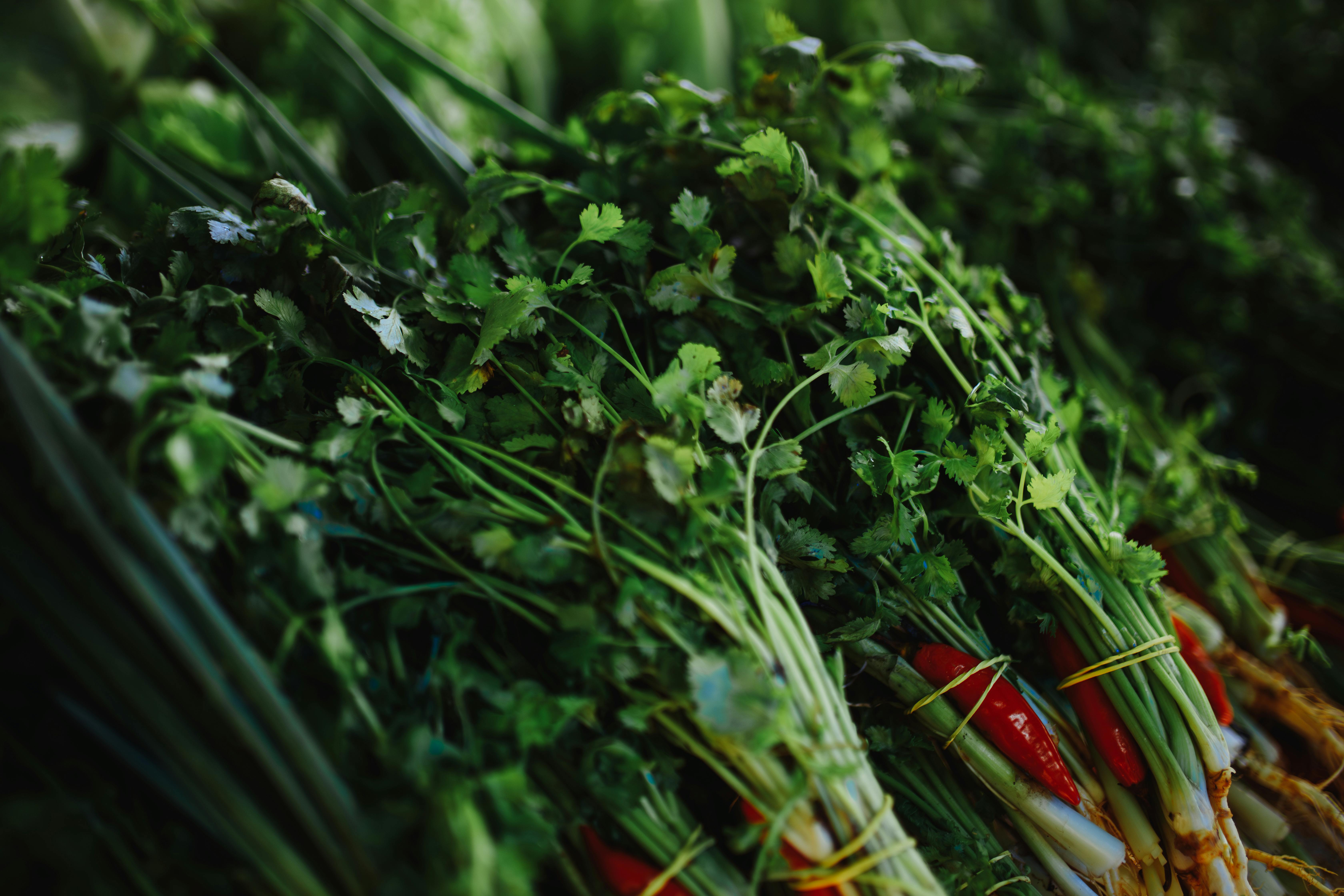
Fresh herbs feel like the mark of a well-stocked kitchen. A bunch of cilantro or parsley suggests future soups, pasta, roasted vegetables, and restaurant-style finishing touches, even when only a few sprigs are actually needed for one meal.
That is where waste creeps in. Herbs are delicate, they dry out or turn black quickly, and they are often sold in bunches that are much larger than a home cook can use. Unless meals are planned around them right away, they become one of the easiest ingredients to forget.
Large Tubs of Yogurt

A big tub of yogurt looks like a practical buy. It seems economical, protein-rich, and useful for breakfast, smoothies, baking, and sauces, which makes it an easy choice for Canadians trying to shop a little smarter.
But large containers depend on consistent habits. If breakfast routines change or a smaller flavoured option steals attention, the tub sits untouched. Even before the best-before date arrives, separation, sourness, or simple boredom can set in, leaving a lot of perfectly good yogurt unfinished in the back of the fridge.
Celery
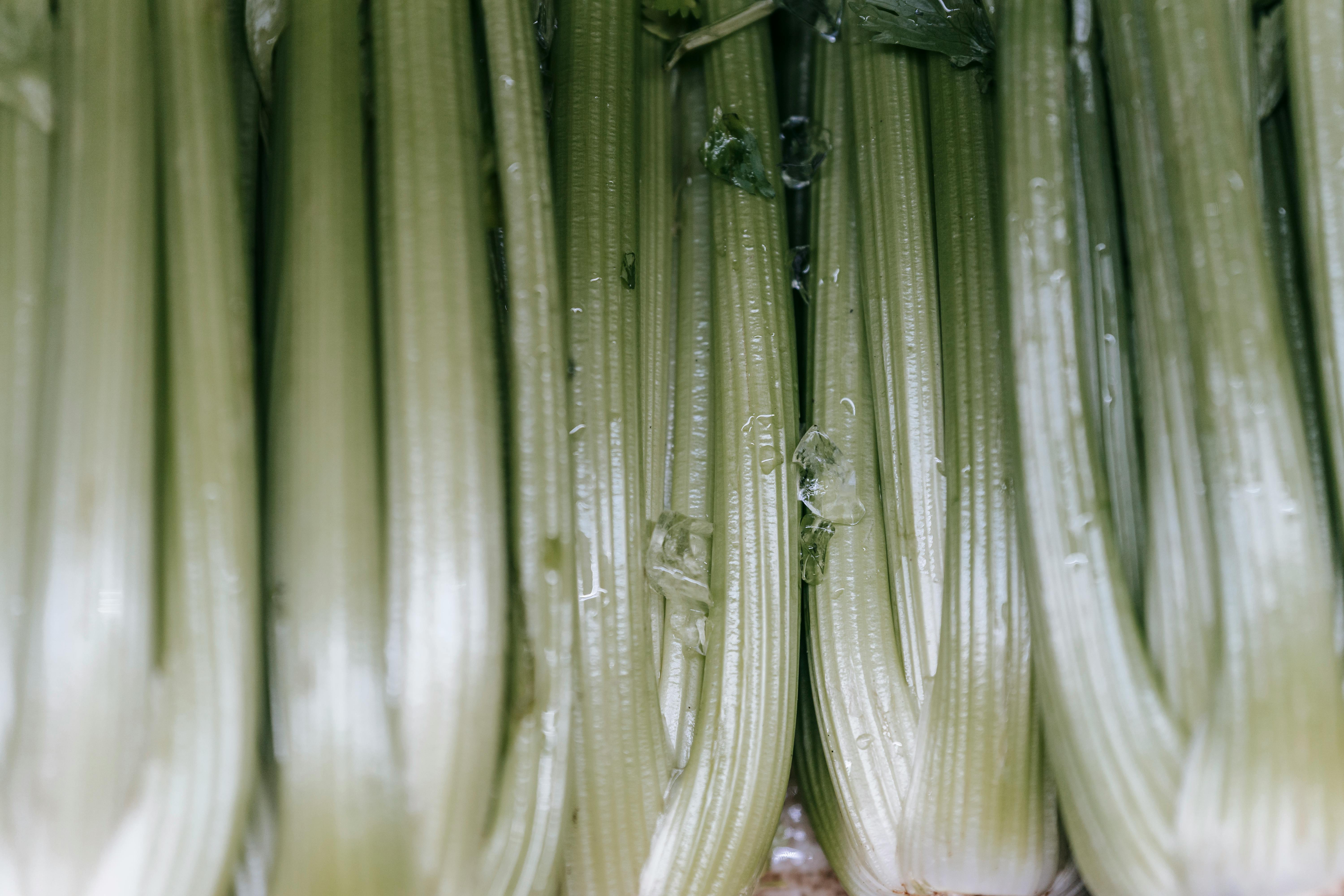
Celery is often bought for a single purpose and then abandoned. It earns its place for soups, stuffing, salad crunch, and lunch-box intentions, but most recipes use only a few stalks from a full bunch.
After that first use, celery becomes easy to ignore. It can go rubbery, limp, or pale before anyone remembers it is there. Because it is more often an ingredient than the star of a meal, Canadians frequently buy it with a plan, then never quite circle back to finish the rest.
Avocados
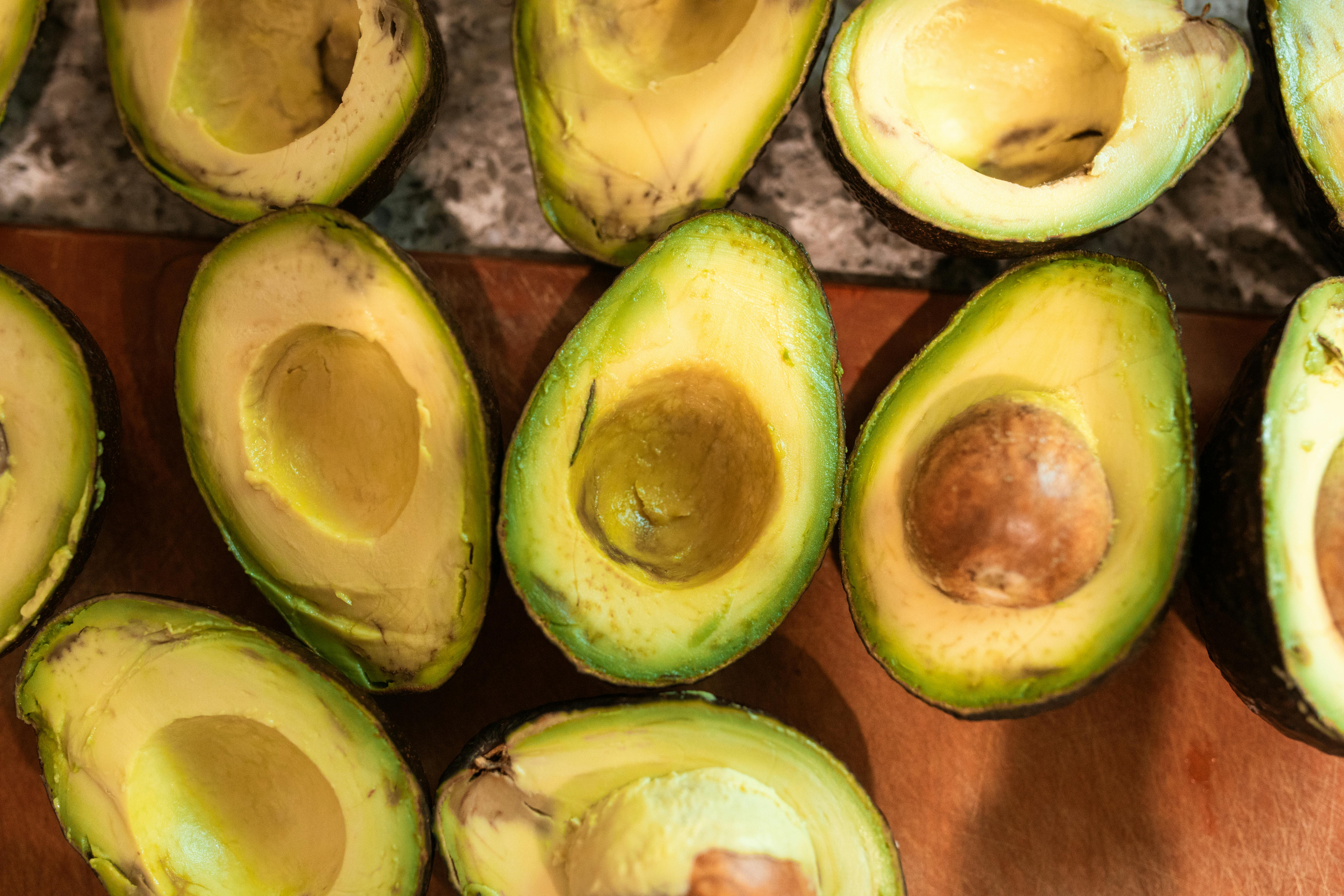
Avocados are a triumph of timing, and timing is exactly what makes them hard to finish. Canadians buy them for toast, salads, sandwiches, and guacamole, often hoping they will ripen at the perfect moment for the week ahead.
Instead, they tend to be rock-hard until they suddenly are not. One day they feel unusable, the next they are soft all at once, and a few neglected hours later they can turn brown inside. When several ripen together, finishing the whole bag becomes a race most households lose.
Hummus

Hummus has become the go-to healthy dip in many Canadian homes. It is bought with visions of better snacking, quick lunches, and easy entertaining, and it often feels like the responsible alternative to heavier spreads.
Yet hummus is usually purchased for an ideal version of eating, not always the real one. A few scoops disappear with carrots or crackers, then the container lingers. Once the top dries slightly or the flavour starts to feel repetitive, enthusiasm fades, and the rest can sit untouched until it expires.
Cottage Cheese
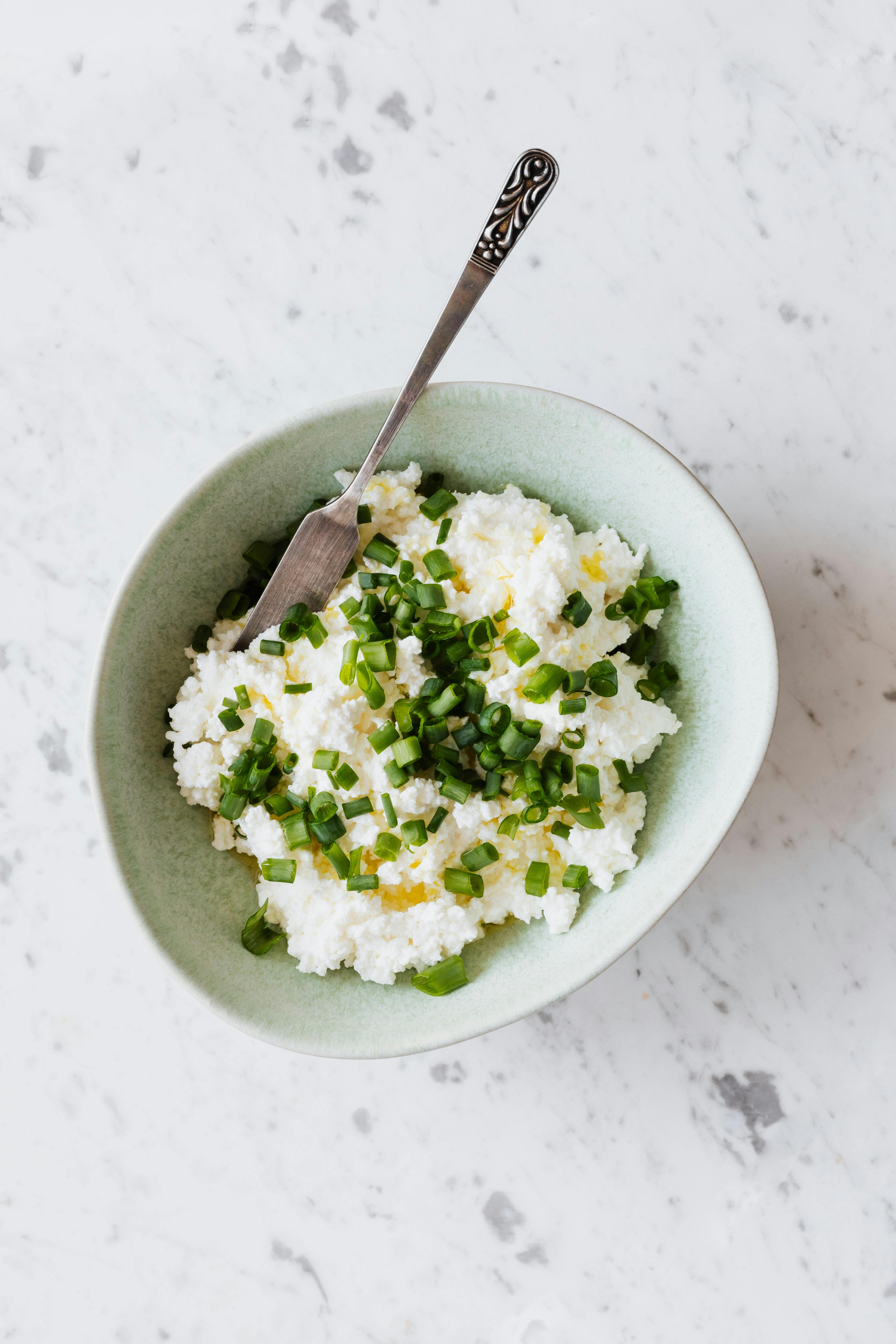
Cottage cheese is one of those foods people buy because they know it is good for them. High in protein and easy to pair with fruit, toast, or savoury bowls, it often lands in the cart during a healthy reset.
But it is also a food many people like only in theory. The texture can be divisive, flavour fatigue sets in fast, and recipes rarely use much of it at once. After a few breakfasts or snacks, the container often gets pushed aside for something more immediately appealing.
Bread from the Bakery

A fresh bakery loaf is one of the easiest impulse buys to justify. It smells incredible, feels more special than packaged bread, and suggests leisurely breakfasts, soup nights, or the kind of dinner table people imagine having more often.
Reality arrives quickly. Bakery bread usually has fewer preservatives, so it stales or moulds faster than sliced sandwich bread. Unless a household is actively eating it over a day or two, half the loaf can be left behind, too hard for sandwiches and not yet transformed into crumbs or croutons.
Family-Size Crackers

Large boxes of crackers seem endlessly useful. They are bought for cheese boards, soup, school snacks, and emergency pantry back-up, making them feel like a smart item to have around at all times.
But family-size boxes can outlast the moment they were bought for. After a party or one round of lunches, they lose freshness, break into crumbs, or get ignored in favour of other snacks. Because they look shelf-stable and harmless, they often linger longer than expected, then end up stale before the last sleeves are touched.
Baby Carrots
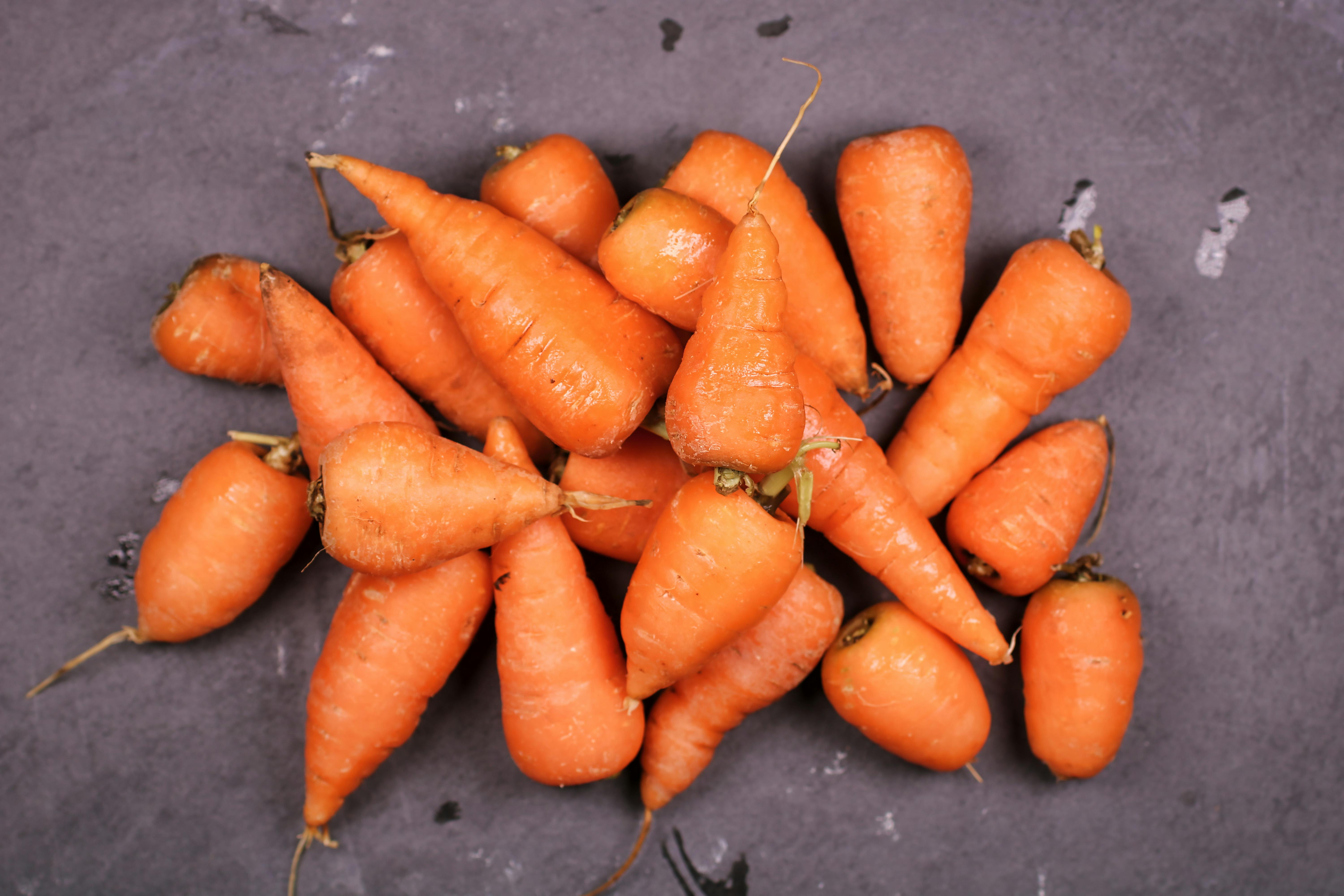
Baby carrots are purchased with the best snacking intentions. They are convenient, portable, and marketed as the easiest way to make healthier choices, so they routinely end up in Canadian fridges at the start of an ambitious week.
Then snack habits take over. Chips, cookies, or cheese are often more tempting, and the carrots remain sealed in their bag. Over time they dry out, turn whitish, or develop that tired, bendy texture that makes them feel less fresh, even before they are truly unusable.
Frozen Berries
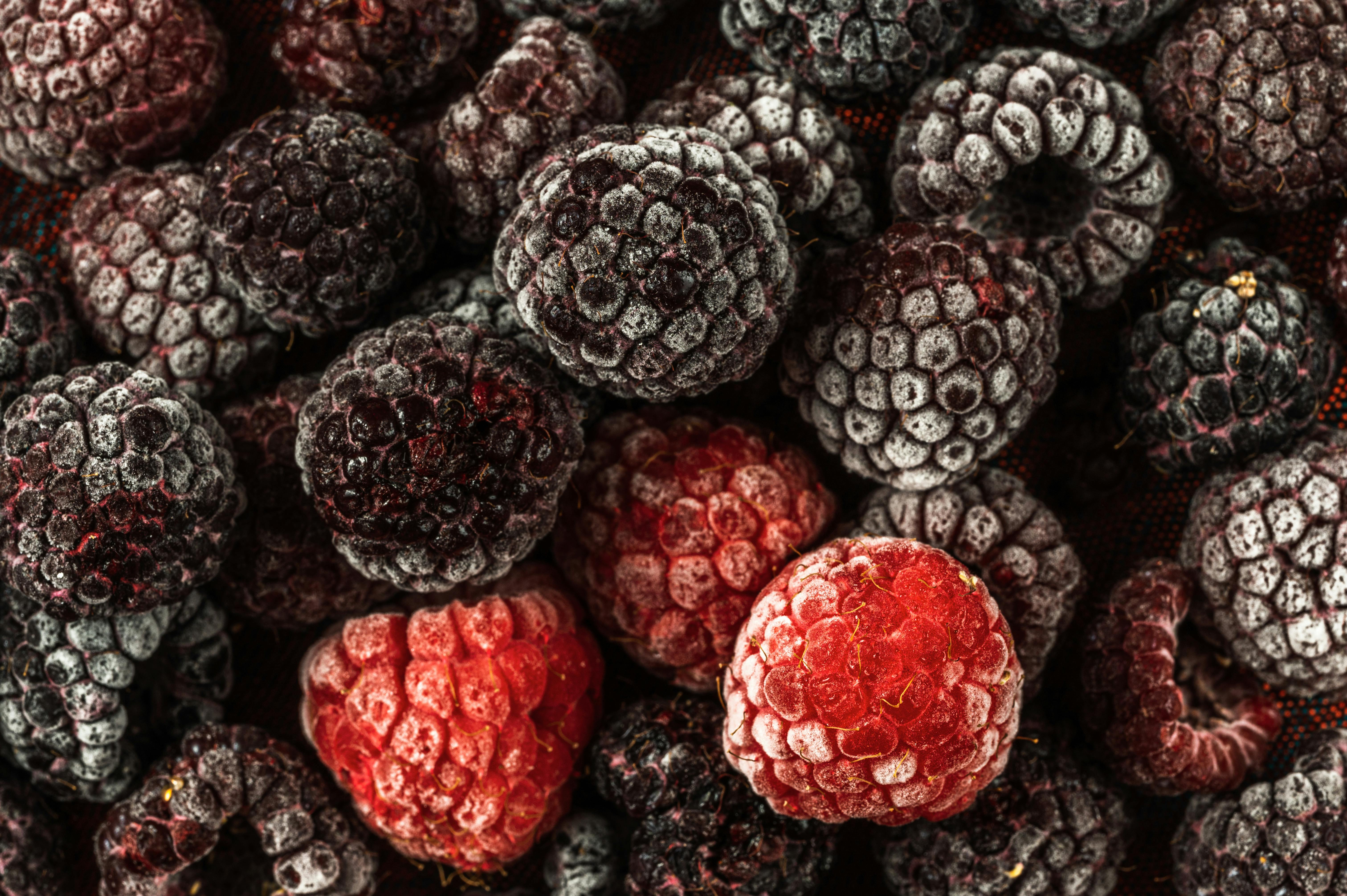
Frozen berries seem almost foolproof because they last longer than fresh fruit. Canadians buy them for smoothies, oatmeal, baking, and quick desserts, often believing the bag will be steadily used over weeks without any waste at all.
What actually happens is more subtle. One smoothie phase ends, the bag gets buried under other freezer items, and freezer burn slowly dulls the texture and taste. Because frozen foods do not spoil in the same dramatic way, they are easy to overlook until a half-used bag has sat there for months.
Spring Mix
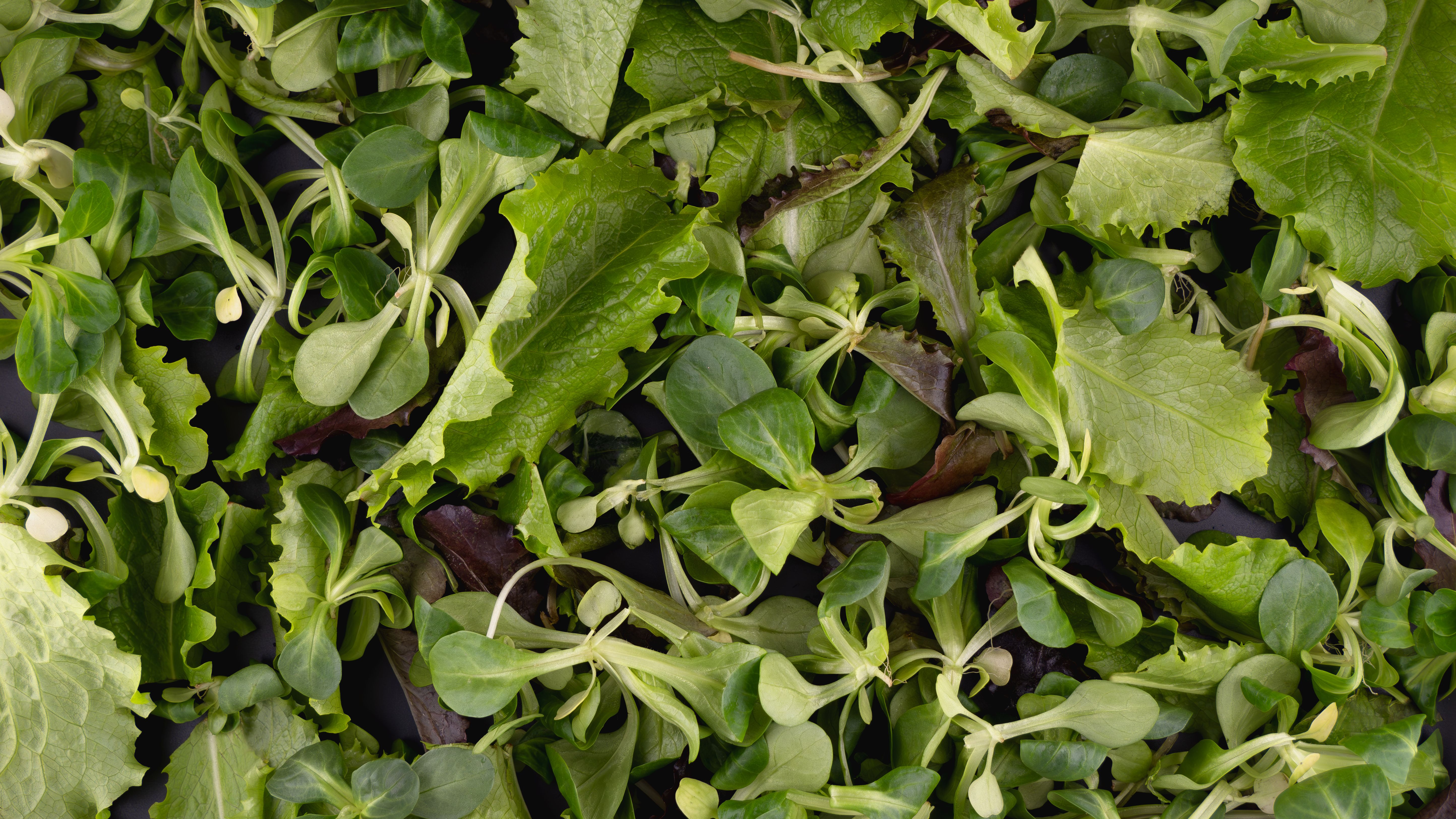
Spring mix deserves its own mention because it is even more fragile than many other greens. People buy it for its variety and convenience, imagining quick salads and light meals that make everyday eating feel just a little more balanced.
Its weakness is that it wilts almost on contact with real life. The tender leaves bruise, trap moisture, and collapse fast once the container is opened. If there is no immediate plan for repeated use, spring mix can go from vibrant to soggy in what feels like a single Canadian workweek.



Leave a Reply