
A grocery cart can tell two very different stories depending on which side of the border you shop. While prices move around by city, season, and exchange rate, some everyday foods routinely cost more in Canada than they do in the U.S. This gallery breaks down 12 familiar items that often carry a steeper Canadian price tag, along with the supply, policy, climate, and distribution factors behind it.
Milk
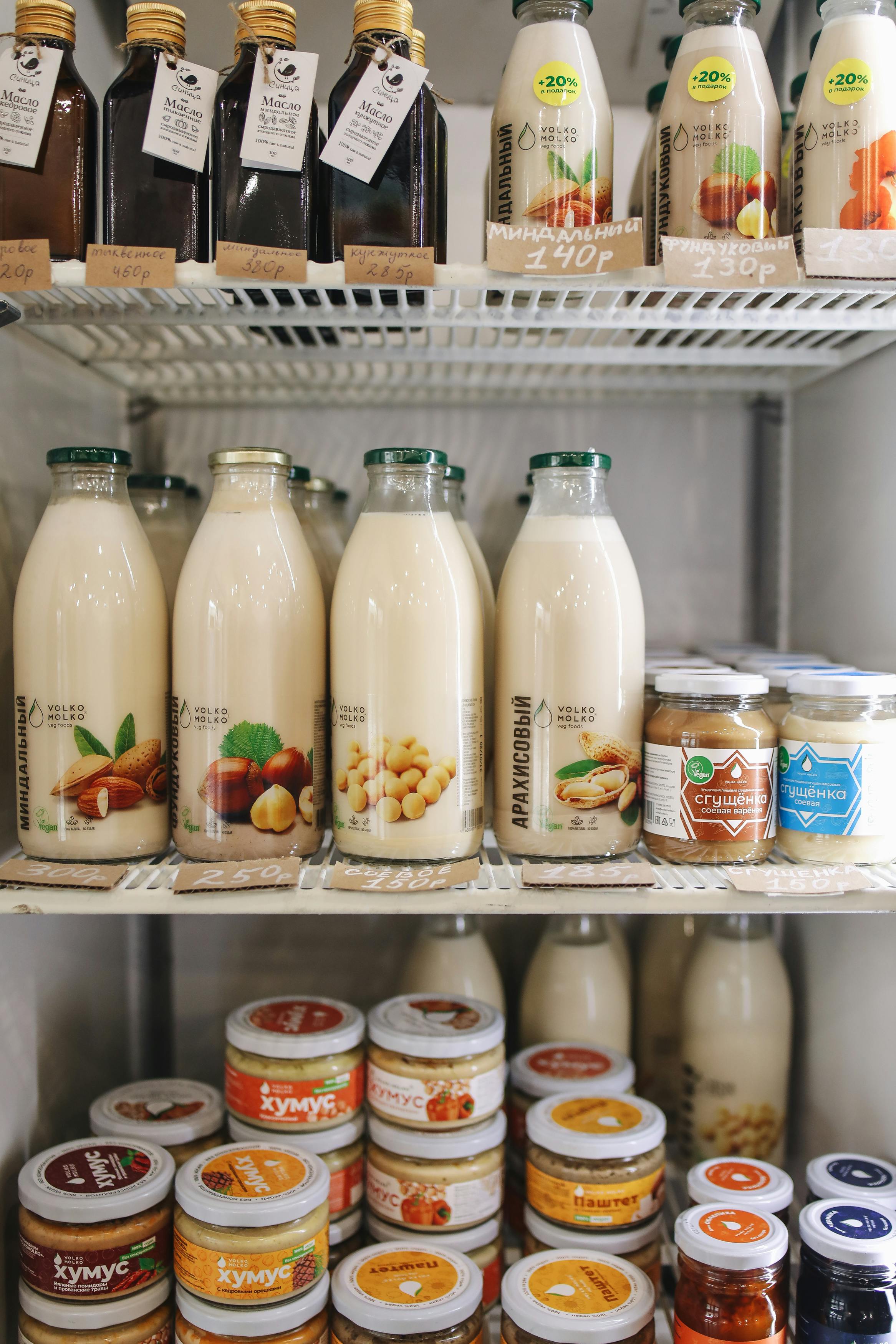
Milk is one of the clearest examples of a cross-border price gap. In Canada, dairy pricing is heavily shaped by the country's supply management system, which sets production quotas and aims to keep farm incomes stable. That structure tends to support higher retail prices than shoppers often see in many parts of the U.S., where the market is larger and pricing can be more aggressive.
There is also the simple matter of scale. The U.S. has a much bigger dairy industry, more regional competition, and major discount chains that use milk as a traffic-driving staple. In Canada, transportation, packaging, and regional distribution costs can add more pressure, especially in smaller markets and colder regions where delivery logistics are harder.
Cheese
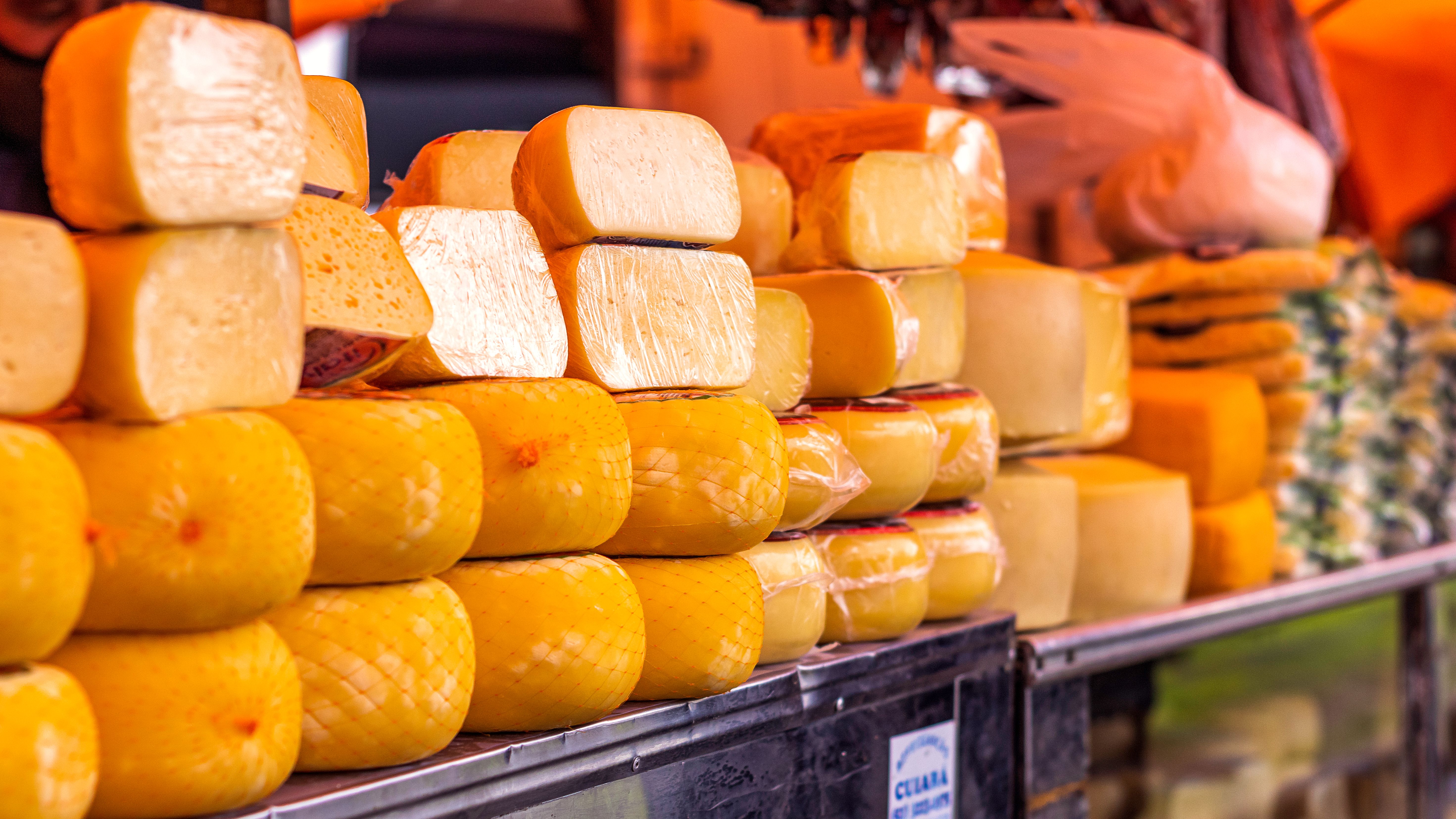
Cheese often surprises travelers because the difference can feel obvious the moment they scan the dairy case. Canada's dairy supply management system affects cheese too, helping maintain domestic pricing at levels that are often higher than those in the U.S. Imported cheese can become even more expensive once tariffs and limited access rules enter the picture.
Production costs also matter. Cheese requires large volumes of milk, aging space, labor, and cold storage, and those costs are spread across a smaller national market in Canada. In the U.S., a wider manufacturing base and higher output can create more variety at lower price points, especially for standard block and shredded cheeses sold through big-box retailers.
Butter

Butter may look simple, but its price reflects some of the same forces that shape milk and cheese. Because butter is made from cream, it sits inside the same regulated dairy ecosystem in Canada, where quotas and controlled production help support stable farm returns. That often leads to shelf prices that run higher than comparable products in the U.S.
Butter also reacts quickly to changes in feed, fuel, and packaging costs. When trucking, refrigeration, or farm inputs climb, a smaller market can feel those increases more sharply. In the U.S., retailers often have more room to discount butter during holidays or use it as a promotional item, which can make the cross-border difference feel even larger to shoppers.
Yogurt
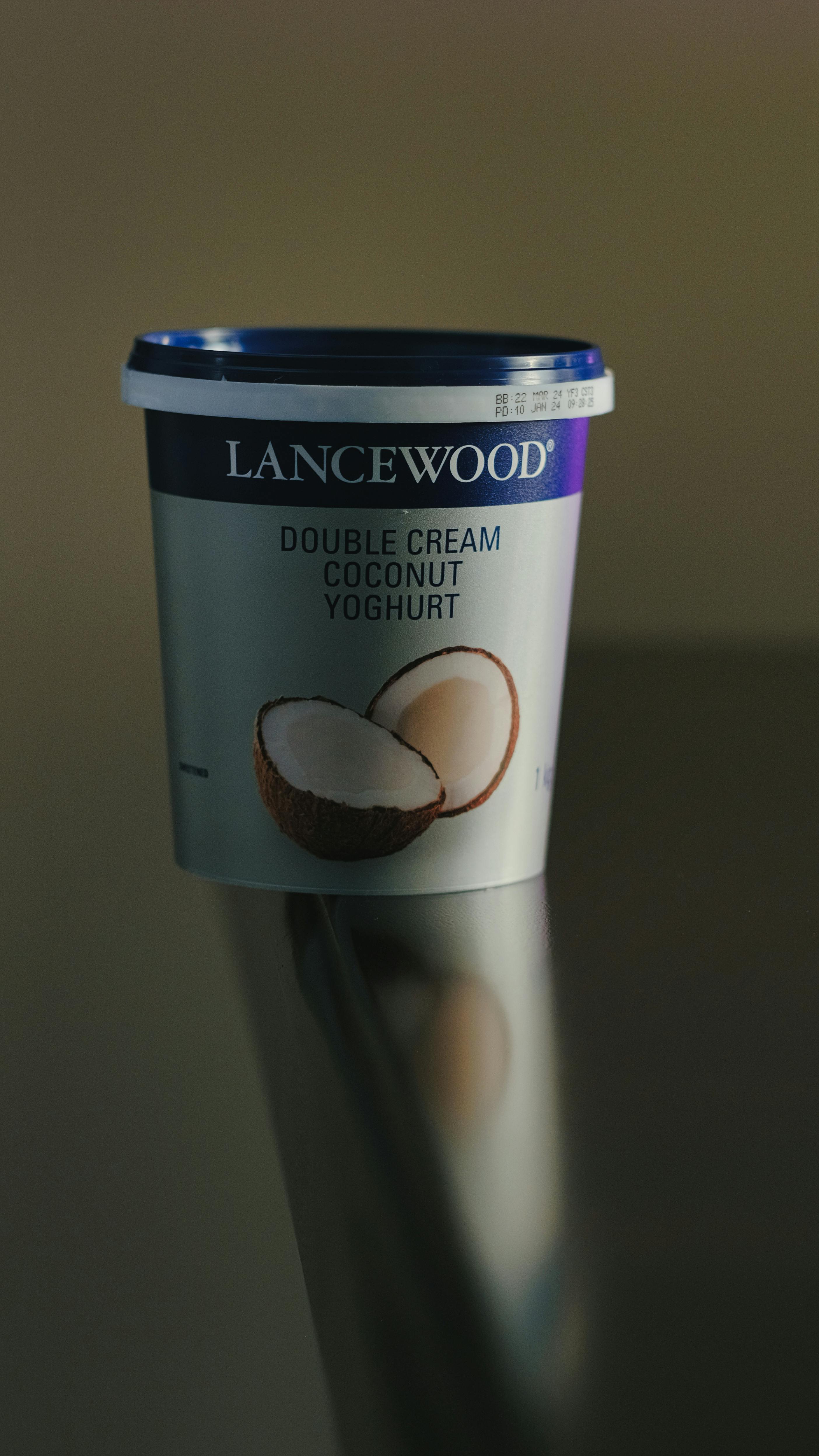
Yogurt seems like a healthy everyday buy, but it often costs more in Canada for many of the same reasons as other dairy products. Milk input costs are generally higher, and manufacturers are working within a smaller consumer market. That means fewer economies of scale for everything from fermentation to packaging to nationwide distribution.
There is another layer here: variety. Canadian grocery stores carry plenty of yogurt, but the U.S. market is enormous and fiercely competitive, especially in Greek yogurt, drinkable yogurt, and private-label options. When brands battle for shelf space in a larger system, shoppers often benefit. In Canada, the combination of dairy pricing rules, freight costs, and less volume can keep yogurt prices noticeably elevated.
Eggs
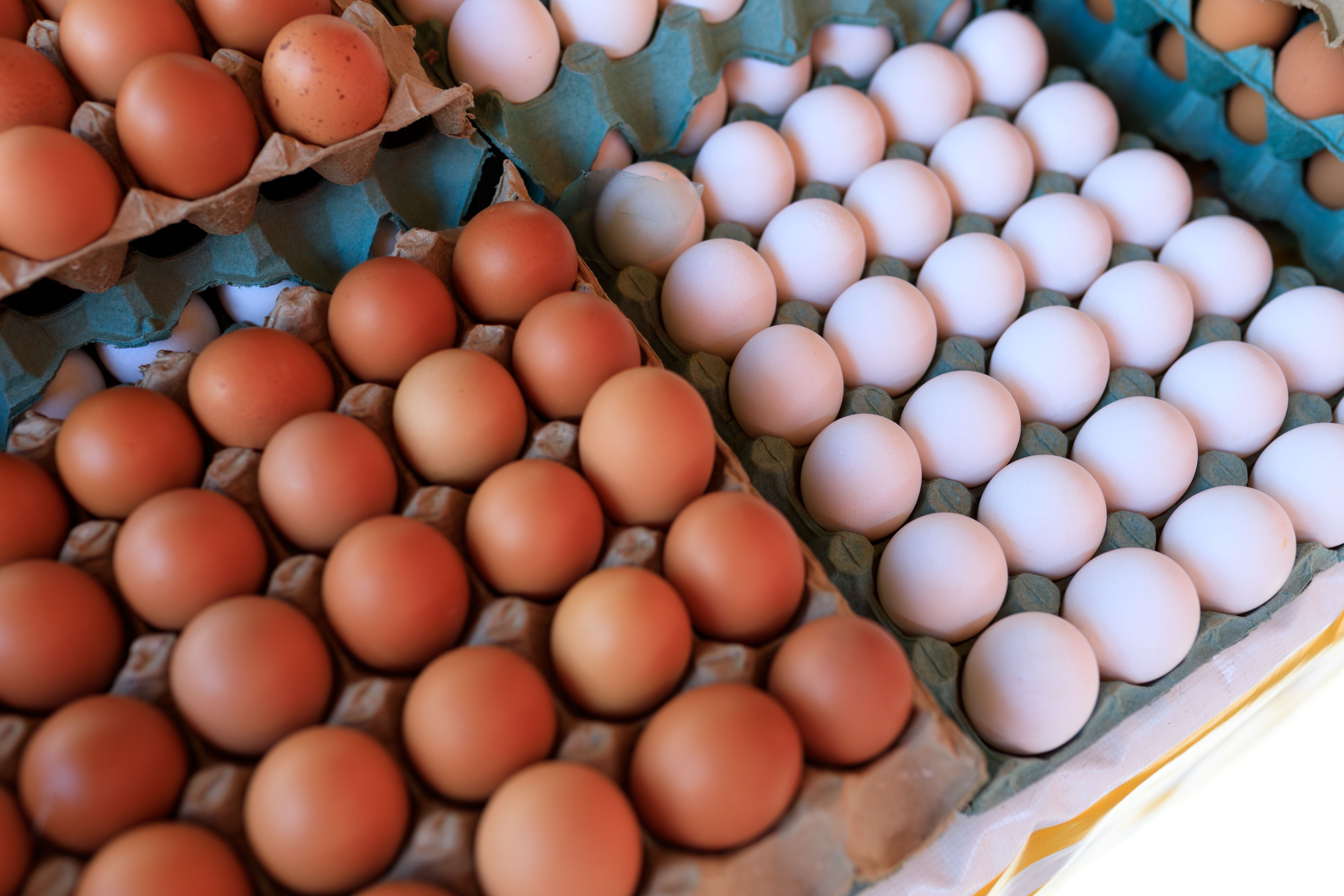
Eggs are another staple where Canadian shoppers frequently pay more. Canada manages egg production through a quota system designed to balance supply and demand and reduce the extreme price swings farmers can face. It brings stability, but that stability often comes with higher average prices than in parts of the U.S., where oversupply and aggressive promotions can push prices down.
Feed costs, barn standards, labor, and transport all add to the final total. In a country with a smaller population spread across long distances, getting eggs from farm to shelf can cost more per carton. The U.S. also has a huge egg industry with intense regional competition, so lower prices are easier to find in many American supermarkets.
Chicken

Chicken is a dinner-table basic, but it is often priced higher in Canada than in the U.S. One big reason is supply management in the poultry sector, which regulates domestic production and limits imported competition. The system is meant to protect farmers from volatile swings, yet consumers often see the result in the form of higher prices for breasts, thighs, and whole birds.
The U.S. market works on a much larger scale and processes enormous volumes of chicken at highly efficient facilities. That scale can lower per-unit costs across farming, slaughter, packaging, and transport. Canadian shoppers also face added distribution costs, and in some regions, fewer retailers means less pressure to undercut competitors on fresh meat pricing.
Turkey

Turkey tends to get attention around holiday meals, but the price gap can show up year-round on ground turkey, cutlets, and whole birds. In Canada, turkey is also part of the supply-managed poultry system, so production is more tightly controlled than in the U.S. That supports consistency for producers, though consumers often face higher shelf prices.
There is also less everyday volume compared with chicken. Turkey is not bought as frequently, so processing and merchandising do not benefit from the same level of turnover. In the U.S., larger production runs and broader retail competition can make turkey more affordable, especially during major sales periods when stores use it to attract holiday shoppers.
Bread

Bread seems like the most basic item in the store, which makes price differences stand out even more. In Canada, shoppers often pay more because wheat may be grown domestically but the finished loaf still reflects labor, fuel, baking, packaging, and transport costs across a vast country. Fresh bakery delivery to smaller or remote communities can push prices higher fast.
Retail structure plays a role too. In the U.S., giant supermarket chains, warehouse clubs, and discount grocers compete heavily on packaged bread, often using store brands to keep prices low. Canadian consumers have fewer large-scale market players in many regions, and less competition can mean fewer deep discounts on everyday sandwich loaves and buns.
Apples

An apple looks like a simple fruit, but the final price reflects storage and geography as much as farming. Canada grows excellent apples, especially in provinces like British Columbia, Ontario, and Nova Scotia, yet seasonality matters. Outside harvest windows, more apples may need controlled-atmosphere storage or imports, both of which raise costs before the fruit ever reaches the produce aisle.
Climate also narrows growing regions compared with the U.S., where huge apple-producing states and longer supply windows support larger volumes. Add cross-country freight, retail markup, and spoilage risk, and the Canadian sticker price can climb. For shoppers, it means a bag of everyday apples may cost noticeably more than a similar purchase south of the border.
Lettuce

Lettuce is a small item with a surprisingly complicated supply chain. Much of Canada depends heavily on imports for leafy greens during colder months, especially from California and Arizona. By the time lettuce is harvested, cooled, shipped long distances, and kept fresh in refrigerated transit, the cost can rise quickly for Canadian retailers and shoppers.
Weather disruptions make the problem even worse. Drought, flooding, crop disease, or heat waves in key growing regions can tighten supply and cause sharp spikes in Canadian stores almost immediately. U.S. shoppers are often closer to major production zones and benefit from a larger domestic network, which can soften some of the same shocks and keep average prices lower.
Strawberries

Strawberries are one of those foods that can feel affordable one week and premium the next. In Canada, the price is often higher because the domestic growing season is relatively short, and berries are highly perishable. For much of the year, stores rely on imported supply that must move quickly under refrigerated conditions, adding transport and handling costs.
The fruit's fragility matters too. Strawberries bruise easily and spoil fast, so retailers build in margin to account for waste. In the U.S., especially near major berry-producing regions, shoppers often have access to larger volumes and shorter delivery routes. That can make everyday berry prices feel more forgiving than what many Canadians see in the produce department.
Orange Juice

Orange juice is a breakfast staple that often costs more in Canada for a very direct reason: oranges are not grown at scale in the Canadian climate. Most juice or juice concentrate has to be imported, processed, packaged, and shipped through a colder, smaller market. Every step adds cost, from currency exchange to transportation to refrigeration.
The U.S. has a built-in advantage because states like Florida have long anchored domestic orange juice production, even though weather and disease have affected supply there too. American retailers can still source within a much bigger integrated system. In Canada, dependence on imports and fewer large-volume buyers often translate into higher shelf prices for the same familiar carton.




Leave a Reply