
Most people know fast food is designed to be tempting, but the real story goes deeper than burgers, fries, and late-night cravings. Behind the counter is a highly refined system built around psychology, convenience, pricing, and habit. This gallery breaks down the specific ways chains make returning feel easy, rewarding, and strangely automatic, even when you meant to stay away.
They engineer food for maximum craveability
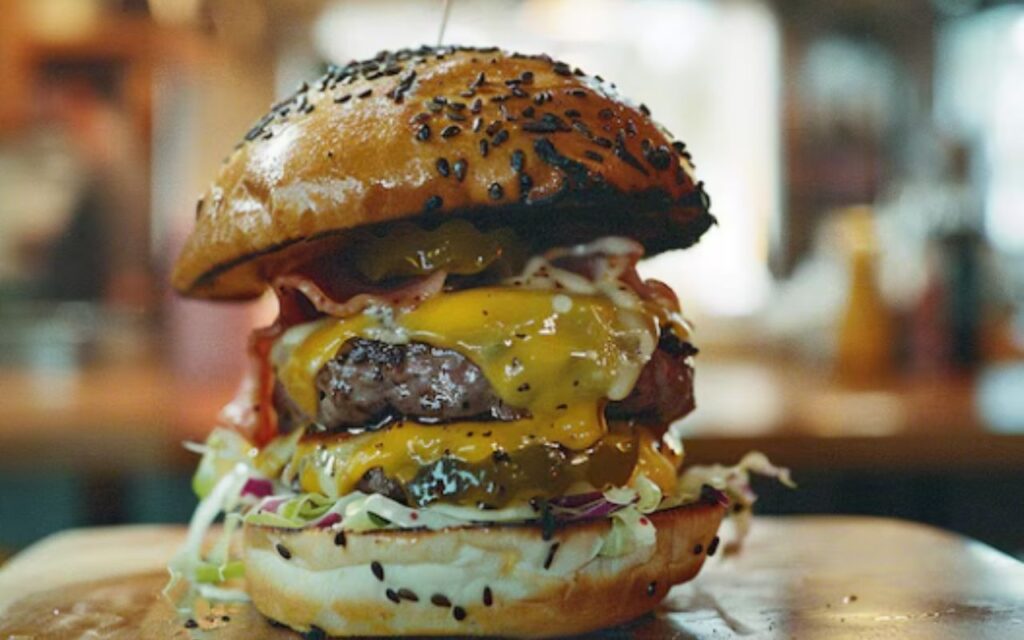
It often starts with the food itself. Fast food is usually built around what researchers and product developers call highly palatable combinations, especially salt, fat, sugar, and refined carbohydrates. Those ingredients do not just taste good on their own. In the right ratios, they create a reward response that feels bigger than the sum of the parts.
Texture matters just as much. A crisp fry shell, a soft bun, melting cheese, and a fizzy drink give your mouth constant contrast, which keeps eating interesting. Many chains also design foods to deliver flavor quickly, so the first bite hits hard and memorably.
That is why one meal can stay on your mind long after you finish it. The experience is crafted to be intense, consistent, and easy to want again.
They make convenience feel irresistible
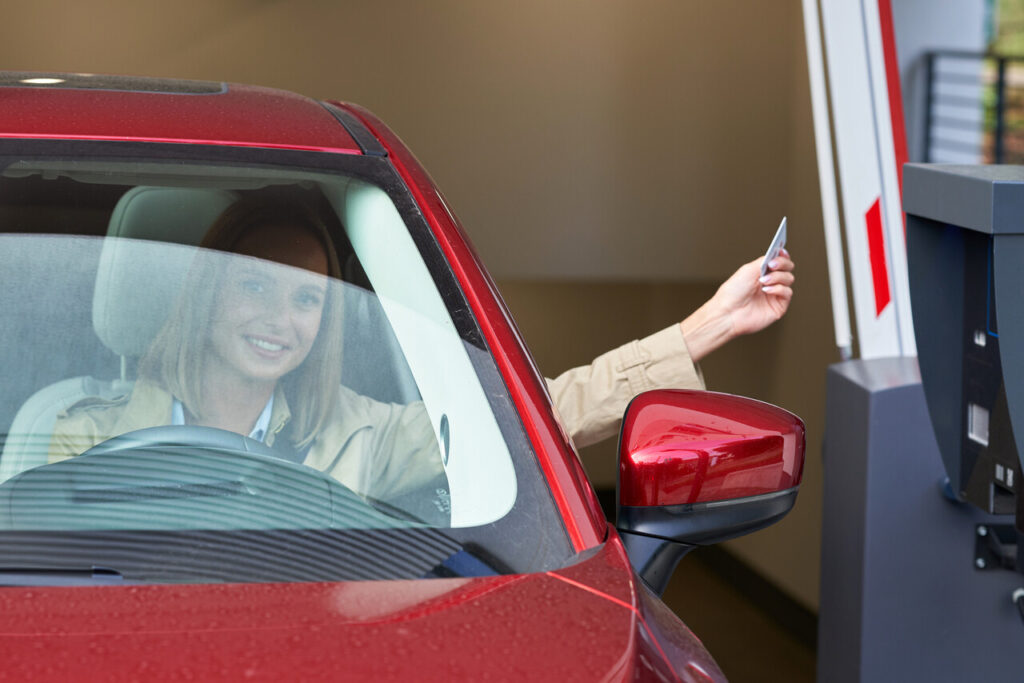
One of fast food's strongest tricks has nothing to do with taste. It is the promise that you can solve hunger with almost no effort. Drive-thrus, mobile apps, delivery, extended hours, and familiar menus remove the little frictions that might otherwise stop an impulse purchase.
Behavior experts have long noted that people repeat actions that are easy. Fast food chains have mastered that principle. When ordering takes seconds and pickup is built into your route home, the decision starts to feel less like a choice and more like the default.
That convenience becomes especially powerful on stressful days. When time is short and energy is low, the fastest option often wins before healthier intentions even have a chance.
They use rewards programs to turn visits into habits
Loyalty programs look generous on the surface, but their real power is behavioral. A free drink after enough purchases or bonus points during lunch hours gives customers a reason to come back sooner than they otherwise would. The reward may be small, yet the pull can be surprisingly strong.
Apps make this even more effective because they track your routines. If you usually order on Fridays, you may see a Friday-only offer. If you have not visited in a while, a chain can send a reminder that feels personal, even when it is automated.
The result is a habit loop. You buy, earn, anticipate the next reward, and return to avoid wasting progress already made.
They price menus to make combos feel like the smart choice
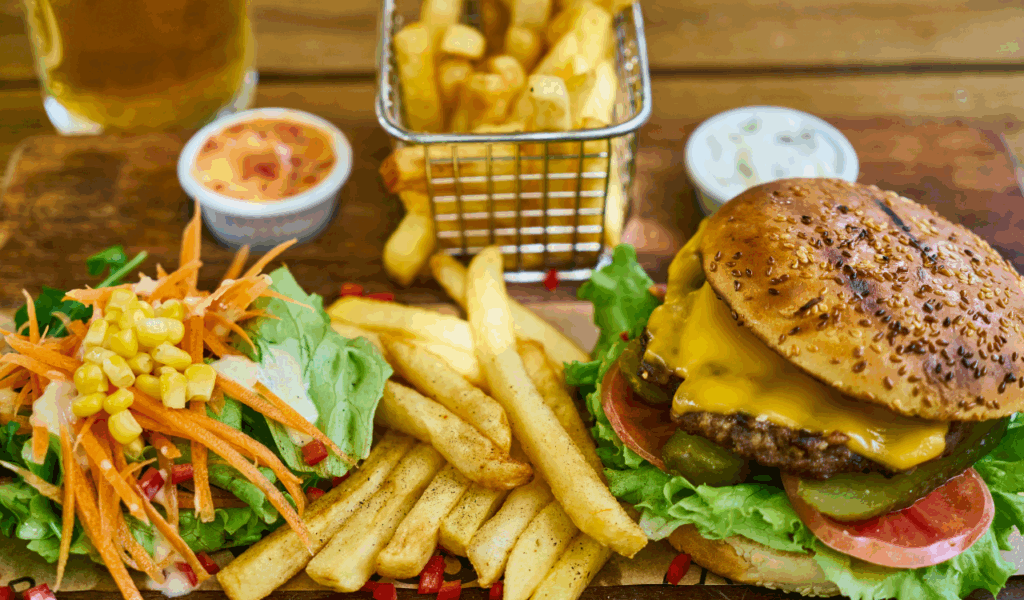
Fast food pricing is rarely random. Chains often structure menus so that a combo seems like a better deal than buying items separately, even if you did not originally want the full meal. That small gap in price nudges customers to spend more while feeling financially sensible.
This strategy works because people focus on relative value, not just total cost. If adding fries and a drink feels like only a little extra, many customers will upgrade without much thought. The offer sounds efficient, not indulgent.
Over time, the larger order becomes normal. What started as an occasional splurge can begin to feel like the standard version of the meal, which increases both spending and attachment.
They keep menus familiar but add just enough novelty
People like predictability, especially when they are hungry. Fast food chains know that familiar favorites create trust because customers already know what they are getting. The meal will taste roughly the same whether they order it in a rush, on a road trip, or after a long day.
At the same time, too much sameness can lead to boredom. That is why chains rotate limited-time items, seasonal sauces, and short-run desserts. These additions create excitement without forcing customers to abandon the comfort of the core menu.
It is a clever balance. Familiarity lowers risk, while novelty adds urgency. Together, they keep people interested without making the ordering process feel complicated or uncertain.
They design smells, colors, and visuals to trigger appetite
Long before you take a bite, the environment is already doing work. Bright reds, yellows, and high-contrast menu photography are often used because they grab attention and help food appear warmer, richer, and more immediately satisfying. In a crowded commercial landscape, these cues matter.
Smell is another major tool. The aroma of fries, grilled meat, or baking bread can travel farther than any advertisement. In some locations, kitchen layouts and ventilation choices make those scents especially noticeable near entrances or pickup areas.
These signals do not force anyone to eat, but they can shift mood and focus. Suddenly hunger feels more urgent, and the restaurant feels less like an option and more like the answer.
They tie themselves to your routines
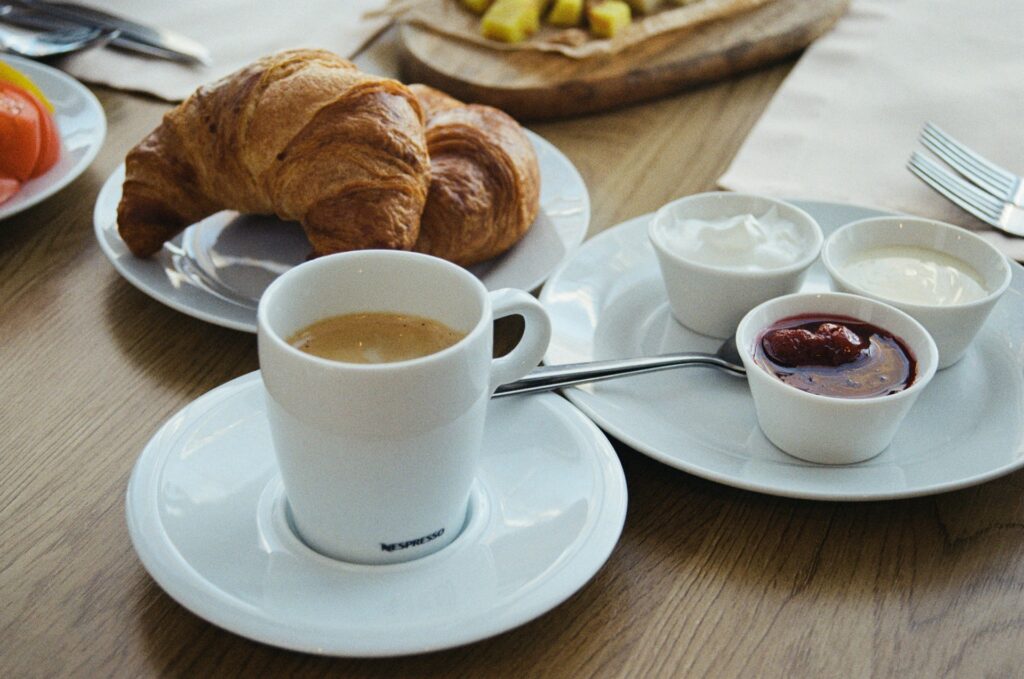
Fast food becomes more powerful when it attaches itself to moments you repeat without thinking. Breakfast on the commute, coffee during errands, fries after school pickup, and late-night snacks after work all turn a purchase into part of a schedule rather than a spontaneous decision.
Chains actively position themselves around these routines. They build near highways, schools, gas stations, office clusters, and shopping corridors. They also create menus for specific dayparts, so there is always something that seems to match the hour and the mood.
Once a restaurant fits neatly into your daily route, returning stops feeling intentional. It becomes an easy ritual, and rituals are much harder to break than cravings alone.
They market heavily to children and families
Fast food companies have long understood that brand loyalty can begin early. Kid-focused meals, toys, cartoon tie-ins, playgrounds, and simple, recognizable packaging help turn a restaurant into a familiar and exciting place rather than just somewhere to eat.
For parents, the appeal is different but equally strategic. Predictable menus, low prices, quick service, and child-friendly options make fast food feel practical during busy weeks. If one stop can satisfy adults and children without complaints, it earns repeat business fast.
That mix of childhood nostalgia and family convenience can last for years. Many adults still return to brands they loved when they were young, now bringing their own children into the same cycle.
They use limited-time offers to create urgency
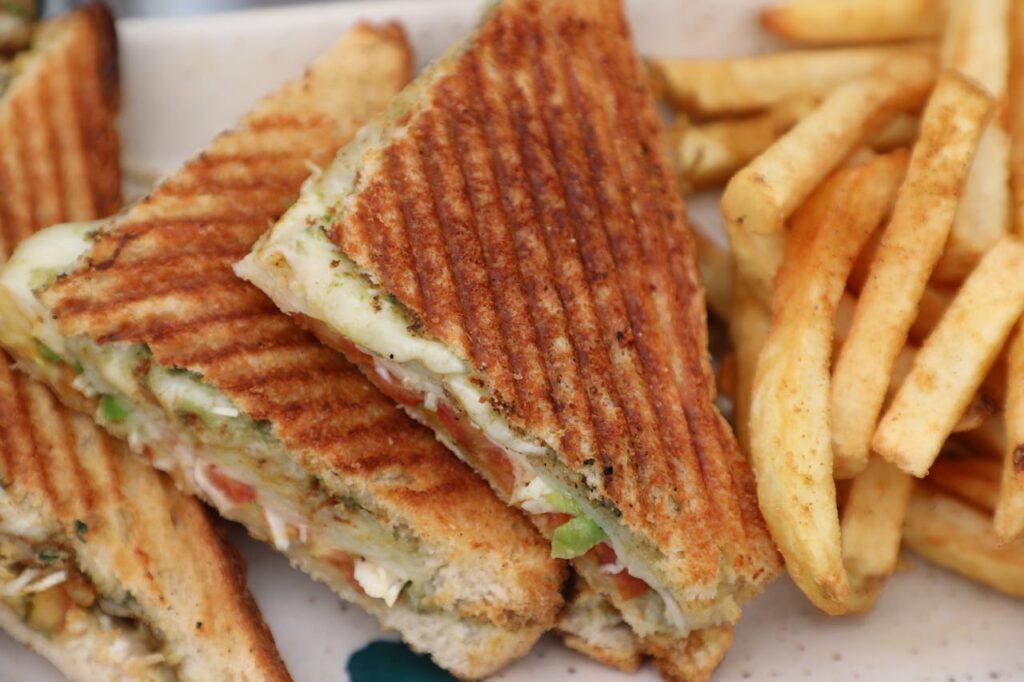
Scarcity changes how people evaluate food. A sandwich or dessert that is available all year can be postponed, but a seasonal item or short-run collaboration feels like something you need to try now. That urgency can override the usual internal debate about whether you should skip it.
Marketers sometimes call this the fear of missing out, and it works especially well in food because taste cannot be fully experienced secondhand. You can see photos and hear reviews, but the only way to know is to buy it yourself before it disappears.
Even people who rarely visit a chain may make a special trip for a limited release. The offer creates an event, and events are easier to justify than habits.
They make portions and upgrades feel normal
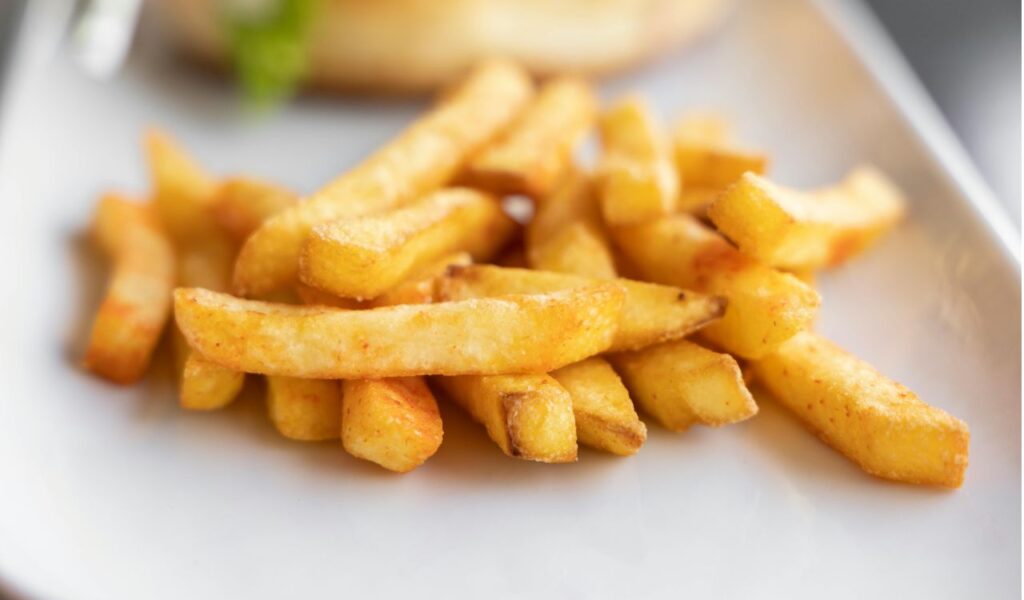
Portion sizes in fast food have changed dramatically over the years, and what once seemed large can now look ordinary. When big drinks, oversized fries, and double patties become common menu visuals, customers recalibrate their idea of a standard meal without realizing it.
Upselling adds another layer. A cashier or app prompt asking if you want to go larger or add one more item arrives at the exact moment you are already committed to buying. Since the extra cost is usually modest, saying yes feels easy.
The effect is subtle but powerful. Bigger meals become familiar, and familiar starts to feel reasonable, even when it goes beyond what most people originally intended to order.
They make indulgence feel affordable
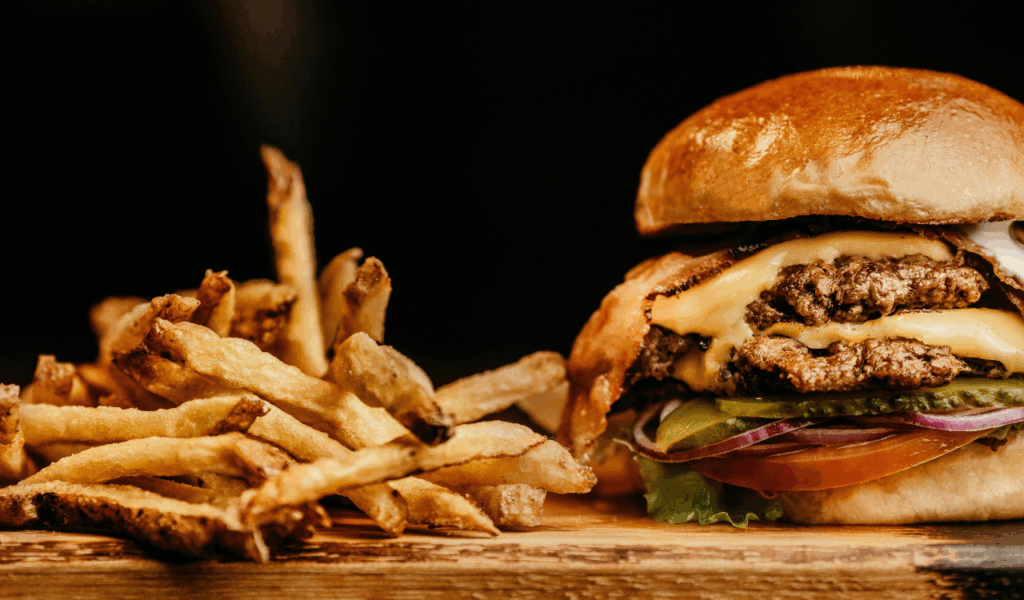
Fast food often succeeds by framing itself as a low-cost treat. A restaurant meal at a sit-down place may feel like a splurge, but a burger, fries, and dessert from a chain can seem manageable even when prices have risen. The psychological category is important.
People are more likely to repeat purchases that feel like small rewards rather than major expenses. A rough day at work, a long drive, or a busy evening can make a relatively cheap indulgence feel earned. The cost appears modest compared with the emotional payoff.
That is part of the trap. When something feels affordable, it also feels harmless to do again, which is exactly how occasional comfort turns into regular spending and regular eating.




Leave a Reply