
You tell yourself it is just mac and cheese, ramen, fries, or that one exact takeout order. But when the same comfort food keeps winning, your brain is usually running a much bigger show than simple hunger. Repetition, memory, stress, and reward all play a part, which is why the habit can feel oddly powerful even when you cannot fully explain it.
Your reward system starts anticipating the hit
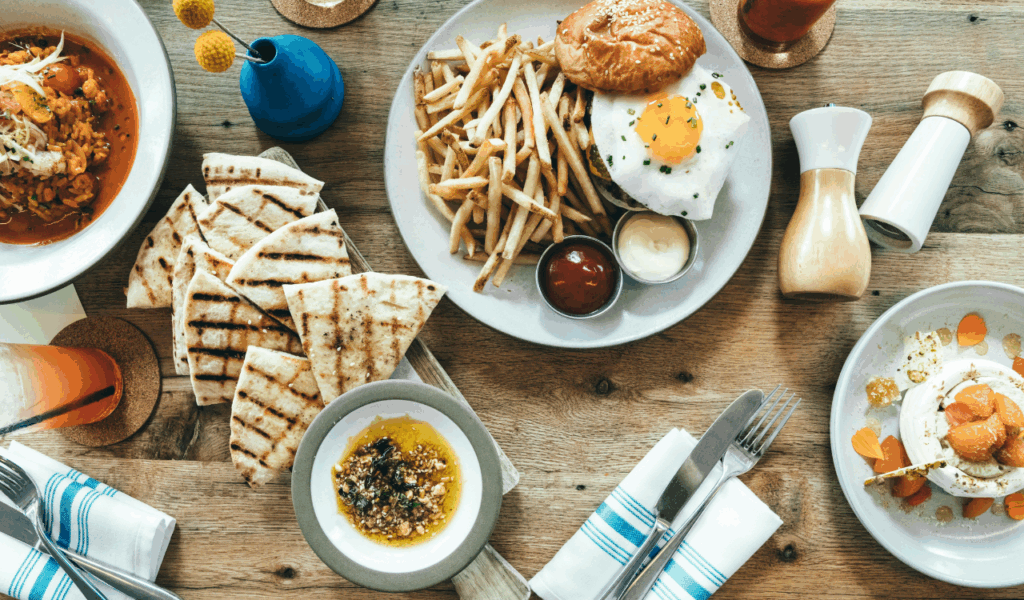
The first thing your brain often learns is not just that the food tastes good, but that it reliably delivers pleasure. Highly palatable foods, especially those rich in fat, sugar, salt, or refined carbs, can activate reward pathways involving dopamine. That does not mean comfort food works like a drug in the simplistic way people sometimes claim, but it does mean your brain begins to tag it as worth repeating.
Over time, anticipation becomes part of the reward. You may feel a lift before the first bite because your brain has learned the pattern and expects satisfaction. That expectation alone can nudge you back toward the same meal again and again.
Stress pushes your brain toward the familiar
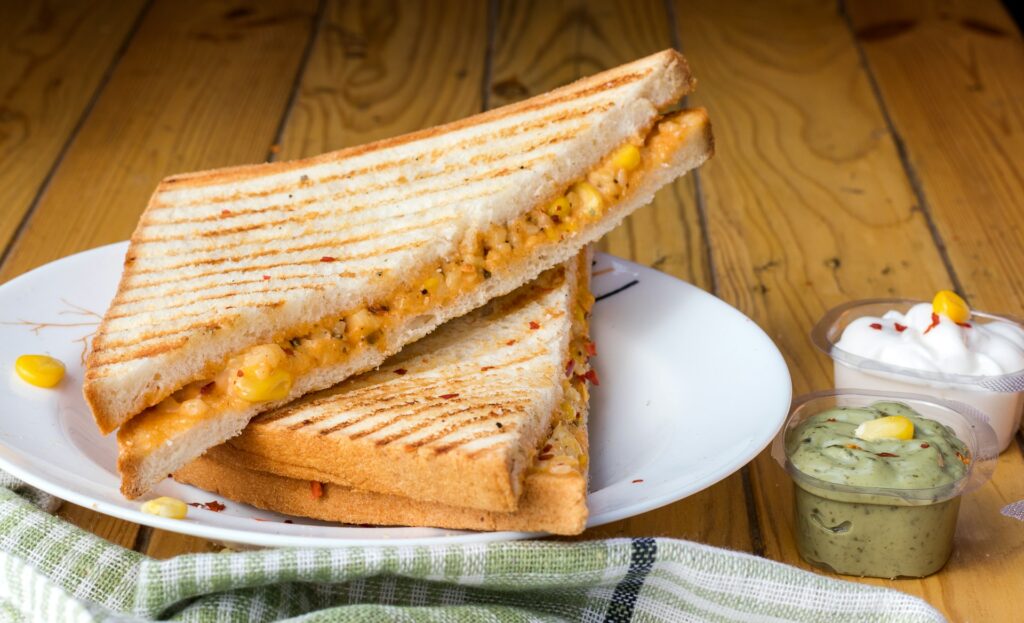
When life feels noisy, the brain tends to value predictability. Stress can raise cortisol, alter appetite, and shift decision-making toward quick, familiar rewards instead of novelty or balance. That is one reason the same grilled cheese, noodles, or fast-food order can feel unusually persuasive after a hard day.
Familiar comfort food lowers mental effort. You already know how it tastes, how filling it is, and what emotional effect it tends to have. In a stressed state, your brain often treats that certainty like a form of safety, which helps explain why the repeat choice can feel less like a decision and more like an automatic drift.
Memory links the food to feeling cared for
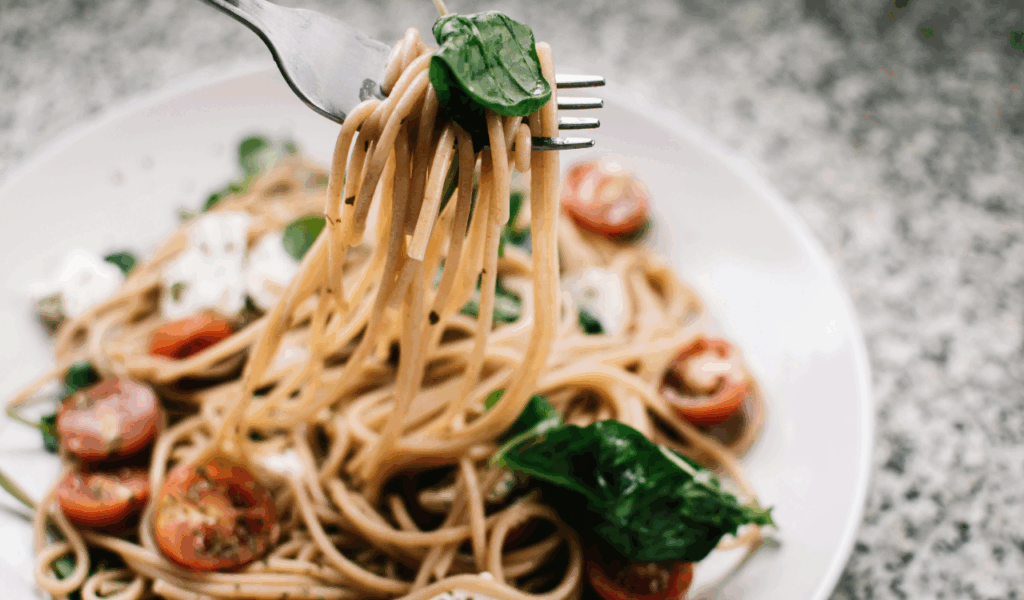
Comfort food is rarely just about flavor. The brain stores emotional memories alongside sensory details, which means a dish can become tied to childhood routines, family kitchens, sick days, celebrations, or moments when someone took care of you. A simple bowl of soup can carry a surprising emotional charge because it reminds your brain of being soothed.
That connection is powerful because memory is not passive. When you eat the food again, the smell, texture, and taste can reactivate those associations and make the present moment feel softer. You may think you are craving the meal, when part of what you really want is the feeling attached to it.
Your brain starts building a habit loop

Repetition teaches the brain efficiency. If the same cue keeps leading to the same food and the same emotional payoff, a habit loop can form: stress, boredom, loneliness, or evening downtime becomes the trigger, the meal becomes the routine, and relief becomes the reward. Once that loop is established, you may reach for the food before fully realizing you made the choice.
Habits live partly in brain systems that help automate behavior, which is useful when you are learning routines but less helpful when the routine feels confusing. The repeat comfort meal can stop feeling intentional and start feeling like your brain is finishing a sentence it already knows by heart.
Decision fatigue makes the easy option look better
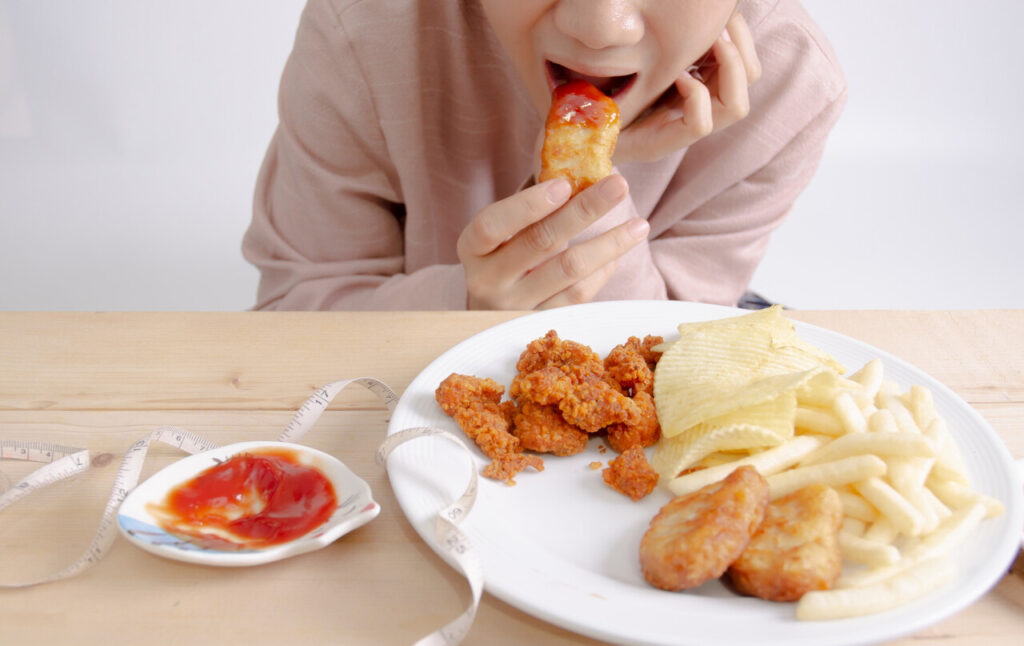
A tired brain does not always want the best option. It often wants the easiest one. After a long day of choices, errands, messages, and small stresses, decision fatigue can reduce mental flexibility and make familiar food seem especially appealing. The same order wins because it removes friction.
There is also comfort in certainty. You know the price, the taste, the portion, and whether it will disappoint you. That predictability lowers cognitive load, and your brain notices. Repeating the same comfort food may feel irrational on the surface, but from the perspective of a mentally drained brain, it can look like a perfectly efficient solution.
Blood sugar swings can sharpen the craving

Sometimes the brain is responding to chemistry as much as emotion. If you go long stretches without eating, rely on highly refined foods, or have strong ups and downs in energy, your brain may become more reactive to quick sources of comfort and fuel. Foods that are rich and easy to eat can suddenly feel urgent, not optional.
That matters because the brain depends heavily on glucose for normal function. When energy feels low, it can amplify the appeal of familiar foods that have delivered a fast lift before. You may interpret it as a random craving, when your brain is also responding to an energy-management problem it has learned to solve in one specific way.
Your senses learn the exact comfort formula

The brain is excellent at pattern recognition, and comfort foods are often packed with sensory features it can quickly identify. Creaminess, crunch, warmth, melted fat, salt, and even the sound of a package opening can become part of a precise pleasure map. The more often you repeat the meal, the more finely tuned that map can become.
This is one reason substitutions often fall flat. A healthier version may look similar, but if the texture, aroma, or mouthfeel misses the mark, your brain notices immediately. You are not being dramatic. You are responding to a detailed sensory template that has been reinforced through repetition and linked with satisfaction.
Boredom makes repetition feel strangely rewarding

Not all repeat eating is driven by deep emotion. Sometimes the brain simply wants stimulation, and food is an easy way to provide it. In states of boredom, low engagement, or mental flatness, a favorite comfort meal can create a small event in the day. The flavor, ritual, and anticipation give the brain something to latch onto.
This matters because boredom can blur into craving. You may not be hungry in a physical sense, but your brain still wants a shift in state. Reaching for the same food works because it is familiar, available, and known to improve the moment, even if only briefly. That makes the repetition feel both harmless and hard to interrupt.
Your gut and brain may reinforce each other

The gut and brain are in constant communication through hormones, nerves, and microbial byproducts, and that conversation can influence appetite and food preference. Researchers are still learning how strong these effects are in everyday eating, but there is growing evidence that repeated dietary patterns can shape the signals your brain receives.
That does not mean your microbiome is secretly forcing you to order pizza. It means your body adapts to patterns, and those patterns can affect how hungry, satisfied, or drawn to certain foods you feel. If the same comfort food shows up often, your brain may begin treating that routine as normal, expected, and biologically convenient.
Sleep loss makes your brain crave richer foods
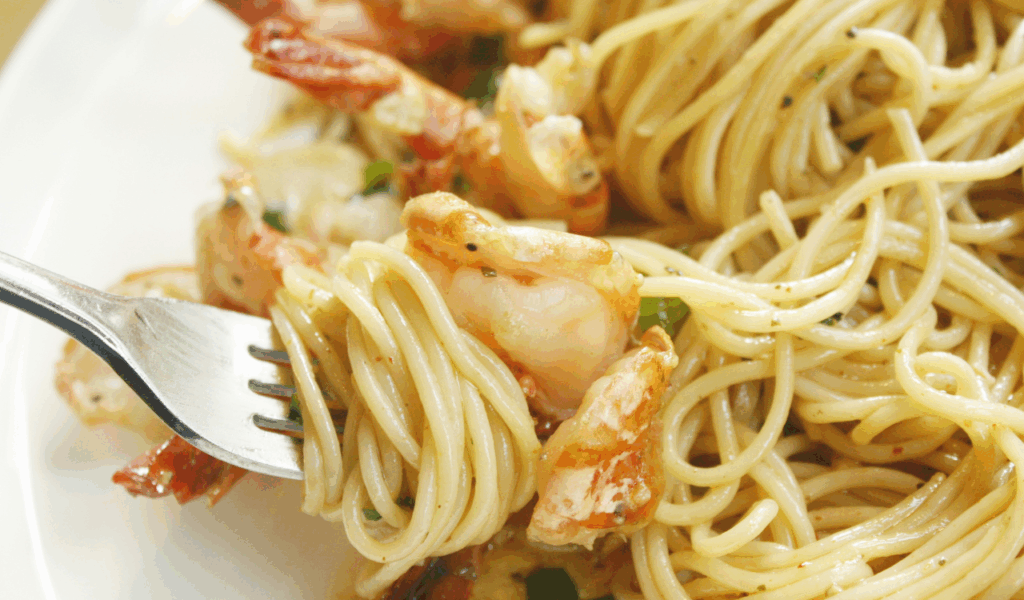
A sleep-deprived brain is usually less interested in restraint and more interested in payoff. Poor sleep can alter hormones involved in hunger and fullness, while also increasing activity in brain areas tied to food reward. In simple terms, when you are tired, rich comfort food can look more appealing and more worth it.
At the same time, your ability to regulate impulses tends to weaken when sleep is short. That combination matters. The same burger, ice cream, or buttery pasta may feel almost magnetic after a bad night because your brain is chasing energy, pleasure, and relief while doing less careful long-term planning.
Self-soothing can become the hidden goal

One of the most common reasons comfort food repeats is that the brain learns it helps regulate emotion. If a certain meal consistently softens sadness, anxiety, loneliness, or overwhelm, your brain may begin to treat it like an emotional tool. You are not just feeding hunger. You are trying to feel more steady.
This can happen quietly. The urge may show up before you fully name the feeling underneath it. That is why people sometimes say, "I do not even know why I wanted it so badly." The brain often knows the pattern before the conscious mind catches up, especially when the food has worked as relief many times before.




Leave a Reply