
Canadian food culture did not become varied, exciting, and globally respected by accident. It was built, neighborhood by neighborhood, by immigrants who brought ingredients, techniques, businesses, and eating habits that are now treated like a natural part of everyday life. This gallery looks at 11 major changes that took root after newcomers arrived and asks a simple question: why are these contributions so often taken for granted?
Big-city dining became truly global
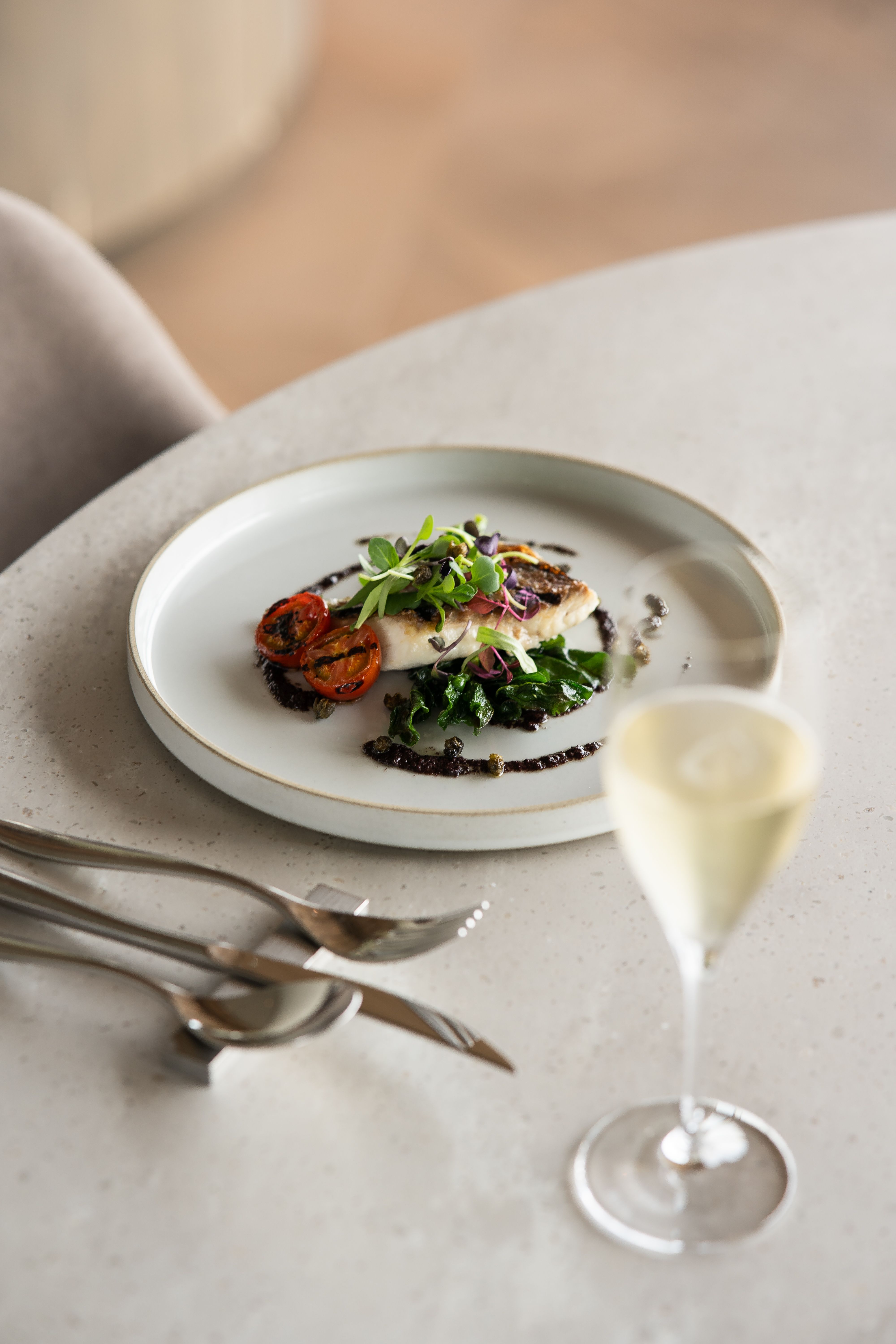
Before large waves of immigration reshaped Canadian cities, restaurant options were often far narrower than people now remember. In many places, dining out meant British-influenced fare, meat-and-potatoes cooking, and a short list of familiar European dishes with limited regional variety.
Immigrant communities changed that block by block. Chinese, Indian, Lebanese, Italian, Vietnamese, Greek, Caribbean, Filipino, Korean, Ethiopian, and many other restaurateurs turned cities like Toronto, Vancouver, Montreal, and Calgary into places where global cooking became part of ordinary life, not a special occasion.
What now feels normal, choosing between shawarma, dim sum, dosa, pho, jerk chicken, ramen, or tacos on a single street, was built by newcomers who took financial risks and fed curious local diners long before "diverse food scenes" became a civic bragging point.
Spice moved from the margins to the mainstream
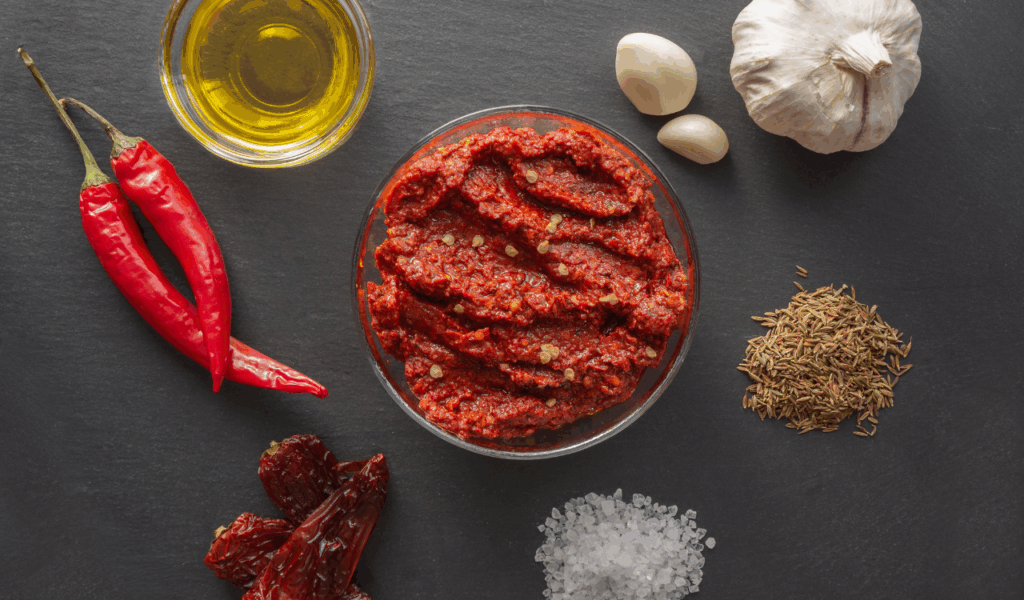
One of the clearest shifts in Canadian eating has been the wider embrace of bold seasoning. For a long stretch, mainstream food culture leaned heavily on salt, pepper, gravy, and a narrow herb palette, while stronger heat and layered spice were often treated as unusual or intimidating.
Immigrant cooks changed Canadian palates by serving food that relied on cumin, coriander, turmeric, chilies, allspice, ginger, fenugreek, sumac, fish sauce, and countless other flavor builders. These were not novelty ingredients in their communities. They were everyday essentials.
Today, grocery aisles, fast-casual chains, and home kitchens reflect that shift. Canadians routinely cook curries, chili oils, spice rubs, marinades, and masalas, often without acknowledging that immigrant households did the groundwork that made stronger, more complex seasoning feel familiar.
Takeout culture got a serious upgrade

Convenient food existed before modern immigration patterns, but immigrant-run businesses transformed what takeout could be. They made quick meals more flavorful, more affordable, and far more varied than the standard diner, sandwich counter, or fried-food stop.
Think about the everyday rhythm of Canadian eating now. Pizza slices, Chinese combo plates, shawarma wraps, samosas, sushi trays, rotis, banh mi, falafel, and butter chicken for pickup are part of normal weeknight life. That convenience did not invent itself.
Newcomer entrepreneurs built family-run restaurants that served workers, students, night-shift staff, and busy households. They also normalized the idea that fast food did not have to mean bland food. In many communities, immigrant takeout spots became the real backbone of affordable urban dining.
Canadian grocery stores became far less boring

A supermarket says a lot about a country. As immigrant populations grew, Canadian grocery stores gradually changed from places with limited pantry standards into spaces where global ingredients became visible, requested, and eventually expected.
Rice varieties expanded. Fresh herbs became more common. Tofu, bok choy, flatbreads, lentils, halal meats, plantains, paneer, kimchi, cassava, coconut milk, tahini, and specialty sauces moved from small ethnic aisles or independent shops into larger retail circulation.
This happened because immigrant shoppers created demand and independent grocers proved the market first. Mainstream chains often followed later. The result is a Canadian kitchen landscape that is much more flexible and adventurous, even for households that may not realize how much of their weekly cart reflects immigrant influence.
Street food and snack culture became more exciting
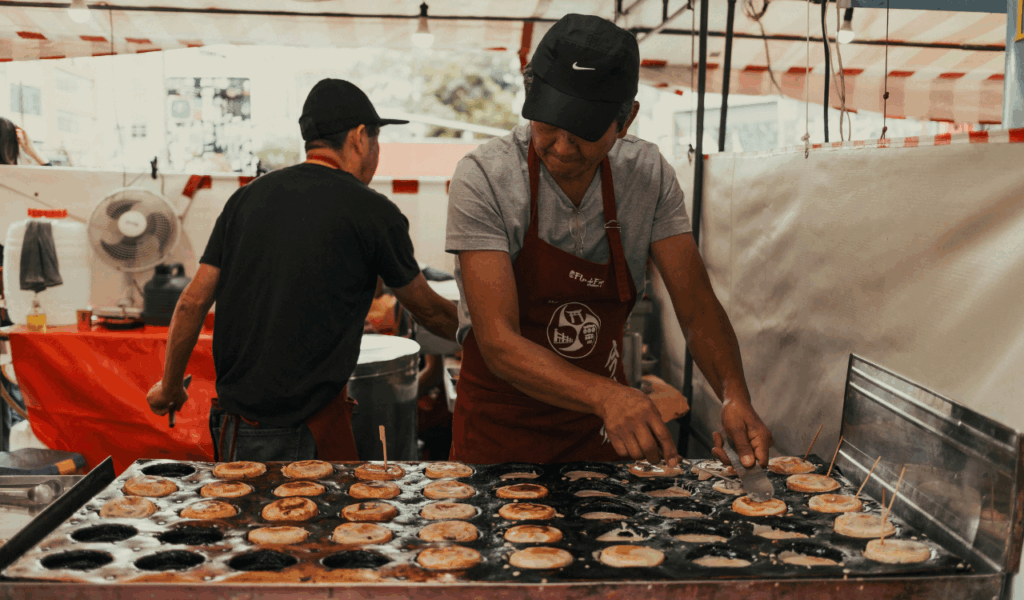
For many Canadians, some of the most memorable foods are handheld, quick, and deeply tied to immigrant communities. That matters because snack culture often shapes how people casually explore new flavors before they ever sit down for a full meal.
Samosas, patties, meat pies, spring rolls, bao, empanadas, falafel, dosa on the go, and skewered grilled meats expanded the idea of what a quick bite could be. These foods offered portability, strong flavor, and price points that welcomed almost anyone.
They also changed public food spaces. Markets, transit-adjacent strips, food courts, festivals, and neighborhood bakeries became places where culinary exchange happened naturally. Long before social media turned street food into content, immigrant vendors made snack culture one of Canada's most dynamic entry points into global eating.
Bakery culture expanded beyond old standards
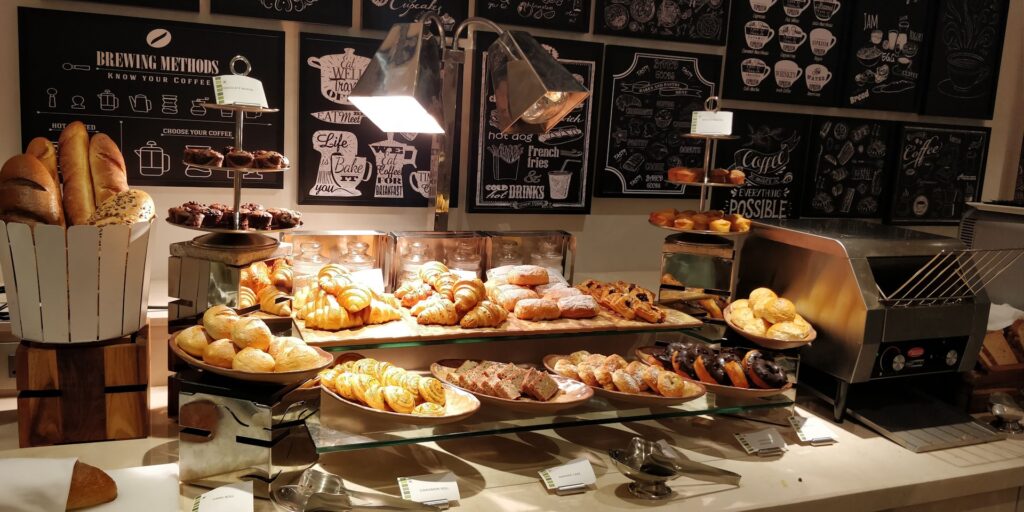
Canada always had bread and pastry traditions, but immigration dramatically broadened what people expected from a bakery. Instead of one dominant model, communities across the country gained access to many kinds of daily baked goods rooted in different homelands.
Italian bakeries popularized espresso culture alongside cannoli, buns, and crusty loaves. Portuguese shops introduced custard tarts and savory snacks to wider audiences. Middle Eastern bakeries brought sesame breads, manakish, and syrup-soaked pastries. East Asian bakeries added milk bread, red bean buns, and delicate cakes.
These were not just treats. They changed shopping habits and neighborhood life. Bakeries became social anchors, morning routines shifted, and Canadians grew used to softer breads, richer pastry traditions, and a much broader idea of what fresh baking could mean.
Home cooking became more adventurous
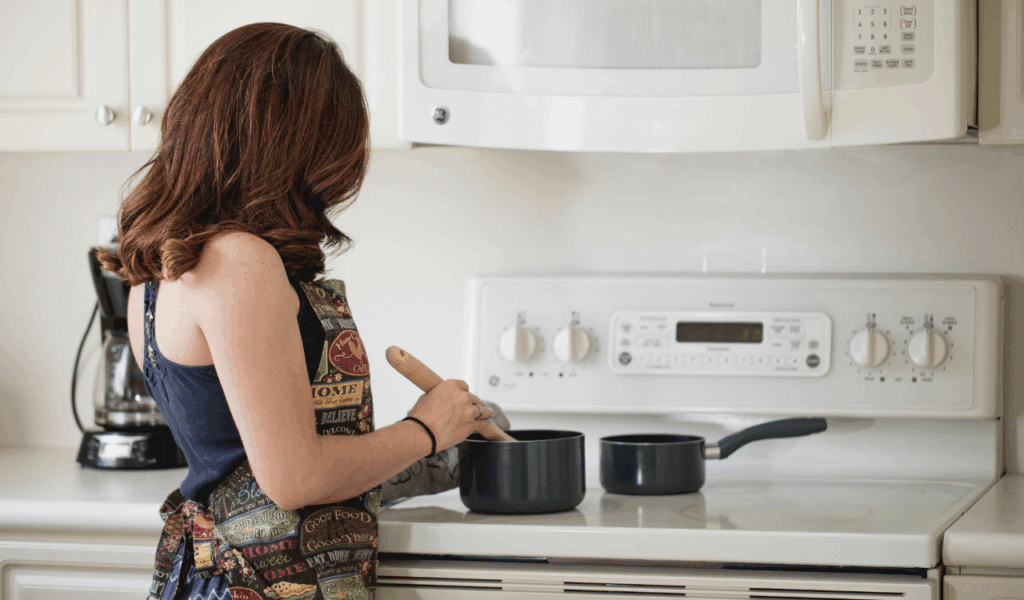
A real food culture shift is not only about restaurants. It shows up when ordinary households change what they cook on a Tuesday night. Immigration influenced Canadian home kitchens by introducing techniques and ingredients that gradually crossed family, neighborhood, and generational lines.
Pressure cookers for dals and stews, wok cooking for speed and texture, marinades built on yogurt or soy, rice as a staple rather than an occasional side, and the use of legumes in everyday meals all became more familiar through immigrant communities and shared local experience.
Cookbooks, community fundraising recipes, school friendships, office potlucks, and mixed families all helped this spread. The result is a country where many home cooks prepare food that would have seemed highly unusual decades ago, yet now feels completely ordinary.
Vegetarian eating gained stronger roots
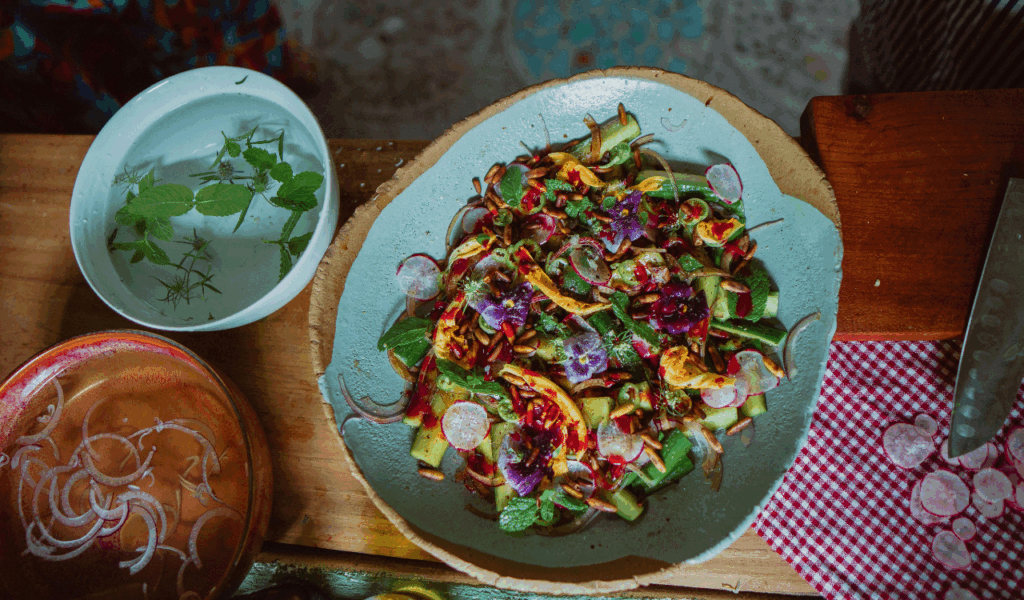
Canada's vegetarian scene is often described today in terms of health trends or modern wellness culture, but immigrant food traditions played a major role long before plant-based eating became a marketing category. Many newcomer communities arrived with sophisticated vegetarian cuisines already fully developed.
South Asian, Middle Eastern, East African, Chinese Buddhist, and Mediterranean food traditions offered rich examples of meatless eating that were practical, satisfying, and deeply flavorful. Lentil dishes, chickpea stews, paneer-based meals, stuffed vegetables, noodle dishes, and tofu preparations showed that vegetarian food could be complete, not restrictive.
This mattered in restaurants and in stores. It widened the market for legumes, spices, soy products, and fresh produce, and helped normalize meatless meals in a country where they were once far less common in mainstream dining.
Late-night eating got its identity from newcomers

Every city has its after-hours food rituals, and in Canada many of those rituals were built by immigrant-owned shops serving workers, students, taxi drivers, bar crowds, and families out late. They filled a real need and gave cities a flavor after dark.
Donair shops, shawarma counters, Chinese restaurants, pizza places, and South Asian eateries often stayed open when much of the conventional dining scene shut down. They became reliable places where people could eat well outside standard schedules.
That changed urban life more than it gets credit for. A city feels different when warm food is available at midnight and beyond. Late-night eating helped define neighborhood identities, supported shift-based economies, and gave generations of Canadians comfort foods tied directly to immigrant entrepreneurship.
Food courts and malls turned into cultural crossroads
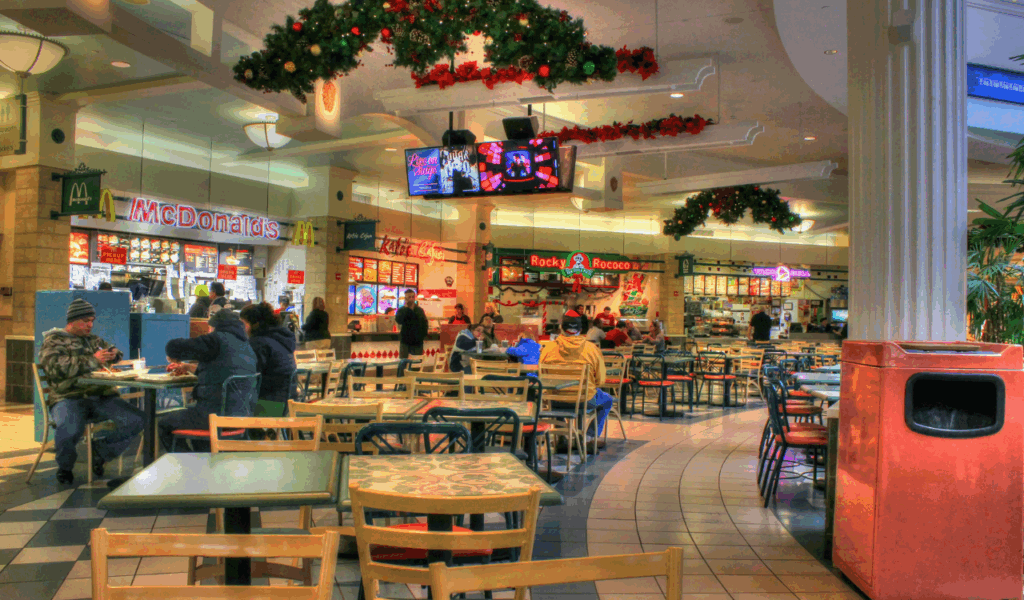
The Canadian mall food court may seem ordinary, but it became one of the country's most underrated spaces for culinary change. As immigrant entrepreneurs opened stalls in shopping centers, office towers, and transit hubs, millions of Canadians encountered dishes they might not have sought out elsewhere.
Teriyaki, butter chicken, sushi, falafel, Thai noodles, Caribbean plates, and Filipino specialties moved into highly accessible, everyday settings. That mattered because exposure became casual rather than ceremonial. People tried new foods between errands, on lunch breaks, or while shopping with family.
Food courts helped flatten the idea that global food was "ethnic" and separate. They made it routine. In many ways, these humble spaces acted like national tasting rooms for an evolving Canada, introducing flavors that later became staples far beyond the mall.
Regional Canadian foods became more hybrid

Canadian cuisine is often discussed as though it sits in fixed regional boxes, but immigration made those boxes more porous. In city after city, local eating habits blended with newcomer traditions and created hybrid foods that now feel completely woven into place.
You can see it in butter chicken poutine, sushi pizza, jerk poutine, kimchi burgers, Lebanese-style pizza, and countless local mash-ups that borrow from more than one culinary language. Some combinations are playful, some controversial, but all reveal how food cultures actually work in real life.
Hybrid dishes are not signs of culinary confusion. They are proof of contact, adaptation, and confidence. They show Canadians becoming comfortable enough with immigrant foods to combine them with local favorites, creating a living cuisine rather than a museum version of one.




Leave a Reply