
Step into a Canadian convenience store and you might think you know the drill: chips, soda, gum, and maybe a coffee machine near the till. Then the truly Canadian details start to appear, and suddenly this everyday stop feels like a crash course in local habits, weather, and food culture. From bagged milk to butter tarts, these are the items visitors often do a double take at, even though Canadians treat them as completely routine.
Bagged milk
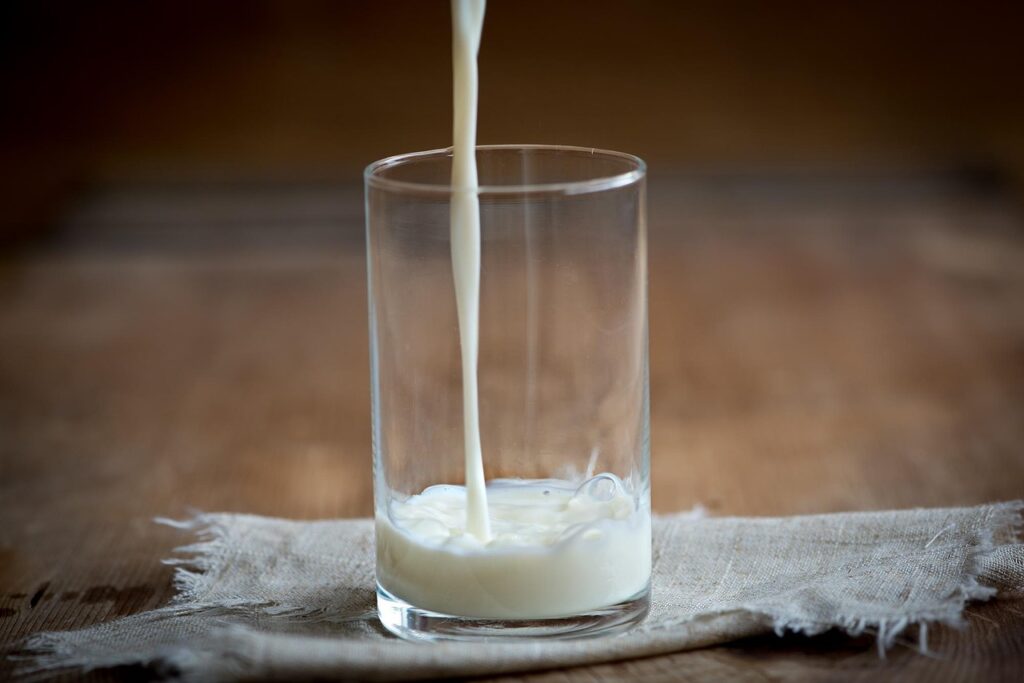
Nothing says "welcome to central Canada" quite like seeing milk sold in floppy plastic pouches instead of rigid jugs. In parts of Ontario, Quebec, and the Maritimes, shoppers buy a larger outer bag containing three smaller milk bags, then snip one open and drop it into a reusable pitcher at home.
To visitors, it can look impractical or even unfinished. But the format became popular because it uses less plastic than hard containers and can be efficient for packaging and transport. Once you know the pitcher routine, it stops looking strange very quickly.
In Canadian convenience stores, especially in neighborhoods where quick top-up shopping is common, bagged milk is just another regular grab-and-go staple.
Coffee crisp bars

A lot of travelers discover Coffee Crisp by accident, usually while reaching for a familiar chocolate bar and spotting a wrapper they do not recognize. Inside, it is a light wafer bar with coffee-flavored candy layers and milk chocolate, and in Canada it has long been a mainstream checkout-lane fixture.
What surprises outsiders is not just the flavor, but how ordinary it is. In many countries, coffee candy feels niche or seasonal. In Canada, this bar is treated with the same casual affection people reserve for standard chocolate brands.
Convenience stores keep it stocked because it is a dependable impulse buy, and for many Canadians it is less a novelty than a snack tied to childhood, road trips, and quick coffee breaks.
Ketchup chips

The idea sounds like a prank until you open the bag. Ketchup chips are one of Canada's most talked-about snack oddities, with a tangy, sweet, salty flavor and a vivid red seasoning that tends to end up on fingertips just as quickly as the chips disappear.
Visitors often expect them to taste exactly like bottled ketchup, but the seasoning is sharper and more concentrated than that. The flavor has become so embedded in Canadian snack culture that locals barely think twice about it, even while international guests keep asking if this is really a permanent thing.
In convenience stores, ketchup chips sit beside all-dressed and dill pickle as if every country does this. That normalcy is part of what makes them so memorable.
All-dressed chips

If one chip flavor could explain Canada's love of bold snack engineering, it might be all-dressed. The seasoning combines notes associated with barbecue, salt and vinegar, ketchup, and sour cream and onion, creating a flavor profile that sounds chaotic on paper but works remarkably well in the bag.
For visitors, the confusing part is the name. "All-dressed" can sound like a salad term or a joke, not a standard potato chip option. In Canada, though, it is a familiar flavor with national recognition and a strong fan base.
Convenience stores sell it because Canadians genuinely buy it as an everyday choice, not as a gimmick. That is often the moment outsiders realize local snack habits follow their own very confident rules.
Caesars in a can
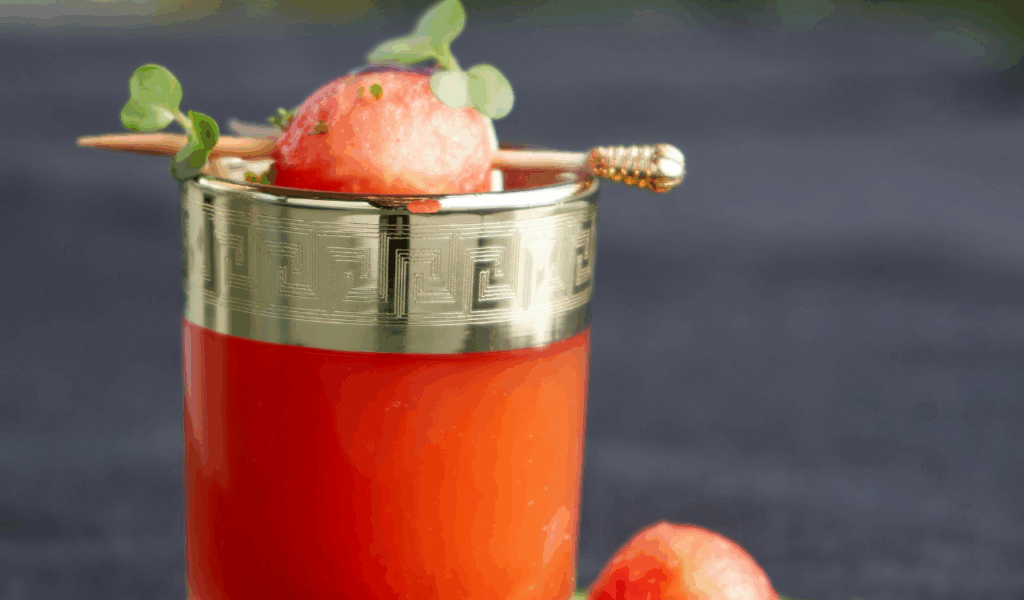
Many travelers know the Bloody Mary. Fewer are ready for the Caesar, Canada's beloved cocktail made with vodka, spices, and clamato, the tomato-clam juice blend that tends to provoke equal parts curiosity and alarm among first-time drinkers. In many Canadian stores where alcohol sales are allowed, ready-to-drink canned Caesars are easy to find.
This is startling for visitors because the flavor sounds improbable before the first sip. Yet the Caesar has deep roots in Canadian drinking culture and is often associated with brunches, cottage weekends, and hockey-night gatherings.
Its canned form makes it even more everyday. What feels bizarre to outsiders is, for many Canadians, just a practical pre-mixed drink chilling in the cooler beside beer and hard seltzer.
Ice wine mini bottles
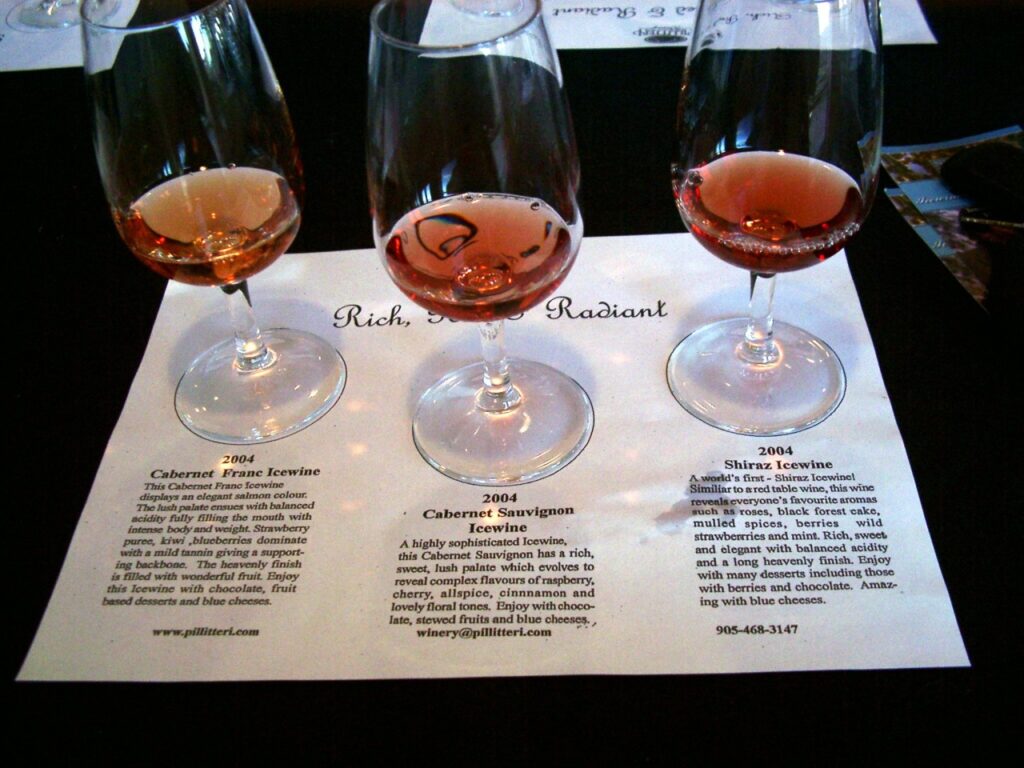
In a lot of places, dessert wine feels like something reserved for specialty shops or airport duty-free. In Canada, especially in regions connected to wine tourism, visitors are often surprised to spot small bottles of ice wine in convenience-oriented retail spaces where local rules permit alcohol sales.
Ice wine is made from grapes frozen naturally on the vine, which concentrates the sugars and creates an intensely sweet, rich wine. Canada, particularly Ontario and British Columbia, is one of the world's best-known producers, so the product carries both prestige and local familiarity.
That combination is what catches tourists off guard. A drink with a luxury reputation can still show up in a very ordinary retail setting, treated as a grab-and-go gift or last-minute treat.
Butter tarts
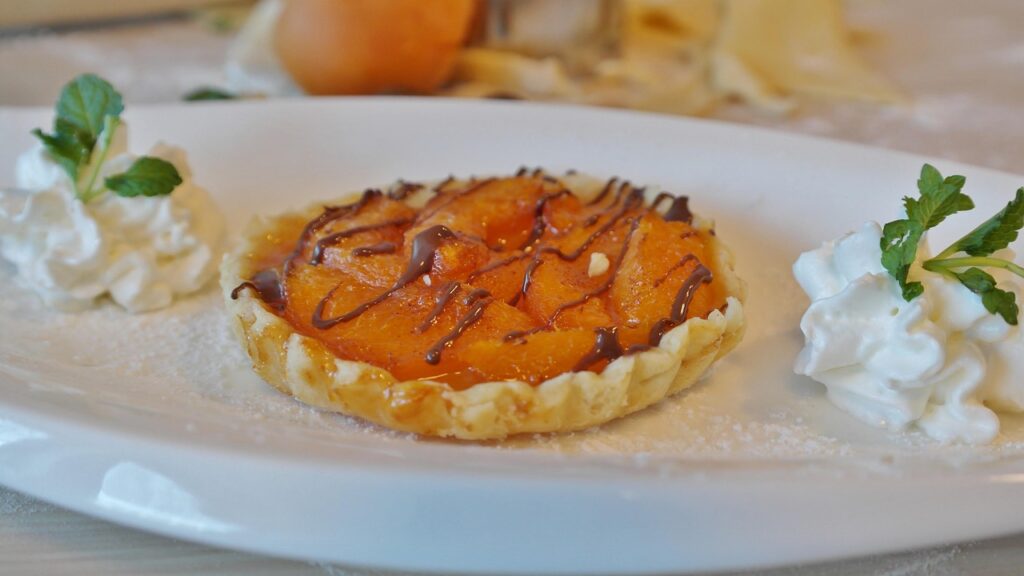
A butter tart can look humble in a convenience store bakery case, but it carries serious cultural weight in Canada. This small pastry, filled with a buttery syrupy mixture and sometimes raisins or pecans, is one of the country's most enduring desserts and a point of fierce regional loyalty.
Visitors often mistake it for a mini pecan pie or assume it is a specialty bakery item. In reality, butter tarts are common enough that even a modest convenience store may stock a packaged version near the coffee station or front counter.
That availability says a lot about Canadian food culture. A classic homemade-style dessert has crossed into everyday retail without losing its identity, which is exactly the kind of thing outsiders do not expect from a quick-stop shop.
Maple candy and maple sugar treats
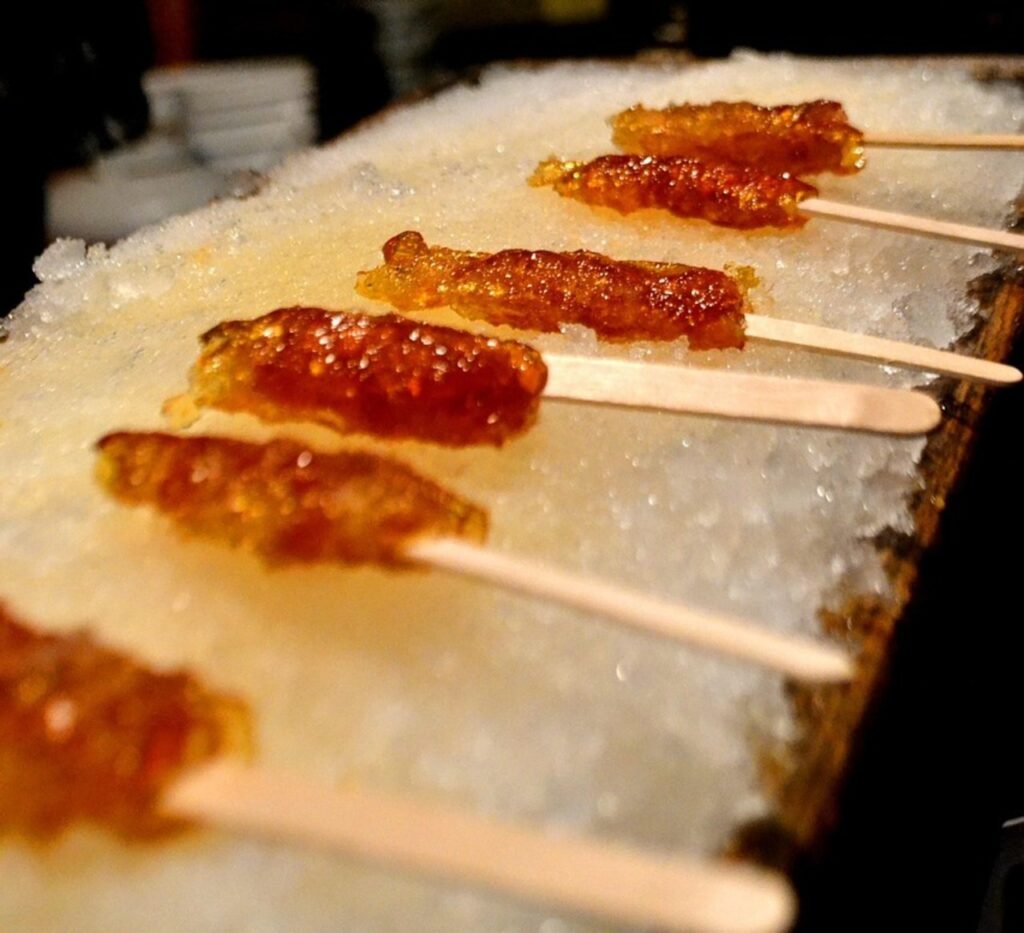
Tourists expect maple syrup in Canada. What they do not always expect is how many forms maple takes once they reach an ordinary convenience store. Maple candies, maple sugar leaves, maple cookies, and maple fudge-style treats often show up on shelves as casually as mints or gum.
Part of the surprise comes from the way maple products function in Canada. They are not just souvenirs for visitors. They are a normal flavor family tied to regional agriculture, seasonal identity, and a long domestic sweet-making tradition, especially in eastern Canada.
In a convenience store, these treats blur the line between local pride and everyday snack food. To Canadians, that feels natural. To visitors, it can feel like the country has turned a national symbol into an entire candy aisle.
Squeaky cheese curds
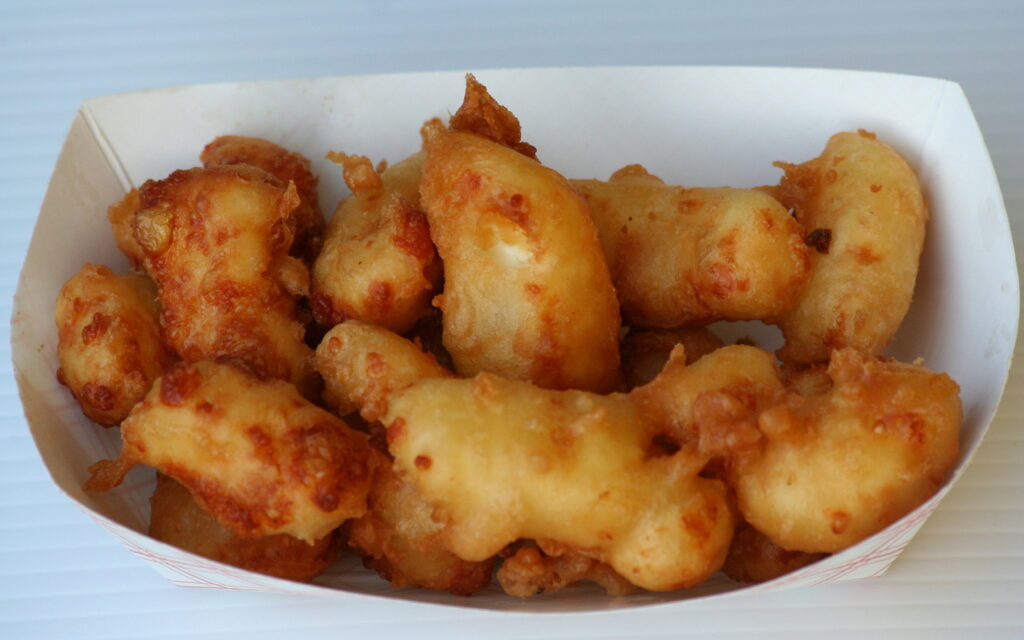
For many visitors, the first surprise is that cheese curds are sold so casually at all. The second is that people talk about the "squeak" as if it is an essential quality marker. In parts of Canada, especially Quebec and nearby regions, fresh cheese curds can appear in convenience stores as a normal snack item.
Their importance is tied closely to poutine, where fresh curds are expected to hold their shape and soften under hot gravy without fully melting away. That means access matters, and local retail channels often reflect that demand.
To outsiders, chilled or room-temperature curds near the counter can seem oddly specific. To Canadians, especially in poutine country, they are simply part of the food landscape and nothing remotely unusual.
Nanaimo bars
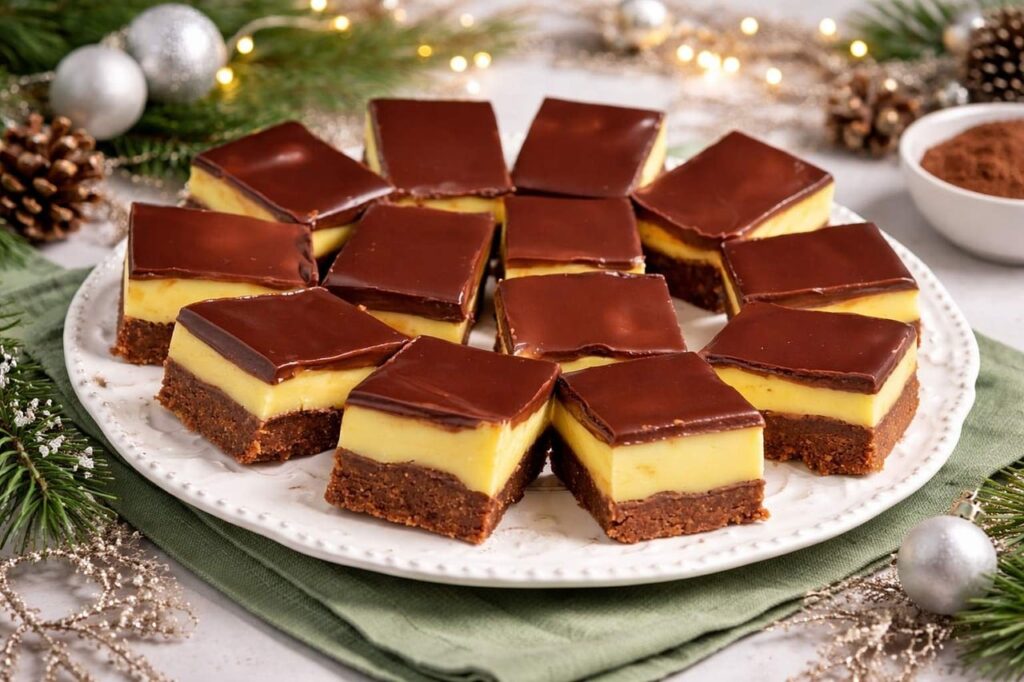
Some desserts announce themselves loudly. Nanaimo bars do the opposite. At a glance, they can look like just another chocolate square, but the layered combination of crumb base, custard-flavored middle, and chocolate top makes them distinctly Canadian and instantly recognizable to those who grew up with them.
Named after Nanaimo, British Columbia, the bar has spread far beyond its home region and turned into a national dessert shorthand. Visitors are often surprised to find it in ordinary stores, tucked beside brownies and date squares rather than presented as a specialty item.
That low-key placement is part of the charm. In Canada, Nanaimo bars are common enough to be treated as routine, even though many international shoppers would consider them a bakery discovery worth talking about all day.
Road-trip gravy and poutine supplies
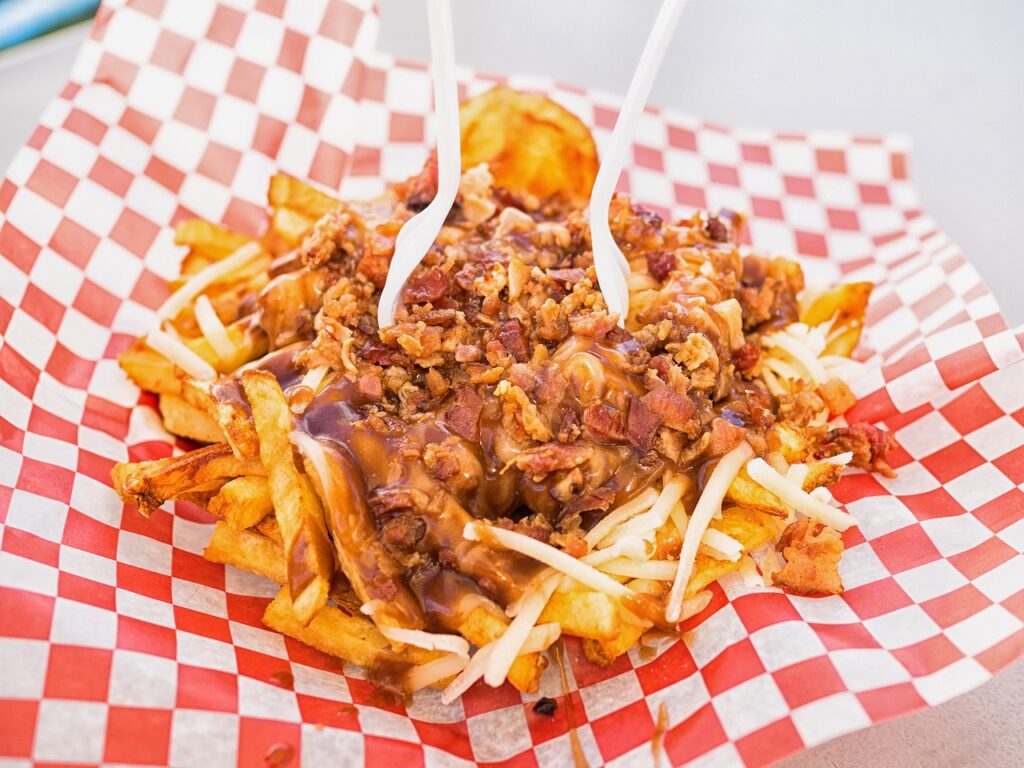
A surprising number of Canadian convenience stores are ready for poutine cravings at short notice. Depending on the location, that can mean hot poutine at the counter, cups of gravy, packets of poutine sauce mix, fries from a fryer, or nearby access to cheese curds and frozen potato products in one quick stop.
This stands out to visitors because poutine is often discussed abroad like a bucket-list dish, something to seek out at a famous diner or specialty restaurant. In Canada, especially in Quebec and along major road routes, it can be much more ordinary than that.
The convenience-store version reflects how deeply the dish has settled into daily life. What outsiders see as iconic comfort food often functions locally as a practical meal between destinations.




Leave a Reply