
Canada has a strong food safety system, but many everyday ingredients on grocery shelves begin their journey in countries with weaker oversight, fewer inspections, or more persistent contamination problems. That does not mean every imported product is unsafe, but it does mean the level of risk can vary widely before those goods ever reach a Canadian port. This gallery looks at 11 ingredients Canada imports from countries where food safety enforcement often falls well below Canada's own standards, and explains why that matters in practical, easy-to-understand terms.
Shrimp
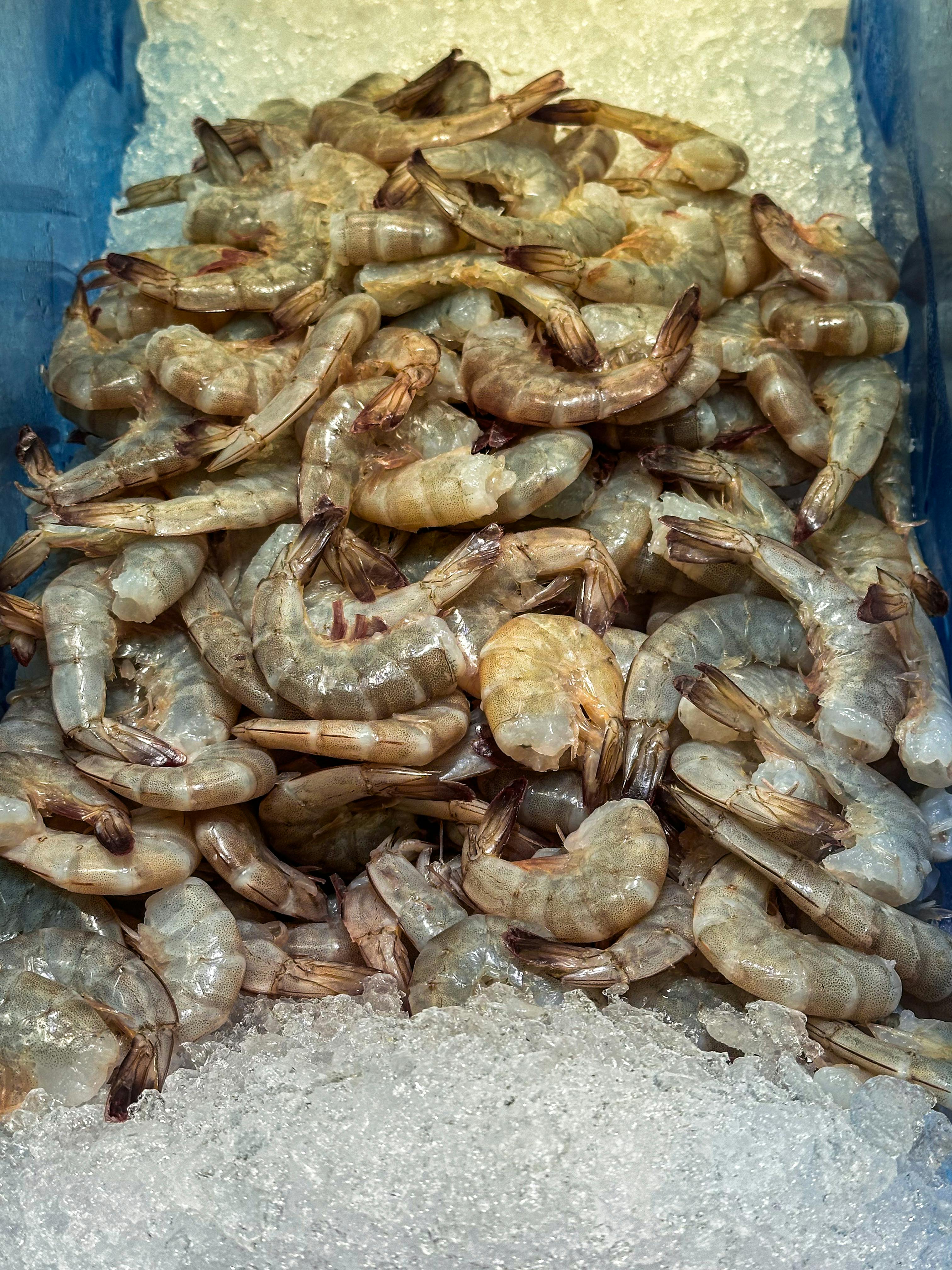
Shrimp is one of the clearest examples of how a popular ingredient can carry a complicated safety story. Canada imports large volumes from countries such as India, Vietnam, Thailand, and Indonesia, where aquaculture oversight can be uneven and where regulators have repeatedly flagged antibiotic use, contaminated water, and poor processing hygiene.
In some exporting regions, shrimp is farmed in crowded ponds that are vulnerable to bacterial contamination and chemical misuse. International monitoring programs have occasionally found residues of banned veterinary drugs and sanitation lapses in processing plants.
Canadian border testing helps catch some problems, but it cannot inspect every shipment in full. For shoppers, frozen shrimp may look simple in the bag, yet its safety depends heavily on farming, handling, and enforcement standards far from home.
Tilapia
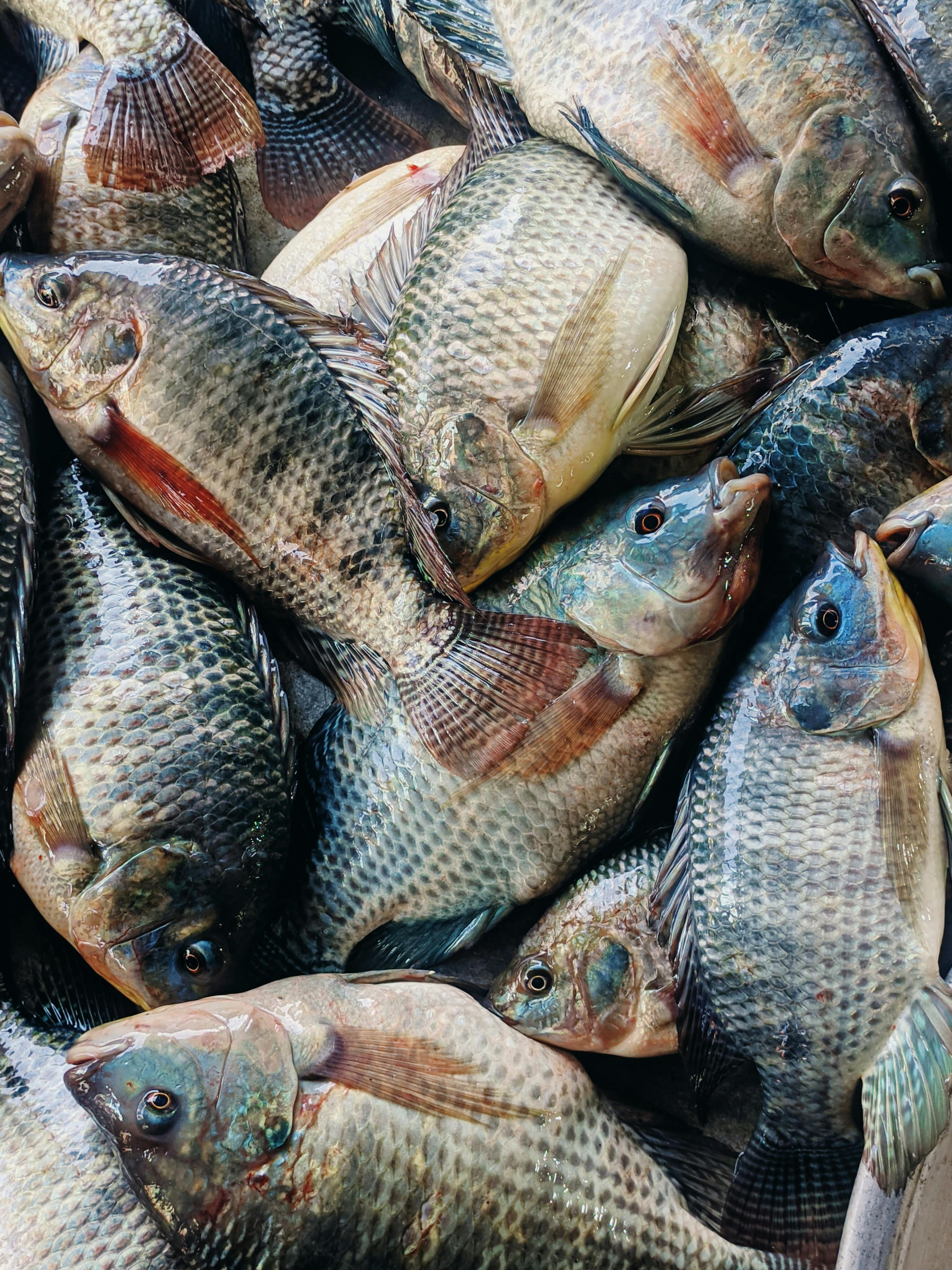
Tilapia often enters Canada as an affordable, mild white fish, but its low price can reflect production systems with weak oversight. Major global suppliers include China and several developing aquaculture regions where feed quality, water cleanliness, and disease controls may not match the standards Canadian consumers expect.
Fish raised in polluted waters can be exposed to pathogens, heavy metals, or unsafe veterinary treatments. Processing conditions matter just as much. If filleting plants lack strong temperature control or sanitation, contamination risks can rise quickly before export.
Canada requires imported fish to meet its rules, but compliance abroad depends on the exporting country's own inspection culture. With tilapia, the concern is less about the species itself and more about the conditions in which it was farmed and processed.
Rice
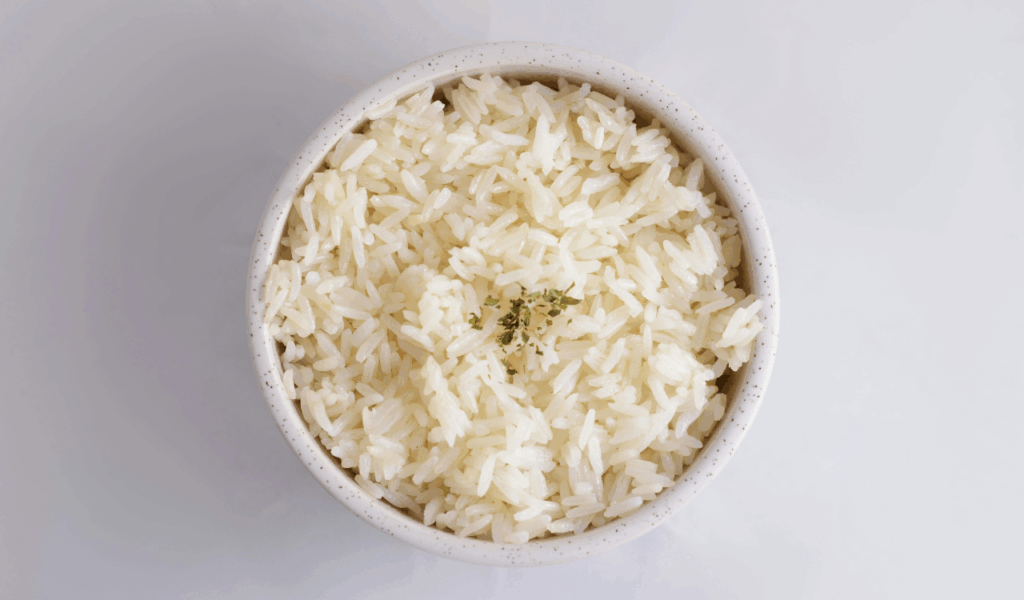
Rice seems shelf-stable and low risk, yet imported rice can come with concerns that start in the field rather than the factory. Canada imports rice from countries including India, Pakistan, Thailand, Vietnam, and the United States, and some exporting regions have faced scrutiny over pesticide residues, storage contamination, and naturally occurring arsenic levels.
Where regulation is weaker, farmers may use crop chemicals in ways that exceed Canadian expectations, and post-harvest storage can be vulnerable to insects, mold, and poor moisture control. A grain that looks perfectly clean can still carry a hidden history of mishandling.
Because rice is eaten so widely and often by children, even low-level contamination matters. It is a useful reminder that food safety is not only about spoilage. It is also about long-term exposure and the reliability of agricultural controls abroad.
Frozen Berries
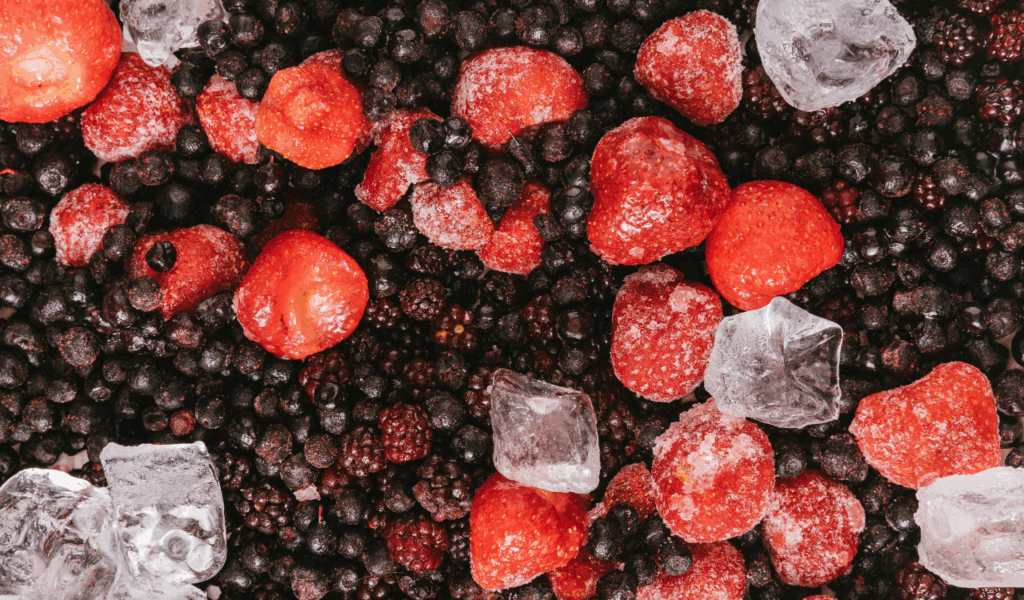
Frozen berries have developed a reputation for convenience, but they have also been linked globally to foodborne illness concerns. Canada imports berries from countries such as China, Serbia, Chile, and others where sanitation controls, irrigation water standards, and worker hygiene rules may be less consistent than in Canada.
The big issue is that freezing does not kill every pathogen. Viruses like hepatitis A and norovirus can survive cold storage, which means contamination during harvesting or packing can remain a problem until the berries are eaten.
That matters most because frozen berries are often used in smoothies or desserts without cooking. A product that looks pristine can still pose a risk if upstream controls were weak. In this case, the safety gap is often invisible, and that is exactly what makes it worth understanding.
Leafy Greens
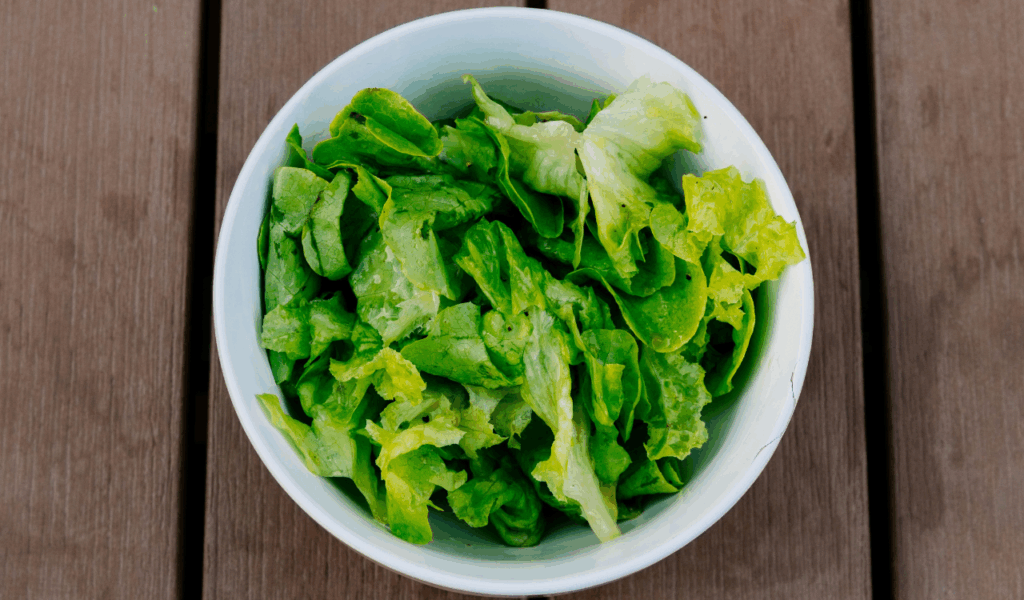
Leafy greens are delicate, fast-moving, and highly vulnerable to contamination, which makes them a serious food safety test for any country. While Canada grows some greens domestically, it also imports lettuce, spinach, and mixed salad ingredients from places including the United States and Mexico, where standards can vary sharply by region and producer.
The core problem is exposure to unsafe water, animal waste, or unsanitary handling during harvest and packaging. Once pathogens like E. coli, Salmonella, or Listeria get onto leaves, they can be difficult to remove completely.
Because greens are usually eaten raw, there is no cooking step to reduce the risk. A fresh-looking salad can therefore depend on farm conditions hundreds or thousands of kilometres away. The margin for error is small, and weaker oversight raises the stakes.
Green Onions
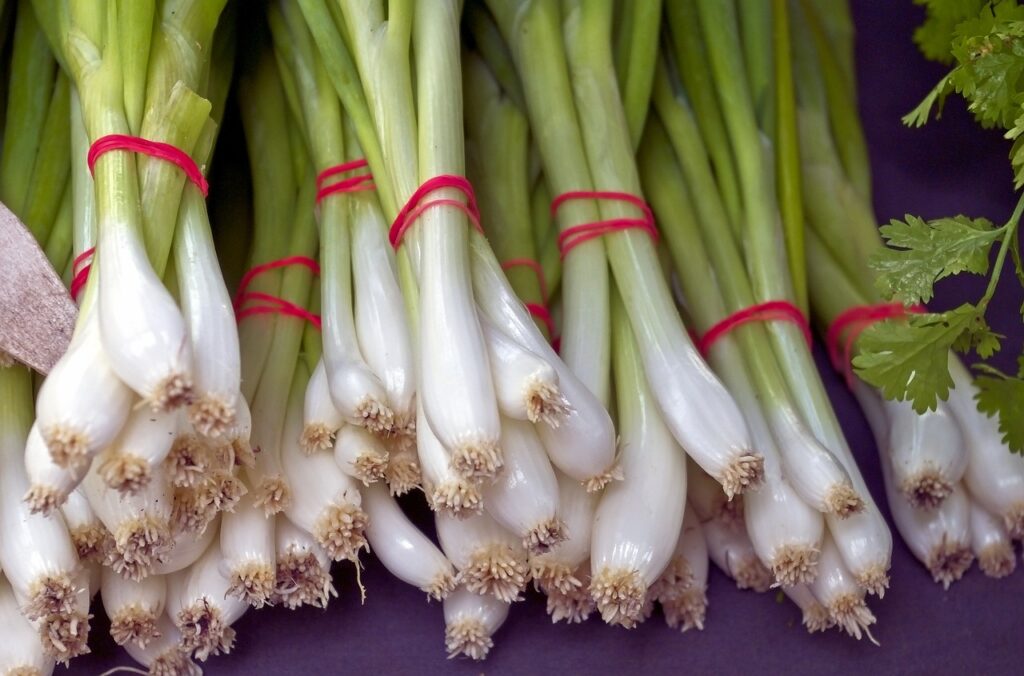
Green onions have a history that food safety experts remember well because they have been tied to major outbreaks in North America. Canada imports them from countries including Mexico, where agricultural operations range from highly modern to minimally supervised, and where water quality and field sanitation can differ dramatically.
These slender vegetables are often grown low to the ground and handled repeatedly, which creates multiple opportunities for contamination. If irrigation water is tainted or workers lack proper hygiene facilities, harmful microbes can make their way onto the crop.
Green onions also tend to be used raw in salads, garnishes, and quick meals. That makes preventive controls especially important. When those controls are uneven in the exporting country, even a simple bunch of onions can carry more risk than shoppers realize.
Papayas

Papayas are bright, fragrant, and highly perishable, which means safety depends on fast, clean handling from farm to shipment. Canada imports them from countries such as Mexico, Brazil, and other tropical producers where inspection systems may be less robust and where past recalls have raised concerns about Salmonella contamination.
The risk often begins in the growing environment. Contaminated water, poor worker hygiene, and dirty packing surfaces can transfer pathogens onto the fruit's skin. Once the papaya is cut at home, those microbes can move from the peel to the flesh.
Unlike foods that are cooked thoroughly, papayas are usually eaten fresh. That leaves little room for error. A tropical fruit may look harmless in the produce aisle, but its safety depends on conditions that consumers never see and cannot judge by appearance alone.
Spices
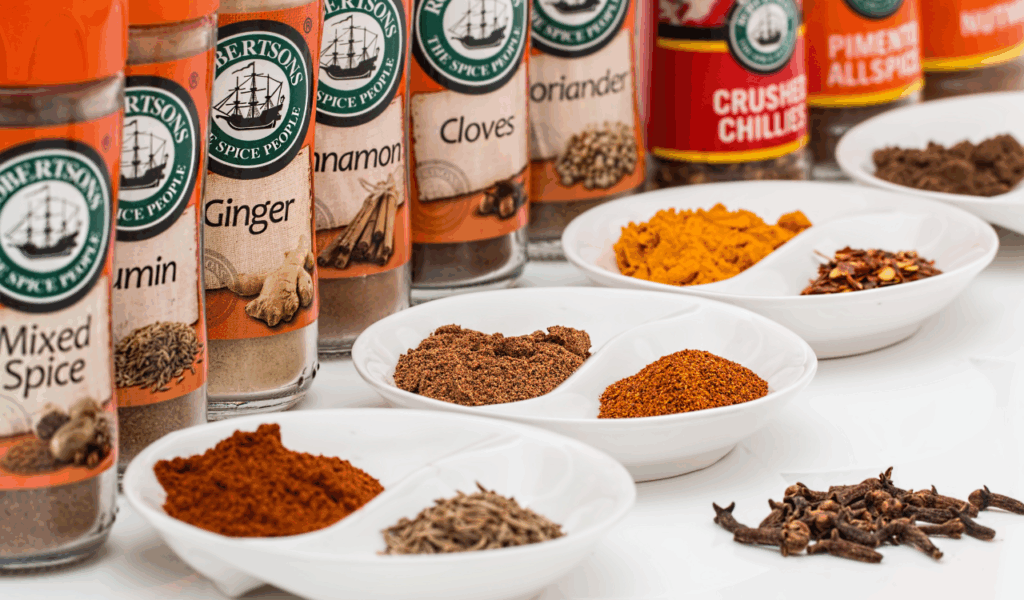
Spices are tiny ingredients with an outsized safety challenge. Canada imports black pepper, cumin, turmeric, chili powder, and many blended seasonings from countries such as India, China, Vietnam, and others where drying, storage, and contamination controls are not always reliable.
Because spices are harvested, dried, ground, and transported through many hands, they can pick up Salmonella, mold, insect fragments, or undeclared fillers along the way. Some international investigations have also found excessive residues, dyes, or adulteration in certain spice products.
What makes spices tricky is that they are used in small amounts, so problems can go unnoticed until a contaminated batch is widely distributed. Their dry texture gives a false sense of safety. In reality, a pinch of seasoning can reflect a long and poorly controlled supply chain.
Honey
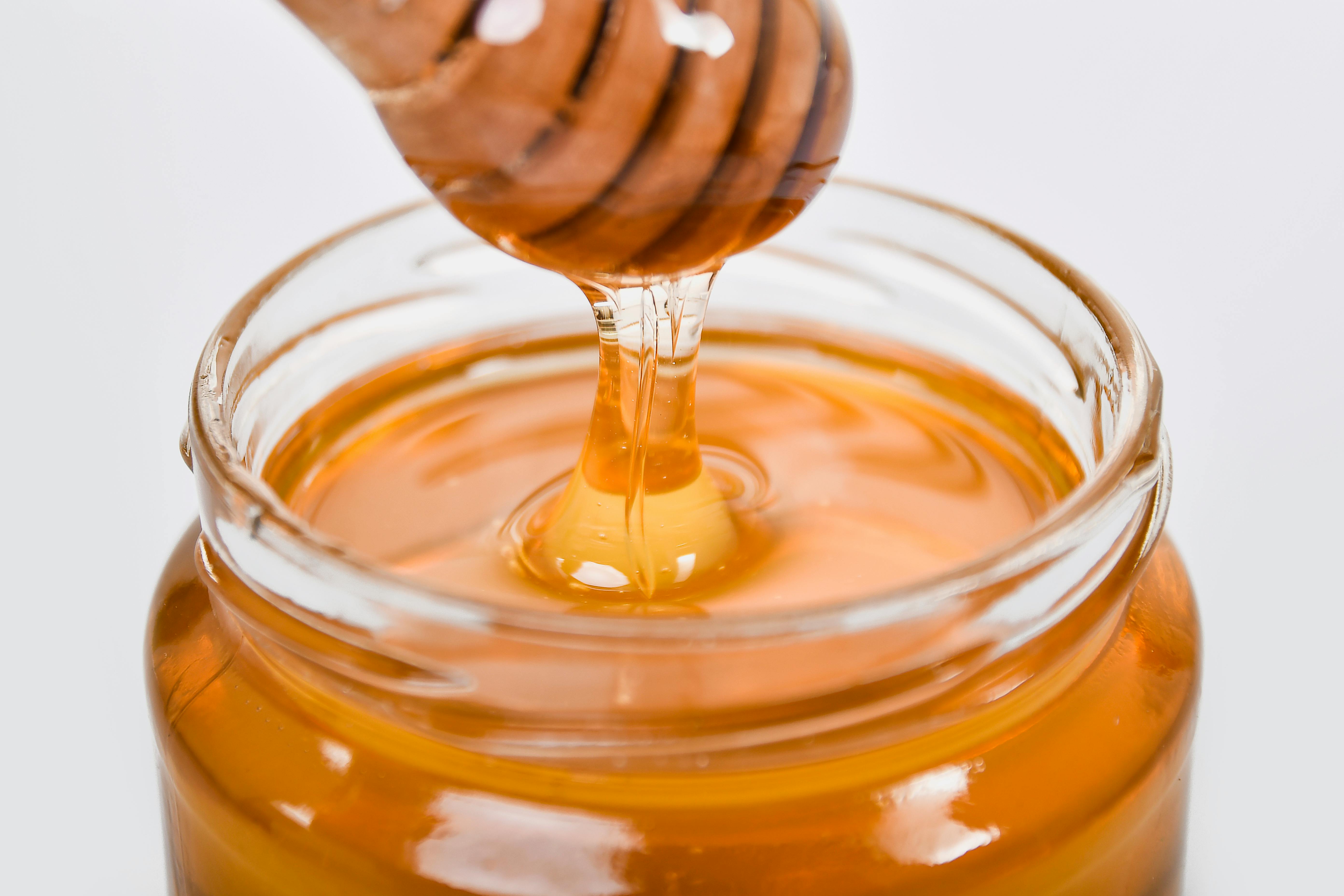
Honey carries a wholesome image, yet imported honey is one of the foods most often discussed in connection with adulteration and weak traceability. Canada brings in honey from countries including China, India, and Vietnam, where oversight can be inconsistent and where regulators in various markets have examined products for contamination, dilution, or mislabelling.
The safety concern is not only fraud, though that is part of it. Honey can also contain residues from veterinary drugs, pesticides, or environmental contaminants if beekeeping and processing are poorly supervised.
Tracing where honey really comes from can be difficult once it is blended, filtered, or rerouted through other countries. That makes it harder for import controls to work perfectly. For consumers, a golden jar on the shelf may hide a supply chain that is far less transparent than it appears.
Garlic
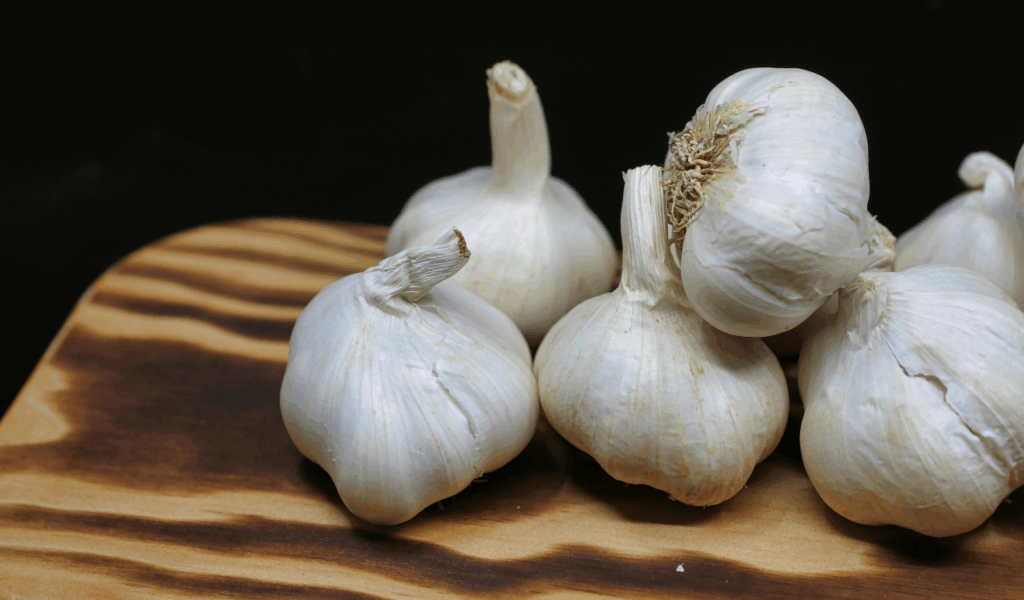
Garlic may look tough and protective in its papery skin, but imported garlic can raise questions about farming chemicals, bleaching practices, and storage conditions. Canada imports a significant share from China, the dominant global supplier, where production scale is enormous and enforcement quality can vary by region and processor.
Concerns around garlic have included pesticide residues, sulphite or chlorine-related treatment during post-harvest handling, and questionable cleanliness in peeling and packing operations. Even when individual shipments meet legal limits, the broader issue is how much confidence buyers can place in oversight at every stage.
Because garlic is used in so many prepared foods, sauces, and seasonings, supply chain problems can spread widely. It is another example of a basic kitchen staple whose risk profile depends heavily on standards outside Canada's direct control.
Mushrooms
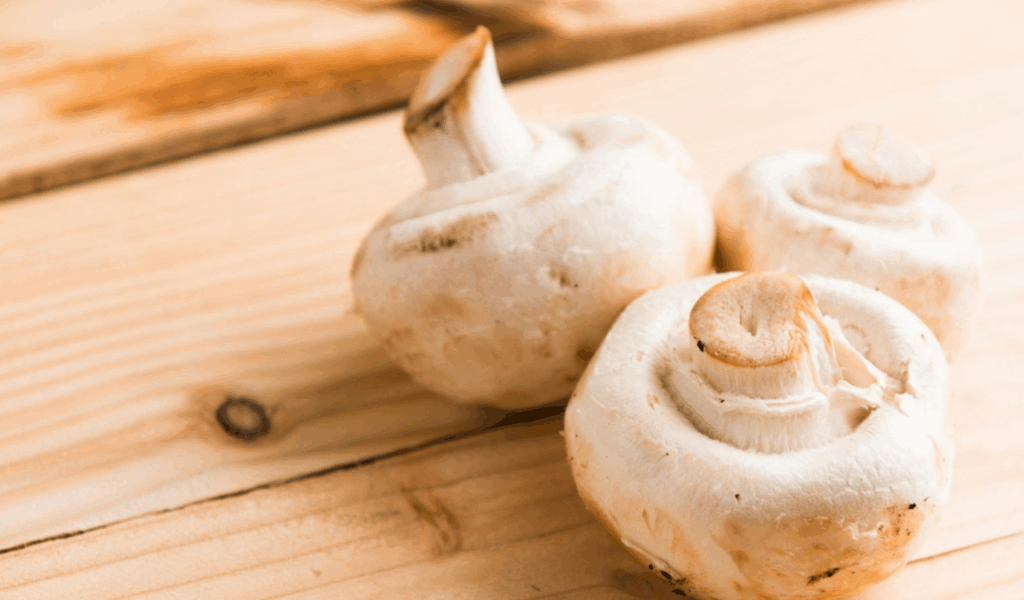
Mushrooms are moisture-rich, porous, and highly sensitive to growing conditions, which makes safe cultivation essential. Canada imports canned and fresh mushrooms from countries including China and others where agricultural inputs, substrate quality, and plant sanitation may not always be monitored to the same degree as in Canada.
Because mushrooms can absorb compounds from their environment, the cleanliness of water, compost, and handling surfaces matters a great deal. In lower-oversight settings, concerns can include microbial contamination, chemical residues, and poor canning controls that increase the risk of spoilage or worse.
Fresh mushrooms often look neat and uniform on store shelves, but appearance tells only a small part of the story. With fungi, the real safety question lies in what they were grown on, how they were processed, and whether anyone along the chain was checking carefully.




Leave a Reply