
World War II changed the way Canadians shopped, cooked, and ate. With ration books, shortages, and strict rules on staples like sugar, butter, and meat, households learned to stretch simple ingredients into dependable meals. These 11 foods tell the story of resilience on the Canadian home front, where thrift and creativity became part of daily life.
Potatoes
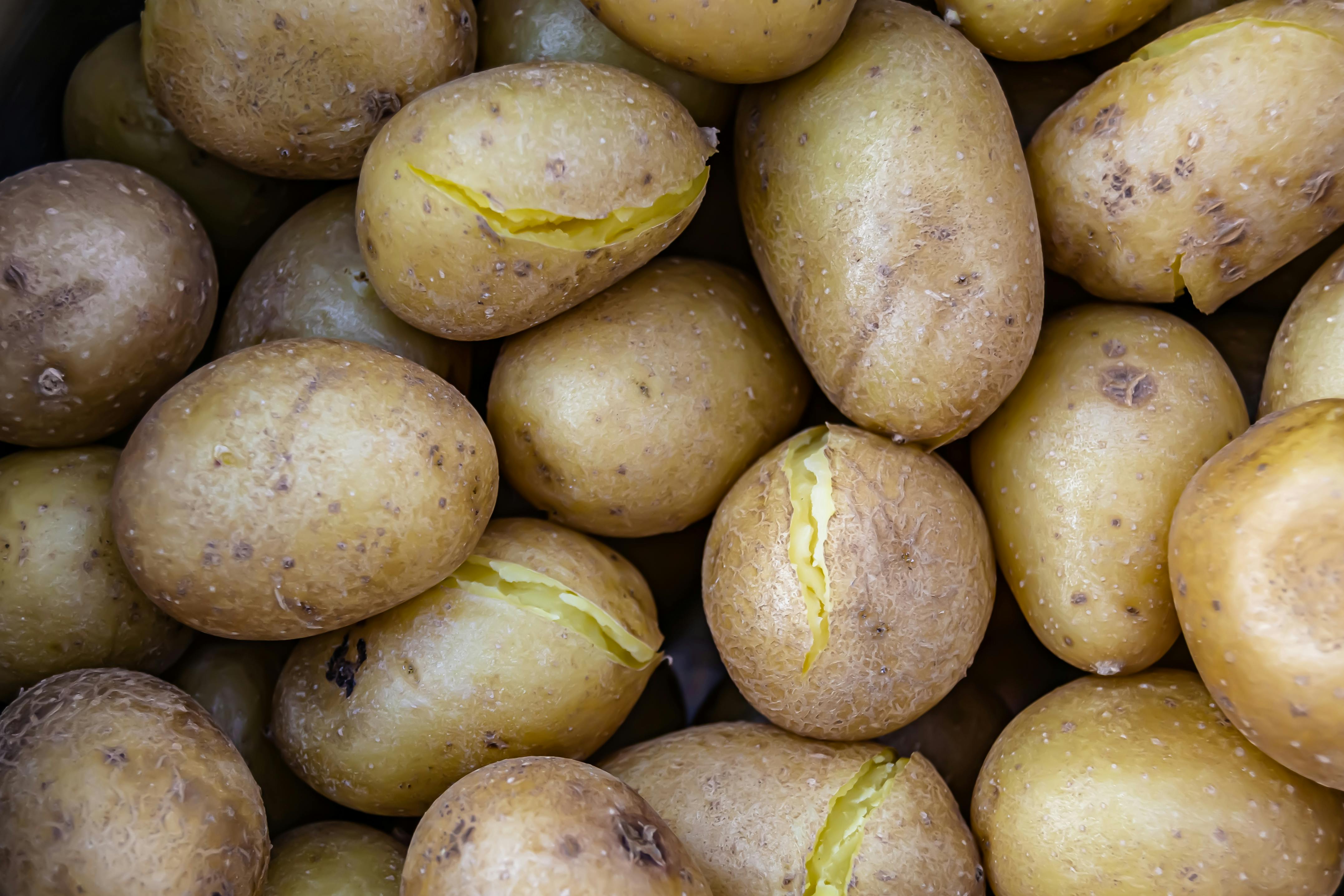
Few foods worked harder in wartime kitchens than the potato. Cheap, filling, and easy to store through cold Canadian months, it gave families a reliable base for meals when pricier ingredients were limited or rationed.
Boiled, mashed, baked, or fried in modest amounts of fat, potatoes could appear at breakfast, dinner, and supper. They also helped stretch stews and meat dishes, making small portions go further without leaving anyone feeling hungry.
Bread
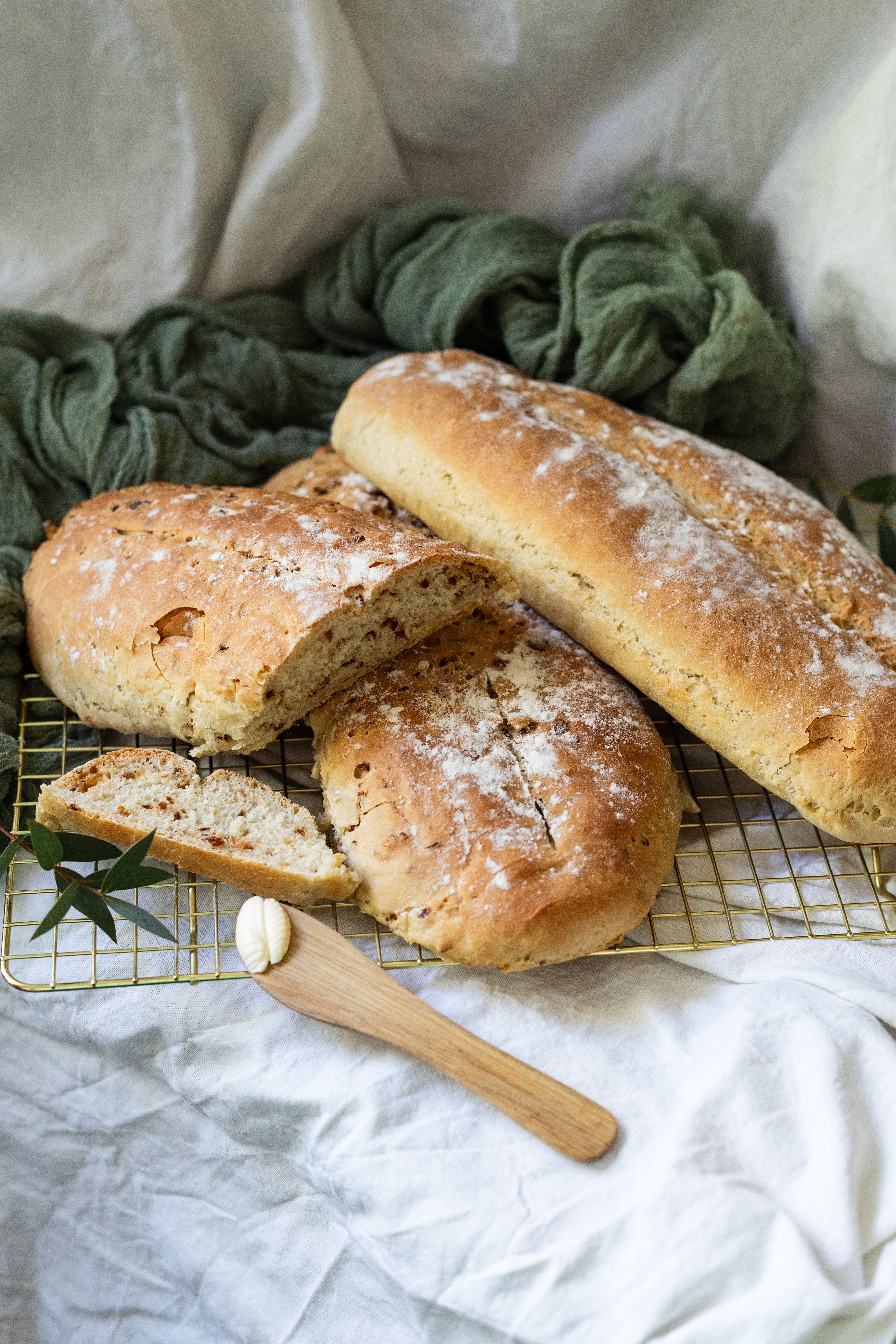
Bread was more than a side on the wartime table. It was a daily anchor, giving families a familiar, affordable food they could build meals around when meat, butter, and sweets had to be used carefully.
Homemade loaves were especially important because they offered control over portions and ingredients. Day-old bread was never wasted either. It became toast, bread pudding, stuffing, breadcrumbs, or the base for simple suppers that kept kitchens economical and resourceful.
Oatmeal
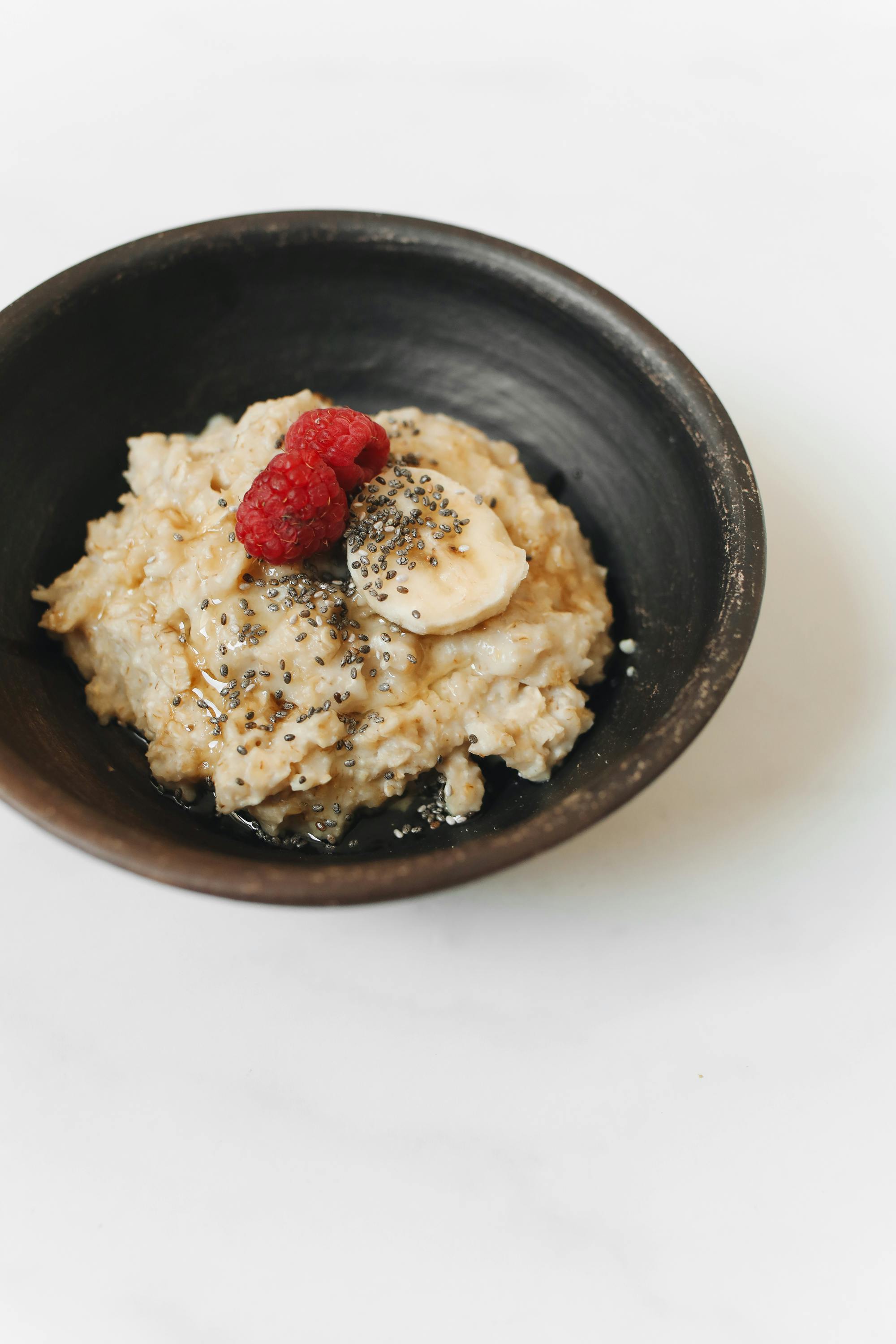
Oatmeal offered exactly what wartime households needed most in the morning: warmth, value, and staying power. In a country with deep ties to oat farming, it was a practical staple that could feed children and adults alike without straining the budget.
Served as porridge, baked into cookies, or mixed into meatloaf and patties, oats pulled double duty. They nourished, filled gaps left by rationed foods, and helped cooks make modest ingredients feel more substantial and satisfying.
Canned Fish

When fresh meat was tightly managed, canned fish became a smart standby. Salmon, sardines, and tuna brought protein to the table without needing daily shopping, and they kept well in pantries across cities, towns, and remote communities.
Cooks turned canned fish into sandwiches, croquettes, casseroles, and spreads for crackers or toast. It was convenient, shelf-stable, and versatile. In wartime, those qualities mattered just as much as taste, especially for households watching every ration coupon closely.
Beans
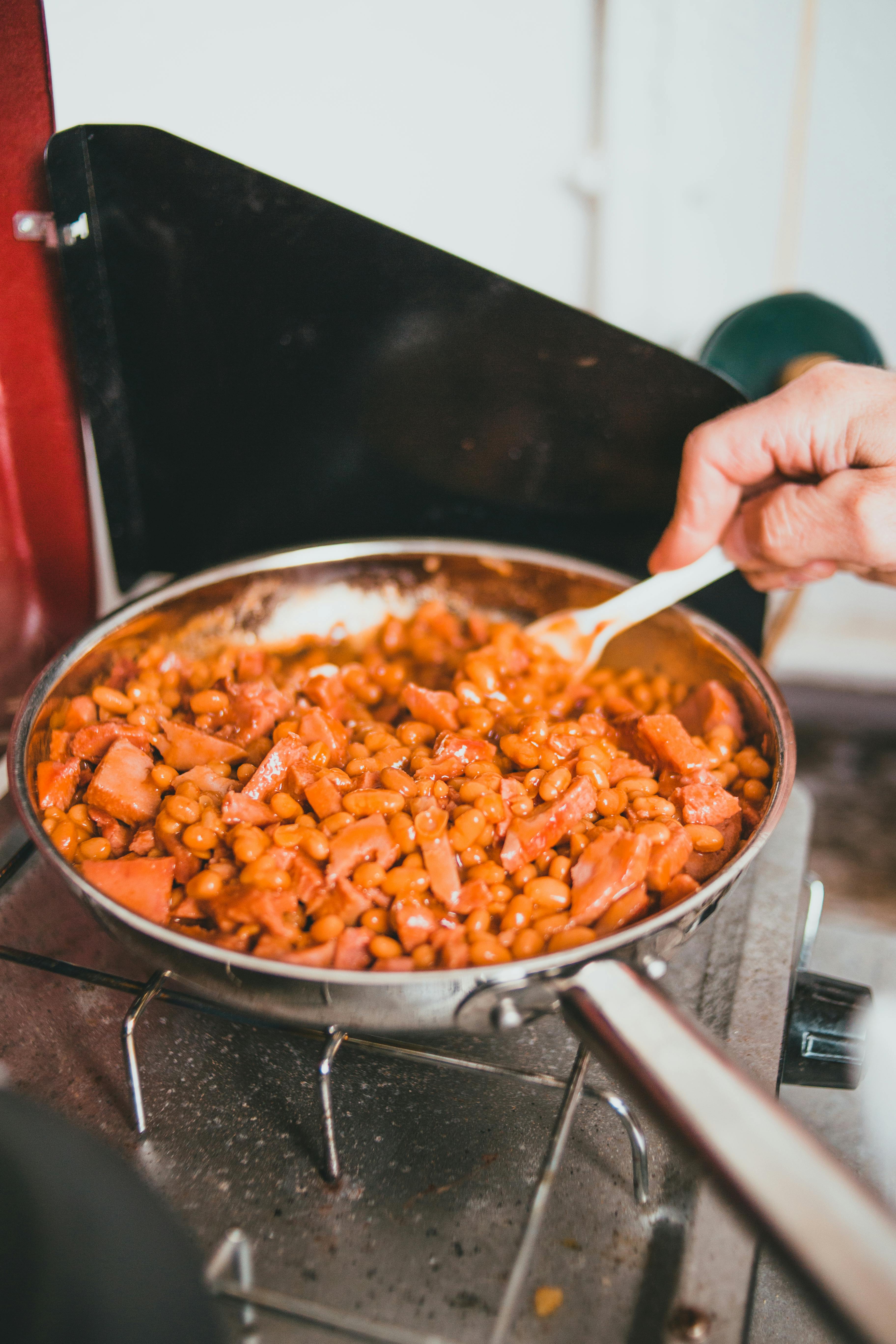
Beans were quiet heroes of the wartime diet. They were inexpensive, packed with protein, and could stand in for meat when ration limits made beef, pork, or bacon harder to serve as often as families once had.
Baked beans, bean soups, and stews were common because they stretched beautifully over several meals. Dried beans took time to prepare, but that patience paid off. They stored well, fed many people, and made thrift feel like good sense rather than sacrifice.
Milk

Milk remained an important everyday food, especially for children, and nutrition campaigns during the war often emphasized its value. It brought protein, calcium, and familiarity to a table that was otherwise shaped by limits and substitutions.
Families drank it plain, poured it over cereal, and used it in sauces, puddings, soups, and baking. Evaporated milk was also useful because it kept longer than fresh milk. That made it a practical backup in a period when efficient household management mattered deeply.
Carrots

Carrots earned their place by being dependable, affordable, and surprisingly adaptable. They grew well in Canada, stored nicely, and added color and sweetness to meals at a time when every ingredient had to justify its place in the pot.
They showed up in soups, stews, roasts, salads, and even desserts when sugar was scarce and natural sweetness was welcome. Wartime cooks also used carrots to bulk up dishes, proving that a humble root vegetable could carry more weight than anyone expected.
Cabbage
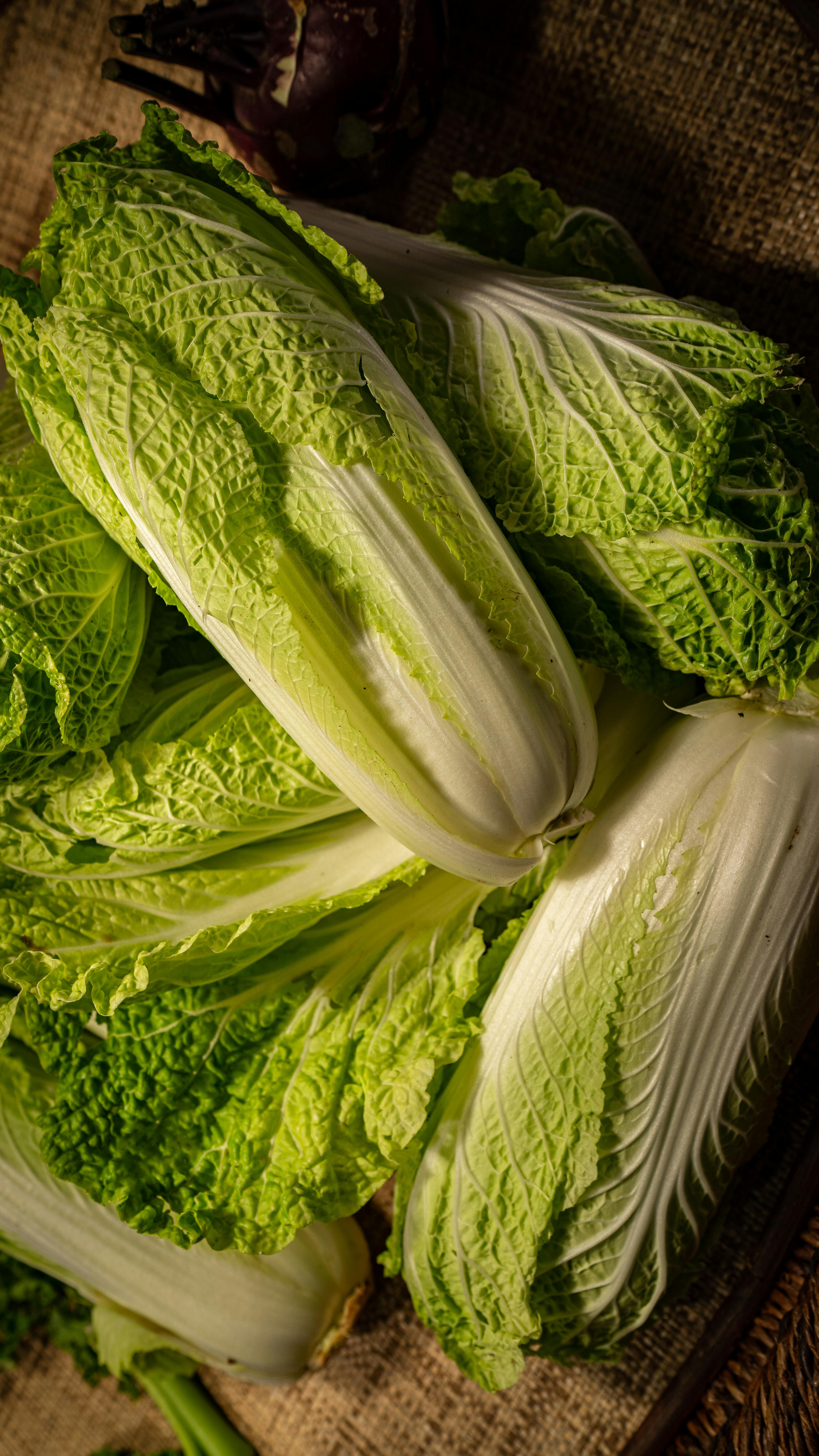
Cabbage was the sort of practical vegetable wartime households appreciated immediately. It was inexpensive, lasted a long time in cool storage, and could feed a family in many forms without demanding much from the ration book.
Shredded into slaws, simmered in soups, fried lightly, or cooked with whatever meat was available, cabbage was endlessly useful. It also paired well with potatoes and onions, creating simple, hearty combinations that suited both frugal budgets and cold-weather appetites.
Turnips
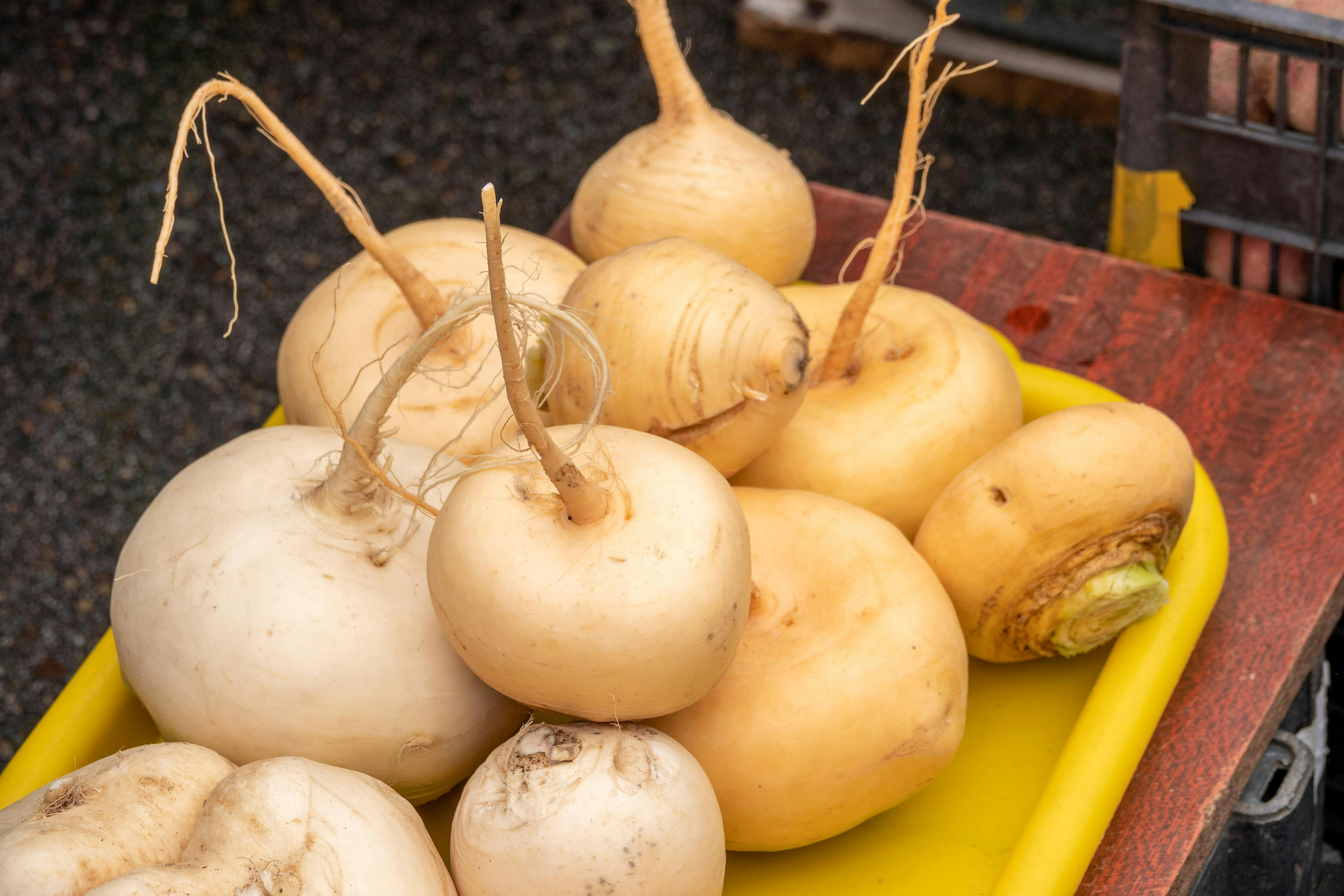
Turnips may not have inspired excitement, but they absolutely earned respect. As a hardy root vegetable that stored well through winter, they were a sensible choice for Canadian households trying to make local produce last as long as possible.
Often mashed, boiled, or folded into stews, turnips added substance and an earthy flavor that matched the season. They were also part of a broader wartime habit of relying on sturdy vegetables that could be grown at home or bought cheaply and used without waste.
Apples
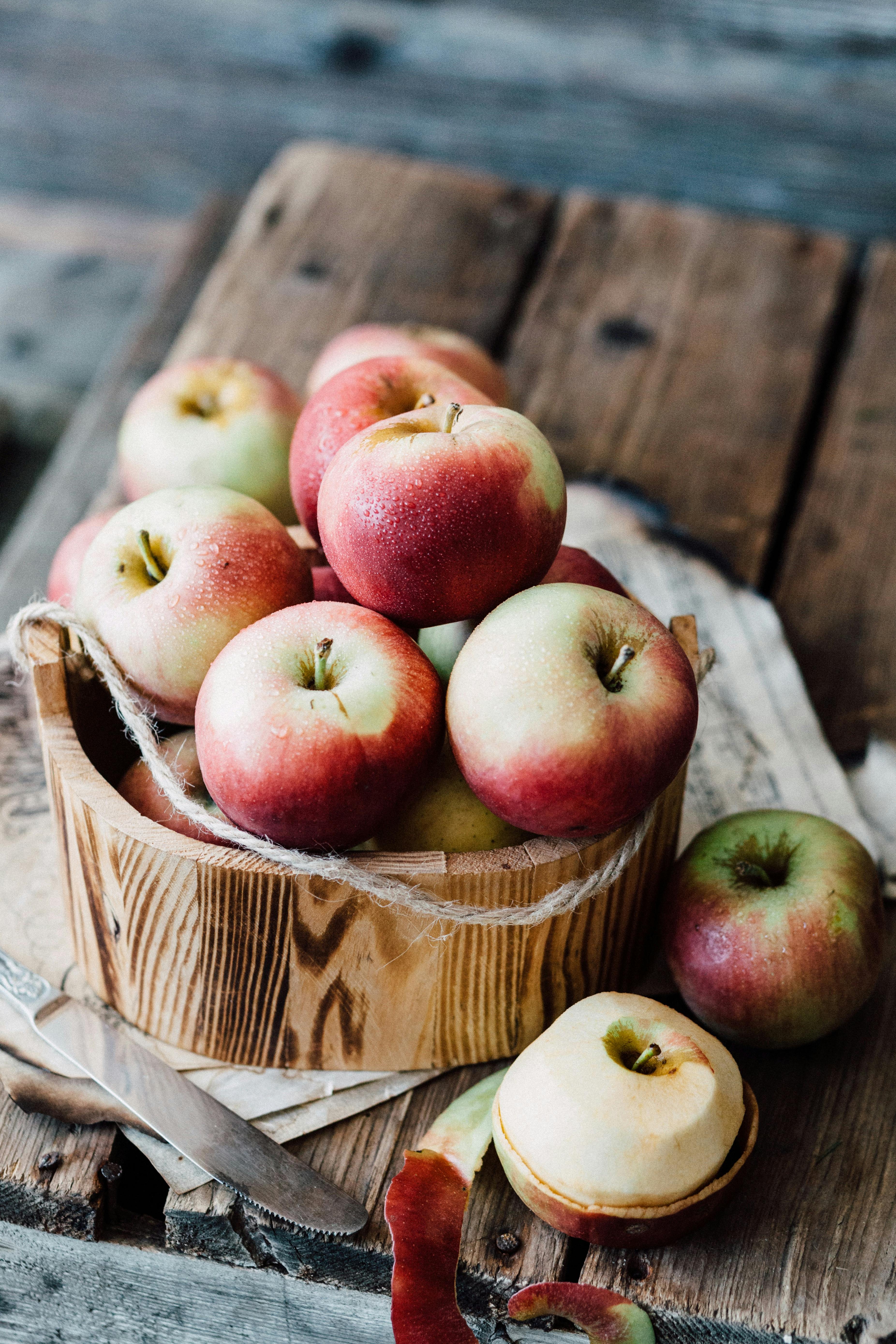
Apples brought something precious to wartime meals: a sense of comfort. They were widely available in many parts of Canada and could be eaten fresh, stored for stretches, or cooked into dishes that felt like a small reward in leaner times.
They appeared in pies, crisps, sauces, and lunch pails, often with less sugar than before the war. Even then, apples offered flavor and familiarity. In many homes, they helped preserve the pleasure of dessert when rationing made indulgence much harder to manage.
Eggs
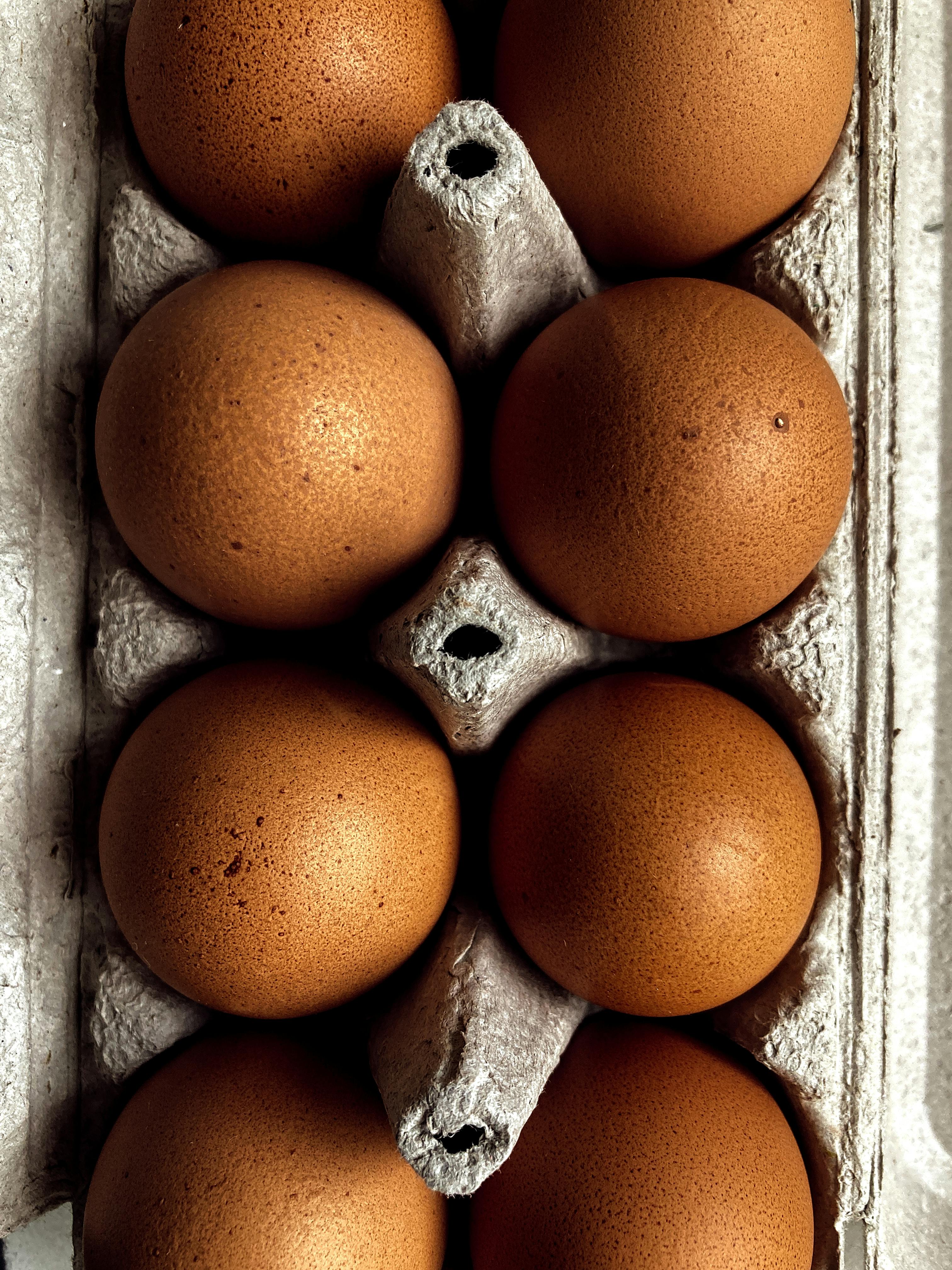
Eggs were valuable because they could solve so many cooking problems at once. They added protein, helped bind mixtures, enriched baking, and could quickly become a meal on their own when time, money, or ration coupons were in short supply.
Scrambled, boiled, poached, or baked into casseroles and desserts, eggs gave cooks flexibility. They were also central to recipes designed to make a little feel like enough. In wartime kitchens, that kind of versatility was not a luxury. It was essential.



Leave a Reply