
Not every food craze crosses the border and finds a permanent home. In Canada, plenty of heavily hyped trends arrived with big promises, only to run into local tastes, climate, price sensitivity, or simple lack of staying power. This gallery revisits 11 food trends that made noise, sparked curiosity, and then mostly faded before they could become everyday staples.
Cupcakes as a Gourmet Obsession

For a moment, cupcakes looked like they might rule dessert in Canada. Boutique bakeries multiplied, frosting got taller, and ordinary birthday cake suddenly felt almost too plain for the Instagram era.
The problem was value. Canadian customers often liked the novelty, but many balked at paying premium prices for something small and very sweet. As dessert tastes shifted toward cookies, doughnuts, and less sugary treats, the cupcake boom cooled fast outside a few dedicated shops.
Cronuts and Hybrid Pastries

The cronut arrived with the kind of hype that usually guarantees long lines. In Canada, bakeries and cafes rushed out croissant-doughnut mashups and similar hybrids, hoping to capture the thrill of a pastry that felt both luxurious and buzzy.
But these treats were difficult to produce consistently and often expensive to buy. Once the first-wave novelty wore off, many people went back to simpler favourites like butter croissants, Timbits, and classic doughnuts. The hybrids stayed visible, just not essential.
Activated Charcoal Food

Black burger buns, jet-black ice cream, and charcoal lattes briefly gave Canadian menus a dramatic edge. The appeal was obvious: these foods photographed beautifully and suggested a wellness halo that made them seem more than just a gimmick.
Still, the trend had weak foundations. Health claims around activated charcoal were often overstated, and some experts warned it could interfere with medications. Once consumers realized the effect was mostly visual, the excitement faded and the black-coloured novelty lost momentum.
Meal Replacement Shakes as Everyday Food

Every few years, a new wave of meal replacement drinks promises to simplify eating. In Canada, these products found niche audiences among busy professionals, fitness consumers, and tech-minded shoppers who liked the efficiency pitch.
What kept them from going mainstream was cultural as much as culinary. Canadians still tend to value actual meals, especially in a country where comfort food and shared eating moments matter during long winters. A shake might work in a pinch, but it rarely satisfies the way breakfast or lunch does.
Frozen Yogurt Shops Everywhere

Frozen yogurt once seemed poised to dethrone ice cream, especially when self-serve shops began appearing in malls and city centres across Canada. The format felt modern, customizable, and slightly healthier, which gave it a strong opening.
Then reality set in. Seasonal demand was a challenge in many regions, and the health advantage often disappeared under candy toppings and sugary sauces. As leases ended and novelty declined, many frozen yogurt chains shrank, leaving only a smaller footprint in select urban areas.
Kale Everything

Kale had one of the strongest reputations of any modern superfood. In Canada, it moved quickly from farmers' markets to smoothie bars, salad bowls, chips, and side dishes, carrying a reputation for being virtuous and endlessly versatile.
But kale was easier to admire than to crave. Its bitterness and tough texture made it less universally loved than trend-watchers expected. Canadians embraced it as an ingredient, not a lifestyle. Once the wellness buzz cooled, spinach, romaine, and mixed greens quietly regained their everyday dominance.
Savory Yogurt as a Snack Staple

Savory yogurt sounded smart on paper. Brands and food developers saw room for yogurt beyond fruit and vanilla, imagining herb, cucumber, beet, or spice-forward versions that would fit lunchboxes, desks, and appetizer boards.
Canadian shoppers, however, mostly kept yogurt in the breakfast and sweet-snack lane. Retail habits are hard to change, and savoury versions often confused people more than they tempted them. Many consumers simply preferred tzatziki, labneh, or dip-style products when they wanted those flavours in dairy form.
Avocado Toast as a Mass-Market Habit
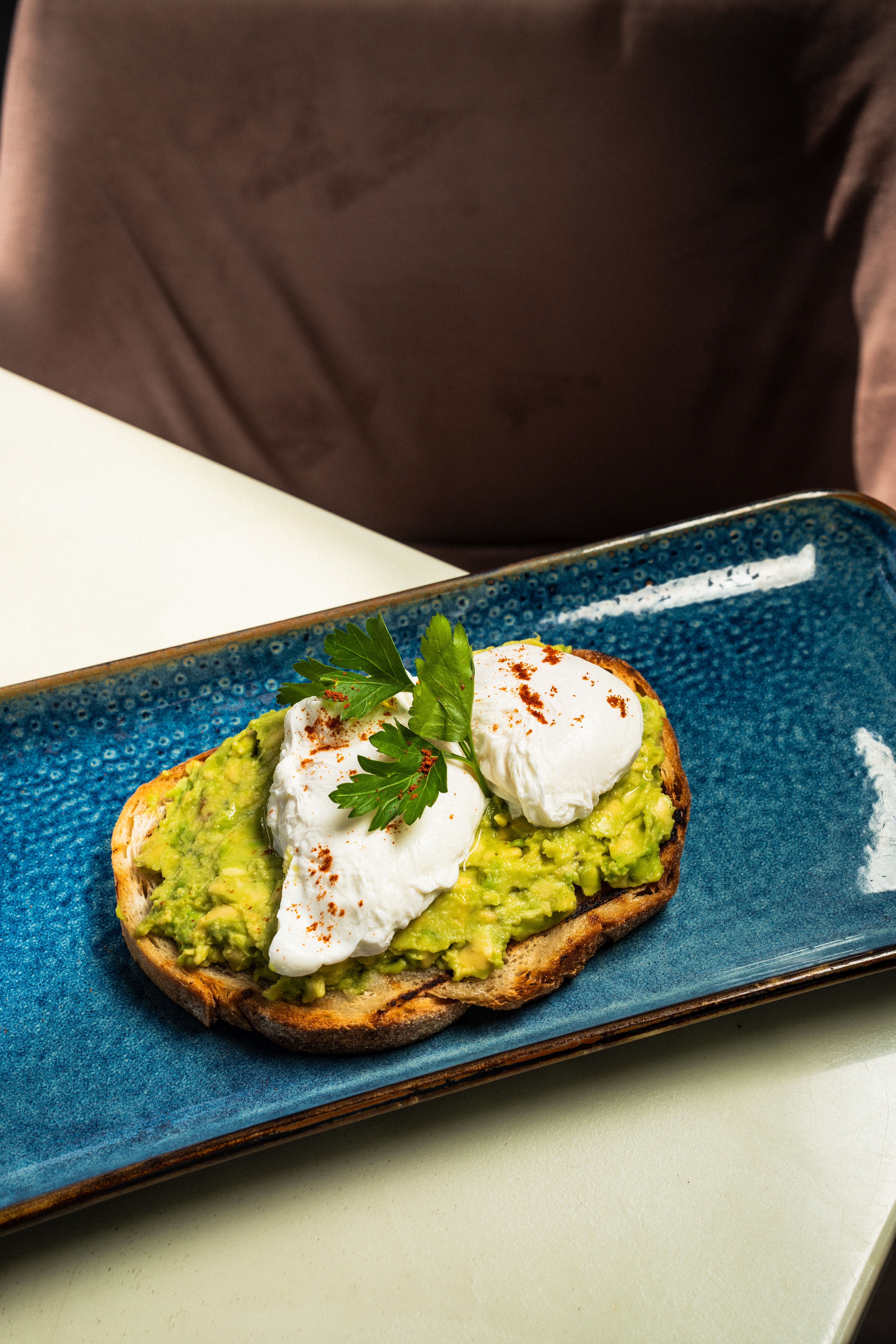
Avocado toast became a cultural symbol long before it became a true Canadian everyday standard. It thrived in urban brunch spots, on cafe menus, and across social feeds, where its clean look and customizable toppings made it feel effortlessly current.
Yet several barriers kept it from becoming truly universal. Avocados are imported, price swings are common, and quality can be inconsistent. In a country with deep affection for heartier breakfasts and practical grocery spending, avocado toast stayed trendy rather than routine.
Edible Insects as Mainstream Protein

Few food trends generated more think pieces than insects as protein. Canadian startups and sustainability advocates pointed to crickets and mealworms as efficient, eco-friendly alternatives that could help diversify the future food supply.
The idea made intellectual sense, but cultural resistance proved stubborn. Most consumers were curious in theory and hesitant in practice, especially when familiar proteins remained widely available. Cricket powder found some niche use in bars and snacks, yet whole insects never came close to becoming a normal grocery purchase.
Cauliflower Crust as a Pizza Standard

Cauliflower crust offered Canadian diners a clever compromise. It promised pizza night with a lighter, lower-carb image, and that made it especially attractive to restaurants and frozen-food brands chasing health-conscious customers.
Still, it never replaced the real thing. Texture, taste, and price all worked against it, and many versions were more processed than shoppers expected. For people who needed gluten-free options, it had appeal. For everyone else, traditional crust remained the default choice by a comfortable margin.
Rainbow-Coloured Everything

There was a brief stretch when food seemed designed mainly for the camera. Rainbow bagels, layered grilled cheese, neon desserts, and vividly coloured drinks appeared in Canadian cities as social media turned visual shock into a kind of marketing strategy.
But viral impact rarely guarantees repeat business. These items often tasted ordinary beneath the colouring, and some looked more exciting online than in person. Once the novelty wore off, Canadians largely returned to foods that offered comfort, craftsmanship, or flavour instead of spectacle alone.




Leave a Reply