Instant ramen is already comforting, but a few smart upgrades can make it taste surprisingly luxe. With tricks borrowed from home cooks and flavor-forward noodle recipes, these easy hacks build depth, texture, heat, and richness in minutes. If your pantry is doing most of the work, you're about to eat very well.
Bloom garlic and spices in hot oil
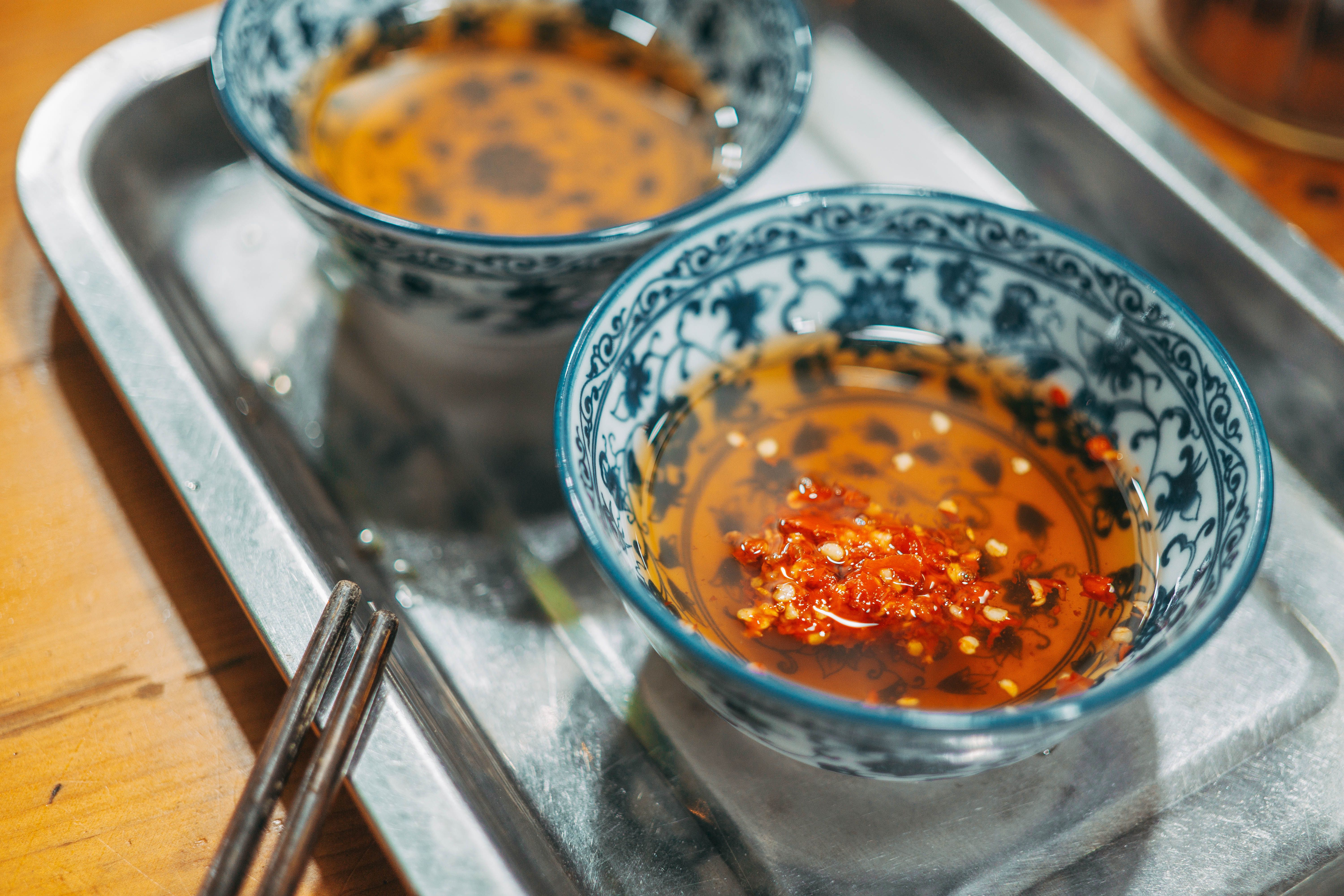
One of the fastest ways to make instant ramen taste more intentional is to build a quick hot oil sauce. Minced garlic, scallions, sesame seeds, red pepper flakes, paprika, and even a little Sichuan pepper wake up dramatically when hot oil hits the bowl.
That sizzling moment does more than look impressive. It coaxes out aroma, rounds out raw sharpness, and creates the kind of layered flavor people usually associate with restaurant noodles.
The Foodie Diaries leans on this technique for chili garlic ramen, and it's a game changer. Toss the noodles straight into that fragrant oil mixture and you'll get a bowl that tastes far bigger than the effort involved.
Use some of the seasoning packet, not all of it
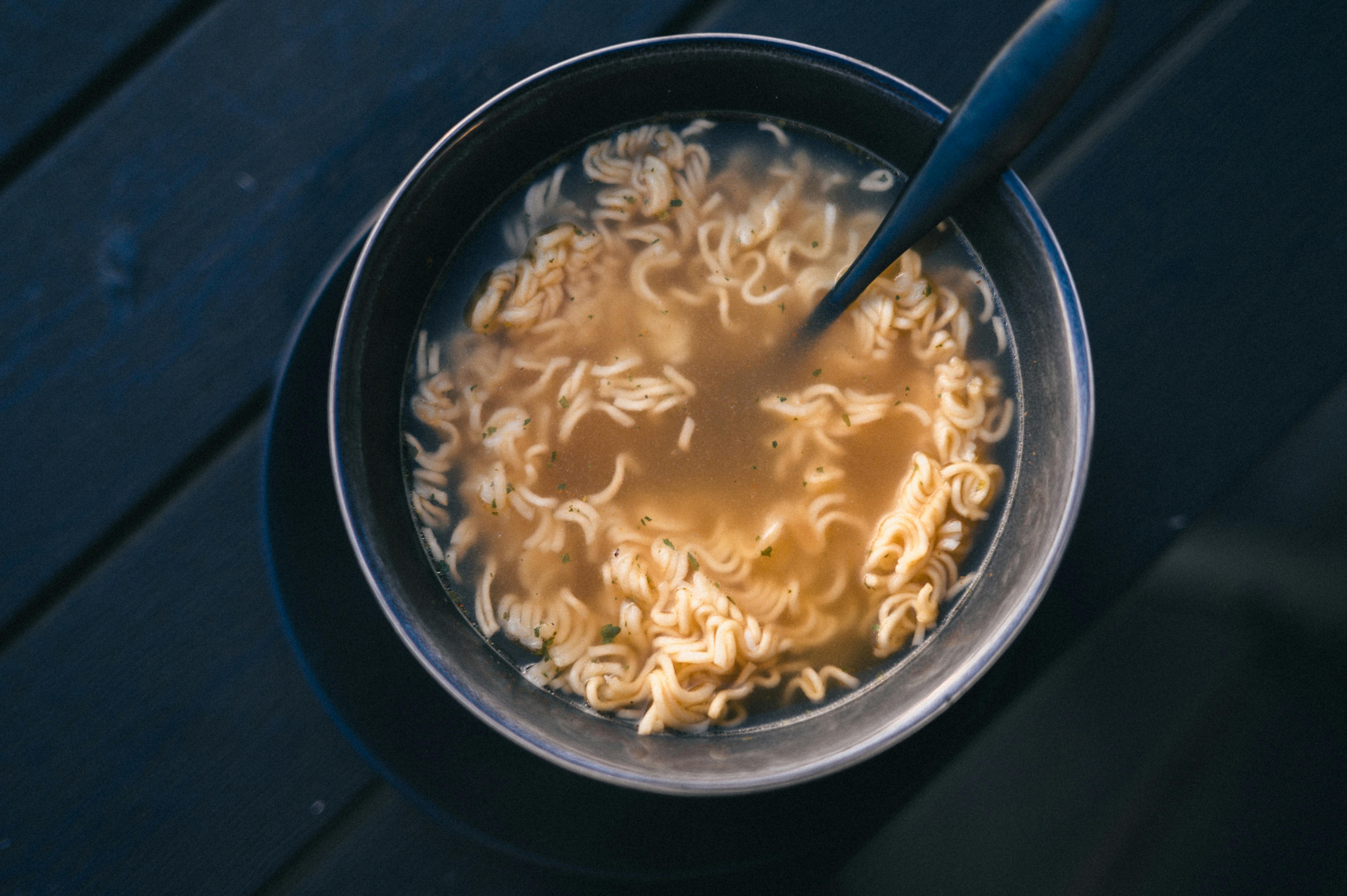
The seasoning packet is useful, but it doesn't always need to run the whole show. Using only half to ¾ of it gives you the savory backbone without tipping the broth into overly salty territory.
This move leaves room for fresher, more nuanced flavors to step in. Soy sauce, vinegar, miso, butter, or chili oil all shine more clearly when the packet isn't crowding them out.
Think of the packet as a base note, not the full composition. A more restrained hand makes the bowl taste less like convenience food and more like something you customized on purpose.
Save noodle water for a silkier sauce

Before you drain your noodles, reserve a splash of the cooking water. That starchy liquid is the easiest secret weapon in the ramen world, especially when you're making a saucy rather than brothy bowl.
A spoonful or two helps loosen thick chili garlic mixtures, emulsify fats, and coat every strand more evenly. Instead of oily noodles with flavor sitting at the bottom, you get a glossy, clingy sauce that feels much more polished.
It's a small move, but one that gives the final bowl a restaurant-style finish. The noodles look better, taste better, and carry seasoning all the way through instead of just on top.
Add soy sauce for instant umami depth

A splash of soy sauce can make instant ramen taste more rounded in seconds. It brings salinity, savoriness, and that dark, almost caramel-like depth that gives the broth or sauce more personality.
Dark soy sauce is especially good when you want richer color and a deeper finish, while regular soy keeps things lighter and brighter. Either way, it helps move the bowl away from generic and toward craveable.
This is one of those pantry moves that feels almost too simple to count as a hack, but it absolutely works. If your noodles taste flat, soy sauce is often the quickest fix with the biggest payoff.
Wake everything up with vinegar

Acid is the thing many instant noodles are missing. A small splash of rice vinegar or even regular vinegar can sharpen the whole bowl, lifting heavy flavors and making the noodles taste fresher.
This doesn't make ramen sour when used carefully. It adds contrast, which is exactly what restaurant dishes tend to do well: balancing salt, fat, heat, and brightness so every bite feels alive.
The Foodie Diaries pairs soy sauce with rice vinegar in chili garlic ramen for that reason. Together, they create an easy sweet spot where the bowl tastes savory and rich, but never one-note or sleepy.
Stir in chili oil or hot sauce
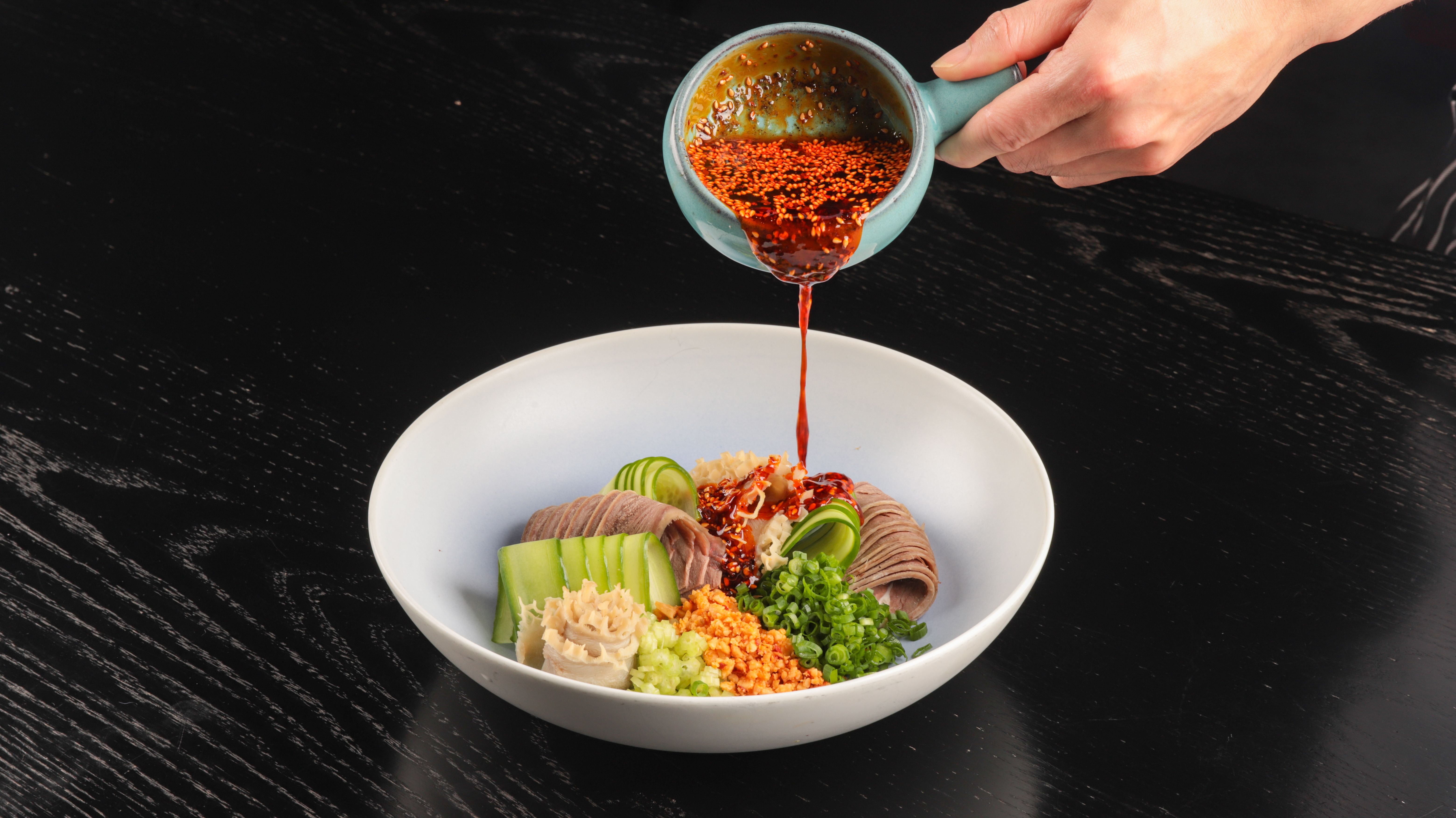
Heat can do far more than make ramen spicy. A spoonful of chili oil or your favorite hot sauce adds aroma, color, and complexity, especially if it carries garlic, spices, or toasted bits in the oil.
That little layer of warmth gives instant noodles a more deliberate flavor profile, like the bowl was built rather than assembled. It's especially effective with richer add-ins like butter, egg, or peanut butter, which mellow the fire while keeping the excitement.
If you love noodles with personality, this is the upgrade to reach for. Even a modest drizzle can make the bowl feel trendier, bolder, and much more restaurant-minded.
Top with fresh scallions
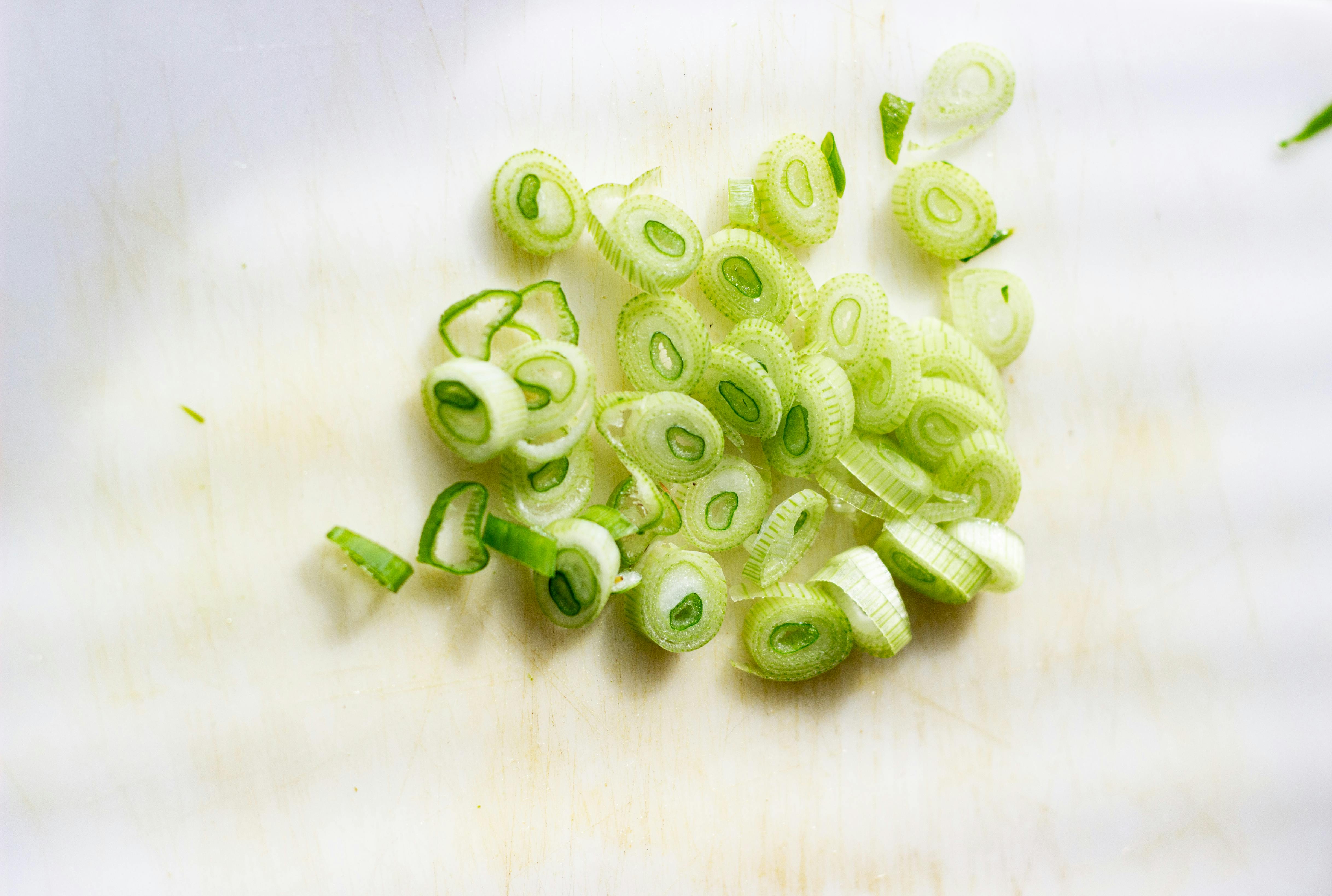
Scallions may seem like a finishing flourish, but they do real work. Their crisp bite and fresh oniony lift cut through salty broth and rich sauces, instantly making the bowl taste less packaged.
They also bring color and contrast, which matters more than people admit. Restaurant noodles look lively because they're finished with something green, fragrant, and just a little sharp.
Slice them thin and use both the white and green parts if you like. A handful scattered over hot noodles softens slightly from the steam, releasing aroma that makes the whole dish feel fresher before you even take a bite.
Sprinkle on sesame seeds for texture
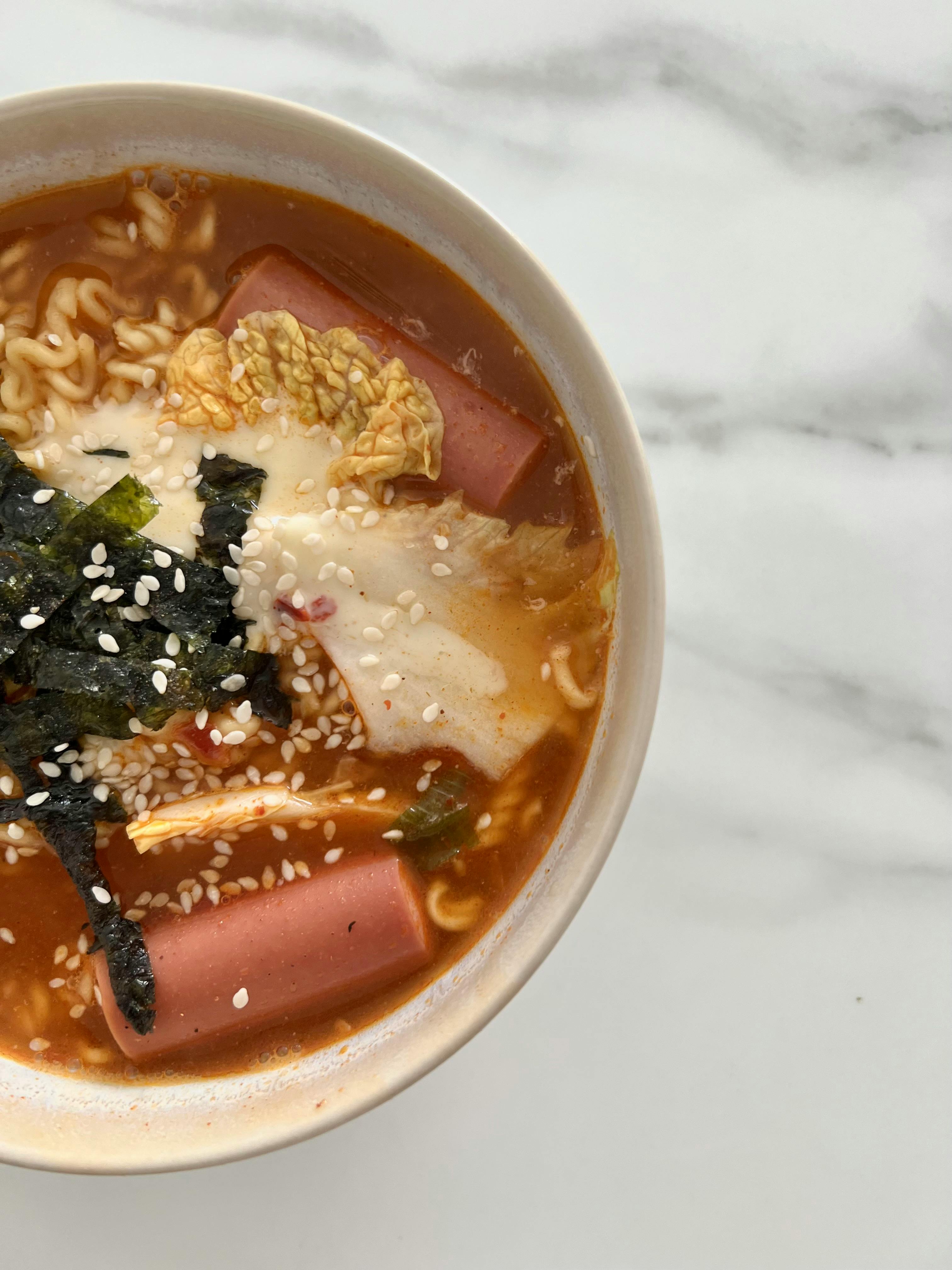
Sesame seeds add a subtle nuttiness that makes instant ramen feel more finished. They're not loud, but that's the beauty of them. A light sprinkle brings quiet depth and a little textural contrast without changing the bowl's basic identity.
Toasted sesame seeds are especially effective, since heat wakes up their aroma and gives them a richer, almost buttery note. That tiny crunch also makes soft noodles feel more interesting with every bite.
This is the sort of detail that signals care. It takes seconds, costs very little, and gives the final bowl a composed look that feels much closer to something you'd happily order out.
Add an egg for richness

An egg is the classic ramen upgrade for good reason. Soft-boiled, jammy, poached, or whisked into the broth, it adds protein and the kind of richness that makes a cheap bowl feel deeply satisfying.
The yolk can turn into its own sauce, blending with the noodles and seasonings to create a creamy finish without any extra fuss. Even a simple fried egg on top brings texture and that diner-meets-ramen comfort people love.
This is often the first add-in people try, and it remains one of the best. A humble packet of noodles feels instantly more substantial and more luxurious when an egg enters the picture.
Swirl in a spoonful of butter or peanut butter
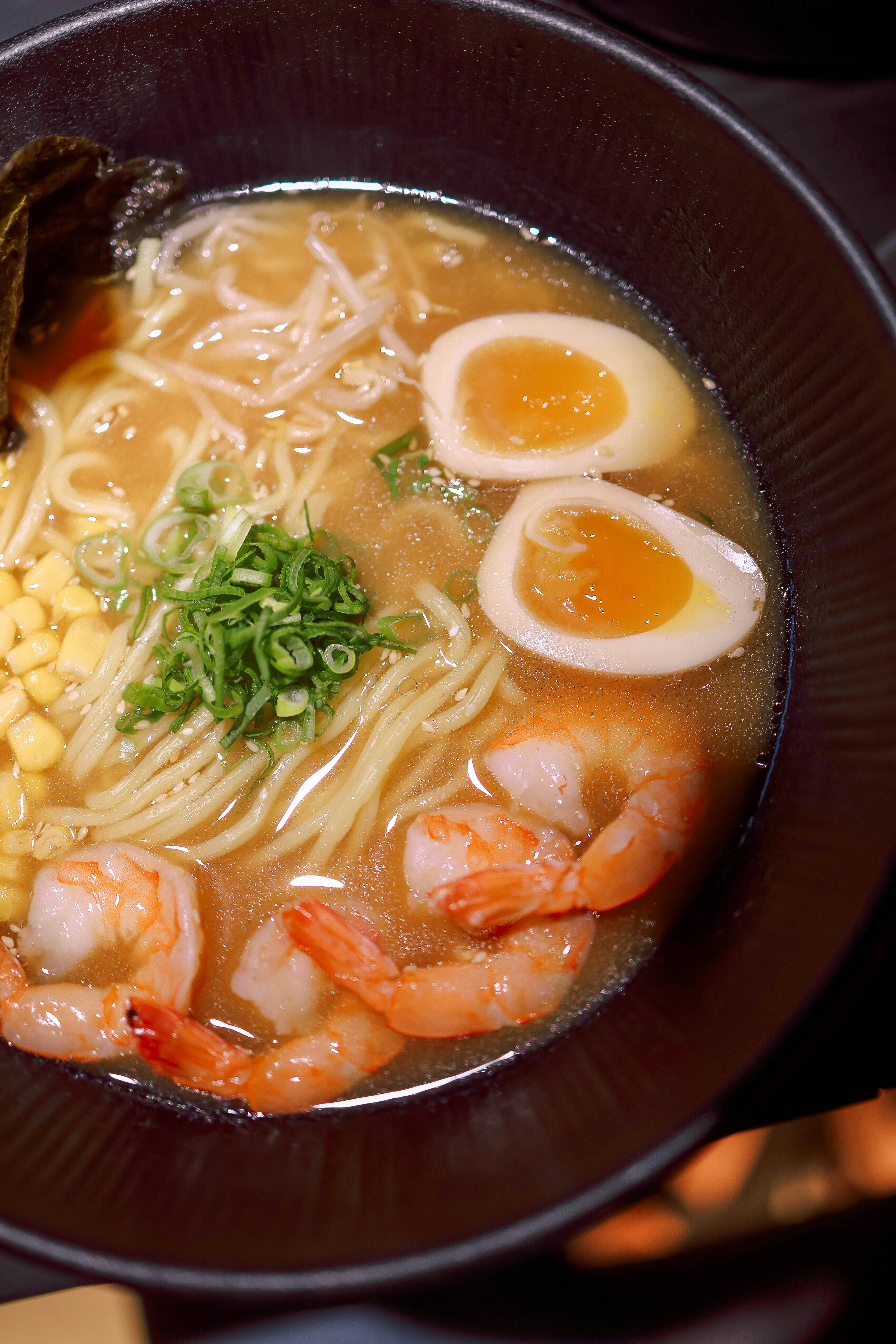
If your ramen needs body, a little fat will get you there fast. Butter melts into broth or sauce to create a richer mouthfeel, while peanut butter adds creaminess with a subtle savory-sweet edge.
This kind of hack works especially well with spicy noodles. The richness softens the heat just enough, making the bowl feel fuller and more balanced instead of aggressively fiery.
The result is not heavy so much as comforting. One spoonful can transform the texture from thin to velvety, which is often the difference between a quick snack and something that tastes intentionally indulgent.
Try miso or gochujang for deeper flavor
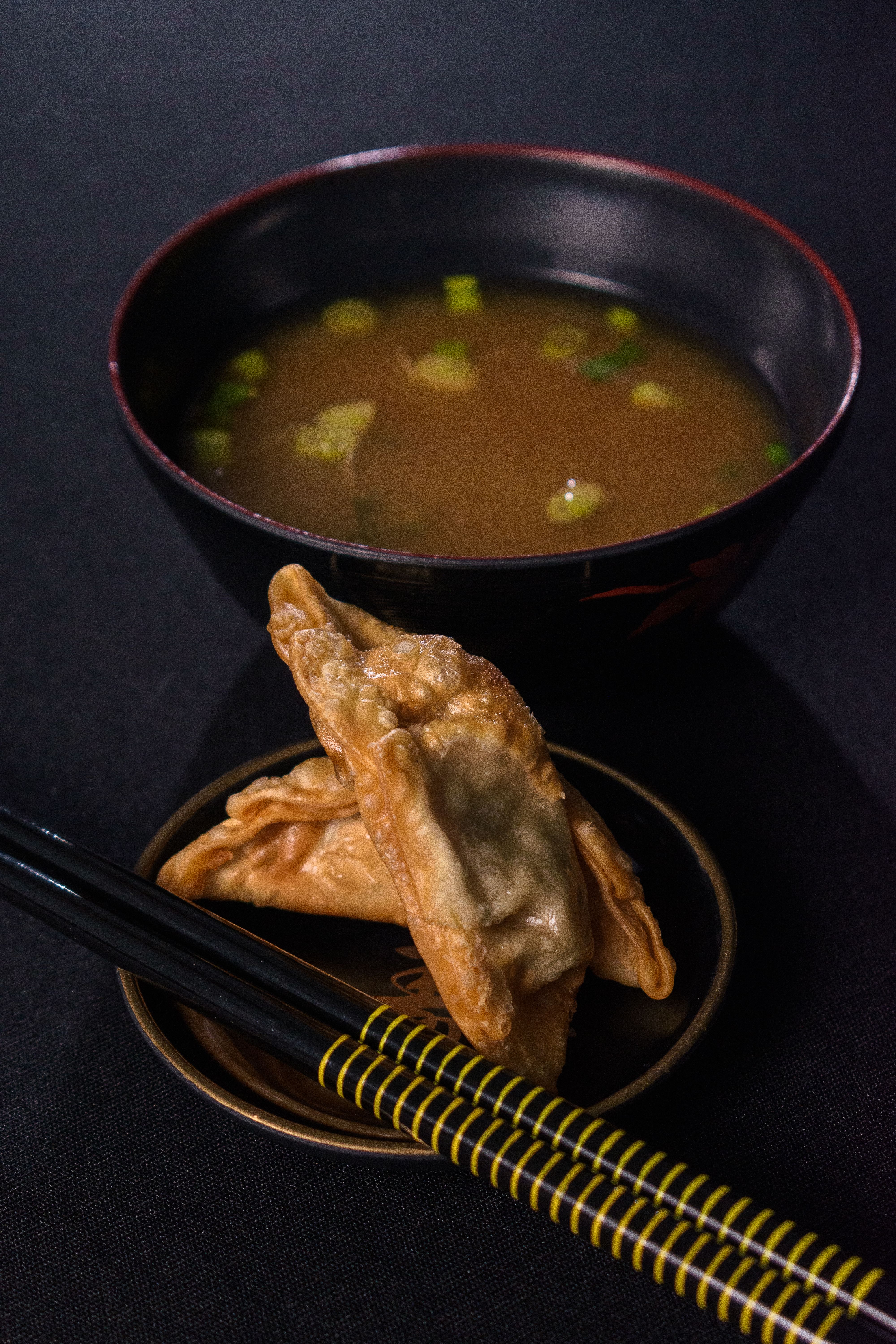
A spoonful of miso or gochujang gives instant ramen instant character. Miso brings savory depth and a rounded, fermented richness, while gochujang adds sweetness, heat, and a sticky complexity that clings beautifully to noodles.
These are the kinds of ingredients that make a bowl taste layered instead of linear. Suddenly there's sweetness, salt, funk, and heat all playing together, which is exactly what makes restaurant ramen so memorable.
You don't need much. Stir a little into the broth or sauce base, taste, and adjust. It's an easy pantry upgrade that makes the noodles feel modern, bold, and far more considered.
Finish with plenty of garnish
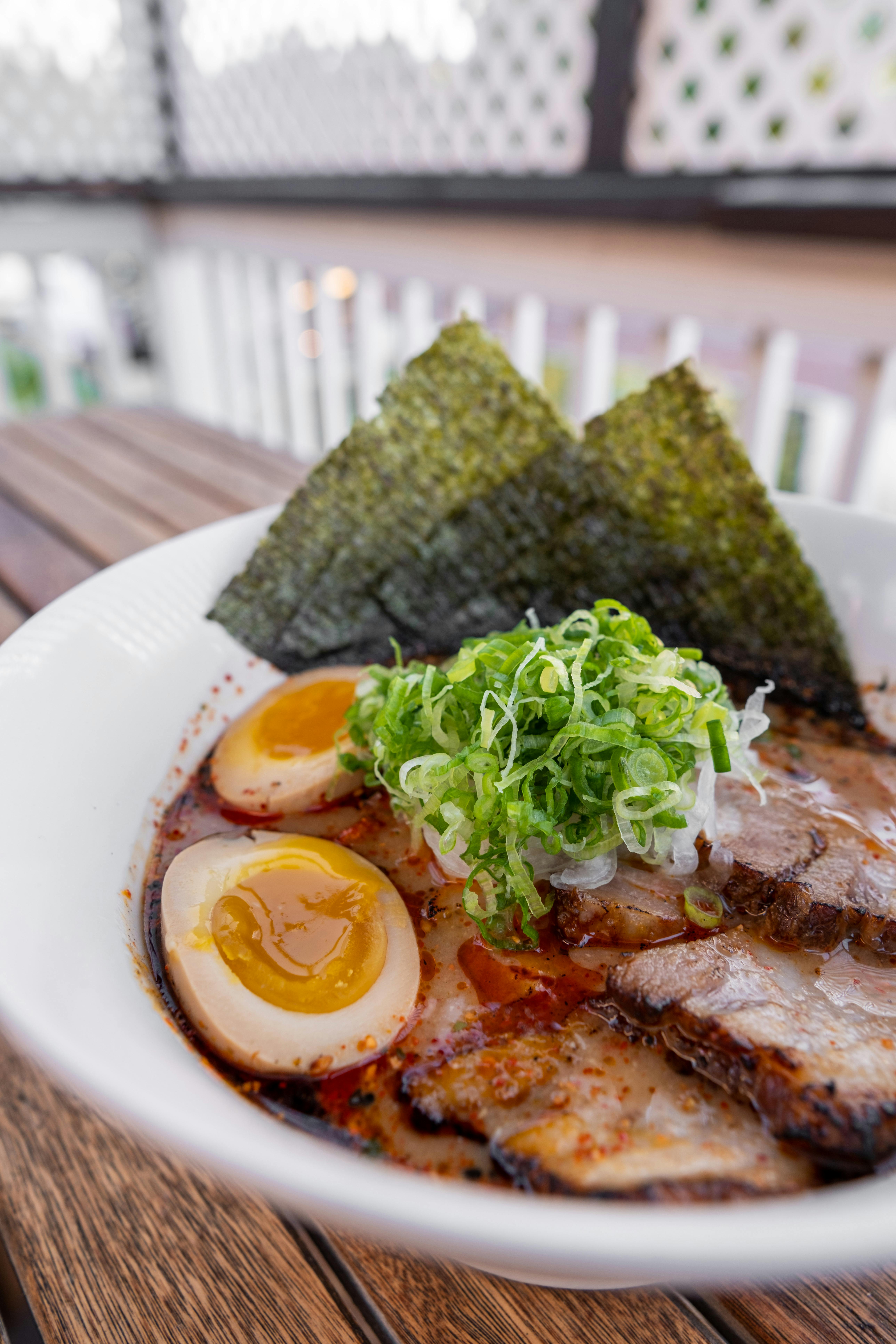
The last move is also the most visual: garnish generously. A final scattering of scallions, sesame seeds, chili oil, or extra garlic makes the bowl look abundant, which somehow makes it taste better too.
Good garnish isn't just decoration. It adds aroma right at the surface, so every bite starts with a little burst of freshness, spice, or crunch before the noodles even hit.
Restaurant bowls rarely arrive looking bare, and that's a lesson worth stealing. Treat your ramen like a finished dish rather than a rushed meal, and the experience shifts immediately from quick fix to something genuinely worth savoring.