
When the Great Depression hit, Canadian families learned to cook with thrift, patience, and whatever the pantry or garden could provide. Meals were built around cheap staples, preserved goods, and recipes designed to fill stomachs without wasting a thing. This gallery revisits 11 foods that became lifelines at the table and reveals how resourcefulness shaped a generation's eating habits.
Porridge

Few foods did more quiet work at breakfast than porridge. Oats were affordable, easy to store through long winters, and filling enough to carry children and working adults through the morning when money was scarce.
In many Canadian homes, porridge was cooked slowly with water or a little milk and served with salt, syrup, or whatever sweetener was available. It was plain, but it delivered warmth and calories at very low cost. For prairie families especially, oats were a practical staple that matched both the climate and the budget.
Bread and Dripping

This was thrift in its most direct form. Bread was a daily essential, and meat drippings saved from roasting or frying were too valuable to throw away when every bit of fat could be turned into another meal.
Spread over fresh or day-old bread, dripping added flavor and much-needed richness. In households where butter was expensive and meat was limited, it helped make a simple slice feel more substantial. The meal may sound stark now, but during the 1930s it was a familiar way to stretch both bakery staples and scarce animal fat.
Bean Soup

A pot of bean soup could feed a family longer than its cost suggested. Dried beans were among the cheapest proteins available, and they stored well, making them a dependable cupboard staple in hard times.
Canadian cooks often simmered beans with onion, root vegetables, and a ham bone if one could be spared. Even without much meat, the soup came out hearty and deeply satisfying. It was also adaptable, which mattered in lean years, because almost any leftover vegetables or stock could be folded in to make the pot go further.
Potatoes
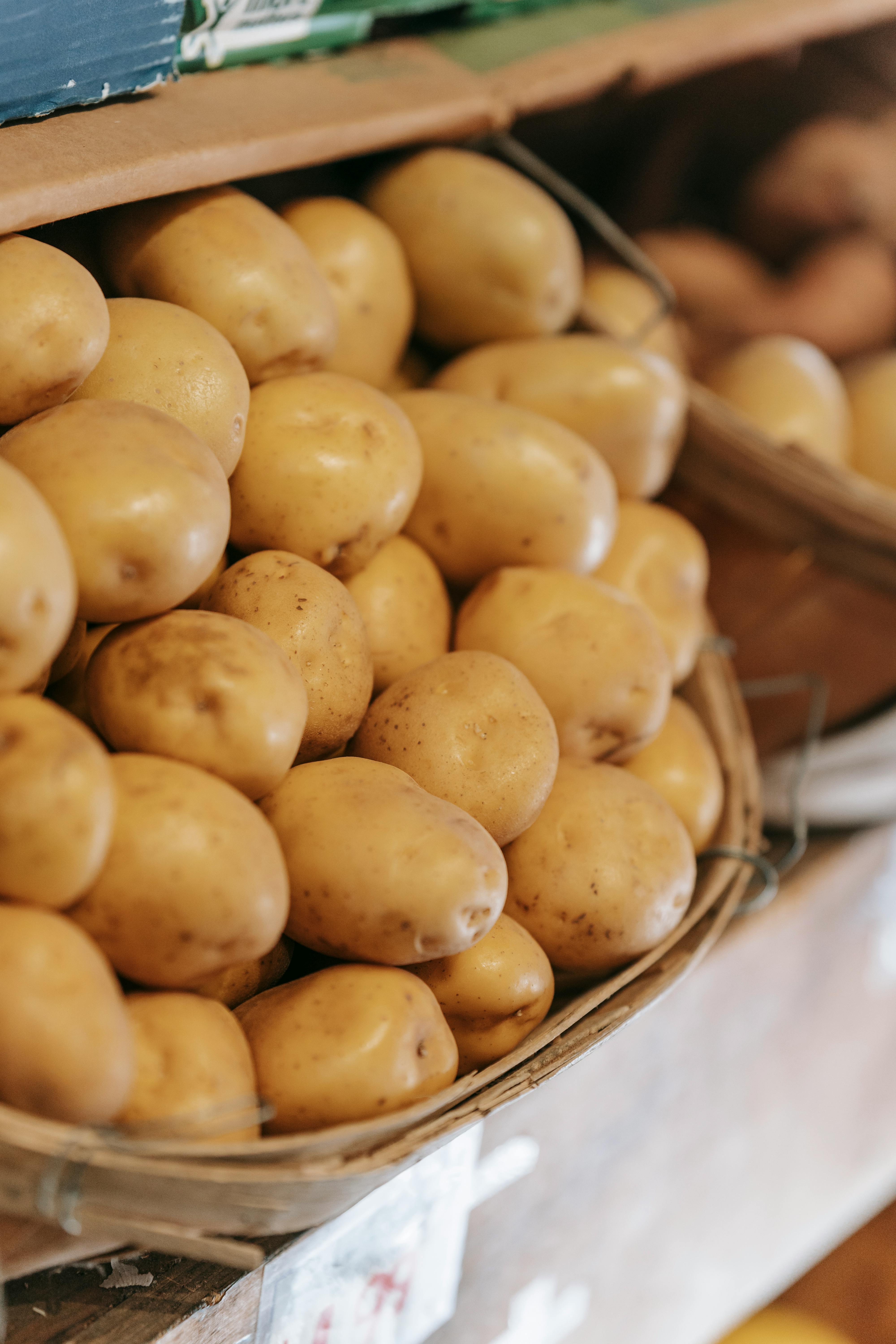
If one ingredient defined everyday survival cooking, it was the potato. Cheap, hardy, and easy to grow in many parts of Canada, potatoes became the backbone of countless meals when cash income disappeared.
They could be boiled, fried, mashed, baked, or slipped into soups and stews to bulk them up. Their value went beyond versatility. Potatoes stored well in cool cellars, which let families rely on them through winter and early spring. In both urban and rural homes, they were one of the surest ways to put something filling on the table.
Cabbage
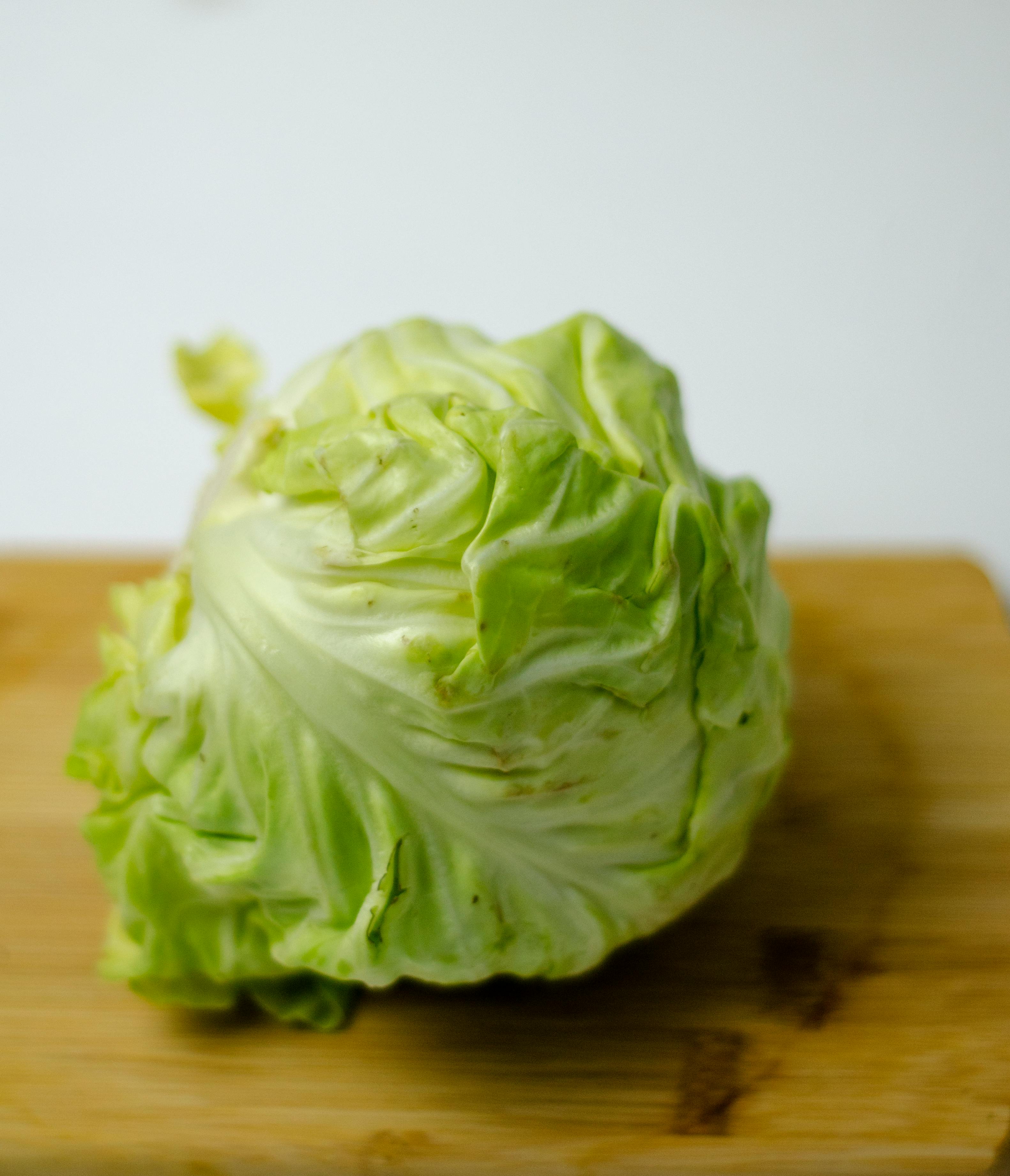
Cabbage earned its place by lasting when other vegetables failed. It was inexpensive, easy to grow in home gardens, and sturdy enough to keep for long stretches in cold storage, a major advantage before modern refrigeration was widespread.
Families used it in soups, boiled dinners, pan-fried dishes, and slaws. It paired naturally with potatoes, onions, and bits of salt pork, building meals from a handful of low-cost ingredients. During the Depression, cabbage was not glamorous, but it was dependable, and dependability mattered more than variety when budgets were strained.
Split Pea Soup
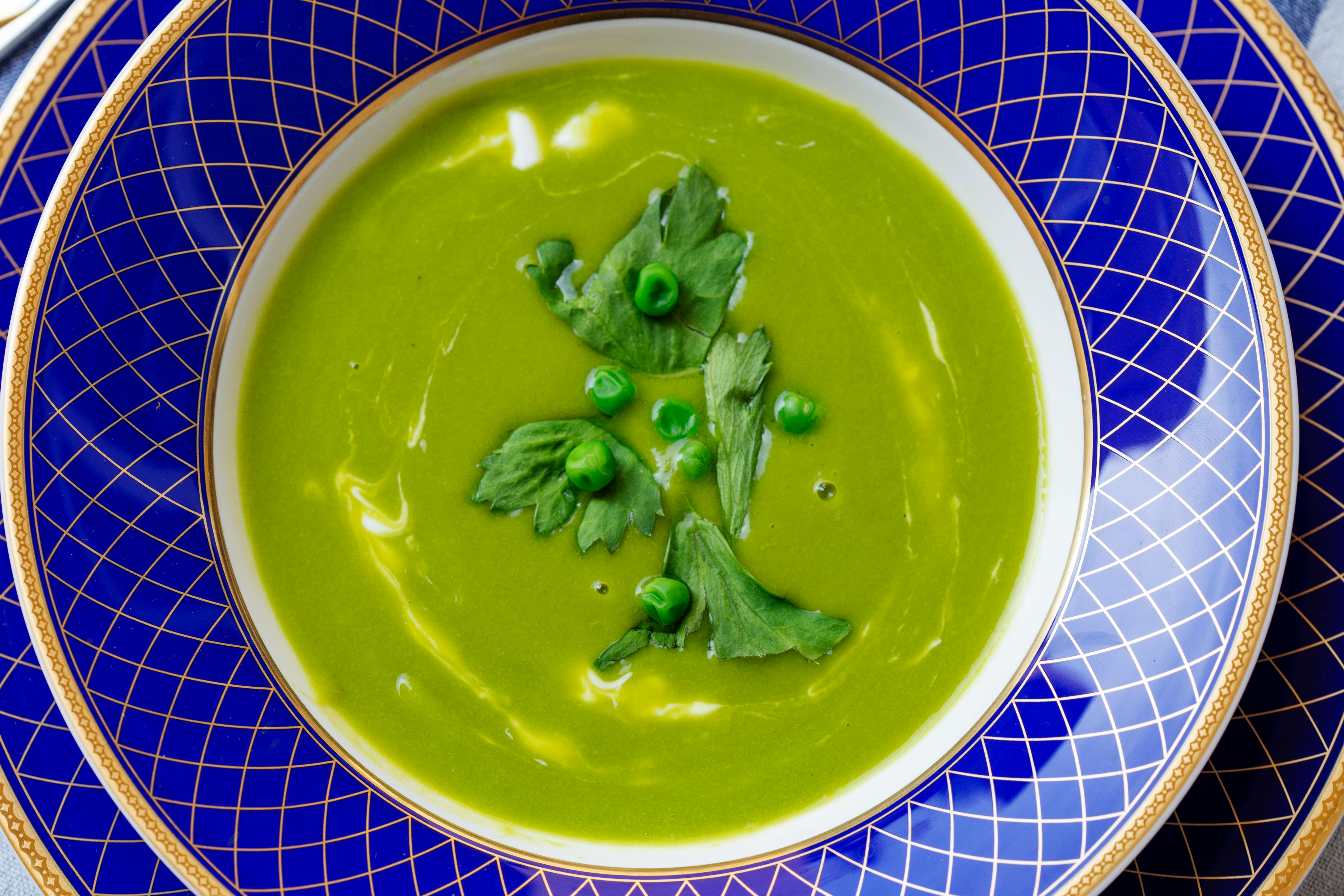
Split pea soup was the kind of dish that respected a tight budget. Dried peas were cheap, nourishing, and capable of turning into a thick, sustaining meal with little more than water, seasoning, and time.
In Canada, it also carried strong French Canadian roots, especially in Quebec, where versions of pea soup had long been part of home cooking. During the 1930s, that tradition fit the moment perfectly. A small amount of pork or a leftover bone could flavor a whole pot, while the peas themselves provided body and enough substance to satisfy hungry families.
Stewed Apples

When dessert was possible, it often looked more practical than indulgent. Stewed apples made use of stored fruit, windfalls, or slightly bruised apples that were too soft for eating out of hand but still perfectly good once cooked.
Simmered with a little sugar, or sometimes just water and spice, they became a flexible dish that worked at breakfast, supper, or after a meal. In apple-growing regions, this was a familiar way to avoid waste and add a touch of comfort. Even in difficult years, a warm bowl of fruit could brighten a very plain table.
Rice Pudding
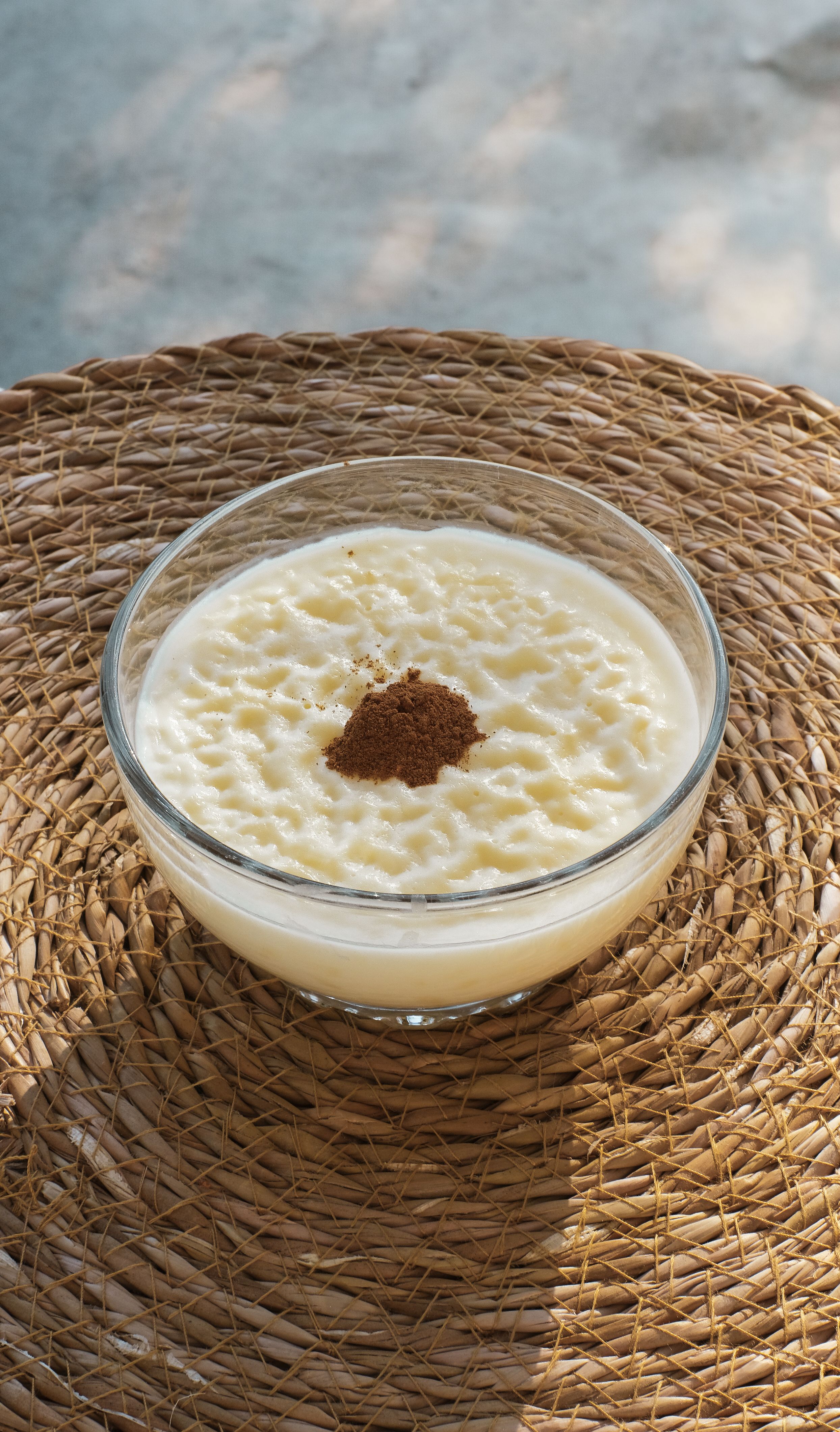
Rice pudding showed how a modest pantry ingredient could be stretched into something soft, filling, and almost celebratory. Rice was relatively inexpensive, and when combined with milk or watered-down milk, it turned into a dish that could serve as supper, dessert, or both.
Cooks often added raisins, cinnamon, or a little sugar if those extras were on hand, but the dish worked even without much embellishment. Its real strength was economy. A small amount of rice expanded beautifully in the pot, creating comfort from very little and helping households use up milk before it spoiled.
Brown Bread

Brown bread carried real staying power. Made with whole grain flours, bran, molasses, or whatever mixture a household could manage, it was often denser and more filling than lighter white loaves, which mattered when bread had to work hard in the daily diet.
In parts of Canada, steamed or baked brown bread traditions were already well established, especially in the Maritimes. During the Depression, that kind of bread fit a practical kitchen perfectly. It used accessible ingredients, kept fairly well, and paired with everything from soup to beans to a smear of jam.
Turnips

Turnips were one of those vegetables people leaned on because they simply lasted. Hardy, inexpensive, and suited to Canadian growing conditions, they appeared in many kitchens as a sensible answer to the problem of feeding a family through cold months.
They were mashed, boiled, roasted, or added to soups and stews where they contributed both bulk and a slightly sweet earthiness. Like potatoes and cabbage, turnips rewarded storage and patience. In households with root cellars or garden plots, they helped bridge the gap between harvest season and the next chance to grow fresh food.
Flapper Pie

Not every Depression-era dish was purely austere. On the Prairies, flapper pie offered a rare taste of sweetness made from ingredients that were cheaper and more available than fresh fruit, especially in places where imported produce cost too much.
Built on a simple crust with a custard filling and meringue top, it relied on pantry basics like eggs, milk, sugar, and flour. That made it a practical treat for special occasions or Sunday dinner. Its charm came from turning ordinary staples into something that felt festive without asking families to overspend.



Leave a Reply