
Buying a bottle from another province in Canada has long been more complicated than most people realize. Now, several governments are moving to loosen those rules, and the change could make it easier to order wine, beer, and spirits across provincial lines. The headline sounds simple, but the real story is about shipping rules, taxes, provincial liquor boards, and whether your favorite out-of-province drink can finally show up at your door before Friday night.
Why this shift is suddenly happening
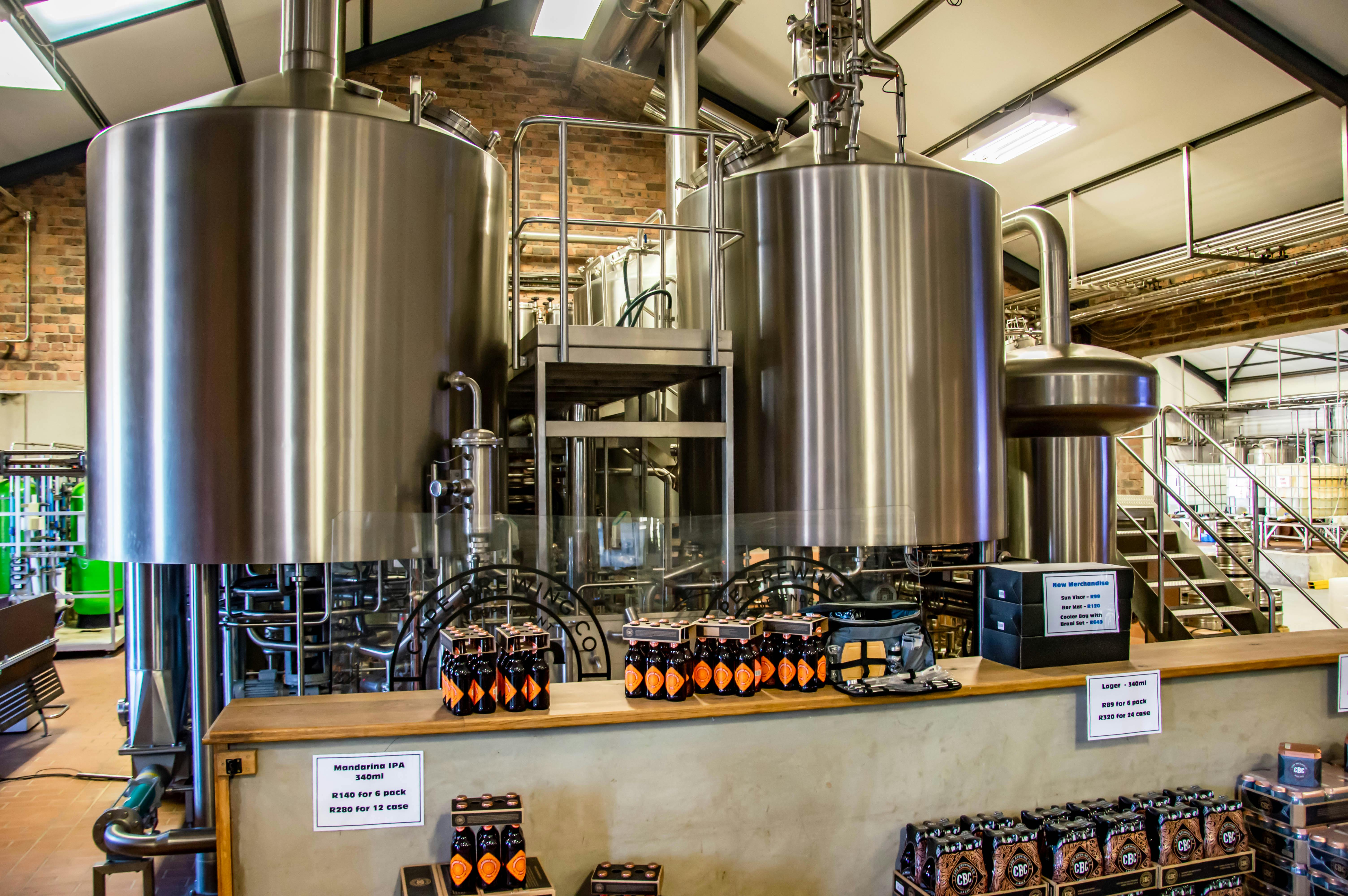
What looks like a small policy tweak is actually part of a much bigger Canadian debate about internal trade. For years, provinces have kept tight control over alcohol sales through liquor boards, provincial markups, and delivery rules that made direct-to-consumer shipping difficult or impossible across borders.
Now governments are under pressure to reduce interprovincial barriers and make it easier for Canadian businesses to sell to Canadians. That matters because local wineries, breweries, and distilleries have argued for years that a bottle can sometimes travel more easily from abroad than from the next province over.
For shoppers, the promise is simple. More choice, fewer strange restrictions, and a better shot at finding that bottle everyone talks about but your province never seems to stock.
The provinces most likely to move first
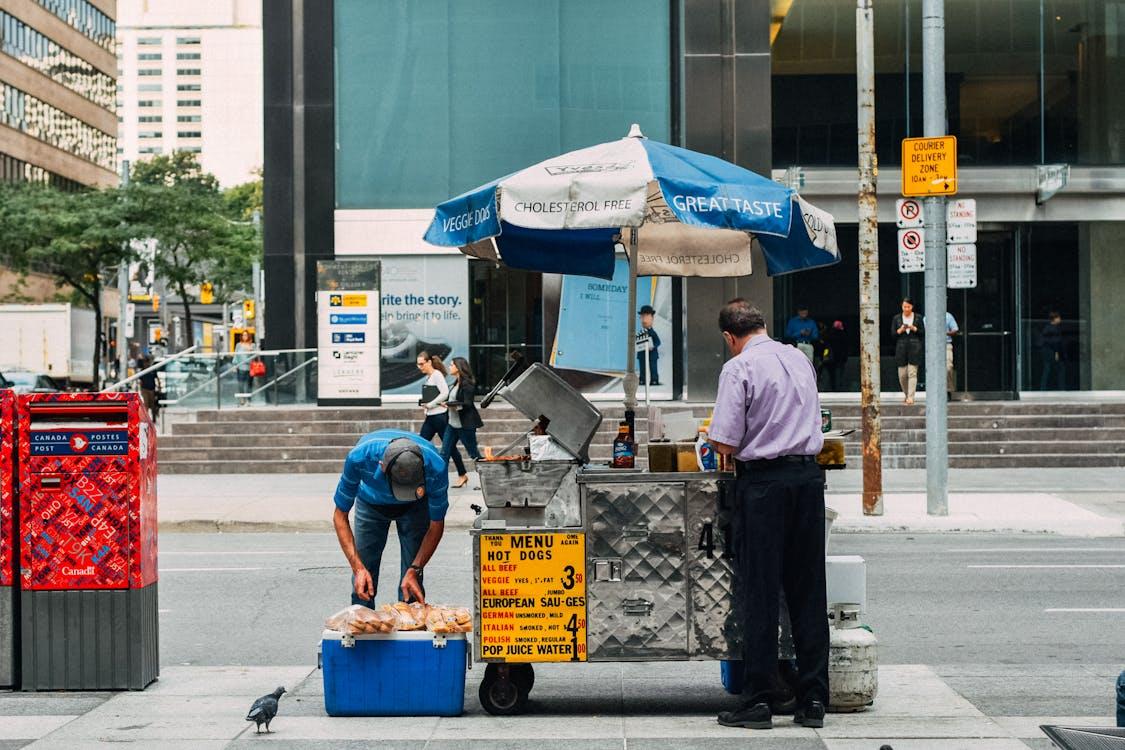
The biggest action is expected in provinces that have already shown interest in direct shipping, internal trade reform, or modernizing liquor rules. In practical terms, that puts a spotlight on larger markets and provinces with strong winery, brewery, and distillery sectors that stand to gain from easier sales.
The list often discussed includes British Columbia, Alberta, Saskatchewan, Manitoba, Ontario, Quebec, New Brunswick, Nova Scotia, Prince Edward Island, Newfoundland and Labrador, and even smaller jurisdictions watching closely. The exact timing may differ, but momentum is clearly building across much of the country.
The missing piece in many cases is not demand. It is the legal and regulatory cleanup needed to make cross-border orders feel normal instead of exceptional.
British Columbia could benefit from direct wine demand

British Columbia already has a strong reputation for wine, especially from the Okanagan, along with a busy craft beer and spirits scene. That gives the province an obvious advantage if cross-border sales become easier, because there is already national demand for bottles that are hard to find outside local channels.
For consumers elsewhere, the upside is better access to small producers that rarely reach provincial shelves. For B.C. makers, direct shipping could turn weekend tourism interest into actual year-round sales, especially when visitors want to reorder what they discovered on a trip.
The catch is logistics. Shipping alcohol safely and legally is expensive, and temperature-sensitive products still need careful handling if they are going to arrive in good shape.
Alberta is already positioned for a more open market
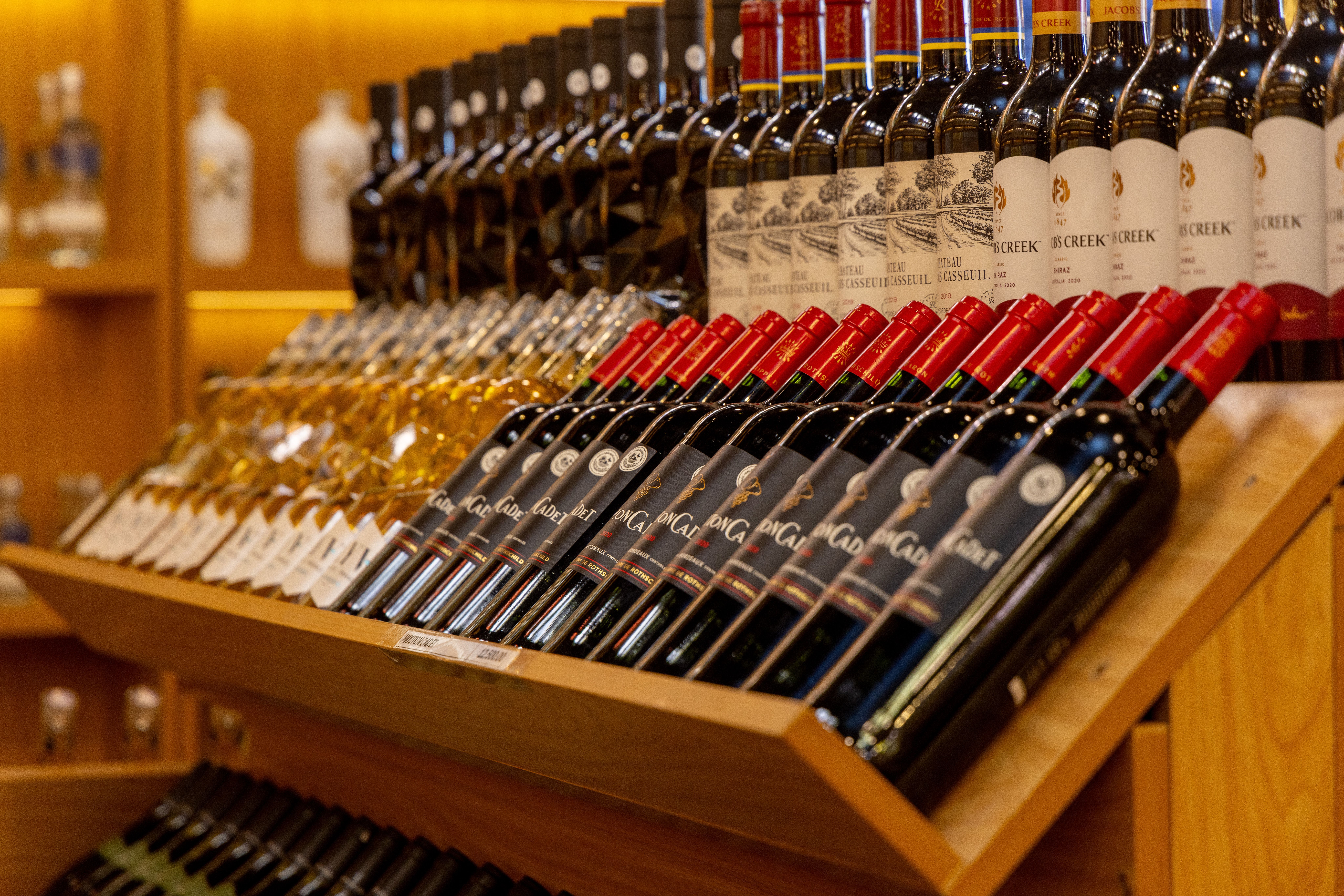
Alberta has long stood apart because of its more privatized retail system, which gives shoppers a broader sense of choice than in many other provinces. That makes it one of the most natural places to expand cross-border alcohol sales, at least in theory, because consumers are already used to a market-driven approach.
If barriers fall, Alberta buyers could see more direct access to wines from B.C., ciders from Quebec, or spirits from Atlantic Canada without waiting for a local retailer to list them. Producers in Alberta could also reach customers beyond the province more easily.
Still, open retail at home does not automatically solve interprovincial issues. Taxes, import rules, delivery standards, and age verification still have to line up before weekend ordering becomes truly seamless.
Ontario could be the real game changer

Ontario matters because of sheer size. It is Canada's largest provincial market, and any meaningful opening there would reshape the conversation for wineries, brewers, and distillers across the country. If producers can ship into Ontario more easily, they gain access to a huge customer base that can support small brands in a big way.
For Ontario shoppers, the appeal is obvious. More bottles from B.C., Quebec, and the Atlantic provinces could become available without the usual hunt through specialty channels or limited releases.
But Ontario also has one of the country's most established alcohol control systems, so change may come in layers rather than all at once. Weekend convenience could improve, but not necessarily overnight.
Quebec has producers ready to scale up

Quebec is well placed for this moment because it has a deep bench of cider makers, distillers, breweries, and a growing wine industry. Many of those producers have strong regional followings and a distinct identity, which makes them attractive to out-of-province shoppers looking for something beyond the usual national labels.
If direct sales rules loosen, Quebec makers could reach customers who discover a product while visiting Montreal or the Eastern Townships and want to order again once they are home. That kind of repeat business is exactly what many small producers have been missing.
For consumers, this could mean easier access to ice cider, farmhouse ales, and niche spirits that rarely make it through provincial listing systems in meaningful numbers.
Atlantic Canada could turn local favorites into national sellers

The Atlantic provinces have smaller populations, but they punch above their weight when it comes to distinctive drinks. Nova Scotia wines, New Brunswick craft beer, Prince Edward Island spirits, and Newfoundland and Labrador specialties all have loyal followings that often stop at the provincial border.
That is why looser cross-border sales rules could matter even more there than in larger provinces. A producer with a small local market suddenly gets a national storefront, even if only through direct online orders and limited shipments.
For your weekend, that could mean finally trying bottles friends brought back from Halifax, Charlottetown, or St. John's instead of hearing about them secondhand. The change is as much about access as it is about convenience.
This does not mean alcohol will move freely everywhere
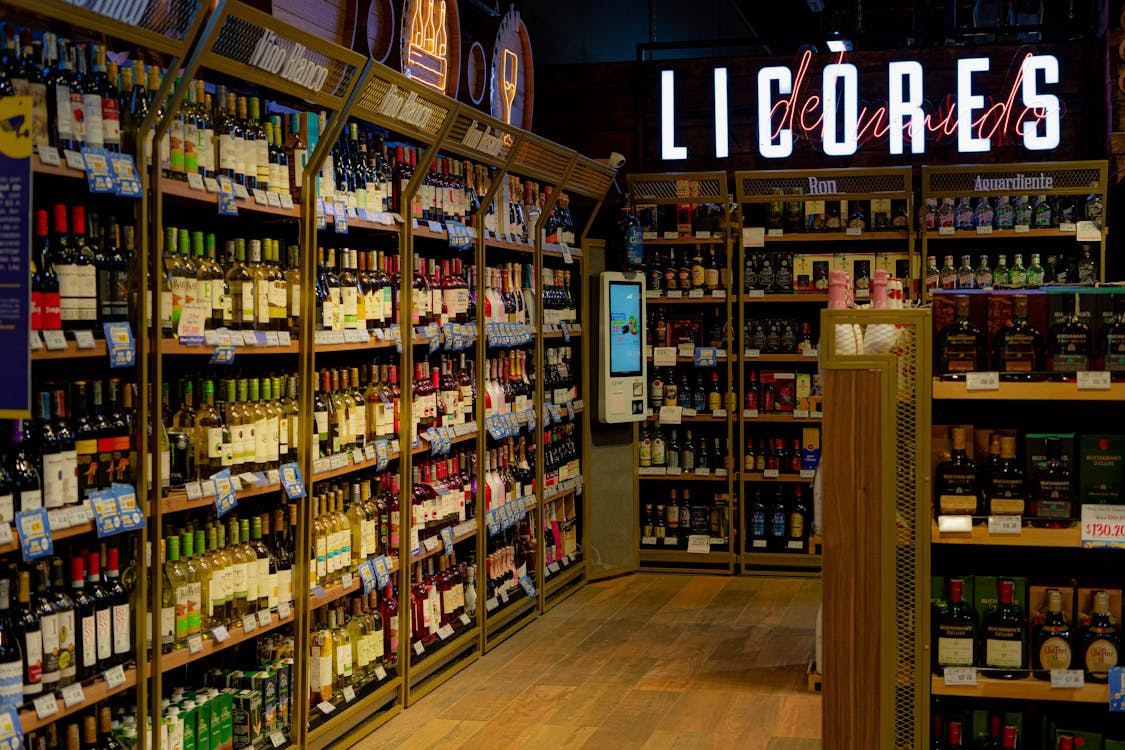
Here is the part that tends to get lost in the excitement. Provinces may allow more cross-border sales without creating a completely open national market. In many cases, the change could be narrow, covering direct-to-consumer shipping from licensed producers while leaving broader wholesale and retail restrictions in place.
That means you might be able to order a case from a winery in another province, but not see every out-of-province bottle suddenly appear on your local store shelf. Provincial liquor boards will still care about markups, oversight, and how alcohol enters their systems.
So yes, the rules may loosen. No, it probably will not feel like ordering a T-shirt from another province with zero extra steps.
Shipping costs may be the buzzkill

Even when laws relax, shipping can quickly become the reality check. Alcohol is heavy, fragile, and often expensive to transport, especially over long Canadian distances. Add packaging standards, adult signature requirements, and weather protection, and the final bill can make a casual order feel less casual.
That does not mean the model fails. It just means consumers may use it differently than they expect. Instead of ordering one bottle for Saturday night, shoppers may wait and buy mixed cases, club shipments, or gifts that justify the delivery cost.
For producers, the challenge is balancing direct access with prices people will actually pay. Convenience helps, but it does not erase freight math.
Taxes and markups will still shape the final price

Alcohol pricing in Canada is never just about the sticker on the bottle. Provincial taxes, container deposits, liquor board markups, and sales taxes all influence what you pay, and any new cross-border sales model has to decide who collects what and when.
That matters because consumers may assume direct ordering means cheaper prices. Sometimes it will, especially for hard-to-find products. But in many cases the final total could end up similar to store pricing once taxes and delivery are added in.
The real advantage may be selection rather than savings. Being able to buy the bottle you actually want is often the bigger win than shaving a few dollars off your checkout total.
Age checks and enforcement are part of the deal

A more open system still has to answer a basic question. How do you keep alcohol out of the hands of minors when sales happen across provincial lines and arrive at private homes? That is one reason governments move carefully on this file.
Licensed delivery systems usually rely on adult signature requirements, ID checks, and penalties for non-compliance. Producers and carriers need rules that are consistent enough to follow, but strong enough to satisfy regulators who worry about public safety and legal risk.
For shoppers, this may translate into slightly less convenient deliveries than other online purchases. You may need to be home, show ID, and deal with stricter handoff requirements than a standard parcel.



Leave a Reply