
Canada rarely gets top billing in food history, but its fingerprints are all over the modern table. From pantry staples to fast-food game changers, these inventions spread far beyond the country's borders and became part of everyday life almost everywhere. The surprise is not how influential they were, but how seldom Canada gets the credit.
Peanut Butter

Long before peanut butter became a lunchbox default, a Canadian pharmacist helped turn it into a practical everyday food. Marcellus Gilmore Edson of Montreal patented a peanut paste in 1884, describing a process that created a smooth, spreadable product from roasted peanuts milled between heated surfaces.
That early patent did not instantly create the supermarket jar we know now, but it laid important groundwork for one of the world's most familiar foods. Today peanut butter is eaten in sandwiches, sauces, desserts, smoothies, and energy snacks across continents. The product became so ordinary that its origin story faded, and Canada's role was largely overshadowed by later American commercial brands.
Hawaiian Pizza
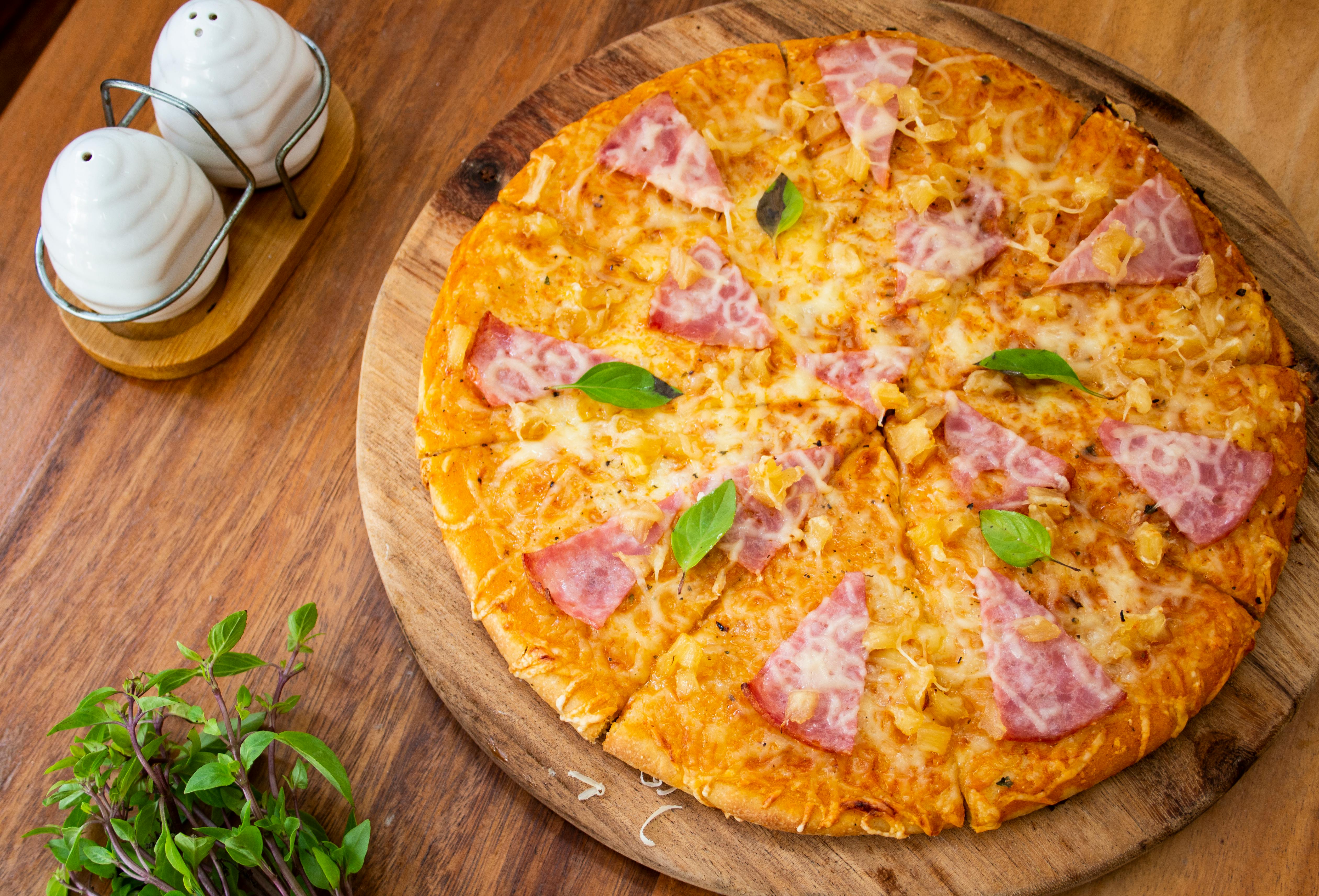
The name points to the Pacific, but the story begins in Ontario. In 1962, Sam Panopoulos, a Greek-born restaurateur working in Chatham, added canned pineapple to pizza at the Satellite Restaurant, pairing sweet fruit with ham to see how customers would respond.
It was a bold move at a time when pizza toppings were far less adventurous than they are now. The combination helped normalize the idea that pizza could balance salty, sweet, smoky, and acidic flavors in one bite. Love it or hate it, Hawaiian pizza changed global fast-casual eating by opening the door to creative topping culture, and that shift started in Canada, not Hawaii.
Poutine

What began as a regional Quebec comfort food has become an international language of indulgence. Poutine emerged in rural Quebec in the 1950s, when fresh fries, cheese curds, and hot gravy were combined into a dish that was messy, rich, and instantly memorable.
Its influence reaches far beyond the original recipe. Poutine helped legitimize loaded fries as a category now found on menus around the world, from diners to sports bars to gourmet kitchens. Chefs have since built endless variations with duck confit, short rib, and global sauces, but the basic idea remains unmistakably Canadian. Few dishes have traveled so widely while staying so closely tied to a specific place.
Canola Oil

This is one of Canada's biggest culinary contributions, even if most people never think of it as an invention. Canadian researchers in the 1960s and 1970s developed canola from rapeseed through plant breeding, creating an edible oil with a milder flavor and a healthier fat profile that made it far more useful in everyday cooking.
The impact was enormous. Canola oil became a global kitchen staple for frying, baking, salad dressings, and processed foods because it was versatile, stable, and relatively neutral. It also changed agriculture and food manufacturing on a major scale. Many households use it weekly without realizing the product itself is a Canadian innovation built for modern eating habits.
The California Roll

One of the world's most influential gateway foods was shaped in Vancouver. Chef Hidekazu Tojo is widely credited with creating the inside-out California roll in the 1970s, adapting sushi for North American diners who were hesitant about seaweed on the outside and skeptical of more traditional raw fish preparations.
By reversing the roll and using approachable ingredients like avocado, crab, and cucumber, he made sushi feel familiar enough to try. That small act of translation changed global dining. Sushi bars expanded, supermarket sushi became viable, and millions of people had their first sushi experience through this format. A Canadian city helped make Japanese cuisine mainstream in the West.
The McIntosh Apple
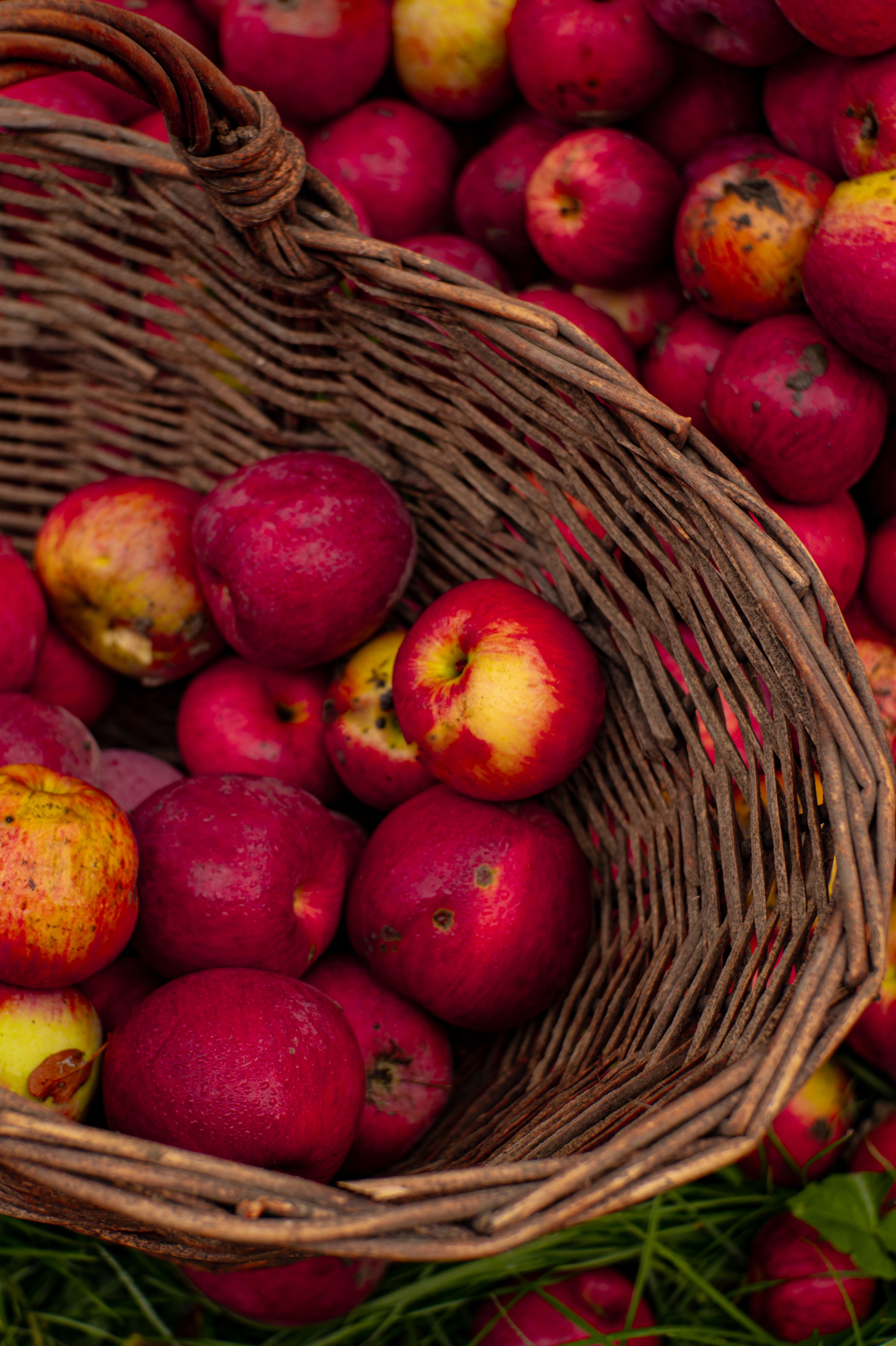
Sometimes an invention is not cooked in a kitchen at all. The McIntosh apple was discovered in Upper Canada in the early 19th century by farmer John McIntosh, who found a seedling on his land in what is now Ontario and cultivated it into one of the most influential apple varieties in North America.
Its bright flavor, tender flesh, and strong performance in cool climates made it a favorite for fresh eating and a benchmark for breeding. McIntosh helped shape commercial orcharding and inspired later varieties that dominate produce sections today. It also became deeply tied to applesauce, cider, and school lunches, proving that a single Canadian cultivar could influence how generations eat fruit.
Instant Mashed Potatoes
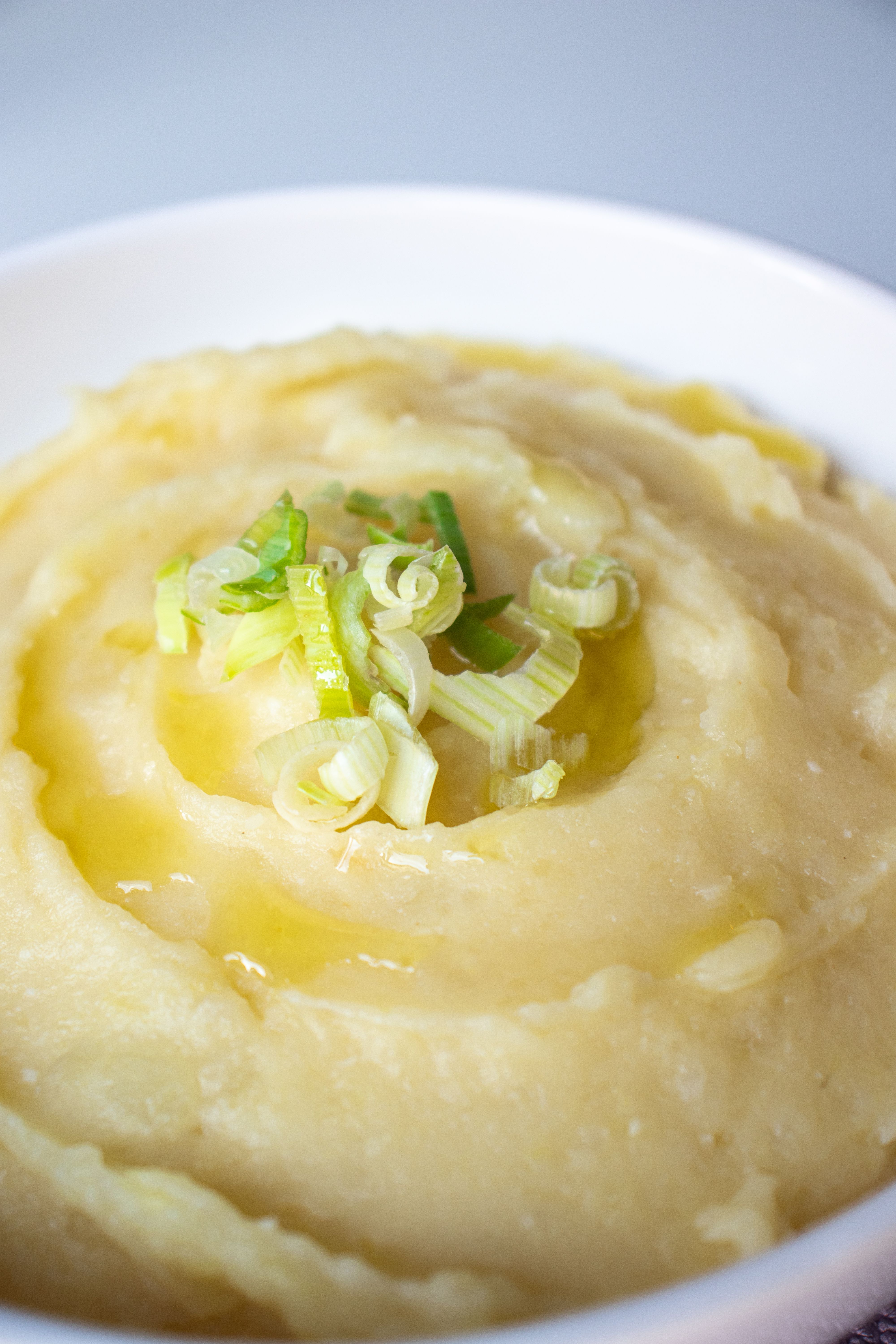
Convenience food often changes the world more quietly than restaurant dishes do. Edward Asselbergs, a Canadian researcher working in the mid-20th century, developed a successful method for dehydrated mashed potatoes that made it possible to produce a shelf-stable version with real kitchen utility.
That mattered because it helped redefine how households, institutions, and the military approached meal preparation. Instant mashed potatoes cut labor, reduced waste, and offered speed at a time when processed foods were transforming domestic life. Today they are used not only as a side dish, but also in industrial food production and recipe development. The modern shortcut owes a real debt to Canadian food science.
Ginger Beef

This dish tells a larger story about how immigrant cooking reshapes national taste. Ginger beef was created in Calgary by chef George Wong, who adapted Chinese cooking techniques to local preferences by deep-frying strips of beef and coating them in a sweet, spicy, gingery sauce.
The result became one of the defining dishes of Canadian Chinese cuisine and spread through takeout culture far beyond Alberta. It showed how regional Chinese food in North America could develop its own identity instead of simply copying tradition. Dishes built on that model now appear everywhere, where texture, sweetness, and bold sauce often matter as much as authenticity. Canada helped pioneer that fusion logic.
Butter Tarts
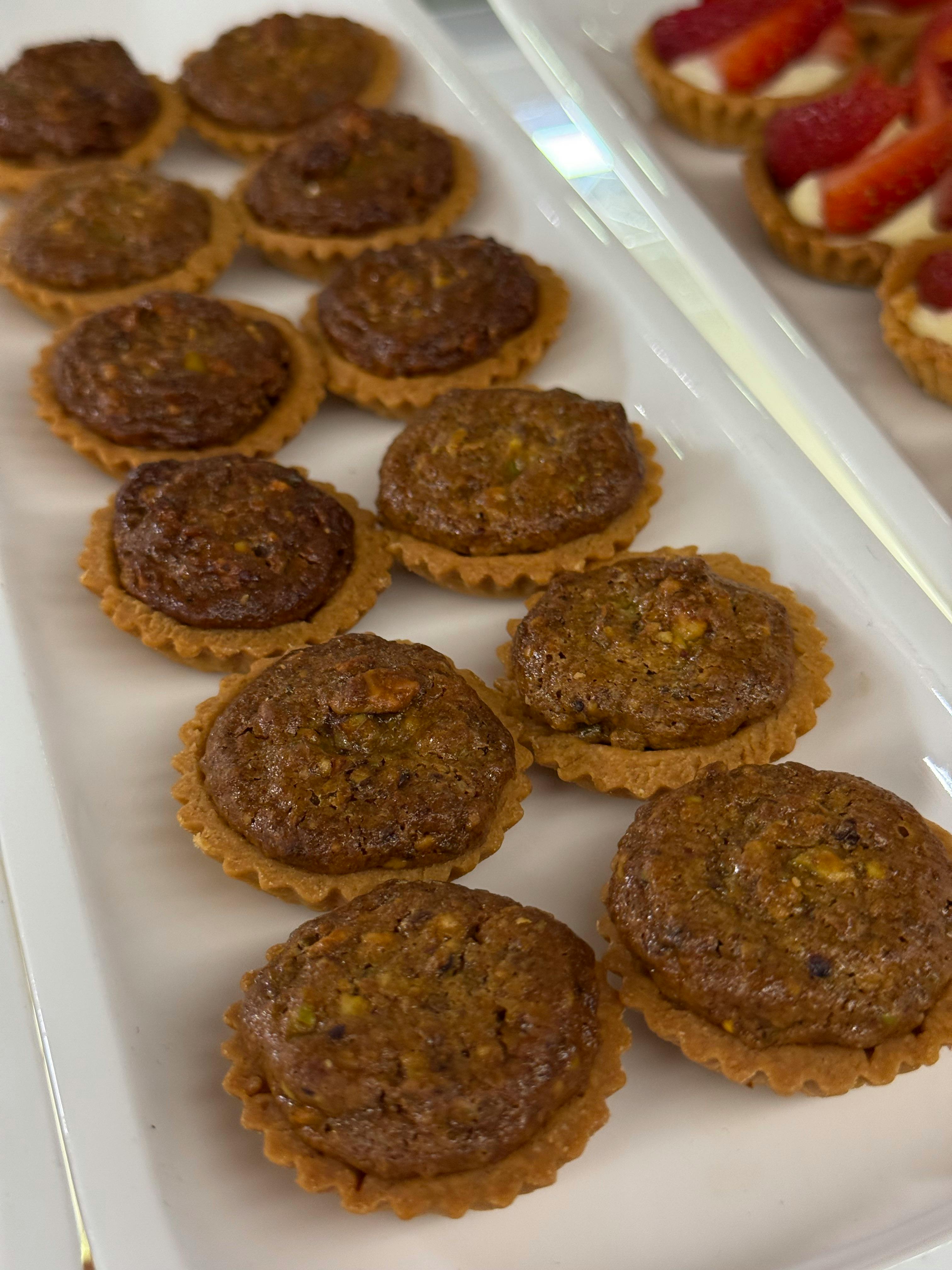
A small pastry can still leave a large cultural footprint. Butter tarts emerged in English-speaking Canada in the late 19th century, with early printed recipes appearing in Ontario. Their filling of butter, sugar, syrup, and egg baked inside a flaky shell created a rich dessert that was simple, portable, and deeply adaptable.
That formula helped inspire a broader family of gooey tart and pie traditions across North America. Bakers still argue over raisins versus no raisins, but the dessert's lasting importance is bigger than that. Butter tarts proved that humble pantry ingredients could become a signature sweet with mass appeal. They remain one of Canada's clearest claims to a truly original dessert tradition.
Nanaimo Bars
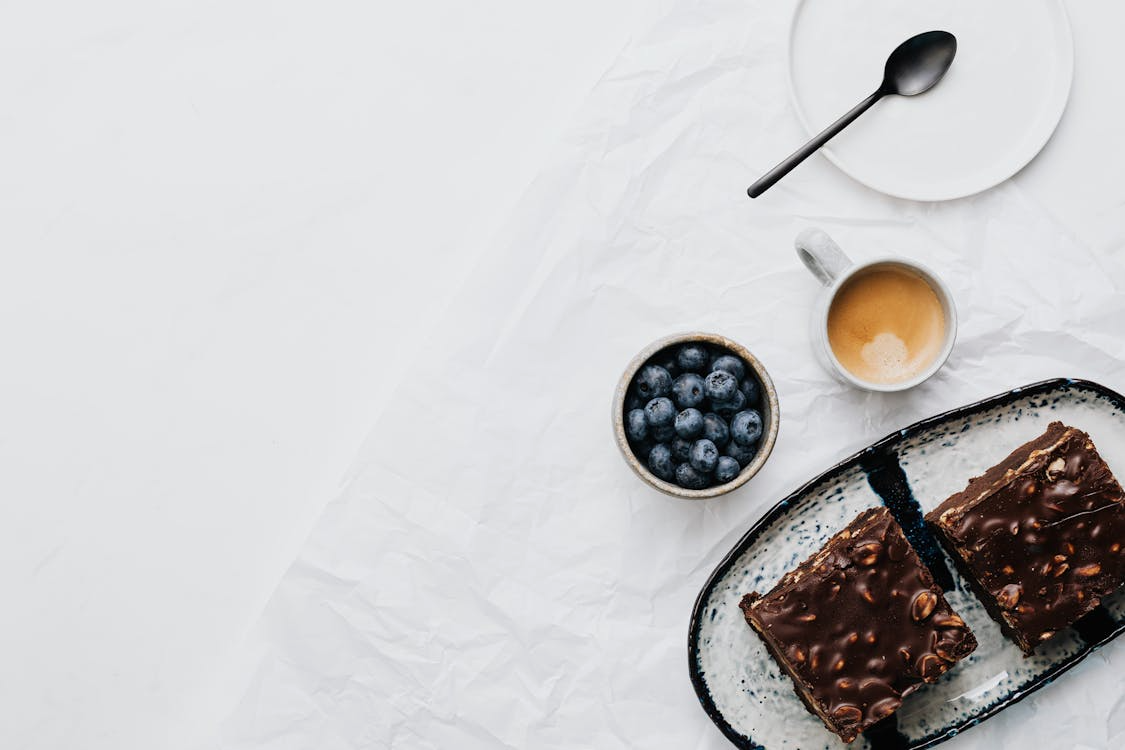
No-bake desserts now fill bakery cases and internet recipe feeds, but Nanaimo bars were ahead of that curve. Named after Nanaimo, British Columbia, the layered square became popular in the mid-20th century with its crumb base, custard-flavored middle, and chocolate top.
Its influence lies in the way it popularized the refrigerated dessert bar as a shareable, easily replicated treat for home cooks and community cookbooks. It travels well, needs no oven for final assembly, and feels both nostalgic and neat enough for a party tray. Variations have spread far beyond Canada, yet the original remains one of the country's most recognizable sweets, even if its broader influence is often underestimated.
Ice Wine

Cold weather became a competitive advantage when Canadian vintners embraced ice wine on a serious commercial scale. While the style has European roots, Canada, especially Ontario, turned it into a global luxury product by mastering production from grapes frozen naturally on the vine and harvested in deep winter conditions.
That success changed dessert wine culture around the world. Canadian ice wine built a market for intensely sweet, high-acid wines that restaurants, tourists, and collectors came to seek out specifically. It also gave Canada unusual prestige in an area long dominated by Old World regions. In practical terms, it taught global drinkers to see extreme climate not as a disadvantage, but as a flavor asset.




Leave a Reply