
That slightly pricier latte may have less to do with your neighborhood café and more to do with farms thousands of kilometers away in Brazil. The world's biggest coffee producer has been dealing with weather stress, tight harvest expectations, and volatile commodity prices, and those pressures are now showing up on menus across Canada. Here's how 11 familiar coffee chains and café brands are absorbing the shock, and why many customers are noticing small but steady increases.
Tim Hortons
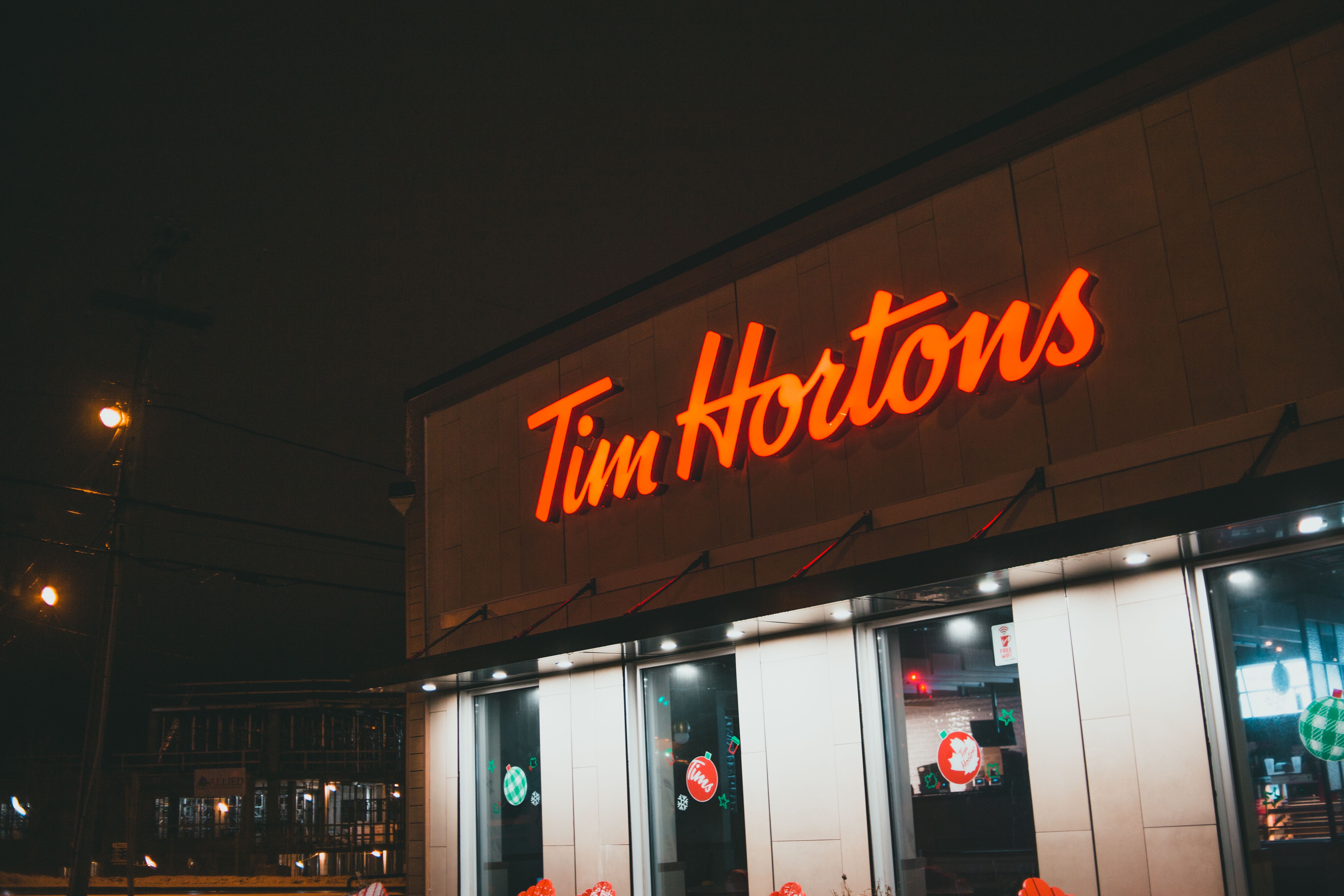
For many Canadians, Tim Hortons is the baseline for what coffee should cost, which makes even minor increases feel noticeable. The chain has not framed every menu adjustment around Brazil alone, but it operates in a market where arabica prices are heavily influenced by Brazilian harvest expectations, weather disruptions, and global supply jitters.
Brazil matters because it is the dominant producer of arabica, the bean behind many brewed coffees and espresso blends. When drought, heat, or frost damage crops there, futures markets tend to react quickly. Large buyers like Tim Hortons also face higher freight, packaging, labor, and dairy costs, so a coffee that rises by a few cents can reflect several pressures hitting at once.
Starbucks Canada

Starbucks customers tend to notice price shifts fastest because its drinks are highly customizable and already sit at the premium end of the market. A small bump on brewed coffee, espresso drinks, or add-ons can seem modest in isolation, but regular customers often feel it across a week of visits.
The deeper story starts in Brazil, where weather-linked crop stress has tightened sentiment around arabica supply. Starbucks buys coffee on a global scale and uses long-term sourcing strategies, yet it still operates within a commodity market shaped by Brazilian output. Add in higher wages, milk prices, rent, and transport costs in Canada, and menu updates become easier to understand, even if they remain frustrating for loyal customers.
Second Cup Café

Second Cup sits in an interesting middle ground, where customers expect a café experience without the full premium shock of some global chains. That balance gets harder to maintain when bean costs rise, especially for shops trying to protect quality while avoiding dramatic menu changes.
Brazil's current coffee troubles have helped keep arabica prices elevated, and that affects roasters and retailers well beyond South America. For a brand like Second Cup, the challenge is not only paying more for coffee but also coping with energy, packaging, and labor costs inside Canada. The result is often a quiet recalibration, with slightly pricier brewed coffee, espresso drinks, or seasonal offerings rather than one headline-grabbing jump.
Balzac's Coffee Roasters
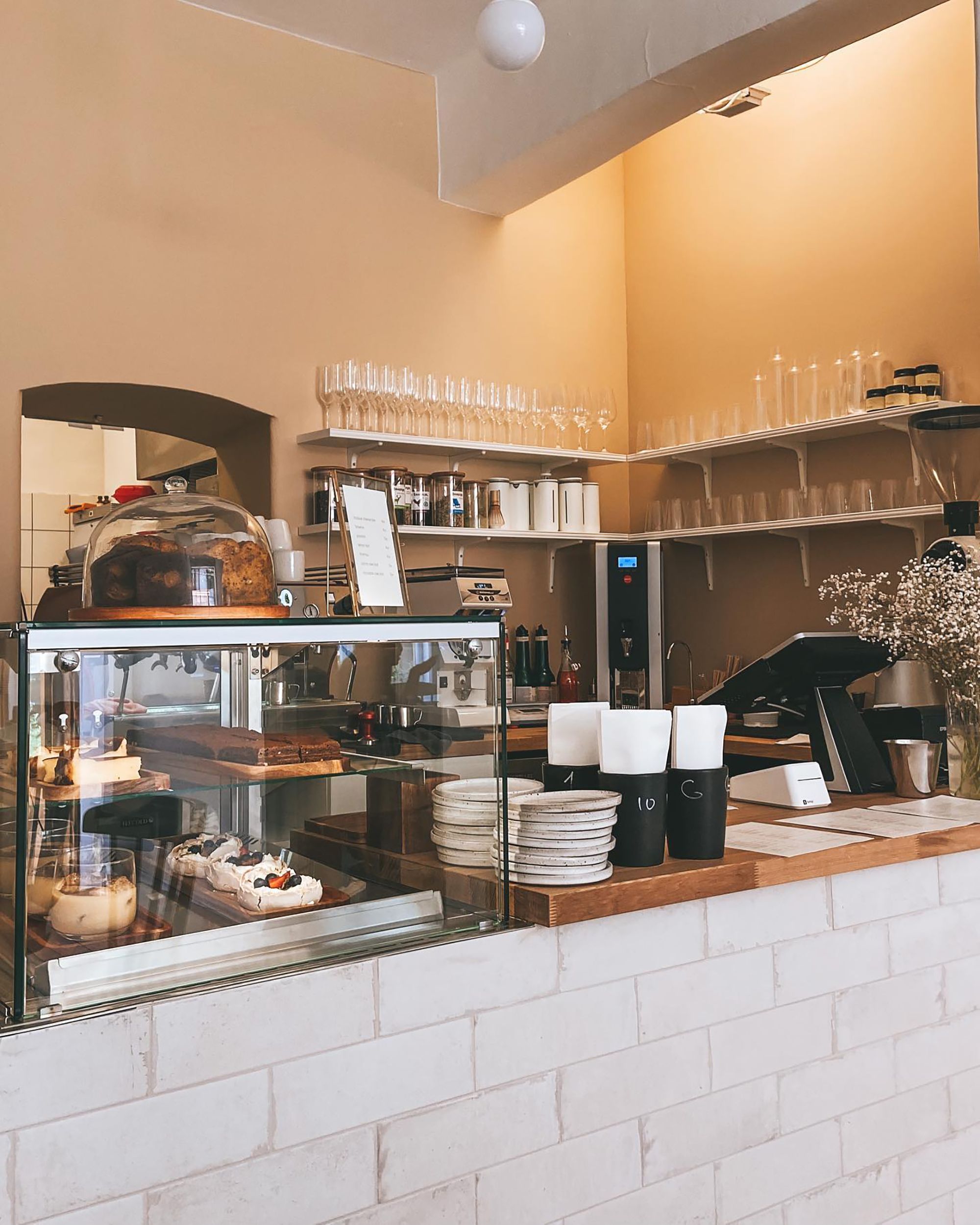
At Balzac's, the appeal has always been part atmosphere, part craft, and part bean quality. Shops built around specialty coffee feel commodity shocks differently because they are not only selling caffeine. They are also selling consistency, sourcing standards, and a carefully built reputation.
When Brazil's harvest outlook worsens, arabica markets tend to tighten, and specialty roasters feel the pressure even if they source from several countries. Higher green coffee costs can squeeze margins fast, especially when customers still expect expertly made drinks and distinctive spaces. For cafés like Balzac's, price increases are often a way to protect quality instead of cutting corners on beans, roast profiles, or the overall in-store experience.
JJ Bean Coffee Roasters

JJ Bean has long attracted customers who care about roast character and café quality, so any increase carries extra scrutiny. People who choose a specialty roaster over a convenience coffee often assume the price reflects better sourcing, but they still notice when a favorite flat white or bag of beans costs more than it did a few months ago.
Brazil's role in global coffee pricing is hard to overstate. Even roasters that diversify origins are influenced by market conditions tied to Brazilian production, especially when futures prices rise on supply concerns. For JJ Bean, that pressure lands alongside wage growth, utilities, and food-service overhead, making selective price adjustments a more likely path than compromising on bean quality or brewing standards.
49th Parallel Coffee Roasters

49th Parallel has built its name on precision, which makes every cost increase a delicate decision. In the specialty segment, customers often know the difference between commodity coffee and a carefully sourced, thoughtfully roasted cup. That loyalty helps, but it also raises expectations around transparency and quality.
Brazil's weather issues have fed global concern over arabica availability, and that has a way of pushing up costs far beyond one country's borders. A premium roaster can hedge some risks through sourcing relationships, but it cannot escape market realities forever. If prices edge up at the register, it is often because maintaining the same standards for green coffee, roasting, labor, and equipment service now simply costs more than it used to.
Deville Coffee

Deville's café model leans into polished design and urban convenience, which means customers are paying for more than the beans alone. In that kind of setting, small price increases can arrive quietly through a higher latte total, an updated breakfast combo, or a modest jump in retail bean prices.
The bean story still starts with Brazil. As the world's largest coffee producer, it has an outsized influence on global pricing whenever adverse weather threatens yield or quality. Canadian cafés like Deville then face that imported pressure on top of local realities such as commercial rent, labor, milk, and utility bills. Even if the increase feels local, the forces behind it are very much global.
Bridgehead
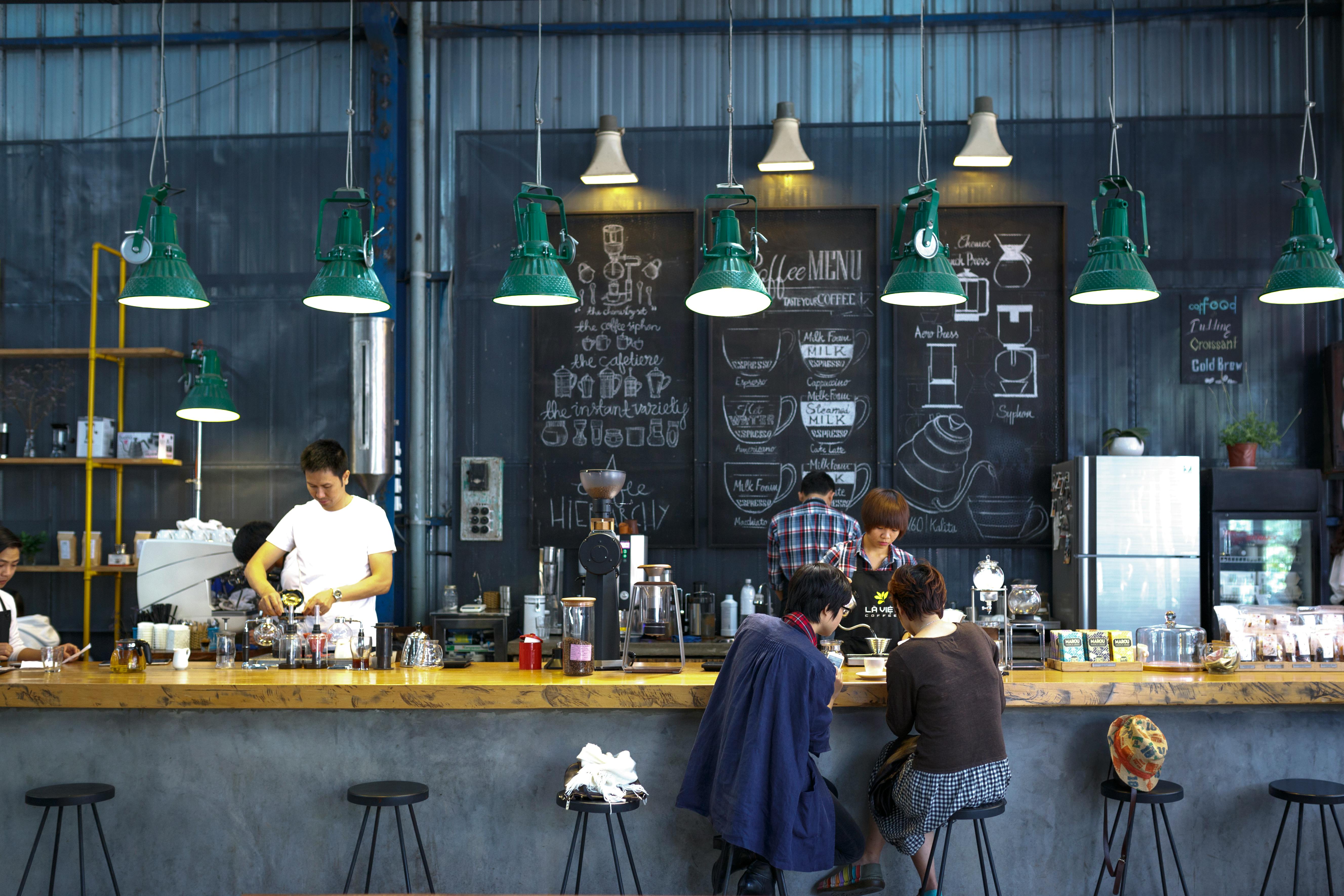
Bridgehead has long positioned itself around ethical sourcing and a community café feel, and that creates a particular kind of pricing challenge. Customers who support that mission usually understand that responsibly sourced coffee is not cheap, but they still hope rising costs come with a clear reason.
Brazil's coffee problems have helped keep international markets tense, especially for arabica. Even cafés with strong sourcing values and diversified supply chains feel the aftershocks when global benchmark prices climb. Bridgehead also has to manage the same domestic costs facing the broader industry, from wages to dairy to transport. That is why a small increase on a drip coffee or cappuccino can reflect both global farm stress and local operating math.
Aroma Espresso Bar Canada

Aroma sells coffee in a setting where food, desserts, and all-day café traffic matter just as much as the espresso machine. That mix can soften price shocks for a while, but not indefinitely. If coffee inputs rise enough, they eventually make their way onto the menu, even when the changes are spread across categories.
Brazil's weather-driven production worries have pushed the broader coffee market into a more expensive phase, particularly for arabica. For a café chain operating in Canada, that comes on top of elevated labor and ingredient costs across the board. The result is often a subtle adjustment strategy, where individual drinks, combos, or extras rise a little rather than one dramatic menu reset that might scare off regulars.
Caffè Artigiano

Caffè Artigiano built its reputation on espresso craft, so bean quality is central to the brand. In espresso-driven cafés, coffee cost swings can be especially sensitive because the menu revolves around drinks where bean flavor, crema, and consistency are part of the promise customers are paying for.
That is where Brazil enters the picture. A weaker outlook for Brazilian arabica can raise costs throughout the industry, influencing blends and purchasing decisions even for cafés that source more broadly. If Artigiano nudges prices upward, it is likely balancing a desire to protect cup quality against rising wholesale costs. Add higher milk, wage, and rent expenses in Canadian cities, and a more expensive cappuccino starts to look less surprising.
Café Saint-Henri
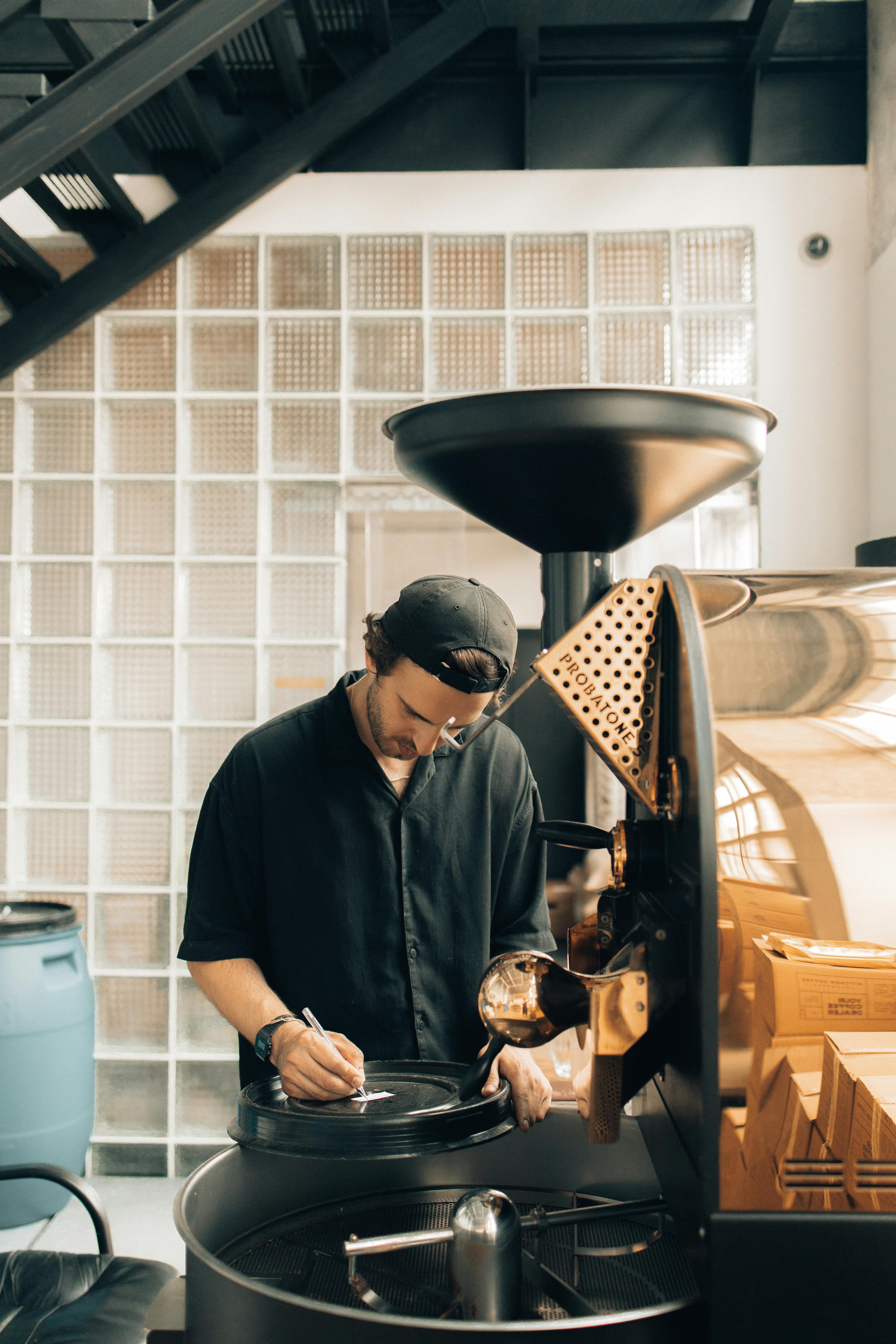
Café Saint-Henri appeals to customers who care about sourcing, roasting, and the story behind the cup. That kind of audience tends to be informed, which means price increases are often judged less by the amount and more by whether the café appears to be protecting quality rather than padding margins.
Brazil's crop challenges have helped drive uncertainty in coffee markets, and specialty players are not insulated from that. Even if Saint-Henri buys from a range of origins, the wider arabica environment affects procurement costs and replacement options. When those costs meet higher energy bills, staffing expenses, and the realities of running a café in a major Canadian city, a higher pour-over or espresso price can be a defensive move, not a luxury one.




Leave a Reply