
On paper, Canada can look like an easy win for American food brands. The language overlap, shared border, and familiar shopping habits suggest a smooth expansion. In reality, many chains discovered that Canadian consumers notice pricing, product differences, and brand positioning very quickly, and when those details feel off, confusion sets in fast.
Target Canada

Few retail launches in Canada generated as much excitement, and then as much disbelief, as Target. While not a restaurant chain, Target sold a huge amount of packaged food and groceries in the U.S., so its Canadian arrival was pitched as a one-stop shopping event with familiar snacks, pantry goods, and household staples.
Instead, shoppers found empty shelves, odd product assortments, and prices that often felt higher than expected. Consumers who crossed the border for the American Target experience quickly realized the Canadian version did not match it. Within two years, the company exited, leaving behind one of the clearest examples of how a famous American food-and-retail brand can misread what Canadians actually expect.
Krispy Kreme

Krispy Kreme arrived in Canada with a strong sugar rush of hype. The brand already had a devoted fan base among Canadians who knew the appeal of a warm glazed doughnut fresh off the line, so the early attention was real and the long lineups made the expansion look promising.
The confusion came when novelty wore off and the business had to function like a long-term everyday stop. The chain expanded during a period when its wider corporate model was already under pressure, and demand proved less durable than the opening buzz suggested. Some locations disappeared, and the brand's uneven footprint made it feel less like a national habit and more like an occasional curiosity.
Cold Stone Creamery

Cold Stone Creamery brought a very American style of dessert theater to Canada. The singing staff, mix-ins folded on a frozen stone, and oversized creations were meant to turn ice cream into an event, not just a treat. That concept stood out, but it also raised a basic question for many customers: was the spectacle worth the price?
In a market where premium ice cream already had plenty of competition, the chain struggled to build lasting momentum. The experience was memorable, but often more as a novelty than a routine purchase. Over time, its presence faded in many areas, showing that a big personality alone does not always translate across the border in a way that feels natural or essential.
Dunkin' Donuts

Dunkin' Donuts had a much tougher challenge in Canada than in many U.S. markets because it ran straight into Tim Hortons. That rivalry was not just about coffee and doughnuts. It was about routine, loyalty, convenience, and a Canadian brand that had already become deeply tied to everyday life.
Dunkin' once had a noticeable presence in parts of Canada, especially in Quebec, but it steadily lost ground. Customers did not seem confused by the menu so much as unconvinced by the need for a second habit. In the end, the chain could not carve out a clear identity strong enough to beat a homegrown giant, and its retreat felt almost inevitable.
Sonic Drive-In

Sonic's appeal in the United States is tied to a very specific kind of roadside nostalgia. Drive-in stalls, carhop service, giant drinks, and a menu built for impulse stops all make sense in the right suburban setting. In Canada, that same formula looked interesting, but it was never obvious how broadly it fit local habits or climate realities.
The chain tested the market rather than rolling out in a major way, and the concept never became a wide national presence. For many Canadians, Sonic remained more of a cross-border brand they had heard about than a practical local option. The result was not a dramatic collapse, but a lingering sense that the format itself never fully translated.
Carl's Jr.
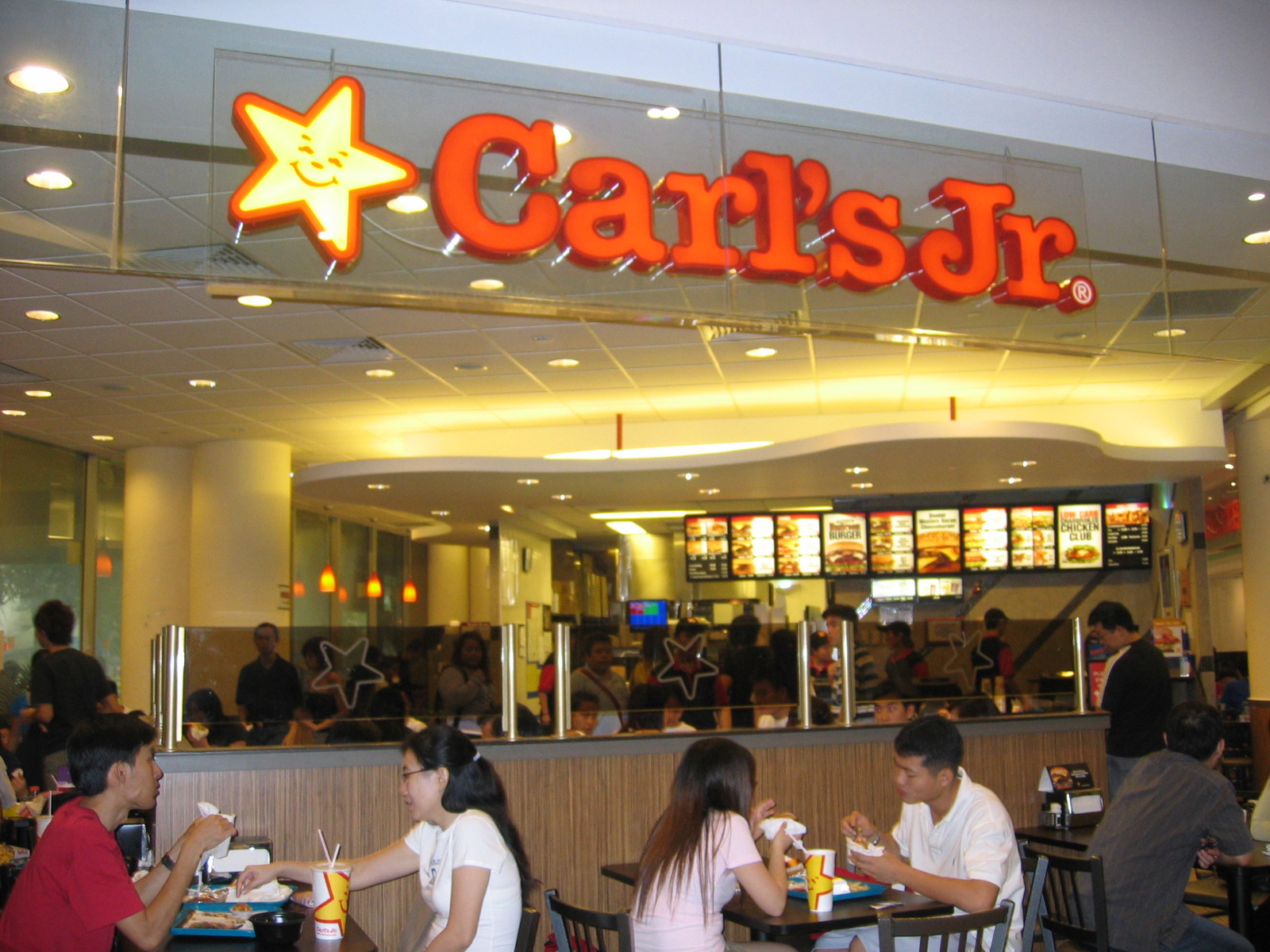
Carl's Jr. entered Canada with a burger identity built on indulgence. The chain leaned into large burgers, bold marketing, and a distinctly American fast-food swagger. On paper, that should have given it room to stand out, especially in a category where Canadians already spend heavily.
But standing out is not the same as fitting in. The burger space in Canada is crowded, and customers had no shortage of choices across fast food, fast casual, and local chains. Carl's Jr. opened stores in western Canada and kept a limited presence, but it never seemed to become a national must-try. The brand was visible enough to be noticed, yet too niche to feel fully established.
Fatburger
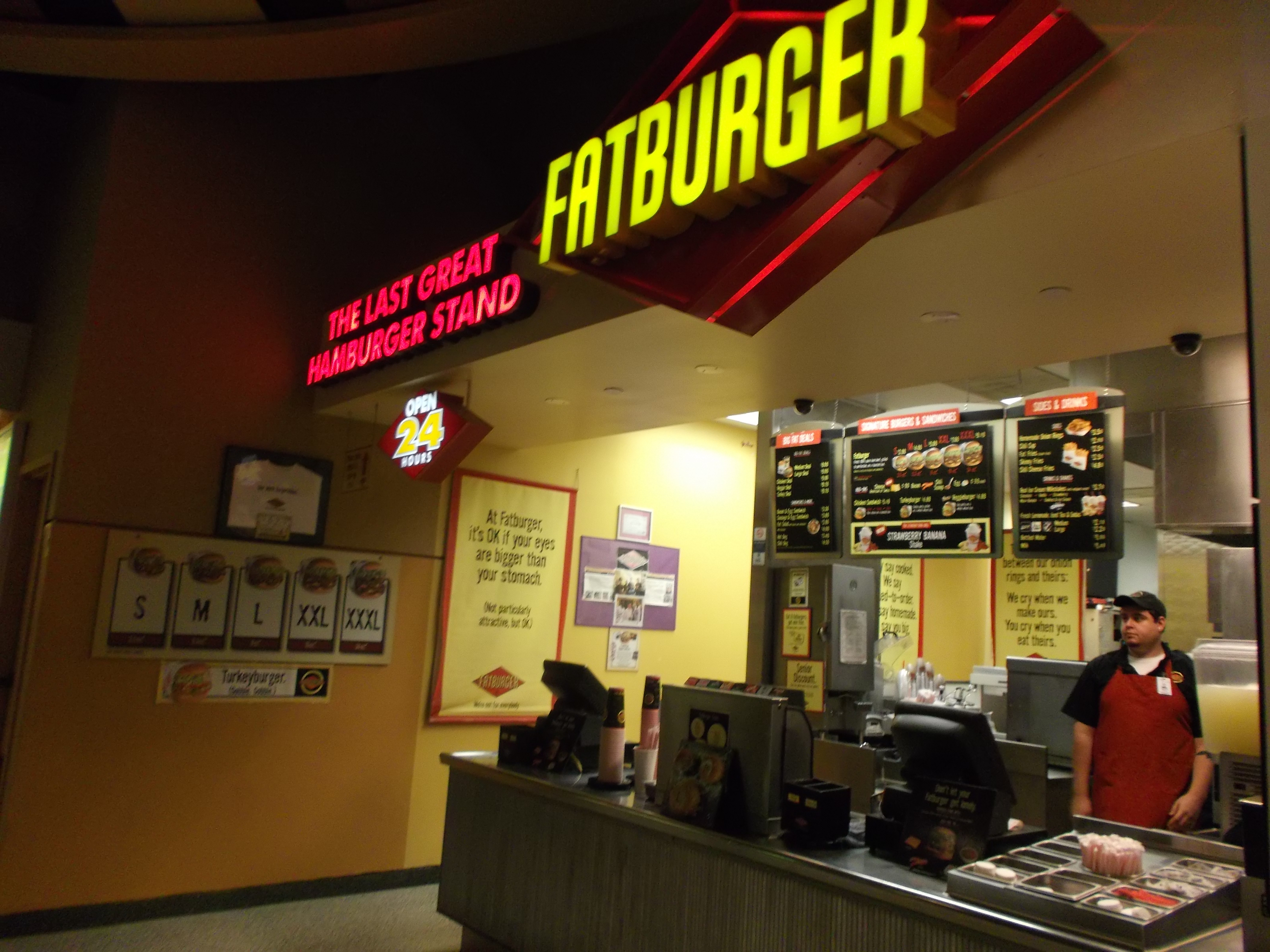
Fatburger's move into Canada had a different kind of challenge. The brand was already known to some travelers and pop culture followers, and its custom burger approach had a loyal following. In western Canada, especially, it developed a presence that suggested the chain might have a stable path north.
Yet the expansion story never became as straightforward as the name recognition might imply. In many parts of the country, Fatburger remained more regional than national, and that limited footprint kept it from feeling like a truly mainstream arrival. For consumers outside its stronger markets, the chain could seem like a famous American import that had technically arrived without ever becoming part of the regular dining conversation.
Marble Slab Creamery

Marble Slab Creamery entered Canada with a concept close enough to Cold Stone to create a familiar kind of curiosity. The made-to-order mix-in experience looked premium, fun, and highly customizable, which gave the chain a polished first impression in malls and retail corridors.
The issue was not whether people understood the product. It was whether the format was compelling enough to become a regular stop in a competitive dessert market. Premium ice cream works best when there is strong foot traffic and repeat demand, and that can be difficult to sustain. The brand has maintained some locations, but its broader Canadian story has often felt like a quiet presence rather than the breakout success its concept promised.
Quiznos

Quiznos is a useful example because its Canadian struggles mirrored wider trouble, but local market dynamics made the slide especially noticeable. The toasted sub concept once felt fresh and differentiated, and the chain built a substantial presence in Canada during its growth years.
Then came the harder part: maintaining relevance in a crowded sandwich category while franchise tensions and shifting consumer preferences changed the business. Competition from Subway and other quick-service players intensified, and store counts began to shrink. For many Canadians, Quiznos became one of those brands that seemed to be everywhere and then suddenly wasn't, which created a lingering sense of how quickly momentum can disappear.
Chick-fil-A

Chick-fil-A's entry into Canada was never going to be a simple food story. The chicken chain arrived with an intensely loyal U.S. fan base and a reputation for efficient service, but it also carried years of controversy tied to corporate giving and political backlash. That meant the launch drew attention for reasons far beyond the menu.
In Toronto and other markets, opening-day curiosity collided with organized protests and a broader debate about whether the brand belonged in Canadian city centers. Some customers were excited, others were skeptical, and many watched the rollout as a cultural flashpoint rather than a straightforward restaurant opening. The confusion was not about chicken sandwiches. It was about everything surrounding them.
Cinnabon

Cinnabon never failed in Canada in the dramatic sense, but its presence has often felt oddly in-between. The brand is famous, the product is unmistakable, and the smell alone can stop people in their tracks. Still, that kind of mall-driven indulgence depends heavily on location strategy and impulse traffic.
As Canadian shopping habits changed and some traditional mall traffic softened, the chain's format looked less universally dependable than it once did. Cinnabon remained recognizable, yet often more as a nostalgic craving than a dominant bakery player. For many consumers, it became one of those brands that was somehow both familiar and elusive, which is a strange place for such a loud sensory experience to end up.




Leave a Reply