
Fries started as a potato format, but the shape and technique now travel far beyond the spud. These 10 examples show how chefs, brands, and home cooks have turned the idea of fries into something broader, crispier, and often more surprising.
Halloumi fries
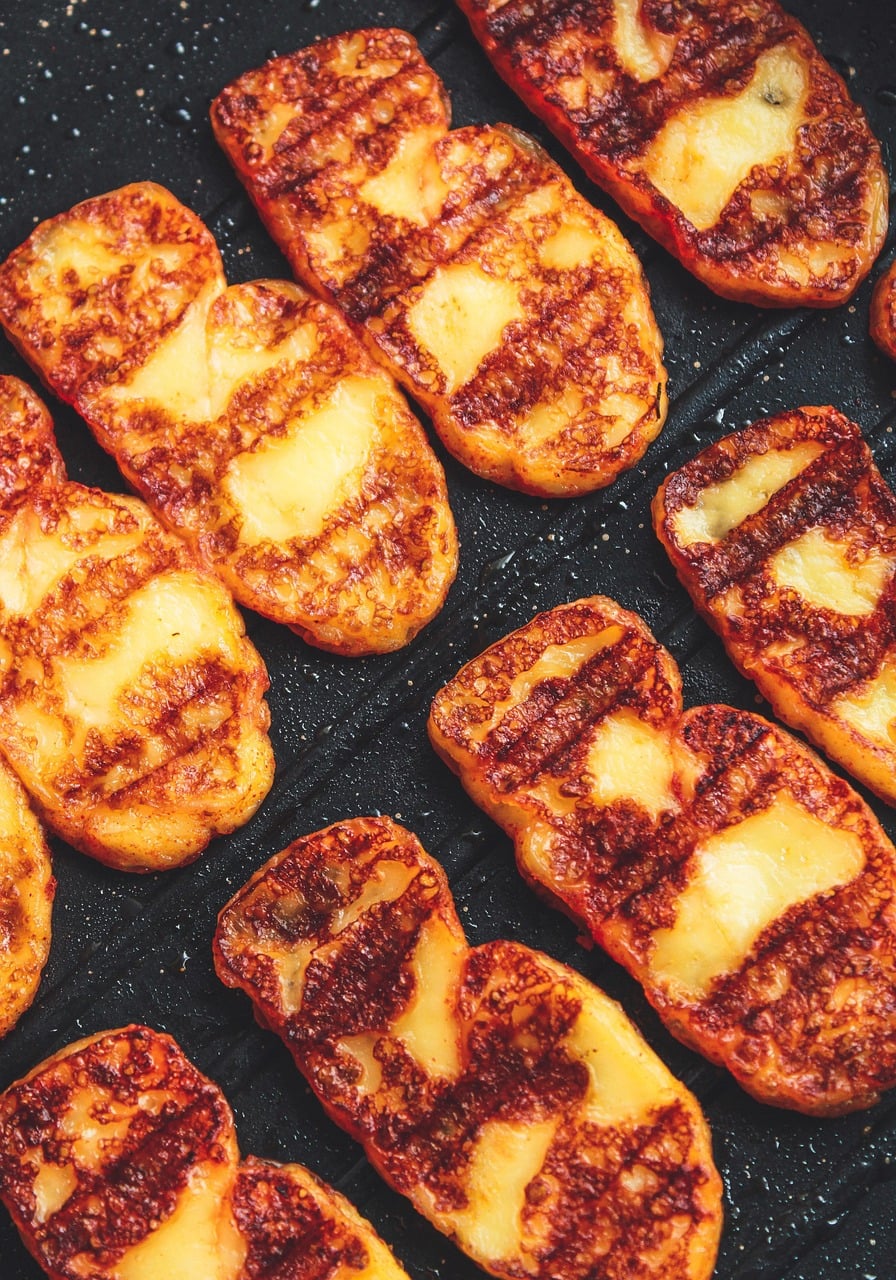
Cheese is one of the boldest non potato answers to fries, and halloumi leads the pack. The firm, brined cheese from Cyprus keeps its shape when heated, so it can be cut into batons, fried, and served like a basket of fries without melting into a puddle.
What makes halloumi fries stand out is the contrast. The outside turns deeply golden, while the center stays chewy and salty. Many restaurants finish them with herbs, hot honey, or a yogurt based dip, which gives the plate the same snackable feel as fries with ketchup, but with a richer bite.
Halloumi fries also photograph well, which helps explain their rise on gastropub menus and social feeds. A stack of blistered cheese sticks with a glossy sauce reads instantly as comfort food, even though it comes from a very different tradition than standard fries.
Polenta fries
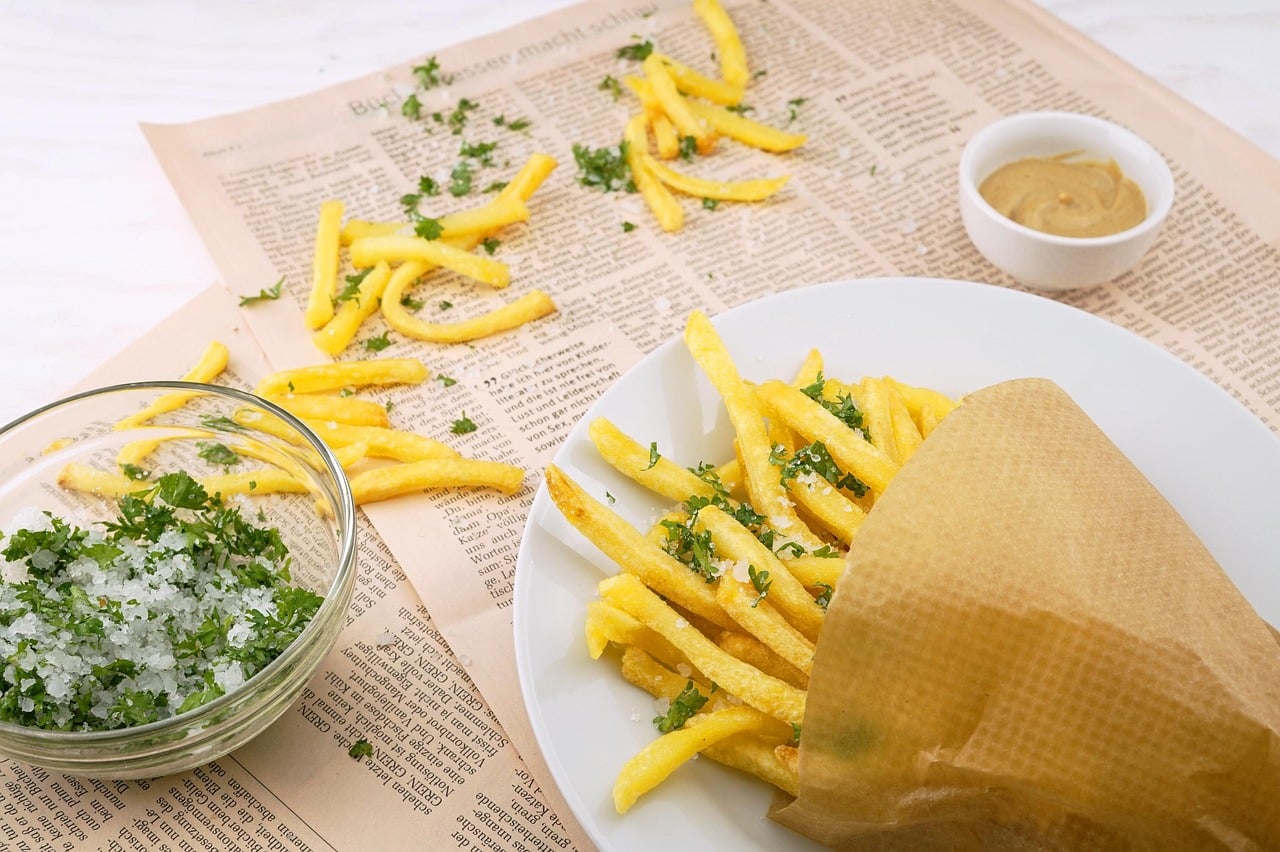
Cornmeal may not sound like fry material at first, but polenta proves how flexible the category has become. Cooked polenta can be cooled until firm, sliced into thick sticks, and then baked or fried until crisp at the edges.
The payoff is texture. Inside, polenta fries stay creamy and soft, almost like a spoonful of porridge set inside a crust. Outside, they pick up crunch and color. Parmesan, rosemary, and black pepper are common additions, and marinara is a frequent dipping partner because the flavor lands somewhere between fries and mozzarella sticks.
Polenta fries also appeal to cooks who want a different starch without copying potatoes too closely. They have their own flavor, with the sweet, earthy taste of corn at the center, so they feel less like a substitute and more like a dish in their own right.
Avocado fries
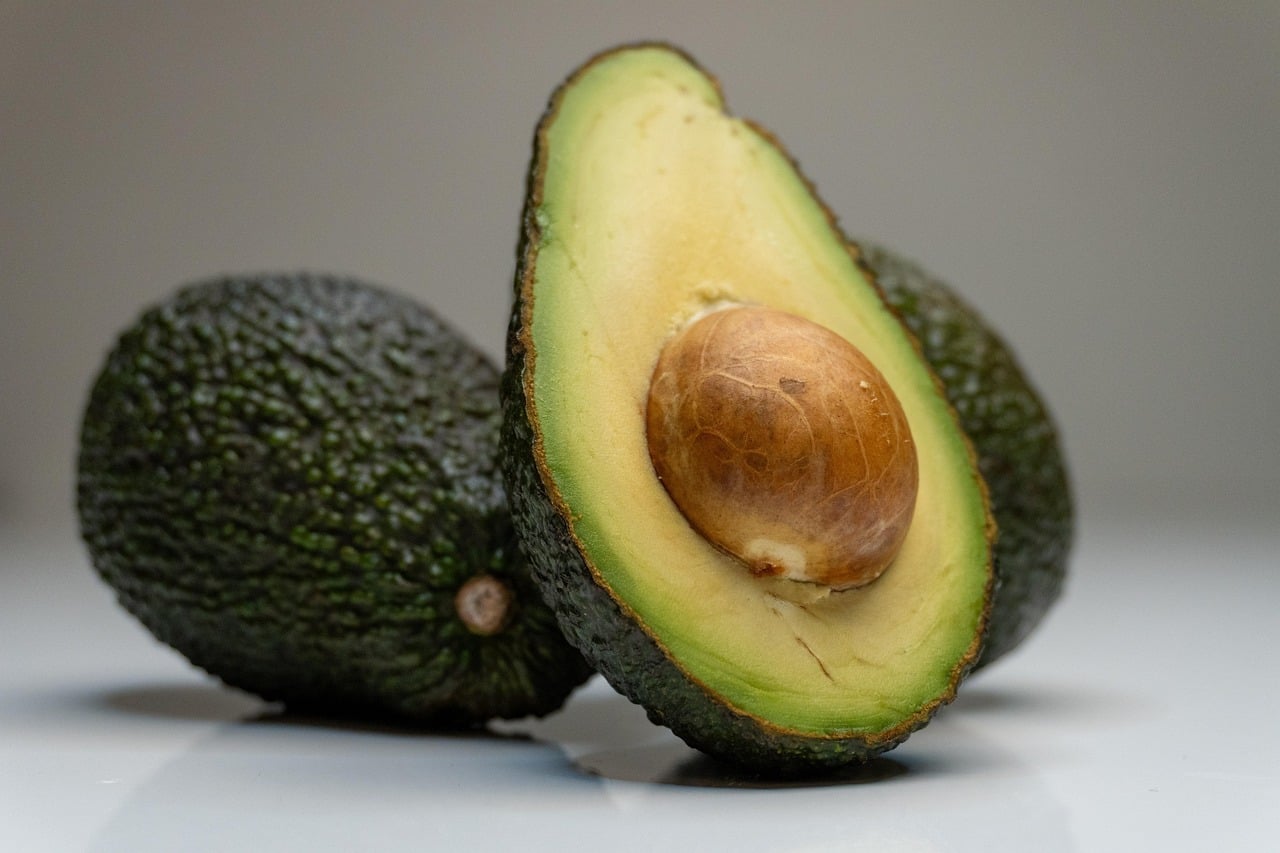
Some fries lean on starch, but avocado fries go in the opposite direction. Instead of a dense interior, they offer a creamy center wrapped in a crunchy coating, usually made from breadcrumbs or panko and cooked in the oven, air fryer, or deep fryer.
Because avocados are delicate, timing matters. The best versions use fruit that is ripe enough to be buttery but still firm enough to slice cleanly. That gives the finished fry a distinct contrast: crisp shell outside, soft green interior inside, often paired with chipotle mayo or lime heavy sauces.
Avocado fries became especially popular as menus expanded their shareable appetizers. They fit neatly into the fry basket format while bringing a flavor profile associated with tacos, grain bowls, and California style casual dining. In a photo, they still look like fries. On the plate, they eat like something completely different.
Zucchini fries
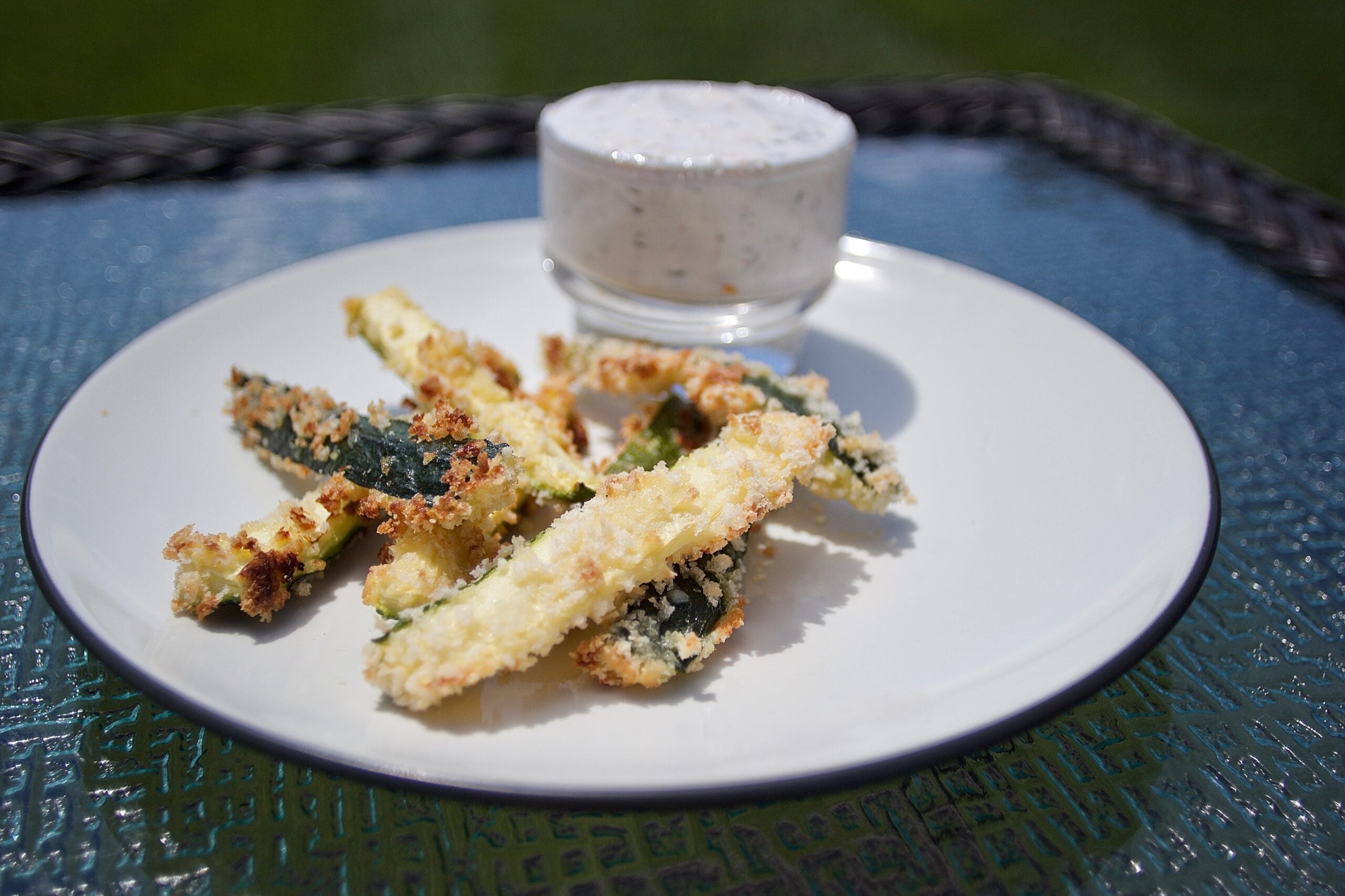
Zucchini fries work because the vegetable has a mild taste and a shape that naturally lends itself to sticks. Once cut, breaded, and baked or fried, zucchini turns into a lighter style of fry that still feels familiar enough to satisfy the category.
The trick is moisture. Zucchini contains a lot of water, so cooks often salt it, pat it dry, or rely on a coating that helps the exterior crisp before the inside goes soft. Parmesan and seasoned crumbs are common, and ranch or tomato sauce usually rounds out the dish.
This is one of the clearest examples of fries becoming a format rather than a single ingredient. Zucchini fries show up in home cooking, family restaurants, and chain menus because they are easy to understand at a glance and easy to pair with the same dips people already love.
Yuca fries
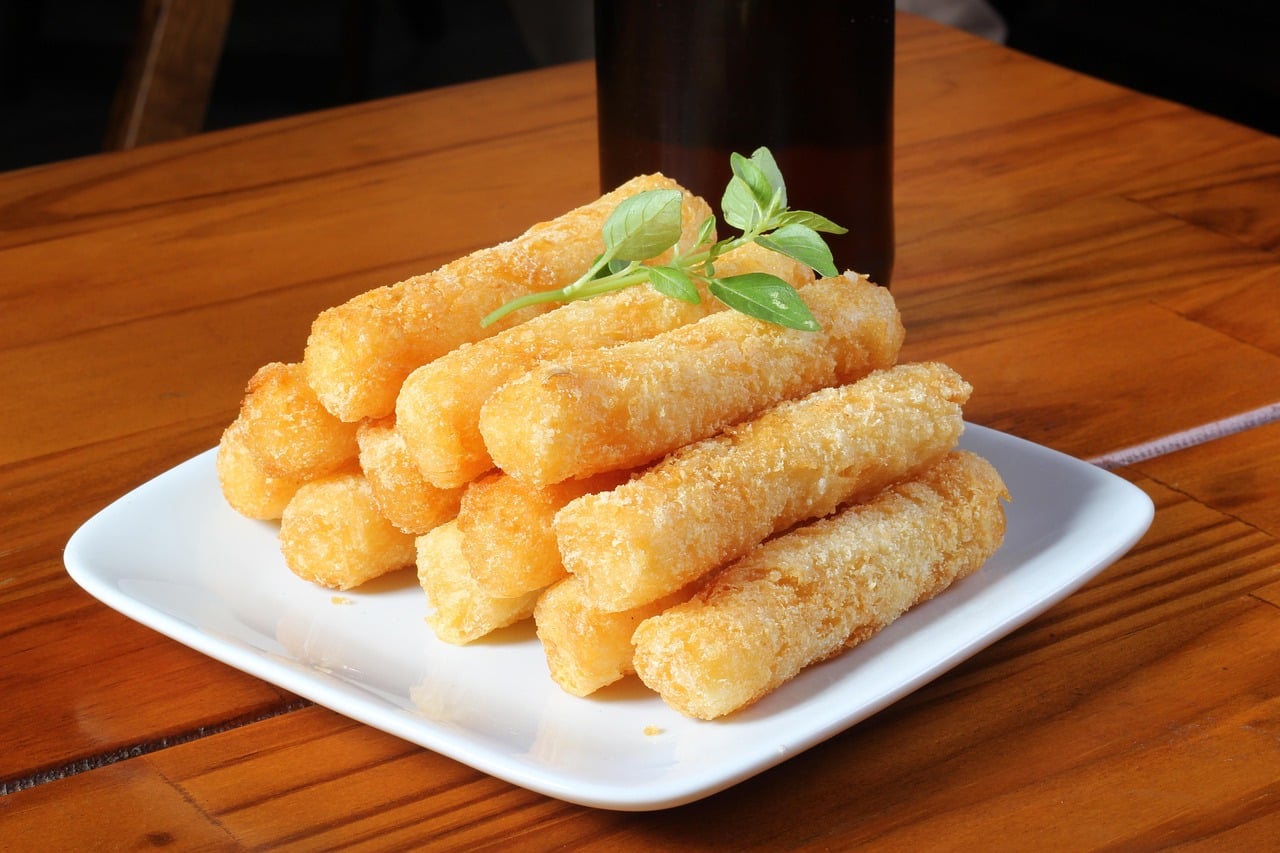
Yuca, also called cassava, gives fries a completely different personality. The starchy root is widely used across Latin American and Caribbean cooking, and when cut into wedges or thick sticks, it fries up with a dry, fluffy interior and a sturdy shell.
Unlike potato fries, yuca fries often need a first step of boiling before frying. That softens the dense root and helps create the texture people expect. The result is heartier and a bit more fibrous than a potato fry, with a mild taste that works especially well with garlic sauce, cilantro sauces, or spicy mayo.
For many diners, yuca fries are the gateway to a broader fry world. They look close enough to standard fries to feel familiar, but one bite makes the difference clear. They are heavier, more substantial, and rooted in food traditions that long predate the recent trend cycle around alternative fries.
Green bean fries
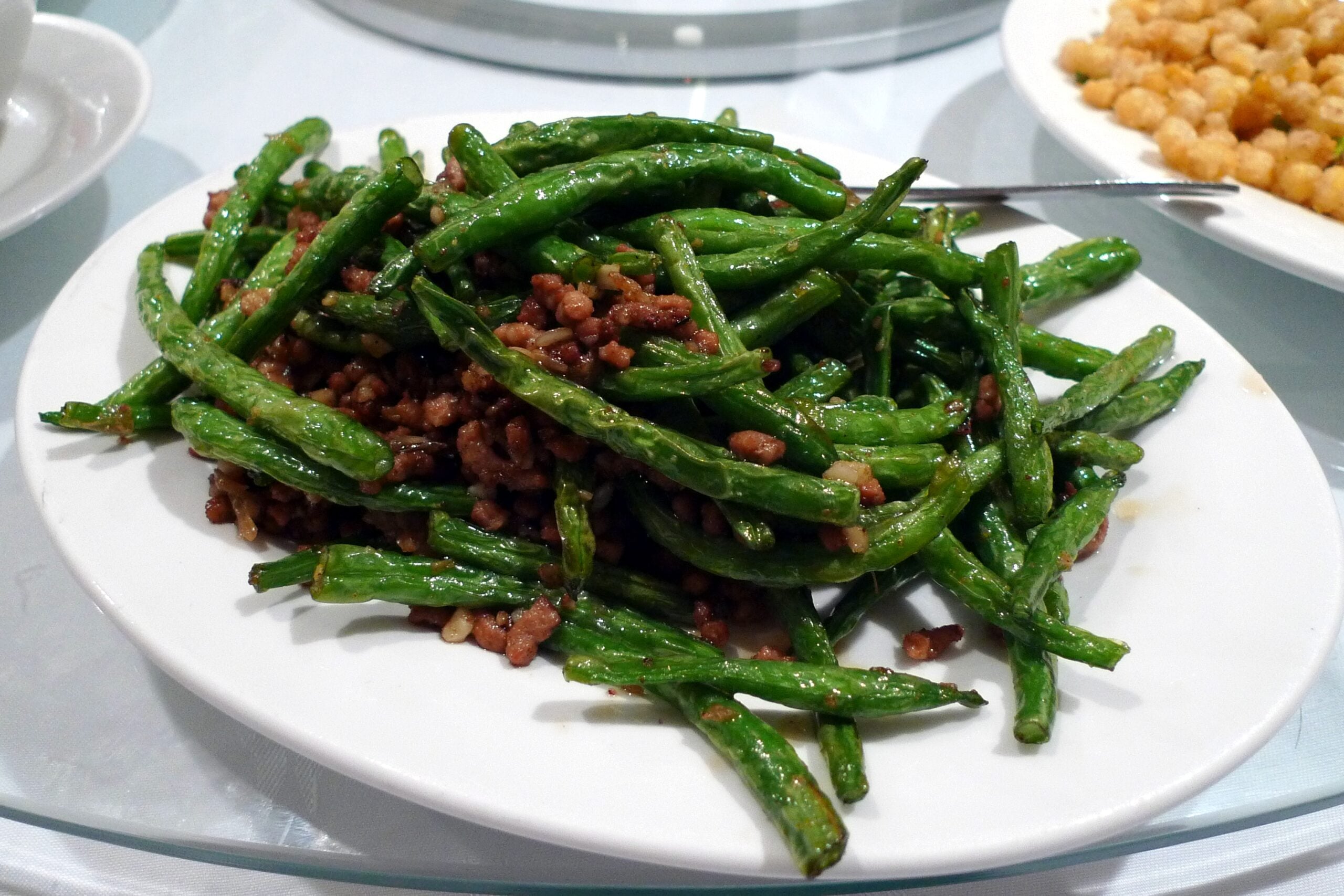
Some of the most convincing non potato fries are not starchy at all. Green bean fries take a thin vegetable and use coating and high heat to create something crisp enough to eat by the handful, often as an appetizer or side.
Their appeal comes from the snap. Even after cooking, the beans can keep a little structure, which makes them feel more lively than a soft interior fry. Breadcrumbs, tempura batter, or a light dusting of flour all show up in different versions, and the dipping sauce often does a lot of the flavor work.
Green bean fries also reveal how far the term fry has stretched in everyday food language. In many cases, they are simply fried green beans served in a fry style presentation. That presentation matters, because it frames the dish as casual, shareable, and easy to recognize.
Taro fries
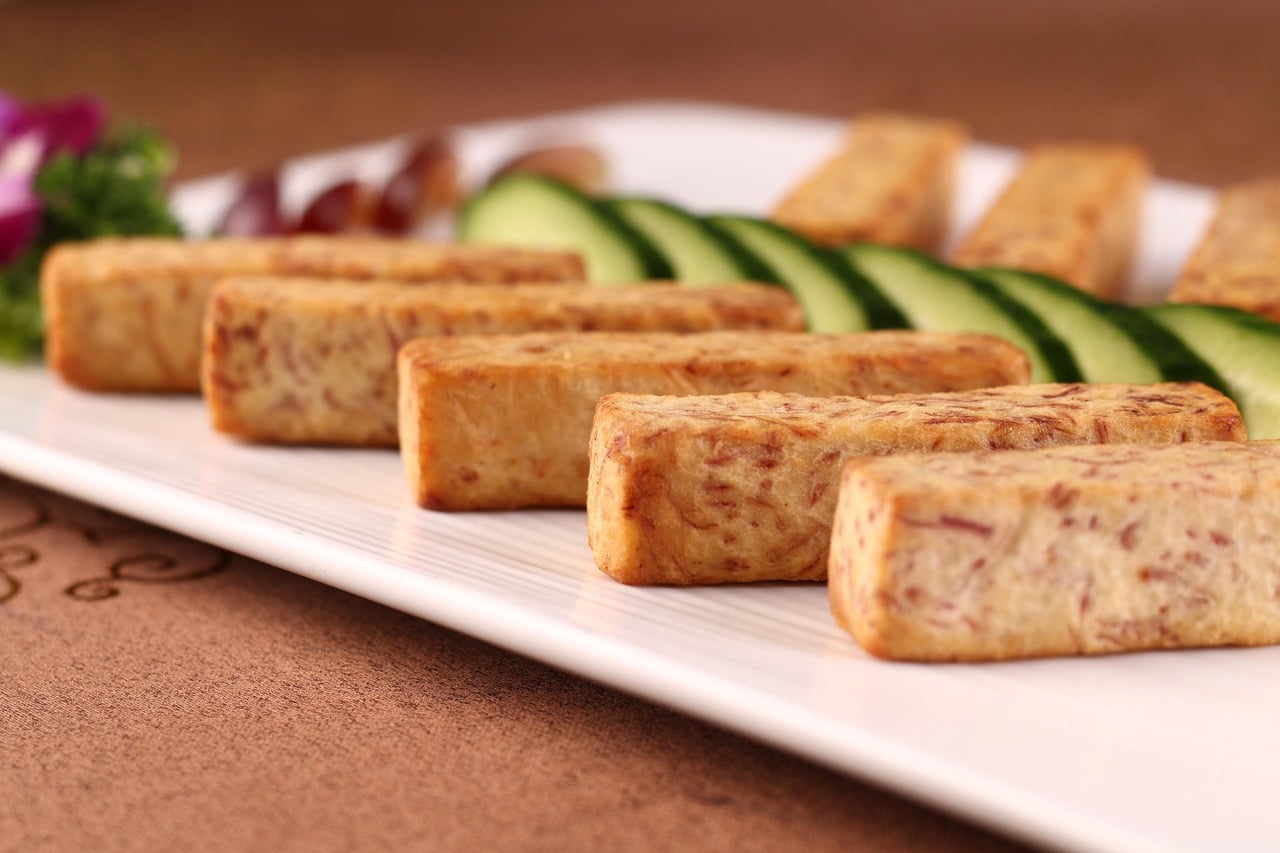
Taro fries bring a root vegetable with a distinct flavor and pale purple flecks to the fry basket. Taro is used widely across Asia and the Pacific, and when sliced into sticks and cooked until crisp, it offers a nuttier, slightly sweeter profile than potatoes.
Texture is part of the draw here too. Taro can turn fluffy, but it also has a drier, more crumbly quality than potato, which gives each fry a different kind of bite. Seasonings vary, though sea salt, five spice, and garlic are all common ways to sharpen its natural earthiness.
For a gallery like this, taro fries matter because they show that alternative fries are not only a novelty from modern menus. In many places, using different roots is simply part of the regional pantry, and the fry treatment is one more way those ingredients move into contemporary restaurant cooking.
Banana ketchup plantain fries
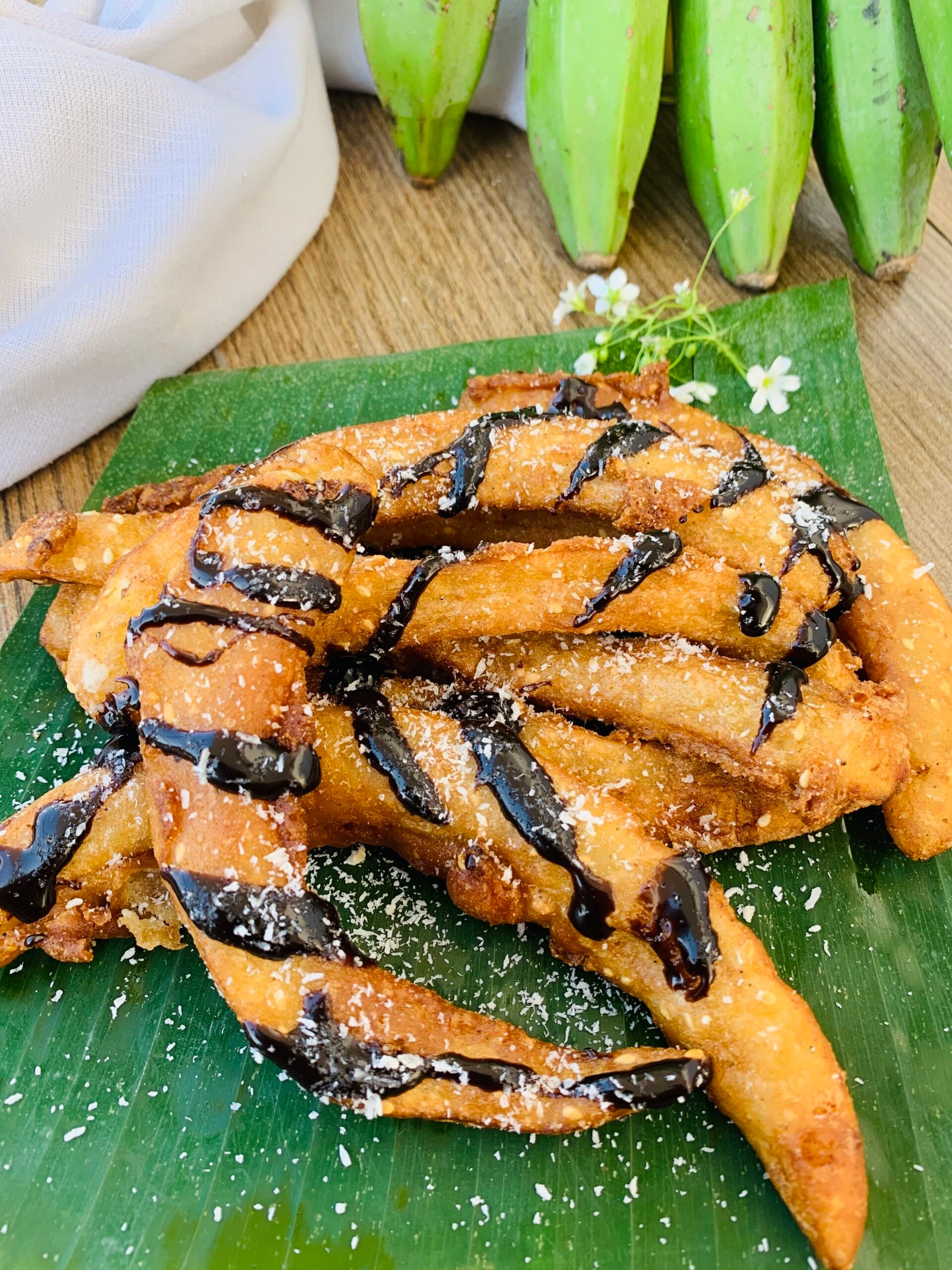
Plantain fries already break away from potatoes, but serving them with banana ketchup pushes the idea even further. Plantains are starchier than dessert bananas, which makes them suitable for slicing and frying, especially when still green or just turning yellow.
The flavor depends on ripeness. Greener plantains eat more like a savory starch, while riper ones bring more sweetness and caramelization. Banana ketchup, a well known condiment in the Philippines, adds a sweet tangy layer that changes the experience from standard fries and ketchup into something with a different cultural history.
This pairing is a useful reminder that fry culture is global. The familiar shape can carry very different ingredients and sauces, and once those combinations move onto restaurant menus outside their places of origin, they help widen the definition of what fries can be.
Tofu fries
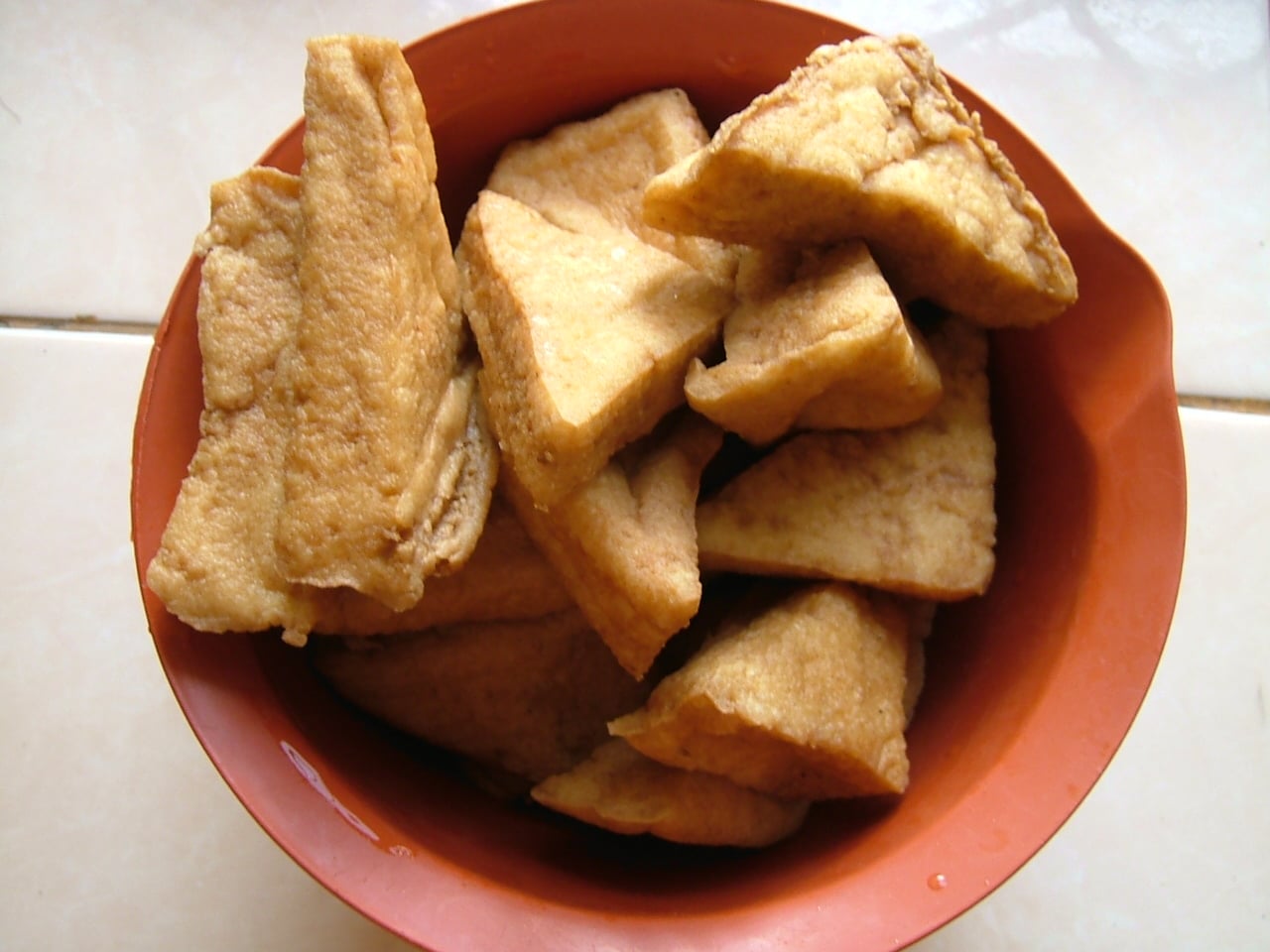
Protein has entered the fries conversation too, and tofu fries are a good example of that shift. Extra firm tofu can be pressed, cut into sticks, coated lightly, and baked, air fried, or deep fried until the exterior turns crisp.
The challenge is water content. Pressing tofu removes moisture, which helps it brown and prevents the coating from sliding off. Once cooked well, tofu fries bring a contrast between a crackly surface and a tender center, and they readily absorb seasonings such as chili, garlic, soy, or smoked paprika.
Tofu fries also reflect how the word fries now signals shape, shareability, and crunch more than a single base ingredient. In restaurants and recipe culture, that makes room for dishes that overlap with snacks, appetizers, and plant based proteins all at once.
Funnel cake fries
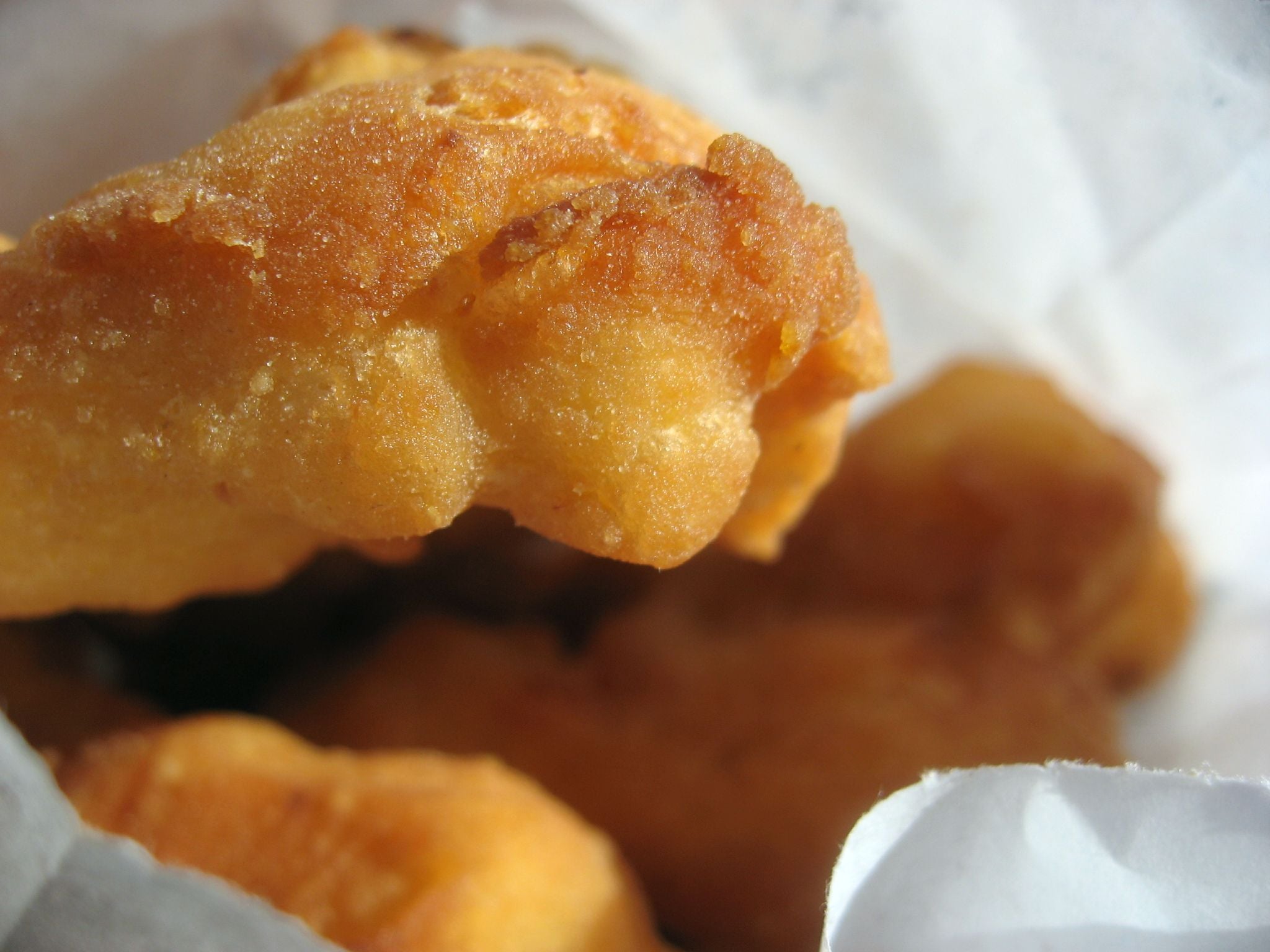
Dessert may be the clearest sign that fries have escaped potatoes for good. Funnel cake fries take the batter and fried sweetness of a fairground funnel cake and pipe it into short lengths that look like thick fries, then finish them with powdered sugar or dipping sauces.
The format changes the whole experience. Traditional funnel cake is a tangled round that people pull apart, while funnel cake fries are neater, easier to portion, and more natural for dipping into chocolate, caramel, or fruit sauce. The visual joke is part of the appeal, but the convenience is real.
As a closer, this one shows just how broad the fries idea has become. A dish does not need to be savory, starchy, or vegetable based to borrow the form. At this point, fries are less an ingredient than a food language, and cooks keep finding new ways to speak it.
Leave a Reply