
Most people reach for mustard when sandwiches, burgers, or hot dogs are on the menu. Chefs, though, use it as a quiet power ingredient that can sharpen sauces, balance rich foods, and make everyday cooking taste more polished. These ideas are simple, practical, and easy to picture in a real home kitchen, but they can completely change how you use that jar in the fridge.
Whisked Into Vinaigrettes for Better Balance

Chefs often start a vinaigrette with mustard because it does more than add flavor. It helps oil and vinegar stay together longer, giving the dressing a smoother texture and a more even taste from the first bite to the last.
That is why a salad at a good restaurant often tastes more rounded instead of sharp or oily. A spoonful of Dijon can make lemon juice feel less aggressive and help herbs, garlic, or shallots blend into the dressing instead of sitting apart.
At home, many people skip it or use too little. But even a small amount can make a basic dressing taste more finished, especially on greens, roasted vegetables, grain bowls, or simple tomato salads.
Brushed Onto Meat Before Roasting

A thin layer of mustard on meat before roasting is one of those restaurant tricks that sounds strange until you try it. Chefs use it on pork tenderloin, lamb, chicken, and even beef because it helps seasonings stick and builds flavor on the surface.
The mustard usually does not scream mustard once cooked. Instead, it melts into the crust and adds tang, depth, and a subtle savory note that keeps roasted meat from tasting flat.
It also pairs especially well with breadcrumbs, cracked pepper, chopped herbs, and garlic. For home cooks, this is an easy upgrade that makes a simple roast feel a little more intentional without adding much work or cost.
Stirred Into Pan Sauces at the End
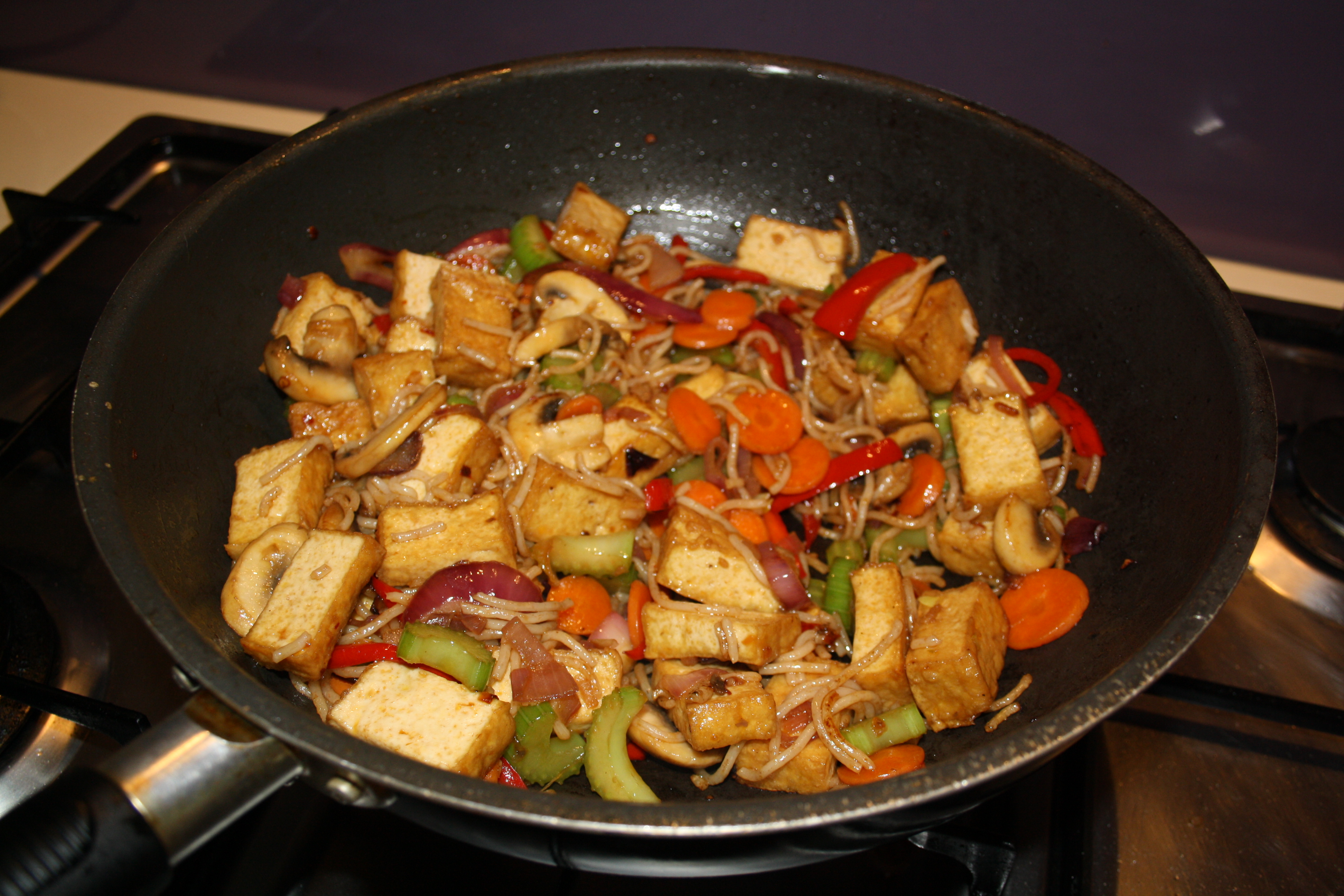
When chefs make a fast pan sauce, mustard often goes in near the end. After browning chicken, pork chops, or steak, they loosen the pan with wine, stock, or cream, then whisk in a bit of mustard for sharpness and body.
This works because mustard can cut through fat without making the sauce taste harsh. A cream sauce feels less heavy, and a buttery sauce gets a little edge that makes the whole dish taste brighter.
For home cooks, it is a great fix for sauces that seem bland but already have enough salt. A teaspoon of Dijon or whole grain mustard can wake up the entire pan and make dinner taste much more restaurant-like.
Mixed Into Mac and Cheese for Depth

Good mac and cheese usually has more going on than just cheese, milk, and pasta. Many chefs add mustard powder or Dijon to deepen the flavor and keep the sauce from tasting one-note, especially when using mild cheeses like cheddar, Monterey Jack, or Gruyere.
The point is not to make the dish taste like mustard. It is there to sharpen the cheese, almost the way a squeeze of lemon can make a sauce taste more alive without standing out on its own.
This is especially useful in baked versions, where richness can build fast. A small spoonful can make each bite feel less heavy and more balanced, which is often the difference between decent mac and cheese and really memorable mac and cheese.
Folded Into Marinades for Chicken and Pork

Chefs often use mustard in marinades because it brings acidity, spice, and cling all at once. It helps garlic, herbs, oil, and seasonings coat the meat more evenly, which means better flavor on the outside and a more appealing finish after cooking.
Chicken thighs and pork chops are especially good with this approach. Mustard plays well with honey, maple, vinegar, soy sauce, or fresh herbs, so it can move in sweet, smoky, or savory directions depending on the dish.
Home cooks sometimes think of marinades as all liquid, but mustard adds body. That makes it useful for grilled foods, sheet pan dinners, and quick weeknight meals where you want flavor to stick instead of sliding off.
Added to Creamy Potato Dishes

Potato salad gets a lot of attention, but chefs use mustard in hot potato dishes too. Stirred into mashed potatoes, potato gratin, or warm potato salads, it adds a subtle lift that keeps starchy, buttery dishes from feeling too dense.
This is especially helpful when cream, cheese, or bacon are involved. Mustard adds contrast, giving the potatoes a cleaner finish and making the rich ingredients taste more defined instead of muddled together.
A little whole grain mustard in mashed potatoes can be especially good because you get pops of texture along with flavor. It is a small move, but it can make familiar comfort food taste more layered and less predictable.
Used as a Glaze Base for Vegetables

Mustard is not just for meat. Chefs use it as the base of glazes for carrots, Brussels sprouts, cauliflower, and roasted onions because it helps sweet and savory flavors meet in the middle.
Mixed with honey, maple syrup, butter, or olive oil, mustard gives vegetables a coating that caramelizes nicely and tastes more complex than plain roasting. The result is a side dish with brightness, a little edge, and better overall balance.
This works particularly well with vegetables that naturally have some sweetness. Instead of letting them turn sugary or flat in the oven, mustard keeps the flavor lively. It is one reason restaurant vegetables often taste more thought-out than the versions made at home.
Blended Into Butter for Finishing Steaks and Fish

Compound butter sounds fancy, but chefs use it because it is practical. Mustard blended into softened butter with herbs, lemon zest, or shallots creates a finishing touch that melts over steak, salmon, or roasted vegetables and instantly makes the dish feel complete.
The butter brings richness, while the mustard cuts through it and keeps the flavor from becoming too soft. That contrast is what makes a simple piece of fish or meat taste more precise and well seasoned.
At home, people often rely on plain butter or a squeeze of lemon. Those are fine, but mustard butter gives you both richness and brightness in one move, which is why it is such a smart restaurant trick.
Whipped Into Deviled Eggs and Egg Salads

Mustard in deviled eggs is familiar, but chefs usually take it further than the standard backyard version. They use different kinds, adjust the amount carefully, and pair it with acid, herbs, or pickle brine to keep the filling from tasting too rich or too soft.
The same thinking applies to egg salad. Mustard adds structure to the flavor, giving creamy mayo-based mixtures a needed edge so they taste sharper and more balanced, especially on soft bread or buttery crackers.
This matters because eggs can dull seasonings quickly. A little mustard helps the whole mixture taste brighter and more savory without requiring much extra salt. It is a small detail, but it often separates average egg dishes from really good ones.
Worked Into Breadcrumb Toppings and Crusts

Chefs sometimes use mustard as the underlayer for breadcrumb crusts on fish, lamb, chicken, or baked vegetables. It acts like flavorful glue, helping crumbs, herbs, and grated cheese stick better while also adding tang beneath the crisp top.
This creates a more interesting bite because the crust is not just dry texture sitting on the surface. The mustard underneath brings moisture and seasoning, so the topping feels integrated instead of separate.
It is also useful in casseroles and gratins, where a thin smear of mustard can wake up creamy ingredients and make the browned top taste more dynamic. For home cooks, it is an easy way to get more flavor without changing the whole recipe.

Leave a Reply