
The 1960s were a lively time for Canadian kitchens, diners, and grocery aisles, with convenience foods and regional favourites becoming part of everyday life. Some of those tastes have disappeared, while others survive mostly in memory, talked about with the kind of affection usually reserved for old songs and family road trips. This gallery revisits ten vintage Canadian foods from that era that people still miss, and why they left such a lasting mark.
Hostess Potato Chips in the Bag
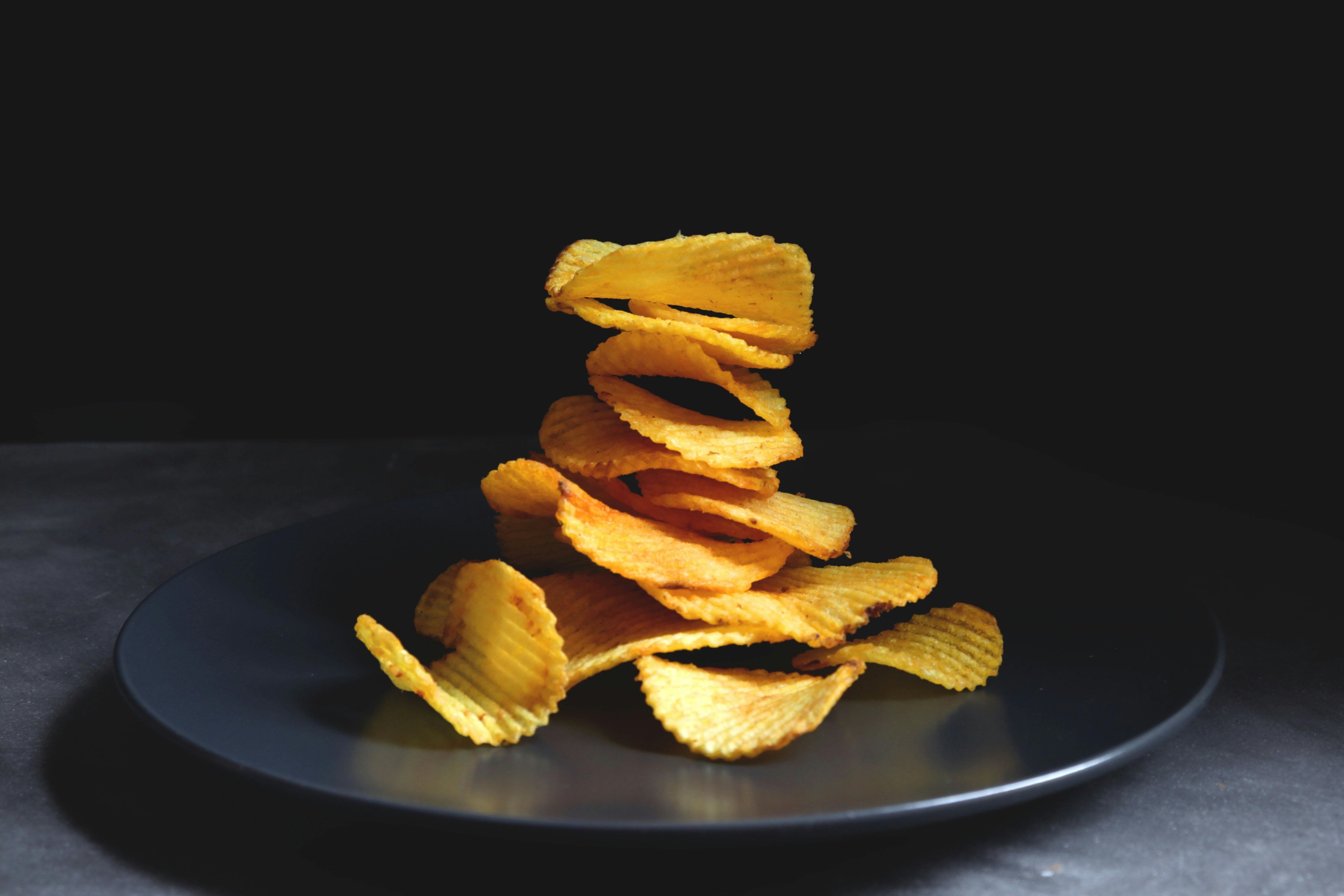
For many Canadians, the crinkle of a Hostess chip bag is as memorable as the chips themselves. In the 1960s, Hostess Potato Chips were a lunchbox staple and a regular sight at hockey games, parties, and cottage weekends. The mascot and the bright packaging gave the brand a cheerful identity that felt distinctly familiar.
What people miss is not just the logo or the slogan, but the taste and texture they remember as simpler and saltier. Older snack fans often describe those chips as having a sturdier crunch and a straightforward potato flavour before the market became crowded with countless specialty varieties.
Even though the brand eventually changed and the packaging disappeared, the original Hostess bag still represents a very specific era of Canadian snacking.
McIntosh Toffee
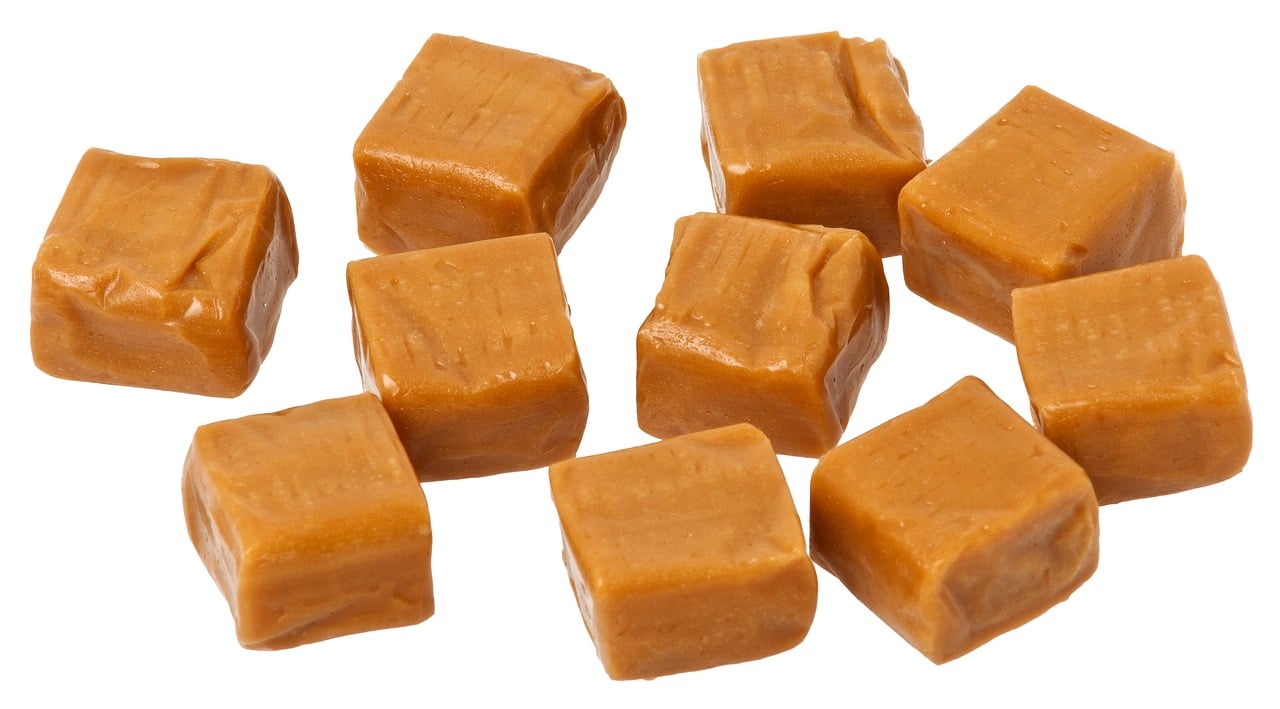
Few candies had the same staying power in Canada as McIntosh Toffee. Created long before the 1960s, it remained hugely popular through that decade, when corner stores, movie theatres, and family candy dishes made it part of daily life. Its red-and-white wrapper was instantly recognizable and signaled a treat that felt both modest and special.
What set it apart was the texture. It could be firm at room temperature, softer when warmed in a pocket or hand, and intensely buttery all the way through. That changing bite became part of its personality, and plenty of Canadians still remember exactly how it stuck to their teeth.
Its decline as an everyday must-have made it feel even more treasured in hindsight. For many, it is the taste of old-school Canadian candy culture.
Swiss Chalet Chicken Dinner Trays
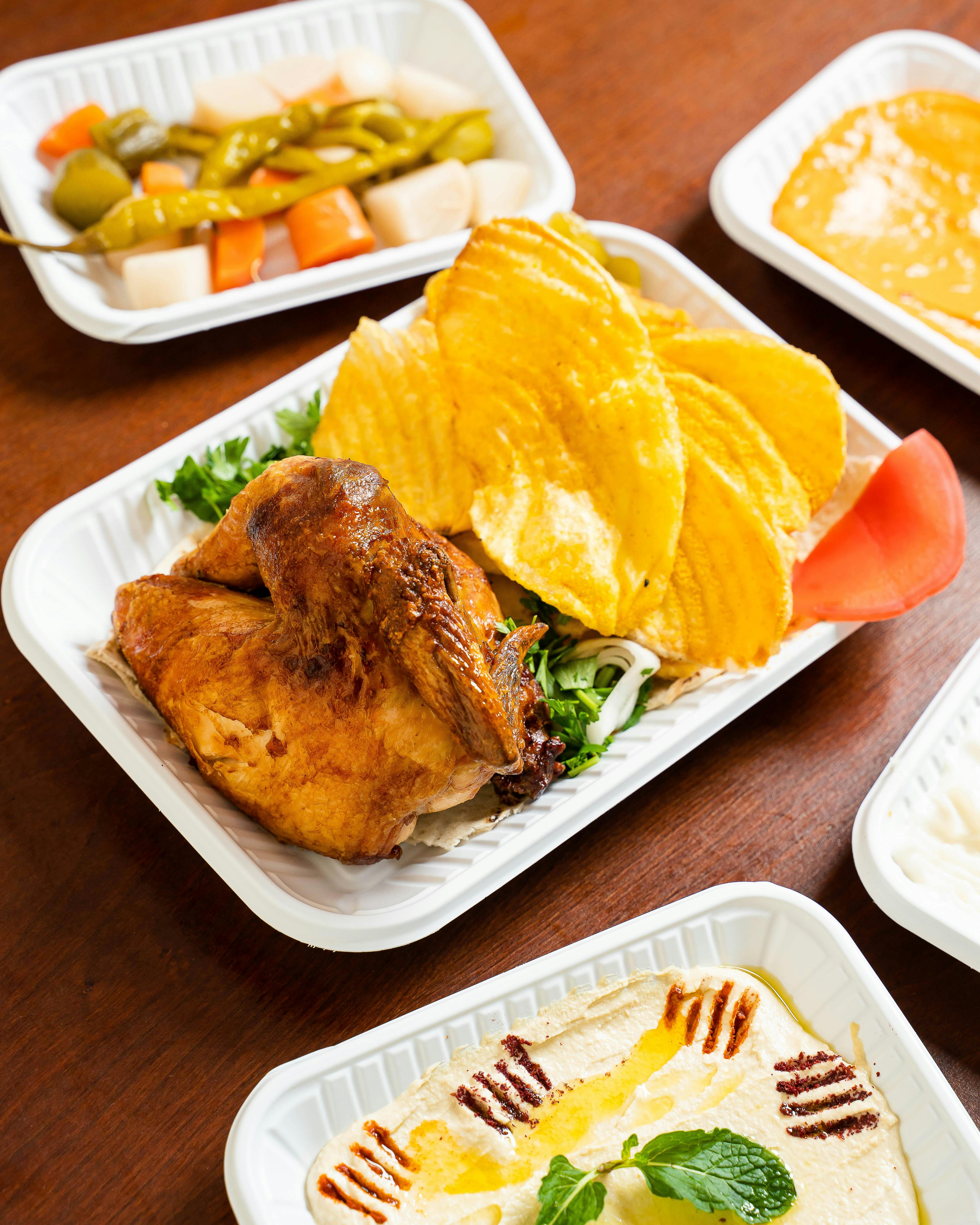
Swiss Chalet opened in the 1950s, but the chain became deeply woven into Canadian food culture during the 1960s. Its chicken dinners, served with chalet sauce, a roll, and sides on compartment-style trays, felt dependable, affordable, and just a little bit exciting for families eating out. It was casual dining before that phrase was everywhere.
People still miss the original experience as much as the food itself. The roast chicken had a signature seasoning profile, and the dipping sauce developed an almost cult-like following that turned a simple meal into something unmistakable. The tray service also made the dinner feel neat, fast, and memorable.
For many Canadians, those early Swiss Chalet meals represent a moment when restaurant dinners became part of ordinary family life rather than a rare event.
Dominion Grocery Store Black Cake
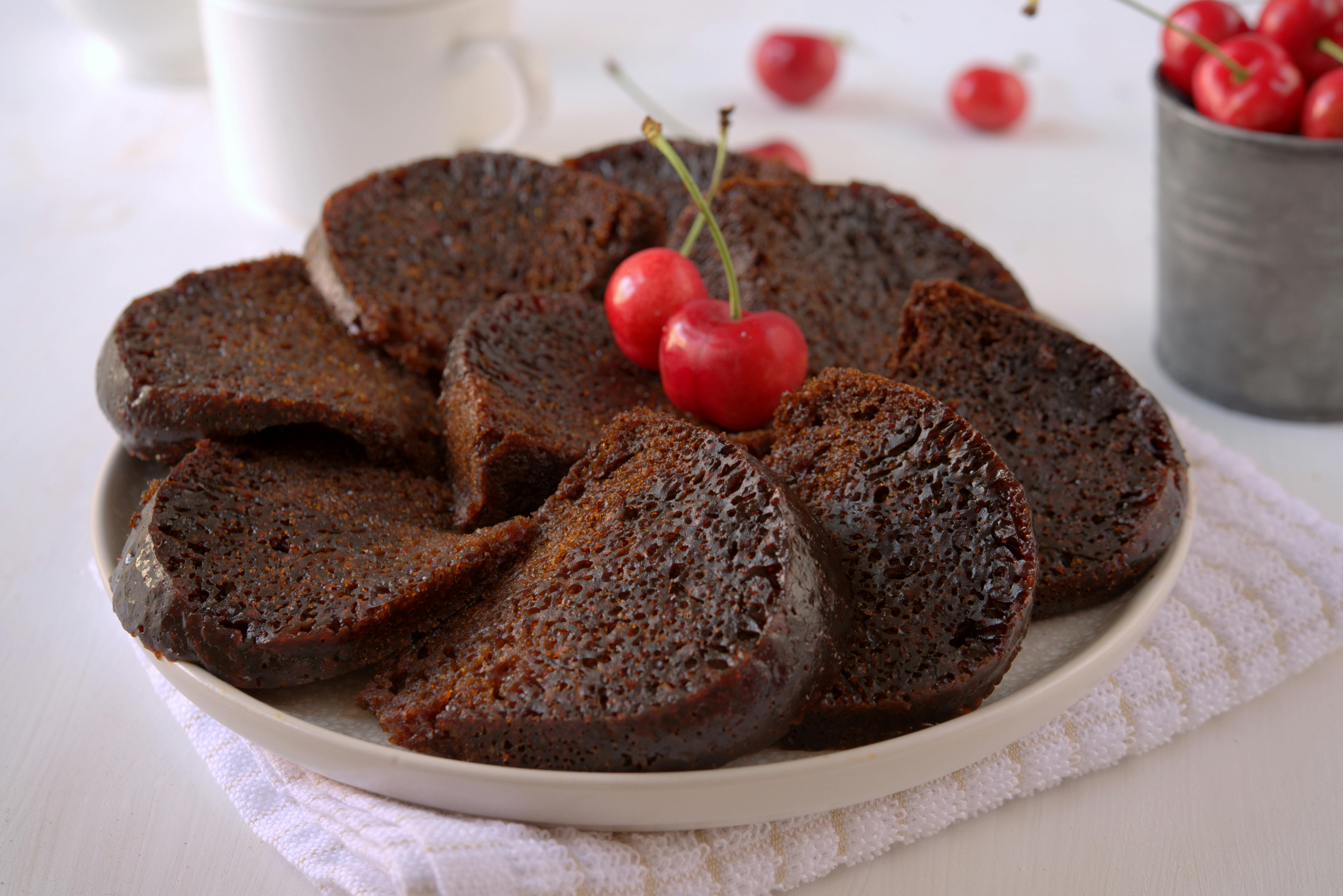
A grocery-store dessert can become legendary when it is tied to family celebrations, and Dominion's black cake earned exactly that kind of status. Sold by the once-dominant Canadian supermarket chain, this dark, rich fruit cake became a reliable pick for holidays, birthdays, and visits to relatives. For many shoppers, it was one of those items that always seemed to be in someone's kitchen.
Its appeal came from density, spice, and deep sweetness rather than showy decoration. Fans remember a cake that felt substantial, moist, and full of fruit, with a flavour that improved as it sat. That old-fashioned character made it stand out even as flashier desserts arrived.
Because Dominion itself faded from much of the Canadian retail landscape, the cake now carries extra nostalgia. It recalls a vanished store and a vanished style of home entertaining.
Old-Fashioned Cream Soda in Stubby Bottles

Cream soda had a big presence in 1960s Canada, especially when it came in the iconic stubby glass bottle. Pink cream soda in particular became a visual standout, and brands sold it as a sweet, fizzy treat that felt festive even on an ordinary afternoon. It was the kind of drink kids hoped to find chilling in the fridge before a barbecue.
The flavour was unapologetically nostalgic even then, with notes of vanilla and candy sweetness that made it different from colas and citrus sodas. The stubby bottle added to the ritual. It was compact, sturdy, and instantly tied to a certain generation of Canadian soft drink memories.
People who miss it often talk about the full experience, from the hiss of the cap to the colder-than-cold taste of soda poured into a small glass.
Jellied Salads at Family Suppers
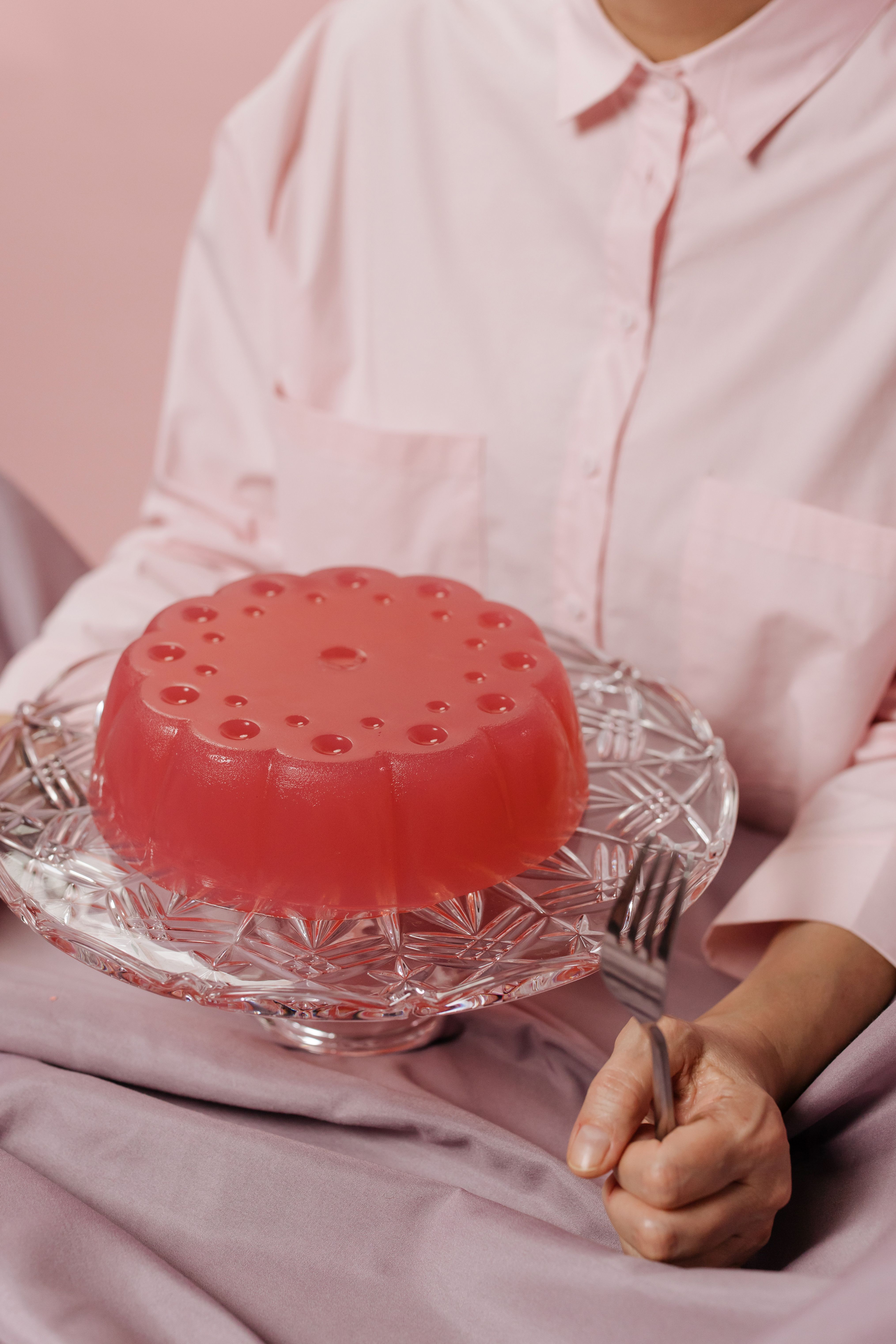
No 1960s food table felt fully complete without some kind of molded salad shimmering under the dining room light. In Canada, as in much of North America, gelatin-based salads with fruit, vegetables, cottage cheese, or even seafood were presented as modern, efficient, and company-worthy. They appeared at church gatherings, holiday meals, and suburban dinner parties with complete confidence.
What people miss today is partly the look of them and partly what they represented. These salads belonged to an era when convenience products were celebrated as smart and stylish, and when presentation mattered almost as much as flavour. A ring mold on the table could signal effort, hospitality, and pride.
They may get joked about now, but for many families they are still tied to mothers, grandmothers, and recipe cards stained from years of use.
Brown Derby Chocolate Topped Treats

Brown Derby was one of those desserts that lived in the freezer and in the imagination at the same time. The cone-shaped frozen treat, capped with chocolate and filled with vanilla ice cream, was a favourite for children in the 1960s and stayed closely associated with Canadian summers for years after. It looked fun before it was even unwrapped.
Its charm came from contrast. There was the crisp shell, the soft ice cream, and the snack-sized shape that made it feel just right for a hot day. It was not fancy, but it delivered exactly what it promised and became a dependable reward after school or after dinner.
Because so many freezer-case desserts have changed or vanished, Brown Derby still stands out as a symbol of straightforward pleasure and a very specific kind of childhood indulgence.
Blue Bonnet Margarine with the Colour Capsule
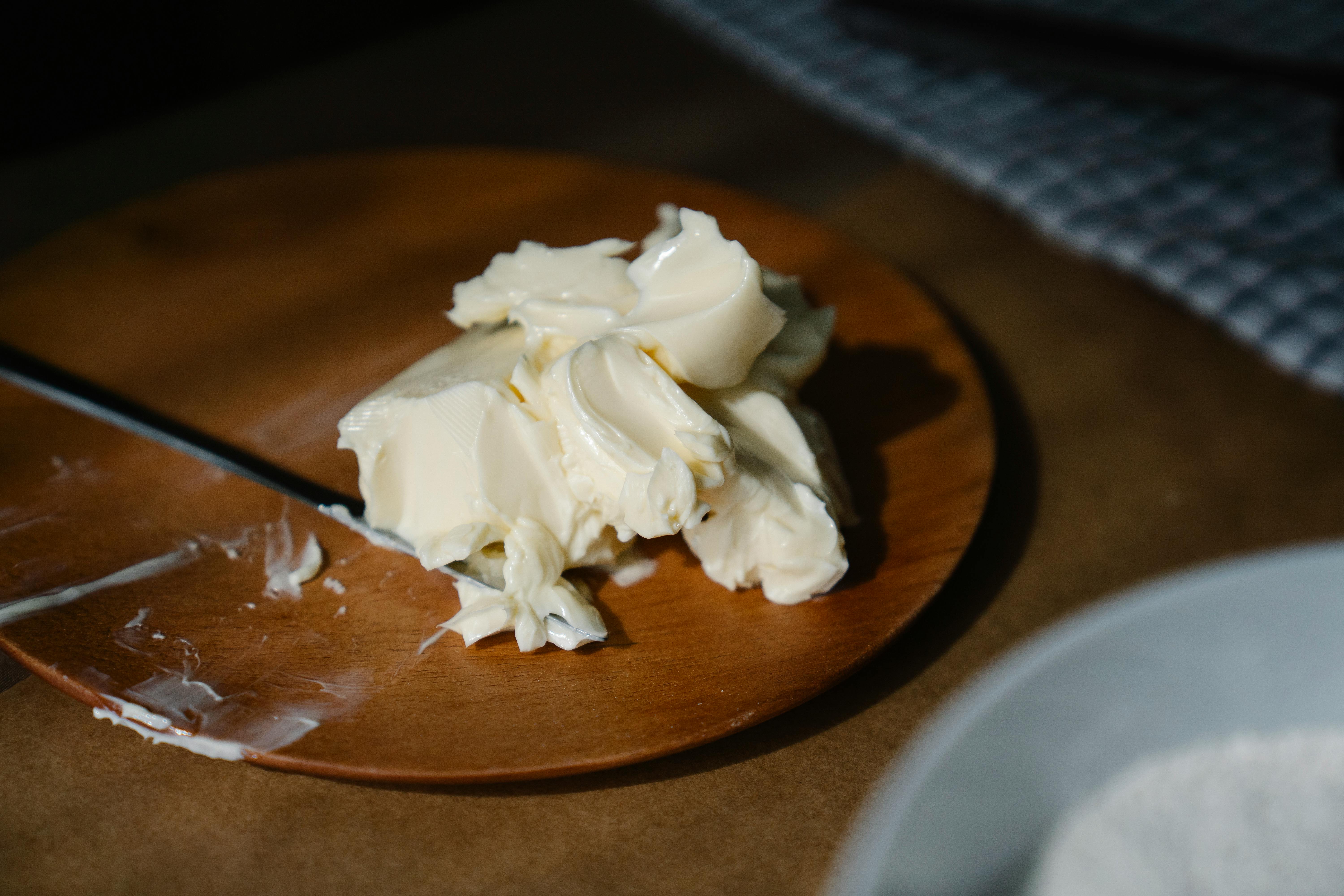
Blue Bonnet margarine was more than a spread in many Canadian homes. It was a small kitchen event. In the years when some margarine was sold pale with a colour capsule to be mixed in by hand, the process became part of household routine. Children often watched, or helped, as the yellow colour was kneaded through the bag.
That little ritual made an everyday product surprisingly memorable. It reflected a period when food technology was marketed as practical and even a bit clever, giving consumers a sense of participation in preparing something fresh-looking for the table. Toast, potatoes, and dinner rolls all seemed to begin with that bright transformation.
People miss the novelty, but also the domestic familiarity around it. It is one of those food memories that says as much about home life in the 1960s as it does about taste.
Red Rose Tea with Wade Figurines
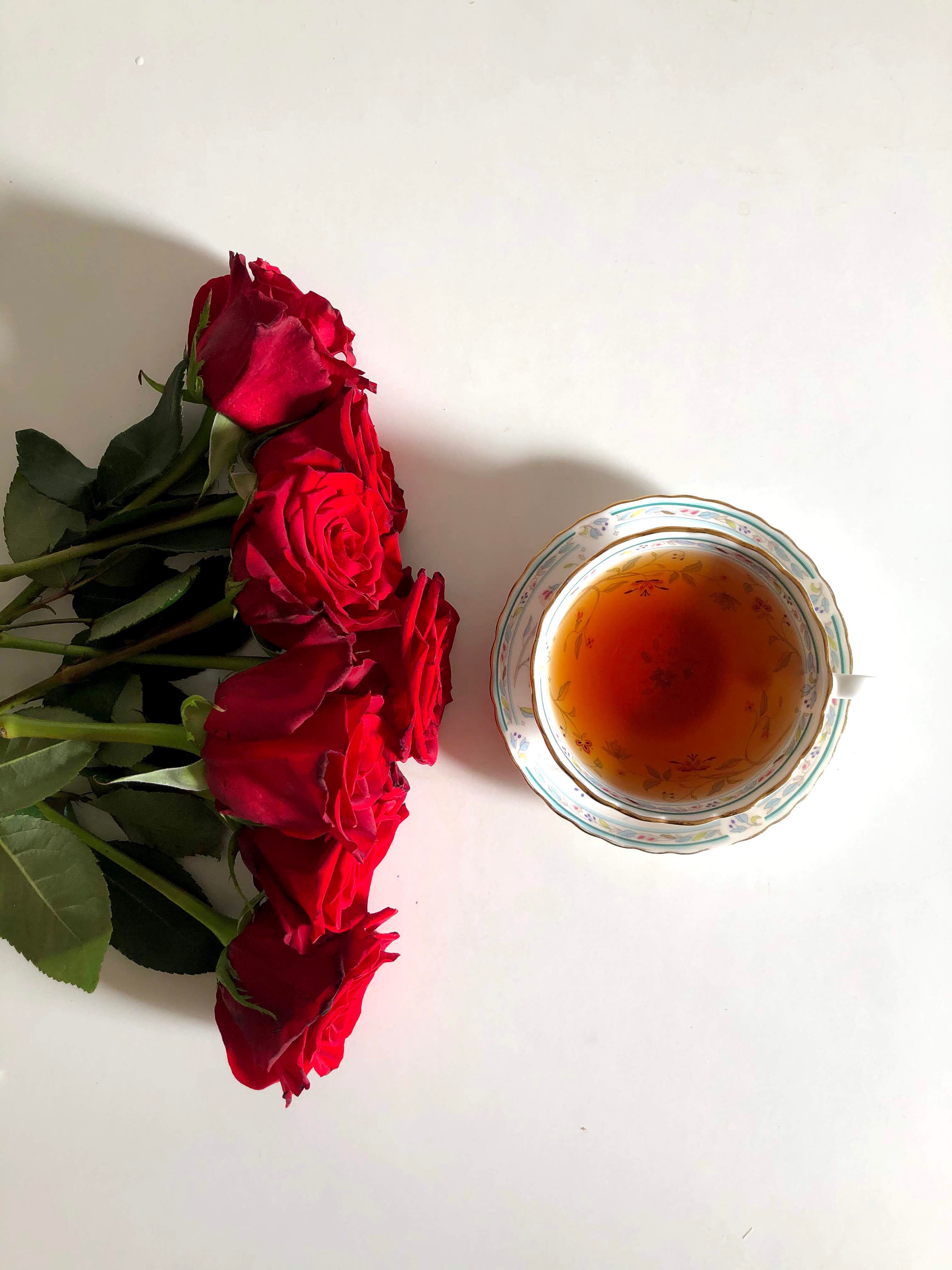
Red Rose Tea was already a household name, but its collectible Wade figurines gave it a special place in 1960s cupboards. Buying tea suddenly came with the thrill of a tiny surprise tucked inside the package. For many Canadian families, those little ceramic animals and figures turned an ordinary pantry staple into something children noticed and adults remembered.
The tea itself was dependable and familiar, the kind of everyday brew that anchored breakfast tables and afternoon breaks. But the figurines added an emotional layer that outlasted the product cycle. Collections grew on windowsills, in cabinets, and beside sugar bowls, becoming part of the home's visual texture.
People still miss that mix of comfort and curiosity. It was a marketing idea, certainly, but it became a genuine domestic tradition in households across the country.
Date Squares from Bakery Counters

Date squares were never flashy, which is exactly why so many people remember them fondly. In 1960s Canada, they were a common sight in bakery cases, church basements, school events, and home kitchens. The combination of oat crumb layers and sweet date filling made them feel practical, homemade, and reliably satisfying.
They fit an era that valued sturdy sweets over elaborate dessert theatrics. A good date square traveled well, kept well, and paired perfectly with tea or coffee. It could show up in a lunch pail or on a holiday tray without seeming out of place in either setting.
What people miss is the kind of baking culture it represented. These bars were made to be shared, sliced neatly, and served without fuss, which is part of why they still hold such a strong place in memory.
Leave a Reply