
Canadian grocery shoppers have become much more selective about where they spend their money, and store brands are no longer seen as second-best. In many categories, private-label products deliver the same ingredients, similar taste, and a lower price, which makes them an easy swap. From pantry staples to frozen favourites, these are the store-brand foods Canadians often reach for before the big labels.
Greek Yogurt

Greek yogurt is one of the clearest examples of Canadians trading labels for value without feeling like they are settling. Store brands from major chains often match name brands on protein, milk ingredients, and texture, especially in plain varieties where there is less room to hide behind extra flavouring.
That matters because shoppers increasingly read nutrition panels. When the ingredient list starts with milk and bacterial cultures, many people see little reason to pay more. In taste tests, plain and vanilla store-brand Greek yogurt often come across as just as thick, tangy, and versatile for breakfasts, dips, and baking, while the lower price makes it easier to buy every week.
Peanut Butter

Peanut butter wins over budget-minded shoppers because the basics are simple. In many creamy and crunchy versions, store brands offer roasted peanuts, oil, salt, and sometimes sugar in ratios that feel nearly identical to national brands, especially in classic non-natural styles.
For families, the value difference adds up fast. Peanut butter is a repeat purchase, used for sandwiches, baking, smoothies, and snacks, so even a modest price gap matters over a month. Many Canadians find that once the jar is open and spread on toast, the differences are minor at best. Texture, saltiness, and sweetness are usually close enough that loyalty shifts from logo to price tag.
Cheddar Cheese Blocks

Cheddar is a category where store brands benefit from a very straightforward formula. Whether mild, medium, or old, many private-label blocks are produced by established dairy processors and meet the same Canadian standards shoppers expect from better-known labels.
The result is a product that melts well, slices cleanly, and tastes familiar in grilled cheese, omelets, and casseroles. For many households, brand prestige matters less when the cheese is being shredded into recipes or packed into lunches. Canadians also tend to compare by price per 100 g, and when the texture and flavour feel dependable, store-brand cheddar becomes an easy everyday choice rather than a compromise.
Frozen Pizza
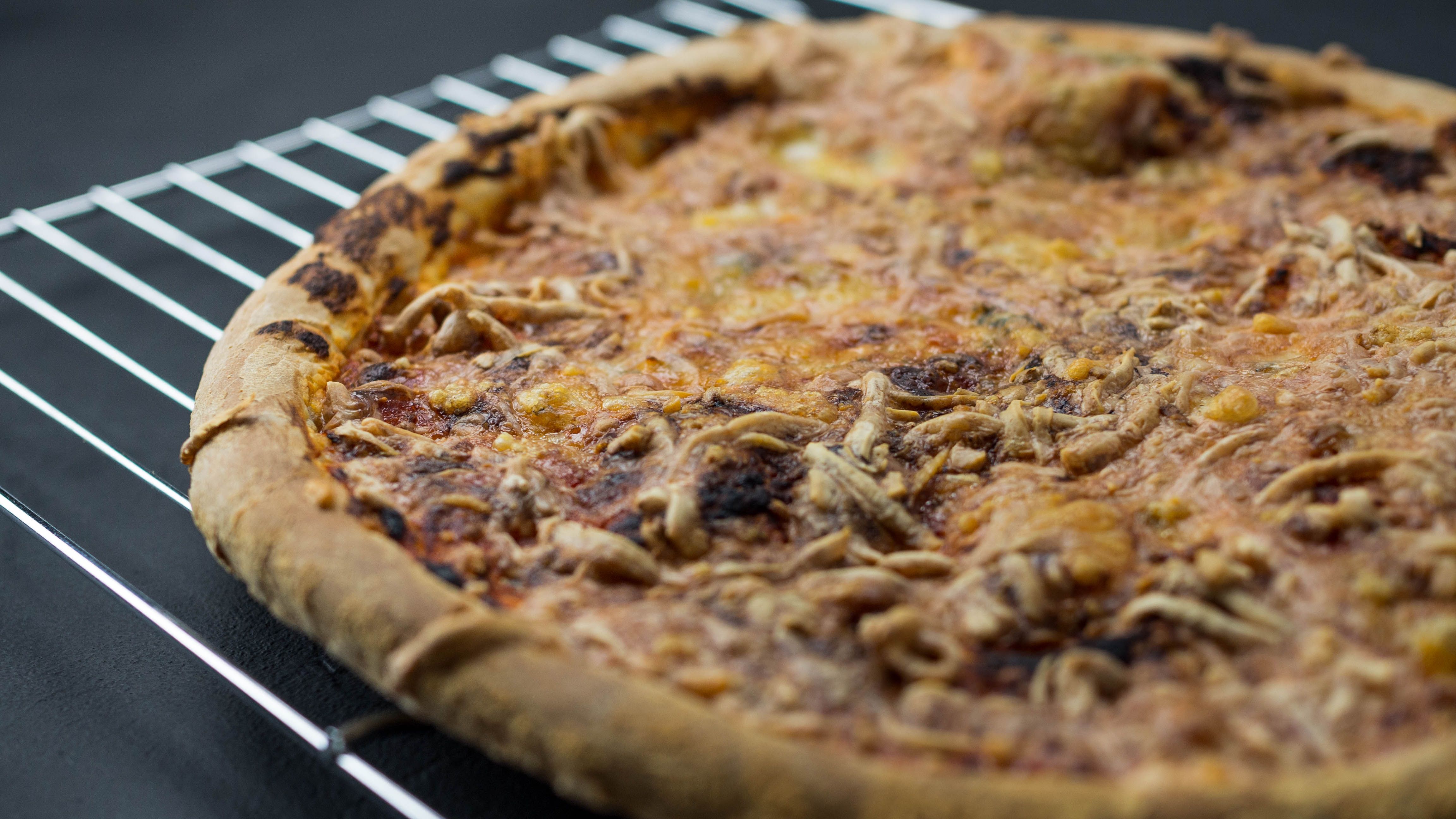
Frozen pizza has become one of those aisle categories where expectations are practical rather than romantic. Shoppers want decent crust, enough cheese, balanced sauce, and a price that makes sense for a quick dinner. Store brands often deliver exactly that, especially on classic pepperoni and four-cheese options.
Many Canadians judge frozen pizza by how it bakes at home, not by the label on the box. If the edges crisp, the toppings are evenly distributed, and the cheese browns nicely, the product has done its job. Private-label pizzas frequently score points because they cost less while still satisfying weeknight cravings, making them a smart freezer staple for busy families and students alike.
Breakfast Cereal

Cereal is one of the oldest private-label success stories in Canadian grocery stores. From toasted oats to corn flakes and honey nut rings, store brands have spent years narrowing the gap in crunch, sweetness, and shelf appeal, often by closely matching the familiar styles shoppers already know.
The bigger reason people switch is value. A family that goes through multiple boxes a month notices the difference right away, especially when shrinkflation hits premium labels. If the bowl still tastes good with milk and the kids barely comment on the change, that is all the proof most shoppers need. In many homes, store-brand cereal becomes the default while the famous box becomes the occasional splurge.
Pasta Sauce
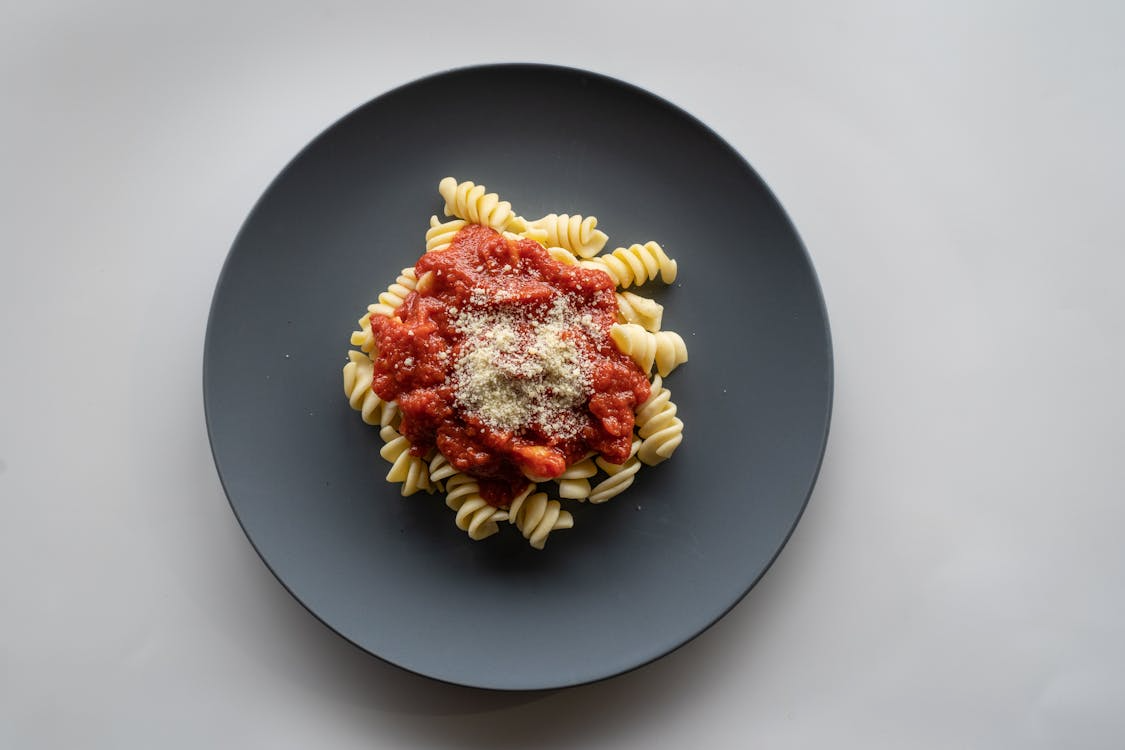
Jarred pasta sauce is a category where branding often leans heavily on tradition, but Canadians have learned to look past the label. Many store-brand marinara and tomato basil sauces offer similar core ingredients such as tomatoes, oil, garlic, and herbs, which means the flavour gap is often smaller than the price gap.
Once the sauce is heated, simmered, or stirred into a larger recipe, subtle differences become even less noticeable. That is especially true in lasagna, baked pasta, or weeknight spaghetti, where cheese, meat, and seasoning share the spotlight. For shoppers who want a dependable pantry shortcut, private-label sauces frequently deliver a balanced, familiar taste without charging extra for old-world branding.
Kettle-Cooked Potato Chips
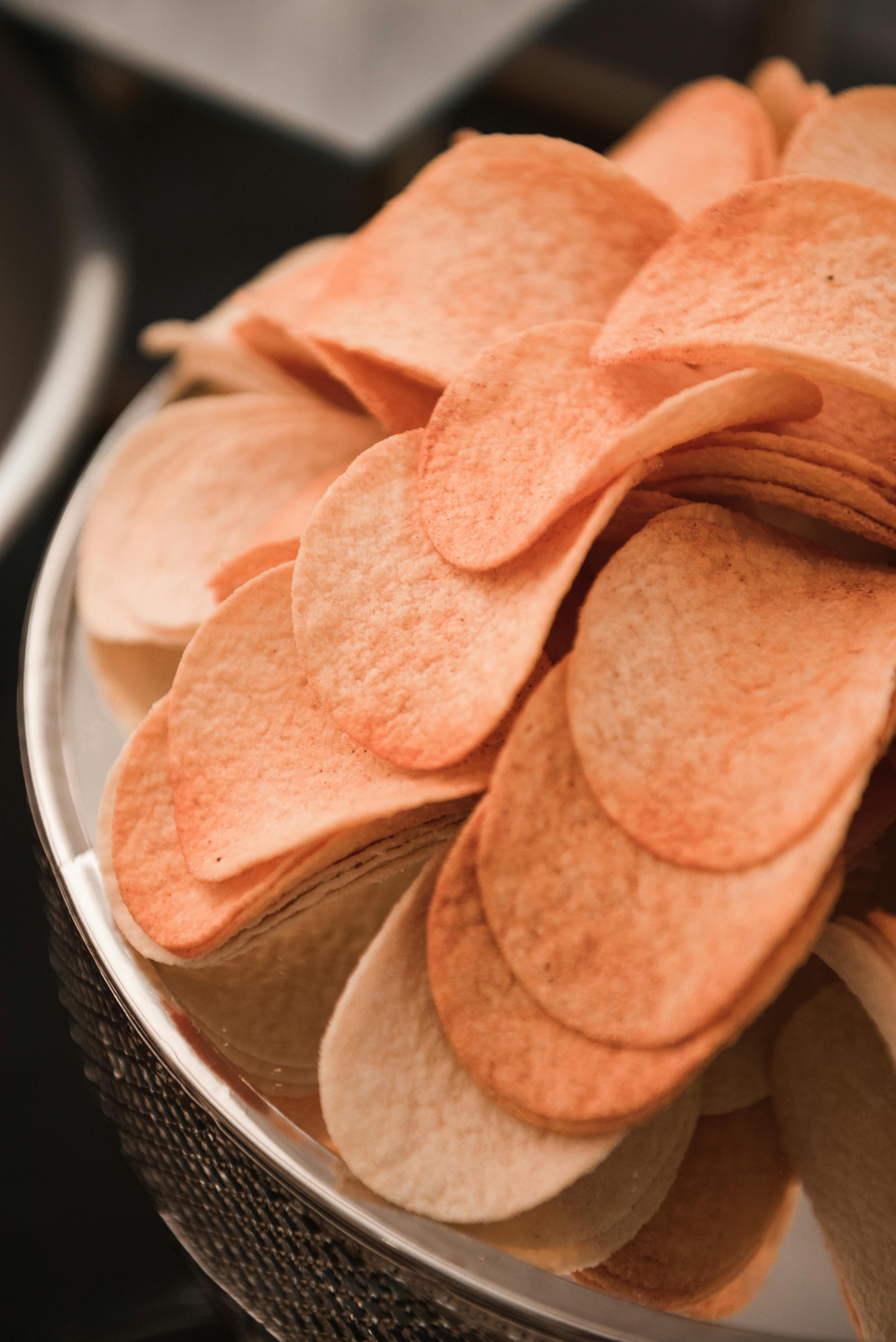
Kettle-cooked chips are all about crunch, seasoning, and that slightly rugged shape, and store brands have become very good at nailing the formula. In flavours like sea salt, barbecue, and salt and vinegar, many private-label versions offer the same thick cut and assertive bite that fans expect from more expensive brands.
This is also a category where impulse buying meets price sensitivity. Shoppers want a satisfying snack, but they are not always loyal to one logo when the texture and flavour are right there in a cheaper bag. For parties, lunches, and road trips, store-brand kettle chips often win because they feel indulgent enough to impress but practical enough to buy without hesitation.
Vanilla Ice Cream

Vanilla ice cream sounds simple, but that simplicity works in favour of store brands. Shoppers can quickly compare texture, sweetness, and ingredient quality, and many private-label tubs hold up surprisingly well, especially in classic French vanilla or creamy vanilla styles meant for everyday desserts.
For most households, vanilla is less about prestige and more about usefulness. It goes beside pie, under hot fruit crumble, in milkshakes, and straight into bowls for an easy treat. If the scoop is smooth and the flavour tastes rich enough, the lower price tends to seal the deal. Canadians often reserve premium pints for specialty flavours while relying on store-brand vanilla as the dependable freezer standby.
Frozen Vegetables
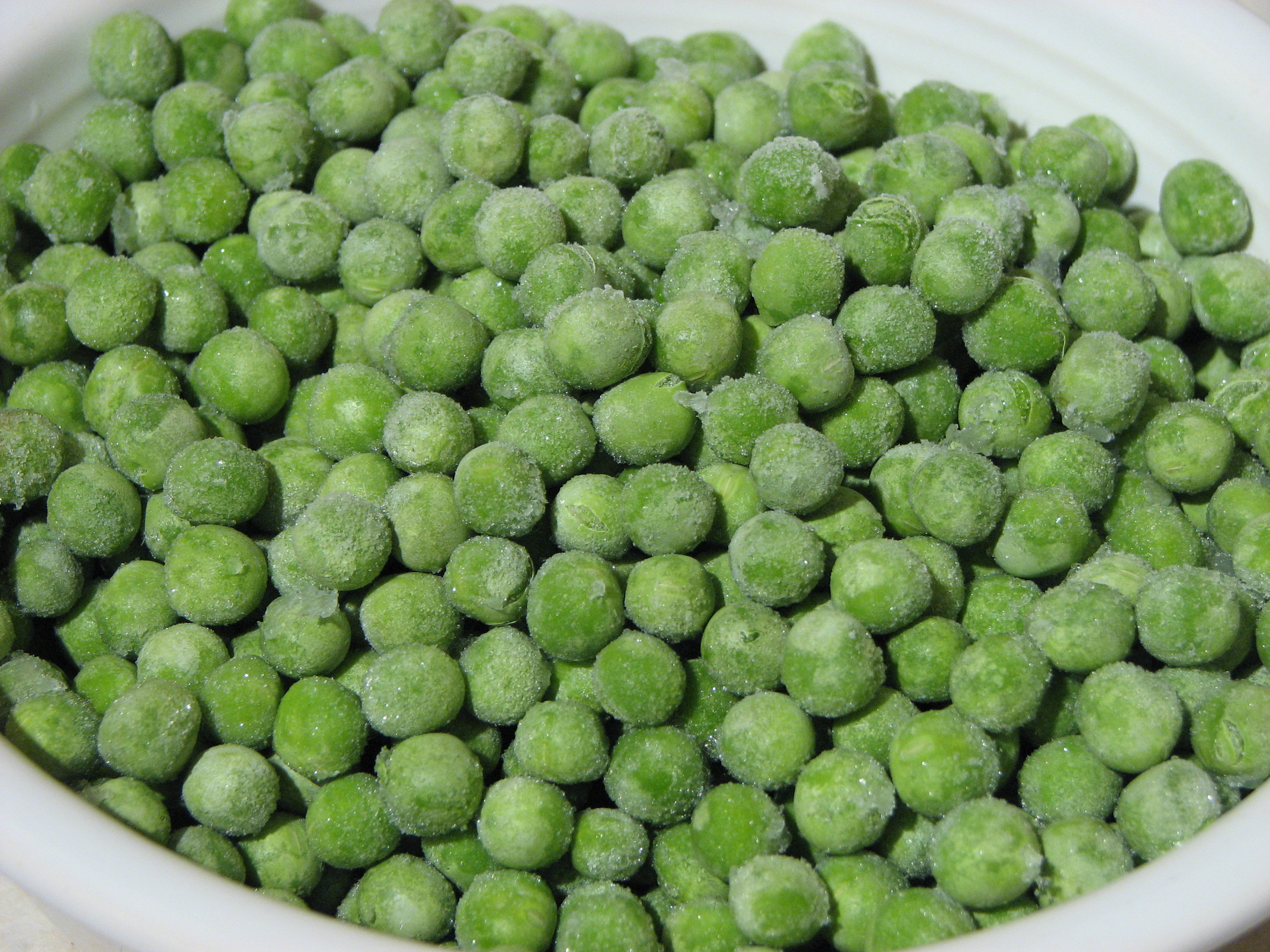
Frozen vegetables are one of the most rational store-brand purchases a shopper can make. Peas, corn, broccoli, and mixed vegetables are usually frozen soon after harvest, and because the product is minimally processed, differences between labels can be surprisingly small in both nutrition and taste.
That makes private label especially appealing during a cost-conscious grocery trip. Canadians like frozen vegetables for convenience, less food waste, and year-round availability, and many see no strong reason to pay more for a famous logo on a bag of green beans. Once cooked into stir-fries, soups, or side dishes, store-brand vegetables regularly perform just as well while keeping the total grocery bill under better control.
Crackers
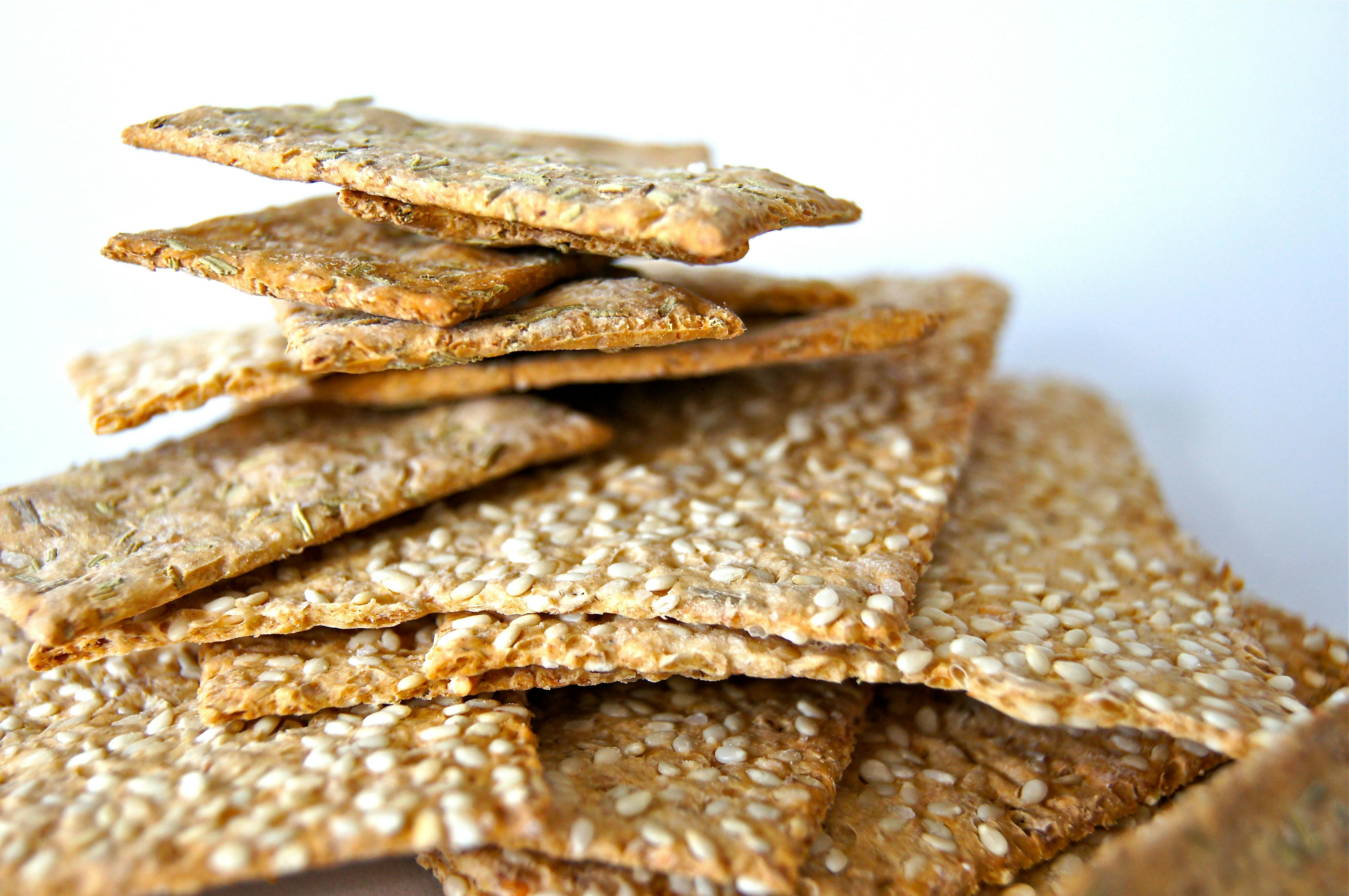
Crackers are another category where familiarity matters more than branding. Whether shoppers want buttery rounds, soda crackers, or wheat varieties for cheese boards and lunch boxes, store brands often reproduce the same crisp texture and mild flavour profile that people expect from the category.
They also fit the way Canadians actually use crackers at home. Most are paired with cheese, dips, soup, or peanut butter, so the cracker is often a supporting player rather than the star. In that role, consistency matters more than a famous package. If the crunch is right and the crackers stay fresh after opening, many shoppers see little advantage in paying extra for the national brand version.



Leave a Reply