
Some of Canada's most memorable meals are not found in big-city dining rooms, but along highways, beside fishing harbours, and on small-town main streets. These restaurants earned their reputations the old-fashioned way: by feeding generations well, building trust with locals, and giving travelers a reason to stop. From fresh seafood shacks to pie counters and smokehouses, each one shows how a single restaurant can become part of a town's identity.
The White House Inn
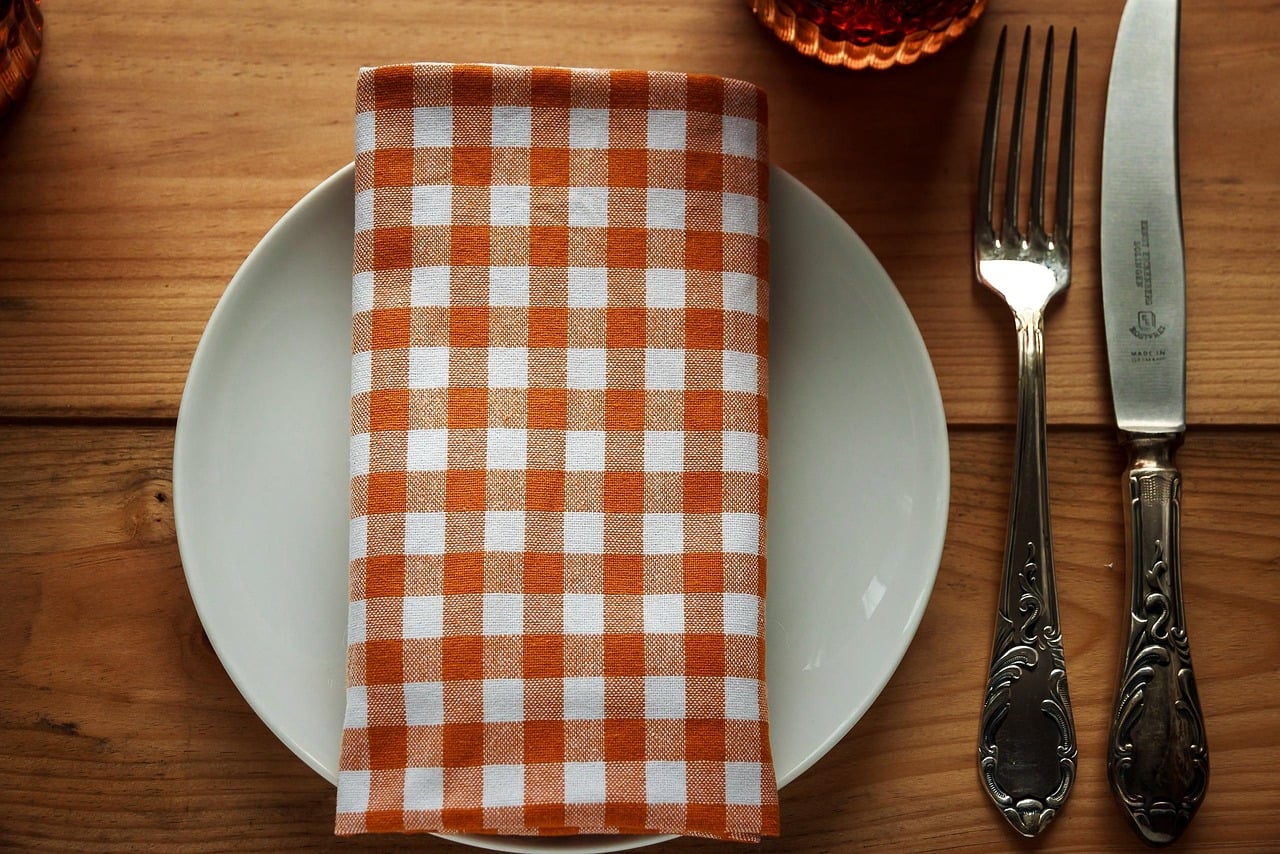
On Nova Scotia's South Shore, The White House Inn in Lunenburg became the kind of place visitors heard about before they ever saw the harbour. Set in a stately historic building, it earned loyalty with polished hospitality and a menu that treated local seafood with care rather than fuss. That balance helped it stand out in a town already known for serious food.
Its reputation grew because it felt rooted in place. Diners came for lobster, scallops, and the charm of an inn that reflected Lunenburg's seafaring history. For many travelers, a meal here became part of the town's story, not just a stop between attractions.
The Red Shoe Pub
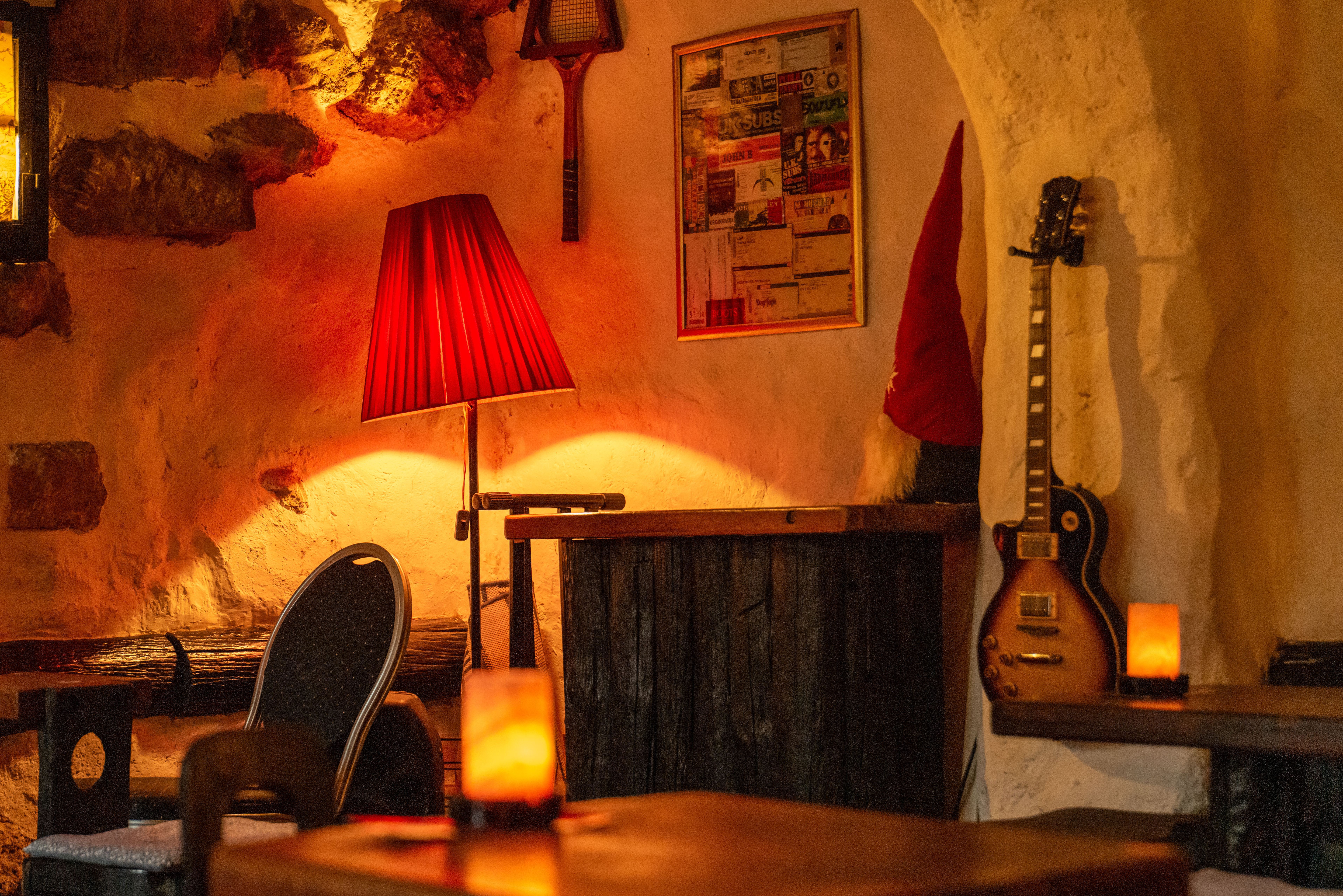
Baddeck has no shortage of scenic appeal, but The Red Shoe Pub turned that beauty into atmosphere with music, warmth, and dependable comfort food. Opened by members of the Rankin family, it quickly became more than a pub. It was a gathering place where visitors could hear Cape Breton's cultural pulse while eating in a room that felt genuinely lived in.
What made it legendary was the mix of authenticity and ease. Seafood chowder, fish cakes, and hearty plates gave people what they wanted, while live music gave them a reason to stay longer. In a small town shaped by hospitality, The Red Shoe became one of the clearest expressions of it.
Au Vieux Duluth

In the Saguenay region, small-town diners helped build the mythology around Quebec's casual table, and Au Vieux Duluth became one of the names people remembered. Known for generous plates and a distinctly approachable style of Greek-influenced dining, it carved out a place in local restaurant culture by being reliable, welcoming, and unpretentious.
Part of its staying power came from ritual. Families returned for familiar favorites, big portions, and the sense that dinner out did not need ceremony to feel special. In smaller Quebec communities, restaurants that deliver consistency often become institutions, and this one earned that role through years of steady appeal.
Woodshed Burgers
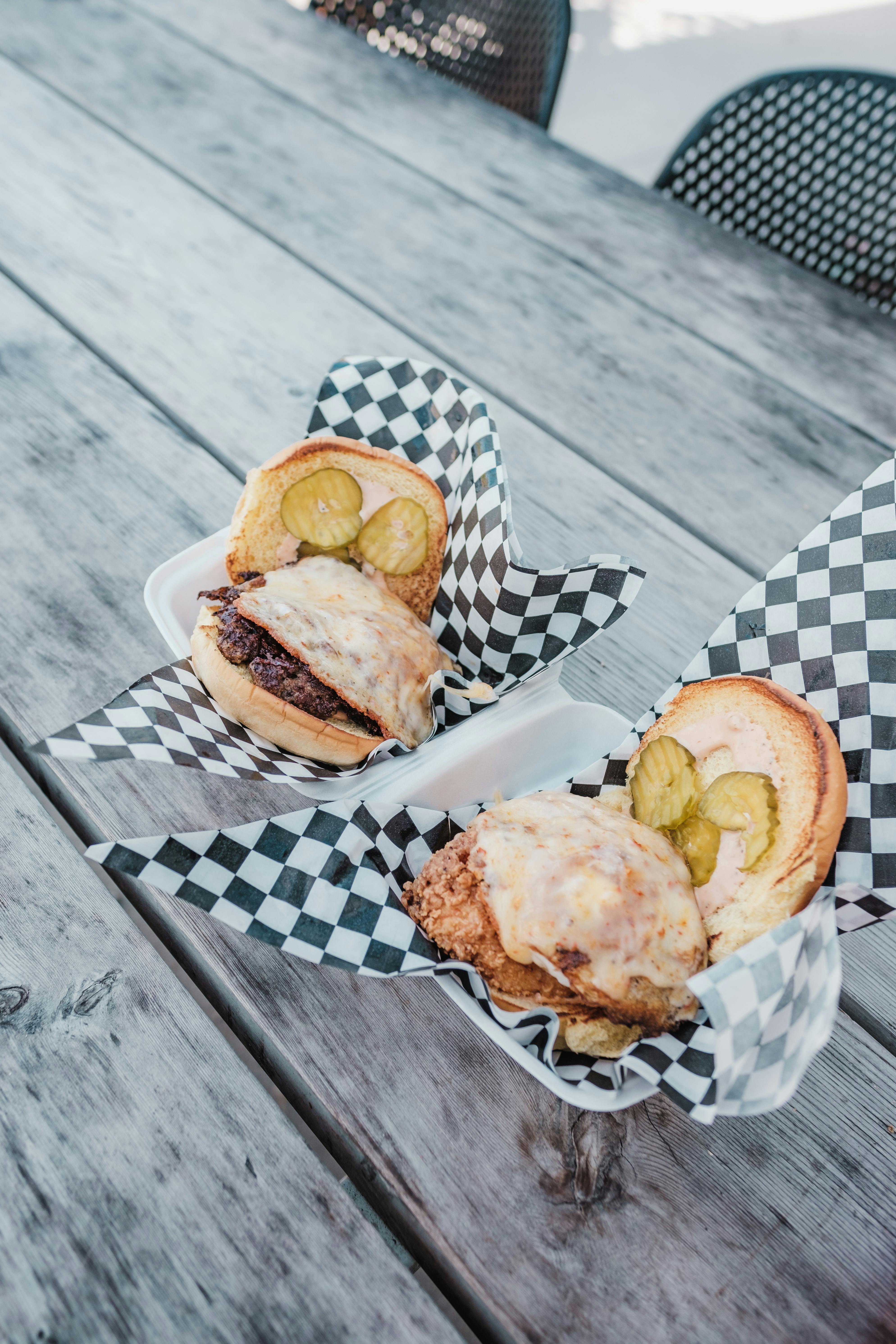
Sometimes a legend begins with a burger done so well that people willingly drive out of their way. In Matlock, Manitoba, Woodshed Burgers built exactly that kind of following. Near the lake and far from big-city trend cycles, it became known for straightforward food made with confidence, serving locals, cottagers, and road trippers in equal measure.
Its fame rests on the details people actually remember: a juicy burger, a busy counter, summer energy, and the feeling that this stop marks the start of a good day. Small-town icons often thrive by doing one category exceptionally well, and Woodshed turned that simple formula into lasting status.
The Yellow Deli
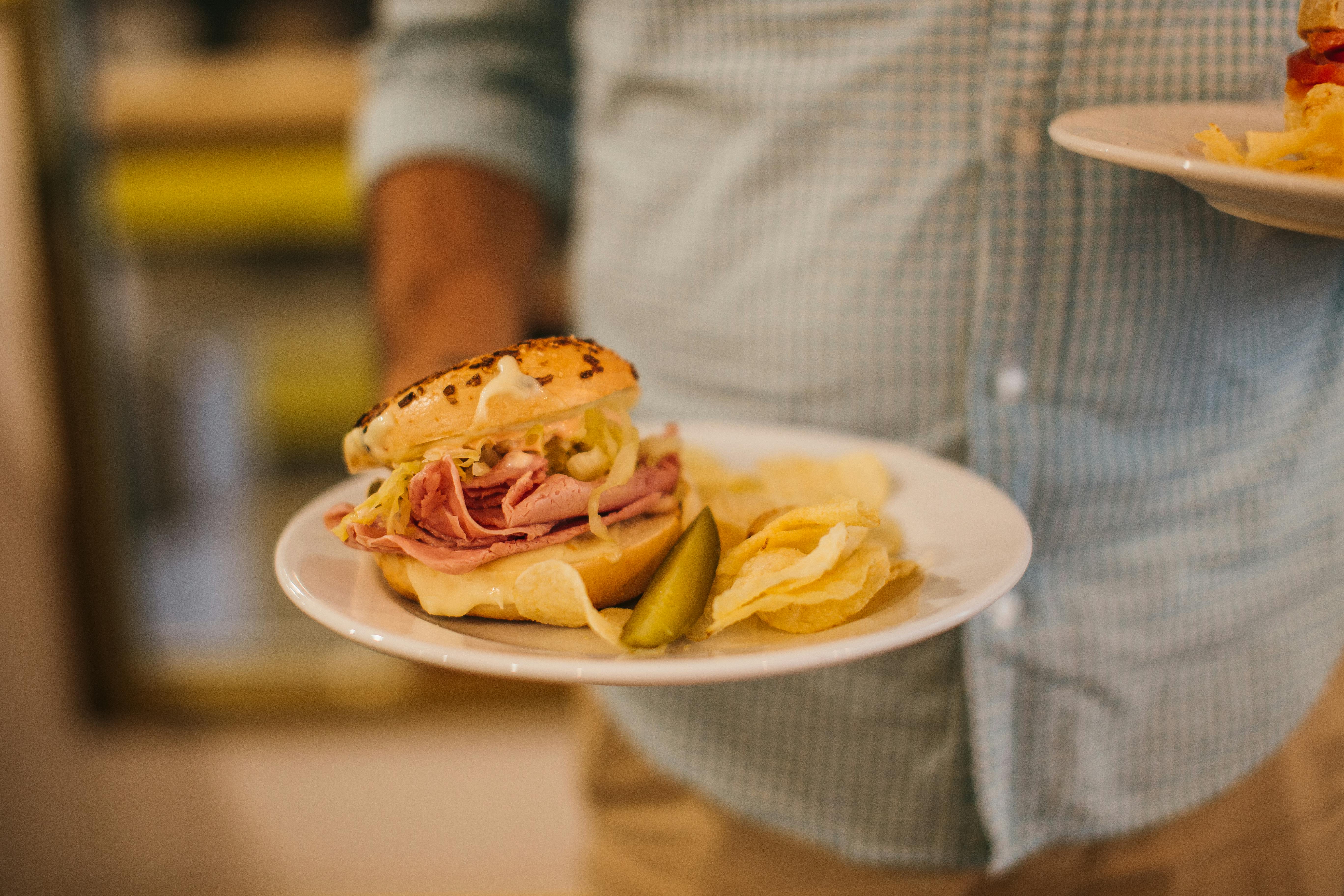
In Nelson, British Columbia, The Yellow Deli became instantly recognizable for its handcrafted woodwork, candlelit warmth, and all-day sense of calm. The dining room itself helped make the restaurant famous. It felt like a world apart, with carefully built interiors that turned breakfast or lunch into something closer to an experience than a quick meal.
Food helped seal the legend. Sandwiches, soups, fresh-baked goods, and hearty breakfasts kept the menu accessible, while the setting gave every plate added memorability. In a town already known for character, The Yellow Deli stood out by creating a space people described to friends long after the meal was over.
Rocko's Diner
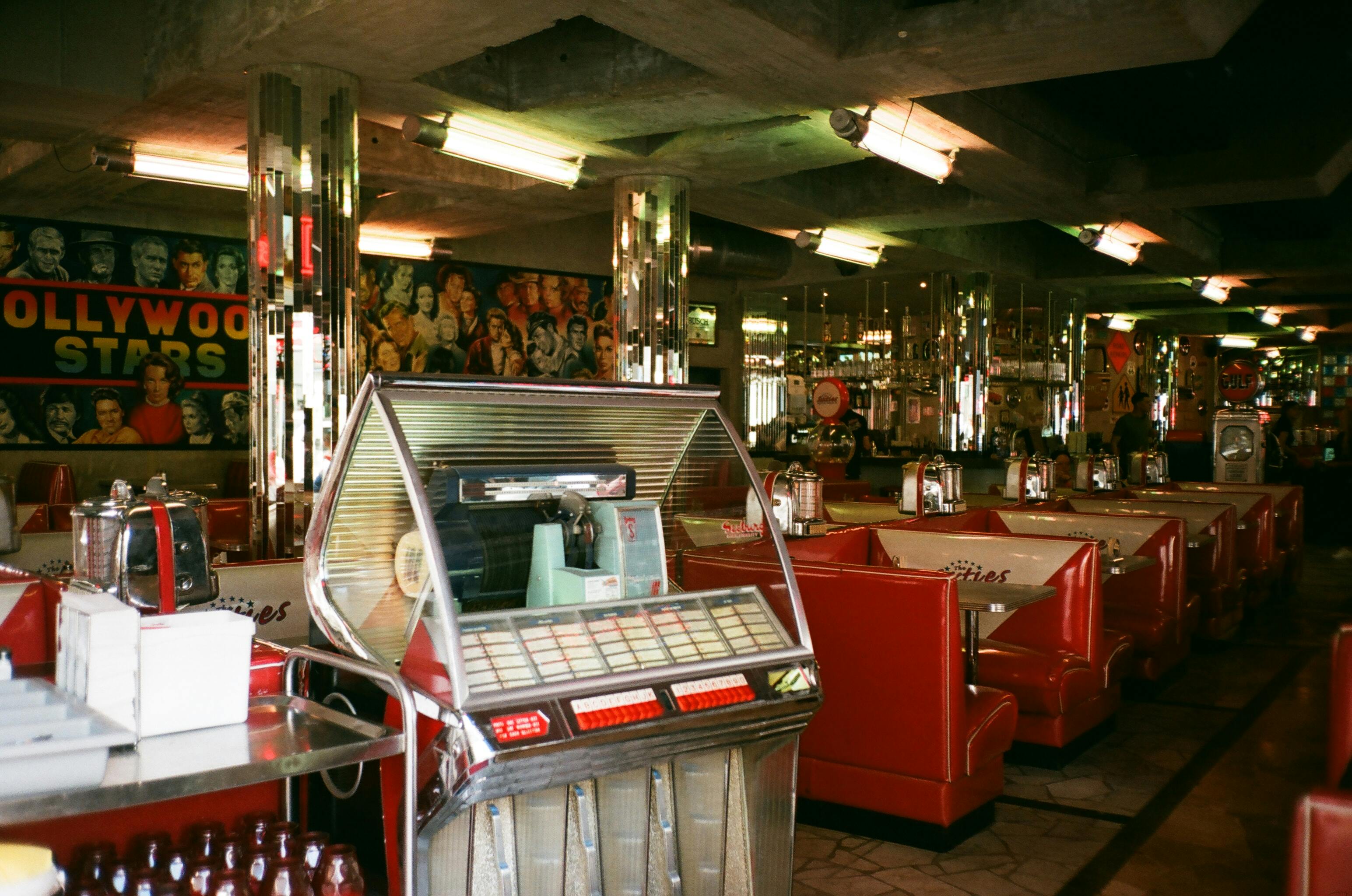
Mission, British Columbia has long had local favorites, but Rocko's Diner became a standout by leaning fully into retro charm without losing sight of what diners really want. The classic booths, chrome touches, and milkshake-friendly mood made it feel familiar right away. That kind of visual identity matters in a small town where restaurants live on word of mouth.
The food kept the nostalgia from becoming gimmick. Burgers, breakfasts, and comfort staples gave regulars consistency and newcomers a safe bet. Over time, Rocko's became the place people recommended when they wanted to show off a bit of local personality with a side of onion rings.
The Chuckwagon Cafe

In Turner Valley, Alberta, The Chuckwagon Cafe earned fame through a style of Western breakfast service that feels almost timeless. It is the sort of place where the grill is busy early, the coffee keeps moving, and the room fills with ranchers, workers, families, and travelers. Those are often the first signs of a true local institution.
Its legend comes from being exactly what people hoped it would be. Hearty portions, no-nonsense service, and a lived-in atmosphere made it a trusted stop in a region with deep agricultural roots. Restaurants like this become landmarks because they feed daily life, not just special occasions.
The Cedar Dining Room

Tucked inside the Wickaninnish Inn near Tofino, The Cedar Dining Room helped prove that a remote coastal setting could support one of the country's most admired restaurant experiences. Its dramatic Pacific views gave it immediate allure, but the real reputation came from disciplined cooking that showcased British Columbia ingredients with clarity and restraint.
That made it feel both local and destination-worthy. Guests came for wild seafood, seasonal produce, and a room that framed storms, sunsets, and surf as part of dinner. In a town better known historically for rugged beauty than formal dining, The Cedar helped define a new kind of small-town legend.
The Fiddle River Restaurant
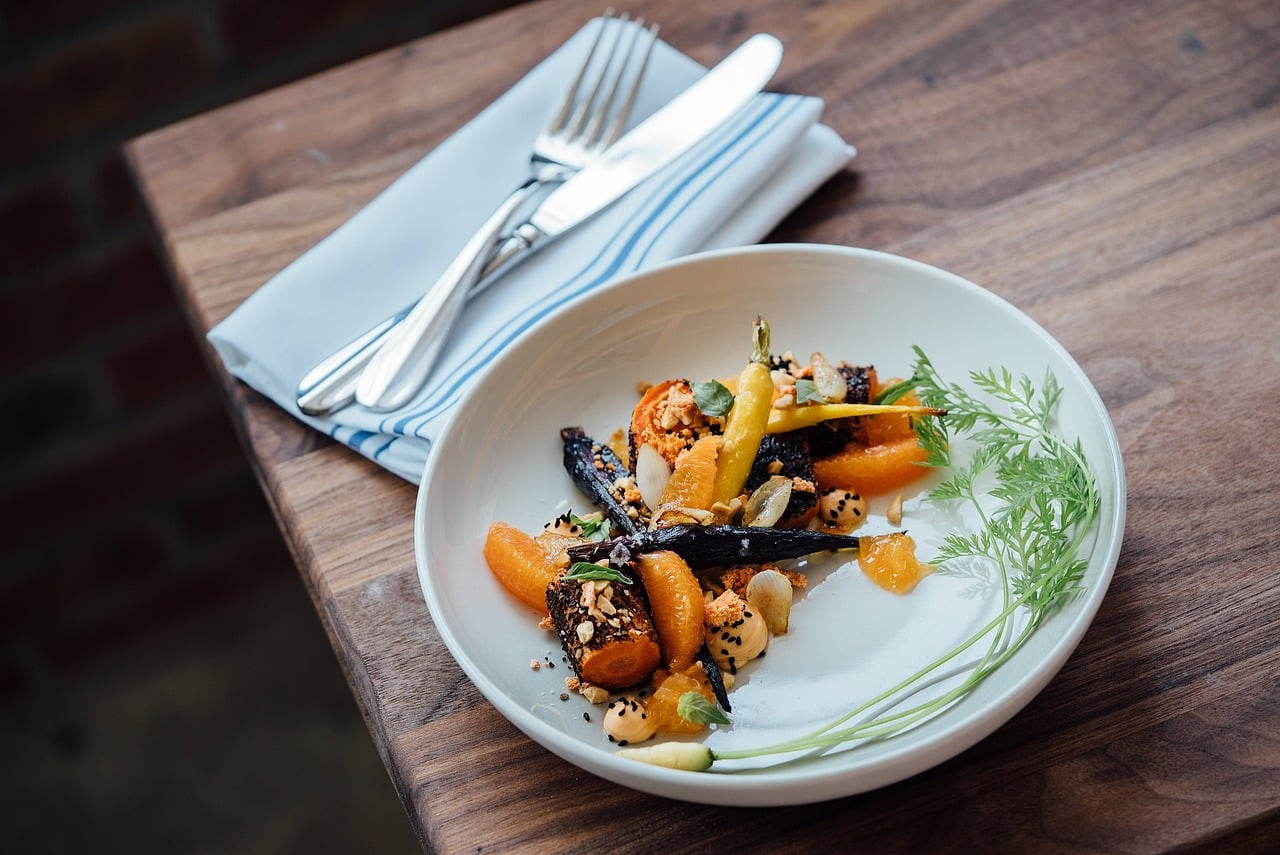
Jasper's tourism profile is hardly a secret, yet The Fiddle River Restaurant achieved something more lasting than popularity with visitors. It became a dependable local legend by spotlighting regional game and mountain-inspired dishes in a setting that never forgot the power of place. Elk, bison, trout, and Alberta beef gave the menu a clear identity.
The result was memorable without feeling overworked. Diners could look out at the Rockies and eat food that matched the landscape, which is often the difference between a good restaurant and one people keep talking about. In a small mountain town, that kind of coherence goes a long way.
The Wreckhouse Restaurant
In Port aux Basques, Newfoundland and Labrador, The Wreckhouse Restaurant became one of those places travelers remembered from the ferry route and locals defended with pride. Named after the famously windy nearby area, it carried the spirit of the region into a warm dining room known for generous comfort food and East Coast hospitality.
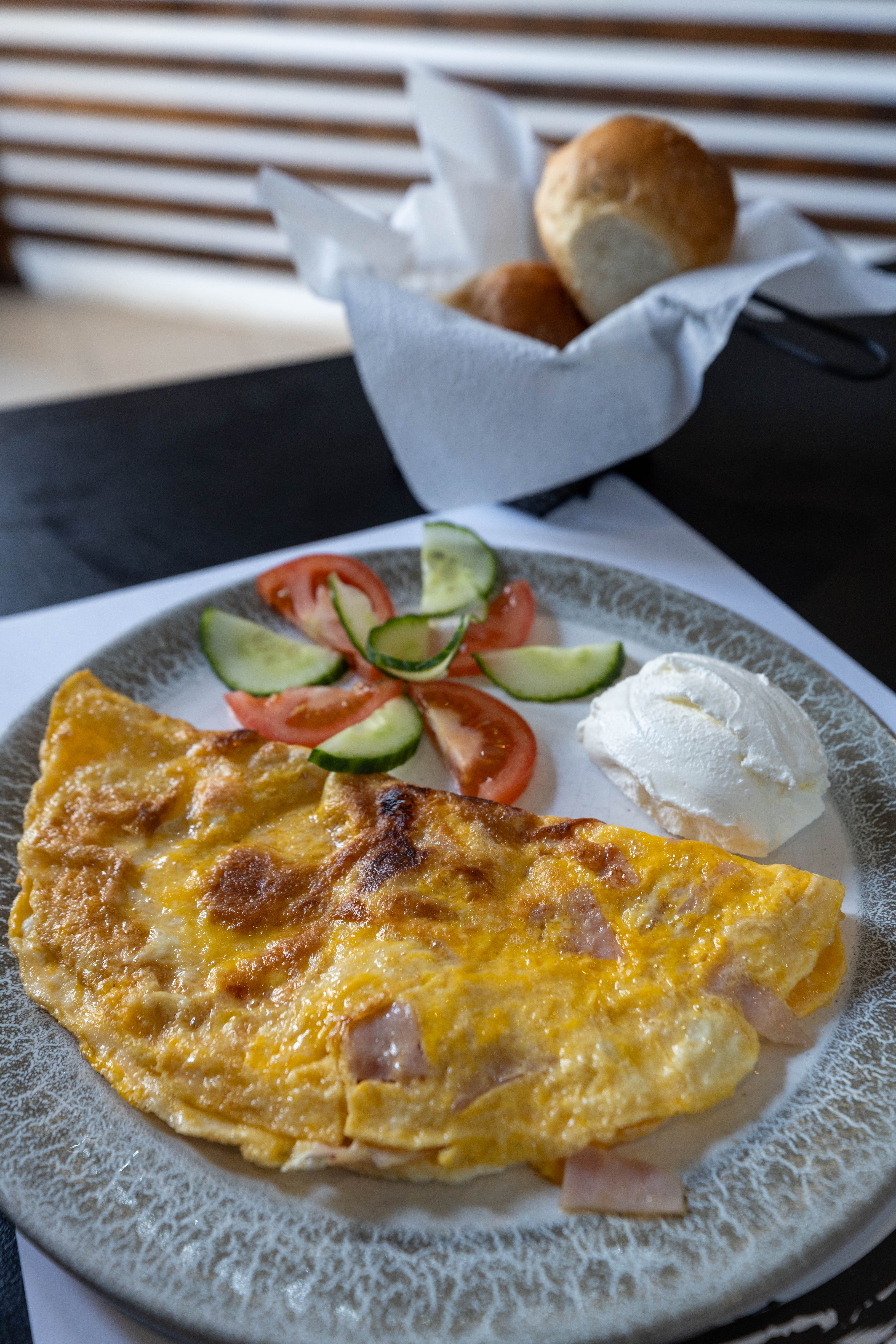
Its local-legend status comes from familiarity and timing. For many people arriving on the island or preparing to leave, a meal here marked a transition point. Seafood, hearty breakfasts, and dependable service turned that practical stop into a meaningful one, which is often how a restaurant enters community memory.




Leave a Reply