
For many Canadians, grocery shopping feels like paying luxury prices for ordinary food. Cross the border, and the contrast can be startling: lower prices, bigger selection, and produce that often looks fresher and lasts longer. This gallery breaks down the biggest structural reasons behind that gap, from geography and competition to supply management and retail concentration, in plain English.
A Smaller Market Means Higher Costs Everywhere

The first problem is scale. Canada has far fewer people than the United States, spread across a vast landmass, which means grocers and food makers sell into a much smaller market. Lower volume makes it harder to negotiate low unit costs, whether the item is cereal, yogurt, frozen vegetables, or bread.
That smaller customer base affects almost every layer of the system. Manufacturers run shorter production batches, importers move less product at a time, and retailers cannot always count on the same turnover that big American chains enjoy.
When volume is lower, costs per item tend to rise. Those higher costs are then built into shelf prices, so shoppers end up paying more for everyday basics without getting the variety or promotional intensity commonly seen in larger U.S. markets.
Long Distances Make Fresh Food Harder to Deliver

Geography is not just a backdrop in Canada. It is one of the biggest reasons food can cost more and arrive in worse condition. Many cities are far from major growing regions, and a huge amount of produce has to travel long distances by truck, rail, or ship before it reaches store shelves.
That trip adds fuel, refrigeration, warehousing, and labor costs. It also increases the odds of bruising, spoilage, and shorter shelf life, especially for delicate items like berries, greens, tomatoes, and herbs.
American shoppers benefit from easier access to large domestic growing regions in places like California, Florida, and Arizona. In Canada, by the time fresh food arrives, it may already be older, more expensive, and less appealing than similar products sold south of the border.
Winter Shrinks Choice and Pushes Prices Up

Climate changes the grocery experience more than many people realize. Canada has a shorter growing season, harsher winters, and less year-round domestic production for many fruits and vegetables. That means stores depend heavily on imported produce for much of the year.
Imports are not automatically bad, but they do make the system more vulnerable. Weather problems in exporting regions, shipping delays, border slowdowns, and currency swings can all show up quickly in the produce aisle.
The result is familiar to many shoppers: expensive strawberries in January, limp lettuce in February, and fewer truly ripe options for months at a time. Americans often see better prices simply because more of their supply is grown closer to home for longer stretches of the year.
Too Few Big Chains Control Too Much of the Market

One of the clearest differences is competition. In Canada, a small group of major grocers dominates the national market, with familiar names controlling a large share of food retail. When fewer companies hold more power, there is often less pressure to slash prices or aggressively outdo rivals on selection.
That concentration shapes everything from promotions to store brands to supplier negotiations. It can also limit how much choice shoppers really have, even when stores appear different on the surface.
In the United States, the grocery landscape is more fragmented and more combative, with warehouse clubs, discount chains, regional supermarkets, and big-box retailers constantly battling for traffic. That kind of rivalry tends to produce sharper deals and more reasons for stores to keep quality high.
Supply Management Keeps Dairy and Poultry Prices High

Some of the most noticeable sticker shock in Canada comes from dairy, eggs, and poultry. A major reason is supply management, a system that uses production quotas and import controls to stabilize farm income and limit oversupply in these sectors.
Supporters say it protects domestic farmers from extreme price swings and foreign competition. Critics point out that it also keeps consumer prices elevated and reduces the amount of lower-cost imported product on the market.
That is why milk, cheese, butter, chicken, and eggs can look so expensive compared with U.S. prices. American shoppers often benefit from a more competitive and less restricted system, even if it comes with more volatility for producers. For families watching every dollar, the difference at checkout is hard to miss.
Packaging Rules and Bilingual Labels Add Extra Cost

A quieter reason for higher prices sits in the fine print. Many products sold in Canada require packaging tailored to the market, including bilingual labeling and compliance with Canadian nutrition, ingredient, and measurement rules. None of that is unreasonable, but it does create extra cost.
For giant brands, those costs may be manageable. For smaller producers and specialty importers, separate packaging runs and regulatory adjustments can make the Canadian market less attractive or less profitable.
That matters because fewer suppliers often means fewer products and less price competition. It can also lead to higher per-unit costs when companies produce Canada-specific versions in smaller quantities. The shopper sees the result as higher shelf prices and fewer niche or value-oriented options than in many U.S. stores.
A Weaker Canadian Dollar Makes Imports More Expensive

Currency does a lot of hidden work in grocery pricing. Because Canada imports a significant share of its food, especially produce and packaged goods, the value of the Canadian dollar plays a direct role in what stores pay to bring those products in.
When the Canadian dollar weakens against the U.S. dollar, imported food instantly becomes more expensive in Canadian terms. Retailers may absorb some of that pressure briefly, but over time much of it lands on the consumer.
This is one reason prices can feel sticky even when global headlines suggest costs should be easing. American shoppers buying with U.S. dollars are often on the stronger side of that exchange equation. In Canada, a softer currency can quietly make a routine grocery trip feel significantly more punishing.
Discounting Is More Aggressive in the United States

A sale in Canada often does not feel like much of a sale. In the United States, shoppers are used to intense promotional cycles, loyalty offers, digital coupons, loss leaders, and warehouse pricing that can dramatically lower the cost of staples. The grocery battle for customer traffic is simply fiercer.
Canadian stores do run promotions, of course, but they are often less aggressive and less frequent. In a more concentrated market, retailers may have less reason to undercut each other deeply week after week.
That difference changes shopper psychology and household budgets. Americans who plan around deals can often fill a cart for much less than the sticker price suggests. Canadians, by contrast, are more likely to face elevated regular prices with fewer chances to meaningfully game the system.
Produce Often Arrives Older and Spoils Faster

Freshness is not just about appearance on the day you shop. It is also about how long food lasts once you get it home. Many Canadian shoppers complain that produce can spoil quickly, and there are practical reasons behind that frustration.
Long transit times, multiple handling points, cold-weather logistics, and lower turnover in some stores all affect freshness. A peach or cucumber that has spent more time in the supply chain has less life left in it, even if it still looks acceptable under supermarket lighting.
In many U.S. markets, faster turnover and closer access to growing regions can mean produce hits shelves with more days of usable life. That translates into less waste for consumers. Paying more for food that deteriorates sooner is one of the sharpest ways the quality gap is felt at home.
Canadians Pay More and Still Get Less Variety
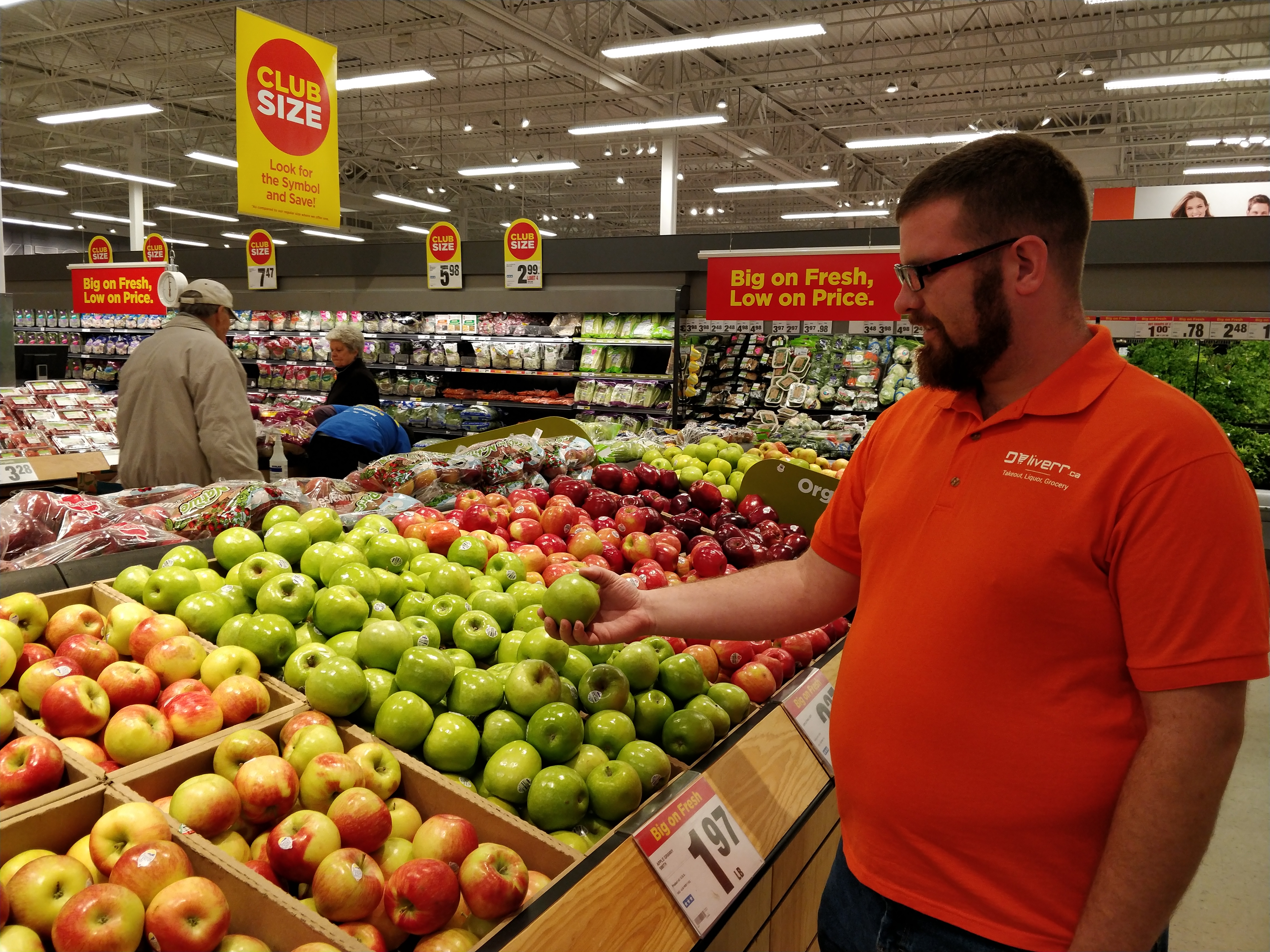
The most frustrating part may be the combined effect of all these forces. Canadians are not just paying higher prices on many grocery items. They are often doing so while facing fewer brands, fewer package sizes, fewer specialty products, and a less dynamic in-store experience.
That gap is especially obvious in snack aisles, frozen foods, international products, seasonal releases, and budget private-label options. American supermarkets and big-box stores often offer a level of depth that makes comparison shopping easier and value hunting more rewarding.
None of this means every U.S. grocery store is better or every Canadian store is poor. But at a system level, the pattern is clear: smaller scale, tougher geography, and weaker competition leave many Canadians paying premium prices for a grocery experience that too often feels merely average.




Leave a Reply