
A full pantry can feel reassuring, but some of the most familiar staples quietly lose flavor, texture, and reliability long before people notice. These 10 items are especially easy to keep past their prime, and knowing what changes to watch for can make everyday cooking taste better and feel less wasteful.
Ground spices
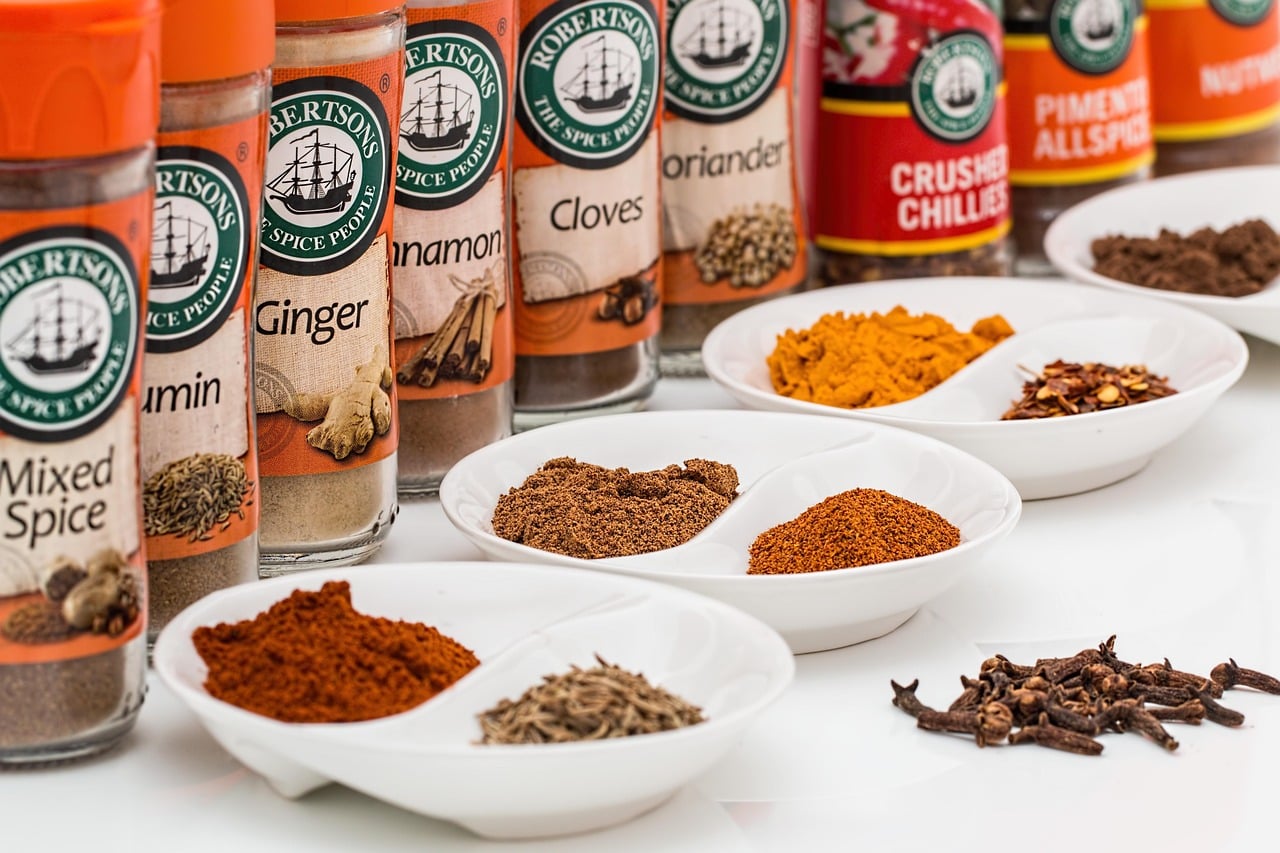
Ground spices are small jars with a big job, which is exactly why old ones can drag down a meal without announcing themselves. They usually do not spoil in the dramatic sense, but they do lose aroma and intensity over time.
The USDA says ground spices generally keep their best quality for about 2 to 3 years, while whole spices can last around 4 years. That gap matters because grinding exposes more surface area to air, light, and moisture, all of which speed up flavor loss.
Paprika, cumin, cinnamon, and black pepper are common examples. If you open the jar and barely smell anything, that is a clear sign it is time to replace it. A faded color can also signal that the spice is no longer bringing much to the pan.
Baking powder
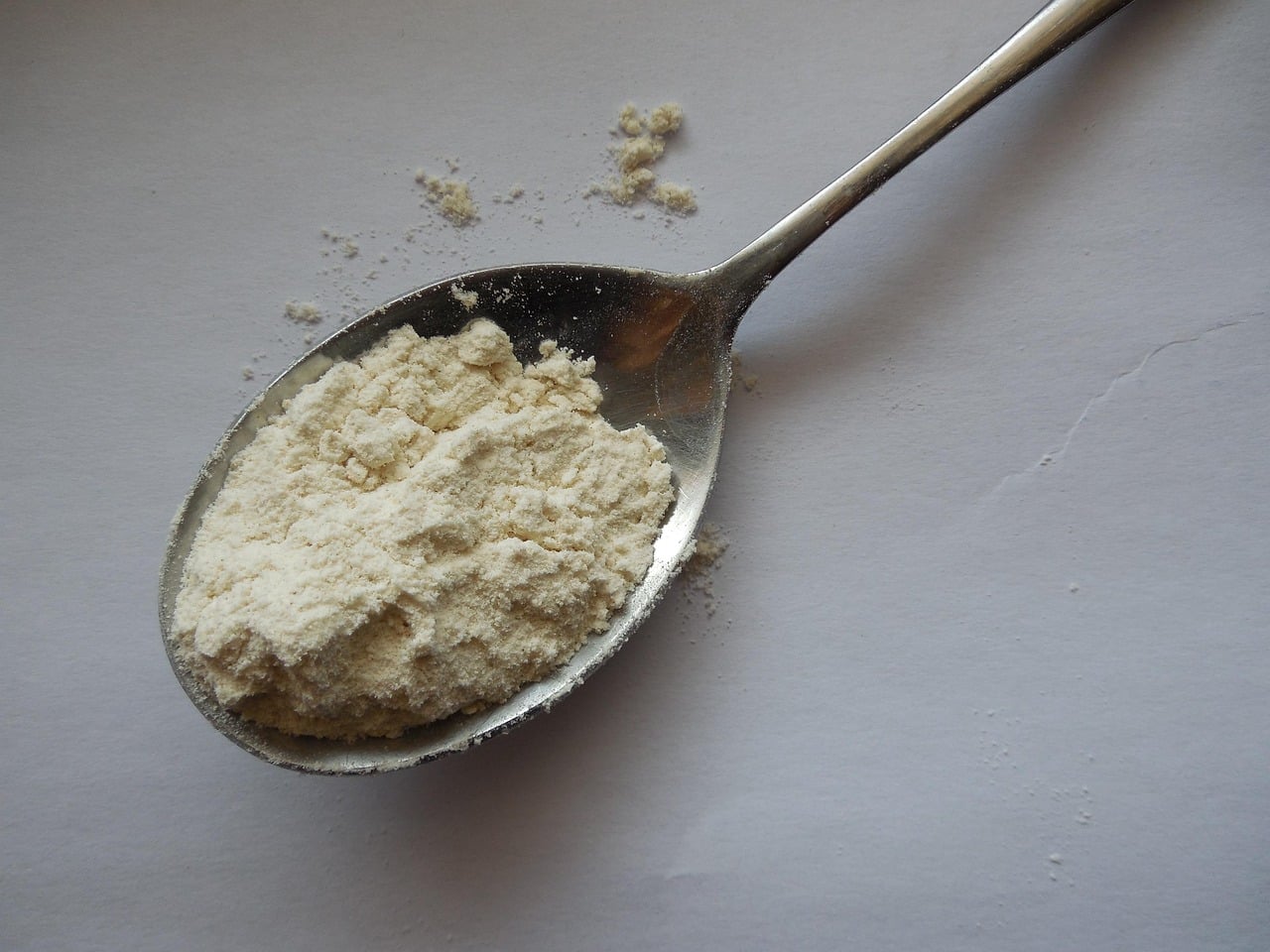
Baking powder often looks perfectly fine even when it is no longer very useful. That makes it one of the easiest pantry items to overlook, especially if you only bake a few times a year.
Unlike flour or sugar, baking powder is all about performance. The National Center for Home Food Preservation notes that leavening agents lose strength over time, and weak baking powder can leave cakes, muffins, and biscuits dense instead of light.
A simple freshness check helps. Stir 1 teaspoon of baking powder into ½ cup of hot water. If it bubbles vigorously, it is still active. If the reaction is weak, the container may have been sitting too long or picked up moisture in the pantry.
Baking soda
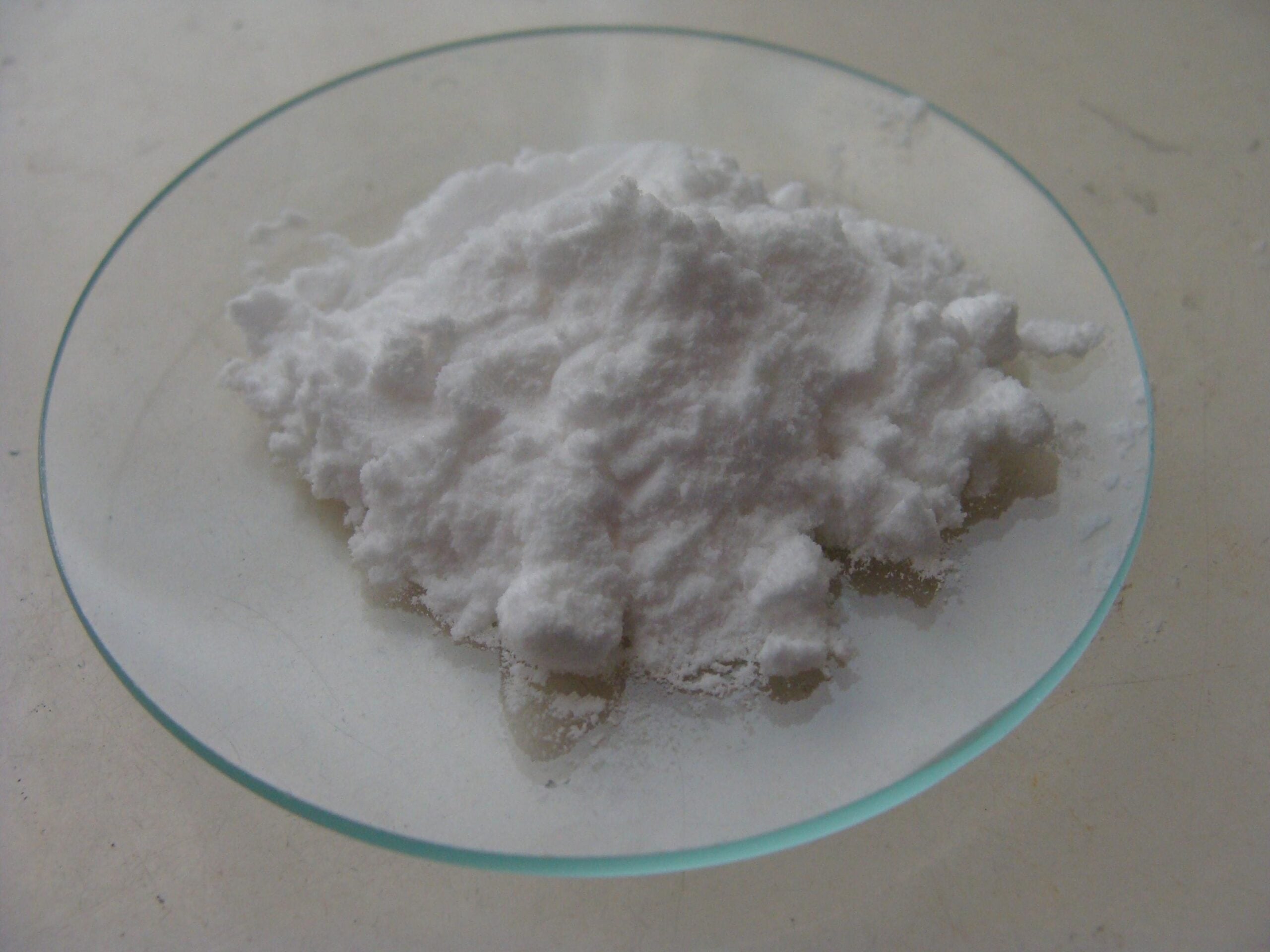
Baking soda has a reputation for lasting forever because it has so many household uses. In baking, though, freshness still matters, and an old box may not deliver the lift a recipe expects.
The USDA notes that baking soda generally keeps for a long time, but manufacturers often mark packages with a best-by date for a reason. Once opened, exposure to air and humidity can gradually reduce its effectiveness, especially in a warm kitchen.
If you want to test it, add a small spoonful to vinegar. A strong fizz shows it is still reactive. If the bubbling is weak, the soda may be better for deodorizing the refrigerator than for cookies, pancakes, or quick breads.
Whole wheat flour
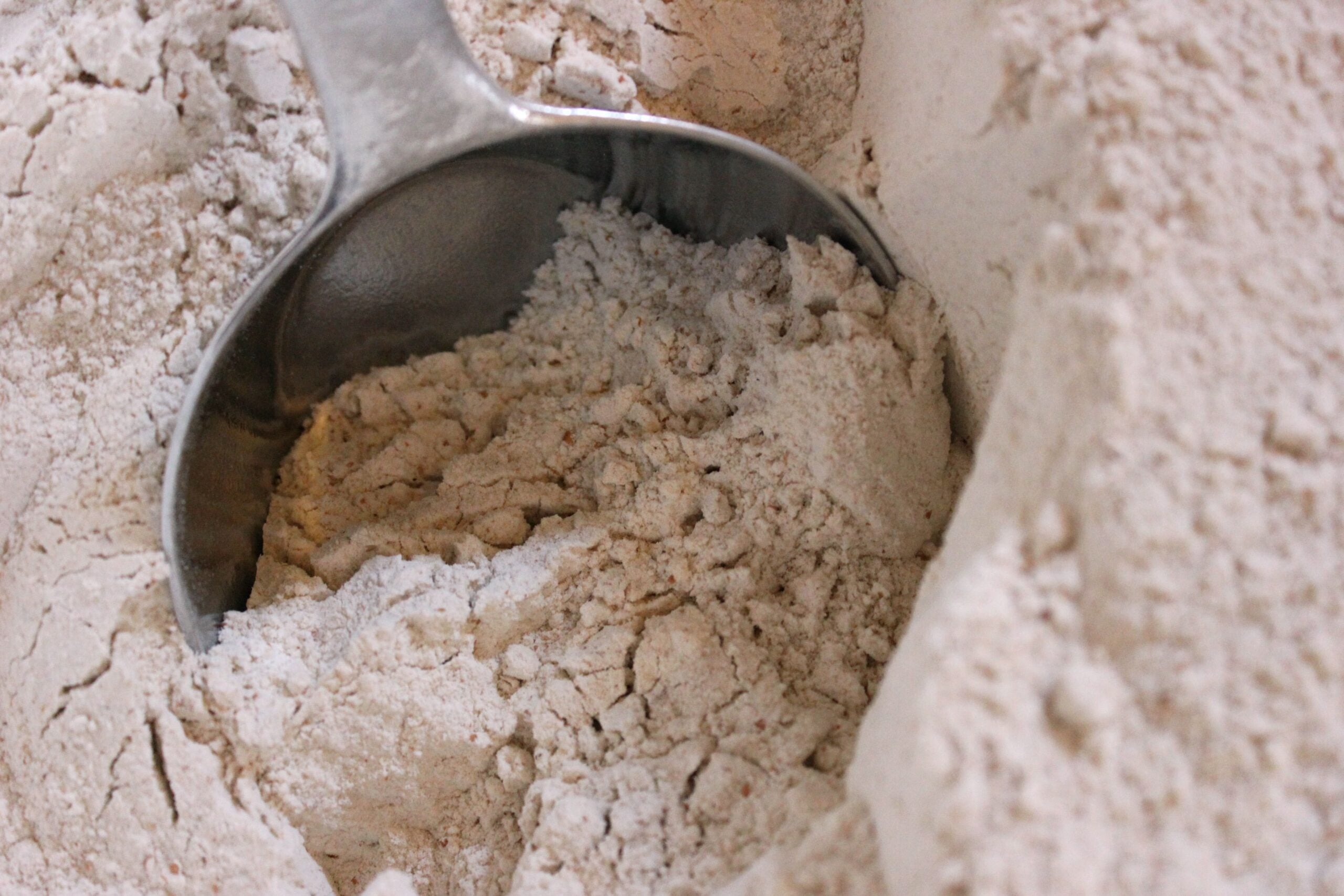
Whole wheat flour is less forgiving than white flour because it contains the bran and germ of the grain. Those parts bring nutrition and flavor, but they also contain oils that can turn rancid more quickly.
According to the USDA and Kansas State University food storage guidance, whole grain flours have a shorter shelf life than refined flour. In a cool, dry pantry, whole wheat flour is often best used within a few months, and it lasts longer when refrigerated or frozen.
The warning signs are usually sensory. Fresh whole wheat flour smells mildly nutty. Old flour can smell sour, stale, or a little like old paint or crayons. If that aroma shows up, it is a quality issue worth taking seriously before it ends up in bread or pancakes.
Brown rice
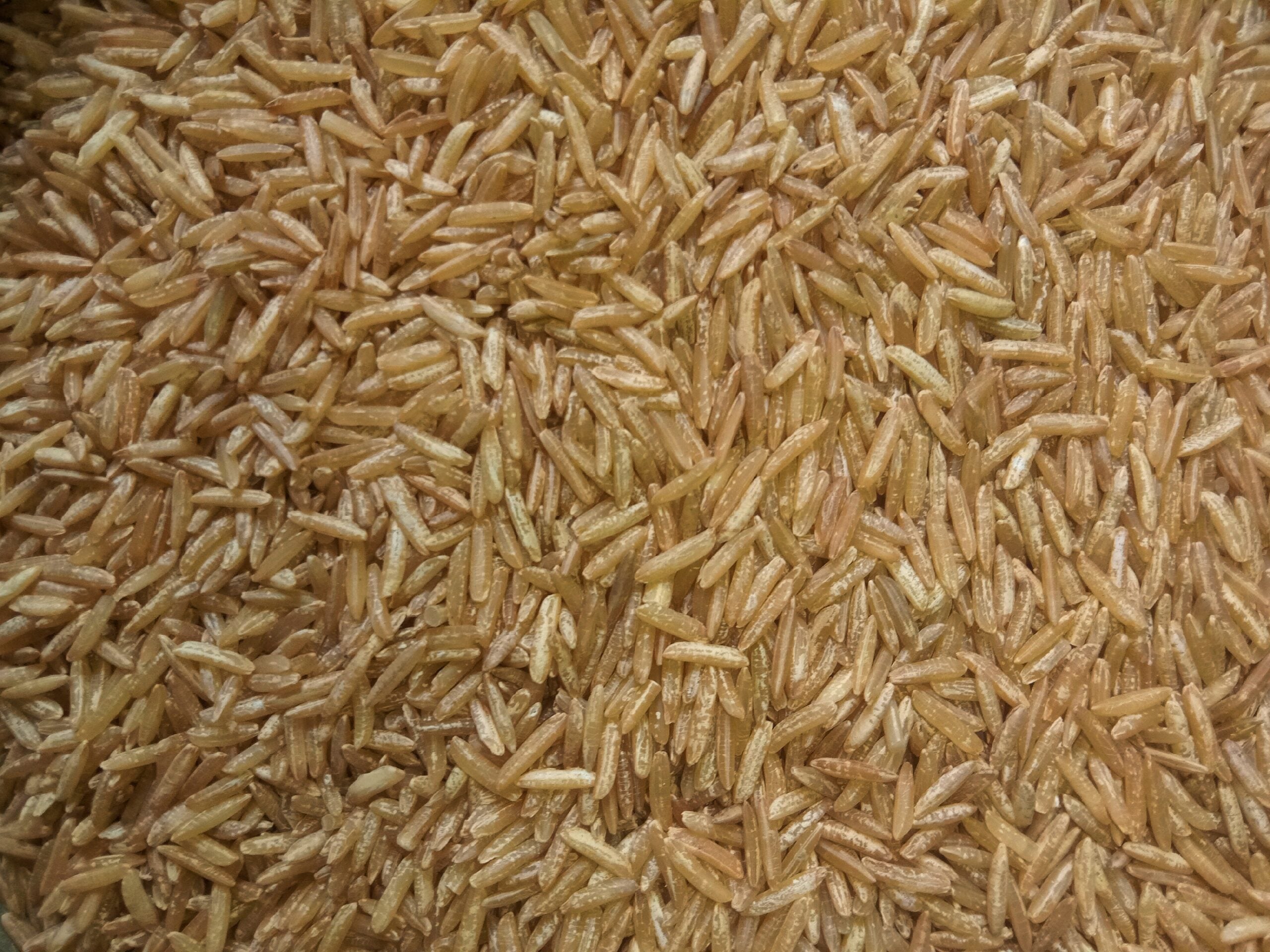
Brown rice seems as shelf-stable as white rice, but the two do not age the same way. Brown rice keeps its bran layer, and that layer contains natural oils that shorten its storage life.
The USA Rice Federation notes that white rice can keep for years when stored properly, while brown rice has a much shorter best-quality window. Many food storage guides place brown rice at about 6 months in the pantry, with longer storage possible in the refrigerator or freezer.
This is one of those staples people buy for good intentions and forget behind newer items. If the grains smell oily or stale, or if cooked rice tastes oddly bitter, age may be the reason. Better storage can make a noticeable difference here.
Nuts
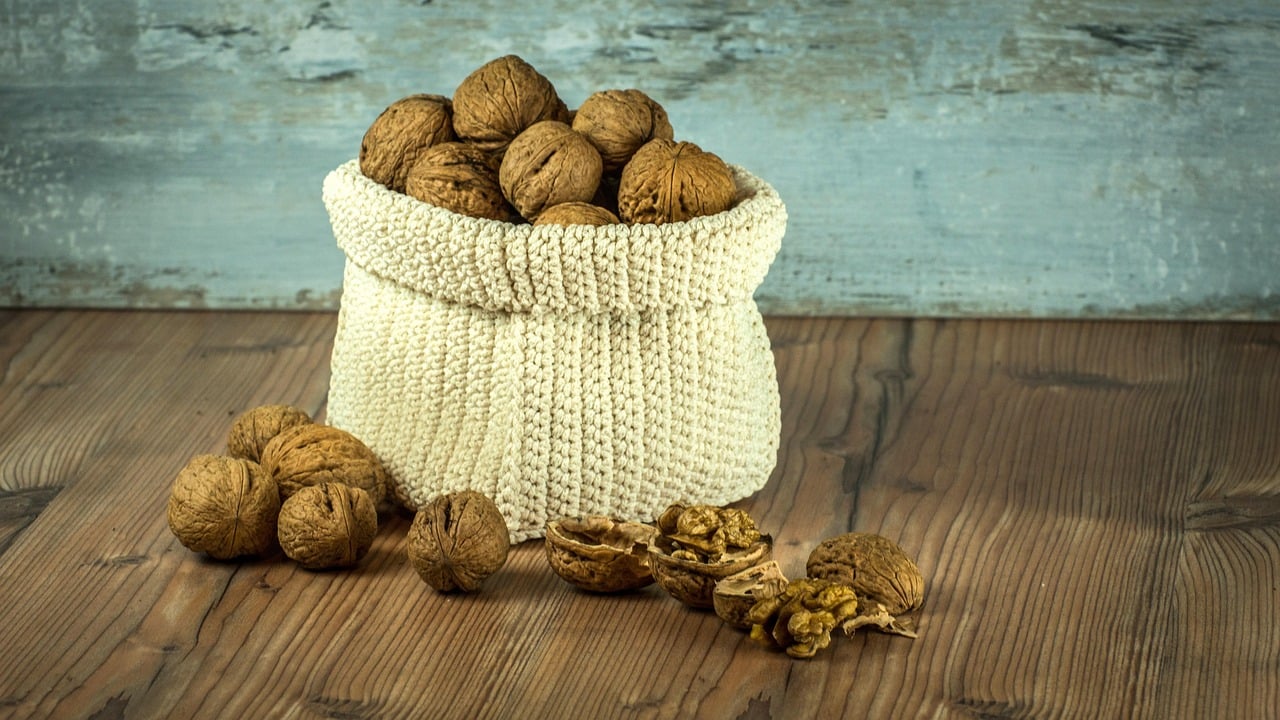
Nuts are sold as hearty snack foods, but they are also naturally rich in fat, which makes them vulnerable to rancidity. Almonds, walnuts, pecans, and pistachios can all go off faster than many people expect.
The FoodKeeper guidance developed by the USDA and its partners recommends cool storage and shows that nuts last longer under refrigeration or freezing than at room temperature. Pantry heat is the enemy because it speeds oxidation, the process that creates off flavors.
A bad nut does not always look bad. The biggest clue is smell and taste. Rancid nuts can seem sharp, sour, or paint-like instead of sweet and buttery. If you bake with them regularly, buying smaller amounts often protects both flavor and money.
Cooking oils
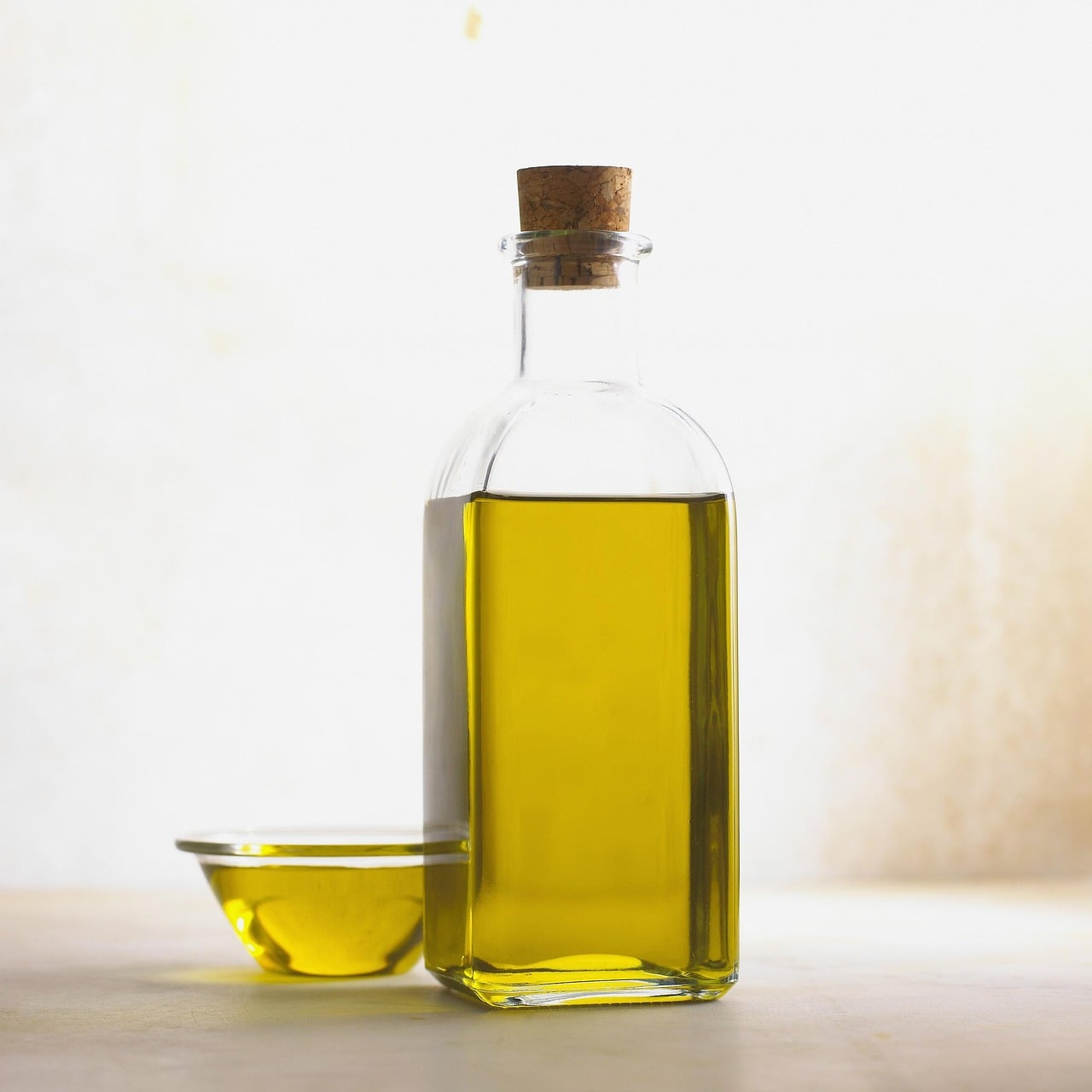
A bottle of oil can sit quietly for months, which is why it is easy to assume it is still fine. But oils are among the pantry items most likely to lose quality in a way that affects every bite.
The North American Olive Oil Association and other food storage authorities advise keeping oils tightly closed, away from heat and light. Over time, oxygen and warm temperatures break oils down, dulling flavor and eventually causing rancidity.
Olive oil is especially noticeable because fresh bottles can taste grassy, peppery, or fruity, while old oil tastes flat or waxy. Other oils, including canola and vegetable oil, can also develop a stale smell. If the bottle sits beside the stove, its quality may fade faster.
Dried beans
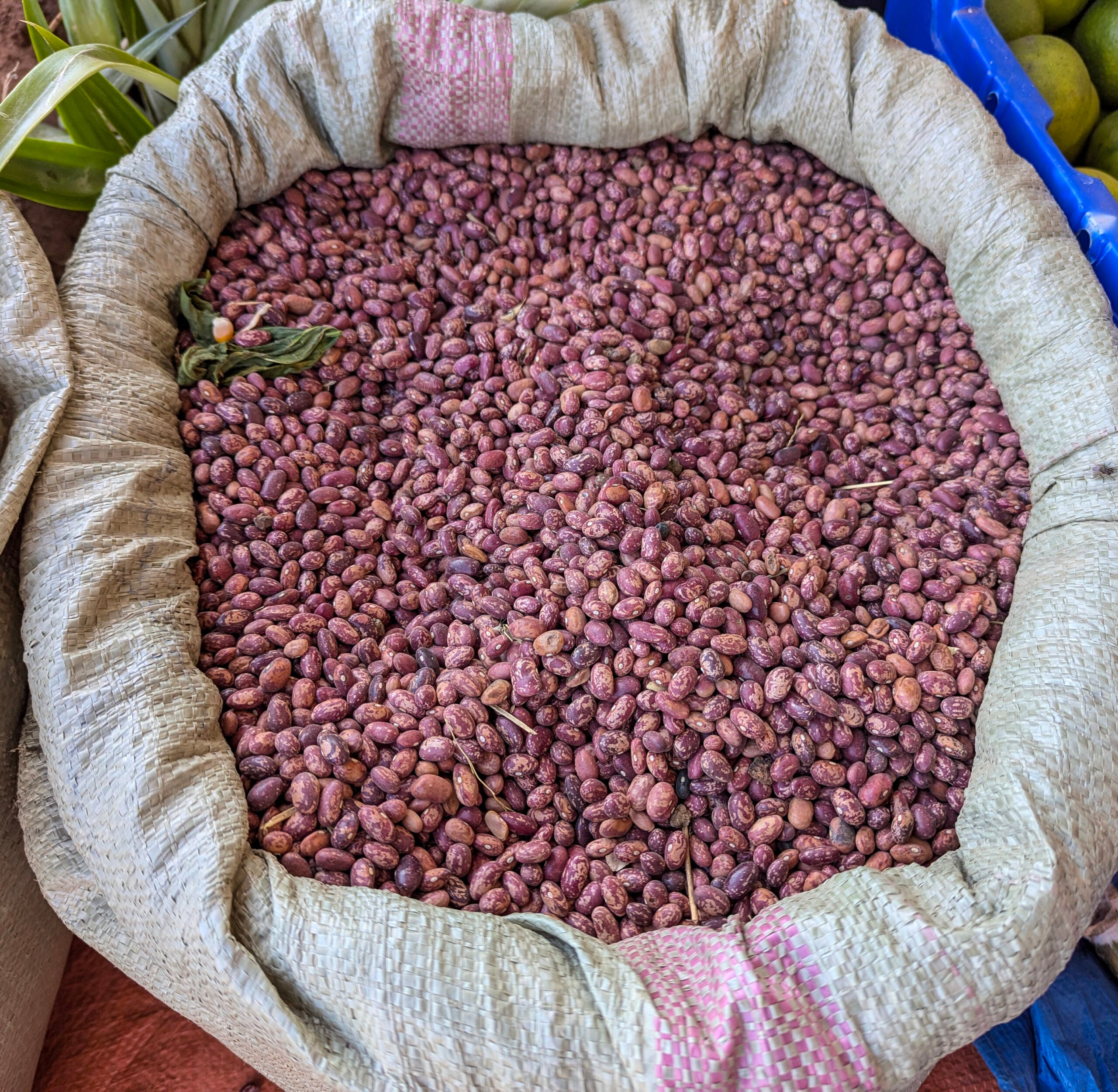
Dried beans are famous for their long shelf life, and that reputation is deserved, but long-lasting does not mean unchanged. Very old beans can become difficult to cook, even if they are still safe to store.
The USDA and bean industry guidance note that dried beans are best within 1 to 2 years for quality. As they age, they lose moisture and their seed coats harden, which can lead to beans that stay stubbornly firm after hours of simmering.
This is frustrating because the problem shows up at dinner time, not when you open the bag. If a pot of beans never quite softens, age may be the culprit. Rotating stock and labeling purchase dates can prevent that slow-cooking disappointment.
Rolled oats
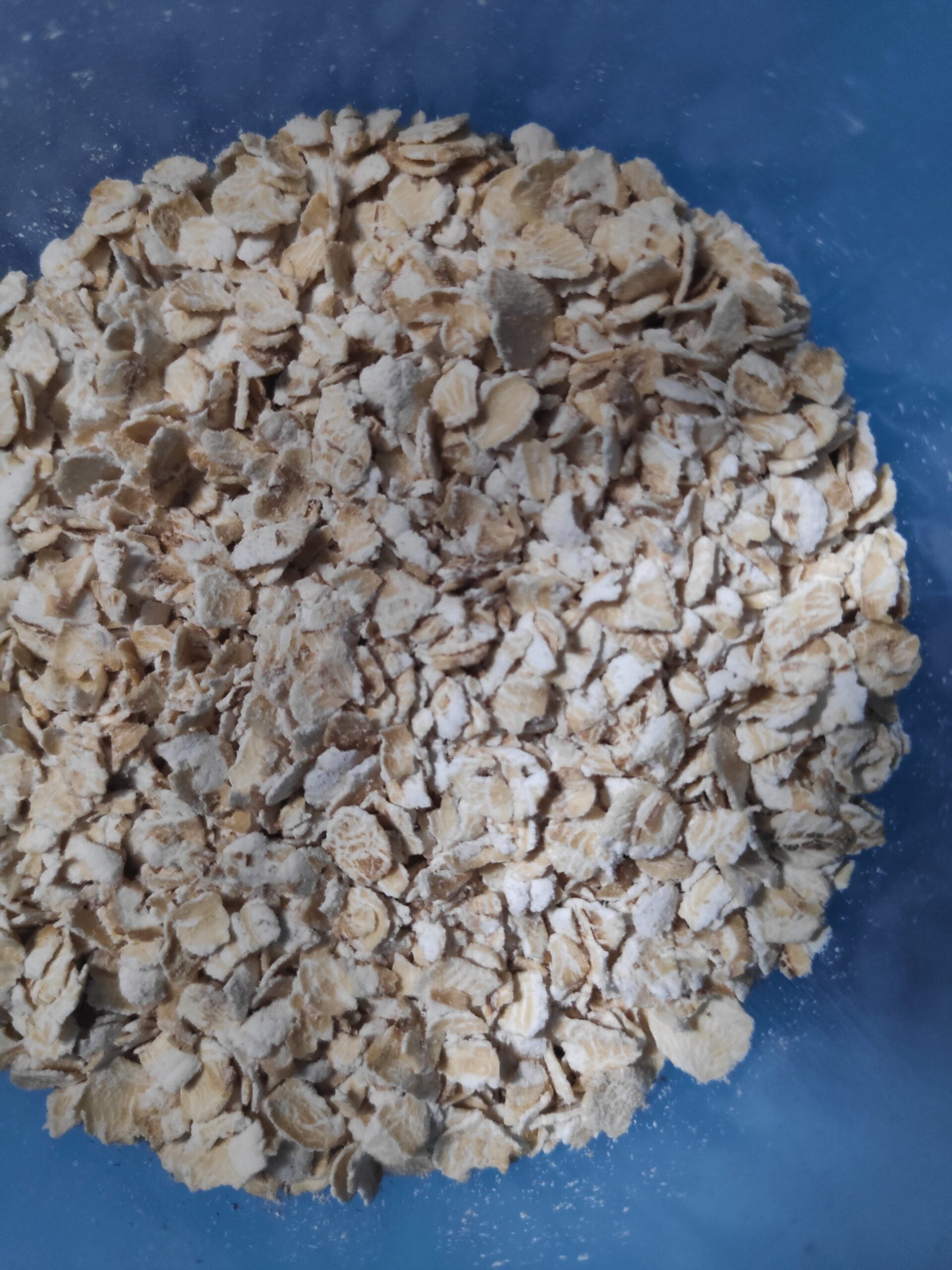
Rolled oats seem nearly indestructible because they are dry, plain, and often sold in large containers. In reality, they slowly lose freshness, especially once a package has been opened repeatedly in a humid kitchen.
FoodKeeper storage guidance gives oats a long but not endless pantry life, and the best-quality period depends on the form and packaging. Instant, quick, and old-fashioned oats all benefit from cool, dry storage in a tightly sealed container.
The first change is usually flavor. Fresh oats smell clean and mild. Older oats can pick up a stale odor, and if pantry pests get into the package, texture and safety become obvious concerns. Clear containers and regular checks help catch problems early.
Yeast
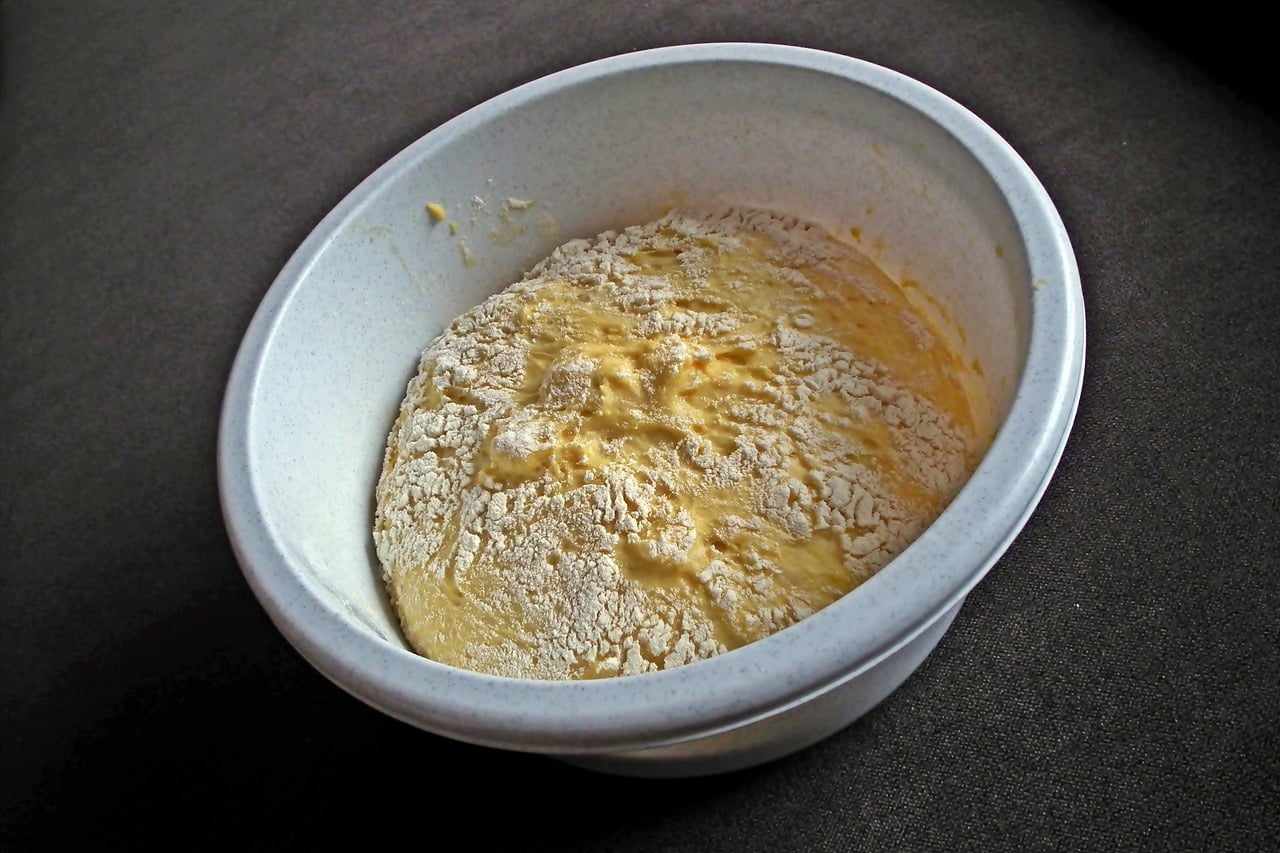
Yeast may be the quietest ingredient in the pantry, but it has one of the most important jobs. If it has lost strength, dough will rise slowly or not at all, and the result can be dense bread and disappointing pizza crust.
Manufacturers and baking experts consistently recommend paying attention to package dates and storage conditions. Unopened yeast lasts longer than opened yeast, and refrigeration or freezing helps preserve it after opening, especially for jars used a little at a time.
You can test active dry yeast before baking. Dissolve it in warm water with a little sugar and wait for foaming. A lively, creamy layer means it is still working. If little happens, the yeast has likely been kept too long to perform well.




Leave a Reply