
Trade fights rarely stay on paper for long. In Canada, they are now showing up in grocery aisles, freezer cases, and checkout totals.
Cooking Oils

Few products reveal supply anxiety faster than cooking oil. It is used daily, stores well, and tends to rise in price quickly when trade rules tighten or transportation costs jump.
Canadians buy large volumes of canola, vegetable, and olive oil, but packaging inputs, cross-border processing, and freight all affect retail prices. When tariff fears enter the picture, shoppers often grab extra bottles before the next shelf label change appears.
Retail analysts have noted that edible oils are especially vulnerable to cost swings because they sit at the intersection of farming, refining, bottling, and trucking. Even when the oilseed is grown in Canada, parts of the supply chain may still depend on US-linked movement.
That is why shoppers are not just buying premium brands. They are loading carts with store brands, bulk jugs, and anything shelf-stable enough to last through several months of higher prices.
Pasta
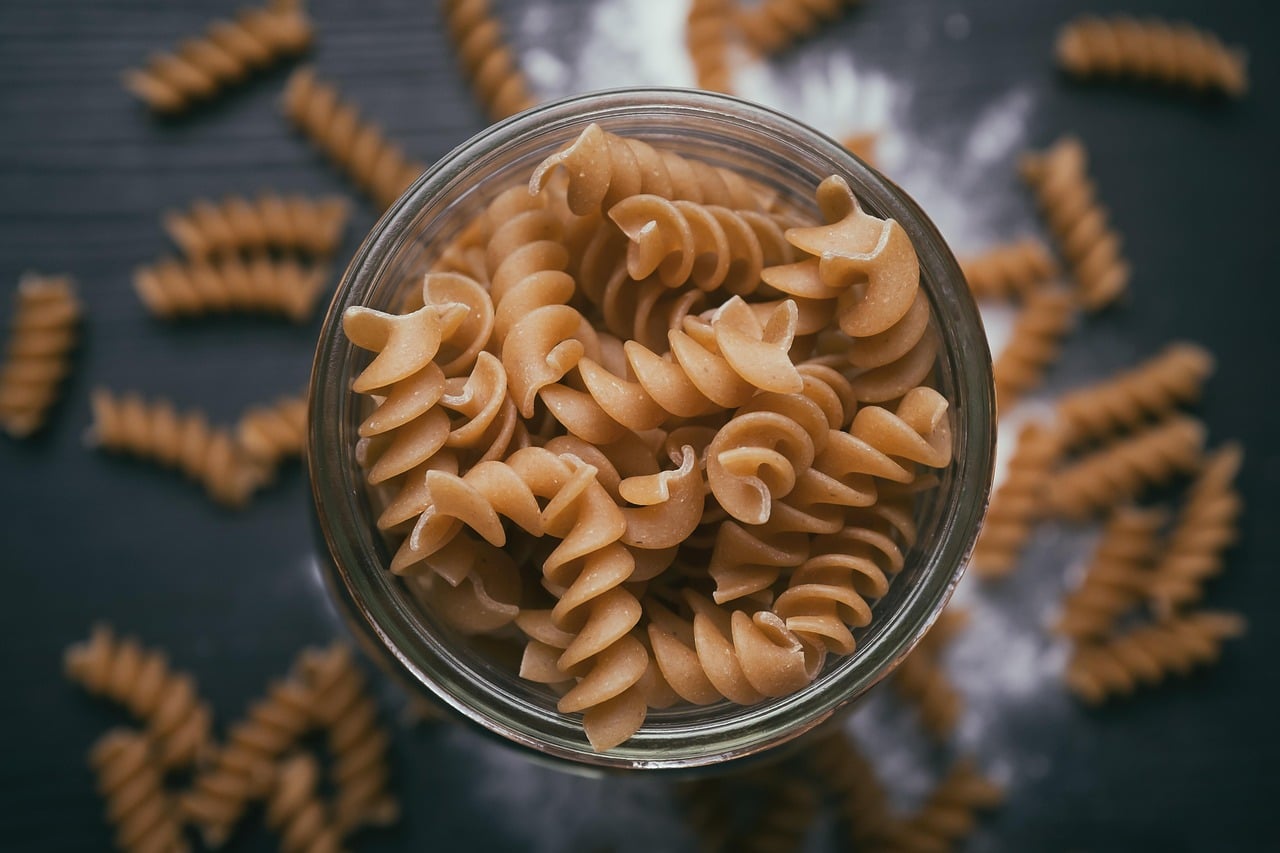
Pasta has become a classic stress-buy because it is cheap, filling, and easy to store. In moments of economic uncertainty, consumers often reach for foods that can stretch a budget without feeling like sacrifice.
Canadian grocers have seen this pattern before during inflation spikes and pandemic disruptions. Pasta tends to move early because families know it can anchor dozens of meals, from basic tomato dishes to soups, casseroles, and baked pasta trays.
Trade friction matters here because wheat markets, packaging costs, and imported specialty products can all be affected by cross-border price pressure. Even domestically produced pasta can become more expensive if manufacturers face higher energy, transport, or ingredient costs.
Shoppers are also buying ahead because pasta sauces, canned tomatoes, and grated cheese often rise in tandem. Stocking pasta feels like securing an affordable meal plan before the rest of the pantry gets more expensive too.
Peanut Butter
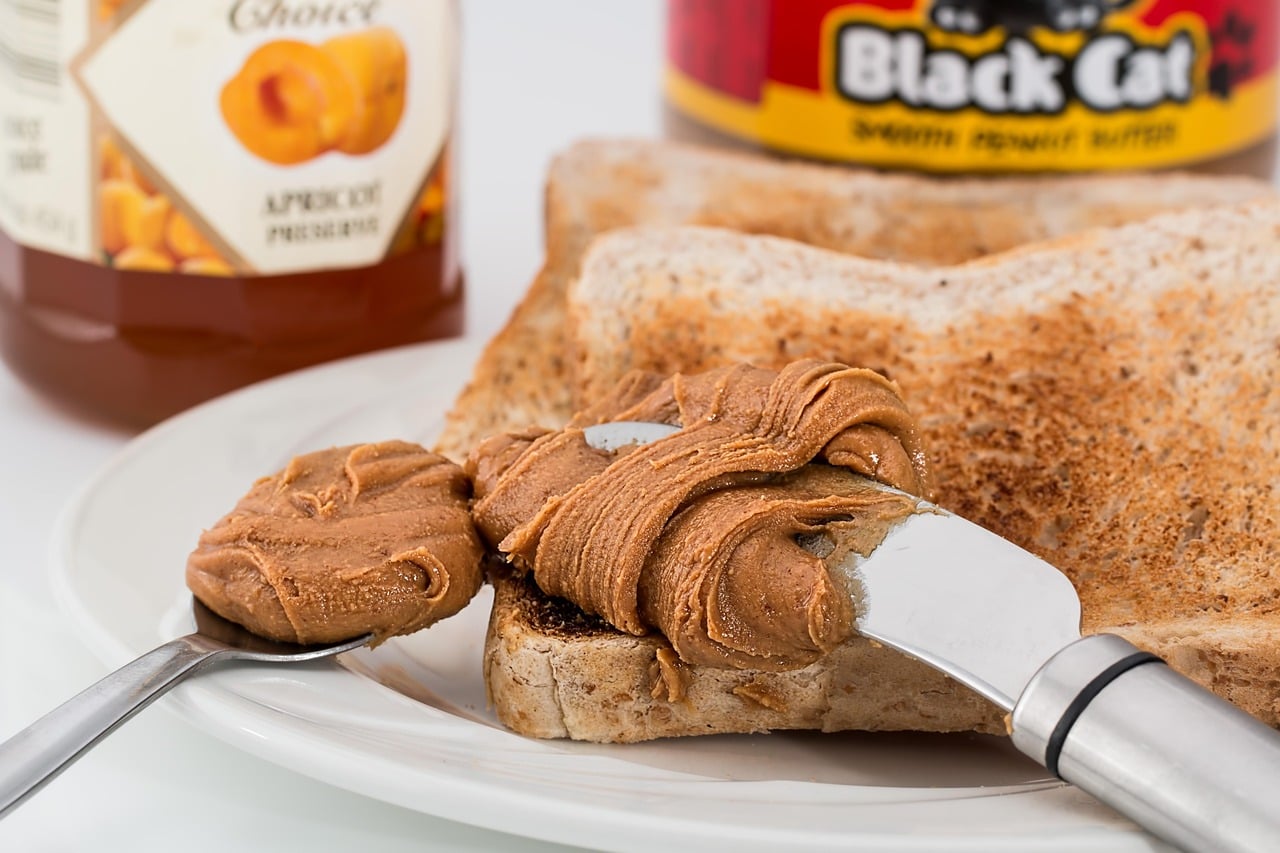
Peanut butter is one of those quiet pantry staples that becomes a priority the moment households feel uncertain. It is rich in calories, protein, and convenience, which makes it attractive to families trying to prepare for tighter grocery budgets.
Canada imports significant volumes of food products and ingredients from the United States, and peanut-related goods often move through deeply integrated North American supply chains. If tariffs, border delays, or retaliatory trade actions intensify, the effects can show up quickly on shelf prices.
Consumers know peanut butter keeps well and works across meals. It can be breakfast, a school lunch, a baking ingredient, or a low-cost snack, which gives it unusual value during periods of volatility.
That versatility explains why both large jars and discount multipacks are moving fast. Shoppers are not only worried about shortage. They are trying to lock in a dependable source of inexpensive nutrition before prices climb further.
Coffee
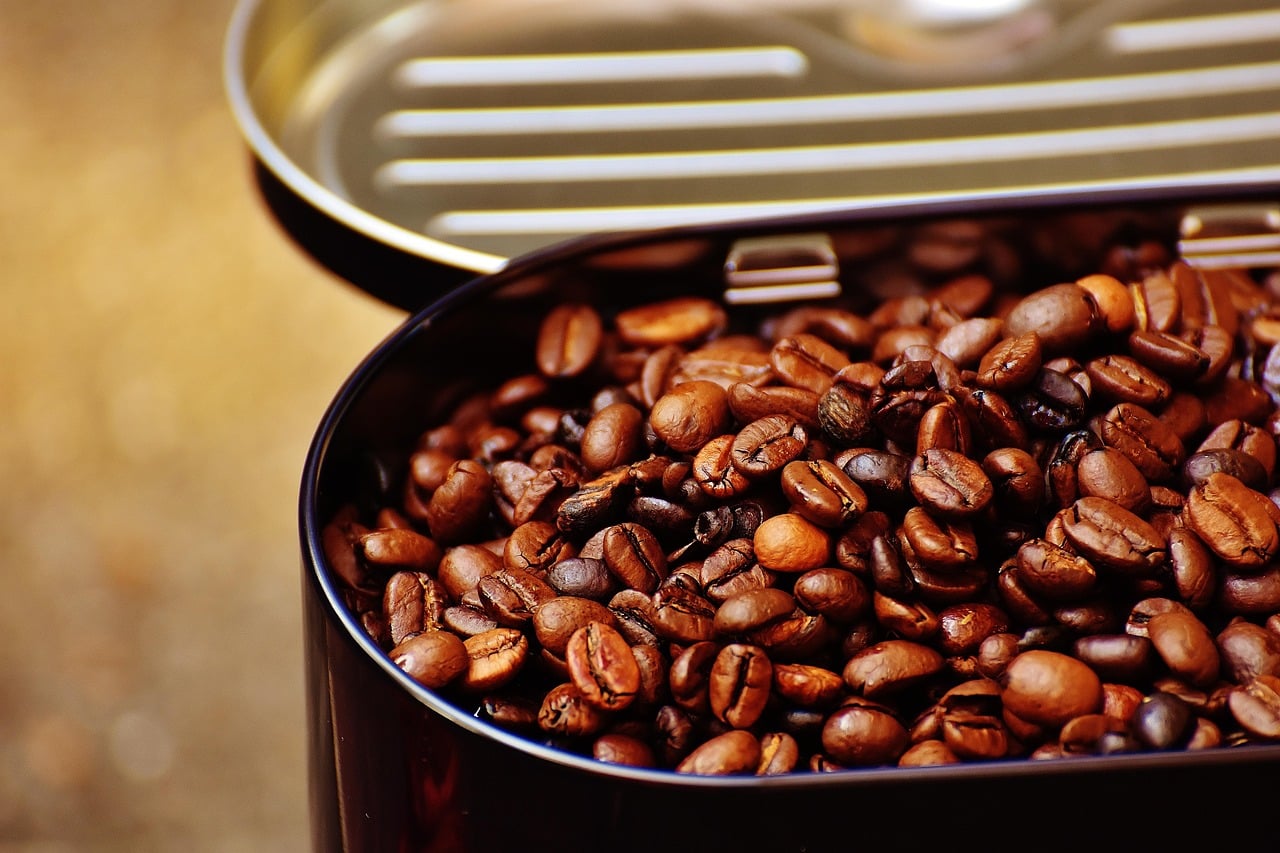
Coffee buying tends to spike when people expect broader grocery inflation. It may not be a survival item in the strict sense, but for many households it feels non-negotiable, which makes it one of the first products people stock up on.
Canada does not grow coffee commercially at scale, so nearly every bean must be imported, roasted, packaged, and distributed through a chain exposed to currency moves and transportation costs. Trade stress with the US can add another layer through logistics, warehousing, and retail markups.
Shoppers are especially sensitive because coffee prices have already faced pressure from poor harvests in producing countries and volatile global commodity markets. Add trade uncertainty, and consumers start buying extra cans, pods, and whole beans.
Warehouse clubs and supermarket promotions are seeing the strongest pull-forward demand. People are treating coffee less like an impulse buy and more like a utility, something worth securing before the next round of price increases lands.
Rice
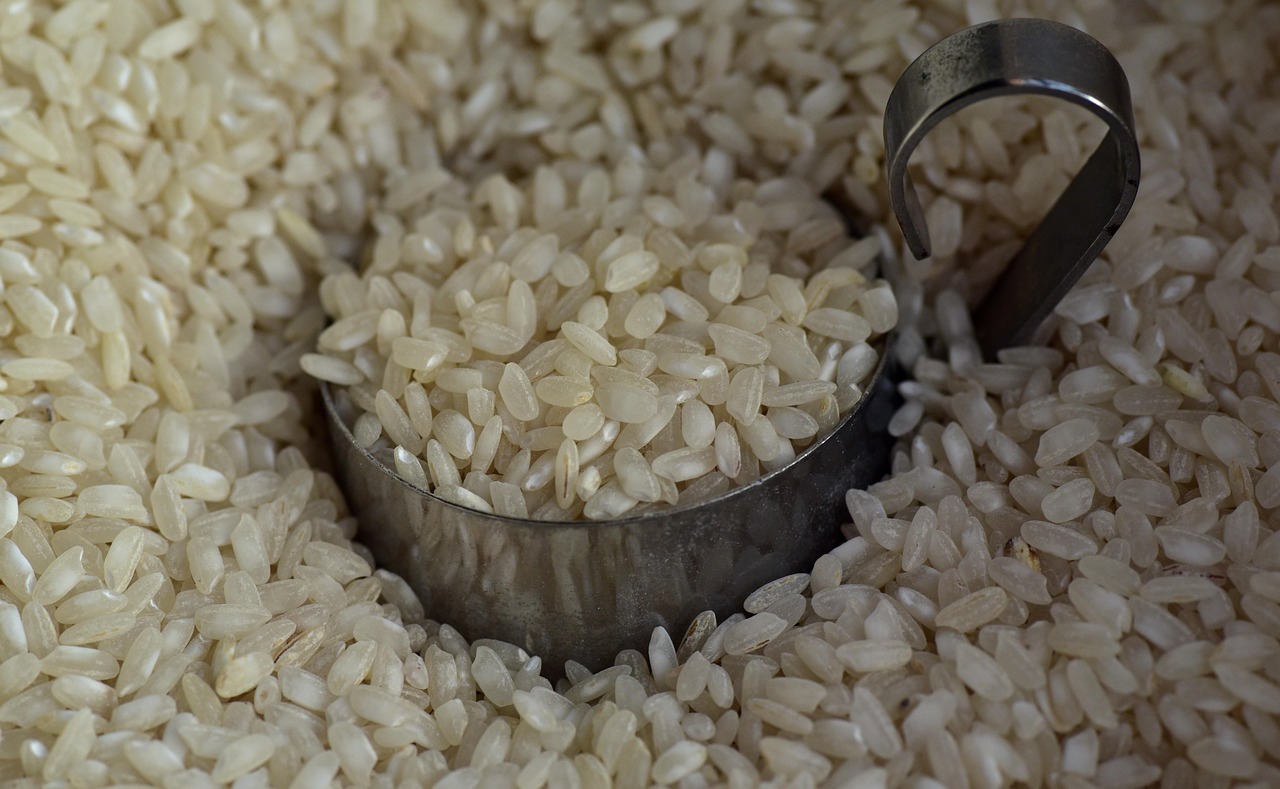
Rice is not a major Canadian crop, yet it remains a pantry essential in millions of homes. That combination makes it highly exposed to import costs and highly likely to be hoarded when people sense supply risk.
Unlike fresh foods, rice offers long shelf life and broad meal flexibility. It works with meat, beans, eggs, frozen vegetables, and soups, making it one of the simplest ways to protect a food budget against rising prices elsewhere in the store.
Trade tensions with the US matter because distribution networks are deeply connected, even for foods grown outside North America. A bag of rice sold in Canada may still depend on US ports, rail links, processors, or packaging channels before reaching a local shelf.
Consumers are responding by buying larger formats, especially jasmine, basmati, and long-grain white rice. It is a practical choice, driven less by panic in the dramatic sense and more by a calculation that a staple this versatile is worth securing early.
Canned Vegetables
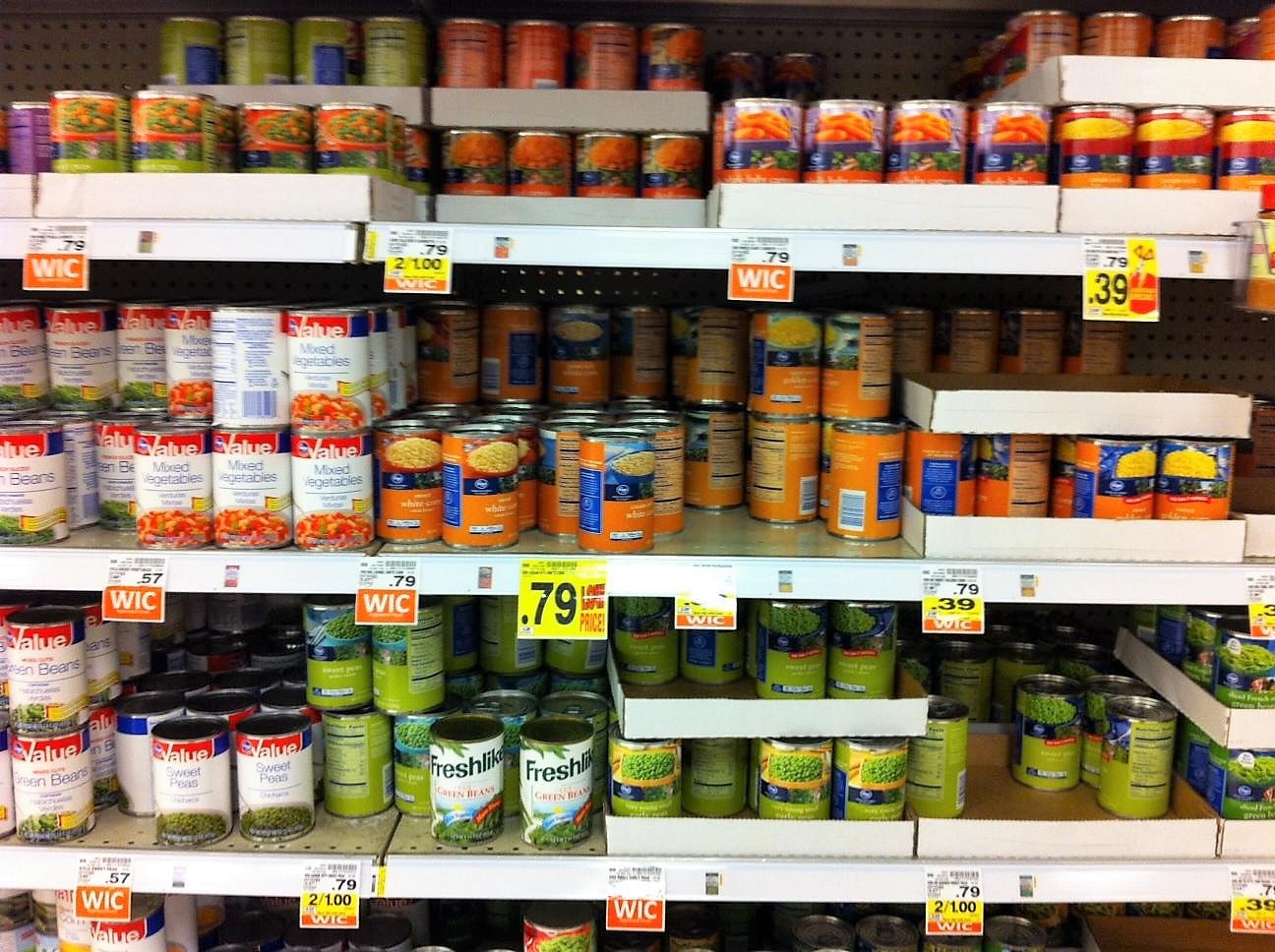
Canned vegetables are back in favor because they solve several problems at once. They last for months, require no freezer space, and offer a hedge against both rising produce prices and temporary supply interruptions.
Corn, peas, beans, and mixed vegetables are especially popular because they fit easily into soups, casseroles, pasta dishes, and side plates. When shoppers expect fresh produce to become more expensive or less reliable, cans become the backup plan.
Trade disputes can influence this category through metal packaging costs, transportation charges, and the pricing of imported produce used in processing. Even a simple can of beans reflects a chain that includes farming, manufacturing, labeling, and freight.
Many Canadians are buying a few extra cans each trip rather than making one dramatic haul. That steady stock-up behavior can still empty shelves quickly, especially when enough households make the same cautious decision at once.
Frozen French Fries

Frozen fries may seem like an odd panic buy at first, but they make sense in a trade dispute tied to food processing. Canada is a major potato producer, yet the frozen potato business is highly integrated with the US market.
Large processors operate across both countries, and changes in tariffs or trade policy can affect everything from export demand to domestic pricing. If processors redirect supply or face cost increases, retail freezer aisles can tighten faster than consumers expect.
Fries are also familiar comfort food, and comfort matters when grocery anxiety rises. Families see them as an easy side dish that pairs with inexpensive proteins, making them a practical item to keep on hand.
Shoppers are not only buying fries. Hash browns, tater tots, and other frozen potato products are moving for similar reasons. The pattern reflects concern about affordability as much as availability.
Flour

Flour is one of the clearest signs that shoppers are preparing to cook more at home. When people fear rising prices, they often shift toward basic ingredients that can produce bread, muffins, pancakes, pizza dough, and other low-cost foods.
Canada is a major wheat producer, but grocery flour pricing still depends on milling, packaging, transportation, and retail strategy. Trade conflict with the US can push on several of those points at once, even when the grain itself is domestic.
The memory of earlier buying waves also matters. Consumers remember how fast flour disappeared during past disruptions, and that memory alone can accelerate demand long before a real shortage exists.
Bakers are also grabbing yeast, sugar, and baking powder alongside flour. In other words, this is not just about one bag on a shelf. It signals a wider move toward self-reliance in the kitchen.
Infant Formula
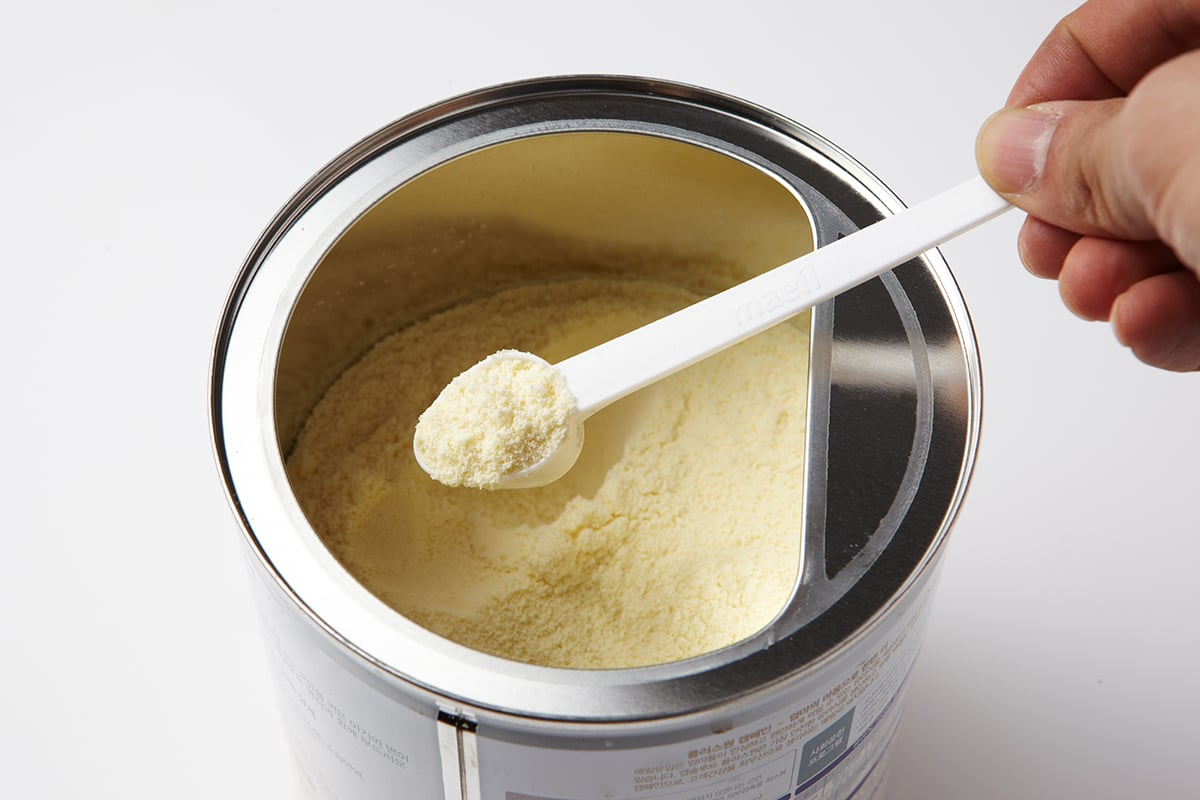
Infant formula triggers a different kind of urgency because families cannot easily substitute away from it. If parents suspect price spikes or supply disruptions, they tend to buy ahead immediately, often more aggressively than in other grocery categories.
This market is particularly sensitive because production is concentrated among a small number of manufacturers, and North American supply chains have shown fragility before. Many Canadians still remember how formula shortages elsewhere quickly became a cross-border concern.
Trade tensions heighten those worries because ingredients, packaging, and finished products may all cross borders at different stages. Even a modest disruption can create fear out of proportion to actual inventory, which then fuels faster sellouts.
Retailers and health experts generally urge measured purchasing, since panic buying can worsen local shortages. Still, among parents of infants, the instinct to secure a trusted formula brand is completely understandable.
Sugar
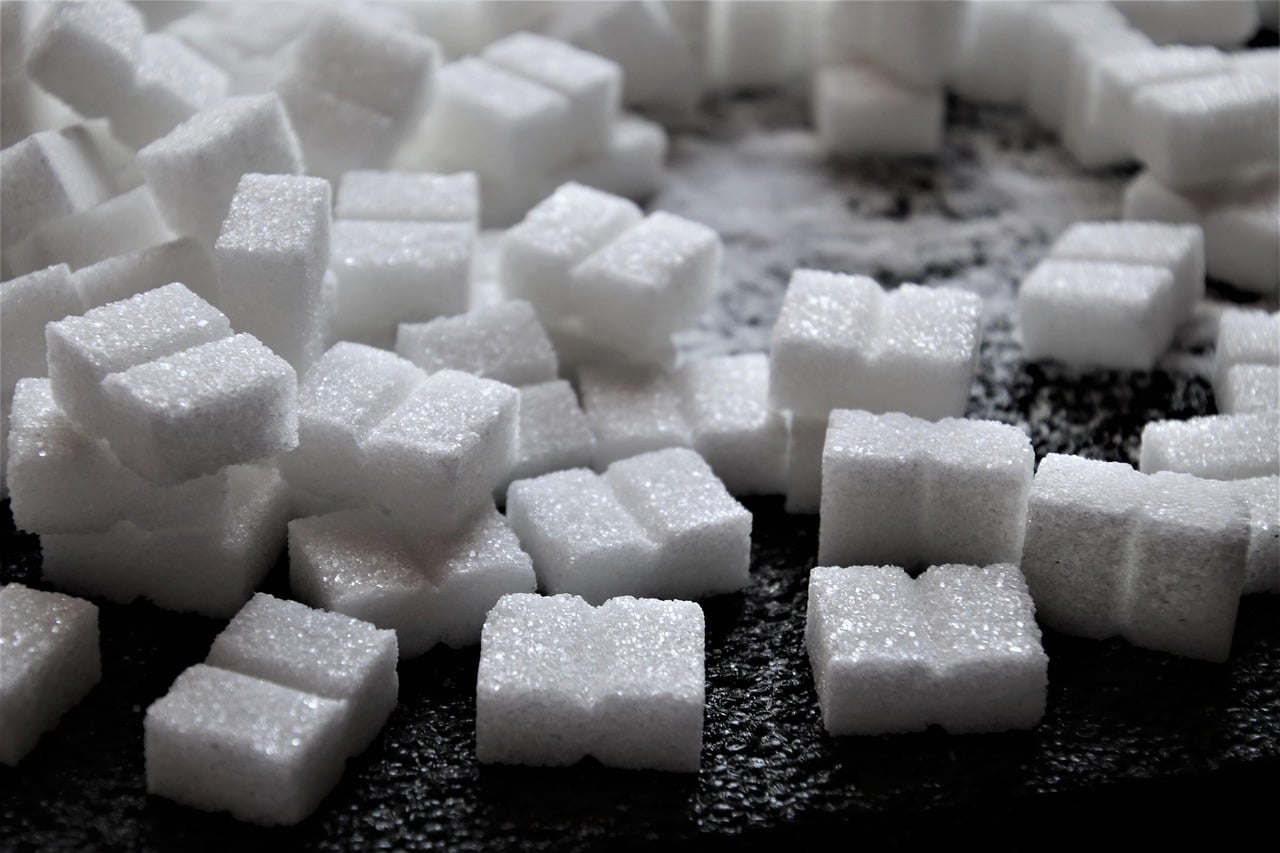
Sugar is ending up in more carts because it supports both everyday cooking and home preserving. It stores well, stays usable for long periods, and helps households make jams, baking staples, and other foods from cheaper raw ingredients.
Its supply picture is more complex than many shoppers realize. Canada imports refined and raw sugar through a network shaped by global commodity prices, processing capacity, freight, and trade policy, including North American movement that can influence final shelf pricing.
As grocery bills rise, sugar also becomes part of a money-saving strategy. People use it to bake at home instead of buying pricier packaged desserts, which raises demand even without any formal shortage.
That is why bigger bags are moving fastest. In uncertain times, sugar is not just a sweetener. It is a pantry tool, and Canadians are treating it like one.




Leave a Reply