
Canada's history is often told through railways, wars, migrations and political turning points. Food belongs in that story too, because the meals people carried, traded, rationed and shared often made those bigger events possible.
Pemmican
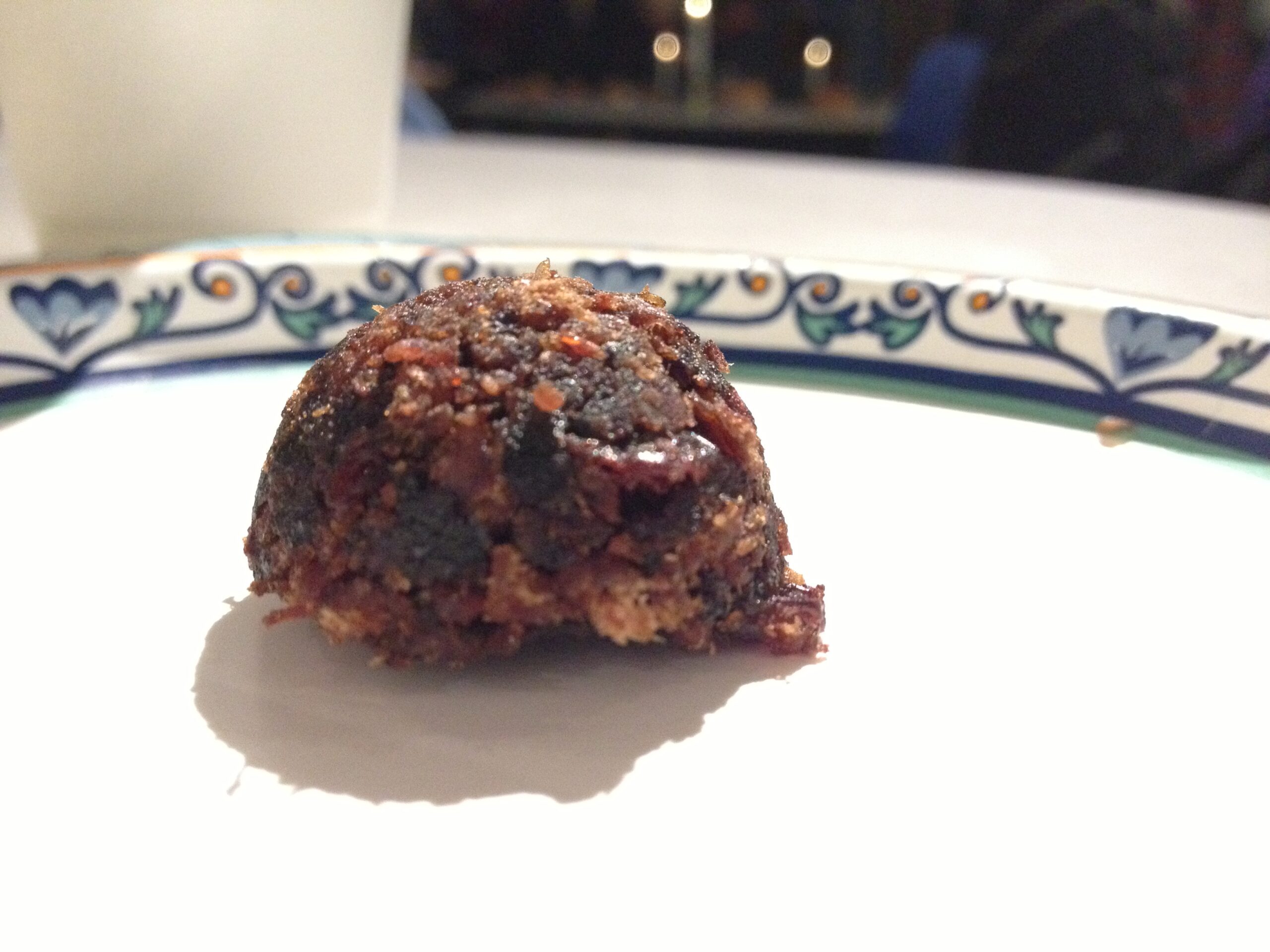
Long before Canada became a country, pemmican was one of the most practical high energy foods on the land. Made by mixing dried meat with rendered fat, and sometimes berries, it was developed by Indigenous peoples and became essential to travel across the plains and parklands.
During the fur trade, voyageurs and traders depended on it because it stored well and packed immense calories into a small amount of weight. The Hudson's Bay Company and the North West Company bought large quantities from Métis producers around the Red River region.
Its importance was so great that it helped spark the Pemmican Proclamation of 1814, issued by Governor Miles Macdonell at Red River. The attempt to control provisions intensified conflict in what became the Pemmican War, showing how one food could sit at the center of economics, power and survival.
Bannock

Few foods show adaptation as clearly as bannock. Versions of bannock became common in many Indigenous communities after contact, using flour introduced through trade and government rations, then shaped into something portable, filling and easy to cook over a fire.
Because it needs only a few ingredients, bannock fit life on traplines, at camps and in remote settlements. It could be baked, fried or wrapped around a stick, which made it especially useful in places where ovens and regular supplies were not guaranteed.
Its history also reflects harder truths. In many communities, bannock is tied to the legacy of displacement and ration systems that replaced older foodways. At the same time, it remains a living food, still served at gatherings and powwows, with recipes that vary by family, region and nation.
Salt cod
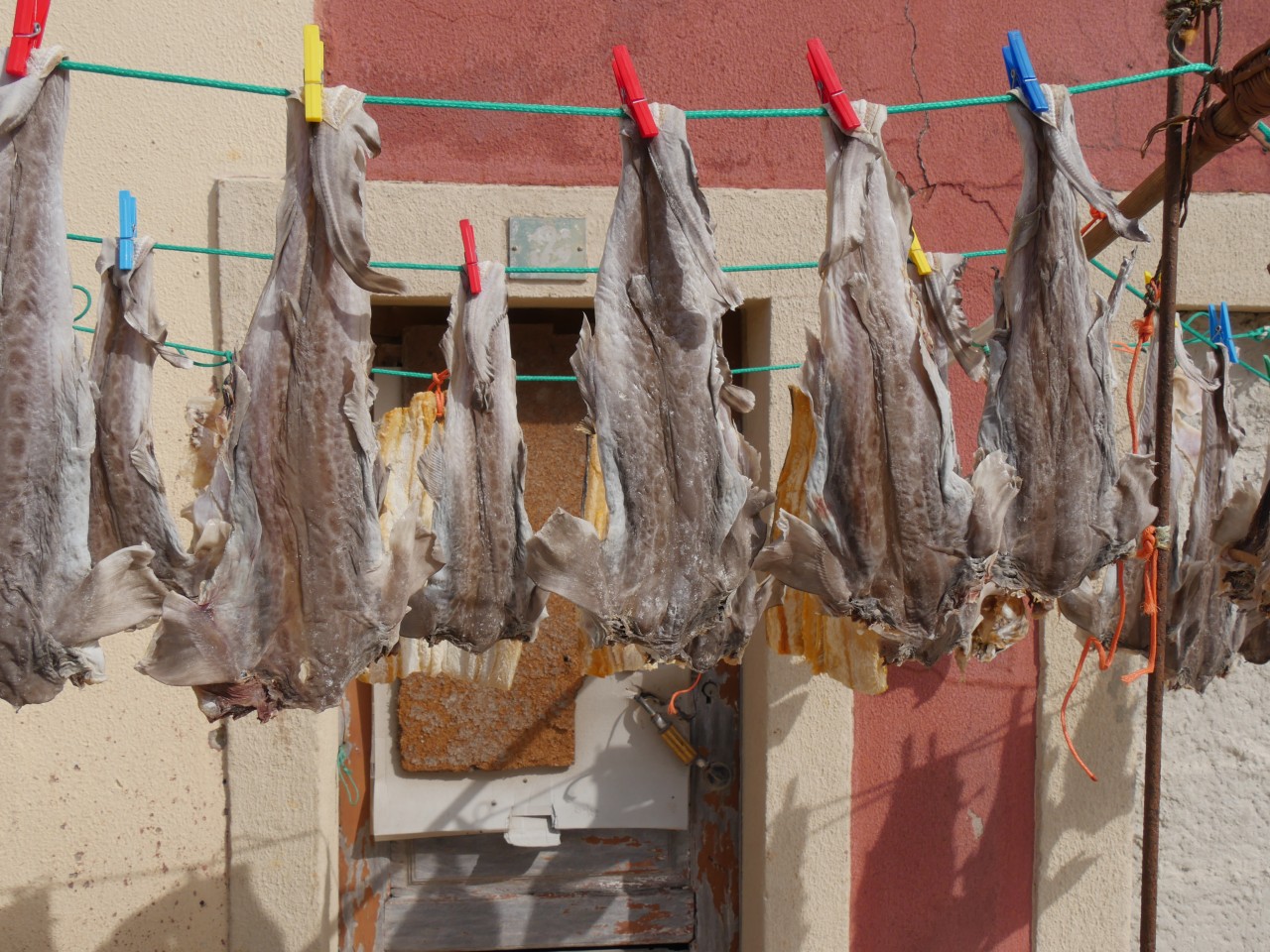
At first glance, a slab of dried fish seems plain. In Atlantic Canada, salt cod helped tie coastal communities to global markets for centuries and sustained workers in places where preservation was the difference between profit and hunger.
European fishers had harvested cod off Newfoundland since the early modern period, and curing the catch with salt let it travel long distances. Dried and salted cod fed ships, soldiers and households because it lasted far longer than fresh fish.
By the time Newfoundland joined Confederation in 1949, cod was already woven deeply into everyday life and export economies. The later collapse of northern cod stocks led to the federal moratorium in 1992, a reminder that foods shaping history can also reveal the environmental costs of overuse.
Pea soup
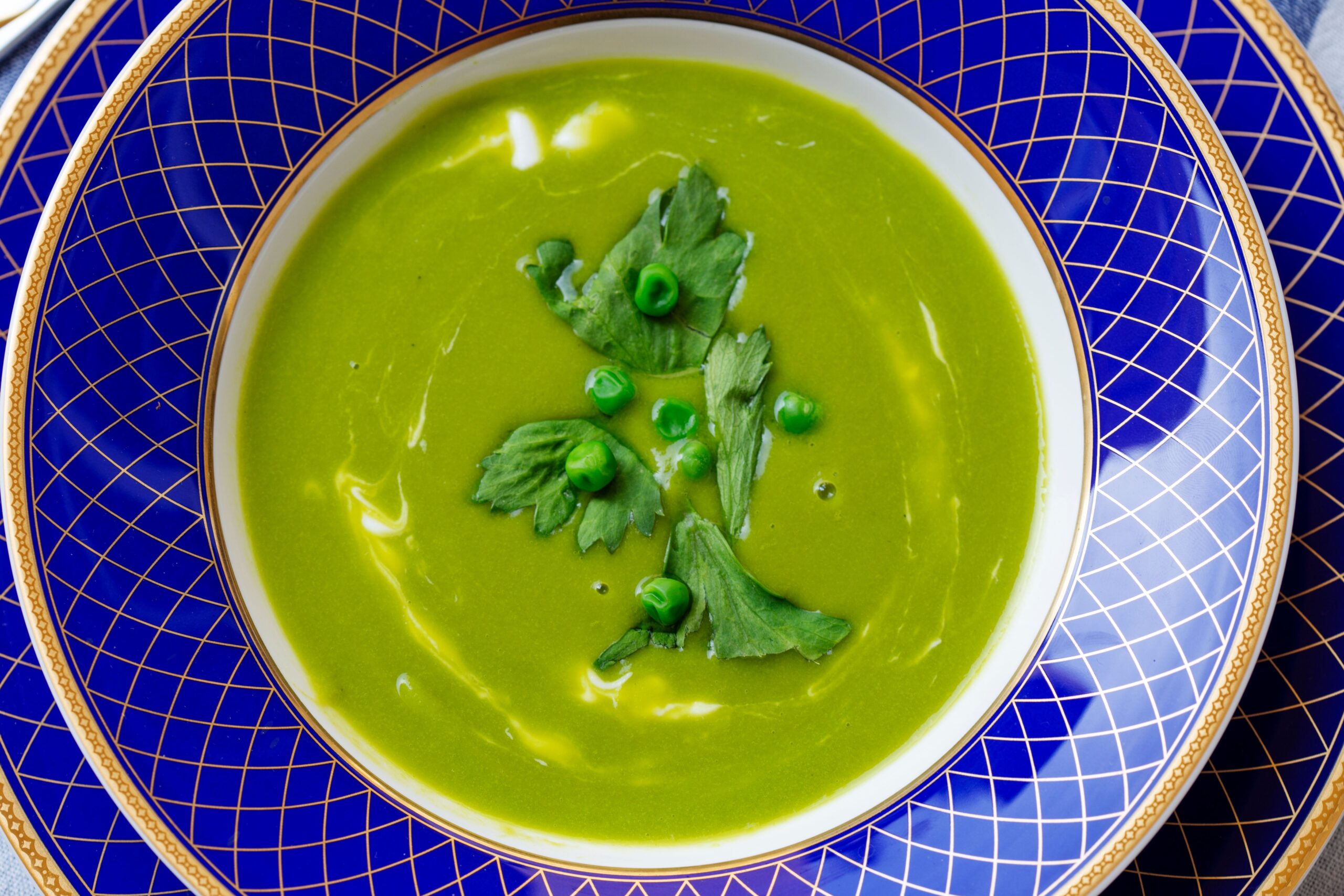
French Canadian pea soup is humble, but that is part of its power. Made with dried peas and often salt pork or ham, it turned inexpensive staples into a hot, sustaining meal during harsh winters and long workdays.
It became a familiar dish in rural Quebec because dried peas stored well and could feed large households. Similar soups appeared in lumber camps and work sites, where cooks needed meals that were cheap, filling and dependable for men doing physically demanding labor.
The dish also traveled into institutional kitchens, including military settings where pea soup had a long place in field and mess cooking. Its staying power comes from simple math, good storage, solid nutrition and the kind of comfort that matters most when conditions are cold and uncertain.
Hardtack

Hardtack was never loved for its flavor. It mattered because it solved a logistical problem that shaped armies and expeditions, offering a dry biscuit that could survive transport, rough weather and long storage with little spoilage.
British military forces in North America used hardtack, and so did sailors and later troops connected to Canadian campaigns. In an age before refrigeration, commanders needed calories that would not rot on the march or at sea, even if soldiers had to soften the biscuits in soup or tea.
Its place in history is especially clear in wartime supply systems, where ordinary foods often mattered as much as strategy. Hardtack is a reminder that victories and endurance depend not only on generals and battles, but on what can actually reach people far from home.
Tourtière
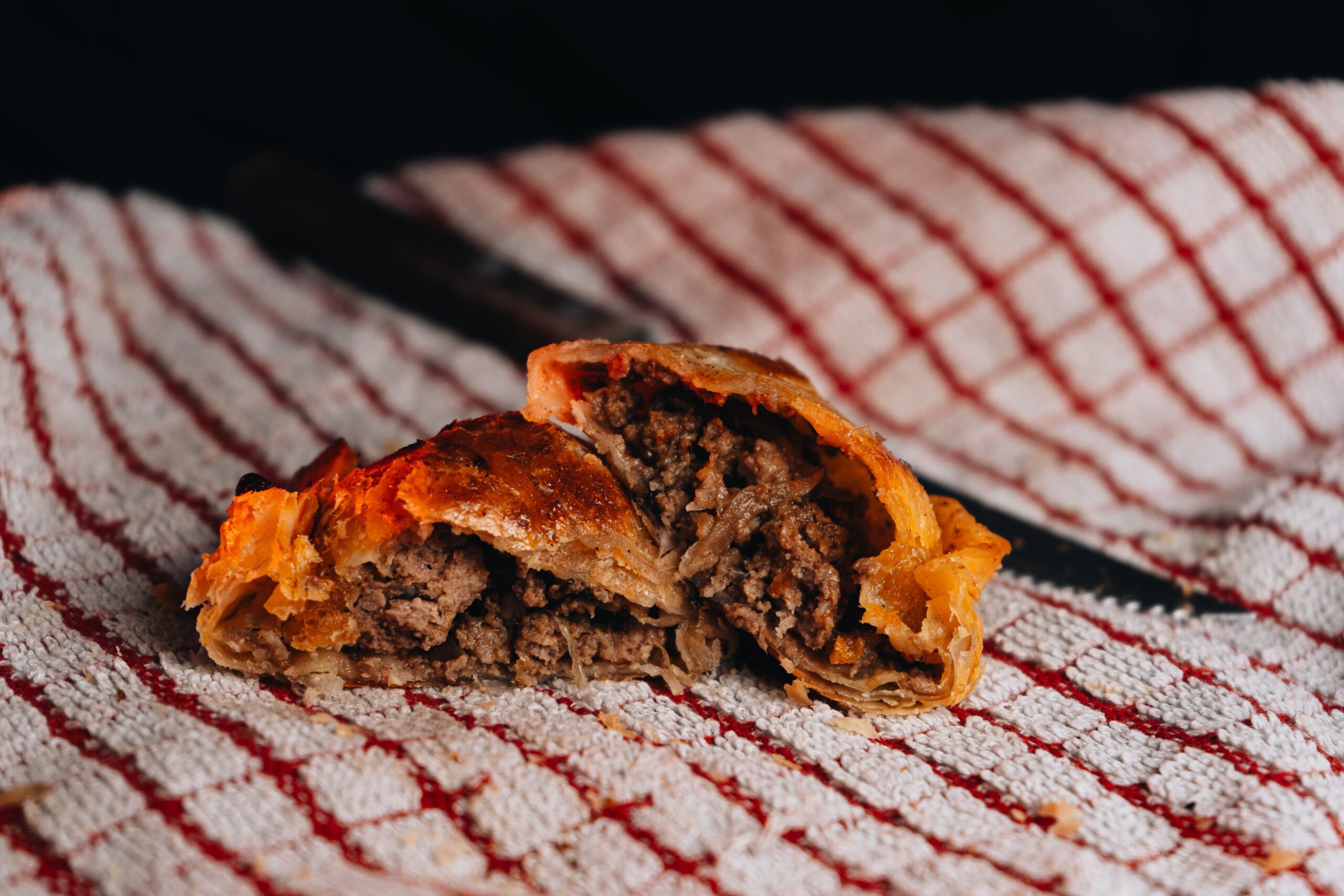
Some foods hold history not through hardship, but through ritual. Tourtière, the deeply rooted meat pie associated with Quebec, became a centerpiece of holiday tables and family gatherings, especially during Christmas and New Year celebrations.
Recipes vary widely. In some homes it is made with pork, while in the Saguenay Lac Saint Jean region a larger version combines several meats in a deep dish pie. That regional variety tells its own story about settlement, local ingredients and how traditions take shape over generations.
Tourtière mattered in moments when French Canadian identity was being preserved and expressed in everyday life. Around réveillon, the festive late night meal after Christmas Eve mass, the pie helped anchor language, memory and belonging, proving that historic continuity can be tasted as well as recorded.
Maple syrup
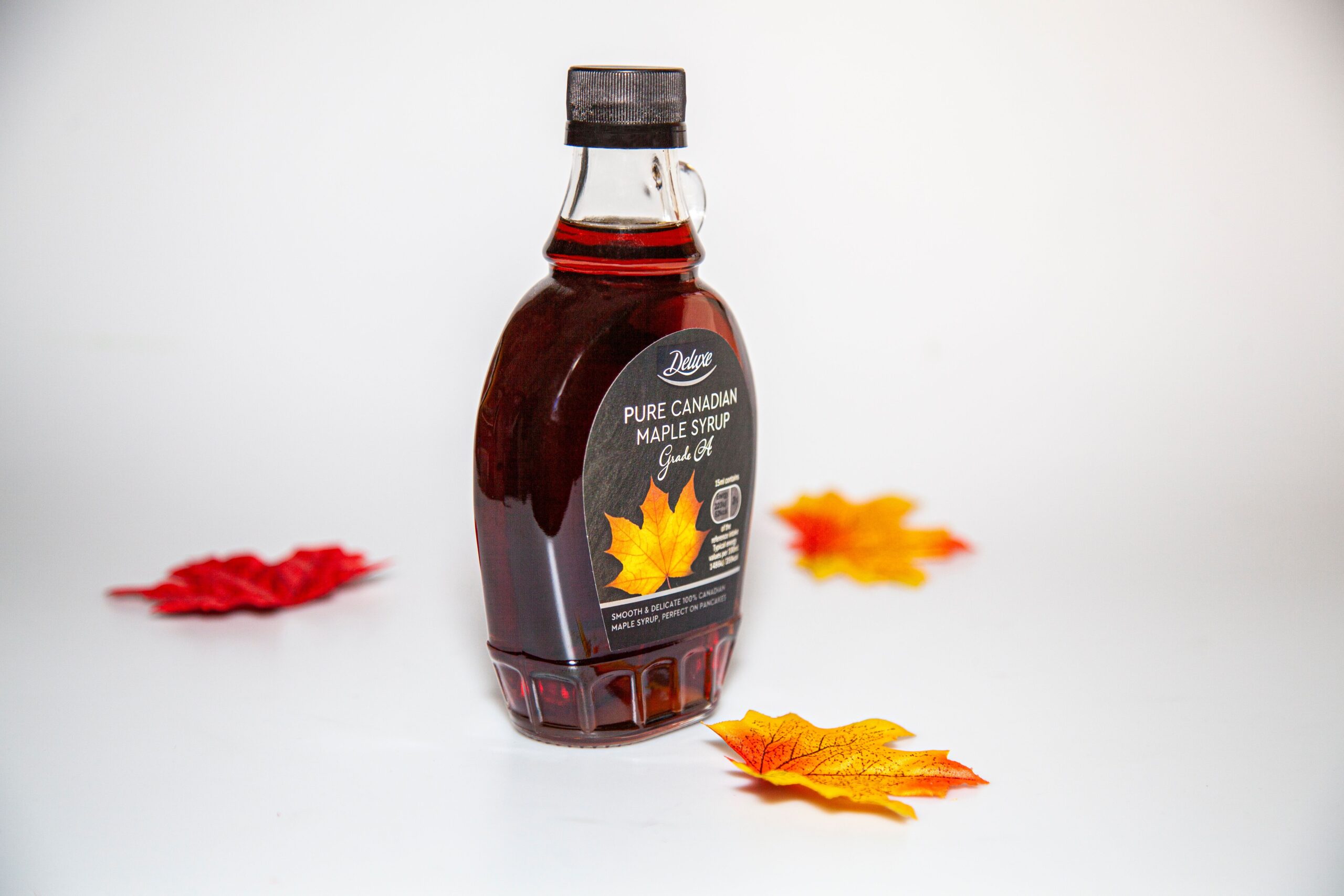
Maple syrup connects Canada's past to the land in a way few foods can. Indigenous peoples first harvested and concentrated maple sap, and settlers later adopted and commercialized the practice, turning a seasonal skill into a defining part of eastern Canadian food culture.
The annual sugar season became both work and celebration. Families moved through repeated cycles of tapping trees, gathering sap and boiling it down, a process that required patience because sap is mostly water and takes many liters to produce a small amount of syrup.
Over time, maple products became a national symbol, but their deeper importance lies in continuity. They link Indigenous knowledge, rural economies and springtime ritual, and they show how one ingredient can move from subsistence and local exchange to international recognition without losing its historic roots.
Wartime victory gardens produce
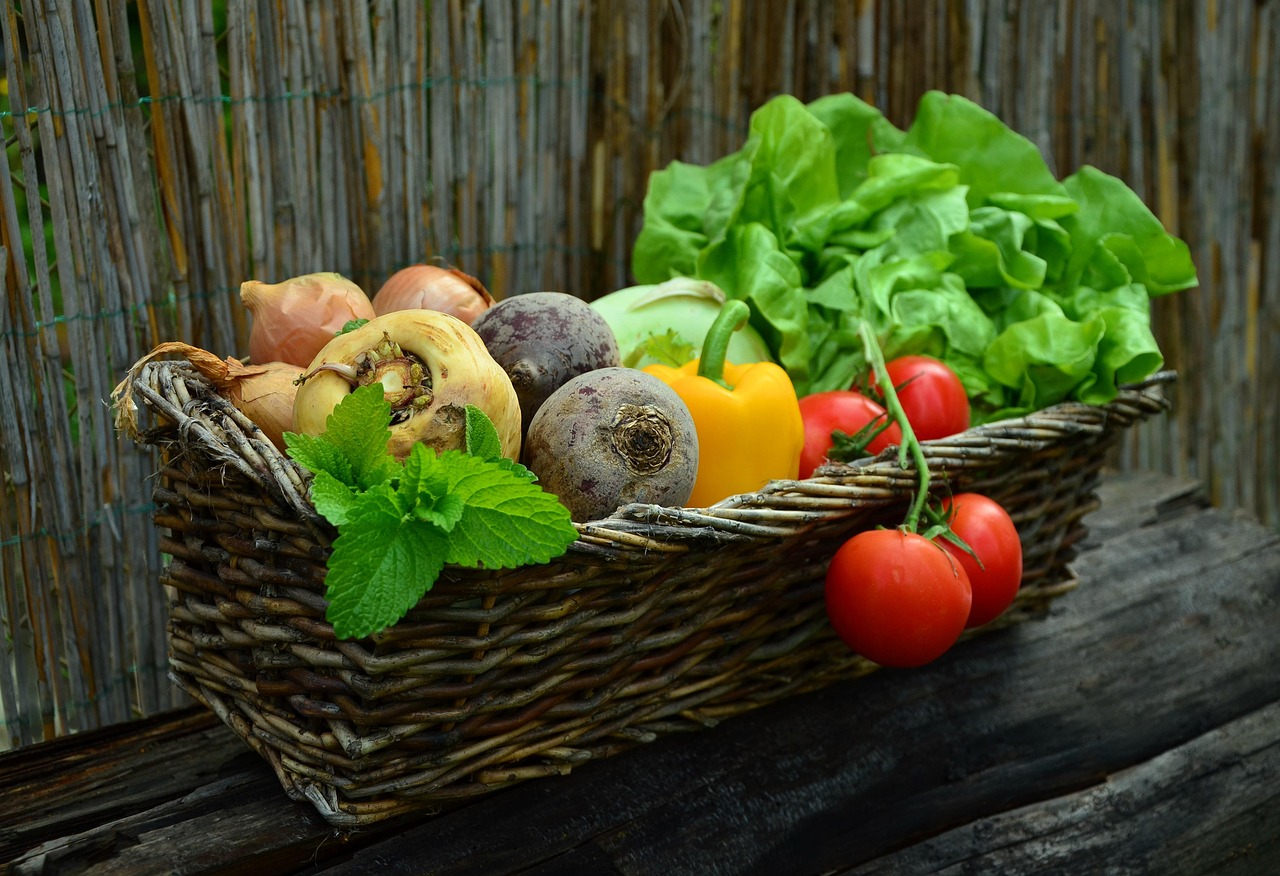
Not every historic food was a single dish. During the Second World War, homegrown vegetables from victory gardens became part of Canada's wartime effort, encouraged as a practical response to pressure on the food system.
Canadians were urged to grow produce at home so commercially farmed food could support troops and allies. Gardens in backyards, schoolyards and vacant lots supplied beans, carrots, beets, cabbage and potatoes, and they often led to home canning for use through winter.
This was food as civic duty. It reduced strain on supply chains, fit the culture of rationing and gave households a direct role in the war effort. The harvest may have looked ordinary, but it carried a message that sacrifice and participation could begin at the dinner table.
Pacific salmon
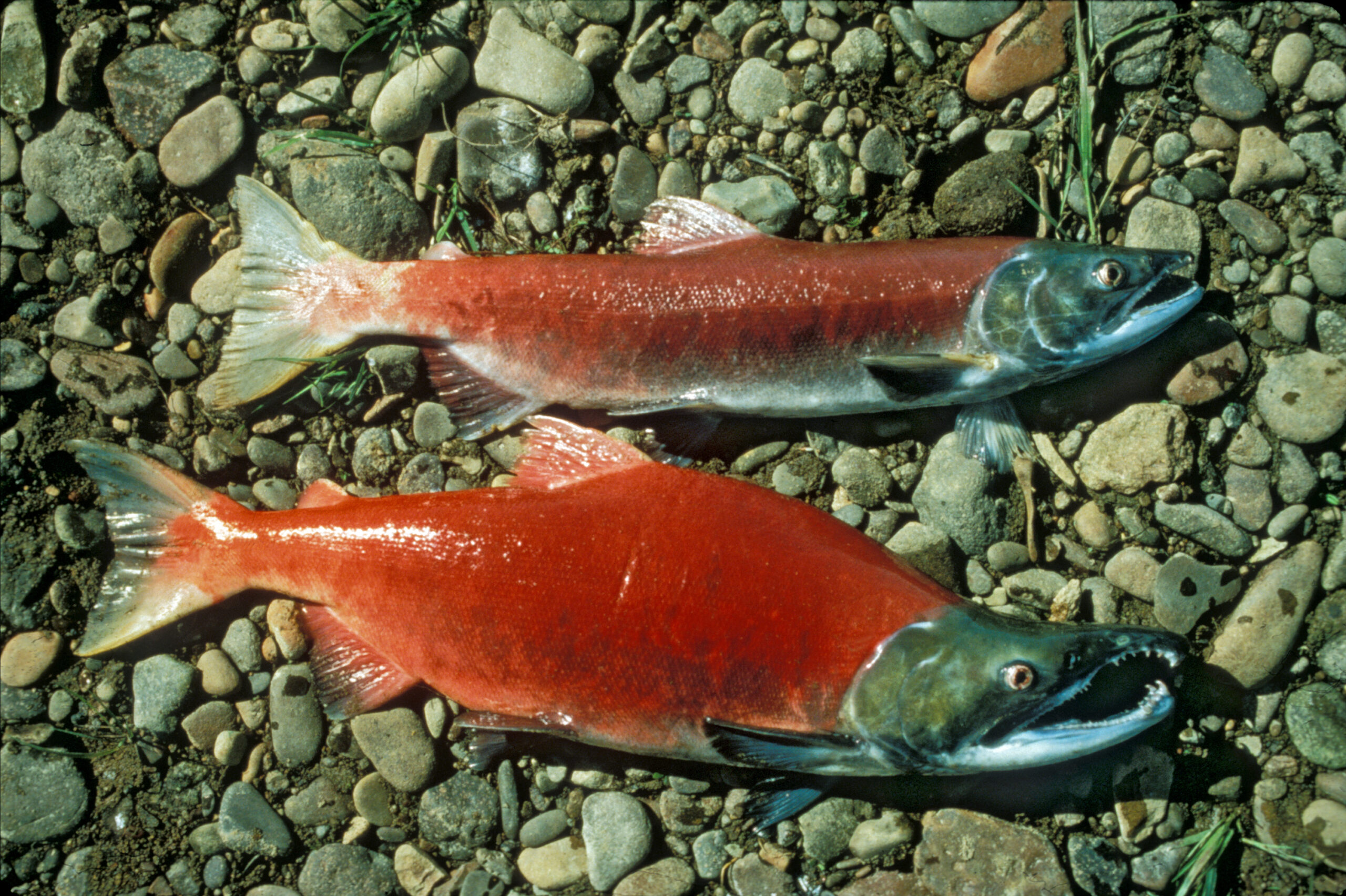
Pacific salmon helped sustain Indigenous communities on the West Coast for thousands of years, and their seasonal runs shaped trade, preservation methods and ceremony. Smoked and dried salmon provided reliable nourishment and could be stored for later use or exchange.
With colonization, salmon also became a major commercial industry in British Columbia. Canneries along the Fraser River and elsewhere processed vast quantities for export in the late 19th and early 20th centuries, drawing in Indigenous workers, Asian migrants and others into a demanding labor system.
That history holds abundance and disruption at once. Salmon supported livelihoods and built regional wealth, but intensive development, overfishing and habitat loss brought serious damage. As with cod in the Atlantic, the story of salmon shows that a historic food can also become a measure of what has been put at risk.
Wheat bread
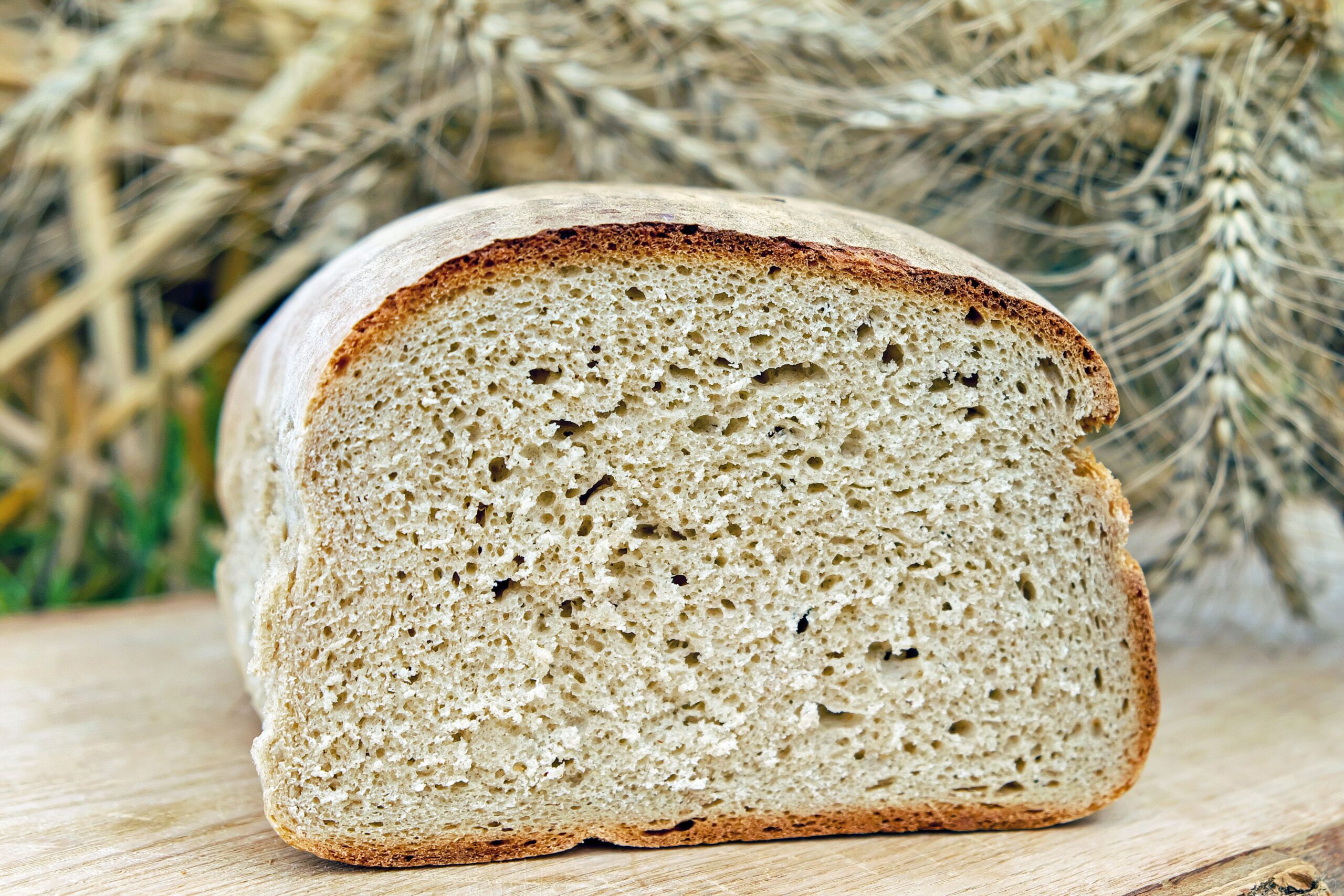
Bread can seem too ordinary to symbolize a nation, yet wheat helped define settlement in the Prairies and the economy that followed. As immigration expanded westward in the late 19th and early 20th centuries, wheat farming became central to Canada's growth.
The spread of railways allowed grain to move from prairie farms to national and international markets. In that system, a loaf of bread stood at the end of a chain involving homesteaders, elevators, mills, port cities and global prices, all tied to the making of modern Canada.
Wheat also fed political debate, from tariffs to transportation rates and the power of grain companies. In everyday life it was simply bread on the table. In historical terms, it was one of the clearest ways land, labor and policy were transformed into national ambition.



Leave a Reply