
Canada looks like one market on a map, but food law often tells a different story. For many small producers, the toughest border is not international, but provincial.
Raw milk
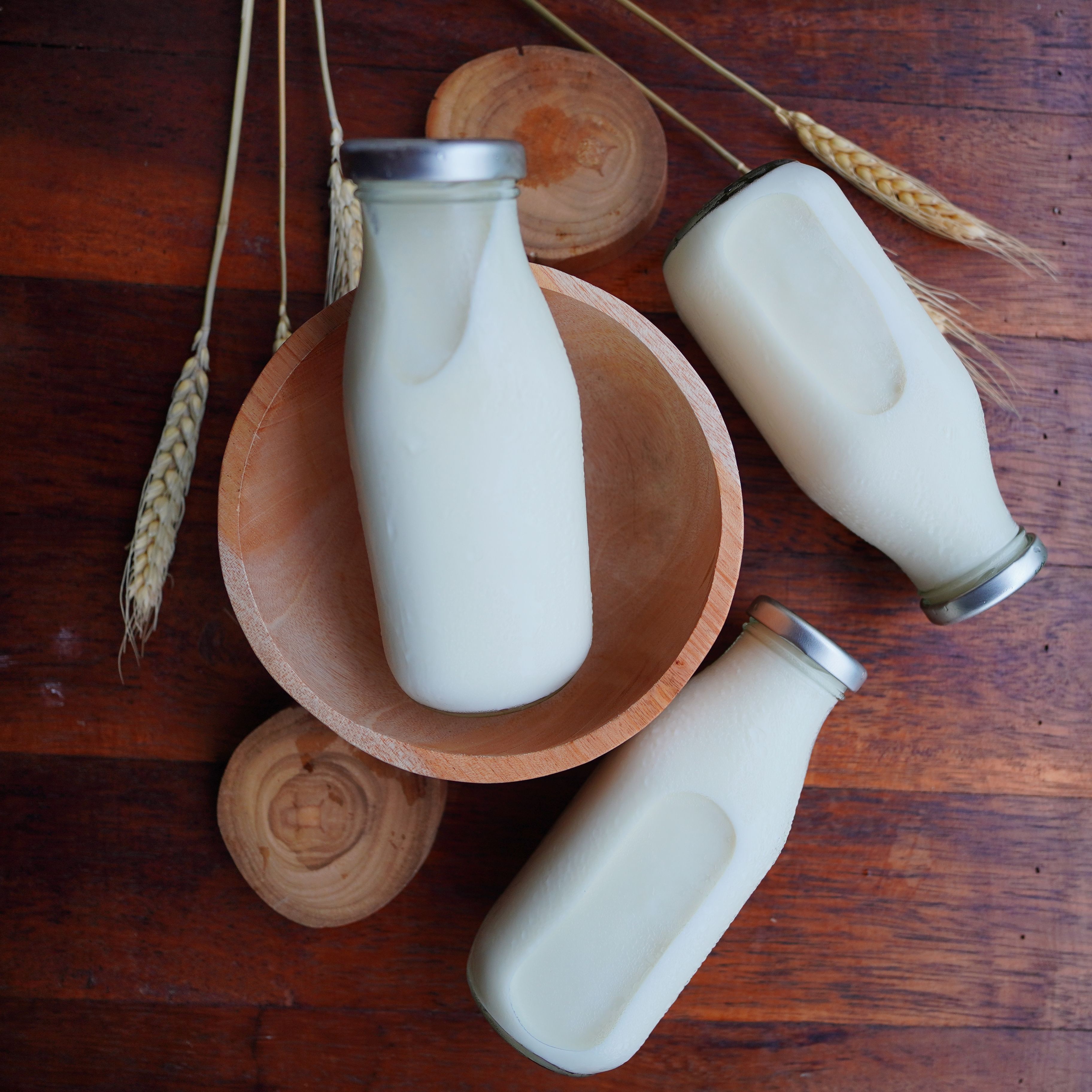
Nothing illustrates Canada's patchwork food rules more clearly than raw milk. In every province, selling unpasteurized milk to the public is either banned outright or so tightly restricted that ordinary retail sales are effectively impossible.
For a small dairy farmer, that means even strong local demand does not open an interprovincial market. Since the product cannot usually be sold freely at home, it certainly cannot move legally into another province as a mainstream consumer food.
Health regulators have long defended these limits by pointing to risks from E. coli, Salmonella, and Listeria. Public-health agencies treat pasteurization as a baseline safety step, and federal food oversight aligns with that view.
Some advocates argue herd-share models and direct farm pickup should count as consumer choice. But in practical business terms, raw milk remains one of the clearest examples of a food small Canadian producers cannot legally build into a cross-province retail trade.
Raw milk cheeses aged under 60 days

Soft, fresh, and intensely local, young raw milk cheeses are prized by artisans but constrained by federal rules. Canada generally permits raw milk cheese only when it has been aged at least 60 days, a standard rooted in older assumptions about bacterial decline during maturation.
That matters because many of the most marketable artisan styles are younger than that threshold. Washed-rind, bloomy-rind, and fresh curd cheeses may be legal to produce only under narrow conditions, but they cannot simply be shipped province to province if they fall outside federal requirements.
For a tiny creamery, reformulating a product line to meet the 60-day rule can alter texture, moisture, taste, and cash flow. Aging cheese longer ties up inventory and space, two things that small operations rarely have in abundance.
Food-law specialists often note that the issue is not just safety science, but regulatory fit. A producer may have a perfectly compliant provincial business, yet still be blocked from wider Canadian sales because the specific cheese style does not meet federal interprovincial standards.
Uninspected meat from provincially licensed abattoirs

Many shoppers assume meat processed in one Canadian province can be sold anywhere in the country. In reality, meat slaughtered and processed under only provincial inspection usually cannot cross provincial borders for sale.
The dividing line is inspection status. To sell meat interprovincially, producers generally need federal inspection and licensing, which involve different plant standards, recordkeeping systems, and ongoing compliance costs than a provincial setup.
This is a major hurdle for small livestock farmers who rely on nearby provincially inspected abattoirs. In places where federal plants are scarce or far away, getting animals processed for wider distribution may become uneconomic before a single package reaches another province.
Industry groups have warned for years that this creates bottlenecks, especially in rural regions. The result is a strange imbalance: a butchered product may be entirely legal and trusted within one province, yet prohibited from being sold to willing customers just across a nearby provincial line.
Wild game meat

For hunters and chefs, wild game seems like a naturally Canadian product. Yet in most cases, wild game meat such as deer, moose, or elk taken in the wild cannot enter ordinary commercial sale channels across provinces the way farmed meat can.
Provincial wildlife laws, public-health rules, and meat-inspection standards overlap here. Game harvested recreationally is generally meant for personal consumption, not broad retail trade, and those restrictions become even tighter when interprovincial sale is considered.
Some farmed alternatives do exist. Ranch-raised elk, venison, and bison can be sold under meat-inspection rules when properly processed, but that is legally distinct from wild-harvested animals taken during hunting season.
For small northern or rural producers, this distinction matters economically. A region may have abundant wild food traditions and strong culinary demand, yet the law largely blocks turning wild game into a scalable, cross-province commercial product for restaurants, specialty shops, or online meat boxes.
Fluid milk under supply management constraints

Milk is sold everywhere, but not by anyone who wants to bottle it. Canada's supply-managed dairy system tightly controls production, pricing, and market access, and that structure can effectively prevent small independent producers from expanding sales beyond their own province.
A producer needs quota, regulated processing arrangements, and compliance with provincial and federal dairy marketing rules. Even when a farm has quality product and a ready customer base elsewhere, moving fluid milk across provincial lines is not simply a matter of refrigeration and trucking.
Provincial marketing boards also shape who can sell what, where, and in what volume. For small players, these rules can favor established systems over nimble local brands trying to create regional or national direct-to-consumer businesses.
Supporters say supply management stabilizes farm income and protects domestic production. Critics counter that it limits innovation and makes interprovincial growth unusually difficult, especially for small dairies that might otherwise test niche products in neighboring provinces.
Table eggs from small flocks outside federal channels

Eggs look simple, but the legal path to wider distribution is not. Small flock producers can sell eggs locally under provincial rules, yet interprovincial sales generally require participation in stricter grading, registration, and federally recognized handling systems.
The key issue is not whether the eggs are fresh from a well-run farm. It is whether they have been graded at a registered station and handled under the compliance framework needed for movement across provincial borders.
That puts backyard-scale and small commercial farms at a disadvantage. Building or accessing approved grading infrastructure adds transport costs, delays, and fees that can erase margins on what is already a price-sensitive product.
Some provinces have expanded local-food exemptions for direct farmgate sales. Those changes help nearby consumers, but they do not create a passport for national trade, leaving many respected small egg producers effectively confined to their home market.
Homemade low-acid canned foods
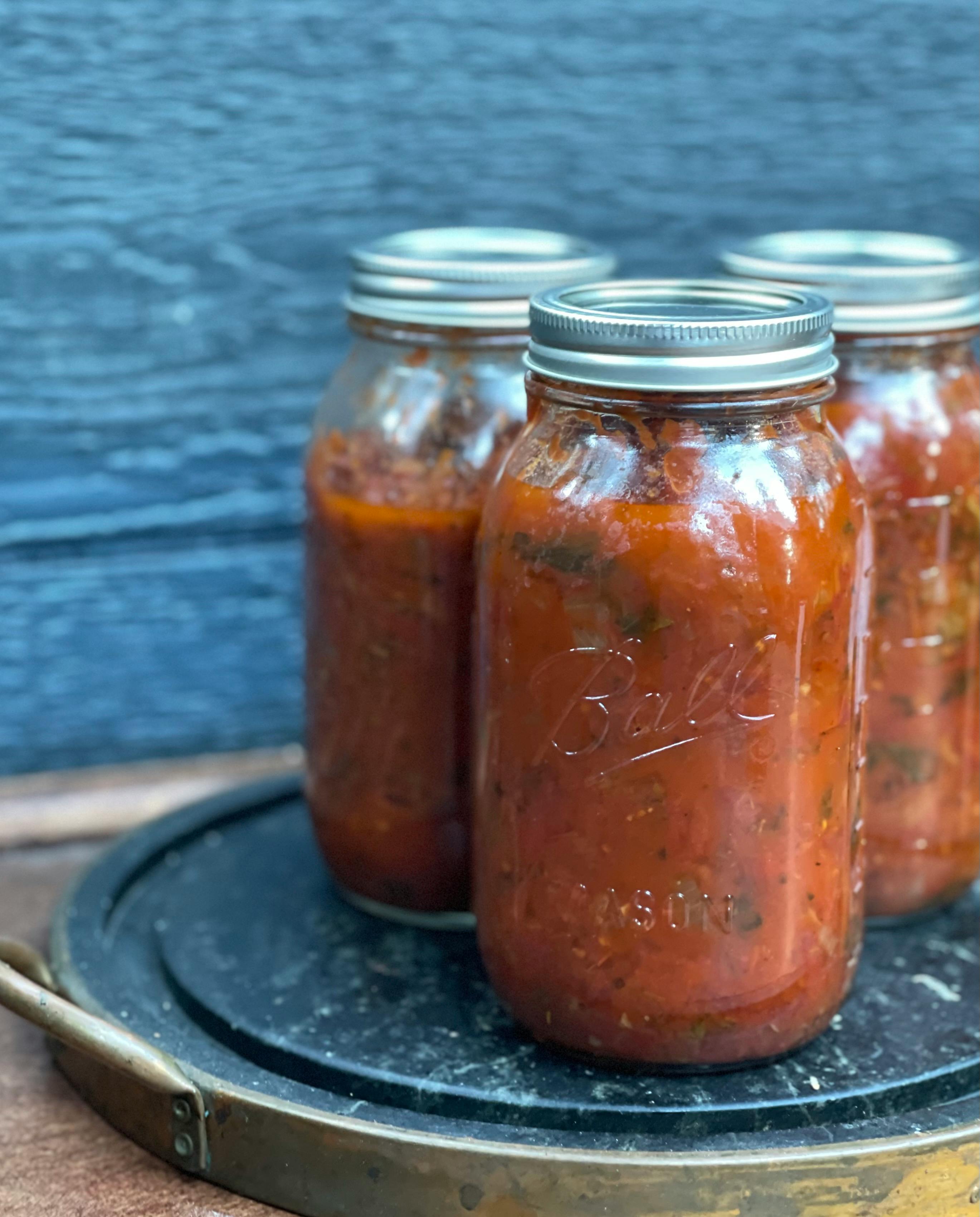
A jar of homemade soup or canned green beans may seem harmless at a farmers' market, but low-acid canned foods face some of Canada's strictest safety expectations. The reason is botulism, a rare but potentially fatal illness tied to improperly processed sealed foods.
Because of that risk, small producers often need validated thermal processing, scheduled processes, specialized equipment, and robust documentation to sell beyond very limited local channels. Interprovincial trade raises the compliance bar further because federal standards come into play.
This is why many cottage-food businesses can legally sell certain baked goods or jams at home, but not shelf-stable stews, vegetables, or meat sauces across Canada. The product category itself triggers a far more demanding regulatory response.
Food-safety experts generally see this as a justified area of caution. Still, the business impact is real: a producer with a popular family recipe may have enthusiastic buyers in another province, yet no legal path to scale without major capital investment.
Home-processed seafood

In coastal provinces, small seafood harvesters and family processors often build reputations around smoked fish, pickled herring, or canned shellfish. But seafood is one of the most tightly regulated food sectors in Canada, especially once products move beyond local provincial sale.
Fish and seafood intended for interprovincial trade typically must be prepared in federally licensed establishments that meet detailed sanitation, traceability, and hazard-control requirements. A home kitchen or informal processing room will not qualify.
That can shut out very small operators who have culinary skill and local demand but no access to certified infrastructure. On paper, the issue is consumer protection. In practice, it often determines whether a coastal food tradition remains hyperlocal or reaches broader Canadian buyers.
The distinction is especially sharp for smoked and preserved seafood because time-temperature control and contamination risks are taken seriously by regulators. So even beloved regional specialties may be lawful at home in narrow settings, yet barred from sale outside the province.
Non-graded maple products and syrup in informal packaging
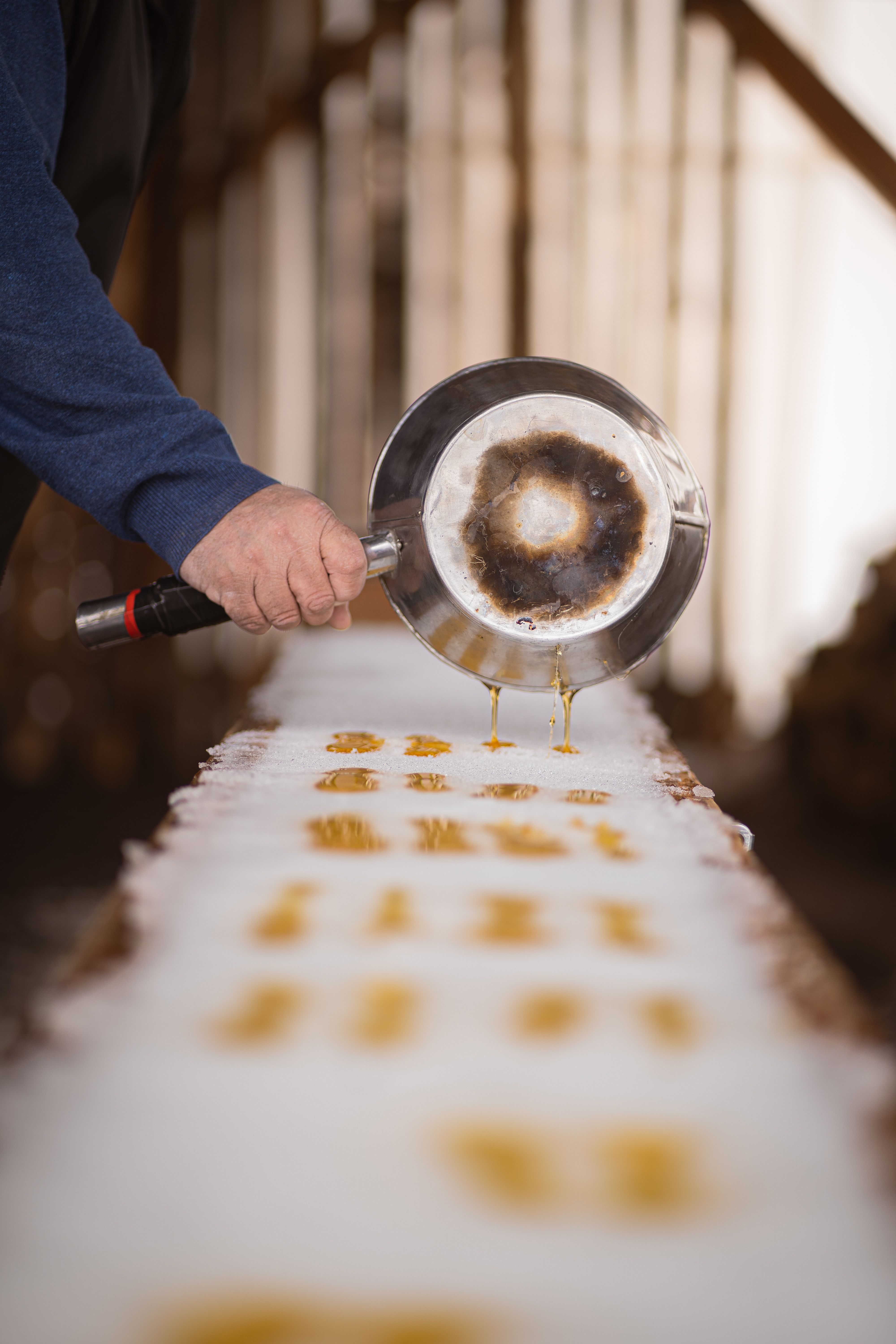
Maple syrup is a national symbol, but that does not mean every producer can sell every bottle anywhere. Interprovincial sales usually require compliance with federal grade names, container standards, labeling rules, and in some cases registration or oversight beyond local custom.
Small producers who sell casually from the sugar bush may use reused bottles, handwritten labels, or ungraded syrup for neighbors and tourists. Those practices might work in a local informal setting, but they can become legal obstacles once the product crosses provincial lines.
The challenge is especially common for value-added maple foods such as maple butter, maple spread, or candies. Each product may trigger additional ingredient, packaging, and food-processing requirements that a hobby-scale producer is not set up to meet.
None of this means small maple businesses cannot grow. Many do. But those that remain lightly equipped or outside formal grading channels often find that a product welcomed at the roadside stand is not automatically legal for broader Canadian distribution.
Homemade meat pies and multi-ingredient frozen meals

The final category is familiar in church halls, community markets, and local freezers: homemade meat pies, cabbage rolls, tourtière, and prepared frozen dinners. These foods often combine meat, vegetables, sauces, and pastry, which places them squarely in a high-compliance zone.
Once meat is involved, inspection rules tighten quickly. Add freezing, packaging, and interprovincial transport, and the producer may need federally compliant facilities, preventive control plans, labeling accuracy, and traceability records that go far beyond a home-business model.
This is why a producer can become famous within one town yet remain unable to ship legally to another province. The issue is rarely taste or demand. It is whether the product was made in an approved environment under the right regulatory category.
For consumers, these barriers can seem frustrating. For regulators, they are about food safety and consistent oversight. For small producers, they represent a larger Canadian reality: local food can be celebrated locally while still being legally fenced in by provincial and federal rules.



Leave a Reply