Food bans are rarely just about food. Across history, governments and rulers have outlawed everyday ingredients, beloved drinks, and even staple crops for reasons ranging from public health and religion to economics and national security. These surprising cases show how deeply eating habits can be tied to power, fear, and social change.
Coffee in the Ottoman Empire

A cup of coffee seems harmless now, but in the 16th and 17th centuries it could look politically dangerous. Ottoman authorities sometimes cracked down on coffeehouses because they were more than places to drink. They were buzzing social hubs where people shared news, debated ideas, and criticized those in power.
Sultan Murad IV became especially associated with harsh restrictions in the 1600s, targeting coffee along with alcohol and tobacco. Enforcement could be severe, though the rules were uneven and often resisted. What made coffee suspicious was not just the drink itself, but the crowds and conversations it inspired.
The ban never truly erased coffee culture. In fact, the repeated attempts to suppress it show just how central coffeehouses had become to urban life. The story is a reminder that rulers have often feared gathering places as much as any ingredient on the table.
Potatoes in Early Modern Europe

The potato is now one of the world's most dependable foods, but its early European reception was full of suspicion. After arriving from the Americas, it was sometimes viewed as strange, unhealthy, or even morally questionable because it was not mentioned in classical texts or the Bible and grew underground in unfamiliar ways.
In parts of Europe, authorities and local communities resisted or discouraged its use rather than embracing it at once. France is often cited for deep public distrust before promoters like Antoine-Augustin Parmentier helped popularize it in the 18th century. People worried it could spread disease or was fit only for animals and the poor.
What changed minds was practical experience. Potatoes produced heavily, stored well, and helped feed growing populations. Their path from rejected newcomer to staple crop shows how fear of unfamiliar foods can delay even the most useful innovations.
Tomatoes in Parts of Europe
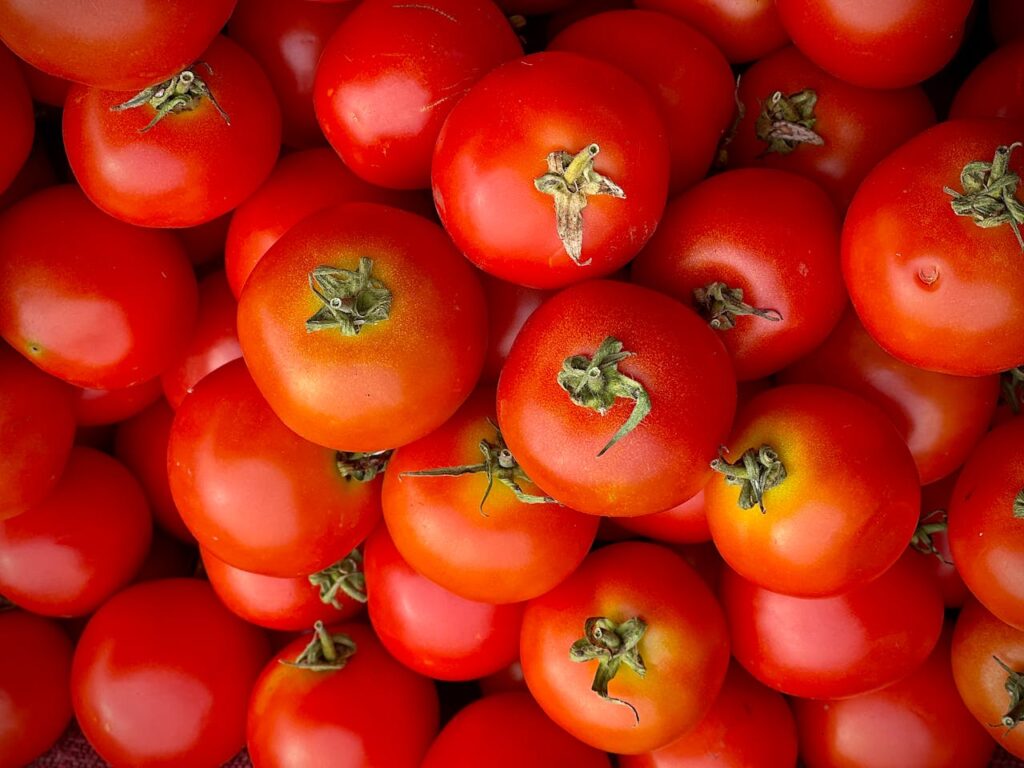
Tomatoes had a rough start in Europe, where they were admired as curiosities before they were trusted as food. As members of the nightshade family, they were linked to poisonous plants, which made many people wary. Their bright color and unusual appearance did not help calm those fears.
In some regions, tomatoes were treated more as ornamental plants than dinner ingredients for quite a while. Wealthy diners also faced another problem. Acidic tomatoes could react with pewter plates, sometimes leaching lead and causing illness that was then blamed on the fruit itself.
Over time, tomatoes proved their value in kitchens across Spain, Italy, and beyond. Once cooks began using them widely, their flavor and versatility won out. Their early mistrust is a classic case of bad science, bad luck, and slow culinary adoption colliding at the same table.
Chocolate in Times of Religious Fasting

Chocolate has sparked legal and moral debate for centuries, especially when it came to religious fasting. In parts of the Catholic world, people argued over whether drinking chocolate counted as breaking a fast. That mattered because fasting rules often allowed liquids while restricting richer nourishment.
The problem was that chocolate drinks were not always simple. They could include sugar, spices, milk, and sometimes egg or other enriching ingredients, making them feel more like sustenance than a plain beverage. Clergy and theologians weighed in, and opinions varied across places and periods.
Rather than one universal ban, the history is full of local restrictions, disputes, and case-by-case judgments. What makes it surprising is how seriously institutions treated the question. Chocolate was not just a treat. It became a test of discipline, doctrine, and how societies define indulgence.
Sausages in Tudor England

Even a humble sausage could become a religious flashpoint in 16th-century England. During the Reformation, rules around meat consumption shifted with the crown's changing religious policies. Certain days required abstinence from meat, and foods made with animal products could land people in trouble if they broke those expectations.
Sausages drew attention because they were obvious meat foods and often tied to festive eating. Under some regimes, eating them on prohibited days could be treated as defiance, not just appetite. The issue was less about sausages alone and more about obedience to law, church practice, and royal authority.
This kind of ban feels surprising today because it turns an ordinary food into a political statement. In Tudor life, what was on your plate could signal loyalty, resistance, or a risky indifference to the rules of the moment.
Haggis in the United States
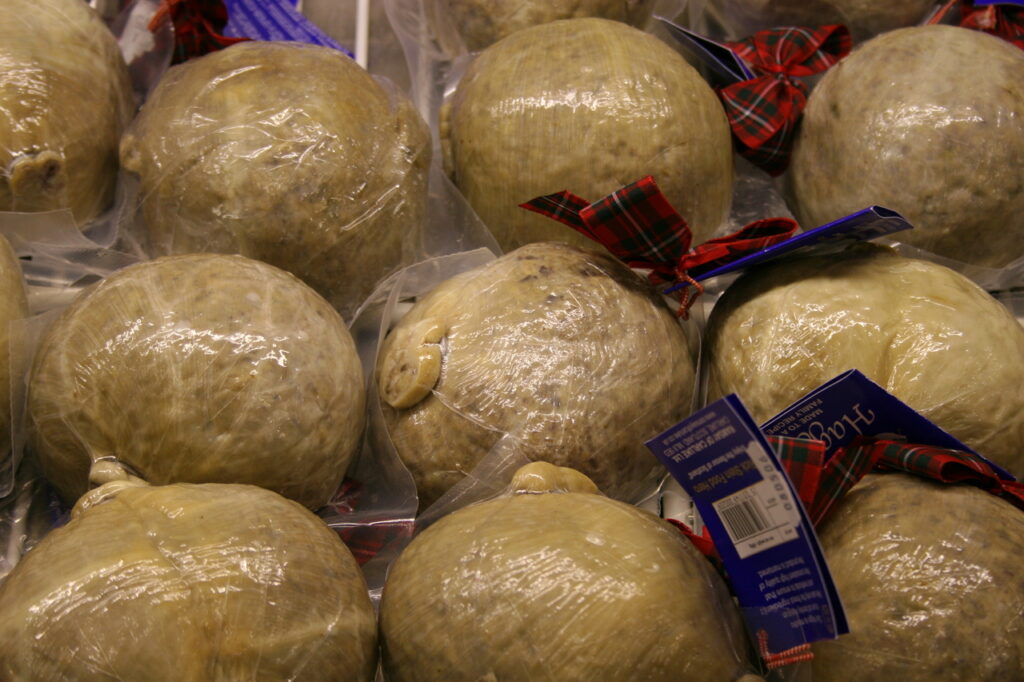
Haggis is celebrated as a national dish of Scotland, but a key traditional ingredient has kept authentic versions out of the United States for decades. The issue centers on sheep lung, which has long been barred from use in food products under American regulations linked to contamination concerns during slaughter and processing.
That means haggis sold in the U.S. has typically been adapted, using other ingredients to mimic the original texture and flavor. For Scottish communities and Burns Night enthusiasts, the ban has been both a culinary frustration and a cultural talking point.
The case stands out because haggis itself is not broadly outlawed, only its traditional form. It is a modern example of how food regulation can reshape heritage dishes, forcing a compromise between safety standards and culinary authenticity.
Absinthe Across Europe and America
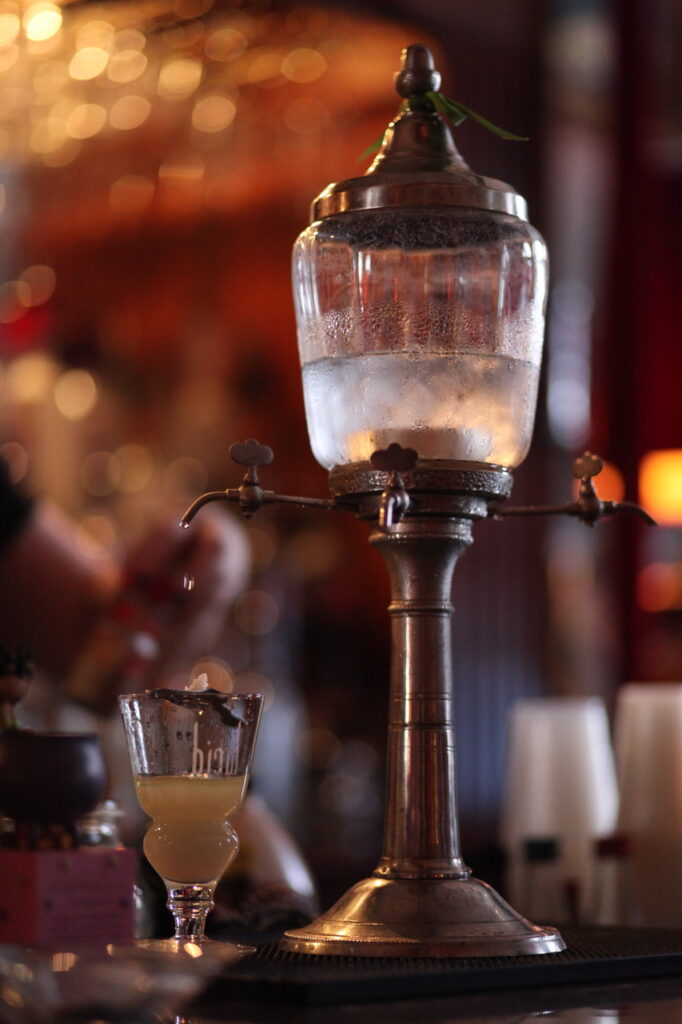
Absinthe was once blamed for everything from social decline to madness, which helps explain why so many countries moved to ban it in the late 19th and early 20th centuries. The emerald spirit became wrapped in panic, especially after crimes and health problems were linked, fairly or not, to heavy drinking and alleged toxic effects.
France, Switzerland, the United States, and others imposed restrictions or outright bans, often under pressure from temperance campaigns and wine interests recovering from market struggles. Wormwood, one of absinthe's signature ingredients, became a symbol of the drink's supposed danger, though many claims were exaggerated.
Modern research and regulation eventually helped separate myth from chemistry. Legal absinthe returned in many places under controlled standards. Its history shows how a product can be outlawed not only for what it is, but for what society fears it represents.
Margarine in the United States and Canada

Margarine was invented as an affordable butter alternative, but dairy interests saw it as a major threat. In the late 19th and early 20th centuries, several U.S. states and Canadian provinces restricted it heavily, and some even banned the sale of yellow margarine because its butter-like color was considered deceptive.
Manufacturers responded in odd ways, sometimes selling pale margarine with coloring packets that consumers could mix in at home. The fight was not just about taste. It involved farm economics, lobbying power, consumer choice, and the question of how far governments should go to protect one industry from another.
These rules lasted much longer than many people realize. In some places, color bans survived well into the 20th century. It is a striking example of how food laws can be shaped by commercial rivalry as much as by safety or nutrition.
Sliced Bread During World War II

The phrase 'the best thing since sliced bread' makes this ban sound almost unbelievable, yet the U.S. government did briefly halt the sale of commercially sliced bread in 1943. Officials argued that the move would conserve wax paper and steel used in slicing machinery during wartime shortages.
The public response was swift and unhappy. Sliced bread had already become a convenience people relied on, especially in busy households. Bakers and consumers questioned whether the material savings were meaningful enough to justify the disruption.
The ban lasted only a short time before being reversed. Even so, it revealed how wartime policy could reach into the most ordinary routines. When a basic convenience disappears, people suddenly notice just how much modern food systems shape daily life.
Chewing Gum in Singapore
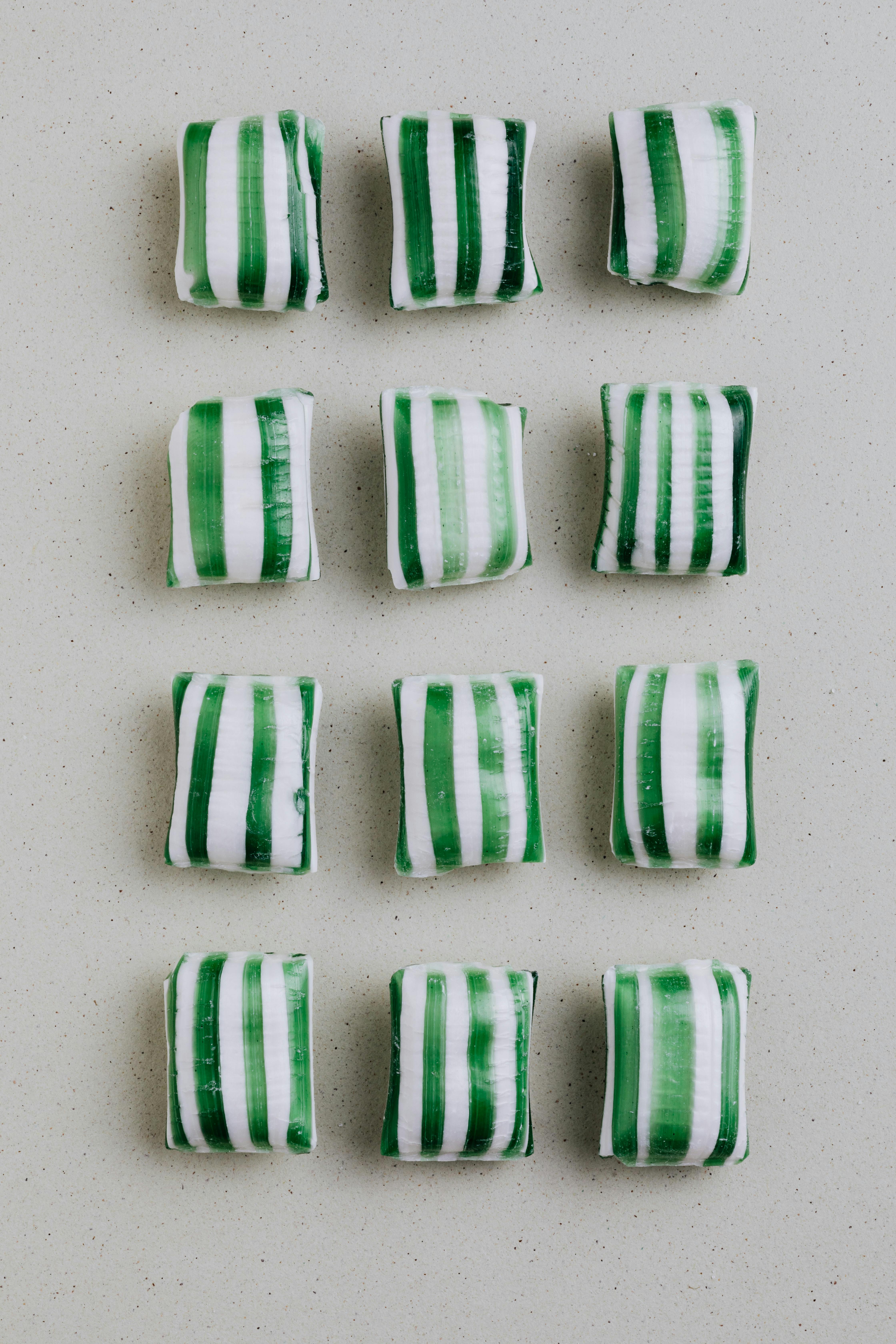
Chewing gum is not exactly a food staple, but its ban in Singapore became one of the world's most famous examples of strict consumer regulation. In 1992, the government restricted gum sales after persistent problems with litter, vandalism, and gum stuck on public infrastructure, including train doors and equipment.
The policy became an international symbol of Singapore's highly ordered approach to urban management. Critics called it heavy-handed, while supporters pointed to the city's emphasis on cleanliness, efficiency, and shared public responsibility. The rule was never simply about gum as a product. It was about the cost of misuse in a dense city.
Later adjustments allowed limited sales of therapeutic dental gum under controlled conditions. That nuance often gets lost. What remains is a memorable case of a tiny everyday item becoming a serious matter of public policy.