
When snow piles up and travel slows down, Canadians tend to reach for dishes that are filling, practical and rooted in place. These 10 meals reflect regional habits shaped by climate, local ingredients and family tradition, making them especially fitting for a long day indoors.
Tourtière in Quebec
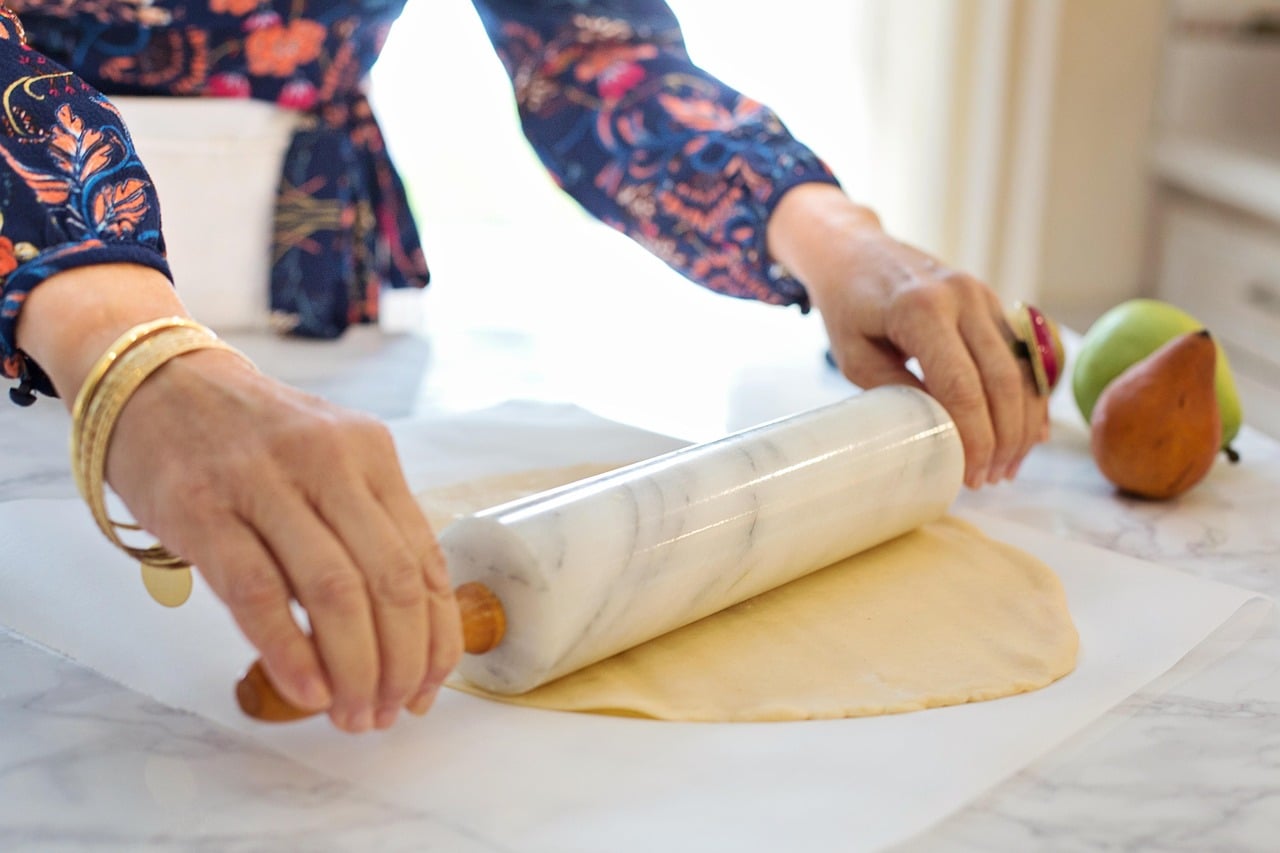
Few dishes say winter in Quebec as clearly as tourtière, a deeply savory meat pie that shows up on holiday tables and cold weekends alike. Its flaky crust and rich filling make it ideal snow-day food because it holds heat well and feels substantial after time outdoors.
The name can describe more than one style. In many parts of Quebec, especially around Montreal, tourtière often means a spiced pie made with ground pork, beef or veal. In the Saguenay Lac-Saint-Jean region, the local version is taller and slower-cooked, with cubed meats and potatoes baked together for hours.
Seasoning is what gives it its familiar warmth. Cinnamon, clove and allspice appear in many family recipes, adding gentle sweetness to the meat rather than turning it dessert-like. Served with ketchup, chutney or pickled beets, it lands squarely in the category of food people wait all year to make.
Split pea soup in French Canada
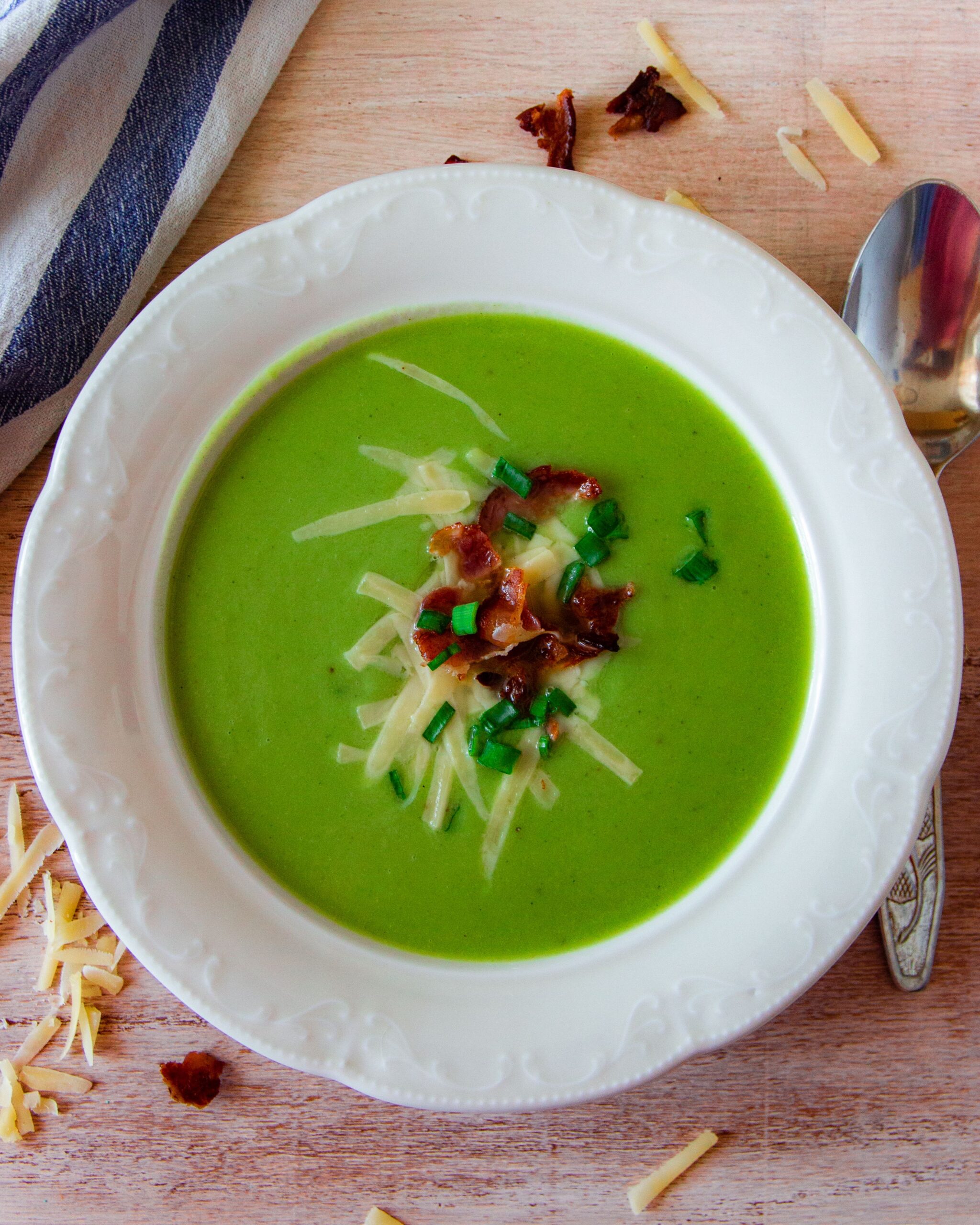
A stormy day is exactly when split pea soup earns its reputation. Thick, earthy and inexpensive to make, it has long been associated with French Canadian home cooking, especially in Quebec, where yellow peas and salt pork became practical pantry staples.
The classic bowl is humble but carefully built. Split peas are simmered with onion, carrot, celery and herbs until the soup turns creamy on its own, with no need for dairy. Salt pork or ham adds body and a smoky depth that makes the whole pot feel more complete.
Its staying power comes from history as much as flavor. Dried peas stored well through long winters and could feed a household without much expense. That combination of thrift and comfort explains why the soup still feels current, even in homes that now serve it with crusty bread and modern garnishes.
Jiggs dinner in Newfoundland and Labrador
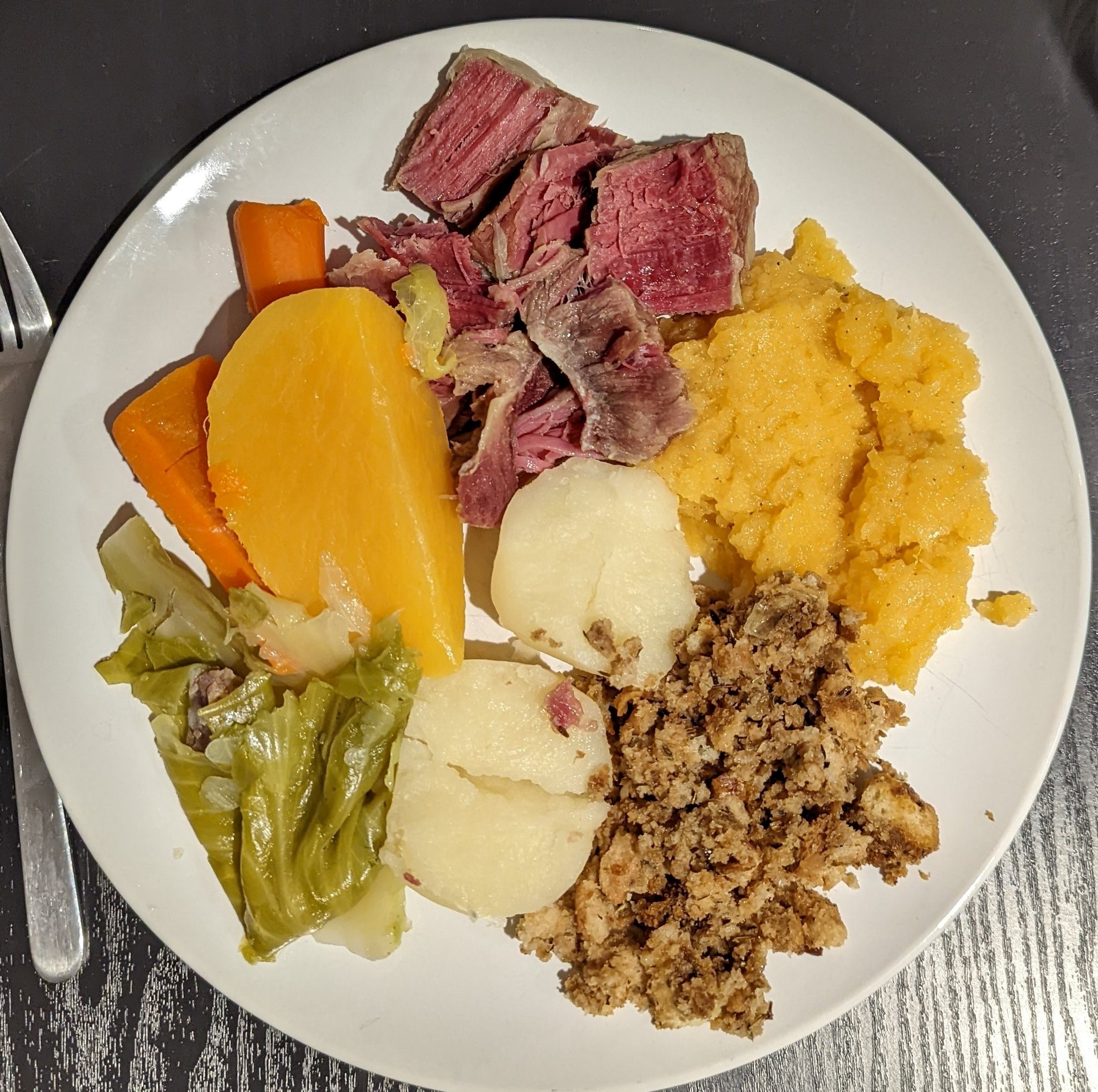
Jiggs dinner brings the logic of a boiled supper to one very full plate. In Newfoundland and Labrador, it remains one of the best-known traditional meals, especially on Sundays, but it also makes sense on a snow day because one big pot can feed many people with little fuss.
Salt beef is central to the meal, joined by cabbage, turnip, carrot and potato. Pease pudding, made by boiling split peas in a cloth bag, is another hallmark. Some tables also add dough boys, small boiled dumplings that soak up the savory cooking liquid.
What makes Jiggs dinner memorable is not just the ingredient list but the plate's balance of textures. The vegetables turn sweet in the broth, the beef stays robust, and the peas become soft and mild. Leftovers often become hash the next day, which gives this meal a second life after the snow keeps everyone home.
Donair in Nova Scotia
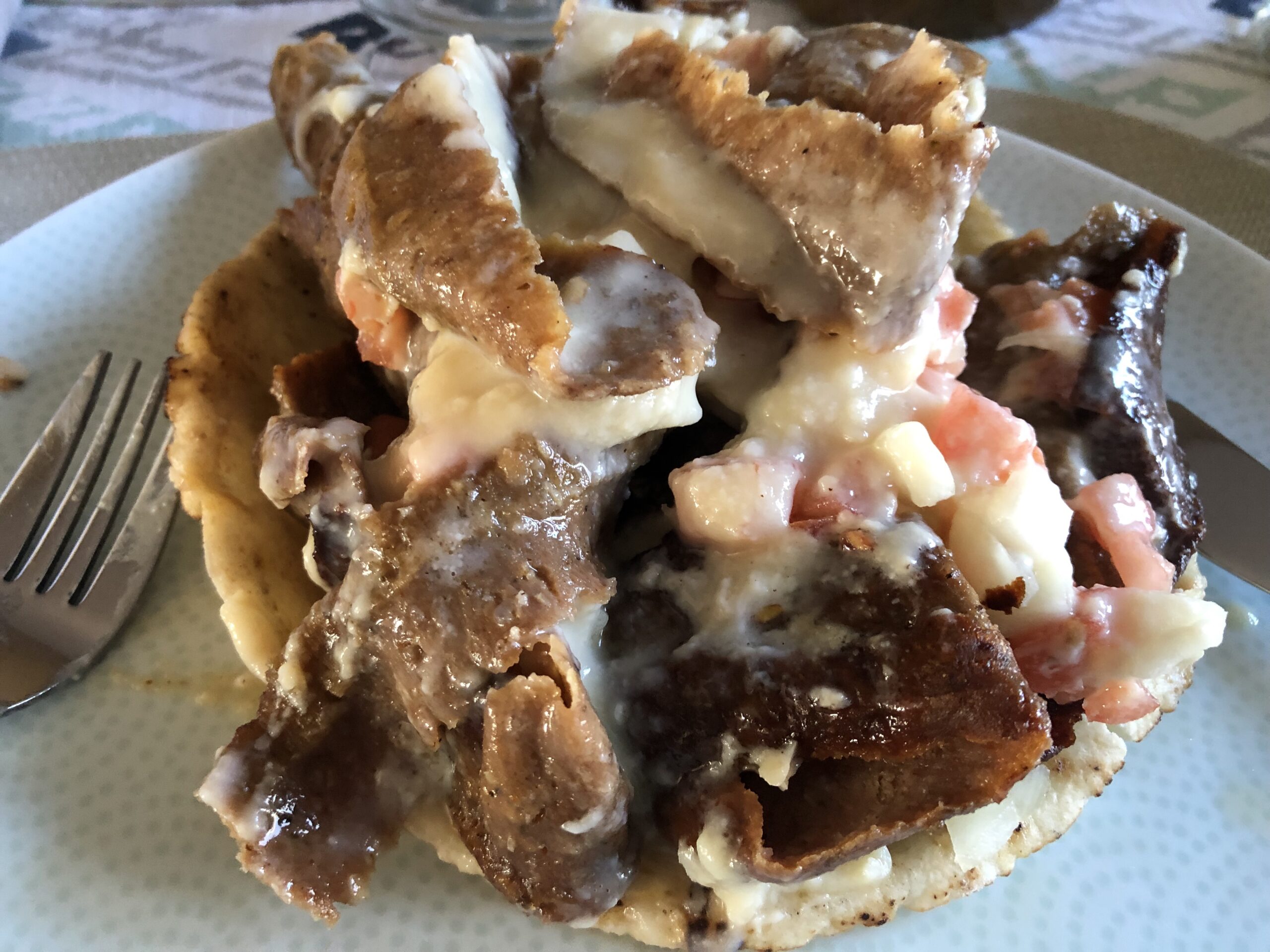
Halifax has a strong claim on one of Canada's most specific comfort foods, the donair. Invented in the city in the 1970s by restaurateur Peter Gamoulakos, the Halifax donair evolved from Greek gyro traditions into something sweeter, saucier and distinctly local.
The standard version starts with spiced beef cooked on a vertical rotisserie, then sliced into a pita with chopped onion and tomato. What sets it apart is the sauce, made with sweetened condensed milk, vinegar and garlic powder. That mix sounds unusual on paper, but in practice it is exactly what many Nova Scotians crave after a cold evening.
A donair is often associated with late-night eating, yet it also works as serious winter comfort food. It is hot, messy and deeply satisfying, the kind of meal best handled with plenty of napkins. In Halifax, its regional status is so strong that it feels less like fast food and more like a civic signature.
Seafood chowder in the Maritimes
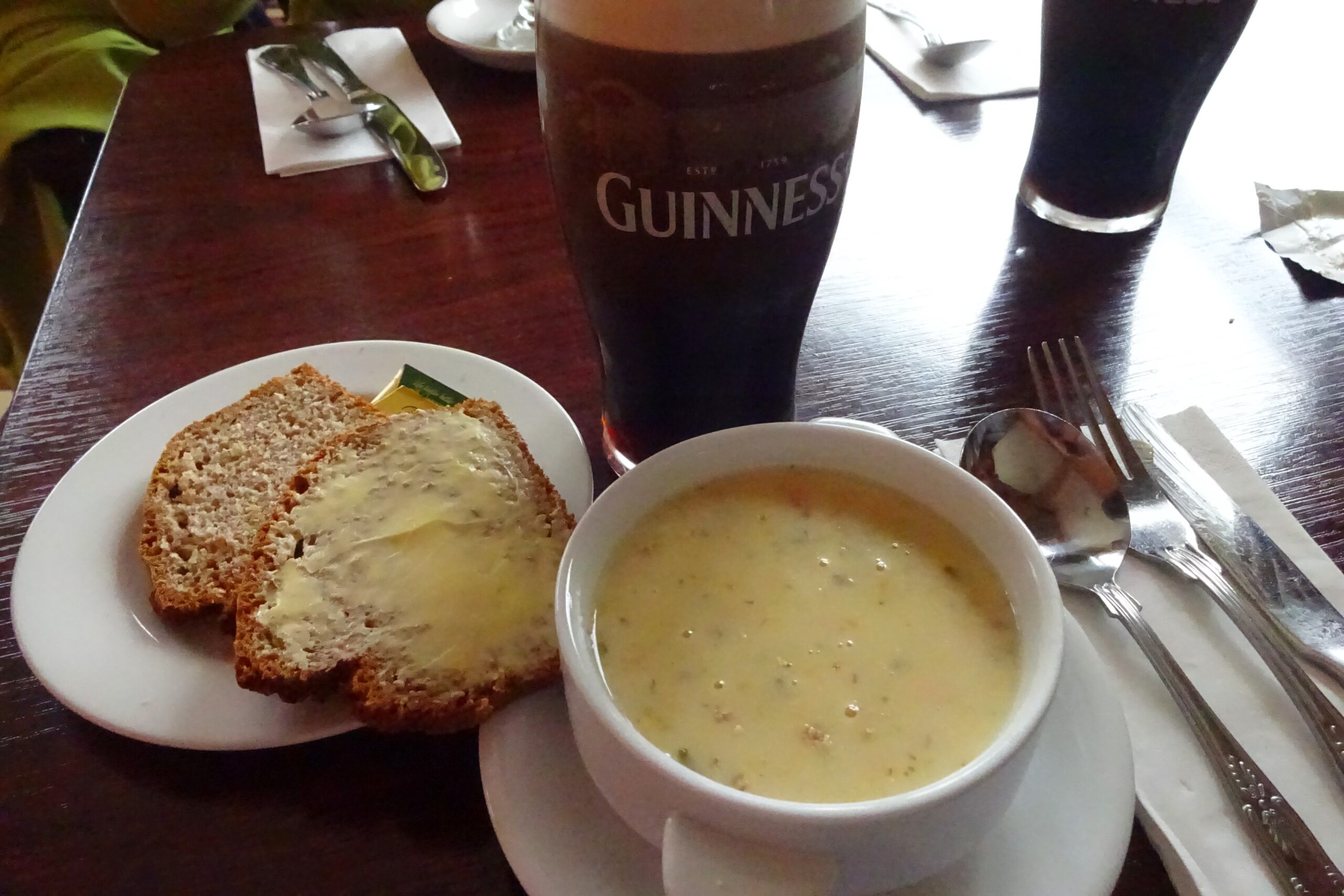
On the Atlantic coast, chowder turns local catch into one of the most reliable winter meals around. In Nova Scotia, New Brunswick and Prince Edward Island, seafood chowder often combines fish, scallops, shrimp, mussels or lobster in a creamy base that feels luxurious without being fussy.
Good chowder depends on restraint. The broth is usually built from onion, celery, potato, butter and cream, then finished with seafood that cooks quickly and stays tender. Haddock is especially common, and the potato helps thicken the pot while keeping the flavor grounded.
Its appeal on a snow day is practical as well as sensory. One bowl offers warmth, protein and a taste of the coast when the weather outside is rough. Oyster crackers or buttered bread on the side complete the picture, but the real strength of the dish is how clearly it reflects Atlantic pantry habits.
Fricot in New Brunswick
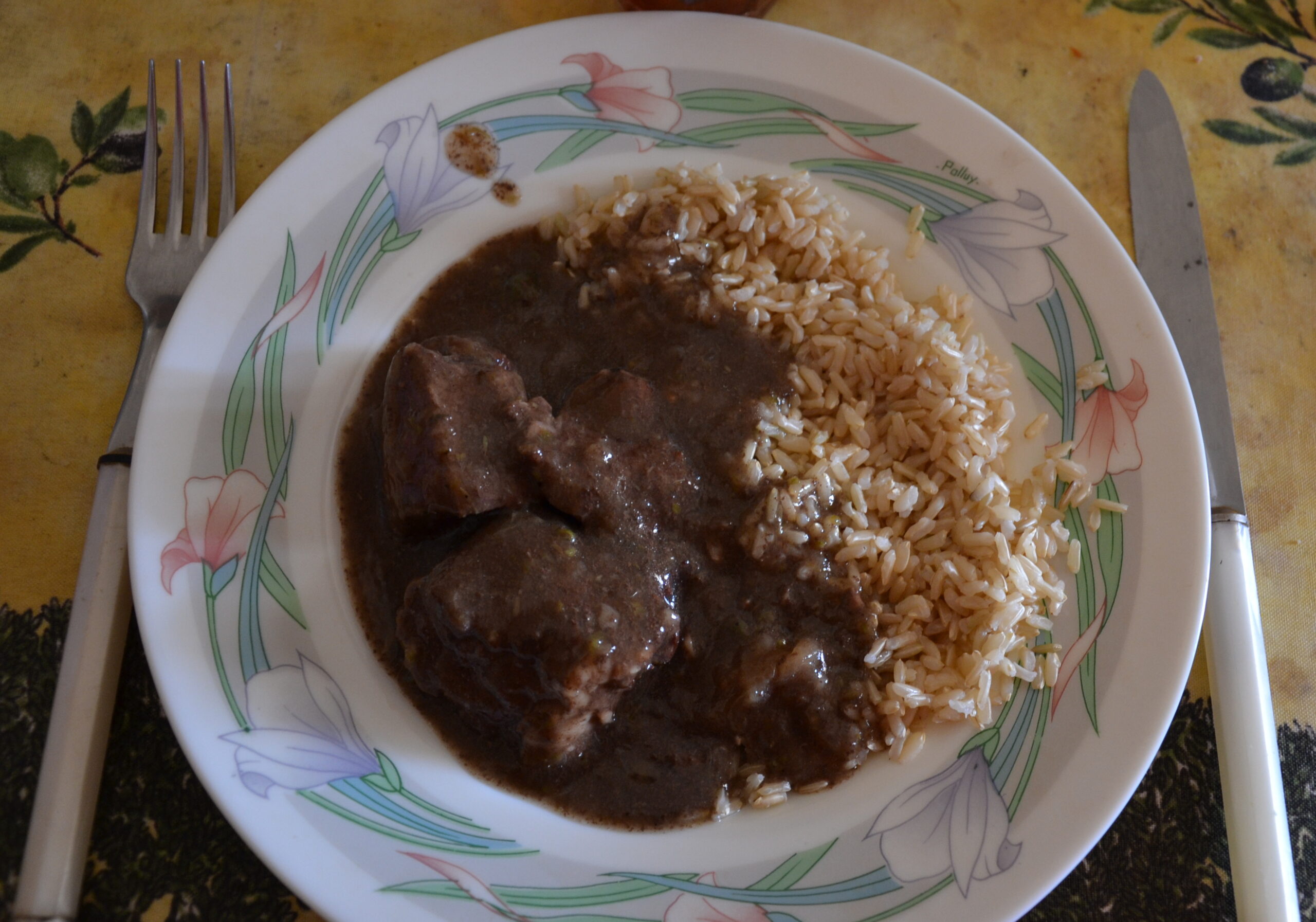
Fricot is the sort of dish that proves chicken soup can be a complete meal. In Acadian communities of New Brunswick, this hearty soup is a longstanding favorite, known for combining chicken, potatoes, onions and sometimes other vegetables in a broth that is simple but deeply comforting.
The detail that gives fricot its own identity is the dumpling. Many cooks add poutines à trou, small flour dumplings with a hole in the center, dropped into the simmering broth near the end. They puff slightly, absorb flavor and turn a light soup into something far more sustaining.
Seasonings remain modest, often just savory, salt and pepper, which lets the broth do the work. That simplicity is part of the charm. Fricot is not trying to overwhelm anyone. It is trying to warm a kitchen, use what is on hand and feed people well when the weather makes staying in feel like the smartest plan.
Pemmican stew on the Prairies
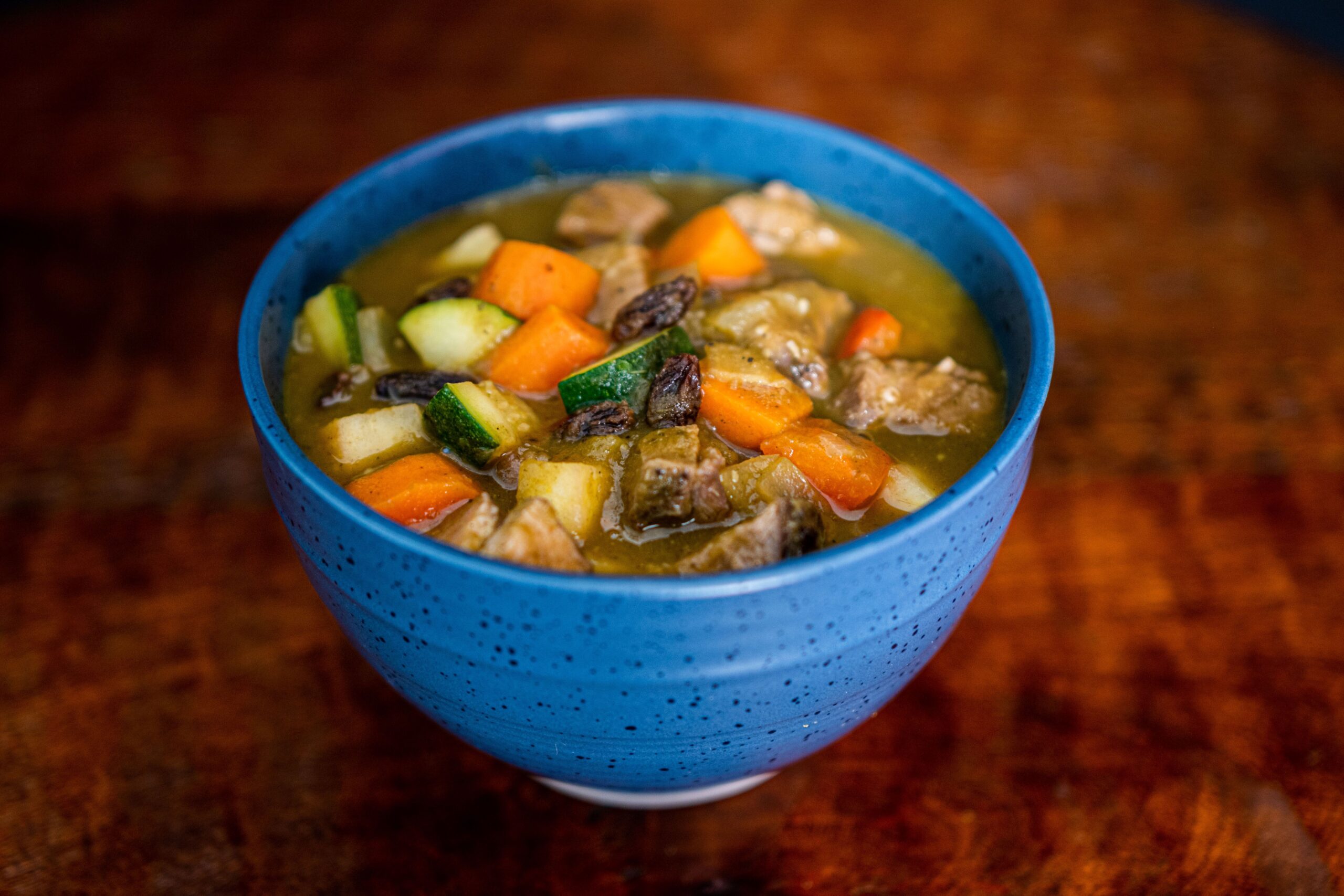
Cold weather cooking on the Prairies has long been shaped by preservation, mobility and the need for concentrated nourishment. Pemmican itself, developed by Indigenous peoples including the Plains Cree and Métis, was a durable food made from dried meat and rendered fat, sometimes mixed with berries.
While pemmican was designed for storage and travel, modern interpretations have inspired rich stews that honor those core ingredients and their purpose. Contemporary versions may combine bison or beef with root vegetables and seasonings, creating a dish that feels both historical and adapted to present-day home kitchens.
This is one area where care matters in the telling. Pemmican is not just another rustic recipe. It is a culturally significant Indigenous food with deep ties to trade, survival and knowledge of the land. On a snow day, a prairie-style meat stew informed by that history offers warmth, but the deeper story is about resilience.
Bison stew in Manitoba and Saskatchewan
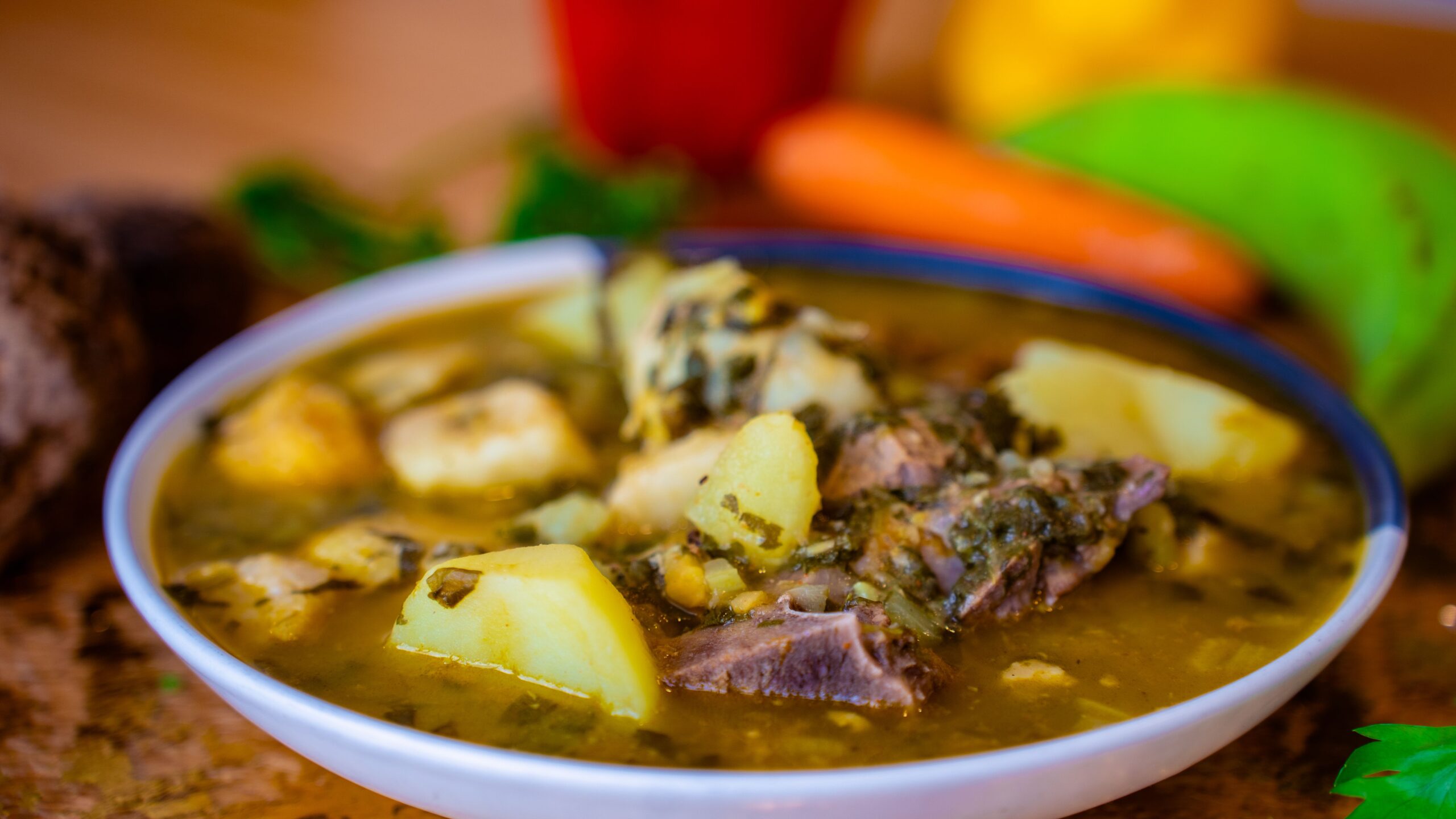
Across Manitoba and Saskatchewan, bison brings a prairie sense of place to the winter table. The meat is leaner than beef and has a slightly sweet, earthy flavor, which makes it especially good in slow-cooked stews where it can soften gradually with stock, onion, carrot and potato.
A well-made bison stew feels robust rather than heavy. Because the meat is lean, cooks often pay close attention to gentle simmering so it stays tender. Mushrooms, barley or parsnip may be added, but the goal is usually the same: let the flavor of the bison come through clearly.
There is regional meaning here beyond simple comfort. Bison has long been central to prairie ecosystems and Indigenous life, and its return to more menus reflects both local agriculture and renewed interest in historically important foods. In the middle of winter, that gives the dish weight beyond its warmth.
Flapper pie in the Prairies
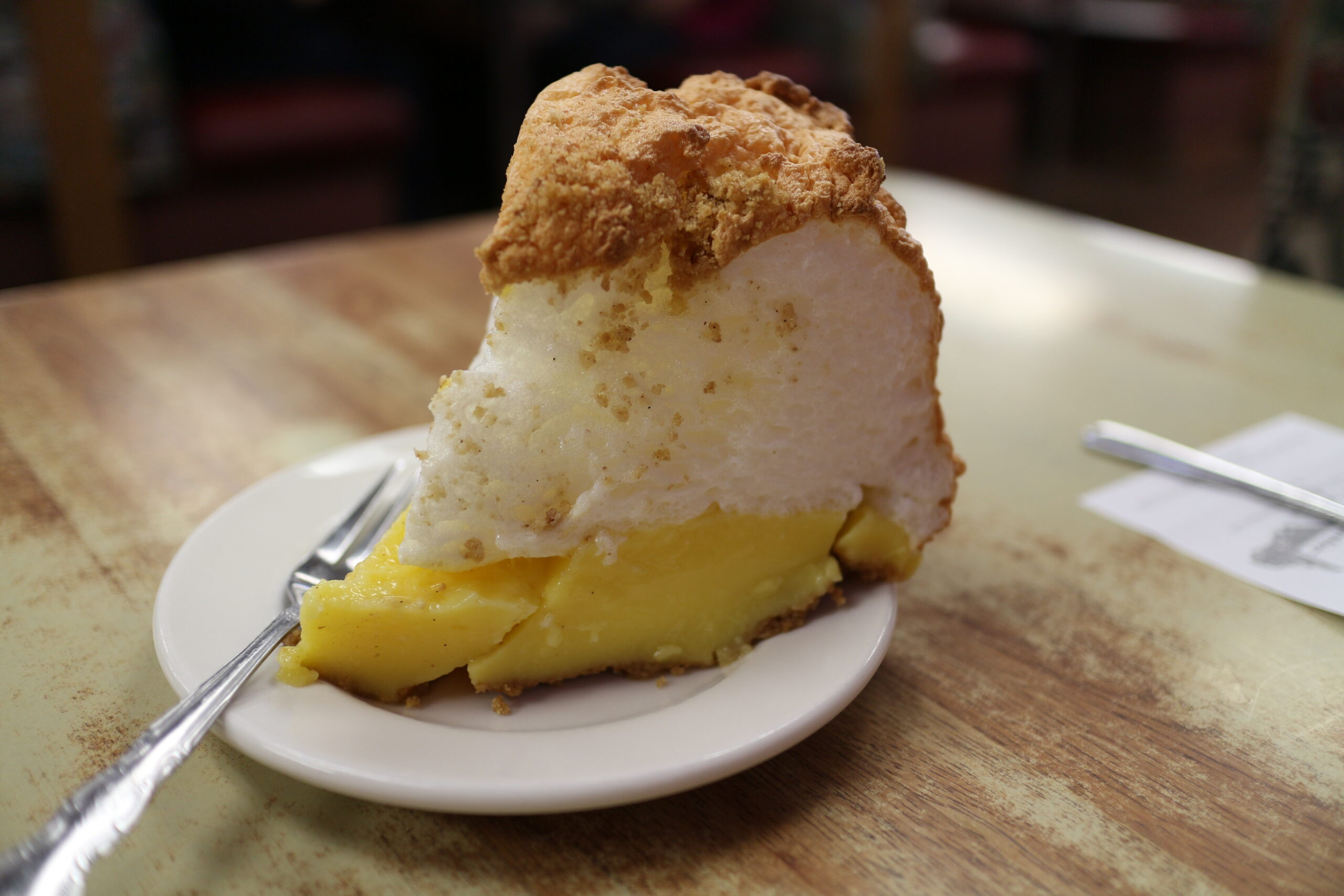
Not every snow-day comfort food is savory. Flapper pie, strongly associated with the Prairie provinces, is a simple dessert pie made with a graham cracker crust, vanilla custard filling and a topping of meringue. It became popular in Western Canada in the early 20th century and remains a nostalgia trigger for many families.
Its charm lies in pantry logic. The ingredients are basic, affordable and shelf-stable enough to make sense in places where practicality has always mattered. The custard is mild and creamy, and the meringue adds a light finish that keeps the pie from feeling overly rich.
On a day when schools close and boots line the door, flapper pie fits naturally after soup or stew. It is soft, sweet and old-fashioned in the best way. More than flashier desserts, it captures the prairie habit of making something comforting out of ingredients that are already in the cupboard.
Poutine in central Canada

Poutine may be associated most strongly with Quebec, but its hold on winter comfort eating stretches well beyond one province. At its core, the dish is simple: fries, cheese curds and hot brown gravy. When made properly, the curds keep some bounce while the gravy softens the fries without turning everything to mush.
Its roots trace to rural Quebec in the mid-20th century, and from there it spread into diners, chip stands and home kitchens across Canada. Regional versions now add smoked meat, pulled pork or local cheeses, but the basic formula remains the one people return to during bad weather.
What makes poutine such an effective snow-day meal is its immediacy. It is hot, salty and built for instant comfort. It may not be subtle, but subtlety is not the point when the streets are white, the windows are fogged and dinner needs to feel like a reward for staying inside.



Leave a Reply