
Food is one of the fastest ways to understand a place, but it is also one of the easiest ways to make a mistake abroad. In these 10 countries, the rules around meals, ingredients and public eating can be strict enough to surprise even experienced travelers.
Singapore and the durian bans
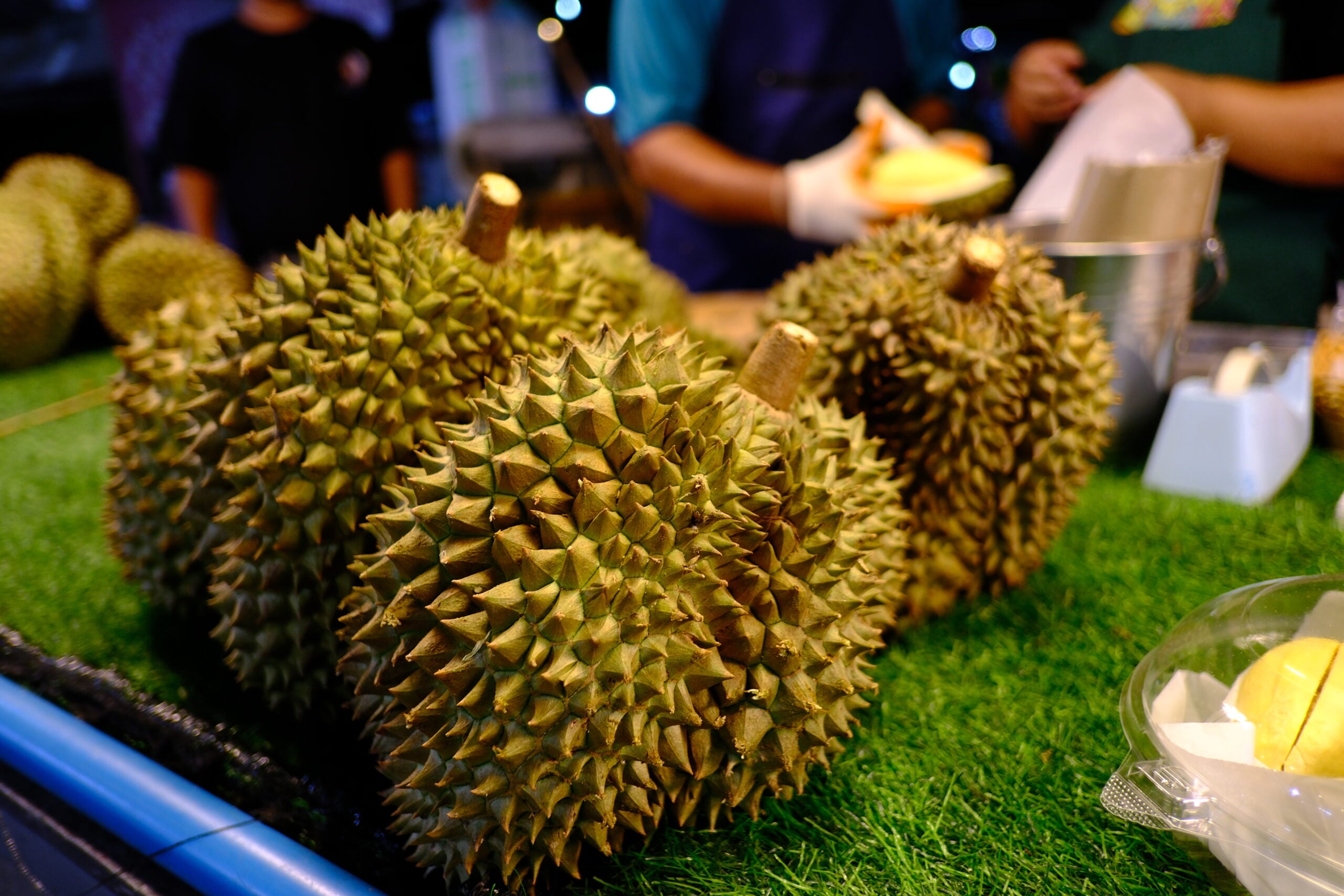
In Singapore, the fruit that causes the most tourist confusion is not rare or expensive. It is durian, a beloved tropical fruit known for a smell so strong that it has been banned from many hotels, buses and subway cars.
The rule is not about taste. It is about odor in enclosed public spaces. Signs showing a spiky fruit with a red slash are common on the Mass Rapid Transit system, and many lodging operators also prohibit guests from bringing durian into rooms.
That can surprise visitors who see durian sold openly in markets and hawker centers. In practice, Singapore treats it as a normal food in the right setting and a nuisance in the wrong one. The lesson for travelers is simple: buy it where it is sold to be eaten, and do not assume you can carry it onto transport or into your hotel.
Japan and puffer fish licenses

Some foods in Japan come with a built in warning, and fugu is the best example. Fugu, or puffer fish, can contain a deadly toxin called tetrodotoxin, so preparing it is tightly controlled.
Chefs who serve fugu must be specially trained and licensed, with requirements set by local authorities. That is why tourists are often startled to learn that a dish famous for delicacy and skill is also tied to a serious safety system.
The surprise is not only the danger. It is the formality around it. In many countries, adventurous food is mostly a matter of taste, but in Japan this one is also a matter of legal permission and professional certification. For visitors, the clear rule is to eat fugu only at properly licensed restaurants.
Italy and the ban on cappuccino after breakfast

Italy does not have a national law against ordering a cappuccino after noon. What shocks tourists instead is how strong the custom can feel, especially in traditional cafes where milk heavy coffee drinks are seen as breakfast drinks.
Many Italians switch to espresso later in the day, particularly after lunch or dinner. A visitor who orders a cappuccino at 3 p.m. will still get one in most places, but the request may mark them as unfamiliar with local habits.
That is what makes this a different kind of food rule. It is social rather than legal, yet it shapes real behavior. Travelers expecting coffee culture to work the same everywhere often discover that in Italy, timing matters almost as much as the drink itself.
France and the protection of baguettes
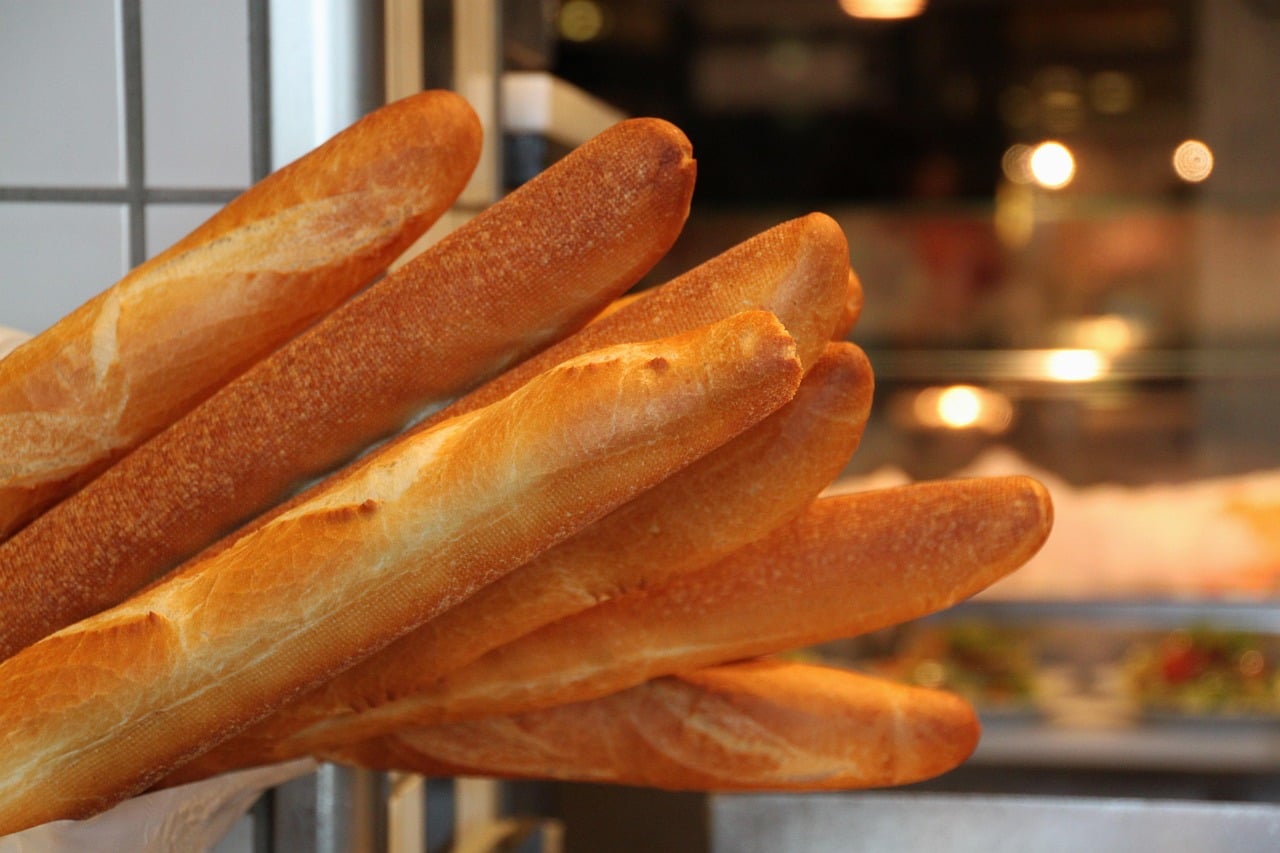
France has a long tradition of protecting bread standards, and the baguette is a prime example. Under French rules, bread sold as traditional French bread must be made on the premises and cannot include additives or be frozen during production.
For tourists, that can be startling because it turns a daily staple into something governed by clear definitions. The point is not bureaucracy for its own sake. It is quality, craft and preserving a product that carries national importance.
That is also why bakery language matters in France. Not every long loaf is the same, and the label tells you something about how it was made. For travelers, the reward is practical: understanding the rule can help you choose bread that is fresher and closer to the classic standard.
Switzerland and absinthe's unusual history

Some food and drink rules surprise people because they reflect a long national argument. In Switzerland, absinthe was banned for nearly a century after a 1908 vote, even though the spirit originated in the Val de Travers region.
The ban was lifted in 2005, which is why many travelers are surprised to learn that a drink now marketed as part of local heritage once had such a complicated legal history at home. It is not just a bar story. It is a reminder that national food identity can change through politics and public fear.
Today, visitors can encounter absinthe as a regulated product rather than a forbidden one. The shock comes from the contrast: a country famous for order once outlawed one of its own best known spirits for generations.
South Korea and kimchi standards
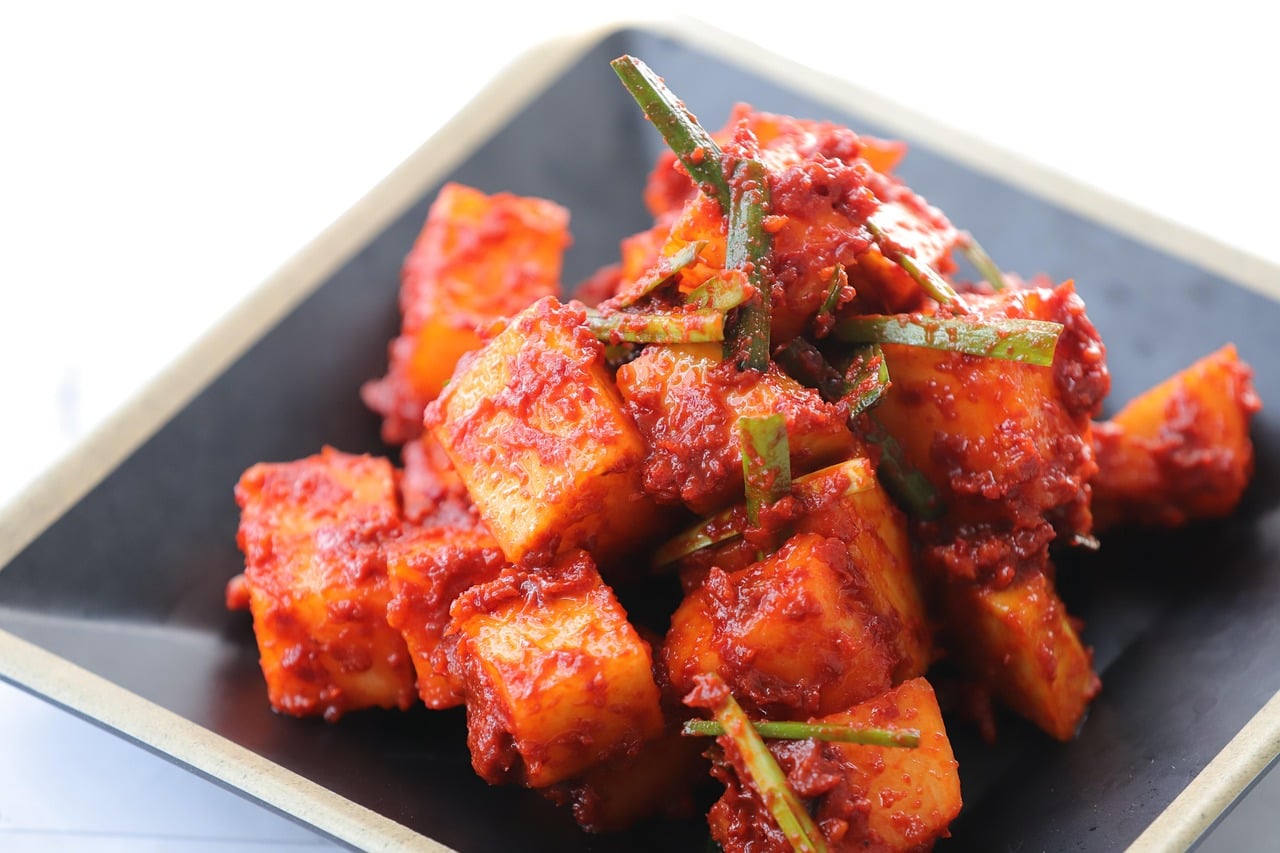
In South Korea, kimchi is not just a side dish. It is a cornerstone of daily eating and national identity, which helps explain why standards around it attract unusual attention.
The country has formal industrial standards for kimchi, and disputes over what should count as kimchi have even become international trade issues. That level of scrutiny can surprise tourists who think of fermented cabbage as a simple homemade food rather than something tied to labeling, exports and national pride.
The deeper point is that everyday foods can carry serious weight. In South Korea, kimchi is cultural, economic and political all at once. Visitors notice this quickly when they see how many meals include it and how strongly people distinguish between styles, ingredients and quality.
Thailand and the limits on e-cigarettes around meals

The surprise in Thailand is not always the food itself. Sometimes it is what you cannot casually do while eating out. Thailand has strict rules against e-cigarettes, and travelers have been warned that possession can lead to serious penalties.
That catches some tourists off guard because vaping is treated more casually in other destinations. A traveler who assumes a restaurant patio works like one back home can misread the local legal landscape entirely.
While this is not a rule about a dish or ingredient, it affects dining behavior in a direct way. Meals, night markets and street food scenes often blend eating and socializing, so visitors need to know that bringing vaping habits into those spaces can create legal trouble, not just social disapproval.
India and state by state alcohol restrictions

India often surprises tourists because food and drink rules can change sharply from one state to another. Alcohol policy is the clearest example. Some states have periods of prohibition or tight controls, and dry days can temporarily stop legal alcohol sales even in places where drinking is otherwise allowed.
That means a traveler can sit down for dinner expecting a routine restaurant order and find that local rules say no. The reasons range from religion and public policy to election rules and national holidays.
The real shock is the patchwork. There is no single national dining reality that applies everywhere. For visitors, checking local regulations matters as much as checking the menu, especially when plans involve nightlife, hotel bars or celebratory meals.
Australia and raw milk cheese controls
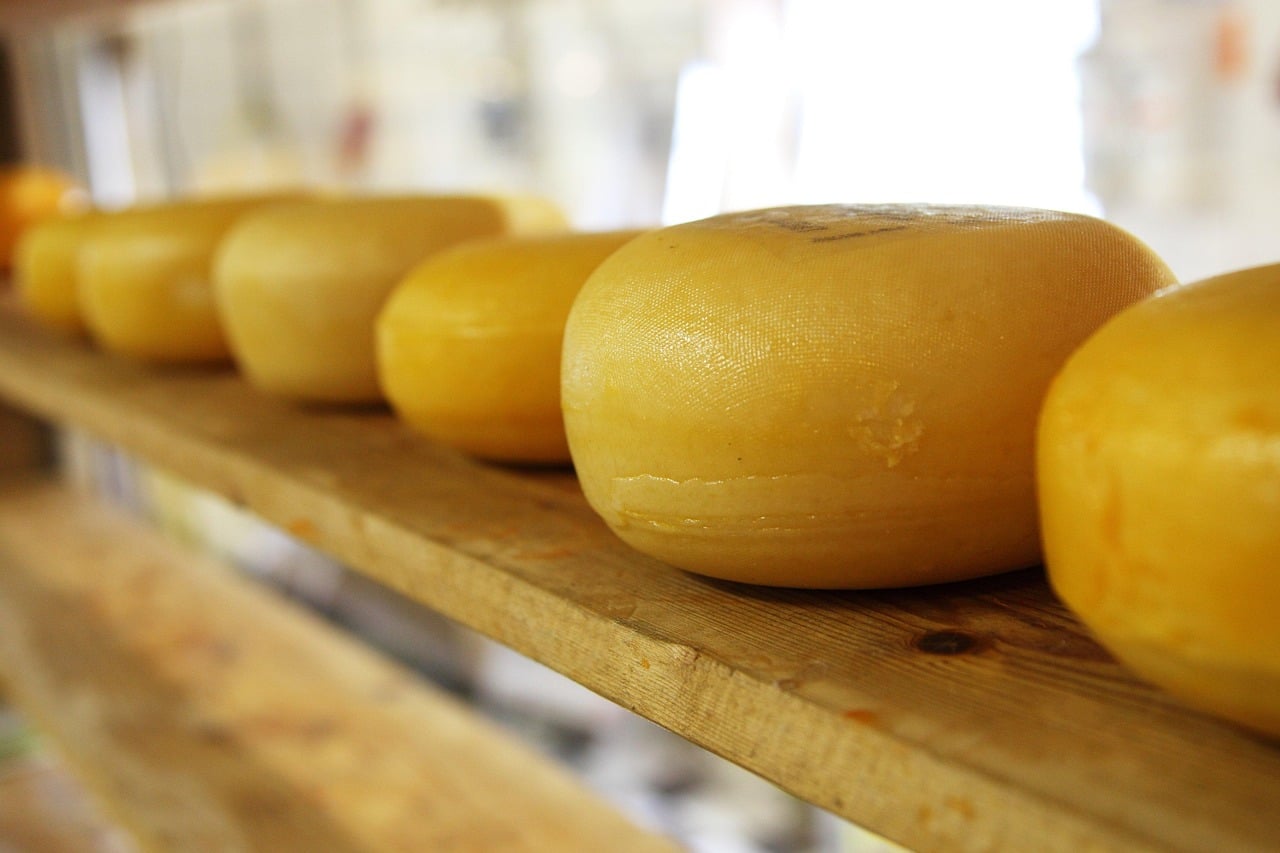
Australia's food rules can feel unusually strict to travelers used to looser specialty markets. Raw milk products have long faced heavy regulation, and standards for cheeses made from unpasteurized milk are especially closely watched.
The concern is food safety, particularly the risk of harmful bacteria. That means products common or romanticized elsewhere may be restricted, carefully processed or sold under conditions that differ from tourist expectations.
For travelers, the surprise often comes from the contrast between Australia's relaxed image and its firm food safety culture. In practice, the rules show how seriously the country treats public health. A market stall may look casual, but the standards behind what can legally be sold are anything but casual.
The United Arab Emirates and eating during Ramadan
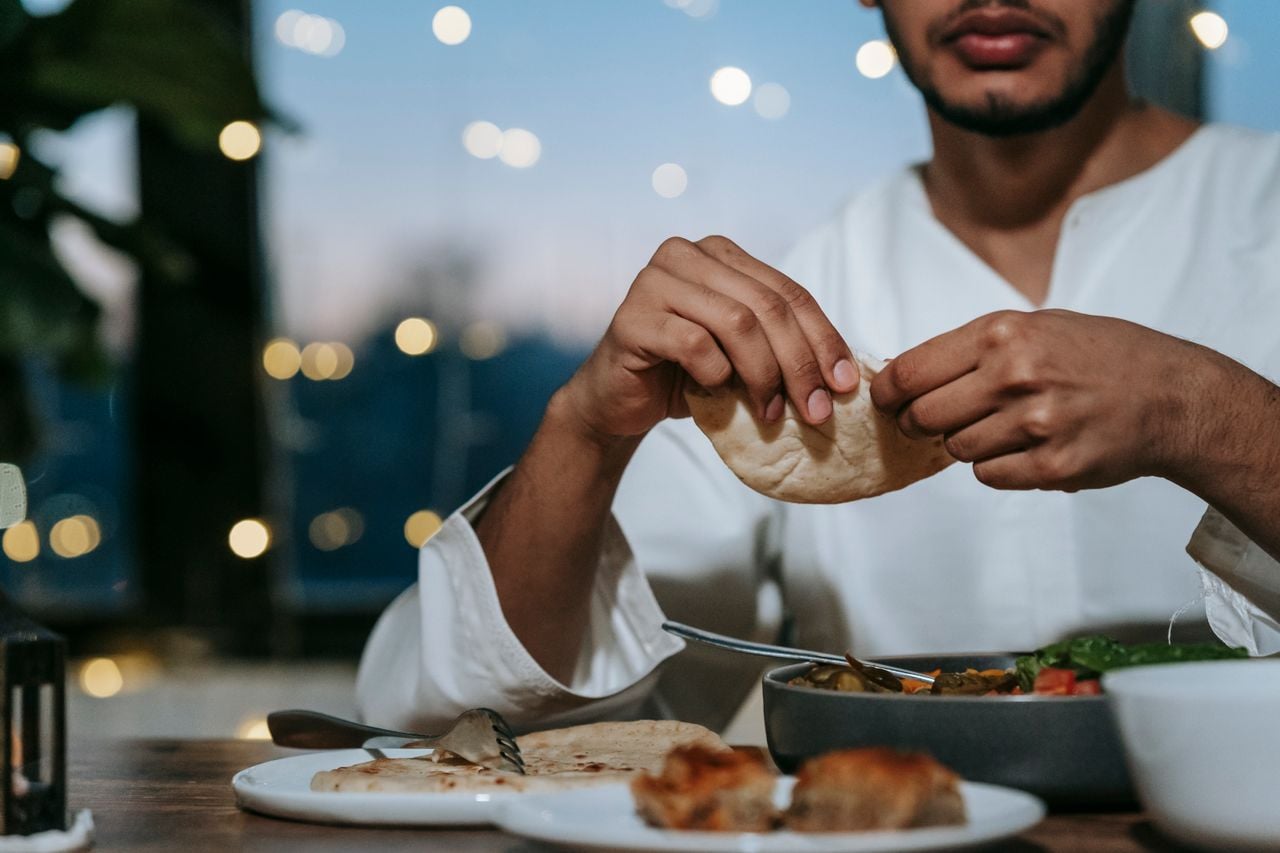
In the United Arab Emirates, timing can matter as much as the meal. During Ramadan, Muslims fast from dawn to sunset, and public eating and drinking rules have traditionally affected non Muslim residents and tourists as well.
In recent years, some emirates have eased how strictly restaurants must screen diners from public view during daylight hours. Even so, Ramadan remains a period when visitors are expected to pay close attention to local norms and venue specific policies.
What shocks tourists is often the visibility of the rule. A simple sip of water in public at the wrong time can carry social and sometimes legal consequences depending on the place and current practice. It is a powerful example of how food rules can reflect religion, respect and public space all at once.



Leave a Reply