
Great coffee at home usually comes down to a few basics, not fancy equipment. Baristas and coffee trainers tend to agree on the same trouble spots: stale beans, uneven grinding, off ratio brewing, and milk handled at the wrong temperature.
Using old beans
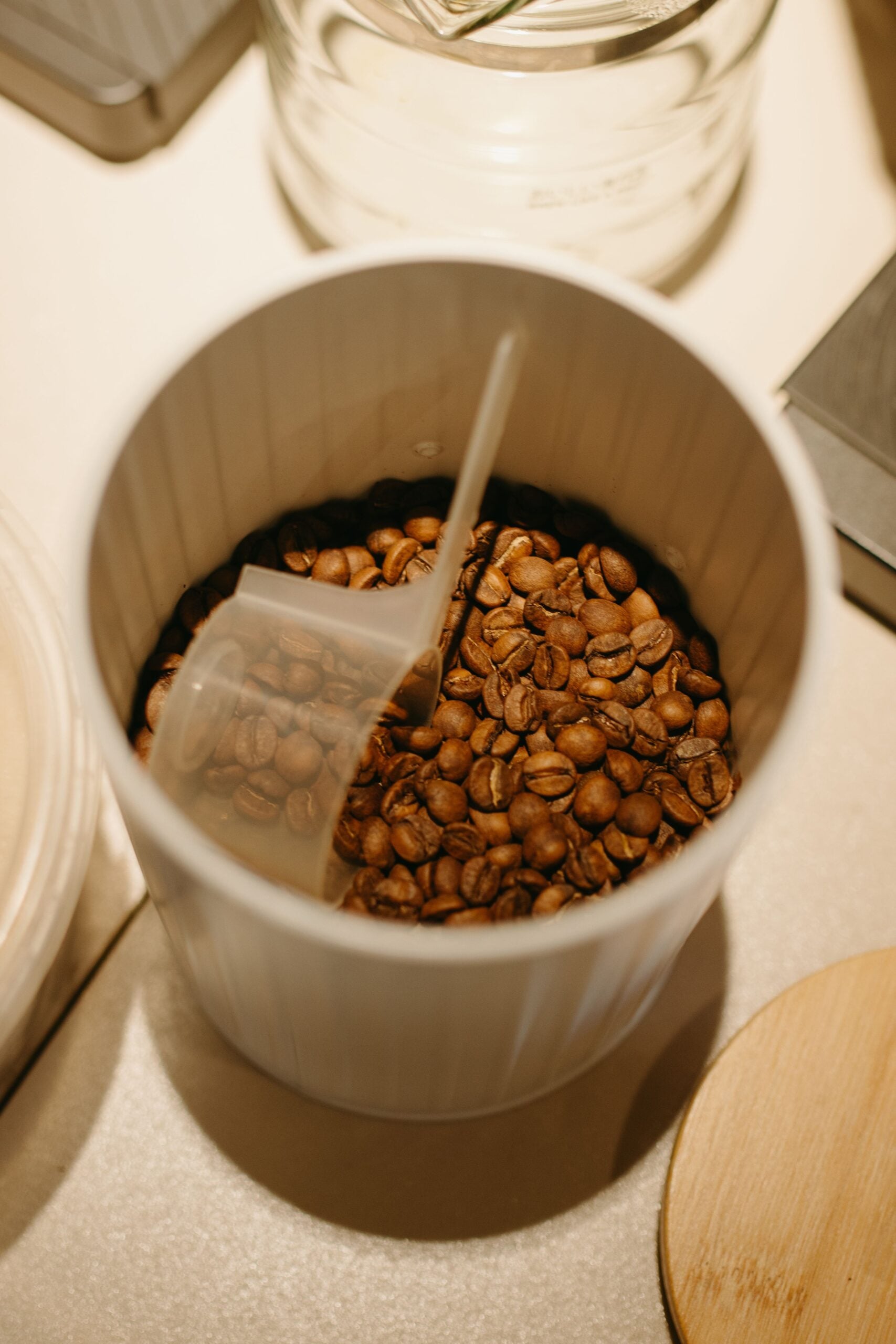
Fresh coffee does not mean coffee that was roasted yesterday and used immediately. The Specialty Coffee Association notes that coffee needs a short rest after roasting, then gradually loses aroma as oxygen breaks down volatile compounds. That is why a bag can smell vivid one week and muted the next.
Many home brewers focus on the best roast level and ignore the roast date. Baristas usually do the opposite. They start with coffee that is fresh enough to taste lively, but not so fresh that trapped carbon dioxide disrupts extraction. For many brewed coffees, that sweet spot is often several days after roasting rather than months after packaging.
The practical fix is simple. Buy smaller bags, check for a roast date, and store beans in an opaque, airtight container away from heat and light. Freezing can help if you portion coffee well and avoid repeated thawing, but keeping a large bag open on the counter is one of the fastest ways to flatten flavor.
Grinding too far ahead
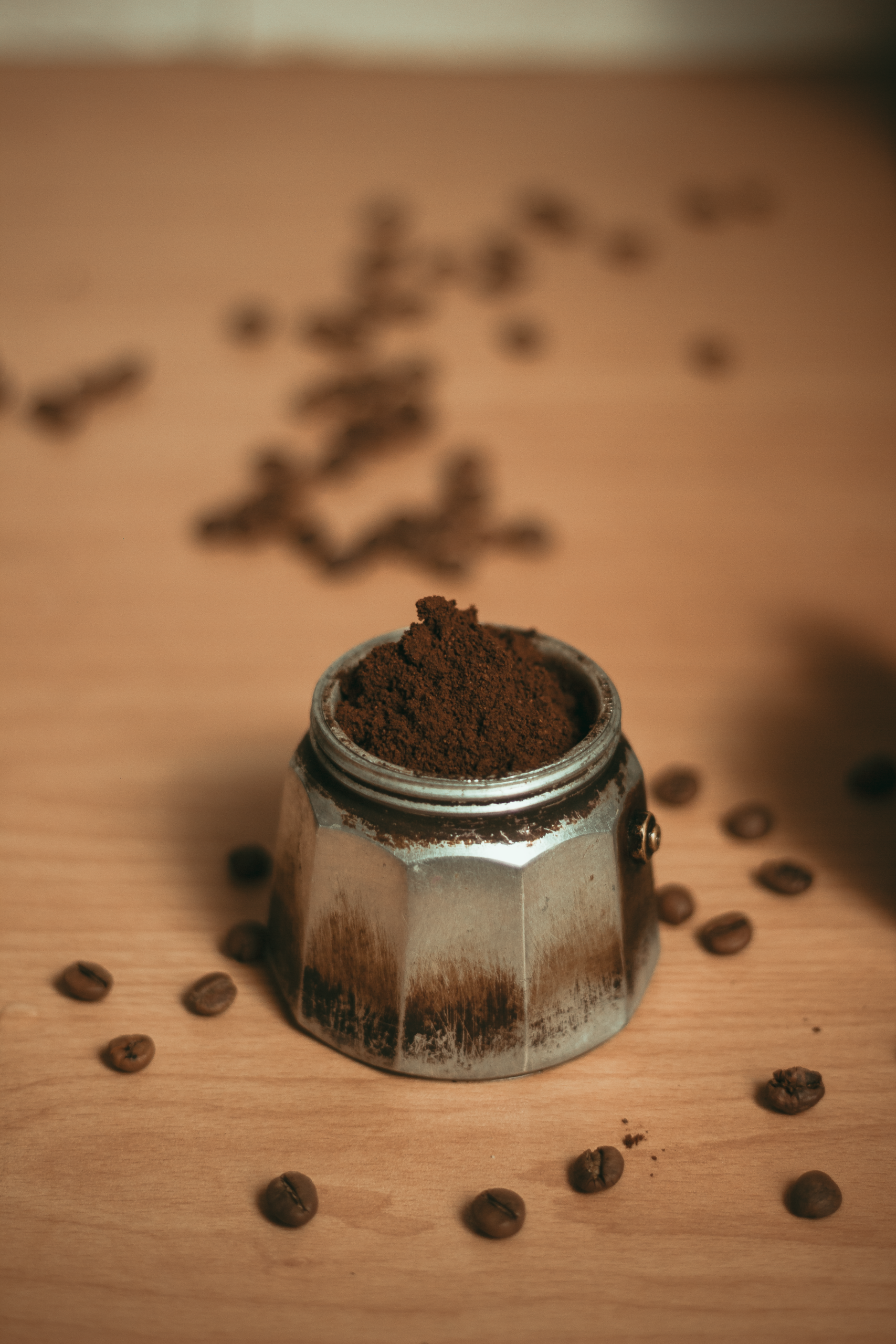
Ground coffee stales faster than whole beans because much more surface area is exposed to air. The National Coffee Association advises grinding beans just before brewing for the best flavor. That single step can make an ordinary brewer taste noticeably better.
Baristas notice this issue right away because pre ground coffee tends to lose clarity. Sweet notes fade first, while woody or bitter flavors become more obvious. A coffee that tasted like cocoa and berries as whole beans can turn dull and harsh after sitting ground for too long.
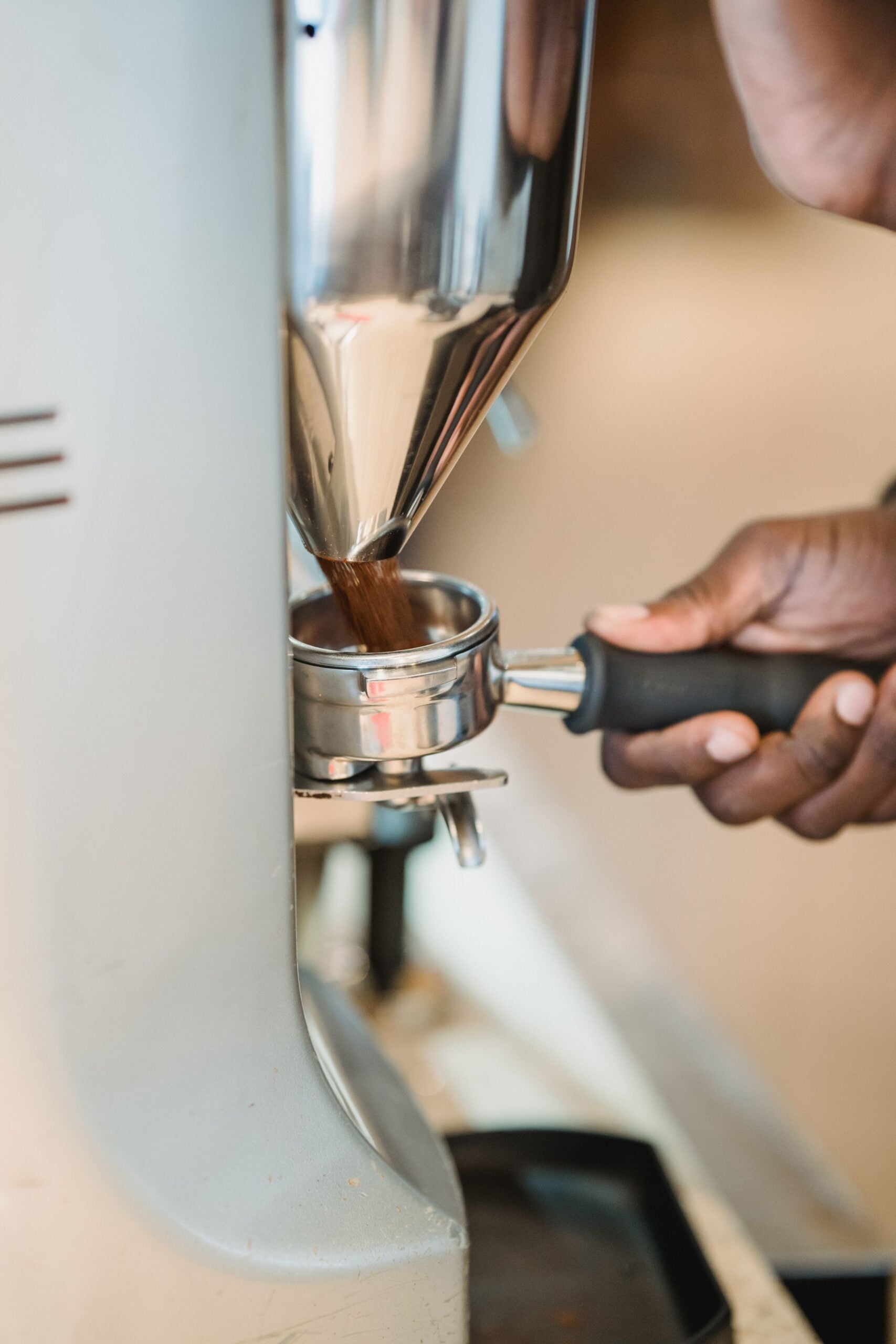
A burr grinder gives the most consistent results because it crushes beans into evenly sized particles. Blade grinders chop irregularly, which can create a mix of powder and larger chunks. That uneven grind leads to underextracted sourness and overextracted bitterness in the same cup, a common reason home coffee tastes muddy.
Guessing instead of measuring
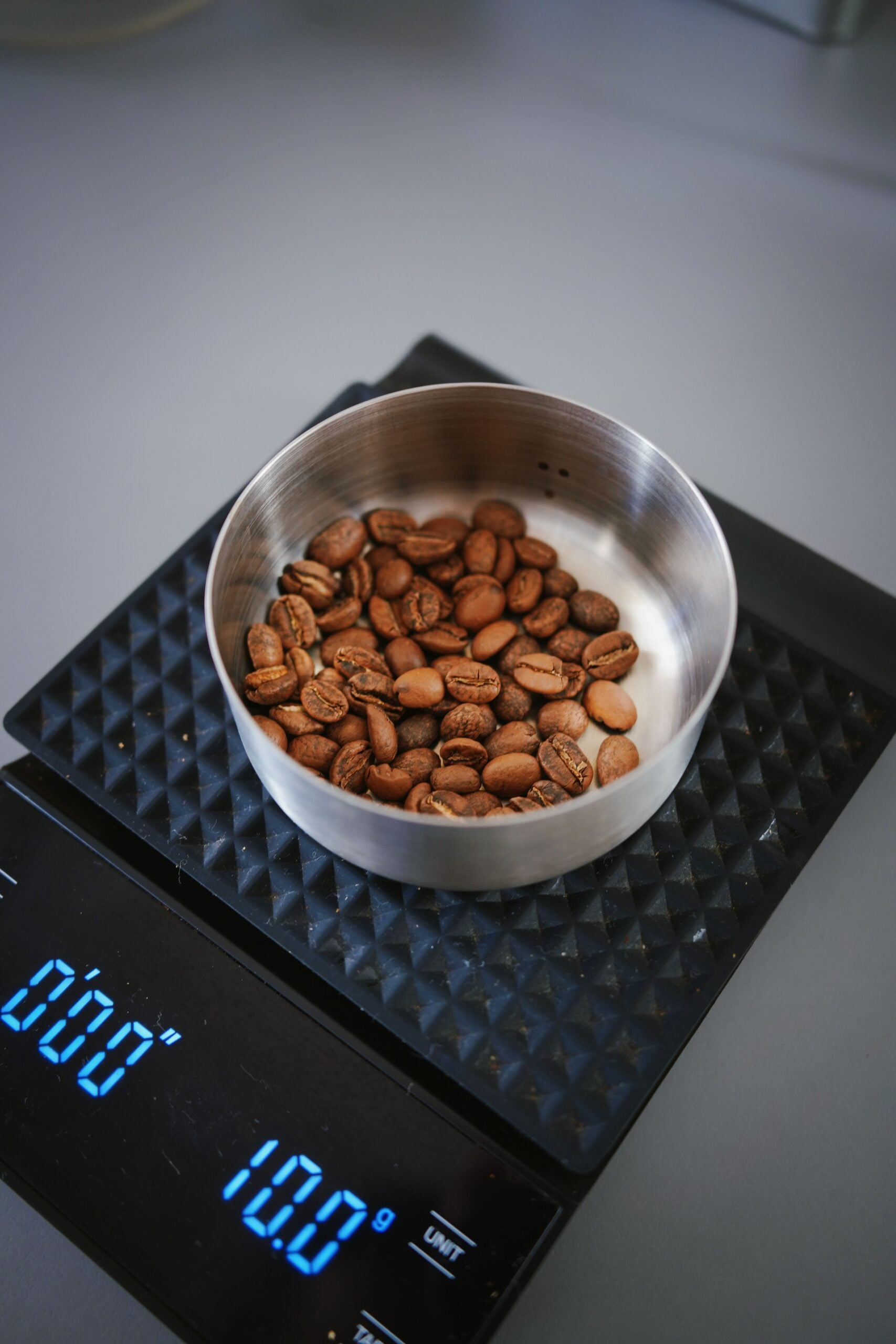
A scoop is convenient, but it is not very precise. Bean density changes by origin, roast level, and size, so two scoops can hold different amounts of coffee. The Specialty Coffee Association uses a brewing ratio guideline of about 55 g of coffee per liter of water as a starting point.
Baristas rely on scales because consistent inputs make it easier to adjust flavor. If a cup tastes weak, they can increase dose or reduce water. If it tastes heavy or bitter, they can do the opposite. Without measuring, every brew becomes a fresh guess.
You do not need a commercial setup to do this well. A small digital kitchen scale is enough for drip, pour over, French press, and AeroPress brewing. Once you find a ratio you like, repeatability becomes easy, and your morning cup stops changing from excellent one day to forgettable the next.
Brewing with water that is too hot
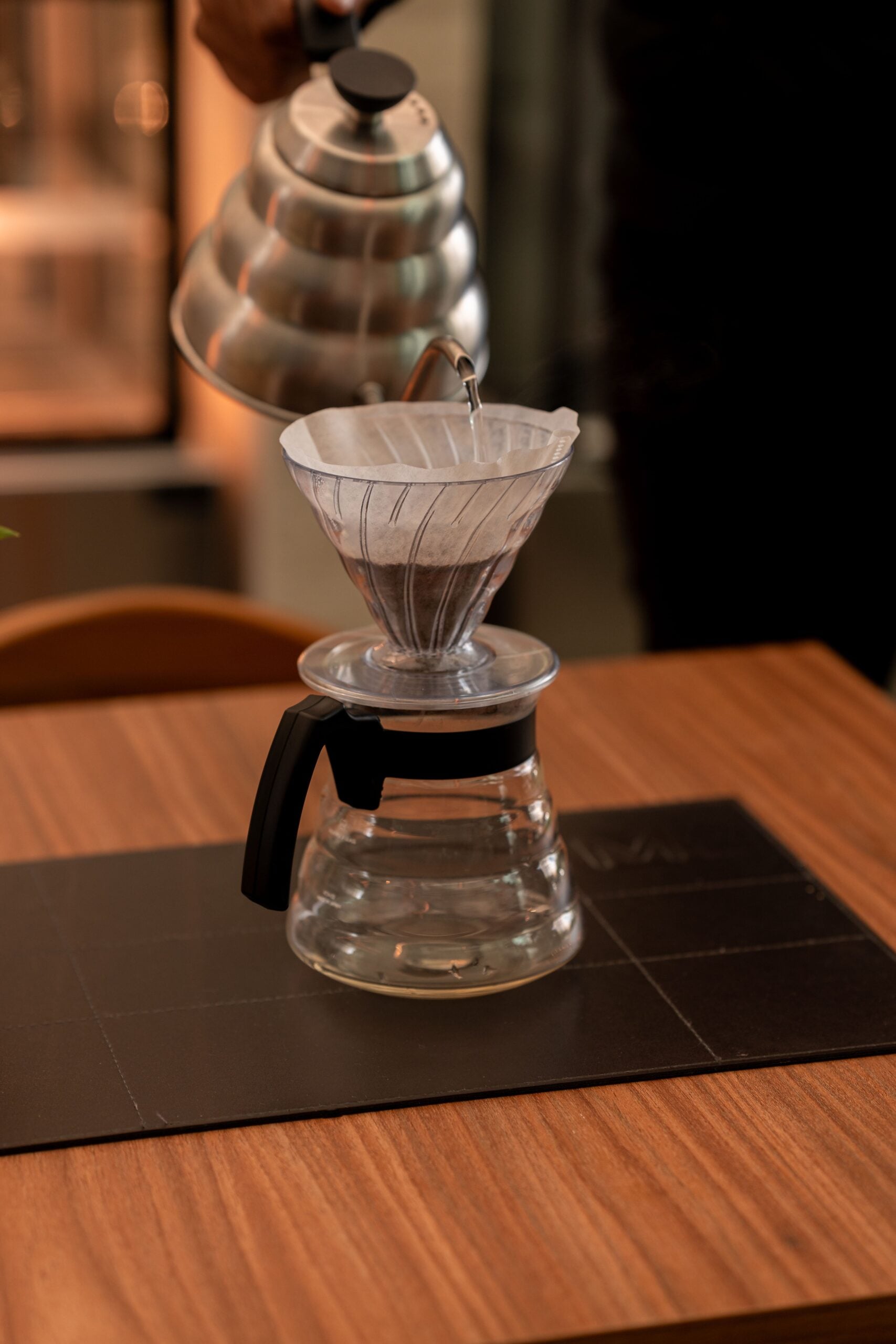
Very hot water can push extraction too far, especially with darker roasts or finer grinds. The National Coffee Association recommends a brewing temperature of 195 F to 205 F. That range helps dissolve flavorful compounds efficiently without emphasizing bitterness as quickly.
At home, boiling water is often poured straight onto grounds without pause. Baristas usually let the kettle settle briefly after the boil, particularly for delicate light roasts brewed by hand. The goal is not lukewarm water. It is controlled heat that matches the coffee and brew method.
Water quality matters too. The Specialty Coffee Association notes that water chemistry affects extraction and flavor. Hard, mineral heavy water can mute acidity, while very soft or distilled water can make coffee taste flat or odd. Good filtered water often improves coffee as much as a grinder upgrade.
Using the wrong grind size
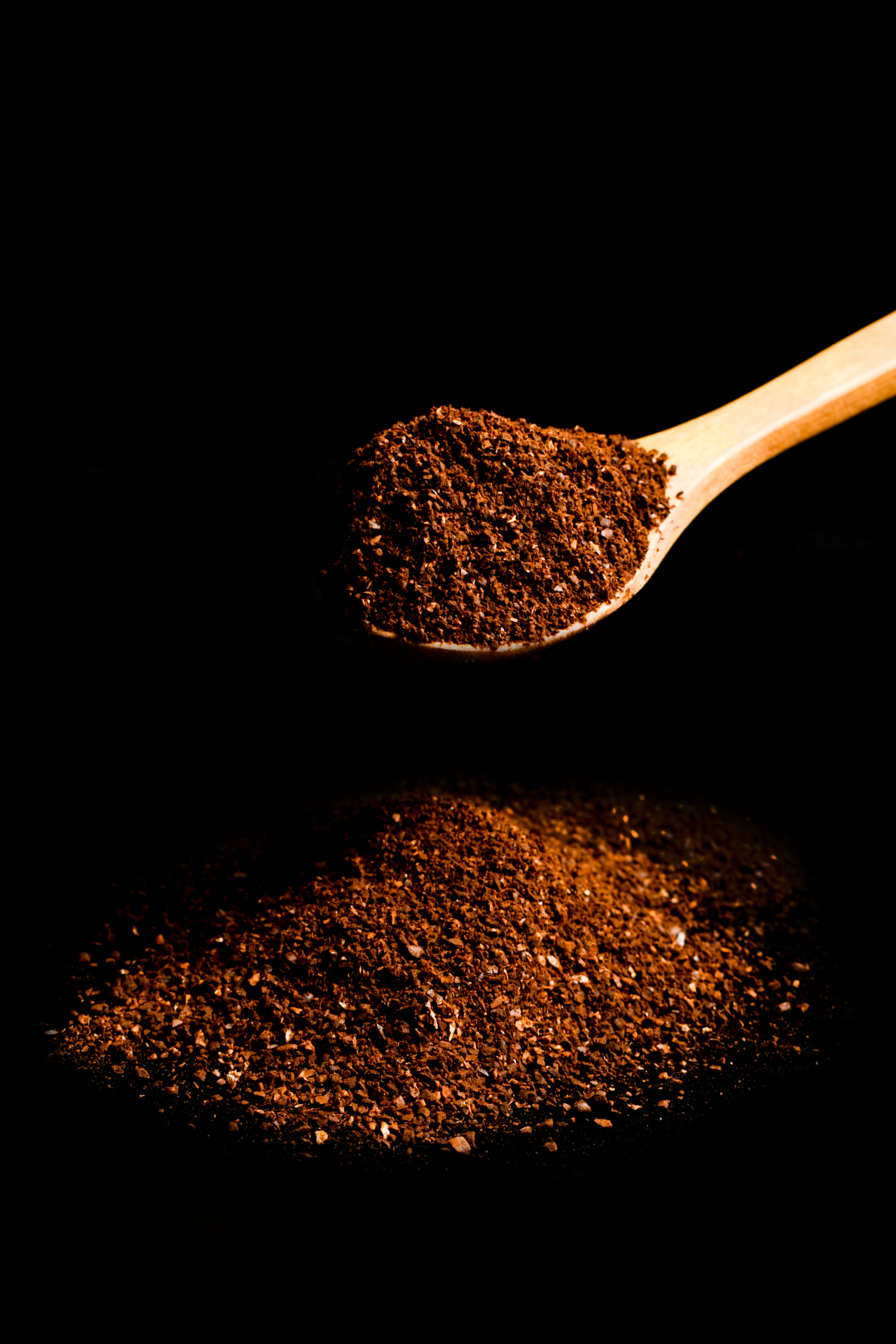
Grind size controls how quickly water pulls flavor from coffee. If the grind is too fine for the method, extraction can run long and taste bitter or drying. If it is too coarse, water passes too quickly and the cup can come out sour, thin, or salty.
This is why espresso, drip coffee, French press, and cold brew do not use the same grind. Espresso needs a much finer grind because contact time is short. French press needs a coarser grind because the coffee steeps for several minutes before pressing.
Baristas adjust one variable at a time. If a pour over is choking and dripping too slowly, they grind coarser. If it races through in under time and tastes sharp, they grind finer. That simple discipline beats changing dose, water temperature, and brew time all at once.
Skipping machine cleaning
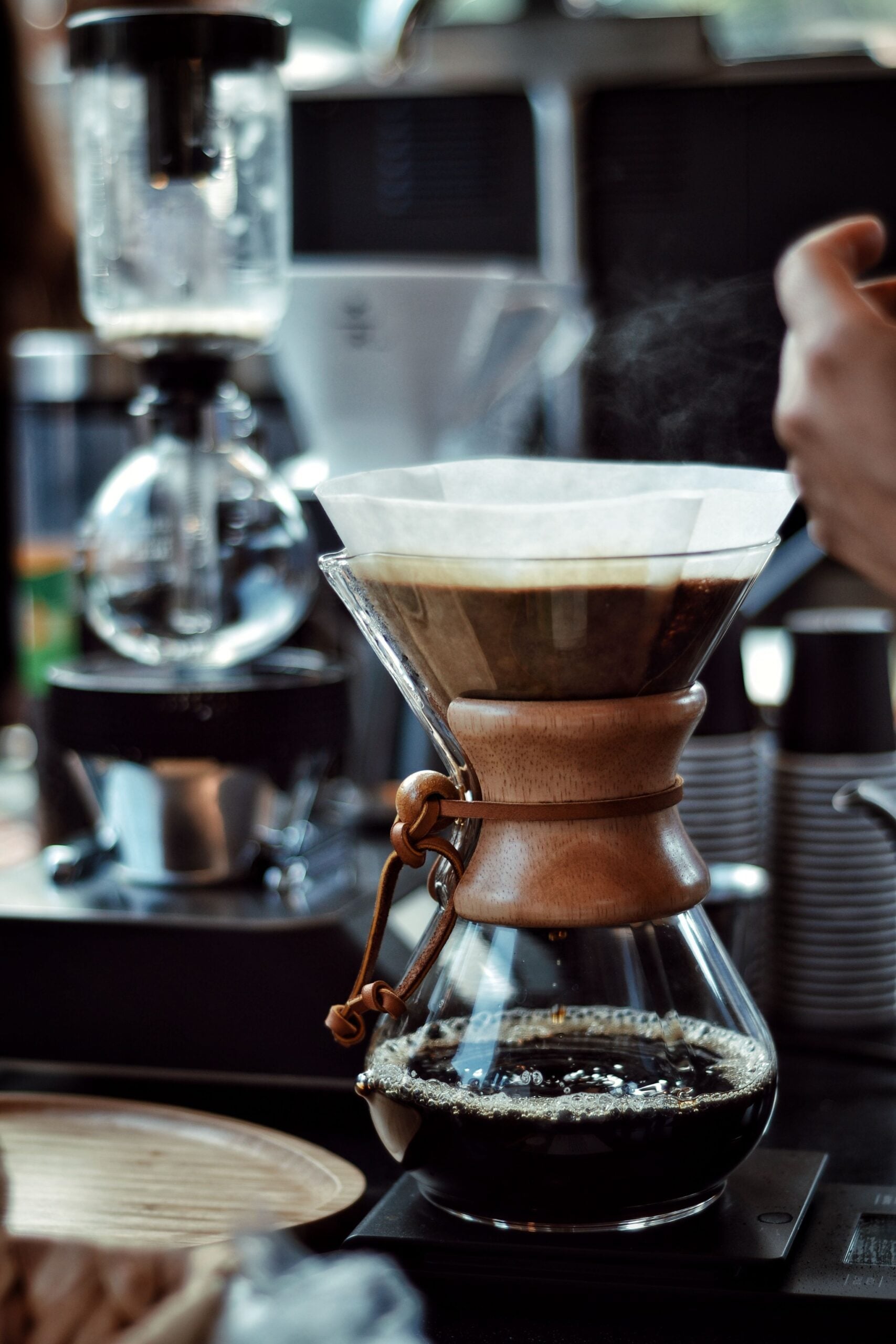
Coffee oils build up quickly in brewers, grinders, and espresso equipment. Those residues turn rancid over time and can make fresh coffee taste stale. The National Coffee Association recommends regular cleaning for coffee makers, including washing removable parts after use and descaling as directed.
Baristas treat cleaning as flavor control, not housekeeping. A dirty grinder can carry old grounds into a new dose. A scaled kettle or coffee maker can affect brewing temperature and flow. Milk residue left in steam wands is also a food safety issue, not just a taste problem.
Home brewers often replace beans when the real issue is the machine. A deep clean can revive a brewer that seemed inconsistent for months. If your coffee suddenly tastes harsher, flatter, or strangely bitter, cleaning the equipment is one of the fastest checks you can make.
Crowding the milk with foam
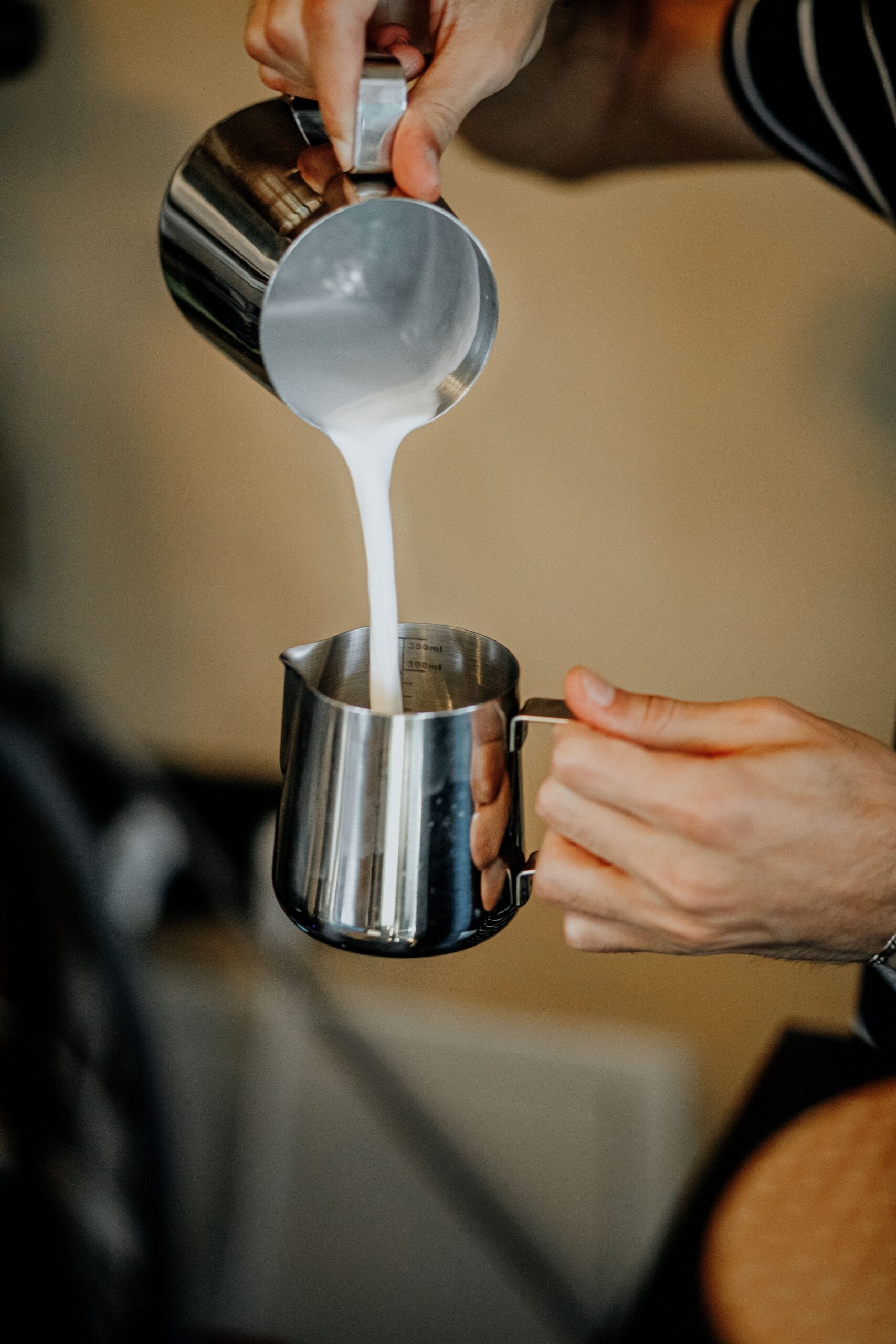
Good milk texture is not about piling on dry foam. In cafe drinks, baristas usually aim for microfoam, a fine, glossy texture with tiny bubbles that blends into the milk. That texture creates sweetness and body, while stiff foam sits on top and separates from the espresso.
Milk also tastes best within a fairly narrow temperature window. Many baristas steam to around 140 F to 150 F for cow's milk because it becomes sweeter and silkier there without tasting cooked. Overheating can flatten sweetness and create a scorched note.
At home, the common mistake is injecting too much air for too long. Start aeration early, then focus on rolling the milk so bubbles break down into a smooth texture. For non dairy options, barista blends usually perform better because they are formulated to steam and pour more consistently.
Ignoring bloom in pour over coffee
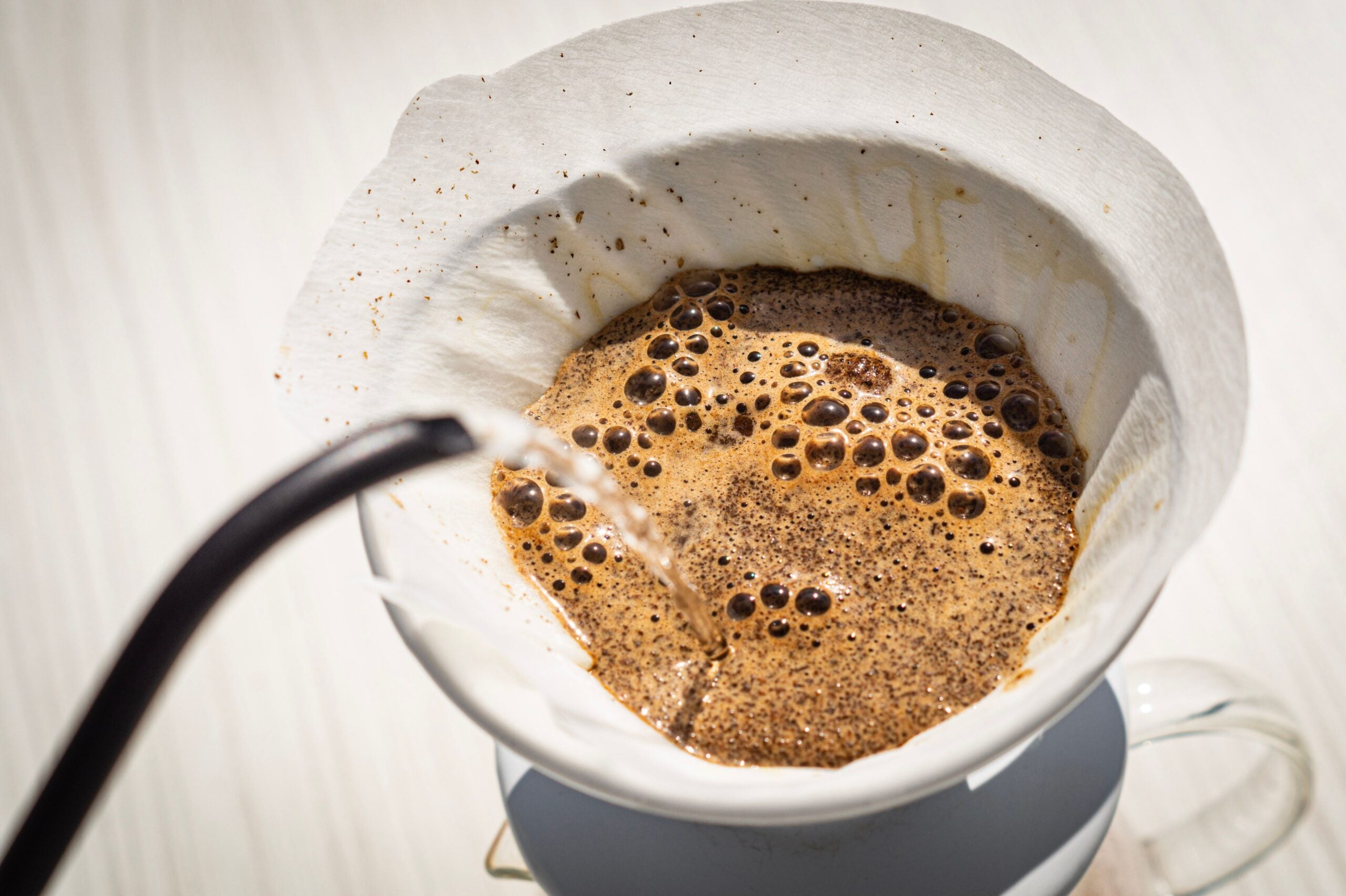
Fresh coffee releases carbon dioxide when hot water first hits the grounds. That is why many baristas bloom pour over coffee by wetting it with a small amount of water and waiting briefly before continuing. The bloom helps gas escape so later pours can extract more evenly.
Skipping this step can lead to dry pockets and uneven saturation, especially with fresh light roasts. Water may channel around trapped gas instead of moving through the bed evenly. The result can taste oddly mixed, with bright sour notes alongside a hollow finish.
A typical bloom lasts about 30 to 45 seconds, though timing varies by coffee and brewer. The visual cue matters more than strict ritual. Once the bed puffs, bubbles rise, and the slurry settles a bit, the coffee is usually ready for the next pour.
Storing beans in the fridge
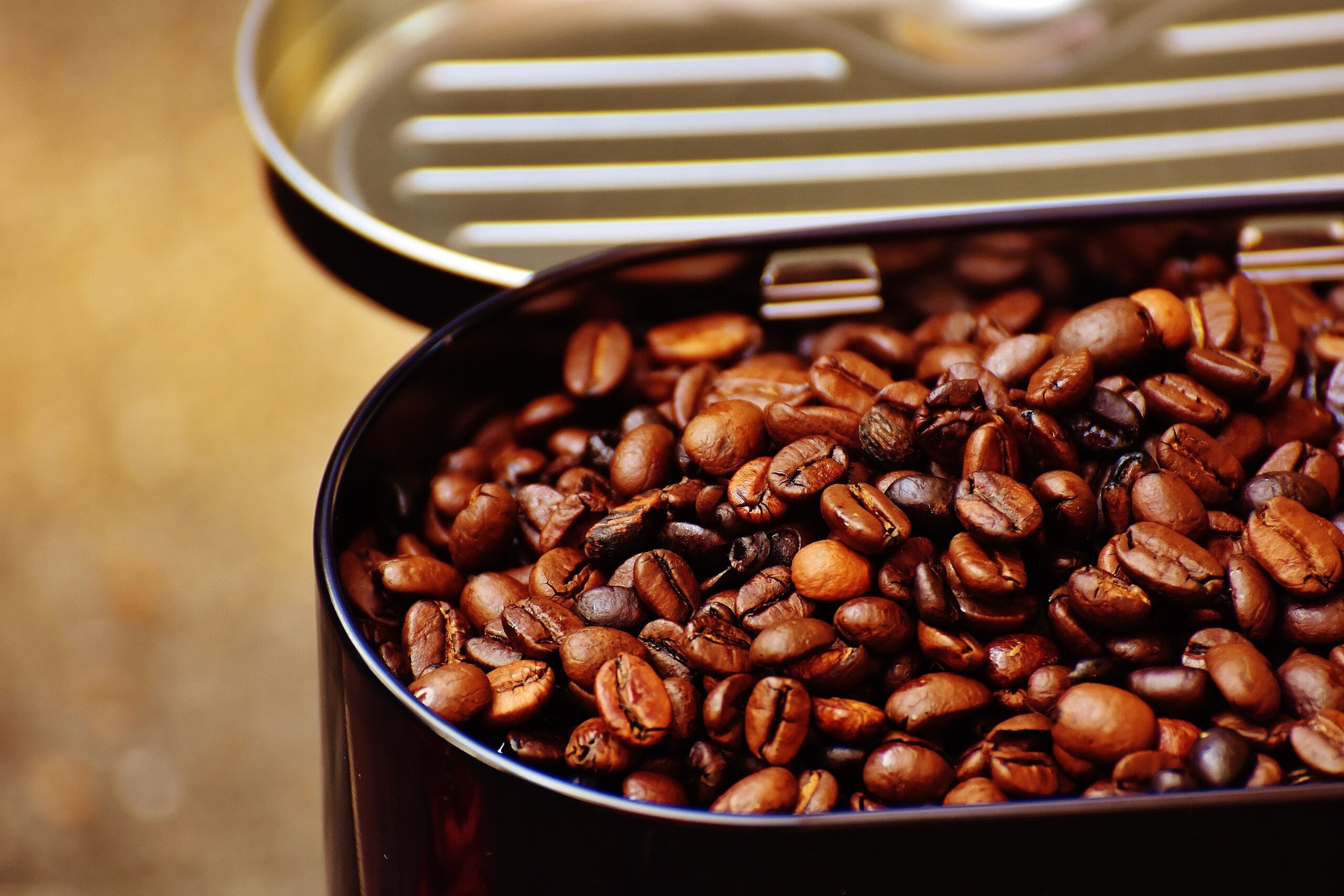
The idea sounds sensible because refrigerators preserve food, but coffee behaves differently. According to the National Coffee Association, coffee should be stored in an airtight container at room temperature, away from light, heat, and moisture. Refrigerators introduce humidity and odors that beans can absorb.
Coffee is porous, and that matters. A bag stored near onions, leftovers, or fragrant foods can pick up unwanted aromas. Frequent opening and closing also exposes the beans to condensation, which speeds staling and can affect grinding and brewing consistency.
Baristas usually recommend a cool cupboard over the fridge. If you buy in bulk, freeze extra coffee in tightly sealed portions and thaw only what you need. Day to day beans are better kept dry, dark, and undisturbed than chilled in a busy kitchen refrigerator.
Treating every coffee the same
One of the biggest home brewing mistakes is assuming a single recipe works for every bean. Coffee variety, processing method, roast level, and age all affect how it extracts. A dense light roast from Ethiopia may need different grind and water than a darker, lower grown coffee from Brazil.
Professional baristas dial in each coffee rather than chasing one fixed formula. They taste, adjust, and repeat. A fruity washed coffee may shine at a slightly cooler temperature or coarser grind, while a chocolatey espresso blend may need a finer grind to build body and sweetness.
That mindset is the real hack. Instead of searching for one perfect rule, treat brewing as a set of small, controlled adjustments. Better coffee often comes from paying attention to freshness, grind, water, and cleanliness, then tuning the recipe to the beans in front of you.



Leave a Reply