
Canadians feel grocery inflation every week, not just in headlines. The real difference between one chain and another often comes down to store format, house brands, promotions, and what kind of shopper you are.
No Frills
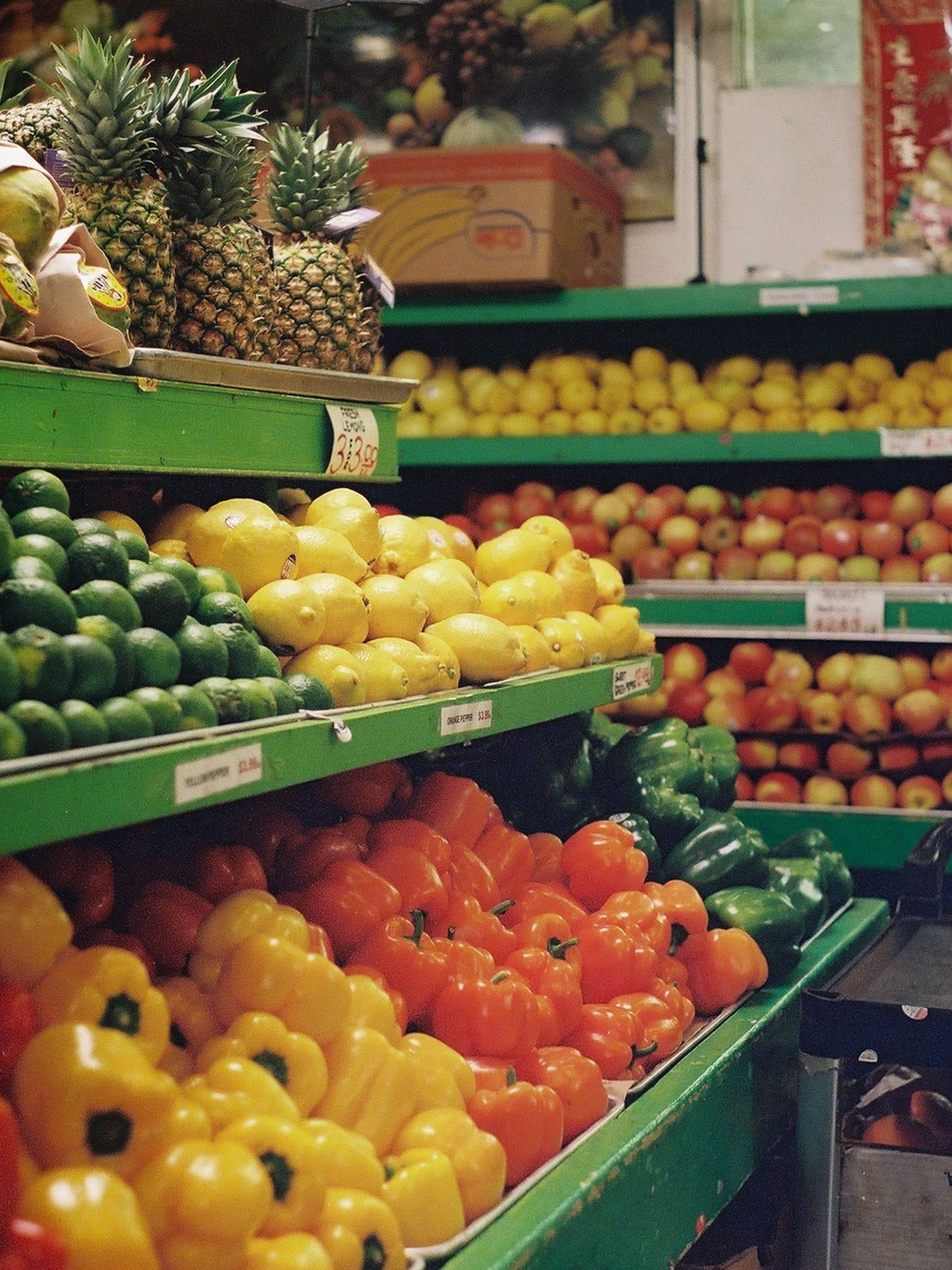
If price is the main goal, No Frills usually sets the floor for mainstream grocery shopping in Canada. The chain was built around a stripped-down model: basic store design, fewer service counters, aggressive flyer deals, and heavy reliance on high-volume staples.
Its biggest strength is the way it pairs discount positioning with the President's Choice and No Name product lines. That matters because shoppers can buy pantry basics, frozen foods, dairy, and snacks at prices that often undercut conventional supermarkets without dropping to unknown quality.
In many markets, No Frills is where families comparison-shop first on items like bread, eggs, canned goods, pasta, and produce specials. Price matching in many locations adds another advantage, especially for shoppers who plan around weekly flyers and stock up strategically.
The tradeoff is consistency. Some stores are excellent, while others offer a more limited produce selection or a less polished shopping experience. Even so, on total basket cost, No Frills repeatedly lands near the bottom of the price ladder, which is exactly why it takes the cheapest spot here.
FreshCo

FreshCo competes directly in the discount space, and in many neighborhoods it is effectively tied with No Frills on core grocery spending. Owned by Sobeys, the chain focuses on culturally diverse assortments, strong produce turnover, and regular promotions aimed at household staples.
One reason FreshCo performs well on price is that it blends discount pricing with a broader fresh offering than some shoppers expect. You can often find competitive deals on halal meats, international ingredients, and fresh vegetables, which makes it particularly attractive in dense urban communities.
Its Scene+ promotions and flyer specials can narrow prices even further for organized shoppers. On a week when staples are heavily promoted, FreshCo can be the cheapest option in a given city, especially if your basket includes produce-heavy meals and store-advertised proteins.
Still, chain-wide perception places it just a touch above the very cheapest operators because some packaged goods and branded items can come in slightly higher than equivalent deals at the most aggressive competitors. Even so, FreshCo remains one of the strongest value plays in Canadian grocery retail.
Walmart Supercentre

Walmart is not a traditional Canadian grocery chain, but it has become one of the country's most important food retailers. For many households, especially suburban ones, its grocery section acts as a price benchmark because Walmart uses scale, logistics power, and cross-category traffic to keep food prices sharp.
Where Walmart stands out is on national brands. Cereal, yogurt, cleaning products, frozen meals, baby items, and household basics are often priced very competitively, making it useful for shoppers buying both groceries and general merchandise in one trip.
Its Great Value private label also gives budget shoppers another low-cost option, and many stores carry enough fresh food to support a full weekly shop. In some areas, Walmart may beat discount grocers on selected items, especially packaged foods or pantry goods sold in larger formats.
It ranks slightly above the pure discount leaders because fresh departments can be less consistent, and some shoppers find meat and produce quality less dependable from store to store. Still, on overall basket value, Walmart remains one of the most affordable places to shop in Canada.
Giant Tiger

Giant Tiger is often overlooked in national grocery conversations, but value-focused shoppers know it can be surprisingly competitive. The chain mixes discount general merchandise with a practical grocery offering, and in communities where it has a strong food section, it can deliver excellent savings.
Its appeal is strongest on basics such as milk, bread, eggs, butter, canned goods, frozen vegetables, and snack items. Weekly specials are often aggressive, and because the stores are smaller and easier to navigate, shoppers can make a focused low-cost trip without the sprawl of a supercentre.
Giant Tiger also benefits from local familiarity. In smaller cities and towns, it can serve as a dependable alternative to larger chains, especially for households that watch flyer pricing carefully and do not need an enormous selection of premium products.
It does not rank higher because grocery depth varies significantly by location. Some stores feel like strong neighborhood food outlets, while others are more limited. When the assortment fits your list, though, Giant Tiger can absolutely compete with the better-known discount names on everyday value.
Food Basics

Food Basics has long been one of Ontario's most important discount banners, and its reputation is built on straightforward low pricing. Operated by Metro, it targets budget-conscious shoppers with a no-frills environment, sharp weekly promotions, and a reliable base of low-cost staples.
The chain is particularly competitive on produce, dairy, pantry goods, and promotional meat pricing. Shoppers who build meals around what is on sale can often keep total basket costs very low, which is one reason Food Basics remains popular with students, seniors, and larger families.
Selection is not as broad as at a full-service supermarket, but that is part of the formula. The store format is designed to move high-volume essentials at lower cost rather than encourage premium browsing, and that discipline helps keep everyday prices in check.
Food Basics lands in the middle of the discount pack because it is consistently cheap, though not always the absolute lowest on every category compared with No Frills, FreshCo, or Walmart. Even so, it remains a trusted low-price workhorse in the markets it serves.
Real Canadian Superstore

Real Canadian Superstore occupies an interesting middle ground. It is not as bare-bones as a discount banner, yet it often delivers pricing close enough to discount levels that many families use it as their primary weekly shop.
Its major advantage is one-stop value. Shoppers can buy groceries, pharmacy items, household supplies, clothing basics, and seasonal goods in a single trip. On top of that, the PC Optimum ecosystem can provide meaningful savings for repeat customers who understand how to use points offers effectively.
Pricing on private-label goods is often strong, especially across No Name and President's Choice. In practice, a household willing to mix house brands with flyer specials can keep spending under control while also gaining access to a broader assortment than at smaller discount chains.
It ranks slightly more expensive than the discount leaders because regular shelf prices on some branded products can climb quickly if they are not on promotion. Still, for shoppers balancing convenience, selection, and value, Real Canadian Superstore is one of the smartest middle-market options in Canada.
Costco

Costco changes the grocery equation because its value is based on unit price, not sticker shock. A pack may look expensive upfront, but when broken down by weight or item count, many pantry goods, dairy products, meat purchases, and household essentials come out cheaper than at standard supermarkets.
That makes Costco especially powerful for large families, multi-generational households, and anyone with storage space. Rotisserie chicken, eggs, cheese, olive oil, frozen fruit, and bulk rice are classic examples of products that often deliver strong savings relative to conventional grocery chains.
The limitation is obvious: you have to buy in volume, pay an annual membership fee, and avoid impulse spending on oversized extras. For small households, food waste can erase the price advantage, particularly in perishables like produce or bakery items bought in large quantities.
Costco ranks here because it can be either a bargain machine or an expensive outing depending on shopping habits. On pure per-unit economics, it often beats much of the market. On final bill size, however, many shoppers walk out having spent far more than planned.
Metro
Metro represents the conventional supermarket model more clearly than the discount banners below it. The stores are typically cleaner, more service-oriented, and broader in assortment, which appeals to shoppers who value convenience, branded choice, and a more traditional grocery experience.
Its fresh departments are usually a key selling point. Produce presentation, deli counters, bakery sections, and prepared foods tend to be stronger than what shoppers find in many discount stores. That service layer adds value, but it also tends to come with higher everyday pricing.
Metro can still be shopped strategically. Weekly specials, loyalty offers, and private-label lines can bring select items down to competitive levels. But shoppers filling a full cart with regular-priced national brands, fresh meats, and convenience foods will generally spend more here than at discount competitors.
That places Metro firmly in the more expensive half of the ranking. It is not positioned as a luxury grocer, yet its business model supports a higher average basket. For people who prioritize ease, freshness, and a calmer in-store experience, that premium may feel justified.
Sobeys

Sobeys often sits near the top of the mainstream pricing ladder because it leans heavily into quality perception, service, and presentation. In many provinces, the stores emphasize polished produce displays, full-service departments, ready-to-cook meals, and a stronger premium feel than discount-oriented rivals.
That positioning influences the bill. Regular shelf prices on center-store items, snacks, condiments, and branded packaged foods can run noticeably higher than at Walmart, No Frills, or Food Basics. Shoppers who enter without a flyer plan can see total costs rise quickly.
Where Sobeys earns loyalty is in the shopping experience and fresh assortment. Meat counters, bakery quality, deli selection, and meal-solution convenience are often stronger than what shoppers find in budget chains. For busy professionals or smaller households, that can offset some of the price gap.
Even with promotions and Scene+ offers, Sobeys usually remains more expensive than most mass-market competitors. It is a strong grocer, but not a cheap one. If your top priority is minimizing a weekly food bill, there are usually better places to start.
Whole Foods Market

Whole Foods Market remains the most expensive chain in this ranking because its brand is built around premium sourcing, specialty products, organic assortments, and a curated shopping experience. It is not trying to win on the lowest basket total, and that is obvious as soon as you enter the store.
Prices tend to run highest on produce, prepared meals, specialty snacks, natural foods, and meat. Shoppers looking for grass-fed beef, hard-to-find dietary items, imported ingredients, or extensive organic options will find them here, but usually at a clear premium over mainstream grocers.
The chain does offer strong quality signals. Store standards, ingredient positioning, and specialty selection appeal to health-conscious and affluent shoppers who are willing to pay more for perceived sourcing and product differentiation. Prepared foods are also a major draw in urban markets.
For routine weekly shopping on a budget, however, Whole Foods is rarely the practical choice. A few carefully chosen items may be worthwhile, but a full basket almost always costs more than at any other chain listed here. In Canada, it remains the clearest example of premium grocery pricing.



Leave a Reply