
Building a higher-protein grocery cart does not have to mean specialty products or a bigger bill. These everyday staples show up in budget-friendly meal plans because they deliver substantial protein, work in multiple recipes, and are widely available at mainstream supermarkets.
Eggs
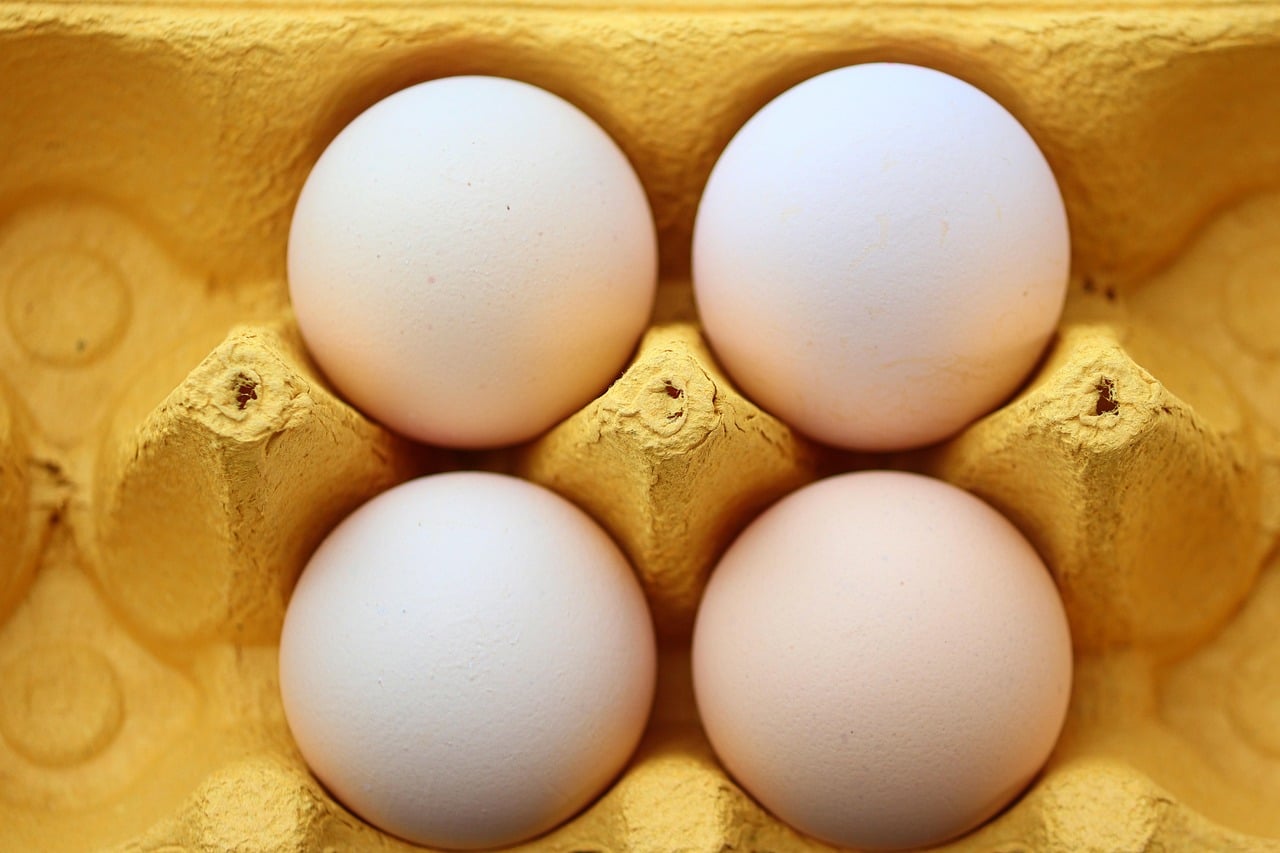
Few groceries match eggs for flexibility, and that is part of why they remain a weekly staple for budget-minded shoppers. One large egg provides about 6 grams of protein, according to the USDA, along with nutrients like choline and vitamin B12 that support normal body function.
They also scale easily to different meals. Scrambled eggs can anchor breakfast, hard-boiled eggs travel well for lunch, and baked eggs can stretch a dinner built around vegetables or toast. Because the protein is packaged in a relatively small portion, eggs are useful when you want a satisfying meal without buying a large cut of meat.
Cost helps explain their staying power. Even when prices fluctuate, eggs often remain one of the least expensive animal-protein options per serving at the grocery store. Buying a dozen gives you multiple meals, snacks, or recipe add-ins from a single carton.
Greek yogurt

Greek yogurt has earned a place in many carts because it offers a lot of protein in a format people already know how to use. Plain nonfat Greek yogurt contains about 10 grams of protein per 100 grams, according to the USDA, which helps explain why it is often chosen over regular yogurt.
Its biggest advantage is range. It can be breakfast with fruit and oats, a base for smoothies, a topping for chili or baked potatoes, or a substitute for sour cream in dips and sauces. That kind of versatility lowers food waste, which matters just as much as the shelf price when shoppers are trying to save.
Plain varieties are often the best value because they avoid added sugar and can swing sweet or savory. A larger tub usually costs less per ounce than individual cups, making it an easy staple for households that use it several times a week.
Cottage cheese

Cottage cheese is having a comeback because it is practical, filling, and protein-dense. A 1-cup serving of low-fat cottage cheese provides about 28 grams of protein, according to the USDA, which is a notably high amount for a food that usually costs far less than prepared protein snacks.
Texture used to be the main sticking point, but shoppers are finding more ways to use it. Some eat it with fruit, tomatoes, or cracked pepper, while others blend it into pasta sauces, pancake batter, or dips for extra creaminess and protein. That has made it more appealing beyond the old side-dish stereotype.
It is also easy to portion. A spoonful can turn toast into a more balanced breakfast, and a larger serving can stand in for part of a lunch or light dinner. For people trying to keep groceries affordable, that kind of flexibility matters.
Canned tuna

Canned tuna remains one of the most efficient protein purchases in the store. A 3-ounce serving of tuna canned in water provides about 20 grams of protein, according to the USDA, and it requires no cooking, trimming, or meal prep beyond opening the can.
Convenience is a major reason it keeps showing up in weekly carts. Tuna can become a sandwich, salad, rice bowl, or pasta dish in minutes, which makes it especially useful on nights when cooking from scratch is not realistic. Shelf stability adds another layer of value because it can sit in the pantry until needed.
For shoppers watching cost, canned tuna often compares favorably with many fresh proteins. Multi-can packs can lower the per-can price, and pairing tuna with beans, rice, or vegetables stretches it even further without sacrificing a high-protein meal.
Dry lentils

Dry lentils are one of the quiet bargains in the grocery aisle. A ½ cup serving of cooked lentils provides about 9 grams of protein, according to the USDA, and dry bags usually yield several servings for a modest upfront cost.
Their real strength is that they deliver more than protein alone. Lentils also provide fiber, which can make meals feel more filling, and they cook faster than many other dried legumes. That makes them realistic for weeknight soups, curries, grain bowls, and simple salads.
They are especially useful when a household wants to cut back on meat spending without giving up substance at the table. Mixed with rice, roasted vegetables, or ground meat, lentils can stretch a recipe and lower the total cost per serving.
Canned beans
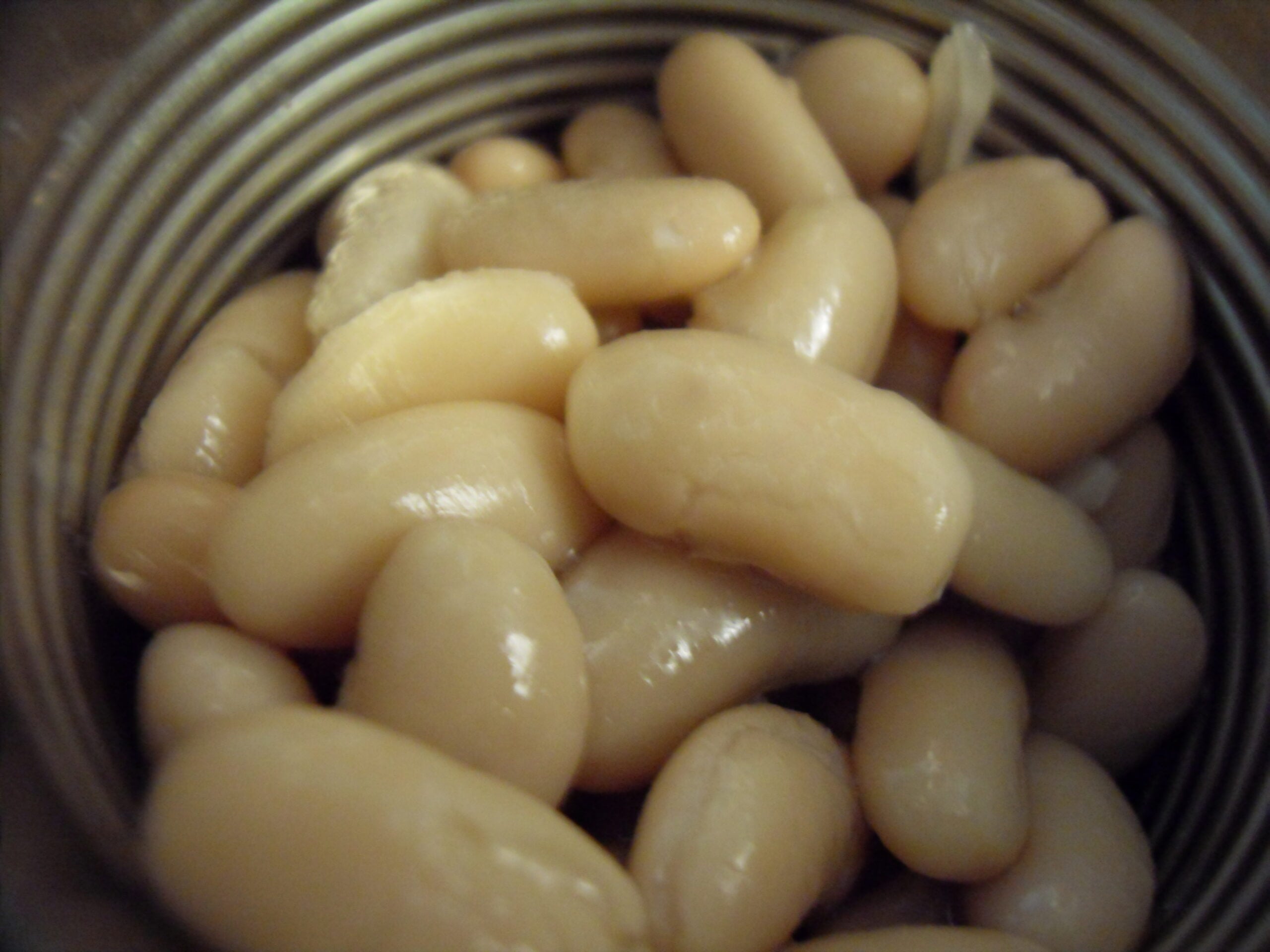
Canned beans are a shortcut ingredient with dependable protein value. A ½ cup of canned black beans contains about 8 grams of protein, according to the USDA, and similar numbers apply to many other common beans found in supermarket aisles.
The appeal is partly about speed. Because they are already cooked, beans can go straight into tacos, soups, chili, grain bowls, or salads after a quick rinse. That ease matters for busy households trying to cook at home more often instead of relying on takeout.
They also work well as a meat extender. Adding beans to ground turkey, beef, or chicken can increase volume and fiber while reducing the amount of pricier protein needed for the dish. For many families, that is a simple way to make weekly groceries go further.
Peanut butter

Peanut butter stays popular because it is familiar, shelf-stable, and filling. A 2-tablespoon serving provides about 7 grams of protein, according to the USDA, which makes it a useful supporting player in breakfasts, snacks, and quick lunches.
It is not the highest-protein item in the store, but it earns its place through convenience and staying power. Spread on toast, stirred into oatmeal, blended into smoothies, or paired with apples, it adds flavor and richness while nudging a meal toward better balance.
Price is another reason it lands in so many carts. Store brands are often affordable, and a single jar lasts through many servings. Natural peanut butter with just peanuts and salt is often easy to find, though shoppers should compare labels and prices carefully.
Tofu

Tofu has become a practical protein for shoppers who want a lower-cost alternative to meat. A 3-ounce serving of firm tofu provides about 9 grams of protein, according to the USDA, and one package can cover multiple meals depending on how it is used.
Its neutral flavor is part of the advantage. Tofu can absorb marinades and sauces, then work in stir-fries, grain bowls, curries, or sheet pan dinners. It can be cubed, crumbled, baked, pan-seared, or blended, which gives it a wider role than many people expect.
It also tends to be consistent in price compared with some fresh meats. For households experimenting with more plant-based meals, tofu offers a straightforward entry point that does not require specialty shopping or advanced cooking skills.
Rotisserie chicken
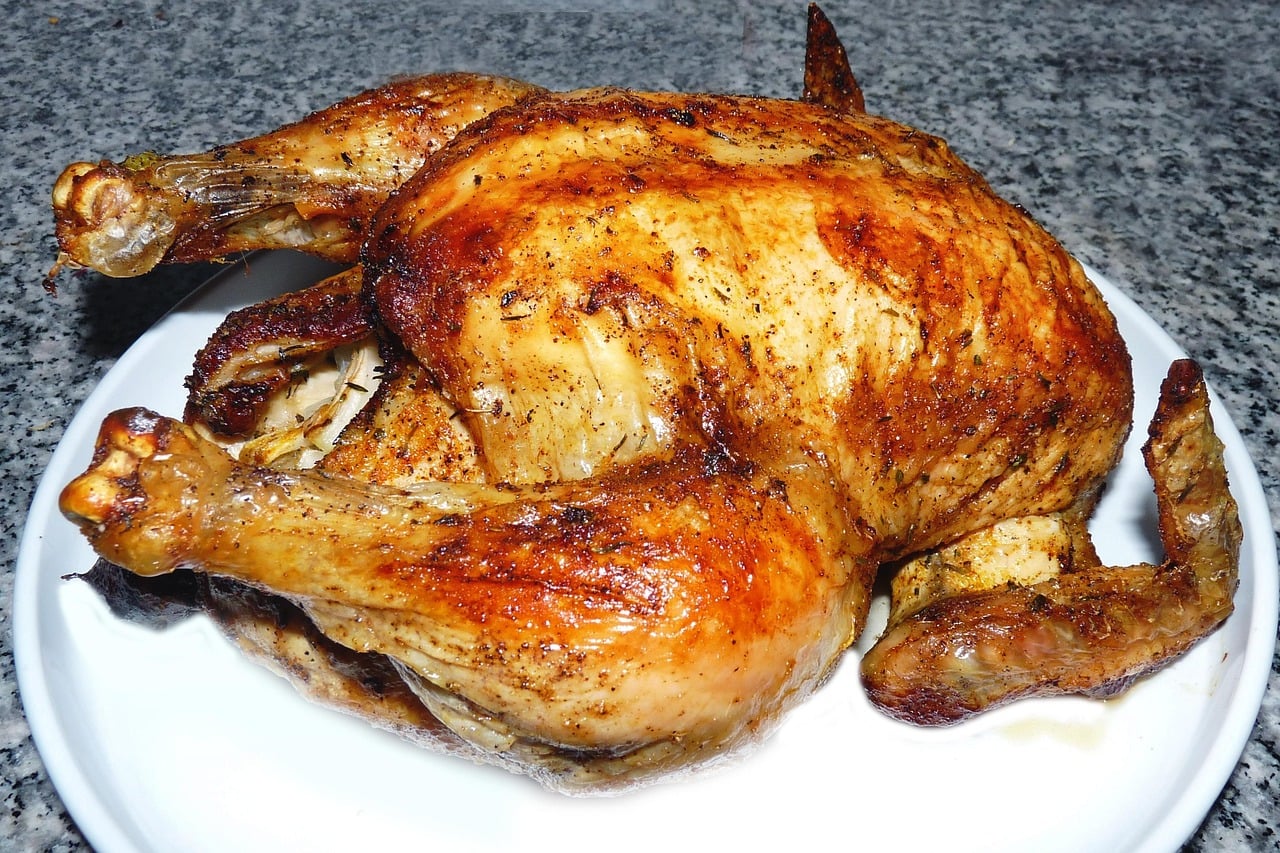
Rotisserie chicken is one of the few prepared foods that can still make financial sense. It saves time on cooking, provides ready-to-use protein for several meals, and can often compete on price with some raw cuts, especially when used strategically.
The value comes from how far it stretches. Sliced breast meat can top salads or sandwiches, shredded dark meat can go into tacos or soups, and the leftovers can anchor quick dinners for more than one day. Many shoppers also use every part, including bones for broth.
Nutrition varies by portion and seasoning, but chicken is a well-known high-protein staple. The main budget tip is to think beyond the first meal. A single bird can help cover lunches, dinners, and add-ons throughout the week, which improves the overall cost picture.
Canned salmon
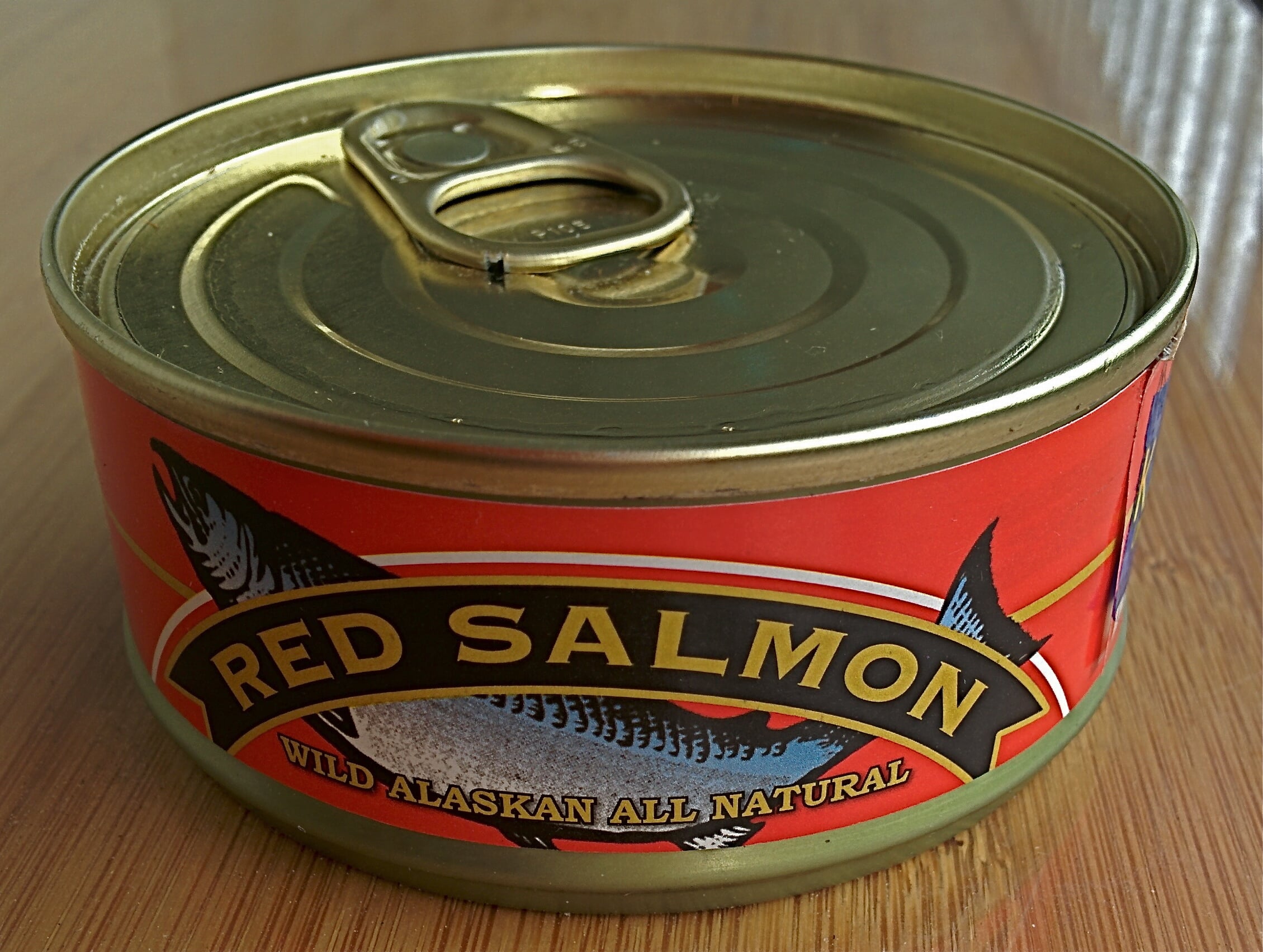
Canned salmon closes the list because it offers a useful mix of convenience, protein, and longer shelf life. A 3-ounce serving of canned pink salmon provides about 20 grams of protein, according to the USDA, putting it in the same high-protein conversation as other pantry-friendly seafood.
It also brings variety to routines dominated by chicken, eggs, or yogurt. Salmon can be turned into patties, mixed into salads, folded into pasta, or served on toast with lemon and herbs. That versatility helps justify keeping a can or two on hand.
While it can cost more than canned beans or peanut butter, it is often still less expensive than fresh seafood. For shoppers trying to raise protein intake without relying on the same foods every day, canned salmon is a practical finish to the cart.




Leave a Reply