
Pumpkin often gets reduced to pie, canned puree, or a bland side dish. In professional kitchens, chefs handle it differently, using dry heat, careful seasoning, and the right variety to bring out deeper flavor and better texture.
Roast it before you puree it
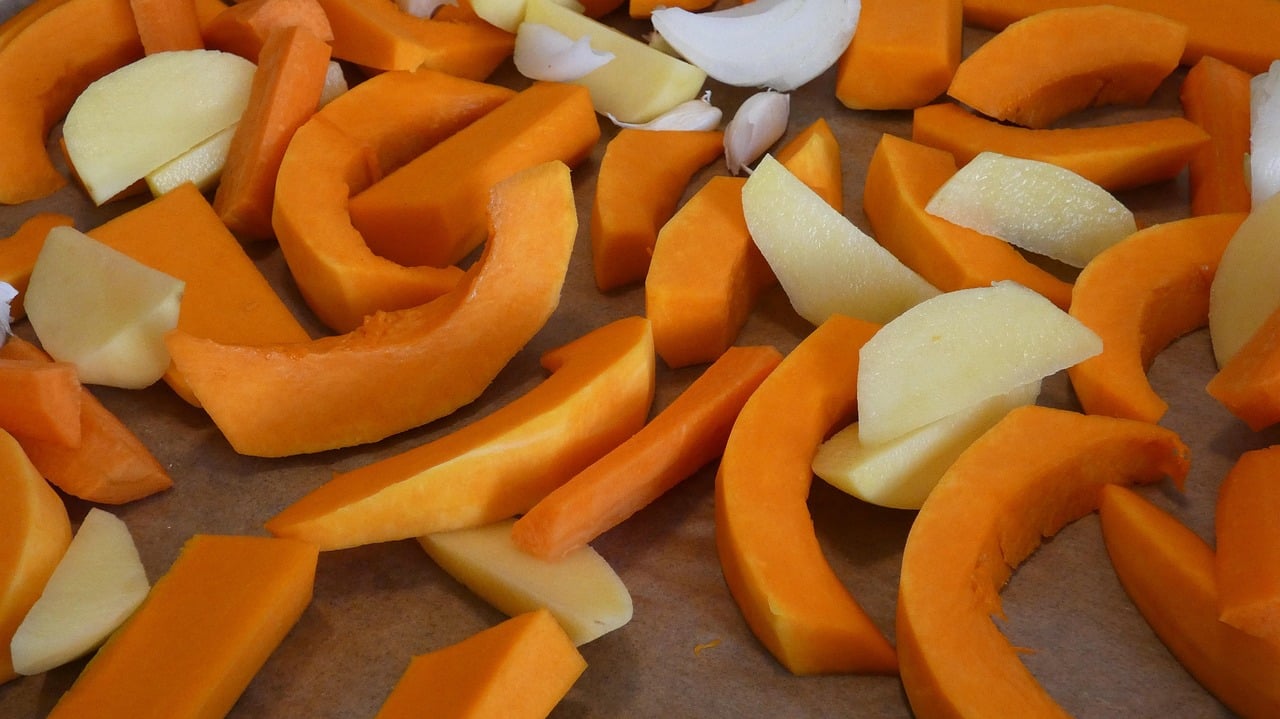
The biggest mistake home cooks make is boiling or steaming pumpkin first. That adds moisture, and pumpkin already contains plenty of water. Chefs usually roast it cut side down, which concentrates flavor and helps excess moisture cook off instead of soaking into the flesh.
Roasting also encourages browning at the edges, and that means a nuttier, sweeter taste. Once the flesh is tender, it scoops out easily and can be pureed into soup, folded into pasta dough, or turned into a mash that tastes richer without extra sugar.
This matters for texture too. A roasted pumpkin puree is thicker and more stable than a watery one, so it works better in pies, quick breads, and sauces where too much liquid can throw off the final result.
Start with the right pumpkin
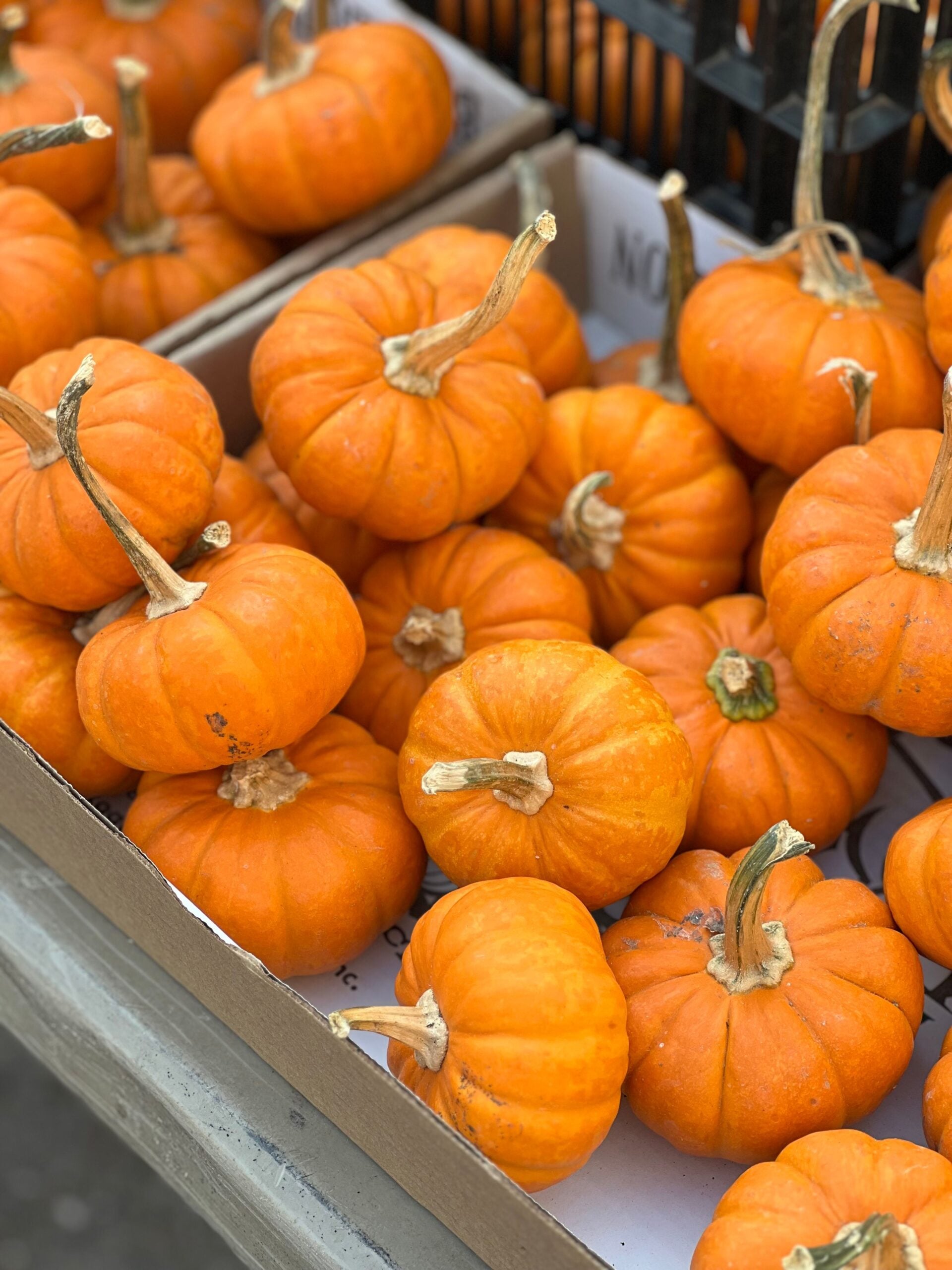
Not every pumpkin is meant for dinner. The large carving pumpkins sold for Halloween are edible, but they tend to be fibrous, watery, and mild. Chefs often prefer smaller sugar pumpkins or other winter squash varieties with denser flesh and more concentrated sweetness.
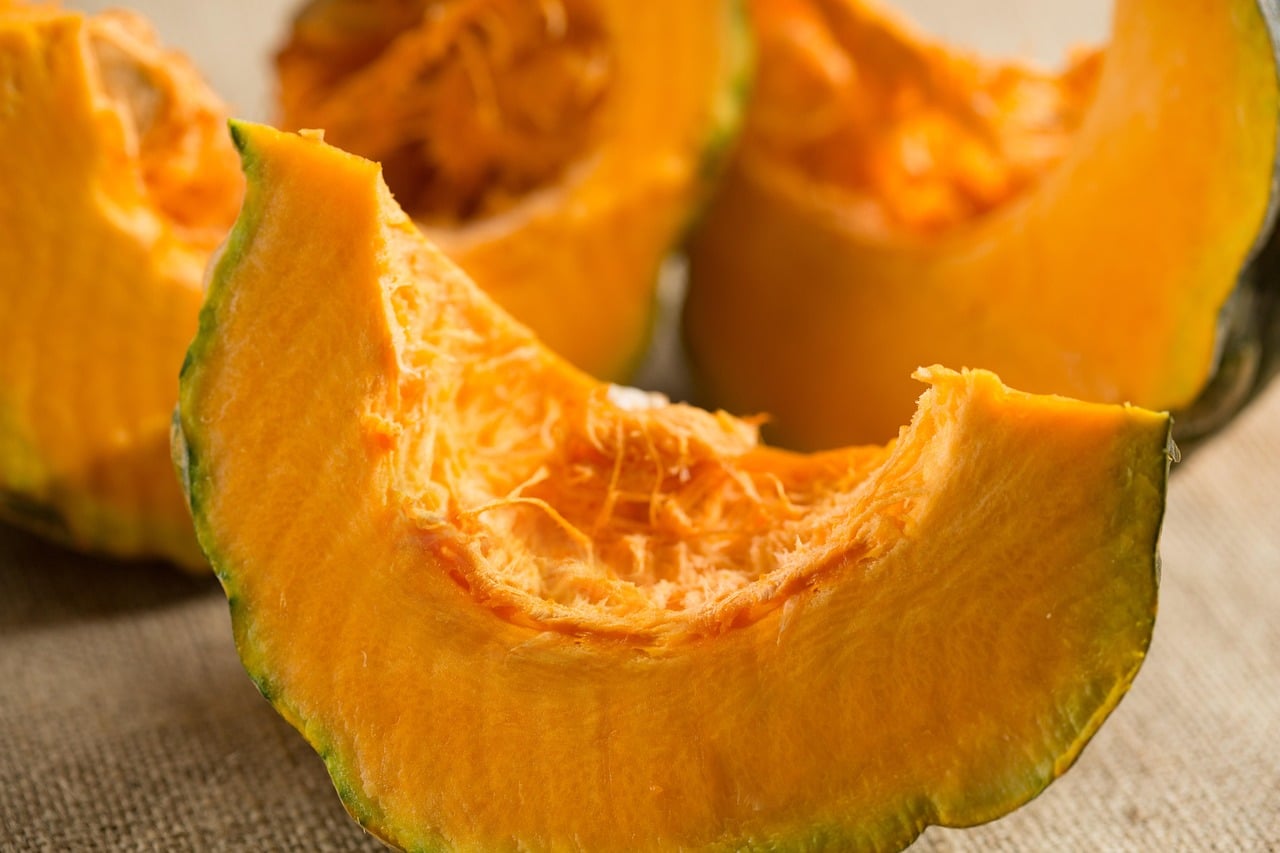
Many cooks also reach for kabocha, red kuri, or butternut when a recipe calls for pumpkin flavor. Those squash can roast more evenly and deliver a smoother puree. In a restaurant kitchen, the goal is not loyalty to one label, it is choosing the produce that gives the best result on the plate.
That is why a great pumpkin dish often begins in the produce aisle, not at the stove. The shape, weight, and firmness of the squash affect everything that comes after, from roasting time to the smoothness of the final puree.
Salt it earlier than you think
Pumpkin can taste flat if you season only at the end. Chefs often salt the flesh before roasting, because early seasoning helps draw out moisture and gives the interior a more balanced flavor. A final sprinkle at the table can sharpen things, but it cannot fix an underseasoned base.
The same logic applies to fat and spice. A light coating of oil helps the surface caramelize, while sturdy flavors like sage, chile, cumin, nutmeg, or brown butter give pumpkin some needed contrast. On its own, pumpkin is gentle. It usually benefits from ingredients that add depth or edge.
This is one reason restaurant pumpkin dishes taste more complete. The seasoning is layered from the start, not added as an afterthought once the pumpkin is already on the plate.
Keep the texture a little rough
Many home recipes push pumpkin all the way to baby-food smoothness. Chefs do not always do that. For rustic soups, ravioli fillings, grain bowls, and warm salads, a slightly coarse mash can feel more natural and more satisfying.
That bit of texture also reminds you that pumpkin is a vegetable first. When every dish becomes perfectly smooth, the result can taste one-note, even if the seasoning is right. Leaving some structure helps the pumpkin hold up next to toasted seeds, bitter greens, browned onions, or crumbled cheese.
In plated food, contrast matters. Soft pumpkin paired with crunchy, crisp, or chewy elements gives the dish shape and interest, which is one reason chef-made pumpkin plates often feel more balanced than homemade purees on their own.
Use acid to wake it up
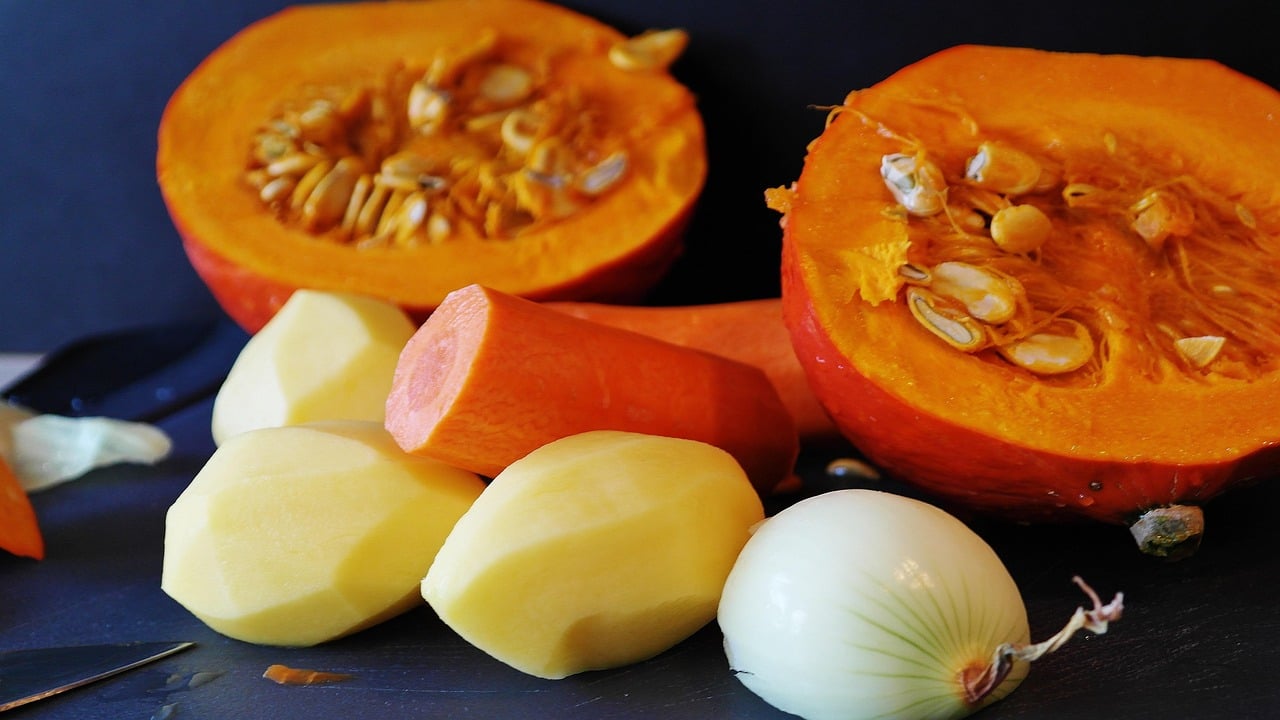
Pumpkin is sweet and earthy, but it can seem heavy if every element in the dish leans soft and rich. Chefs often add acid at the end to brighten the flavor. That can mean a squeeze of lemon, a spoonful of yogurt, a splash of vinegar, or pickled onions on top.
The effect is especially noticeable in soup. A bowl that tastes dull one minute can seem livelier with just a little acidity. The same idea works in roasted pumpkin salads and purees served under meat or fish, where brightness keeps the dish from feeling too dense.
This balancing step is easy to miss at home because acid sounds optional. In practice, it is often what makes pumpkin taste finished rather than simply cooked.
Save the seeds and skin when you can
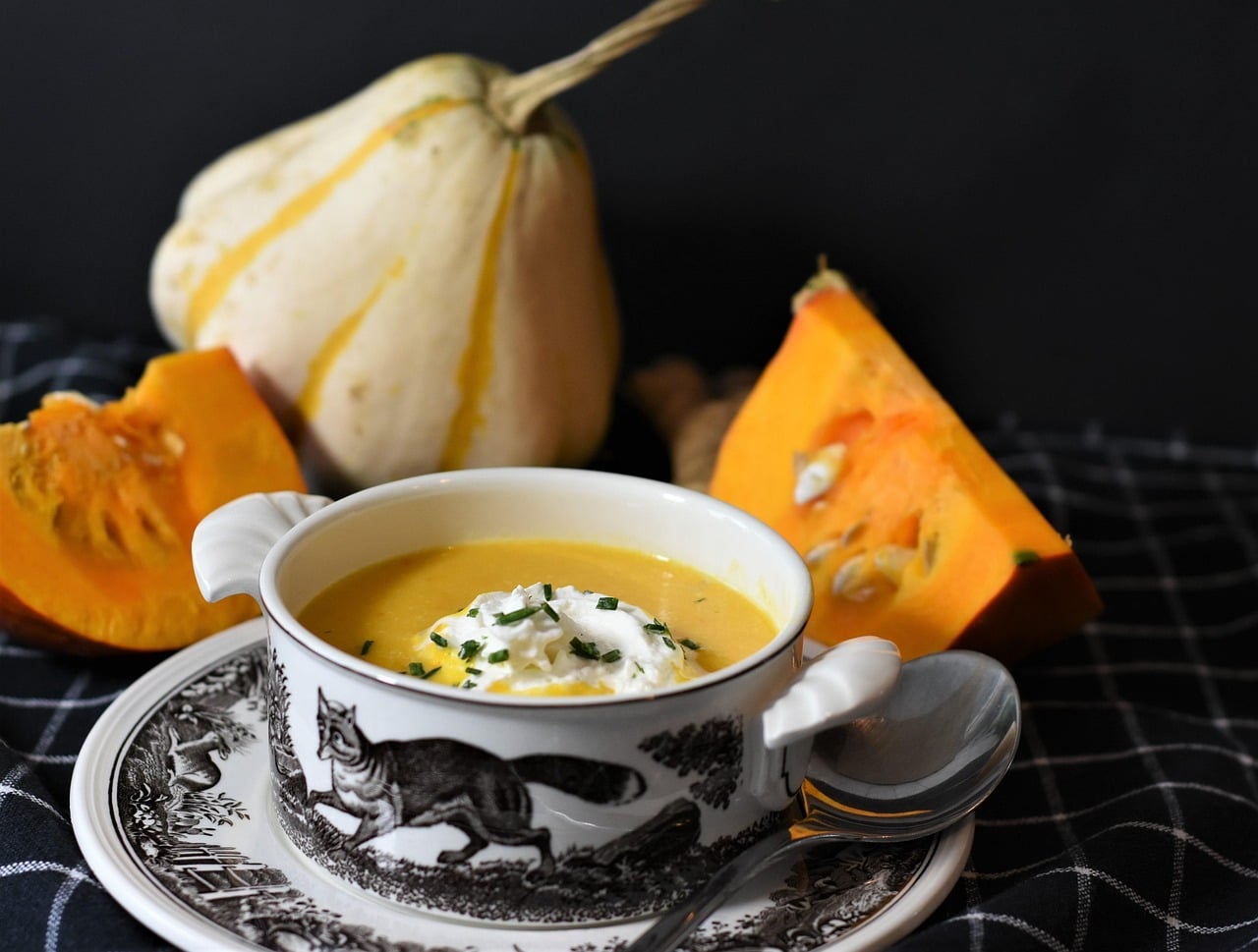
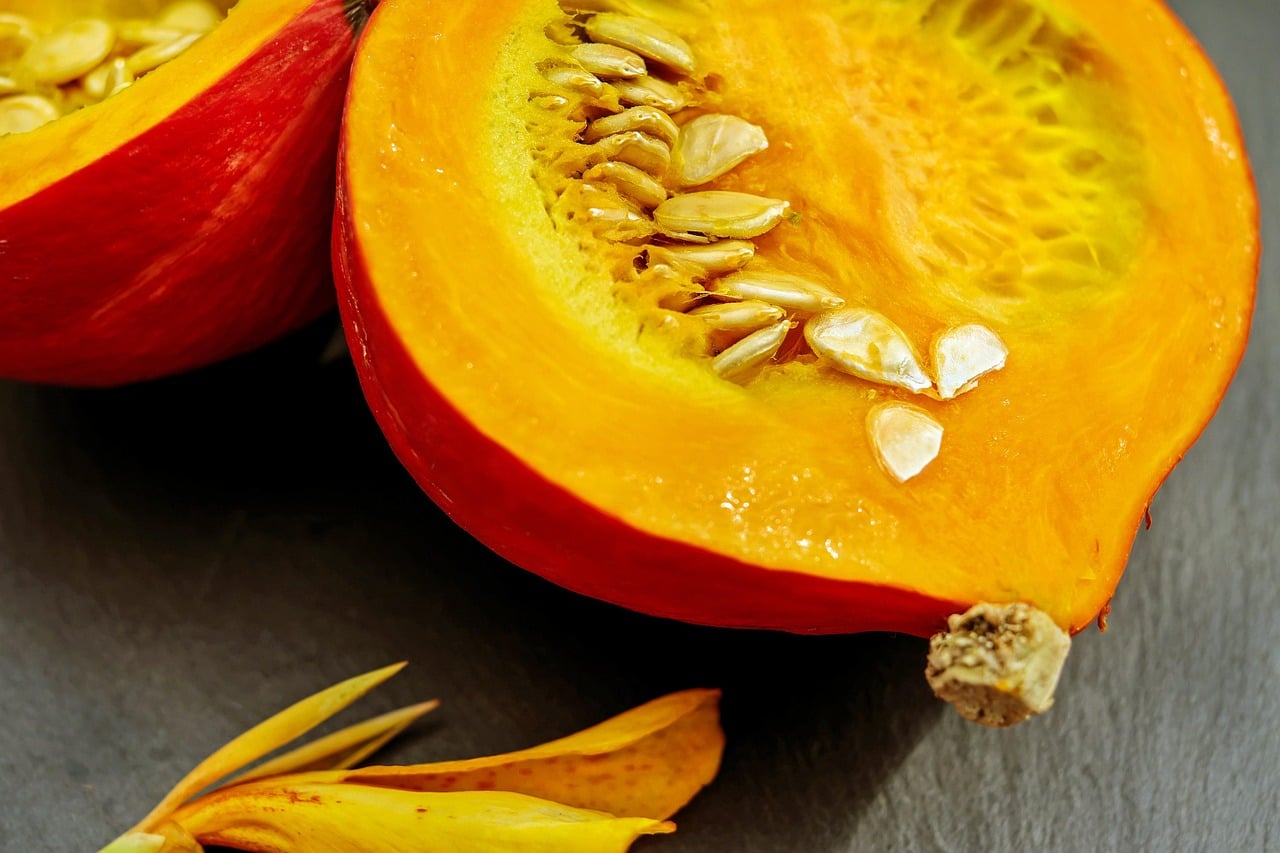
Chefs tend to waste less of the pumpkin, and that habit improves the dish. The seeds can be cleaned, salted, and roasted for a crunchy garnish that adds flavor and texture. They also make a useful contrast on creamy soups and soft mashed preparations.
Depending on the variety, the skin can help too. Some thinner-skinned squash become tender enough to eat after roasting, and even when the peel is removed, it can sometimes be used to build stock or deepen a vegetable broth. That kind of kitchen thinking turns one ingredient into several layers of flavor.
It is also a good reminder of how chefs approach pumpkin overall. They are not trying to make it taste louder, they are trying to make more of it taste useful, focused, and complete.

Leave a Reply