
Avocados seem simple, but the way most people eat them can quietly reduce their nutritional payoff.
From browning and bruising to oversized portions and poor pairings, small mistakes can chip away at the very benefits that make avocados worth buying.
Ripeness Changes More Than Just Taste

The first mistake happens before the first bite. Many people cut into avocados too early or wait until they are overly soft, assuming nutrition stays the same no matter what. In reality, ripeness affects texture, flavor, and how likely the fruit is to be wasted before it is eaten.
An underripe avocado is firmer, less creamy, and often bitter. That makes it harder to mash, spread, or blend evenly into meals. When people force it into recipes too soon, they often leave part of it uneaten, which means less fiber, potassium, folate, and monounsaturated fat actually make it onto the plate.
An overripe avocado creates a different problem. Brown streaks and mushy spots often signal oxidation and tissue breakdown, and while it is not always unsafe, the eating quality drops fast. The Hass Avocado Board and produce specialists routinely advise choosing fruit that yields slightly to gentle pressure, which is usually the best point for both flavor and usability.
Cutting and Scooping Can Damage the Good Parts

A lot of avocado waste comes from aggressive prep. Slicing too deep, scraping too hard, or peeling unevenly can leave valuable flesh behind, especially the darker green layer just under the skin. That area is especially rich in carotenoids and other plant compounds that contribute to avocado's health profile.
Researchers have long noted that carotenoids such as lutein are concentrated closer to the peel in many varieties. If you scoop carelessly with a spoon and leave that layer attached, you lose some of the fruit's most interesting nutrients. A simple peel-and-slice method, similar to handling a banana once the avocado is halved, can preserve more of that layer.
Knife safety matters too. Emergency physicians regularly warn about "avocado hand," an injury caused by holding the fruit while striking the pit with a knife. The safer approach is to place the avocado on a board, twist it open carefully, and remove the pit with a spoon or a controlled tap only if you are experienced.
Storage Mistakes Speed Up Nutrient Loss
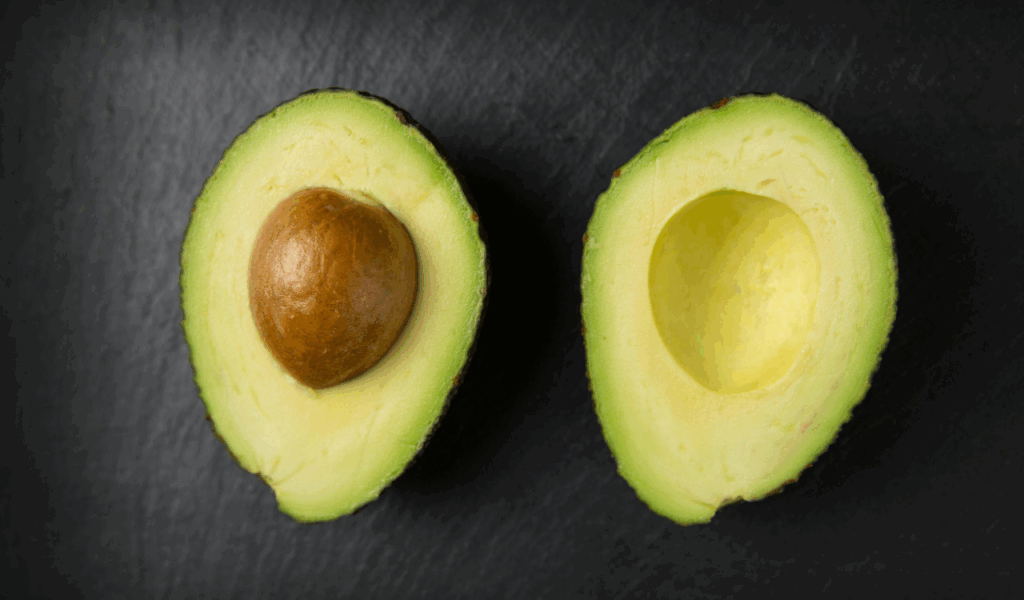
The second big issue begins once the avocado is opened. Exposure to air triggers oxidation, which turns the surface brown and gradually affects taste and texture. Browning does not mean every nutrient disappears instantly, but it does signal quality loss that gets worse the longer the fruit sits.
Many people rely on tricks that only partly work, like leaving the pit in half an avocado and hoping it stays green. In truth, the pit only protects the area it physically covers. The exposed flesh still oxidizes, which is why wrapping tightly or storing in an airtight container works better than old kitchen myths.
Acid helps. A light coating of lemon or lime juice can slow browning because it lowers surface pH and reduces oxidation. Refrigeration also matters, since cold temperatures slow softening and spoilage. If you prep avocado ahead of time, keeping oxygen out is the main goal, not simply keeping the pit in place.
Pairing Avocado the Right Way Improves Absorption
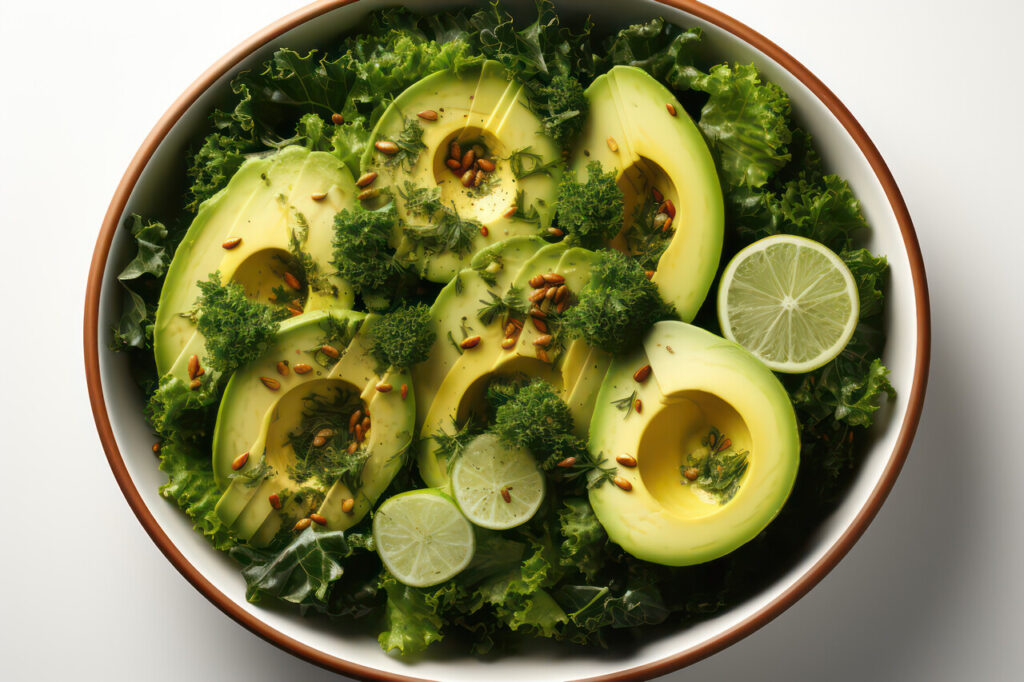
Here is where avocado becomes more than a trendy topping. Its fat content actually helps the body absorb fat-soluble compounds from other foods, including vitamins A, D, E, and K, plus carotenoids from vegetables. That means avocado can improve the nutritional value of the meal around it, not just its own profile.
One widely cited nutrition finding showed that adding avocado to salads increased absorption of carotenoids from ingredients such as carrots and leafy greens. Similar effects have been observed when healthy fats are paired with tomato-based foods rich in lycopene. In practical terms, avocado on a salad makes more sense nutritionally than avocado on refined white toast alone.
That does not mean toast is off-limits. It means balance matters. Pairing avocado with eggs, beans, salmon, tomatoes, dark greens, or whole grains creates a meal with better staying power, steadier energy, and broader nutrient coverage than using avocado as a decorative spread with little else around it.
Portion Size Can Quietly Cancel the Advantage

Avocados are nutrient-dense, but they are also calorie-dense. One whole medium avocado can contain roughly 240 calories, along with substantial fat, though most of it is the heart-healthy monounsaturated kind. The problem is not the fat itself. The problem is treating avocado as if more always means better.
Portion creep is common because avocado feels virtuous. People can easily add a whole fruit to toast, another half to a salad, and more to a dip in the same day without noticing how quickly calories add up. For someone watching weight, cholesterol, or total energy intake, that can blunt the health halo.
A useful serving for many adults is ⅓ to ½ of a medium avocado, depending on the rest of the meal. That amount still provides fiber, potassium, and satisfying fat without overwhelming the plate. Nutrition experts often emphasize consistency over excess, and avocado fits that rule perfectly.
The Best Benefits Come From a Smarter Routine
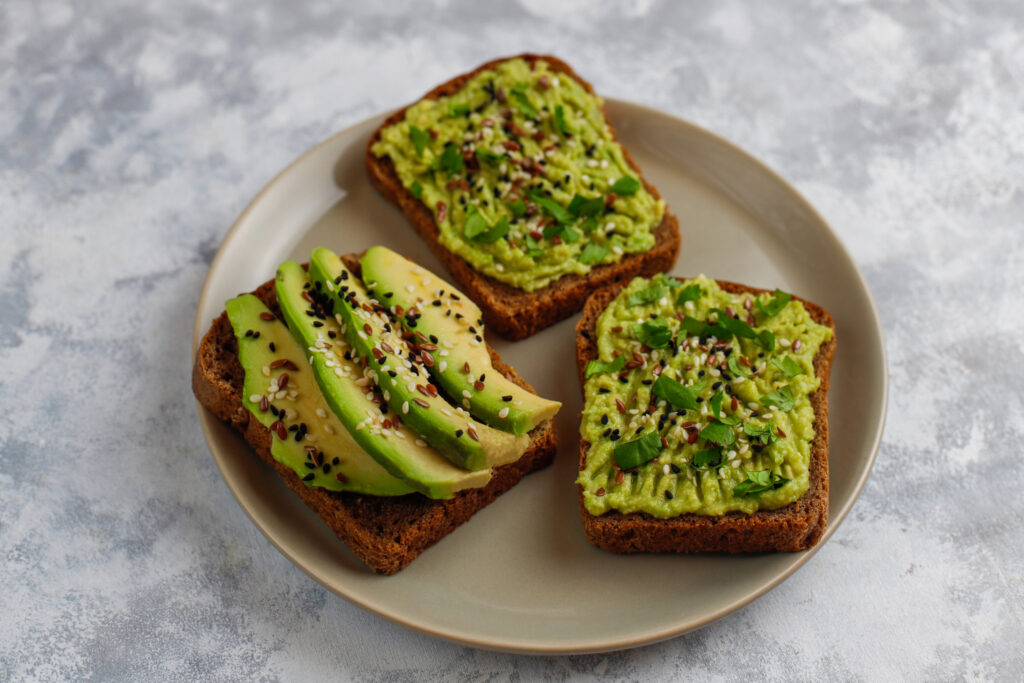
The smartest way to eat avocado is not complicated. Buy it at the right ripeness or let it ripen at room temperature, cut it carefully to preserve the dark green flesh, and store leftovers with minimal air exposure. Those small decisions protect both quality and value.
Then think beyond guacamole. Add avocado to bean bowls, grain salads, omelets, and vegetable-heavy lunches where its fats support nutrient absorption. Use it as part of a complete meal rather than the entire attraction, and keep portions realistic enough that it remains a benefit instead of becoming nutritional overkill.
Avocados are still one of the most useful whole foods in the produce aisle. But like many healthy foods, they work best when handled well. Eat them with a little more intention, and you are far more likely to get the creaminess, freshness, and nutritional return you paid for.




Leave a Reply