
Fresh cucumbers look harmless, but one bad one can spoil your meal and even contaminate nearby produce. The key is knowing which visual and texture changes signal a cucumber is no longer safe to eat.
Mold is the clearest warning sign
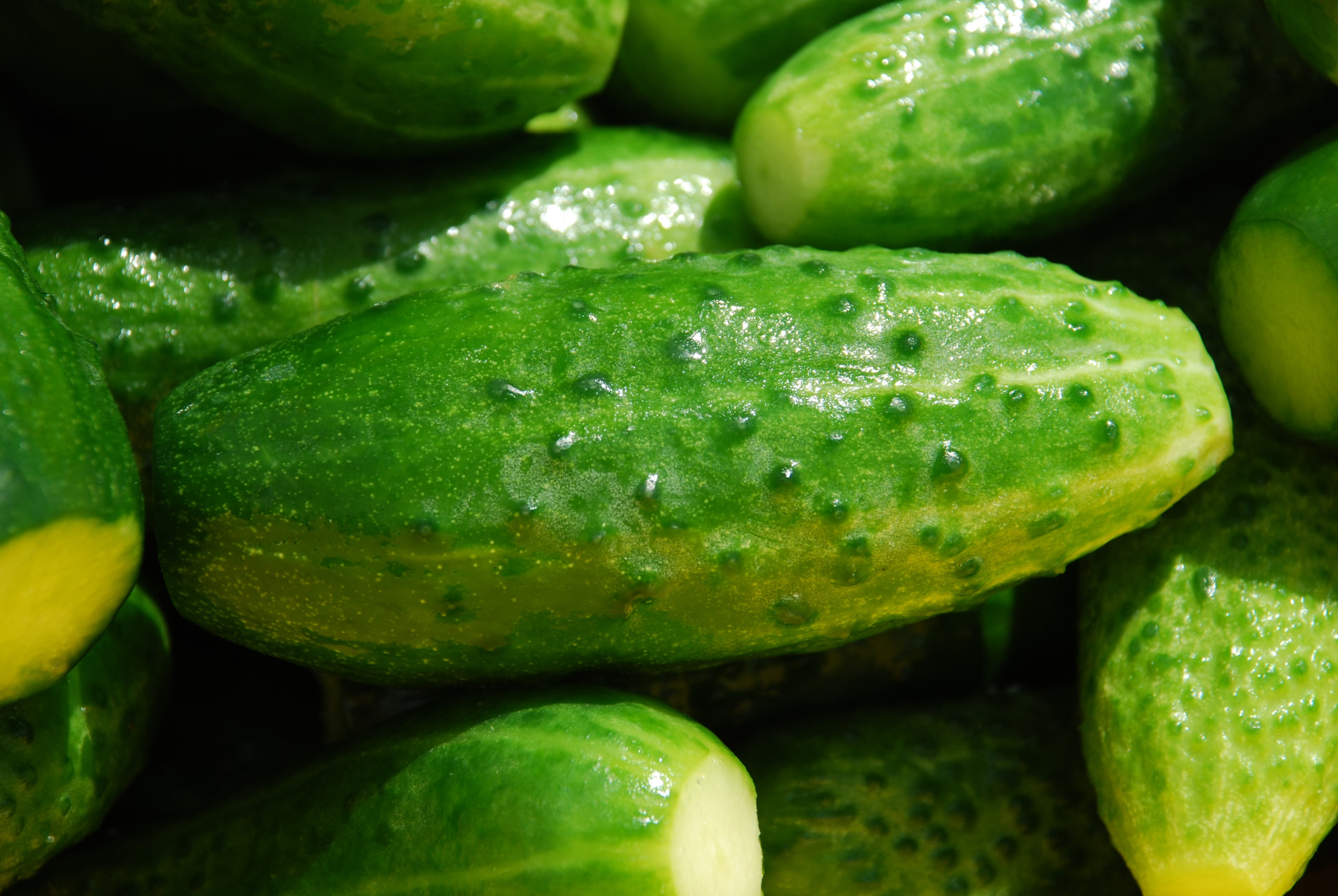
Nothing should raise concern faster than fuzzy white, green, or black spots on a cucumber. Visible mold means fungal growth has already taken hold, and by the time you can see it on the surface, microscopic spread may extend farther into the flesh than it appears.
Many people assume they can simply cut away the bad patch. That is not a safe approach with soft, high-moisture vegetables like cucumbers. Food safety guidance has long warned that mold roots can penetrate beneath the surface, especially in produce with tender flesh.
If the cucumber is packed beside others, inspect the entire bag or drawer carefully. Mold spreads easily in humid storage conditions, and one decaying cucumber can speed deterioration in the rest of your vegetables.
Sliminess means the breakdown has already started
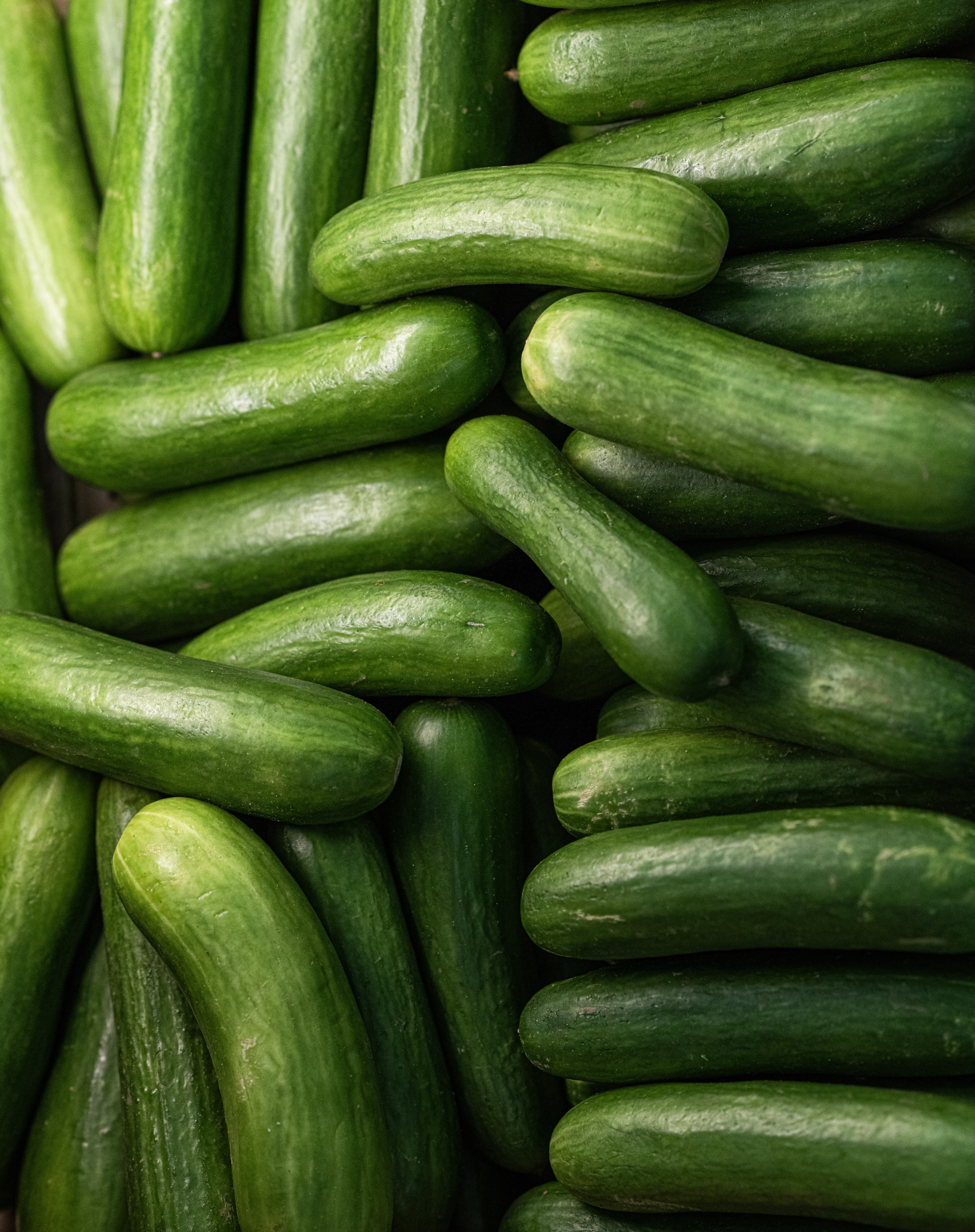
A cucumber should feel firm, dry, and smooth, even if the skin has natural bumps. If it feels sticky, slippery, or coated with a gelatinous film, that is a strong sign the tissue is breaking down and bacteria or yeast may be multiplying on the surface.
This texture change usually appears after the cucumber has spent too long in a warm kitchen, a sealed bag with trapped moisture, or the back of the refrigerator where condensation builds up. Once that slick layer develops, quality and safety both drop quickly.
Rinsing off slime does not restore freshness. The issue is not just surface residue. It signals active spoilage, and the cucumber should be discarded rather than peeled and salvaged.
Soft spots and collapse are major red flags
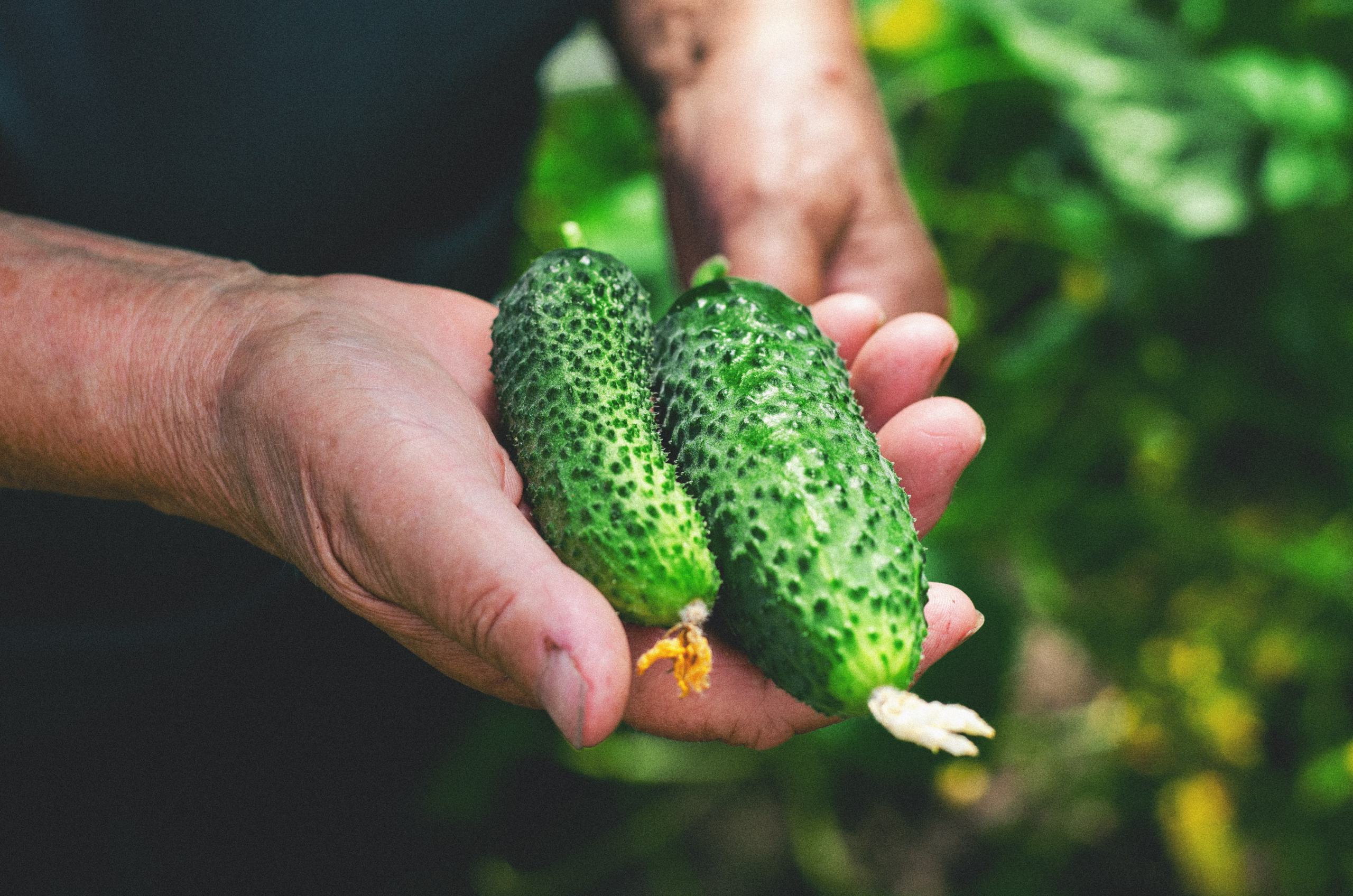
A fresh cucumber resists pressure. If you press the sides and find mushy areas, wrinkled pockets, or sections that cave in, the internal structure is failing. That often means moisture has migrated, cells have ruptured, and decay is underway.
Small bruises from transport are not always dangerous, but deep soft spots are different. Damaged areas become entry points for microbes, especially when the vegetable has been stored for several days after being nicked or compressed.
If the whole cucumber feels limp instead of crisp, it has moved beyond simple dehydration. A slightly flexible cucumber may still be usable for a day or two, but one that feels squishy or partially collapsed belongs in the trash.
A sour or rotten smell is a stop sign
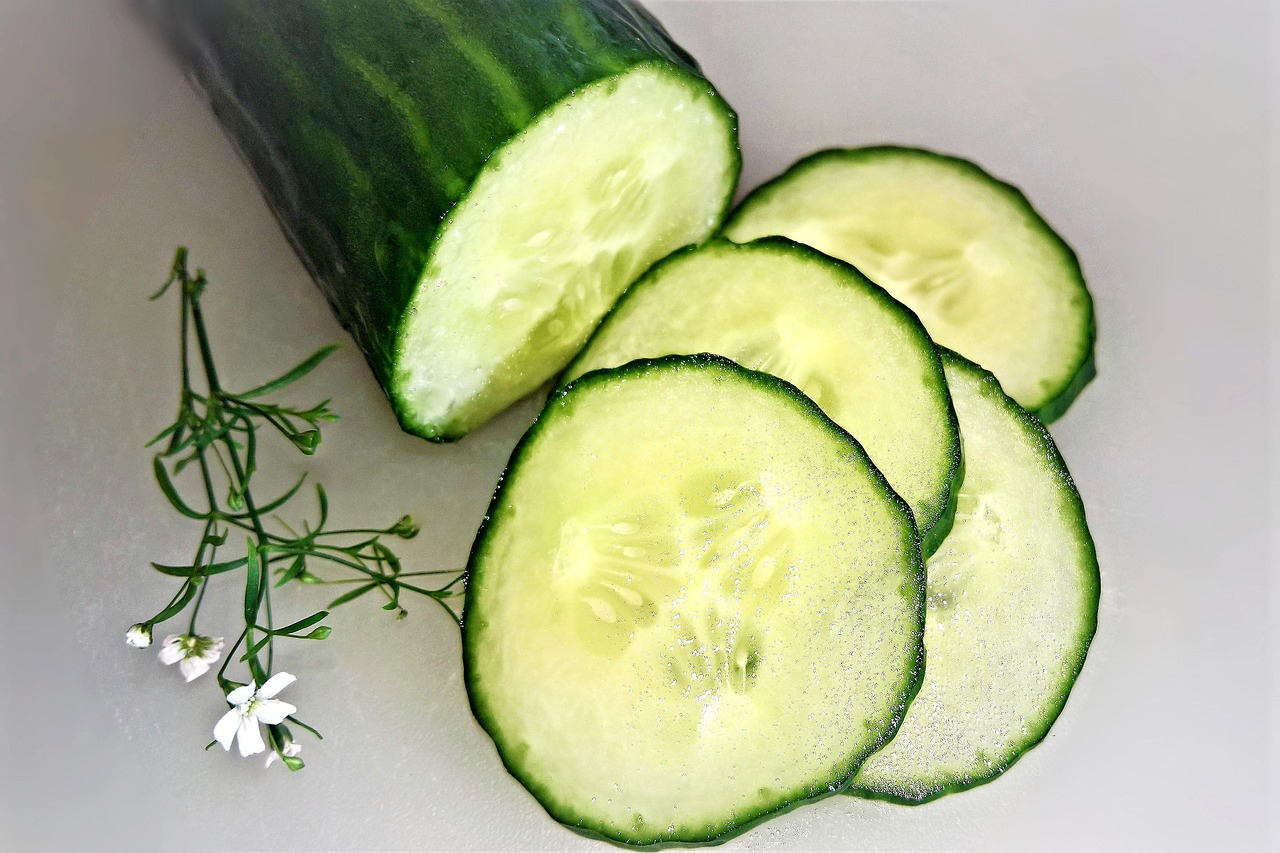
Cucumbers are known for having a very mild, clean scent. When you open the crisper drawer and get a sour, fermented, or unpleasant odor, something has gone wrong. That smell usually means spoilage organisms are actively consuming the vegetable's sugars and moisture.
This is especially important with cut cucumbers. Once sliced, they become much more vulnerable to microbial growth, and off-odors can appear before dramatic visual mold forms. If a container of cucumber slices smells sharp or strange, do not taste-test them.
Trusting smell is not being overly cautious. In produce safety, an unexpected foul odor is one of the most reliable signs that the food is no longer fit to eat.
Discoloration can signal deeper spoilage
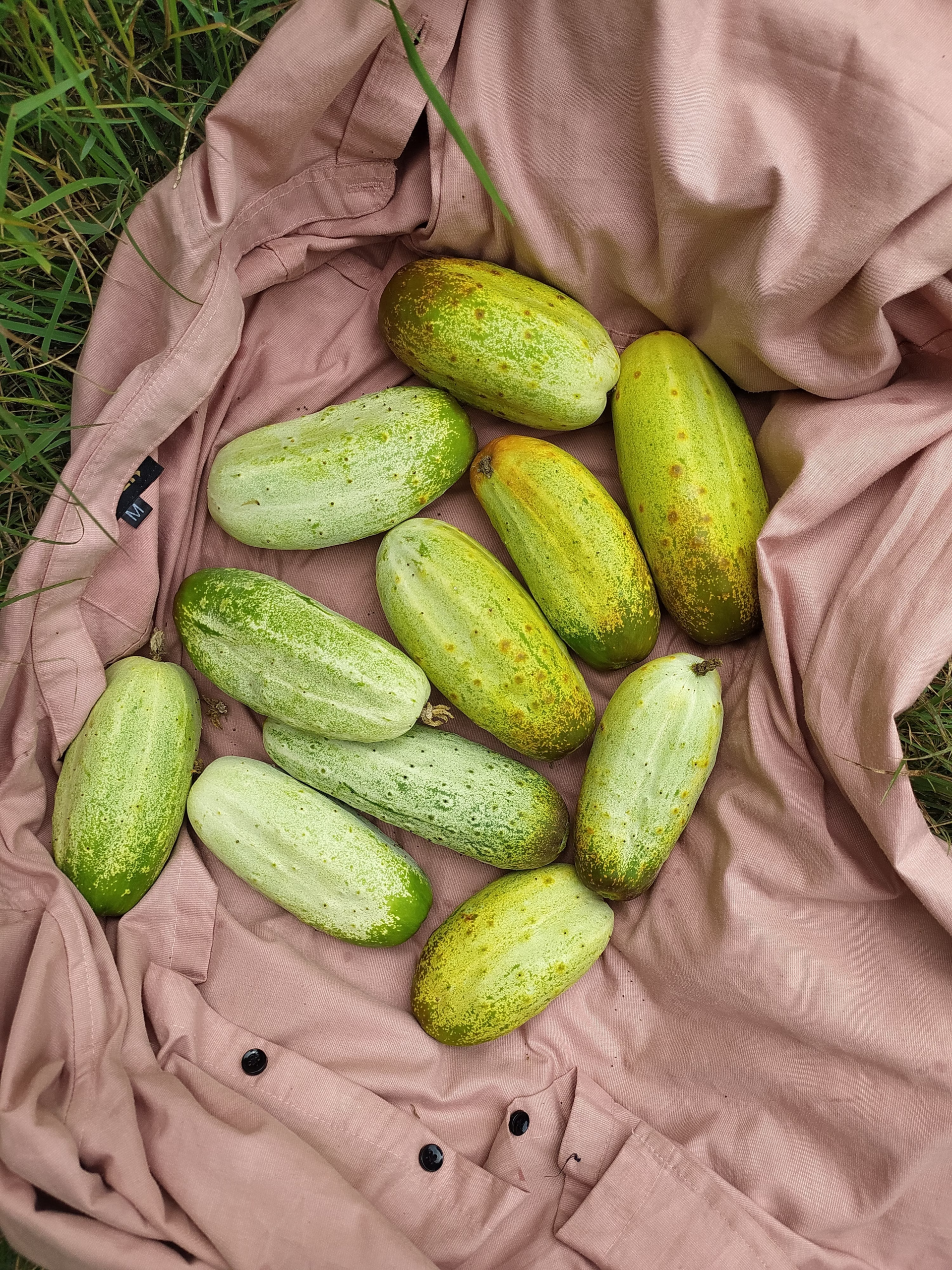
Color changes deserve a closer look, especially when they appear with other symptoms. Yellowing alone can happen as cucumbers age, and it often reflects overripeness rather than immediate danger. But dark sunken patches, cloudy flesh, or blackened ends point to more serious deterioration.
If you cut into a cucumber and the inside looks translucent, waterlogged, or unusually dull, the texture and flavor have likely already degraded. In some cases, internal breakdown happens before heavy exterior mold is visible.
Store-bought mini cucumbers and English cucumbers can be deceptive because their skins often stay smooth longer. That makes internal discoloration and softening even more important to monitor before using them in salads or snacks.
How to store cucumbers so this happens less often
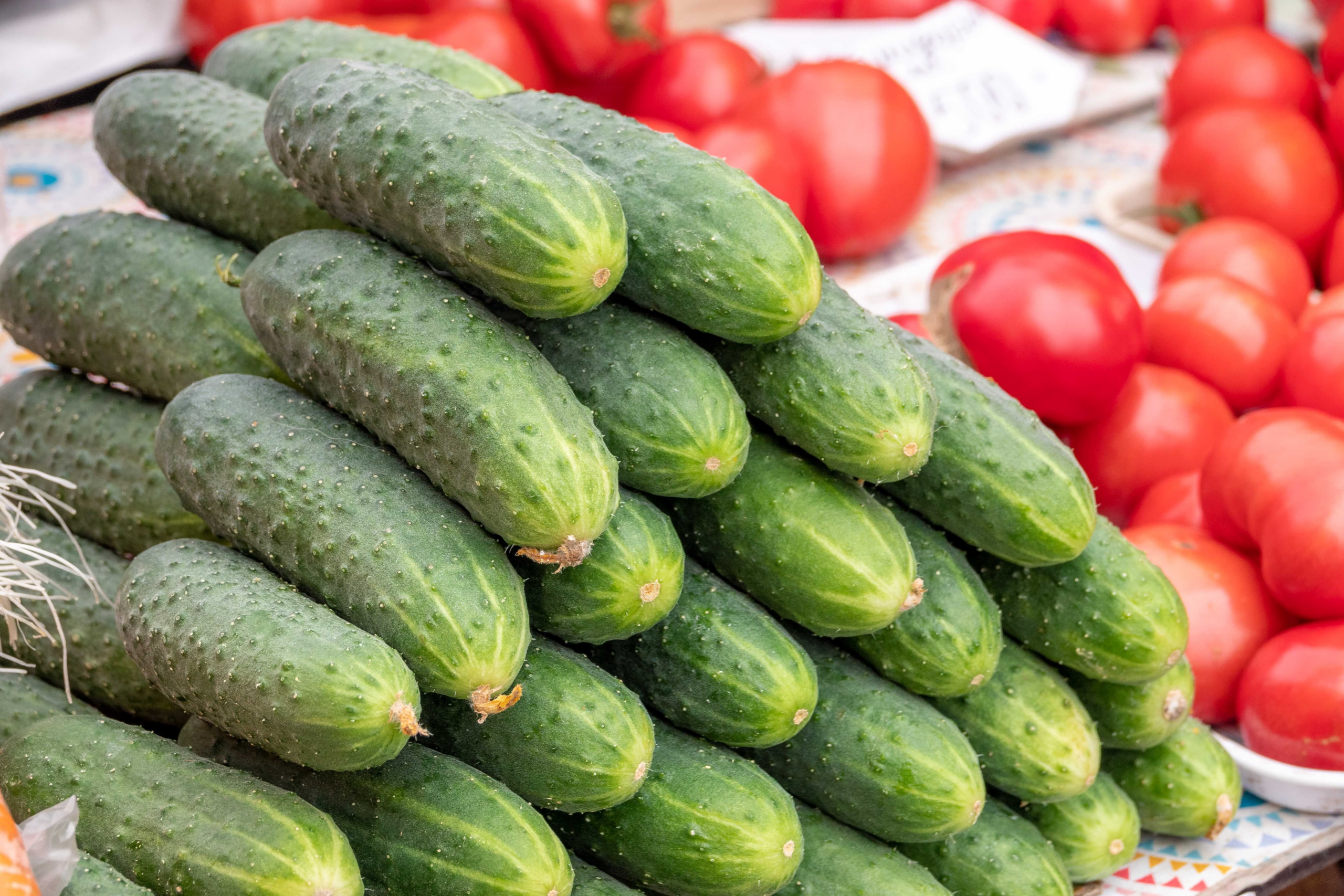
The best way to avoid spoilage is to control moisture and temperature. Cucumbers generally last longer when kept dry, cool, and away from ethylene-producing fruits such as bananas, apples, and tomatoes, which can accelerate yellowing and softening.
Many produce specialists recommend storing whole cucumbers in the refrigerator, ideally unwashed until use, with excess moisture blotted away. A loose paper towel can help absorb condensation, especially for Persian or mini cucumbers sold in plastic packaging.
Even with proper storage, cucumbers are not a buy-and-forget vegetable. Check them every couple of days, remove any that show mold or slime, and use cut pieces quickly. When a cucumber shows visible mold, sliminess, deep soft spots, or a rotten smell, tossing it is the safest decision.




Leave a Reply