
Big tournament trips are rarely cheap. In Atlanta, though, one part of the World Cup experience is breaking from the usual script.
Atlanta Is Defying the Standard Stadium Pricing Model

Most World Cup host venues in the United States have treated food and drinks like premium event purchases. Fans arriving after already paying for flights, hotels, and match tickets often find another expensive surprise waiting at concession stands.
Atlanta's stadium, home to the Falcons and Atlanta United, has taken the opposite approach. Its menu prices during the tournament are notably lower than those seen at other major host venues, and that is not an accident or a temporary promotion.
The difference comes from a long-established "fan-first" pricing strategy backed by Arthur Blank and AMB Sports and Entertainment. Instead of using a global event to maximize per-visitor spending, the venue is sticking to a philosophy designed to make supporters feel welcome rather than squeezed.
The Price Gap Is Large Enough for Fans to Notice Immediately

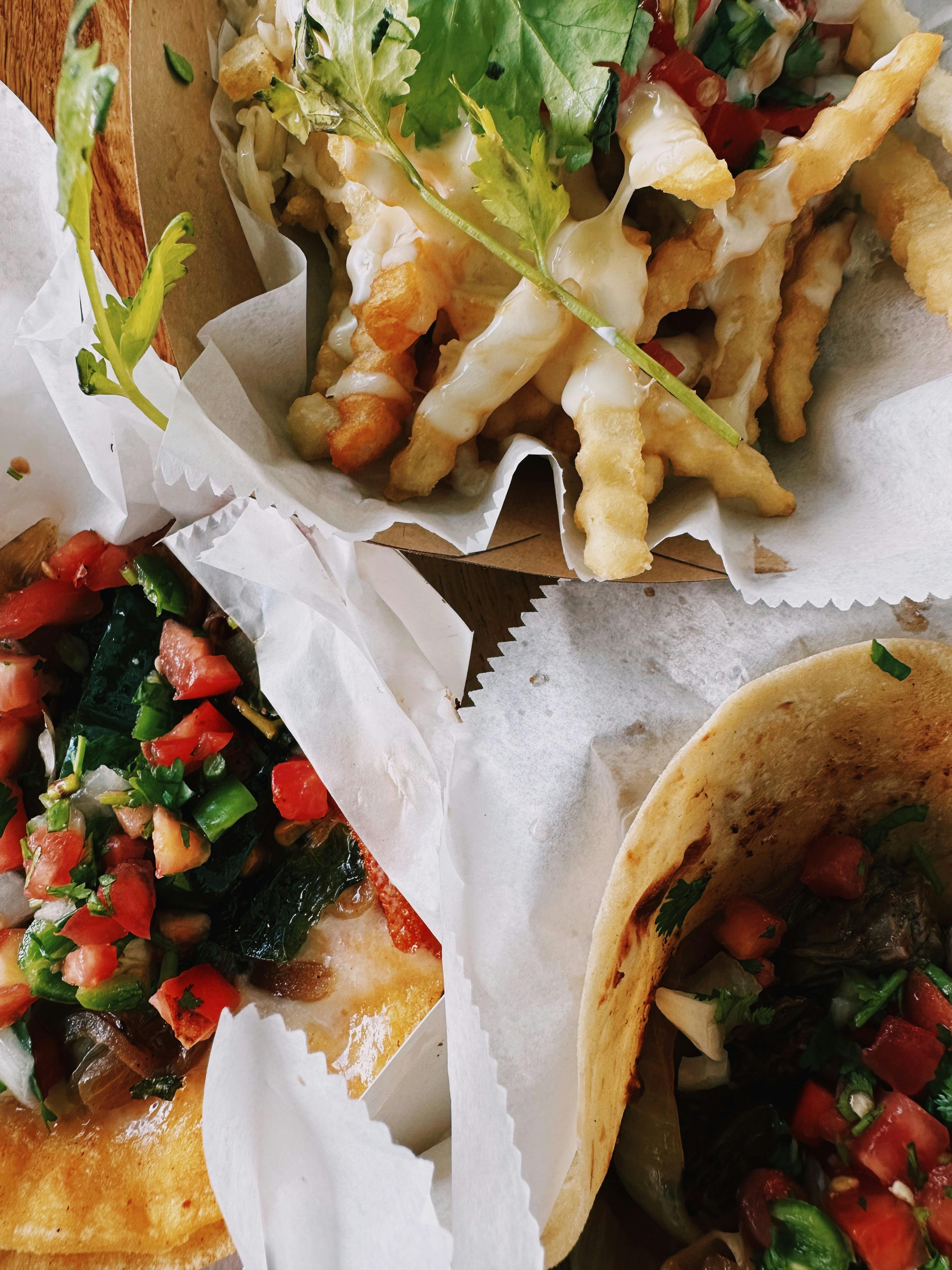
The numbers explain why Atlanta has attracted so much attention. A chicken tenders and fries combo is priced at $6 before tax, while a slice of pizza is $3, a cheeseburger $5, and a grilled chicken sandwich $6.
Those figures are striking when compared with other World Cup venues. At MetLife, a chicken tender combo with fries and a Coca-Cola was listed at $19 before New Jersey sales tax, while fries alone were $8 and a hot dog $8.50, according to widely shared photos from the venue.
Los Angeles has been even costlier in some categories. Reported prices at SoFi included beef-loaded nachos at $19.75 and a bean and cheese burrito at $16.50 before tax, reinforcing how unusual Atlanta's menu looks in the broader U.S. stadium market.
Drinks Show the Clearest Difference Between Atlanta and Other Cities

Beverages are often where fans feel stadium inflation most sharply. At several World Cup venues, water and beer prices have drawn almost as much attention as ticket costs because they are everyday purchases that quickly add up during a long matchday.
Atlanta is cheaper here too. A 20oz bottle of water is $3, and the lowest-priced 20oz draft beer is $9, which remains high by supermarket standards but comparatively restrained inside a major American sports venue.
Elsewhere, the contrast is stark. Water has been reported at $5 at MetLife, $5.25 at SoFi, and $8.25 at Dallas, while beers in New Jersey ranged from $16 to $19. In Monterrey, a Michelob Ultra was about $18, and in Toronto the cheapest beer was about $12 before tax.
Arthur Blank's Philosophy Is Driving the Entire Strategy
This pricing model begins with ownership, not with tournament logistics. Arthur Blank has consistently framed concessions as part of hospitality, arguing that the matchday experience should feel inclusive and respectful instead of transactional.
According to comments he gave to The Athletic, Blank sees low concession pricing as a core expression of how the stadium wants to treat people. In his view, fans should feel safe, appreciated, and at home, and he has made clear that avoiding price gouging is part of that commitment.
That mindset matters because it means Atlanta did not create bargain pricing simply for favorable headlines during the World Cup. Blank said the same stance applied when the stadium hosted the 2019 Super Bowl, showing this is a durable operating principle rather than a one-off concession.
The Policy Works Because It Is Built Into the Venue's Identity

Many stadiums occasionally offer pregame discounts or limited-time bundles. Atlanta's system is different because the lower-price approach is part of regular operations regardless of whether the event is an NFL game, an MLS match, or a global tournament.
That consistency gives the policy credibility. Fans are not being lured by a short promotional window or a narrow list of discounted items. Instead, the venue maintains a broad menu at prices that stay meaningfully below what supporters have come to expect in large U.S. arenas.
The result is a stronger sense of trust. When fans believe a stadium is not trying to extract every last dollar, they are more likely to buy food, spend time inside the venue, and leave with a better impression of both the event and the host city.
Why This Matters Beyond One World Cup Host City
Atlanta's concession story resonates because it highlights a bigger question about modern sports economics. If one of the busiest and most technologically advanced stadiums in America can keep prices relatively moderate during the world's biggest football tournament, fans naturally wonder why others do not.
The answer is partly strategic. Some operators prioritize maximum margins on captive crowds, while Atlanta appears to favor volume, goodwill, and long-term brand loyalty. That does not make food cheap in an absolute sense, but it does make it far more reasonable than the prevailing norm.
For World Cup visitors, that means one less financial hit on an already expensive trip. For the wider sports industry, Atlanta offers a clear case study showing that fan-first pricing is not only possible at scale, but powerful as a statement of values.



Leave a Reply