
Sourdough was supposed to fade with lockdown baking. In Canada, it never really did.
It moved from hobby to habit
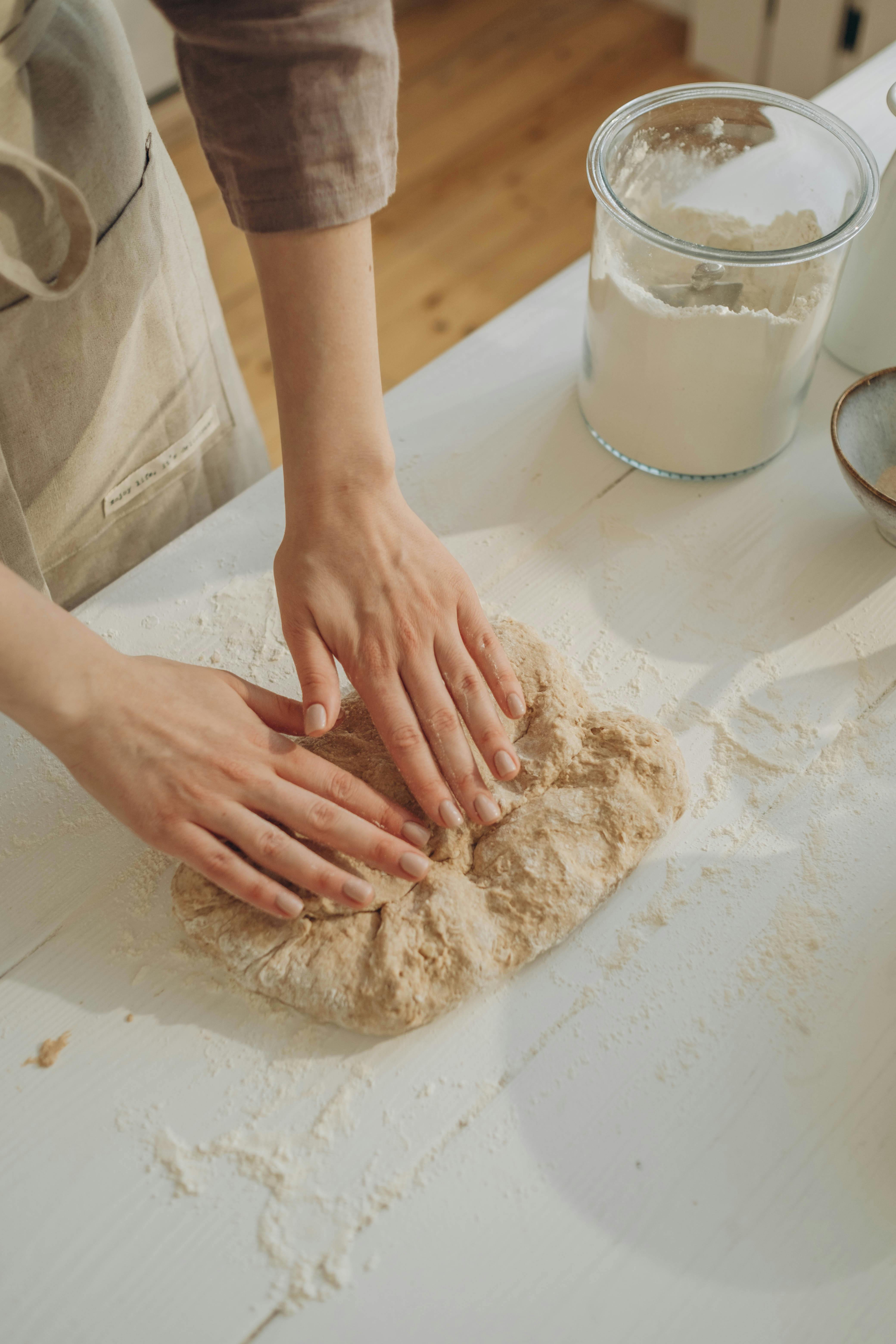
At first, sourdough looked like a classic pandemic obsession: flour shortages, bubbling starters, and social media bragging rights. But in Canada, many home bakers kept going after restrictions ended because the routine fit daily life. Feeding a starter, planning a loaf, and baking on weekends became a manageable rhythm rather than a novelty.
That shift matters. Food habits survive when they become useful, and sourdough offers a practical reward: a loaf that feels special without requiring restaurant prices. In a country where grocery costs have stayed top of mind, making bread at home can feel both economical and satisfying.
Canadian bakers also gained confidence quickly. Once people learned fermentation timing, folding, and basic dough handling, the process stopped feeling mysterious. A hobby with a learning curve often becomes more durable because skill creates attachment.
Canadians care more about flavour now

The strongest reason sourdough endures is simple: it tastes better to many people. Long fermentation builds acidity, aroma, and complexity that standard packaged sandwich bread rarely matches. A good loaf offers chew, crackle, and a subtle tang that turns plain toast into something memorable.
Canadian consumers have also become more interested in artisan food over the last decade. Farmers' markets, independent bakeries, and small-batch food businesses trained people to notice texture, crumb, crust, and ingredients. Sourdough fits perfectly into that broader shift toward quality over uniformity.
Bakeries across major cities from Vancouver to Montreal have benefited from this demand. Many now sell country loaves, rye sourdough, seeded boules, and seasonal versions made with regional grains. Customers are not just buying bread. They are buying character.
Health perceptions helped keep it relevant

Another reason sourdough persists is that many Canadians see it as a better option, even if some claims get overstated. Fermentation can influence flavor, texture, and how bread behaves in the body. Research has suggested sourdough fermentation may improve mineral availability and lower the glycemic response of some breads, depending on formulation.
For some people, it also feels easier to digest than fast-risen commercial bread. That does not make sourdough safe for people with celiac disease, and experts are clear on that point. Still, many consumers report that slow-fermented loaves leave them feeling better, which strongly shapes buying behavior.
Health-minded eating in Canada has also shifted away from strict diet labels and toward food quality. Ingredient lists matter. Time, craft, and fermentation now carry their own appeal, especially among shoppers wary of ultra-processed foods.
Local grain gave sourdough deeper roots
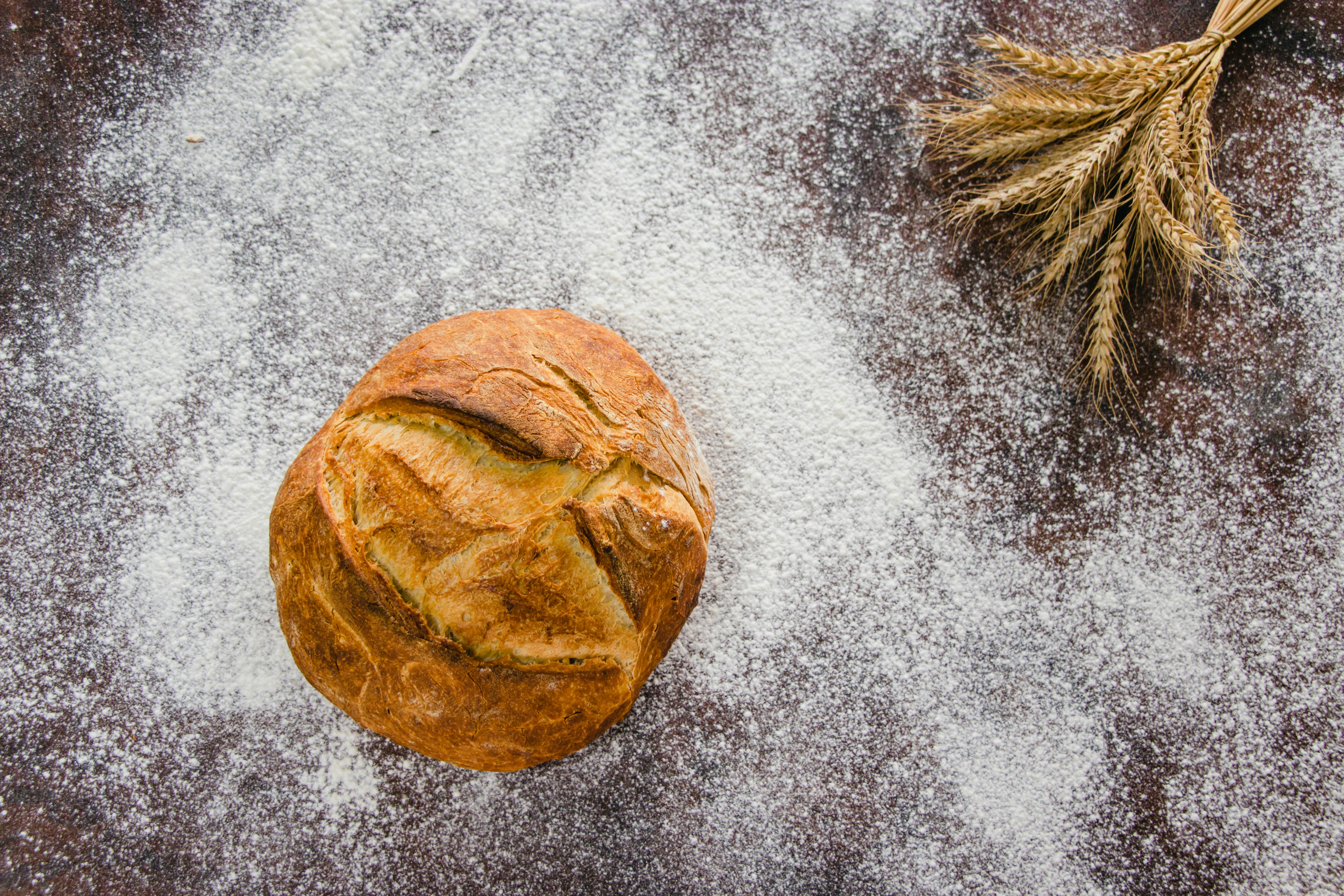
Sourdough also connected neatly with Canada's grain story. Prairie wheat, heritage grains, stone milling, and regional flour brands gave bakers something to explore beyond generic all-purpose flour. That helped turn bread into a conversation about agriculture, terroir, and Canadian ingredients.
Millers and bakers have reinforced that connection. Across the country, small mills and bakery-cafes increasingly highlight red fife, rye, spelt, and whole-grain blends. When people can taste differences between flours, they start to see bread less as a basic staple and more as a crafted food linked to place.
This local angle gave sourdough staying power that many trends never get. It is not just about technique. It supports small businesses, regional supply chains, and a farm-to-table identity that resonates strongly with Canadian consumers.
Bakeries made it easier for everyone
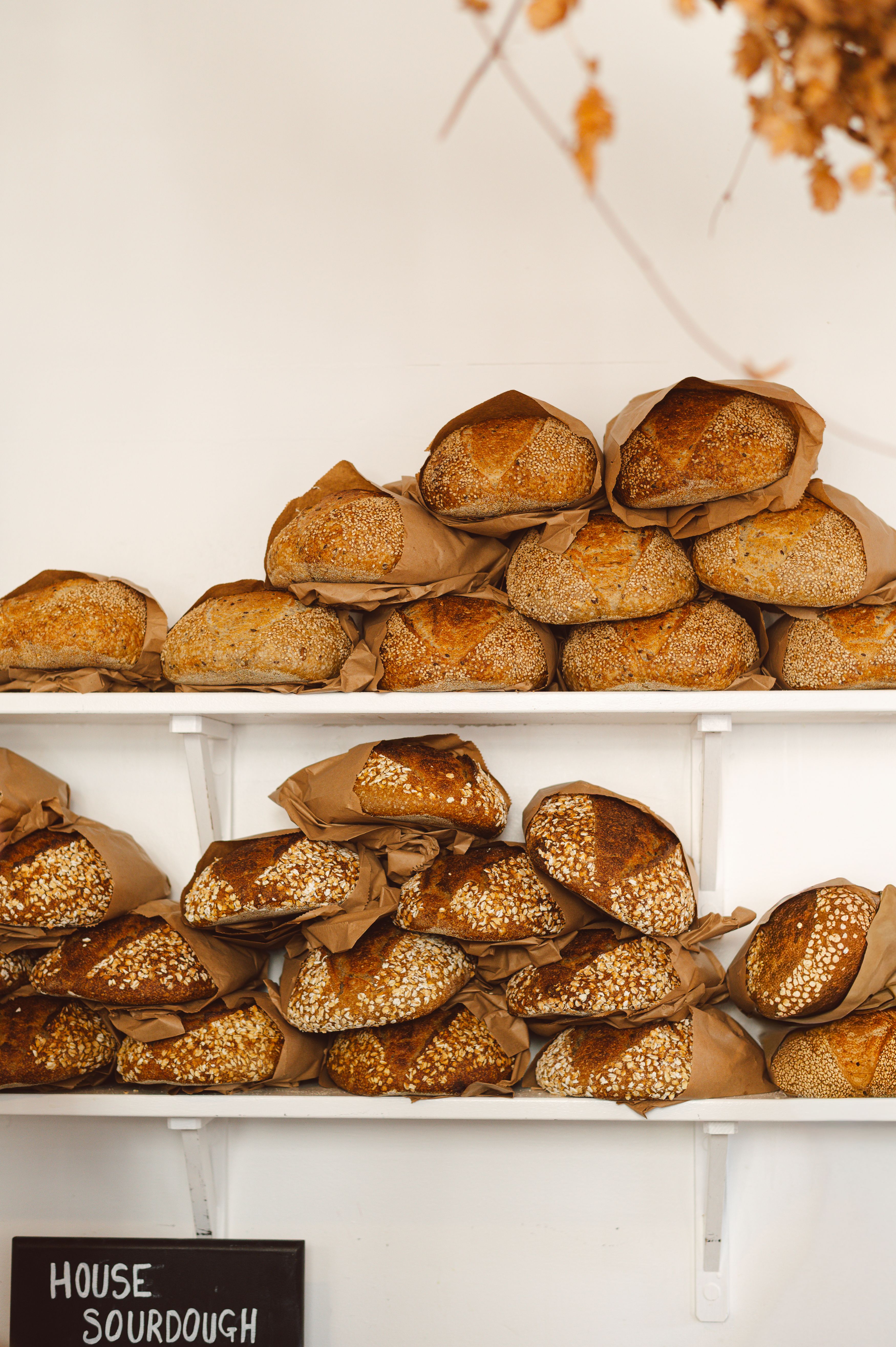
Not everyone wants to maintain a starter forever, and that could have killed the trend. Instead, Canadian bakeries absorbed the demand. They made excellent sourdough available to busy households that liked the product but not the upkeep.
That widened the market. A person can bake at home for a year, stop, and still remain a sourdough customer. The trend survives because it no longer depends on individual enthusiasm alone. It now lives in retail shelves, neighborhood bakeries, brunch menus, and restaurant bread baskets.
Even major supermarkets noticed. Many expanded in-store artisan bread programs or stocked premium local loaves, reflecting a larger retail move toward fresher and more specialized baked goods. Once grocery infrastructure adapts to a taste trend, that trend becomes harder to erase.
It satisfies something modern food often misses

Sourdough lasts because it delivers more than bread. It offers process in a culture built on speed, and many Canadians still value that contrast. A loaf that takes time feels meaningful in a way that factory-made food often does not.
There is also a social side. Starters get shared between friends, baking tips circulate in neighborhood groups, and favorite bakeries become community landmarks. During the pandemic, sourdough symbolized resilience and care. Years later, some of that emotional charge remains.
Most importantly, the bread still earns its place on the table. Trends disappear when they stop answering a real need. In Canada, sourdough continues to meet several at once: better taste, stronger local identity, perceived wellness, and a sense that everyday food can still be made with patience.




Leave a Reply