
Some kitchen rules survive because they still make sense. Others last because they are tied to memory, thrift, and the way Canadian families learned to manage long winters and rising costs.
Climate made kitchen habits practical

Canada's climate shaped household routines long before modern appliances became standard. In older homes, especially in the Prairies, Atlantic Canada, and the North, kitchens were planned around heat retention, preservation, and avoiding waste. Rules such as keeping root vegetables in cool basements, covering pots to conserve heat, and cooking large batches at once were not random habits. They helped families use less fuel and stretch ingredients further.
Even today, many households keep these practices because they remain efficient. A pot of soup, stew, or chili can feed several people, freeze well, and reduce energy use compared with preparing separate meals daily. During winter, that style of cooking still suits both the climate and the budget. What began as necessity has become common sense.
Older food storage rules also linger because Canada's seasonal extremes still affect shopping patterns. Many families buy in bulk before storms, stock freezers heavily, and rotate pantry goods carefully. These are long-standing kitchen disciplines, but they also align with modern advice on preparedness and reducing food waste.
Immigration and regional traditions keep rules alive

A kitchen is often where culture survives most clearly. Across Canada, immigrant and multigenerational families preserve food rules that came from Europe, the Caribbean, South Asia, East Asia, the Middle East, and Indigenous communities. These may include strict ideas about how meat is prepared, when bread is baked, which utensils are used for certain foods, or how leftovers are shared. The rules may sound old-fashioned, but they often express identity rather than rigidity.
French Canadian households, for example, have long traditions around soups, tourtière, preserves, and seasonal cooking. In Newfoundland and Labrador, salt fish practices and pantry habits reflect coastal history. On the Prairies, Ukrainian, Polish, and Mennonite influences helped normalize canning, pickling, and baking in quantity. These routines are passed down because they connect families to place and ancestry.
In many homes, elders remain the guardians of these customs. A grandmother's insistence on cooling food properly, saving drippings, or never wasting stale bread is not just preference. It is a living archive of family knowledge, built through migration, scarcity, and adaptation.
Scarcity taught thrift, and thrift became virtue

Many Canadian kitchen rules were formed during periods of economic pressure. Families that lived through the Depression, wartime rationing, or the inflation shocks of the 1970s often created firm household systems around budgeting and waste prevention. Those systems could include reusing jars, saving bacon fat, planning meals around weekly specials, and repurposing leftovers into soups, casseroles, or sandwiches. The rule was simple: use everything.
That logic still resonates. Statistics Canada has repeatedly shown that food prices remain a major household concern, and food inflation in recent years has revived habits once seen as old-fashioned. Saving scraps for broth or freezing extra portions now looks less like nostalgia and more like financial discipline. Younger Canadians, facing high housing and grocery costs, are increasingly rediscovering what older generations never abandoned.
Thrift in the kitchen also carries moral weight in many families. Waste is often treated not merely as a bad habit but as disrespectful, especially by people who remember leaner years. That belief helps explain why some rules stay firm long after the original hardship has passed.
Food safety advice changed, but trust changes slowly
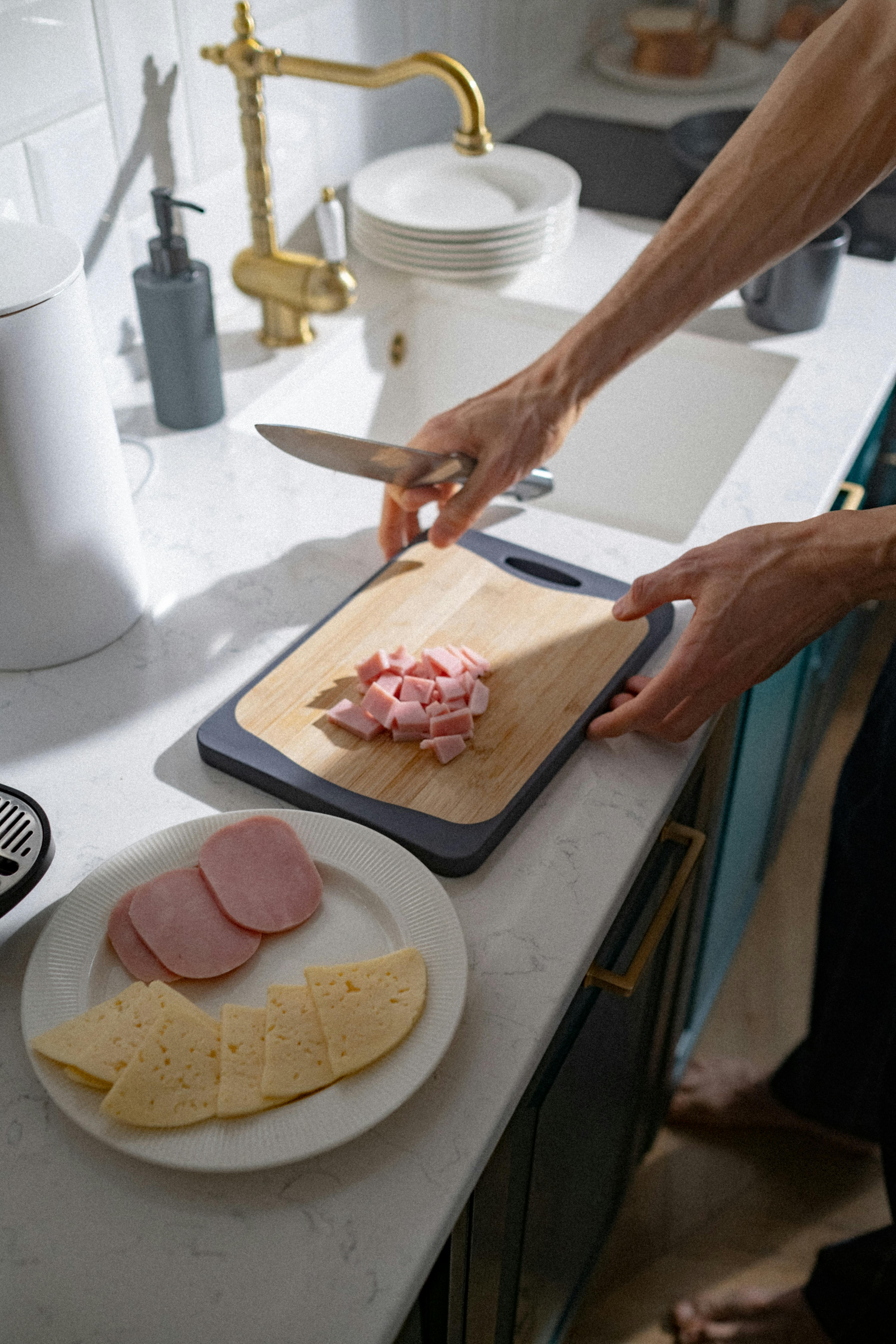
Some older kitchen rules survive because public guidance has shifted over time, sometimes leaving families more loyal to habit than to updated advice. Canadians who learned to judge food by smell, texture, or appearance may still trust their senses over package dates. Others continue separating cutting boards, boiling preserves carefully, or cooling leftovers in very specific ways because those standards were drilled into them early.
In many cases, these old rules are not wrong. Health Canada and provincial health agencies continue to stress handwashing, avoiding cross-contamination, and refrigerating perishable food promptly. Longstanding household routines often overlap with current food safety recommendations, even if the language around them has changed. A strict parent who insisted that chicken never touch other foods was following sound logic.
Still, some inherited rules are more debatable. Myths about refreezing, rinsing meat, or relying too heavily on visual cues can persist despite modern guidance. Yet families hold onto familiar methods because trust in domestic knowledge, especially knowledge taught by elders, is often stronger than trust in changing official messages.
The kitchen remains a training ground for family values
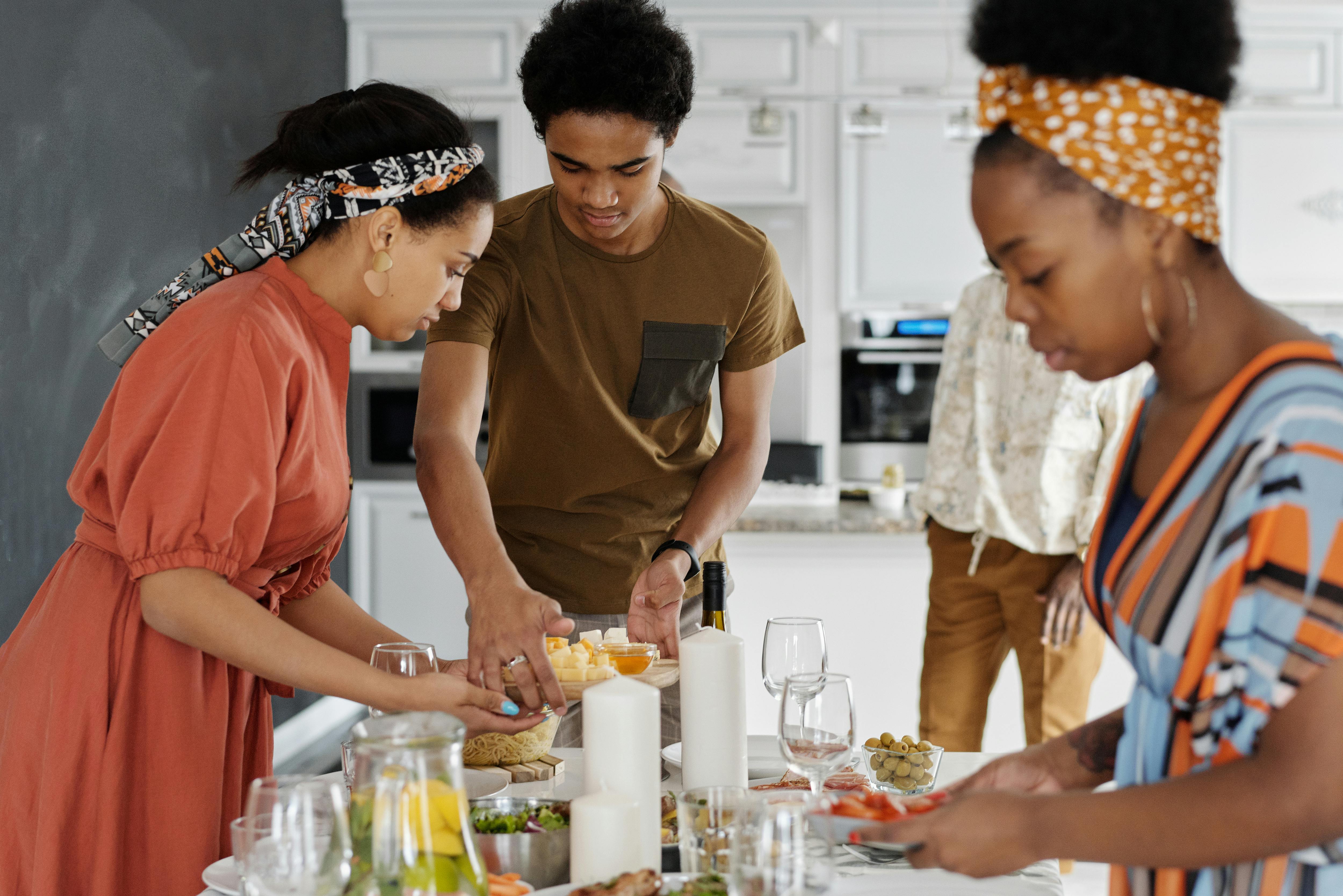
In many Canadian households, kitchen rules are really lessons about character. Instructions such as clean as you go, sit together for dinner, ask before snacking, and finish what is on your plate are about order, respect, and self-control as much as food. The kitchen becomes one of the first places children learn responsibility and social expectations.
Researchers who study family routines often note that repeated household practices can strengthen belonging and stability. Shared mealtimes, assigned chores, and predictable cooking rituals help children understand their role in the family. In that context, an old rule like Sunday meal prep or no desserts before dinner carries emotional meaning beyond nutrition.
These expectations are especially durable in multigenerational homes, which remain important in many parts of Canada. When several generations share one kitchen, rules create structure and reduce conflict. What looks like stubborn tradition from the outside may actually be a practical system for keeping family life running smoothly.
Old rules endure because they still solve modern problems
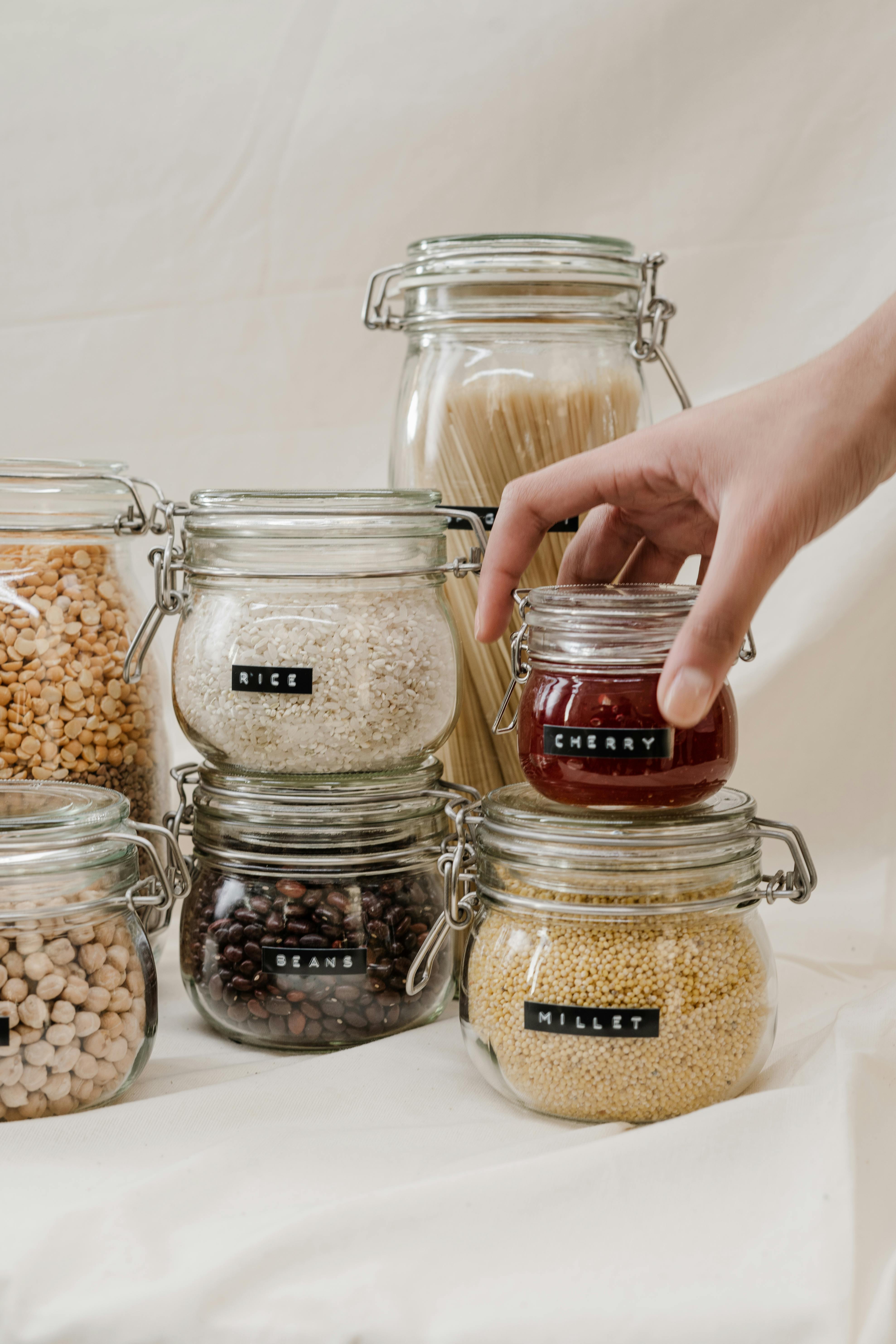
The strongest reason these kitchen rules remain is that many still work. Batch cooking reduces effort, preserving extends seasonal produce, and frugal storage habits cut waste. In an era of expensive groceries, busy schedules, and renewed interest in sustainability, older kitchen systems can feel surprisingly modern. They offer tested routines in a culture often overloaded with new advice.
There is also comfort in repetition. When people knead dough the way a parent taught them or organize a pantry by habits learned decades earlier, they are doing more than completing chores. They are reinforcing continuity in a fast-changing world. That emotional value is powerful, especially in households where food carries memory.
So while some rules deserve updating, many survive for good reason. They reflect Canada's climate, immigrant histories, economic realities, and family structures. In countless homes, the old kitchen rule is not a relic. It is a practical inheritance.



Leave a Reply