
Few foods feel as distinctly Canadian as poutine. Yet the name attached to fries, cheese curds, and gravy was once far from settled.
A dish before it was a brand
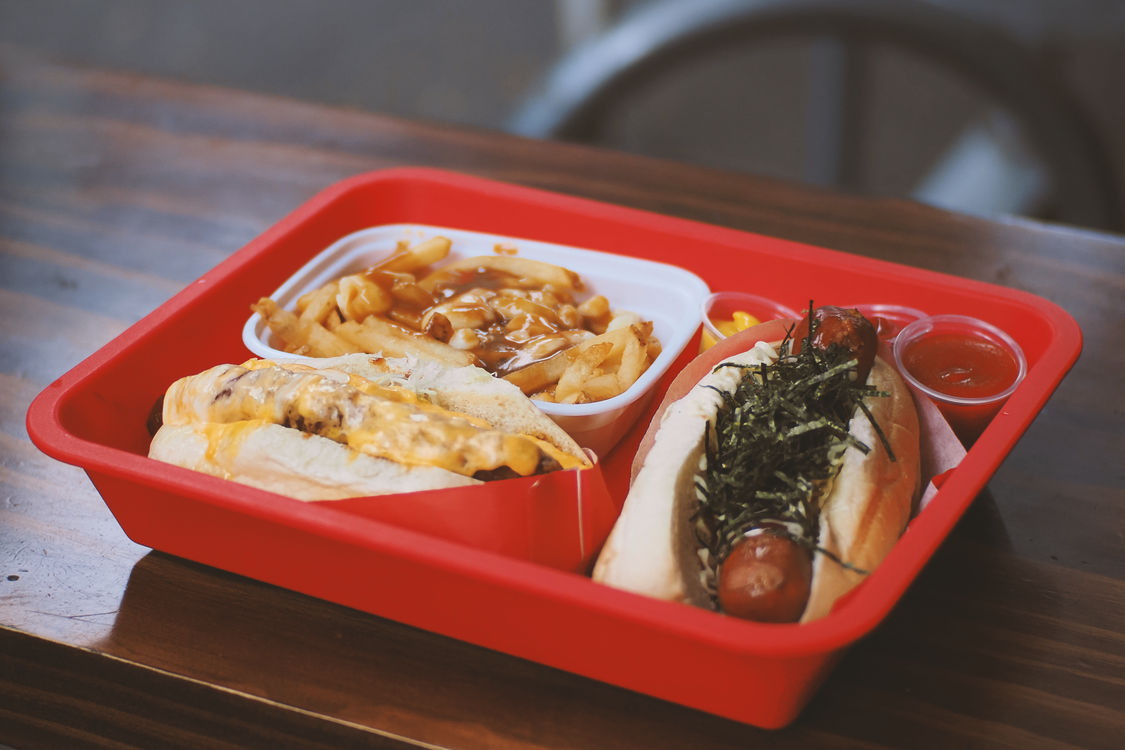
Long before poutine became a national symbol, it was a practical roadside meal in rural Quebec. In the 1950s and 1960s, snack bars across Centre-du-Québec were serving fries with gravy, curds, or some close variation, often without standardized menus.
That matters because dishes usually get named after people start ordering them the same way in many places. In poutine's case, the combination spread faster than its label did. One counter might describe it plainly as fries with cheese and sauce, while another relied on local slang.
Food historians in Quebec have noted that regional casse-croûtes often operated informally, with recipes changing by the day. In that environment, a memorable official name was almost secondary. The dish existed clearly before the language around it fully stabilized.
The slang that gave poutine its identity

The strongest explanation for the name points to Quebec French slang. In several regions, the word poutine or close variants could mean a mess, a mixture, or something jumbled together, which fits a plate of fries, curds, and gravy surprisingly well.
That slang background is central to why the dish was almost called something else. If owners had favored a descriptive label over colloquial speech, the food might have entered popular culture under a more literal name. Something like patates sauce fromage would have been understandable, but far less distinctive.
Language experts have long emphasized how local speech shapes food culture. Many iconic dishes keep names that sound odd outside their birthplace because those names carry community identity. Poutine survived because the slang felt natural where the dish emerged, even if it initially sounded strange beyond Quebec.
Competing origin stories complicated the naming
Another reason the name was never guaranteed is that poutine has multiple claimed birthplaces. Warwick, Drummondville, and Victoriaville are among the Quebec communities most often linked to its creation, with restaurant owners and local historians offering overlapping but not identical accounts.
One famous story centers on Warwick restaurateur Fernand Lachance, who reportedly exclaimed that mixing curds with fries would make a maudite poutine, often translated loosely as a damned mess. Whether every detail is exact or partly mythologized, the phrase helped cement the association between the dish and disorder.
But other versions describe the meal evolving in stages, first as fries and curds, then with gravy added later for heat and texture. When a food develops across several towns instead of one kitchen, naming can remain fluid. That made an alternate title genuinely possible for years.
Menus, standardization, and the name that stuck
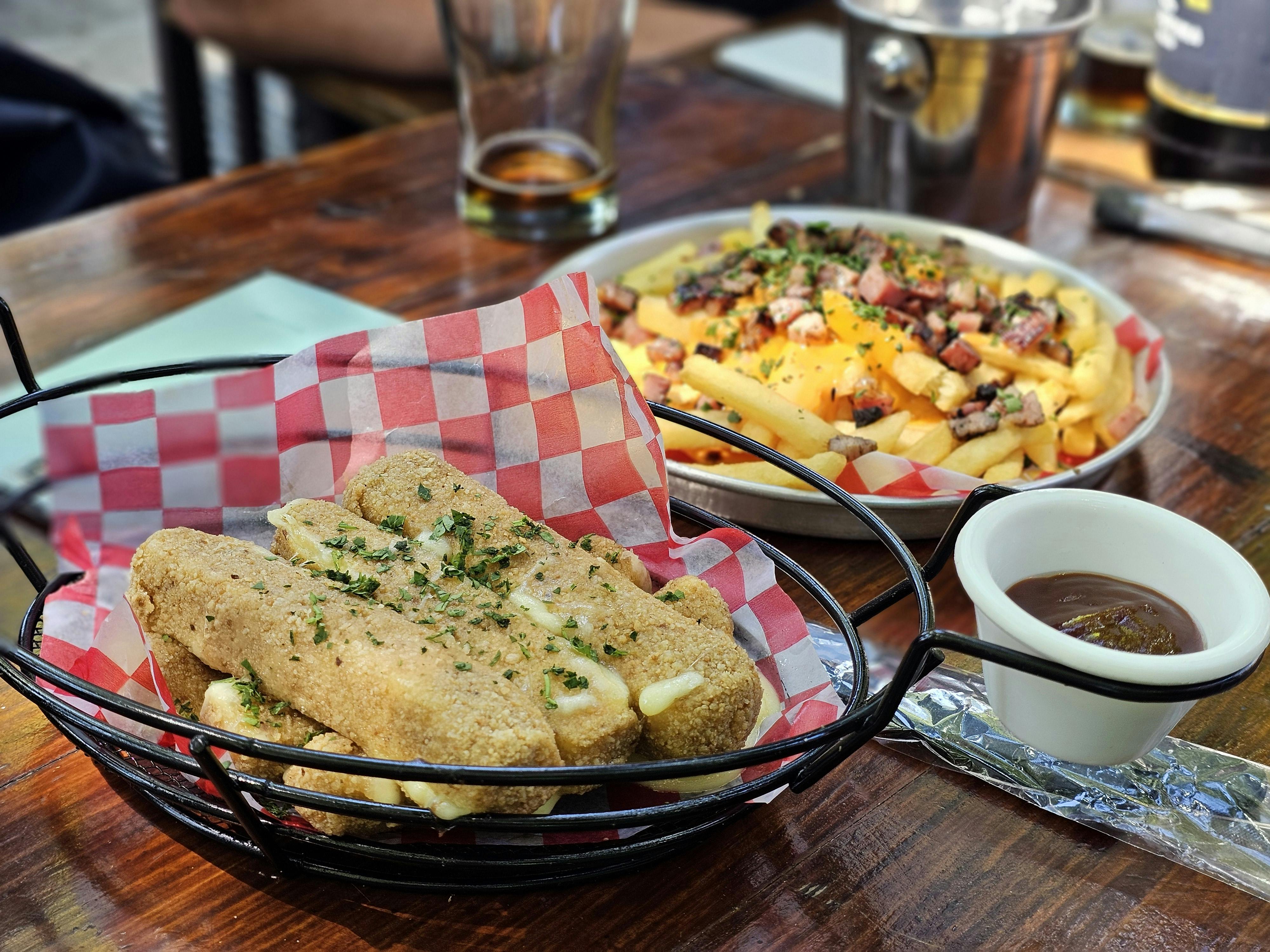
The turning point came when restaurants began printing the word on menus consistently. Once poutine appeared as a named item rather than an improvised order, it gained commercial stability. Standardization often decides culinary history more than invention does.
By the 1970s and 1980s, Quebec chains and independent diners were using poutine often enough that customers knew what to expect. That consistency reduced the chance that a rival term would take hold. A dish may have many creators, but usually only one marketable name survives.
There is a broader lesson here about restaurant culture. Names that are short, conversational, and easy to repeat in busy dining rooms tend to win. Poutine, with its compact sound and regional authenticity, outperformed clunkier descriptive alternatives without needing formal branding experts.
Why an alternate name would have changed its fate
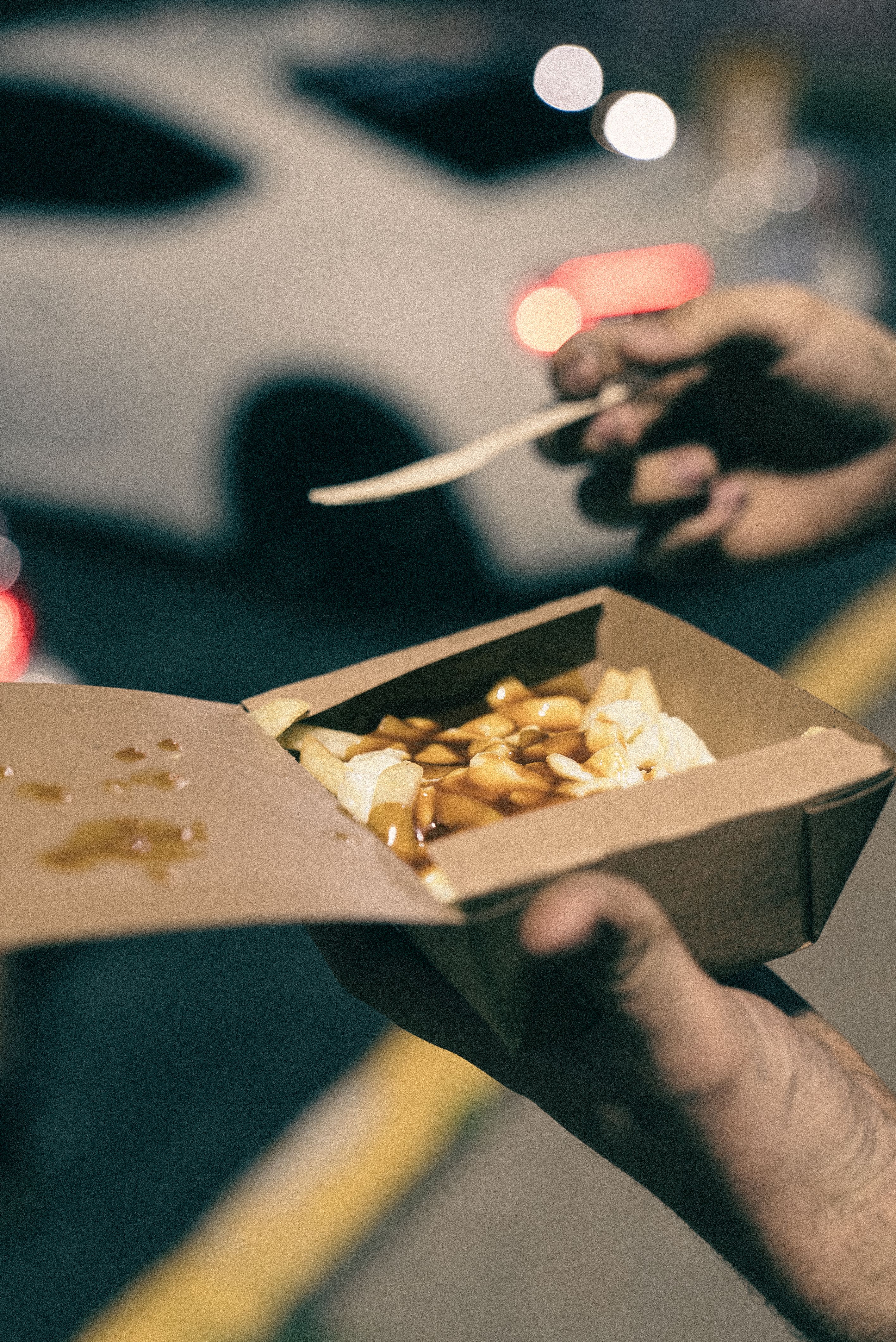
Names shape perception. If poutine had debuted internationally as gravy fries with curds, it might have been treated as a novelty side dish rather than a culinary emblem with a distinct story and place of origin.
Distinctive names invite curiosity, and curiosity drives food tourism. Travel writers, chefs, and television hosts helped popularize poutine partly because the word itself felt specific and rooted in Quebec. It signaled culture, not just ingredients, which is crucial when a local dish enters global conversation.
There are many examples of this pattern in food history. Dishes with unique regional names often travel further because they keep their mystique while becoming easier to market. Poutine benefited from that same dynamic, turning a once-local slang term into a recognized culinary identity.
From rural slang to national icon
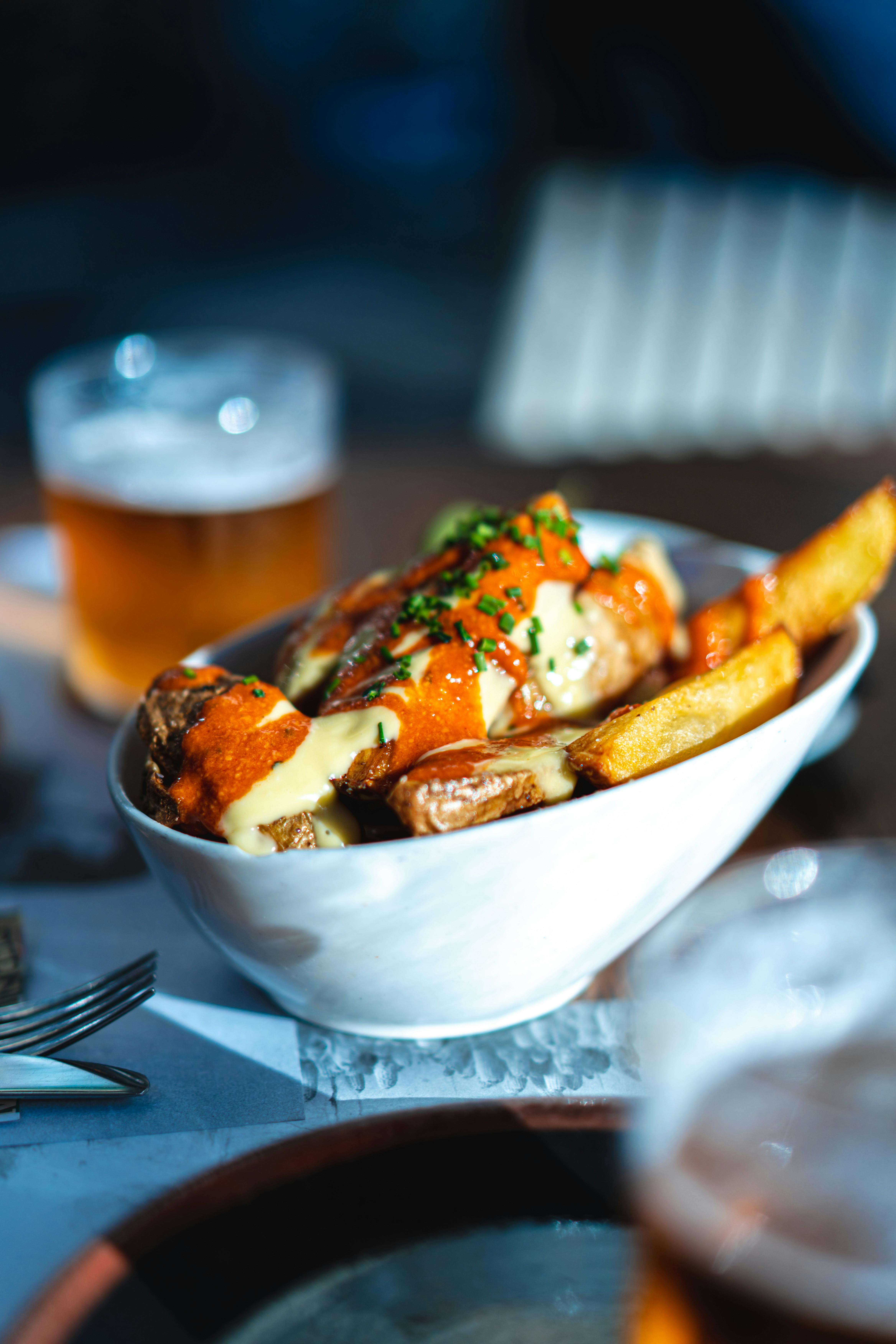
Today, poutine appears everywhere from arena concessions to fine dining menus, often topped with smoked meat, foie gras, or butter chicken. Yet its rise can obscure how uncertain its early identity really was, including the possibility that it might have carried a far more generic name.
What ultimately saved the word was not a committee or advertising campaign. It was repeated everyday use in Quebec, where speech, place, and appetite lined up at the right moment. That kind of cultural adoption is hard to engineer and easy to underestimate.
So poutine was almost named something completely different not because the dish lacked character, but because its history was messy from the start. In the end, that messiness became the point. The name that meant mixture or muddle proved to be the perfect fit.


Leave a Reply