
Protein is everywhere now. In Canada, many nutritionists say the obsession has moved past healthy awareness and into excess.
Protein stopped being a nutrient and became a marketing identity

Walk through any Canadian grocery store and the message is hard to miss. Yogurt, cereal, pasta, snack bars, pancakes, and even ice cream now advertise extra protein as a major selling point.
That shift matters because it changes how people judge food. Instead of asking whether a product is nutritious overall, shoppers are pushed to focus on one number on the front of the package.
Registered dietitians across Canada have warned that this framing can distort healthy eating. A sugary snack with added milk protein may look virtuous, even if it still contains high sodium, refined starches, or little fibre.
This is what many experts mean by "peak protein." It is the point where the public conversation stops being about meeting needs and starts treating more protein as automatically better, even when the evidence does not support that idea.
Most Canadians are already getting enough

For the average adult, true protein deficiency is not the central nutrition problem. Health Canada guidance and standard dietary benchmarks show that most people in Canada already meet or exceed basic daily protein needs through ordinary meals.
That includes people eating eggs, dairy, meat, fish, soy foods, beans, lentils, nuts, grains, and mixed dishes. Even a fairly typical pattern of toast and peanut butter, yogurt, soup, chicken, rice, and milk can add up quickly.
Some groups do need closer attention, including frail older adults, people recovering from illness, high-performance athletes, and those with low appetite. But those are targeted cases, not proof that the general population needs protein in everything.
A 2024 wave of consumer surveys and retail trend reports showed many shoppers actively hunting for "high-protein" foods without knowing how much they actually require. Nutritionists see that mismatch as a sign that the trend is being driven more by branding than biology.
Too much focus on protein can push out the nutrients people lack

Here is the quieter problem. When people build meals around protein alone, they often give less room to foods that deliver fibre, vitamins, and protective plant compounds.
Canada has long struggled with low fibre intake. Many adults also fall short on vegetables, fruit, legumes, and whole grains, foods associated with lower risk of heart disease, type 2 diabetes, and colorectal problems.
A breakfast upgraded with protein powder but stripped of oats, berries, or seeds may look impressive on social media while offering less overall nutritional value. The same is true for meat-heavy dinners that edge out beans, greens, and whole grains.
Nutritionists are not arguing against protein. They are arguing for proportion. A healthy plate works because nutrients interact, and when one nutrient dominates the conversation, the rest of the diet can quietly deteriorate.
The trend is also making ultra-processed food look healthier than it is
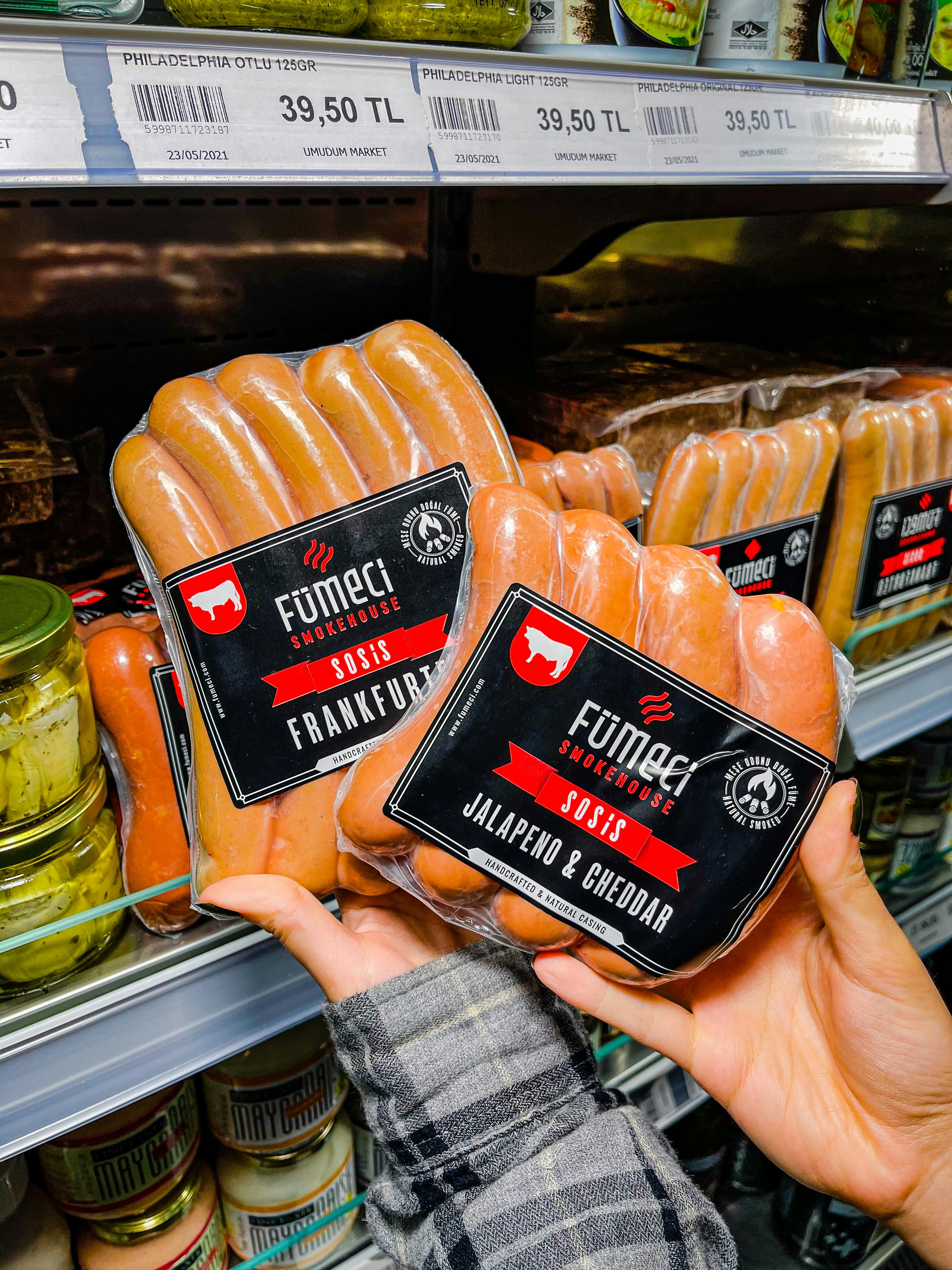
One reason experts are uneasy is that protein has become a health halo. Food companies can add isolates, concentrates, or dairy derivatives to heavily processed products and market them as smart wellness choices.
That does not mean every fortified food is harmful. It means the protein claim can distract from the bigger picture, including ingredient quality, calorie density, sugar load, and how satisfying the food really is.
According to dietitians who work in community and clinical settings, many clients now arrive believing packaged "protein foods" are superior to simple meals like lentil soup, eggs on toast, or plain yogurt with fruit.
This confusion is profitable. It encourages people to pay premium prices for products that may offer little benefit over regular foods, especially when total daily intake is already adequate.
There are health and environmental trade-offs people often ignore

The popular message around protein is usually about muscle, weight loss, and energy. What gets less attention is that eating far beyond need does not automatically create more health benefits.
For some people, especially those with kidney disease or certain medical conditions, very high-protein diets require medical guidance. For everyone else, excess protein often just displaces other foods or adds calories the body does not need.
There is also a broader systems issue. In Canada, high demand for animal-based protein products can carry larger environmental costs, including land use, emissions, and intensive production pressures, depending on the food source.
That is why many nutrition experts prefer a more diversified approach. Fish, dairy, eggs, tofu, beans, lentils, and nuts can all contribute, but the goal is balance, not constant escalation.
What nutritionists want Canadians to do instead
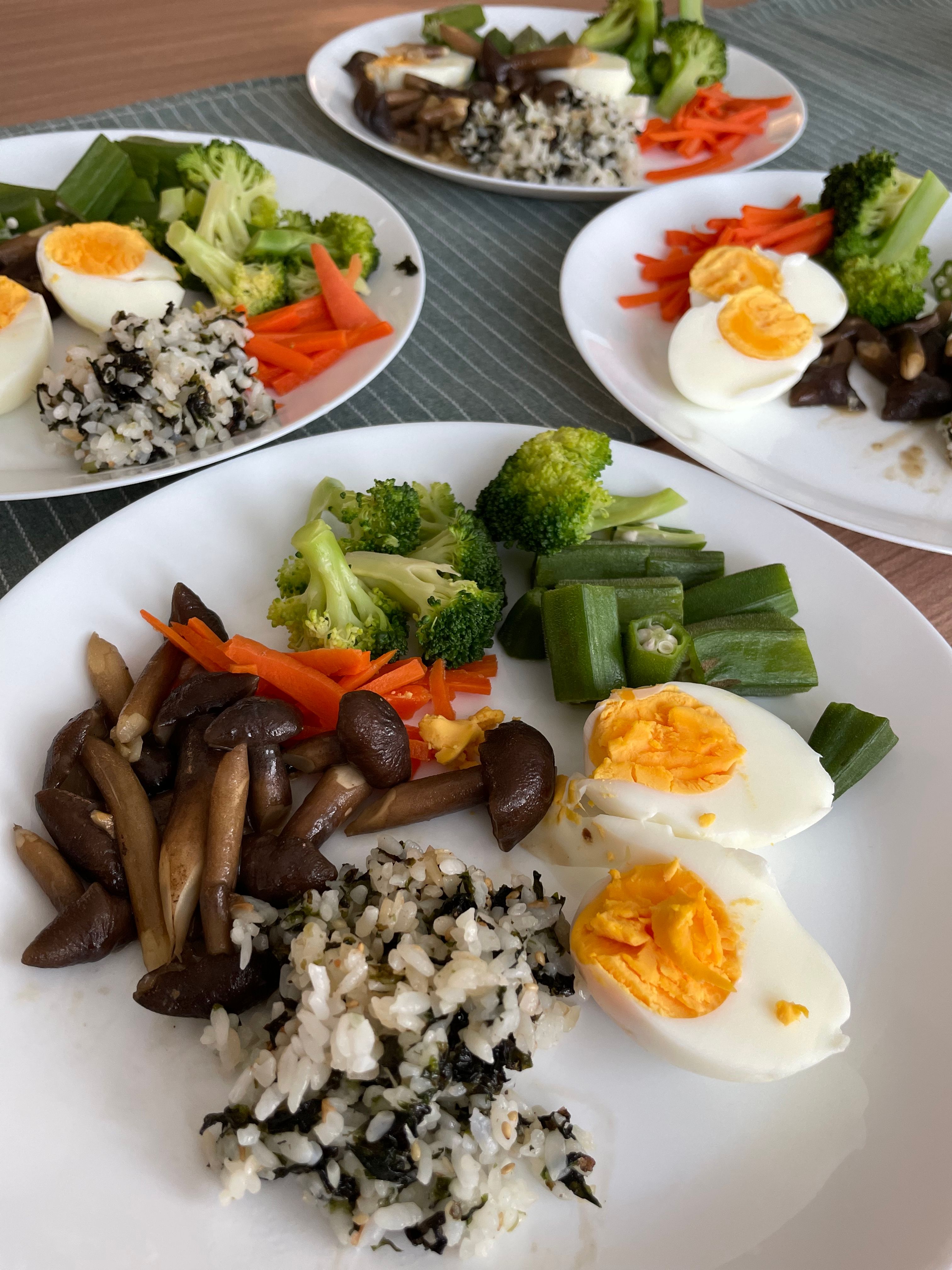
The core advice is surprisingly simple. Stop treating protein as a contest and start treating it as one important part of a complete eating pattern.
That means aiming for regular protein across the day without chasing extreme numbers. A balanced breakfast, a lunch with legumes or dairy, and a dinner built around whole foods usually covers what most adults need.
Experts also encourage Canadians to read beyond the front label. Check fibre, sodium, sugar, ingredient lists, and whether the food actually resembles something your grandparents would recognize as food.
Peak protein is not a warning against strength or good nutrition. It is a warning against single-nutrient thinking, the kind that makes expensive processed products look essential and turns balanced eating into a fad-driven marketplace.




Leave a Reply