
Fast food used to be the easy answer. For many Canadians now, the better deal is waiting a few aisles over at the grocery store.
Sticker shock is changing the lunch routine

The biggest reason behind this shift is simple: fast food no longer feels cheap. A combo that once seemed like a quick budget meal can now cost as much as a full prepared dinner from a supermarket, especially in large cities where menu prices have climbed sharply.
That price gap matters when households are watching every dollar. Statistics Canada has repeatedly shown that food prices remain a major pressure point, and restaurant meals have become one of the clearest examples of spending that people feel they can scale back without giving up convenience entirely.
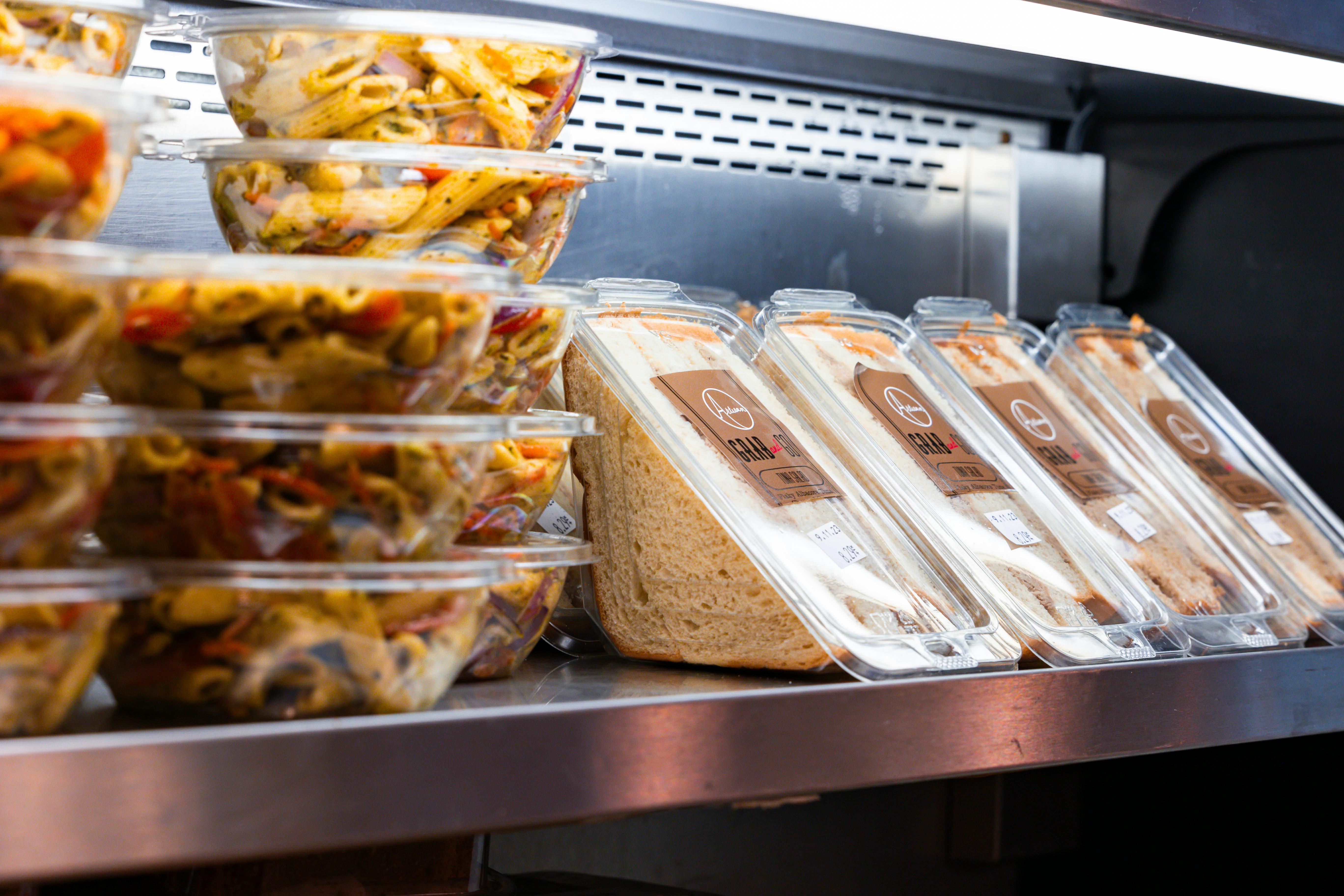
Grocery chains have noticed. Rotisserie chickens, hot soup bars, sushi counters, sandwich stations, and heat-and-eat entrees are now positioned as lower-cost alternatives to drive-thru meals, often feeding more than one person for roughly the same price as a single fast food combo.
Grocery stores are winning on value, not just price

What makes grocery meals appealing is not only that they can be cheaper. They often deliver better overall value. A prepared salad, deli sandwich, or pasta tray from a supermarket can feel more substantial and less processed than fries and a fountain drink, even when the cost difference is small.
For families, the math is even clearer. Picking up a prepared lasagna, roasted vegetables, and a bagged salad can stretch across multiple servings, while fast food combos are priced per person and rise quickly when children or teens are part of the order.
Loblaw, Sobeys, Metro, and Costco have all expanded ready-to-eat and ready-to-heat offerings in response to demand. This is not accidental merchandising. It reflects a broad retail strategy built around the idea that convenience spending is moving from the restaurant sector into grocery stores.
Health concerns are reshaping convenience choices

Another important factor is perception. Canadians increasingly associate grocery store meals with fresher ingredients and more control. Even when a prepared supermarket meal is not especially low in sodium or calories, shoppers often believe they are making a more balanced choice than they would at a burger or fried chicken chain.
That belief is supported in part by visibility. In a grocery store, customers can see cut fruit, grilled proteins, prepped vegetables, and ingredient labels. The shopping environment itself encourages comparison, which makes it easier to choose a meal that aligns with personal goals around protein, fibre, or portion size.
Younger consumers are especially responsive to this. Market researchers have found that Gen Z and millennials tend to value convenience that still feels customized, and grocery prepared foods offer a middle ground between cooking from scratch and relying on traditional fast food.
Time pressure still matters, but habits are evolving
Convenience remains essential, but convenience has changed meaning. It no longer refers only to speed at a drive-thru window. For many shoppers, it now includes one-stop purchasing, where dinner, tomorrow's lunch, snacks, and household staples can all be picked up in a single trip.
That is where grocery stores have a real advantage. A parent leaving work can grab a hot meal, milk, fruit, and breakfast items in ten minutes. A fast food stop may be quick, but it solves only one immediate need and often creates another shopping trip later.
Work patterns have also shifted behavior. With more hybrid schedules, Canadians are less tied to the daily commute routes that once made fast food an automatic habit. When people are already near home or stopping by a supermarket anyway, grocery meals fit naturally into the routine.
Fast food still competes, but the old formula is under pressure
Fast food chains are not losing relevance overnight. They still dominate on brand familiarity, app-based promotions, and pure speed. But the traditional combo meal, long marketed as the affordable default, has become harder to defend when consumers compare it directly with grocery alternatives that appear fresher and more flexible.
This is particularly true during periods of economic uncertainty. When wages do not keep pace with living costs, customers scrutinize what they are getting. A supermarket meal that can be shared, saved for later, or paired with lower-cost pantry items often feels like the smarter purchase.
Some chains have responded with aggressive value menus and limited-time offers. Even so, the broader issue remains: once consumers start questioning whether a combo is worth the price, the fast food industry loses one of its strongest psychological advantages.
This shift says a lot about how Canadians are spending

In the end, this is about more than lunch. The move toward grocery store meals shows how Canadians are adapting to a period where convenience, health, and price all have to work together. People are not rejecting ease. They are redefining what smart convenience looks like.
That has implications for both retailers and restaurants. Grocery stores are becoming foodservice competitors, not just food sellers, while fast food brands face pressure to prove value in a market that has grown more skeptical and price-aware.
If current trends continue, the prepared foods aisle will keep gaining ground. For many Canadians, the question is no longer whether grocery store meals can replace fast food combos. It is whether fast food can still justify costing more.




Leave a Reply