
Seafood talk sounds harmless until it touches a nerve in Atlantic Canada. Then it becomes a conversation about work, history, money, and respect.
Seafood Is Not Just Dinner in the Maritimes

For many Canadians, seafood is a restaurant choice or a summer indulgence. In the Maritimes, it is tied to family income, local business survival, and the rhythm of coastal life. Lobster, snow crab, mussels, oysters, scallops, herring, and groundfish support wharves, trucks, plants, exporters, and small-town stores.
That changes the emotional weight of the topic. A casual complaint about lobster prices or a joke about the smell of fish can land badly because people hear more than a food preference. They hear a dismissal of the work that keeps many communities going.
Statistics Canada and Fisheries and Oceans Canada have repeatedly shown how central seafood remains to Atlantic provincial economies. In parts of Nova Scotia, New Brunswick, Prince Edward Island, and Newfoundland and Labrador, the fishery is still one of the few industries that reliably anchors local employment and export earnings.
History Made the Stakes Personal

The defensiveness has deep roots because the region's relationship with seafood was never only commercial. Fishing helped build settlements, shaped migration, and determined which harbours thrived. Generations worked dangerous seasons on the water long before seafood became a premium urban dining experience.
That history also includes collapse and loss. The 1992 northern cod moratorium devastated Newfoundland and Labrador and became one of the clearest examples in Canada of what happens when a fishery fails. Families left, incomes vanished, and trust in outside opinions about the ocean weakened.
So when people from Central or Western Canada speak confidently about overfishing, quotas, sustainability, or pricing without much context, Maritime listeners may hear old patterns. It can sound like outsiders are reducing a lived history to a headline, a trend, or a moral lecture.
Outsiders Often Treat Expertise Too Lightly

One reason these conversations go sideways is that many non-Maritime Canadians mistake familiarity with eating seafood for understanding the seafood economy. Knowing how to order oysters is not the same as knowing bait costs, licensing rules, processing margins, weather risk, or how global demand affects a local harbour.
People in the region often carry practical knowledge that comes from lived experience. Harvesters know seasons, species behavior, conservation limits, safety pressures, and market swings in ways that are difficult to compress into a casual conversation at a dinner table.
That gap matters because Atlantic Canadians are frequently asked to defend practices they already know are heavily regulated. According to Fisheries and Oceans Canada, commercial fisheries operate through licensing, monitoring, seasonal openings, gear restrictions, and conservation plans. Simplistic criticism can therefore feel both smug and inaccurate.
Price Complaints Miss the Real Economics
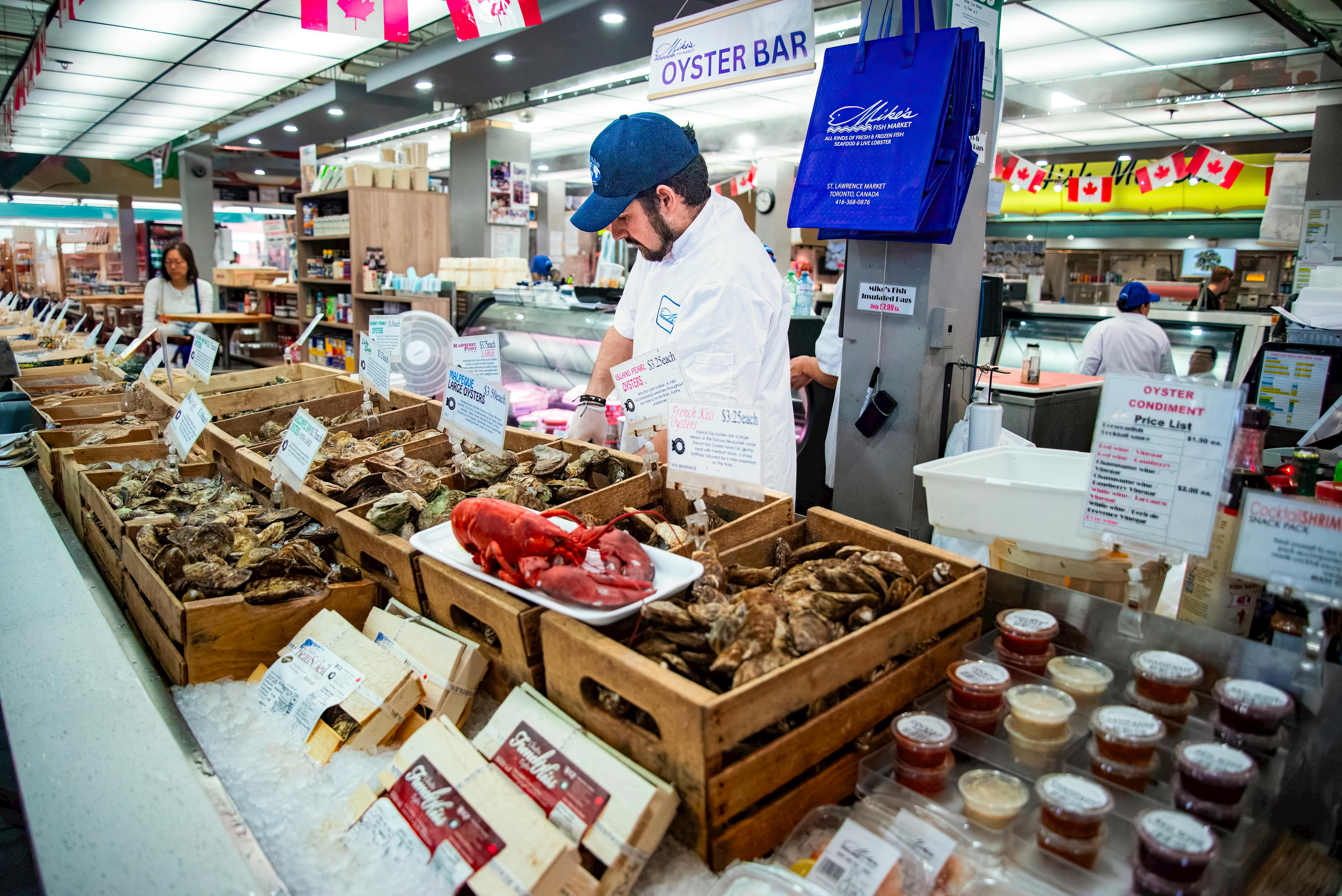
Nothing sparks irritation faster than hearing someone say seafood should be cheap because it comes from the ocean. That idea ignores fuel, gear, crew pay, insurance, refrigeration, transport, plant labour, certifications, and export logistics. It also ignores that premium species are sold into competitive global markets.
Lobster is the classic example. Maritime harvesters may live near the source, but local diners still face prices shaped by demand from the United States, Europe, and Asia. A strong export market can lift incomes for fishing communities while making the product feel less affordable at home.
That tension is real, and locals understand it better than most. They know seafood can be both culturally local and economically global. When outsiders talk as if pricing is simple, Maritime Canadians often react defensively because they know just how thin margins can be despite high menu prices.
Stereotypes About Taste and Smell Wear People Down
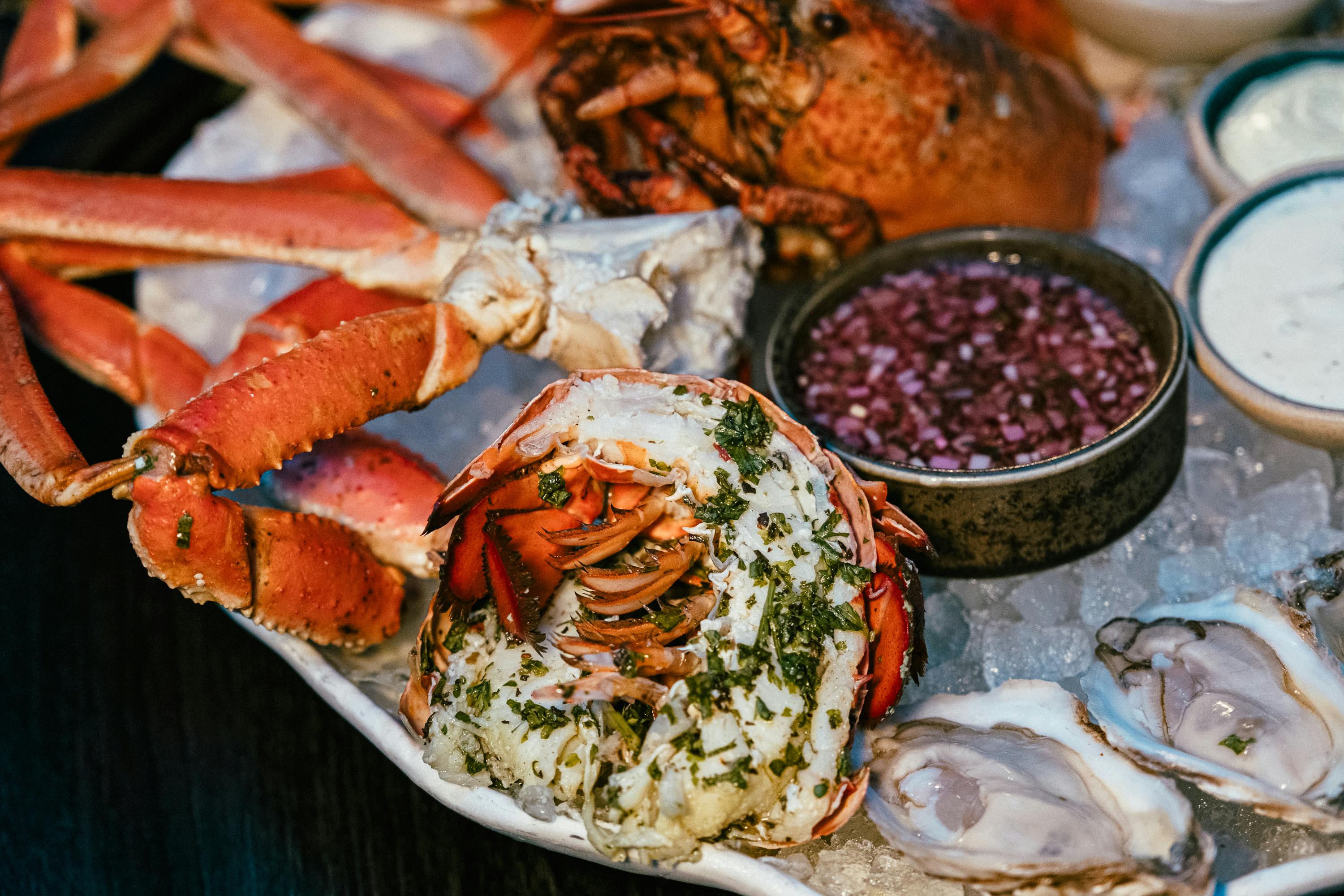
There is also a social layer that outsiders often miss. Maritime Canadians have spent decades hearing seafood reduced to punchlines about strong smells, rubbery mussels, slimy oysters, or messy lobster dinners. On the surface, those remarks seem minor, but repetition turns them into a form of cultural disrespect.
Food is one of the clearest ways people express belonging. In the Maritimes, chowders, fish cakes, lobster rolls, boiled dinners with salt fish, Digby scallops, Malpeque oysters, and smoked herring are part of memory as much as appetite. Mocking those foods can sound like mocking the people who made them.
The reaction is stronger because these foods are not museum pieces. They remain active parts of local identity, tourism branding, and intergenerational tradition. When someone speaks carelessly, Maritime Canadians may defend seafood the way other regions defend accent, music, or homegrown sports culture.
What Sounds Like Defensiveness Is Often Self-Respect

From the outside, the reaction can seem overly sensitive. From inside the region, it often feels like a necessary correction to shallow commentary. People are protecting more than a meal. They are protecting the dignity of dangerous work, inherited knowledge, and a regional economy that still matters enormously.
The best conversations happen when other Canadians approach the subject with curiosity rather than certainty. Ask why lobster seasons differ, why some species are local luxuries, or how conservation and livelihoods are balanced. Maritime Canadians usually respond warmly when they sense genuine interest instead of easy assumptions.
In that sense, the defensiveness is not really about seafood alone. It is about being seen clearly by the rest of the country. Once that is understood, the conversation becomes less prickly and far more interesting.




Leave a Reply