
Some grilling holidays are loud about their status. Labour Day weekend is not, which is exactly why it gets underestimated.
It arrives when Canadians are at their grilling best

By Labour Day, grilling is no longer aspirational. Canadians have already spent months using their barbecues, refining timing, testing marinades, and learning what works for their households. That practical confidence matters because people grill more when the process feels easy, familiar, and low-risk.
Early summer holidays often carry weather uncertainty and rusty habits. Labour Day does not. By late August and early September, most backyards are fully set up, propane tanks are checked, charcoal routines are second nature, and hosts know how much food their guests actually eat. The result is not ceremonial grilling, but efficient, frequent grilling.
Retail trends and food industry patterns support that rhythm. Grocers typically feature late-season promotions on burgers, sausages, corn, and condiments, while home improvement and outdoor living retailers push end-of-season barbecue accessories. The commercial signals are subtle, but they reinforce a clear truth: this is still prime grilling time, and Canadians behave accordingly.
The food calendar is almost perfectly built for barbecue
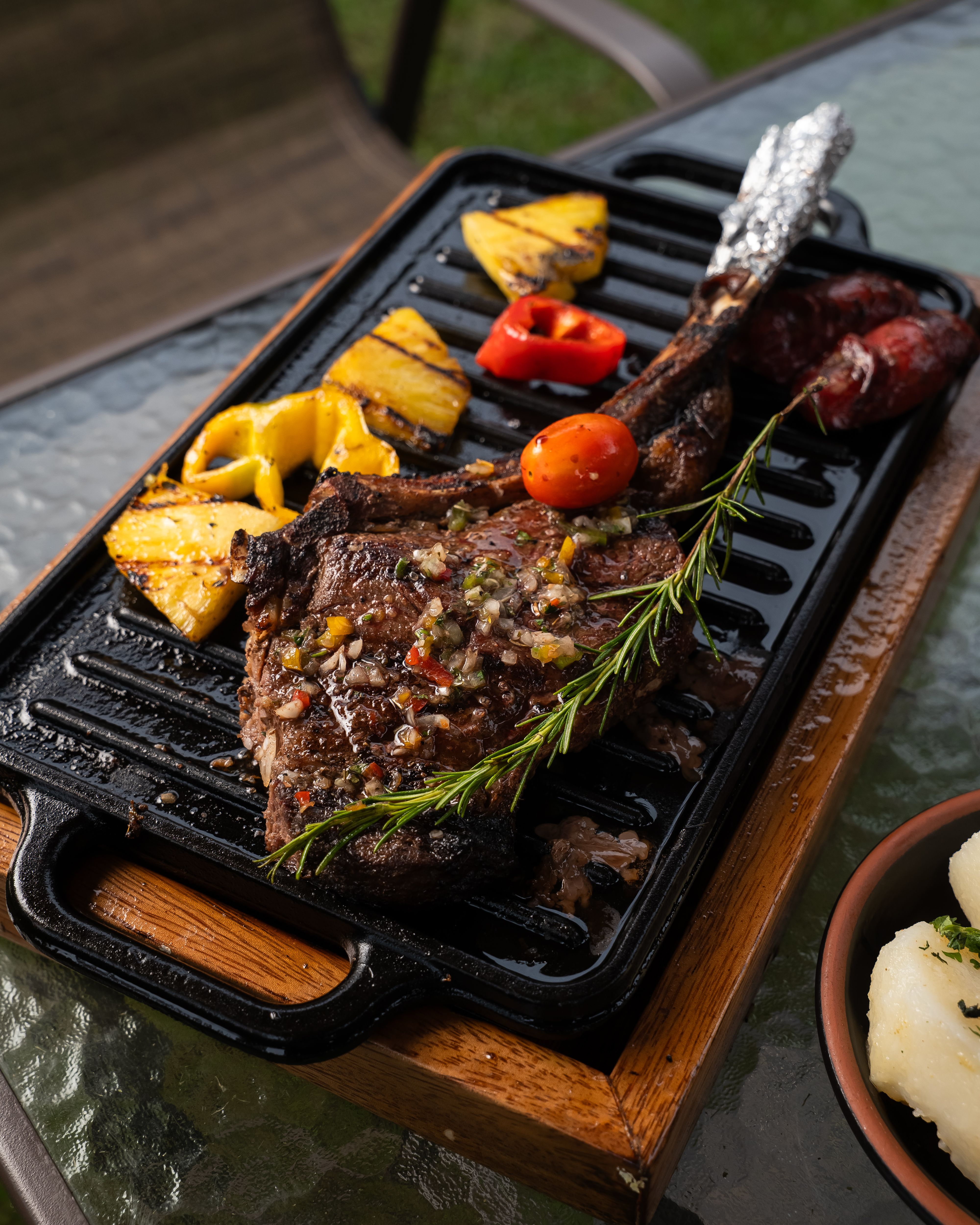
Labour Day lands at one of the richest points in Canada's produce season. Ontario corn, British Columbia stone fruit, Quebec peppers, Prairie potatoes, and Atlantic seafood all converge around a weekend when markets are still full and quality is high. Few other holidays offer the same range of grill-friendly ingredients at their seasonal peak.
That abundance changes the menu. Instead of relying only on standard burgers and hot dogs, hosts can build meals around grilled peaches, zucchini, eggplant, mushrooms, and fresh salads with local tomatoes. Even simple proteins taste better when paired with produce that has not spent days in storage and transport.
There is also a practical cost advantage. When ingredients are in season, they are usually more available and more competitively priced, especially at farmers' markets and major chains moving volume quickly. For families trying to feed a crowd, Labour Day offers a rare combination of quality, variety, and value, which naturally encourages bigger and better cookouts.
The weather is often better than people realize
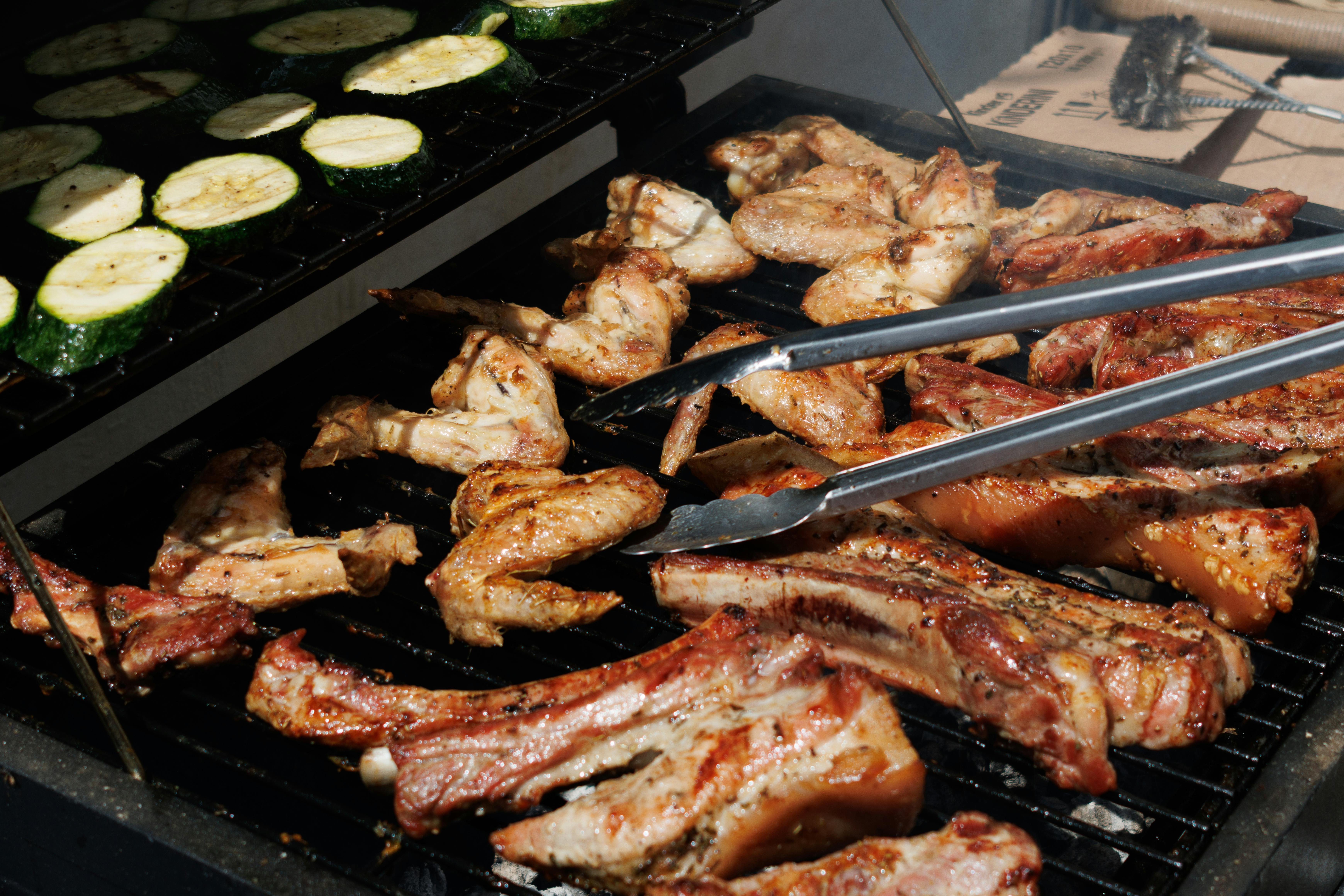
The case for Labour Day grilling starts with comfort. Across much of Canada, the weekend often brings warm afternoons, cooler evenings, and lower humidity than the height of July. That makes a major difference for anyone tending a hot grill, setting a patio table, or trying to keep guests outdoors for hours.
It is also a more stable social weather window. In many regions, wildfire smoke risk can still be a factor and rain is always possible, but the broader late-summer pattern often feels less punishing than midsummer heat waves. People are more willing to cook, eat, and linger outside when the conditions feel pleasant rather than extreme.
That comfort changes behavior. Guests stay longer, second rounds of food are more common, and gatherings stretch naturally from late afternoon into evening. From a host's perspective, that is ideal barbecue territory. The grill becomes the center of the event, not just a quick cooking tool before everyone retreats indoors.
It is a reunion weekend disguised as a long weekend
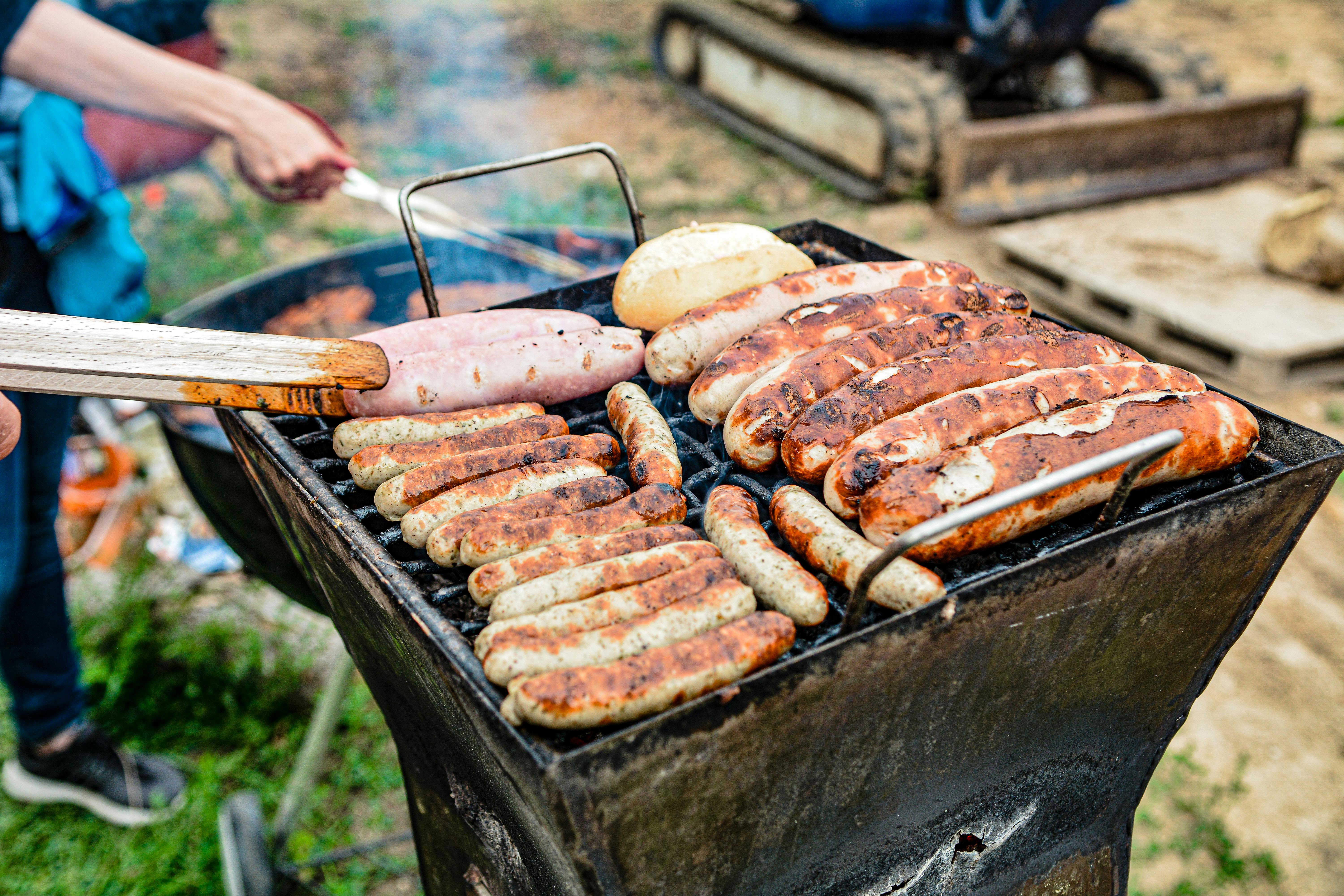
What makes Labour Day especially powerful is who tends to be present. The weekend arrives just before school resumes for many families and just as summer travel winds down. That creates a strong pull toward one last gathering with relatives, neighbors, cottage friends, or returning students before routines tighten again.
Unlike Canada Day, which is often tied to public events, fireworks, or travel, Labour Day is more home-based. People are not always looking for spectacle. They want relaxed time together. A barbecue fits that mood perfectly because it is casual, flexible, and easy to scale from a small family dinner to a yard full of guests.
This is where the holiday quietly outperforms flashier summer dates. Grilling on Labour Day is often less about tradition and more about function. It feeds mixed-age groups well, accommodates picky eaters, and keeps the host engaged without disappearing into the kitchen. In real households, that practicality is exactly what makes an occasion repeatable.
There is an emotional urgency that fuels the fire

Labour Day has a psychological advantage other grilling holidays do not. Canadians know, even if only instinctively, that summer is closing. The days are shortening, evenings cool faster, and fall schedules are coming into view. That awareness creates urgency, and urgency is powerful when it comes to seasonal rituals.
Food habits often intensify when people sense scarcity ahead. One more burger, one more skewer, one more dinner outside becomes a way to mark time. Hospitality experts often note that end-of-season entertaining carries a stronger emotional charge because hosts are trying to preserve a feeling, not just serve a meal.
That emotional layer helps explain why Labour Day cookouts can feel more satisfying than earlier ones. They are not simply part of summer. They are a response to its ending. The grill becomes symbolic, a final act of outdoor abundance before Canadians shift to ovens, stews, and indoor routines.
Why the holiday deserves more barbecue credit
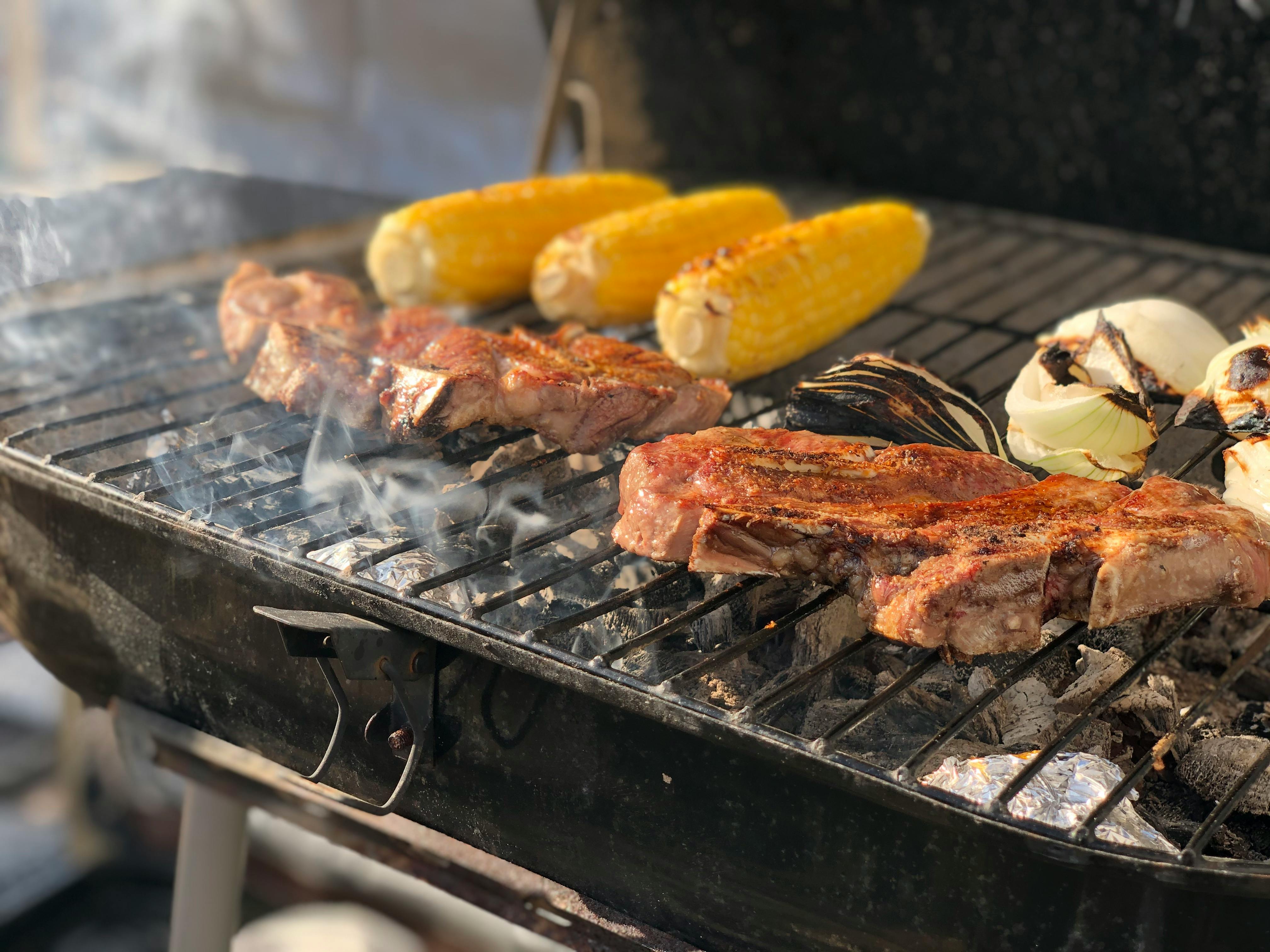
Labour Day weekend may not have the branding of other summer holidays, but it has the strongest overall grilling formula. Experienced hosts, peak produce, comfortable weather, crowd-friendly timing, and emotional momentum all converge at once. In practical terms, that is exactly what creates a major barbecue occasion.
Seen this way, the holiday is not an afterthought. It is the culmination of Canada's grilling season. People are prepared, ingredients are excellent, and the desire to gather is unusually high. If Canada has a hidden national barbecue weekend, Labour Day is the most convincing candidate because it turns habit, seasonality, and sentiment into one remarkably grill-ready moment.




Leave a Reply